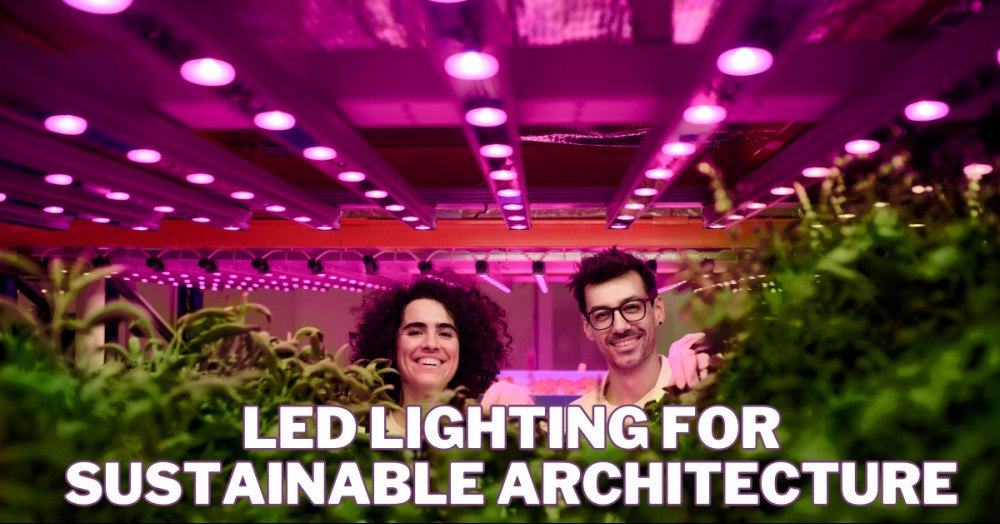
12 Best LED Lighting For Sustainable Architecture

LED lighting for sustainable architecture helps reduce energy use while providing effective illumination for homes, commercial buildings, and public spaces. Its efficiency and long lifespan make it particularly useful in buildings designed with sustainability in mind.
LEDs also give architects and designers considerable flexibility. They provide general lighting, focused task lighting, accent lighting, and outdoor illumination while using less electricity than many traditional lighting options.
Lighting design influences more than energy consumption. Fixture placement, controls, colour temperature, and natural daylight all affect how efficiently and comfortably a building is illuminated.
When combined with renewable energy, smart controls, and thoughtful building design, LED lighting supports broader sustainability goals. This article explores 12 ways LED lighting contributes to sustainable architecture.
LED Lighting Technology
LED (light-emitting diode) technology produces light when an electrical current passes through semiconductor material. Unlike incandescent bulbs, LEDs do not rely on heating a filament to produce light.
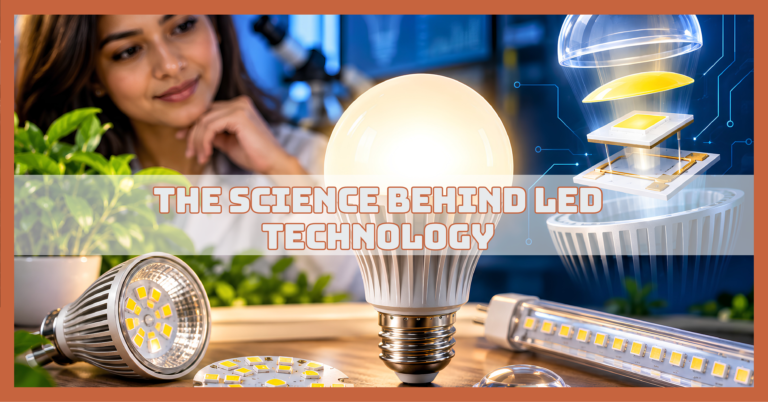
An LED fixture contains components that help produce, direct, and manage the light. These include semiconductor chips, heat sinks, drivers, lenses, and diffusers, depending on the fixture design.
LEDs convert more electrical energy into light and produce less wasted heat than incandescent lighting. Their efficiency helps buildings use less electricity for illumination.
LED technology also provides considerable design flexibility. Different colours, brightness levels, fixture styles, and lighting controls allow architects to adapt illumination to the needs of individual spaces.
Their energy efficiency, long lifespan, and compatibility with lighting controls make LEDs particularly useful in sustainable building design. These qualities reduce energy consumption and the frequency of lamp replacement.
Environmental Benefits Of LED Lighting
LED lighting supports sustainable architecture by reducing the amount of electricity needed for illumination. LEDs are more energy-efficient than traditional incandescent lighting, helping buildings use less electricity for the same general lighting needs.
Lower electricity consumption reduces the environmental impact associated with power generation. The extent of this benefit depends on how the electricity supplying the building is generated.
LEDs are also well suited to directional lighting. Fixtures direct illumination toward where it is needed, reducing wasted light and, when properly designed, unnecessary outdoor light pollution.
Their long lifespan provides another environmental advantage. Fewer replacements reduce the number of lamps manufactured, transported, and discarded over a building’s life.
Combined with thoughtful fixture placement and lighting controls, these characteristics make LEDs useful in sustainable building design. They reduce energy consumption, unnecessary outdoor light, and lighting-related waste.
Sustainable Business Ideas For Nature Lovers
🌿 Whether you love gardening, caring for animals, or exploring eco-friendly living,
you can turn your nature-inspired interests into meaningful online income.
Discover simple, sustainable business ideas that let you share your love for nature while supporting a greener lifestyle. 👇
LED Lighting For Sustainable Architecture
LEDs can be incorporated into many parts of a building, from general room lighting and task areas to exterior spaces and architectural features.
Their role also extends beyond individual light fixtures. LEDs work with sensors, timers, dimming systems, daylight controls, and renewable energy systems to manage when and how lighting is used.
Architects can choose fixtures and lighting arrangements that suit specific spaces without providing more illumination than necessary. This helps balance practical lighting needs with energy-conscious building design.
The following 12 features show how LED lighting supports sustainable architecture through efficient operation, adaptable design, reduced maintenance, and thoughtful lighting control.
1. Energy Efficiency
Energy efficiency is one of the main reasons LEDs suit sustainable architecture. They require less electricity than traditional incandescent lighting while providing effective illumination.
LEDs produce light using semiconductor technology rather than heating a filament. Although LEDs still generate heat, they waste considerably less energy as heat than incandescent light bulbs.
Lower electricity consumption reduces a building’s overall energy needs. This matters more in larger buildings, where many fixtures may run for several hours each day.
LEDs work with dimmers, occupancy sensors, timers, and daylight controls. These systems reduce unnecessary lighting by adjusting illumination based on how and when a space is used.
Together, energy-efficient LEDs and effective lighting controls help architects reduce lighting-related electricity consumption while still providing appropriate illumination throughout a building.

2. Longevity
The long lifespan of LED lighting is another advantage in sustainable architecture. LEDs generally last much longer than traditional incandescent bulbs, reducing how frequently lamps need to be replaced.
Fewer replacements reduce the amount of discarded lighting products over the life of a building. This is especially useful in large buildings with numerous fixtures or in areas where lights are difficult to access.
Longer-lasting lighting reduces the resources associated with manufacturing, packaging, transporting, and installing replacement lamps. This extends the sustainability benefits beyond electricity consumption alone.
LED lifespan depends on factors such as fixture quality, operating temperature, electrical conditions, and usage. Choosing appropriate fixtures and managing heat effectively help LEDs perform reliably over time.
3. Reduced Carbon Footprint
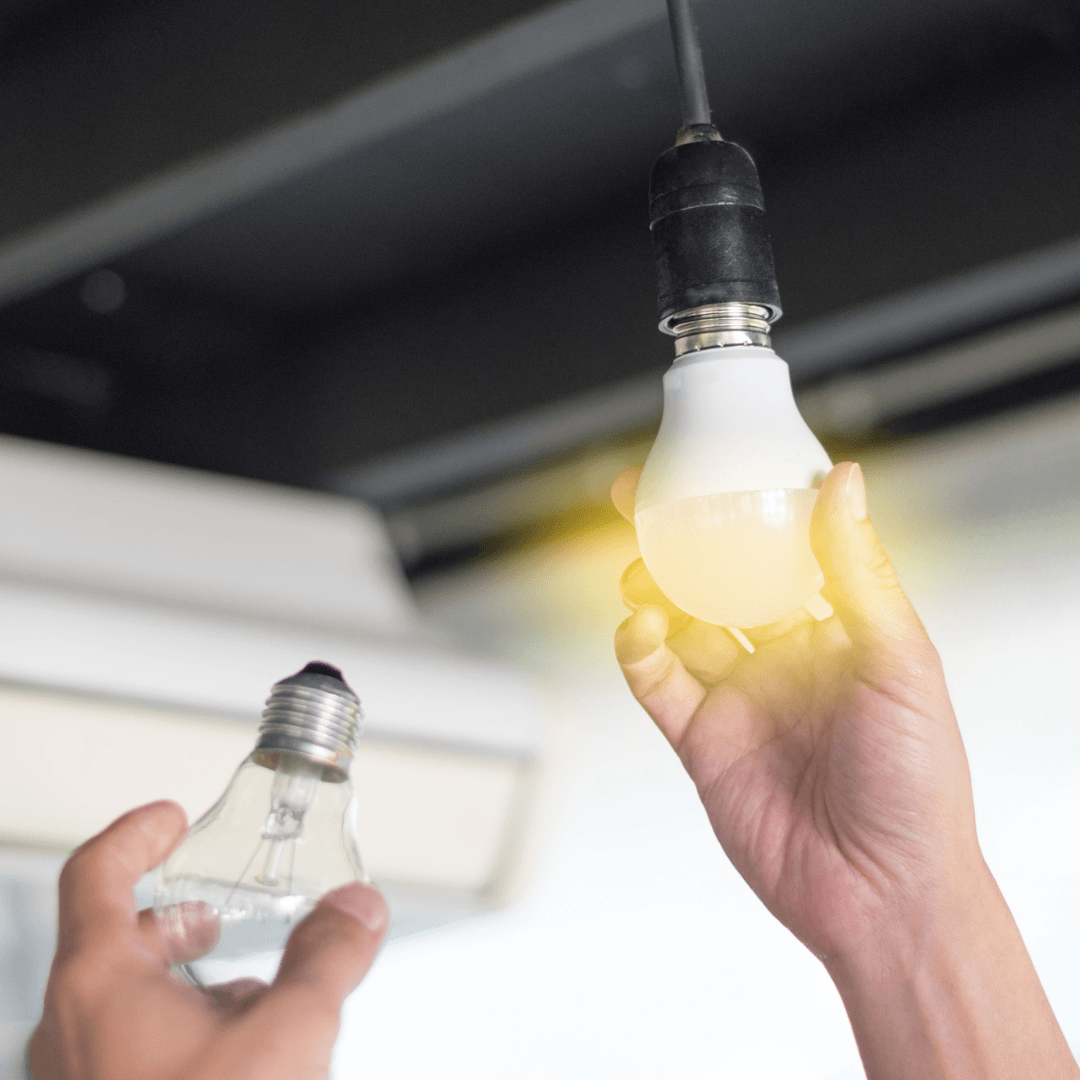
LED lighting reduces a building’s carbon footprint. Because LEDs require less electricity than traditional incandescent lighting, they reduce the energy needed for illumination.
Lower electricity consumption reduces greenhouse gas emissions from power generation. The extent of this benefit depends on the energy sources used to produce the building’s electricity.
Lighting controls further reduce energy use by dimming or switching off lights when full illumination is unnecessary. Combining efficient LEDs with sensors, timers, and daylight controls therefore increases the potential energy savings.
For sustainable architecture, reducing lighting-related electricity consumption is one practical way to lower a building’s overall environmental impact. The benefits become particularly significant in larger buildings with many fixtures operating throughout the day.

4. Directional Lighting
Directional lighting is particularly useful in sustainable architecture because it allows designers to place illumination where it is needed. LED fixtures direct light toward specific surfaces, pathways, work areas, or architectural features.
Careful fixture placement reduces unnecessary light spill and helps use electricity more efficiently. Outdoors, directing light downward helps limit light pollution and excessive illumination of the night sky.
Poorly directed outdoor lighting contributes to skyglow and interferes with natural darkness. Artificial light at night affects wildlife, particularly species whose behaviour depends on natural light-dark cycles.
Directional LED fixtures are especially useful around buildings, pathways, parking areas, and environmentally sensitive locations. Appropriate shielding and positioning provide necessary illumination while limiting light beyond the intended area.

5. Sustainable Materials
The materials used in LED lighting are another consideration in sustainable architecture. An LED fixture contains electronic components, metals, plastics, glass, and semiconductor materials, so its environmental impact extends beyond electricity consumption.
LED lamps do not contain mercury, which distinguishes them from fluorescent and compact fluorescent lamps. However, LEDs are electronic products and may contain other materials that require appropriate handling at the end of their useful life.
Long-lasting fixtures reduce the number of lighting products to be manufactured and replaced over time. Choosing durable products with replaceable or recyclable components further supports waste-reduction efforts.
Architects and designers consider how easily fixtures can be repaired, upgraded, disassembled, or recycled. These factors extend product life and reduce unnecessary disposal when planning lighting for sustainable buildings.
6. Compatibility With Renewable Energy
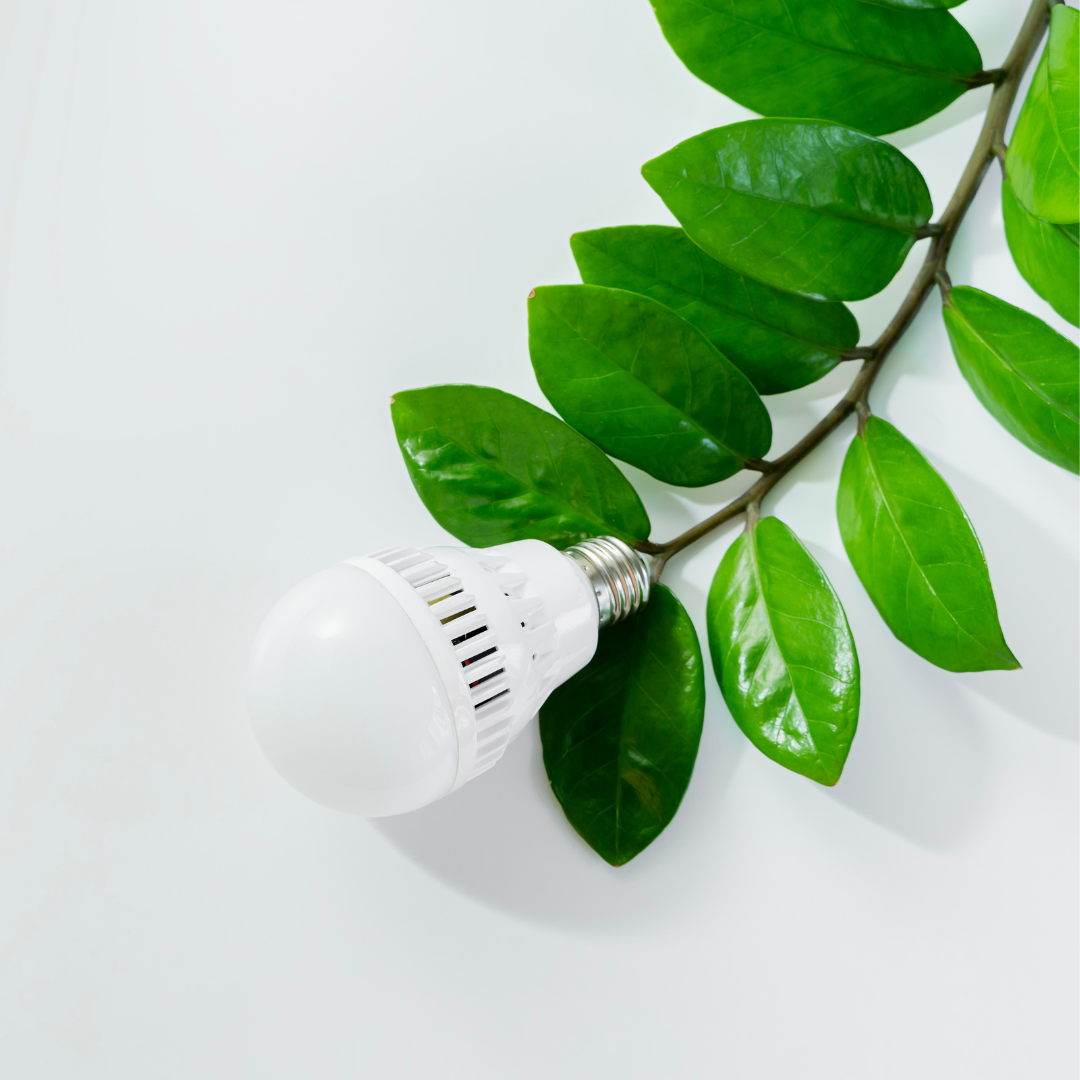
LED lighting works particularly well with renewable energy systems because it requires relatively little electricity. Buildings that use solar panels or wind turbines can use some of the electricity they generate to power efficient LED lighting.
Solar and wind generation varies with weather conditions and time of day. Battery storage and other energy-management systems balance generation and demand when a building incorporates renewable energy.
LED lighting controls provide additional flexibility. Dimmers, occupancy sensors, timers, and automated controls reduce lighting demand when full illumination is unnecessary.
Combining renewable energy with efficient lighting reduces the amount of electricity a building needs from conventional energy sources. This makes LED lighting a practical component of buildings designed to incorporate renewable power.

7. Design Flexibility
The design flexibility of LED lighting gives architects many options for illuminating sustainable buildings. LEDs are available in different shapes, sizes, colour temperatures, and fixture styles for a wide range of indoor and outdoor applications.
LEDs can highlight architectural features, provide task or accent lighting, and be integrated into walls, ceilings, stairs, and other building elements. This makes lighting part of the architectural design rather than simply an added fixture.
Many LED systems can be dimmed or controlled individually or in groups. This flexibility lets different areas of a building receive the amount and type of illumination needed for their purpose.
LED lighting complements sustainable design strategies such as daylighting. Combining natural light with well-controlled artificial lighting reduces unnecessary electricity use while maintaining comfortable illumination indoors.
This flexibility allows architects to balance practical lighting needs, energy efficiency, and a building’s visual character. It also makes LED lighting adaptable to different spaces and changing lighting needs over time.
8. Heat Emission Reduction
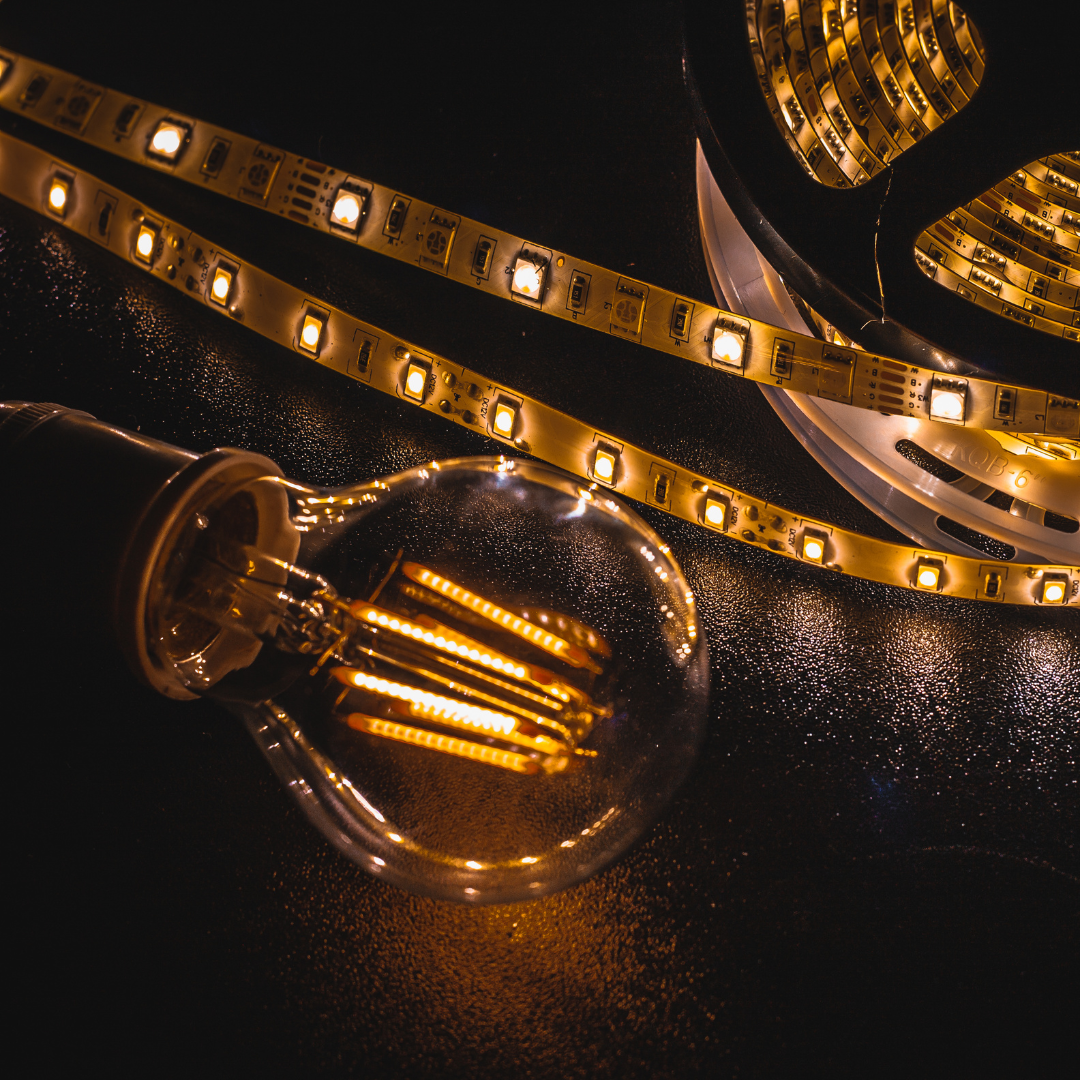
LEDs produce considerably less waste heat than incandescent bulbs, which release much of their energy as heat. This is particularly useful in buildings with many light fixtures operating for long periods.
Lighting heat contributes to the total heat inside a building. In warmer conditions, reducing this additional heat reduces the cooling required to maintain a comfortable indoor temperature.
The effect varies by building, climate, number of fixtures, and lighting usage. However, efficient lighting should be part of a broader strategy to reduce cooling demand and overall building energy consumption.
Lower heat output makes LEDs useful in enclosed or temperature-sensitive spaces. Combined with efficient heating, ventilation, and air-conditioning (HVAC) systems, LED lighting helps manage indoor temperatures more effectively.

9. Recyclability
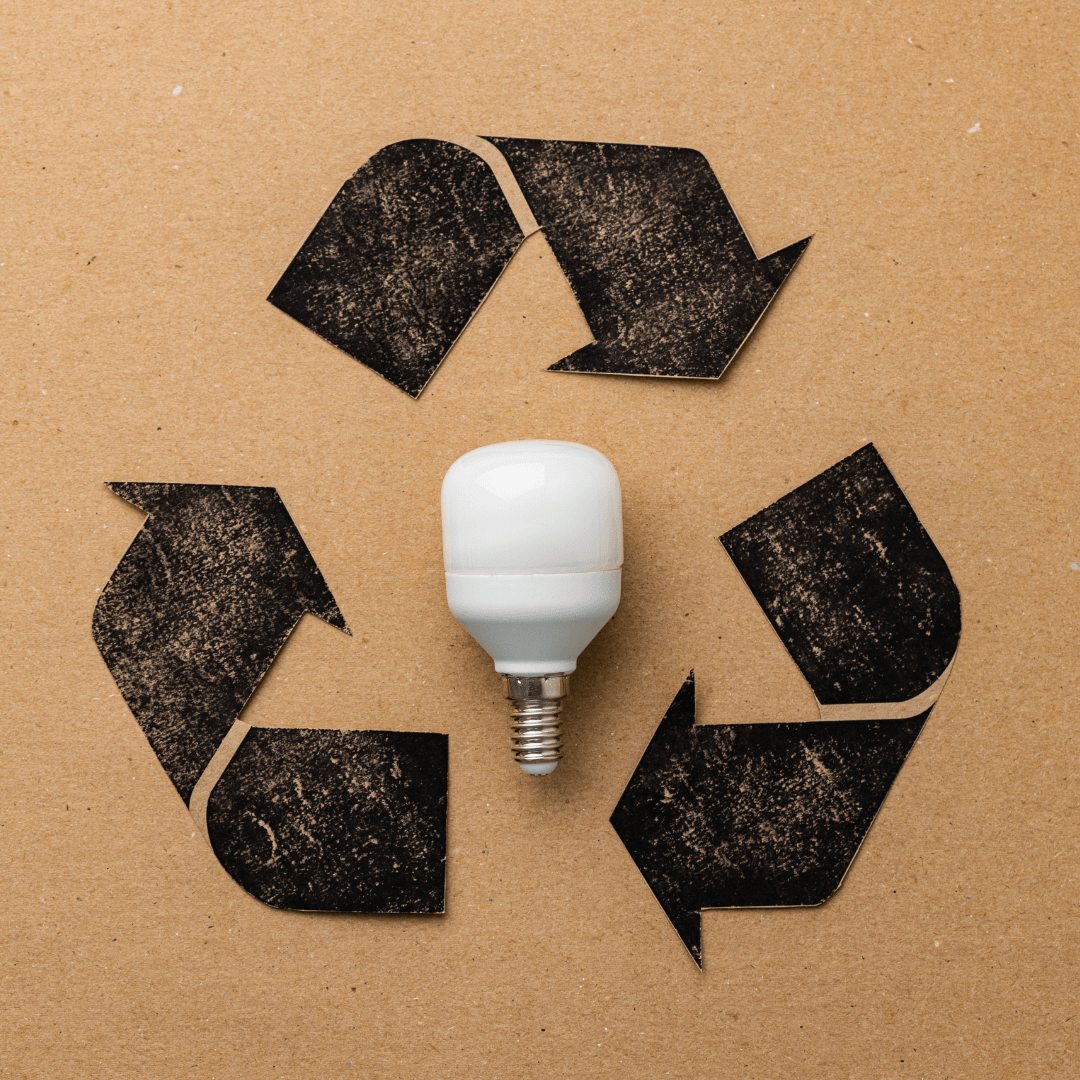
Many LED lighting products contain materials that can potentially be recovered and recycled, including metals, glass, plastics, and electronic components. However, recycling options vary by fixture and by the facilities available locally.
LED lamps are electronic products and should not automatically be treated as ordinary household waste. Appropriate recycling programs recover useful materials and help keep electronic components out of landfills.
LEDs do not contain mercury, unlike fluorescent and compact fluorescent lamps. Their electronic components still require responsible handling and disposal at the end of their useful life.
Choosing durable fixtures that can be repaired, upgraded, or disassembled reduces unnecessary waste. These considerations support a more circular economy, in which products and materials remain in use for as long as practical.
Architects and building managers include end-of-life disposal and recycling when selecting lighting products. This extends sustainable lighting decisions beyond energy efficiency to the fixture’s full lifecycle.
10. Maintenance Savings
The long lifespan of LED lighting reduces maintenance throughout a building. Fewer lamp replacements mean less time and labour spent inspecting, accessing, and replacing lighting.
This is particularly valuable in commercial buildings, public spaces, warehouses, and outdoor installations with numerous fixtures. It benefits lights installed in high ceilings or other hard-to-reach locations.
Reducing replacement frequency lowers the demand for replacement lamps and associated maintenance materials. It may also reduce the need for equipment used to access fixtures in challenging locations.
LED fixtures still require maintenance, including cleaning, inspection, and occasional replacement of components or complete fixtures. Choosing durable, serviceable lighting products simplifies these tasks over the life of a building.
Lower maintenance requirements complement LEDs’ energy-saving benefits. Together, these advantages reduce the resources needed to operate and maintain a building’s lighting system.
11. Reducing Light Trespass
Light trespass occurs when artificial light extends beyond the area it is intended to illuminate. This happens when outdoor fixtures shine into neighbouring properties, windows, natural areas, or other spaces where the light is unnecessary.
LED fixtures use optics and shielding to direct illumination toward specific areas. Proper positioning helps keep light on pathways, entrances, parking areas, and other surfaces that require illumination.
Reducing unwanted light improves the surrounding nighttime environment and limits unnecessary illumination near natural habitats. It prevents outdoor lighting from shining into neighbouring homes and properties.
Directional fixtures, appropriate brightness levels, and careful placement all help control light trespass. These measures reduce wasted light while keeping buildings and outdoor areas adequately illuminated.

12. Designing With Circadian Rhythms
Lighting design accounts for circadian rhythms by considering how light colour and intensity change throughout the day. Natural daylight provides these changes automatically, while some LED systems adjust artificial lighting over time.
Tunable LED fixtures provide different colour temperatures and brightness levels at different times of day. This gives architects and lighting designers greater control over the indoor lighting environment.
Access to daylight remains an important consideration when designing buildings around natural light-dark cycles. Artificial lighting complements daylight where natural light is limited or unavailable.
Circadian-aware lighting may be particularly relevant in offices, schools, healthcare facilities, and residential spaces where people spend long periods indoors. Supporting natural light-dark patterns may also help create an indoor environment that is more compatible with healthy sleep patterns.
Combining daylight, adjustable LED lighting, and thoughtful controls creates a more responsive indoor environment. It also allows lighting to change throughout the day rather than remaining at the same brightness and colour temperature for hours.
Conclusion
LED lighting for sustainable architecture provides an efficient and flexible way to illuminate buildings while supporting broader sustainability goals. Its lower energy requirements and long lifespan reduce electricity consumption and the need for frequent replacements.
LED technology also gives architects greater control over where, when, and how much light is used. Directional fixtures, dimming, sensors, daylight controls, and other systems reduce unnecessary lighting and improve overall efficiency.
Other considerations extend beyond energy consumption. Durable fixtures, responsible disposal, reduced light trespass, and thoughtful outdoor lighting limit waste and reduce unnecessary effects on wildlife and surrounding environments.
LEDs work alongside renewable energy systems and other energy-efficient building technologies. Choosing appropriate fixtures and controls makes lighting part of a broader sustainable building strategy.
As lighting technology continues to develop, thoughtful design remains just as important as the technology itself. Combining efficient LEDs with appropriate placement and controls provides practical illumination while using energy and resources more responsibly.
I trust you enjoyed this article on the 12 Best LED Lighting for Sustainable Architecture. Please stay tuned for more inspiring guides, helpful tips, and ideas to help you live closer to nature every day.
Take care!
— JeannetteZ🌿
💬 Your Opinion Is Important To Me
Do you have thoughts, ideas, or questions? I’d love to hear from you. Please leave your comments below or email me directly at Jeannette@Close-To-Nature.org.
📚 More Nature-Inspired Reads
Explore more ways to connect with nature, nurture your pets, and live in harmony with the world around you 🌿