10 Best LED Lighting For Solar-Powered Applications

LED lighting for solar-powered applications combines energy-efficient illumination with renewable solar energy. These systems use solar panels to collect sunlight, store energy in batteries, and power LED lights when needed.
LEDs are particularly well suited to solar-powered systems because they require relatively little electricity while providing effective illumination. Their long lifespan can also reduce maintenance and replacement requirements.
Solar-powered LED lighting can be used in many settings, including gardens, pathways, streets, parking areas, signs, and locations where connecting to the electrical grid may be difficult.
Different systems suit different lighting needs, from small decorative lights to larger outdoor installations. Factors such as solar-panel capacity, battery storage, LED efficiency, and available sunlight all influence performance.
Understanding these factors can help you choose the right system for a particular setting. This article explores the advantages of LED lighting for solar-powered applications and 10 practical ways to use this technology.
Benefits Of LED Lighting In Solar-Powered Systems
LED lighting offers several benefits when combined with solar-powered systems. Because LEDs require relatively little electricity, they can make efficient use of the energy collected by solar panels.
Their long lifespan can also reduce how often lights need replacing, which is especially useful in outdoor or remote locations. Durable LED fixtures can withstand many of the conditions associated with exterior lighting.
Solar-powered LED systems can operate independently of the electrical grid when properly designed with suitable solar panels and battery storage. This makes them useful for pathways, gardens, streets, signs, and other locations where electrical connections may be unavailable or impractical.
Other benefits include instant illumination, flexible designs, dimming capabilities, and reduced environmental impact compared with many conventional lighting systems. Let’s take a closer look at the main benefits of using solar-powered LED lighting.
1. Energy Efficiency
Energy efficiency matters in solar-powered lighting because available electricity depends on the energy the system collects and stores. Efficient LEDs help make that available energy last longer.
Because LEDs require less electricity than traditional incandescent lighting, a solar-powered system can provide useful illumination without placing as much demand on its battery. This can be particularly valuable during longer nights or periods with limited sunlight.
The amount of energy required also influences the size of the solar panel and battery needed for a lighting system. Choosing efficient LEDs can therefore help create a more practical and appropriately sized solar-powered setup.
2. Long Lifespan
A long lifespan is particularly valuable in solar-powered lighting systems installed outdoors or in remote locations. Fewer replacements can mean less maintenance, especially where fixtures are difficult to access.
LEDs generally last much longer than traditional incandescent bulbs, although their actual lifespan depends on factors such as operating temperature, fixture design, and electrical conditions.
Properly designed solar-powered systems can therefore provide reliable lighting with fewer lamp replacements over time. This can reduce both maintenance work and the amount of waste created by frequently replacing bulbs.
3. Durability
Solar-powered LED lights are often installed outdoors, where fixtures face changing weather conditions. Rain, wind, dust, and temperature changes make durability particularly important.
LEDs use solid-state components rather than fragile filaments, making them resistant to vibration and shock. A weather-resistant fixture provides additional protection outdoors.
Together, these features make solar-powered LEDs suitable for gardens, pathways, streets, parking areas, and remote locations. Their durability can also help reduce maintenance in places where frequent repairs would be inconvenient.
4. Low Heat Emission
LEDs produce less heat than traditional incandescent lighting because they waste less electrical energy as heat. This is especially useful in solar-powered systems, where efficient use of stored energy matters.
Lower heat emission can also help protect components within compact solar lighting fixtures. Proper heat management is still important for keeping LEDs, batteries, and other components working reliably.
Good fixture design helps manage the heat that is produced. This can support consistent performance and help protect the system over time.
5. Instant On And Off
LEDs reach full brightness immediately when switched on. This makes them well suited to solar lighting systems that operate only when illumination is needed.
For example, solar lights with motion sensors can remain off or dimmed until movement is detected. The LEDs can then provide full illumination immediately without a warm-up period.
Timers and other controls can also limit how long the lights remain on. This helps conserve stored battery energy while still providing light when needed.
6. Design Flexibility
Solar-powered LED lighting is available in many designs for different locations and purposes. Options include pathway lights, wall-mounted fixtures, streetlights, signs, and decorative lighting.
Some solar lights have the solar panel built directly into the fixture. Others use a separate panel that you can position where it gets more sunlight.
This flexibility makes solar-powered LEDs useful for gardens, pathways, buildings, parking areas, and remote locations. Different designs can be chosen to suit the lighting needs of each space.
7. Dimmability
Many solar-powered LED lights can be dimmed when full brightness is not needed. Using a lower setting can help conserve stored battery energy.
Some lights can also dim automatically at certain times or when no movement is detected. They can return to full brightness when more light is needed.
This feature helps solar-powered systems use their stored energy more efficiently. It can be especially useful on cloudy days when less solar energy is available.
8. Environmentally Friendly
LED lighting can reduce a solar-powered system’s environmental impact by using less electricity and lasting longer than many traditional lighting options. Fewer replacements can also reduce lighting waste over time.
LEDs do not contain mercury, unlike fluorescent and compact fluorescent lamps. Combining efficient LED lighting with renewable solar energy can also reduce reliance on electricity generated from non-renewable sources.
Together, these benefits make LEDs well suited to solar-powered lighting systems. Their efficiency, long lifespan, durability, and flexibility complement the renewable energy provided by solar power.
Solar-powered LED lighting can therefore provide practical illumination in many locations while reducing energy consumption. The next section explores some ways these systems can be used.
Sustainable Business Ideas For Nature Lovers
🌿 Whether you love gardening, caring for animals, or exploring eco-friendly living,
you can turn your nature-inspired interests into meaningful online income.
Discover simple, sustainable business ideas that let you share your love for nature while supporting a greener lifestyle. 👇
LED Lighting For Solar-Powered Applications
LED lighting for solar-powered applications can be used in many locations that need efficient, reliable illumination. These systems range from small garden lights to larger street and security lighting installations.
Solar panels collect energy from sunlight, while batteries store that energy for use when natural light is unavailable. Energy-efficient LEDs help the system use the stored electricity more effectively.
Some applications are especially useful in locations where connecting to the electrical grid is difficult or impractical. Others provide a convenient way to add outdoor lighting without installing extensive electrical wiring.
The following 10 applications show how solar-powered LED lighting can be used in homes, communities, businesses, public spaces, and remote locations.
1. Solar Street Lighting
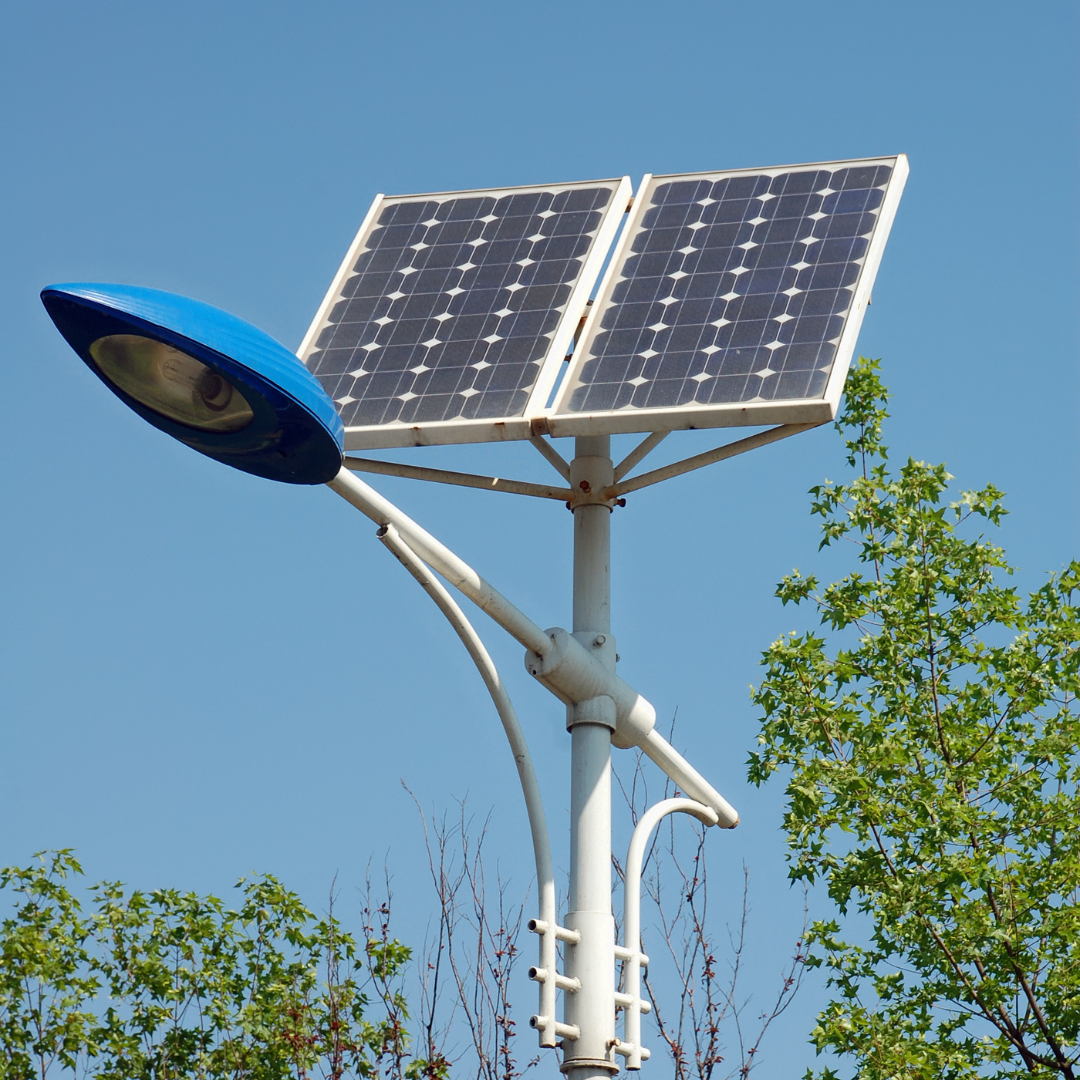
Solar street lighting uses solar panels to collect energy during the day and batteries to store it. After dark, the stored energy powers LED fixtures to illuminate streets, pathways, and other public areas.
Energy-efficient LEDs are well suited to these systems because they can provide effective illumination while using relatively little stored electricity. This helps the lights operate longer after the sun goes down.
Solar streetlights can also be useful where connecting to the electrical grid is difficult or expensive. They may be installed along roads, in parking areas, parks, and other public spaces that need nighttime lighting.
Their long lifespan can reduce the need for frequent lamp replacements and maintenance. Proper placement and fixture design can also direct light toward roads and pedestrian areas where it is needed.
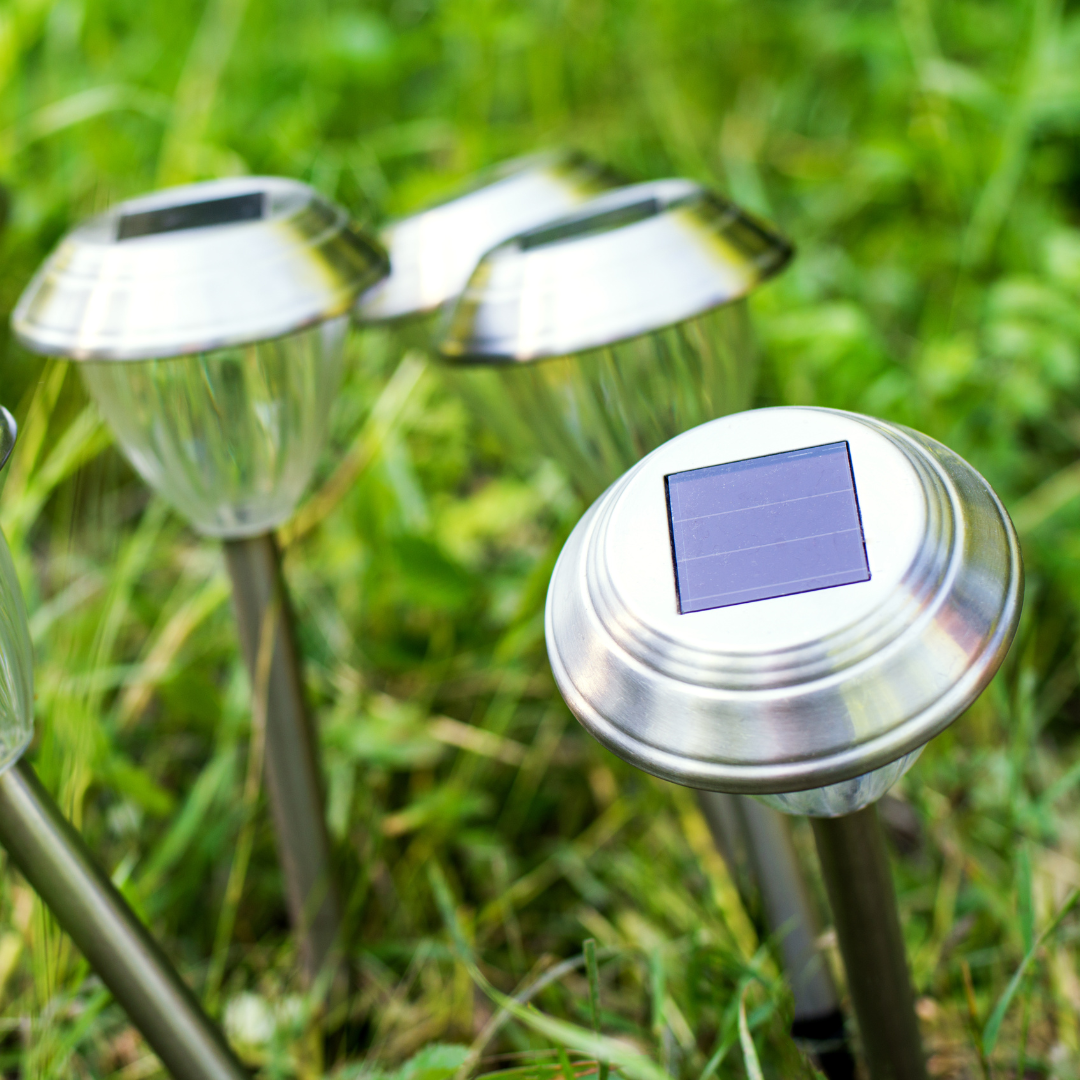
2. Solar Garden Lights
Solar garden lights provide an easy way to illuminate gardens, pathways, patios, and other outdoor spaces. Many models combine a small solar panel, rechargeable battery, and LED light within one compact fixture.
During the day, the solar panel collects energy from sunlight and stores it in the battery for later use. After dark, the LED typically switches on automatically and uses the stored energy to illuminate the surrounding area.
Because solar garden lights don’t require electrical wiring, you can install them in many locations and move them as needed. Different styles suit pathways, garden beds, patios, steps, borders, and decorative landscape features.
Careful placement helps solar garden lights perform more reliably throughout the night. The solar panel needs adequate direct sunlight during the day to recharge the battery and provide consistent illumination after dark.
3. Solar Home Lighting Systems
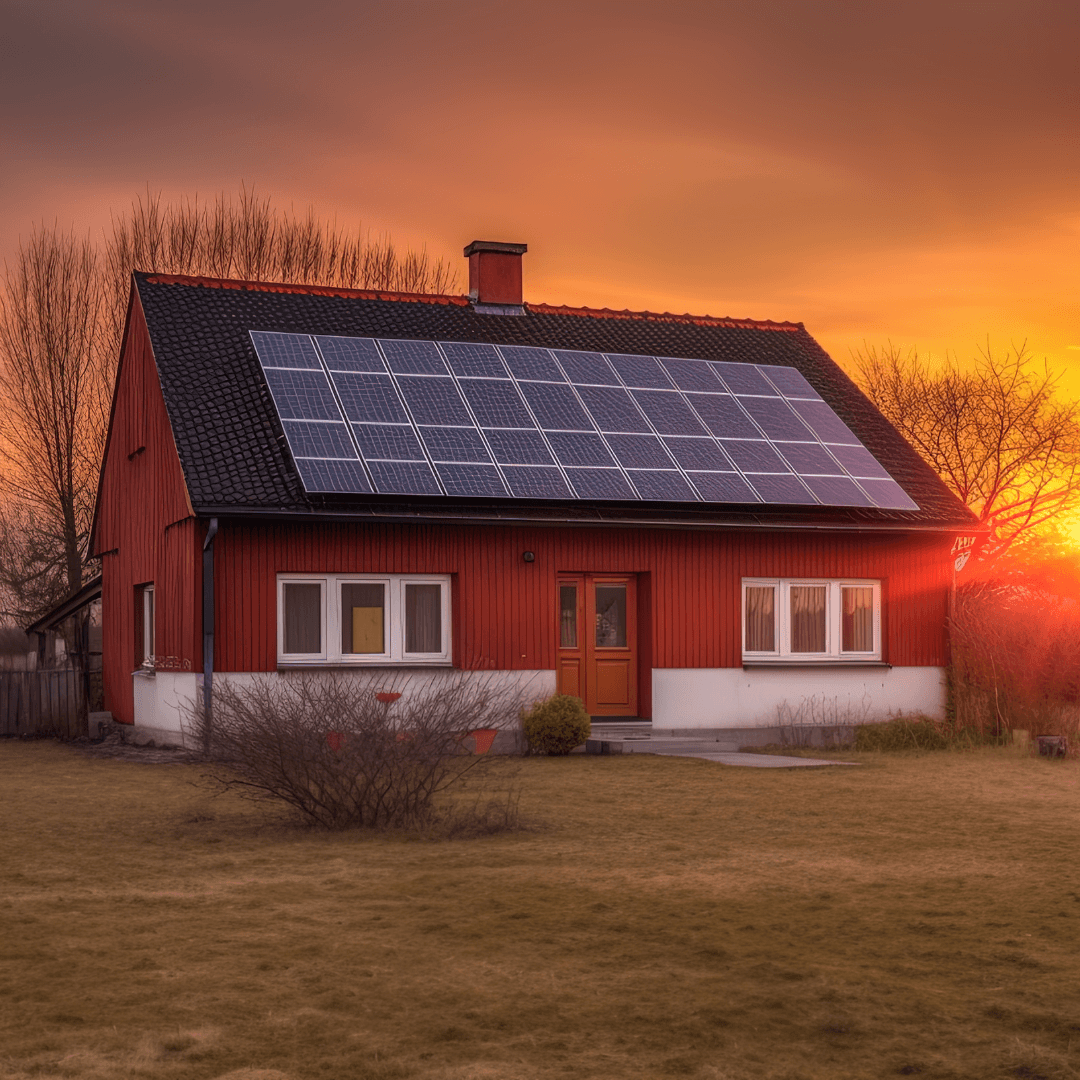
Solar home lighting systems can power lights in homes where grid power is unavailable or unreliable. They are particularly useful in remote locations where extending conventional electrical infrastructure may be difficult.
A typical system uses a solar panel to collect energy during the day and a battery to store it for later use. A charge controller manages the flow of electricity and helps protect the battery from overcharging or excessive discharge.
Energy-efficient LEDs suit these systems well because they require relatively little stored electricity to provide useful illumination. Their long lifespan can also reduce the need for frequent replacements and maintenance.
Solar home lighting systems can light kitchens, living areas, entrances, and other household spaces after dark. Match the size of the solar panel and battery to the number of lights and how long they are expected to run.
4. Solar Floodlights
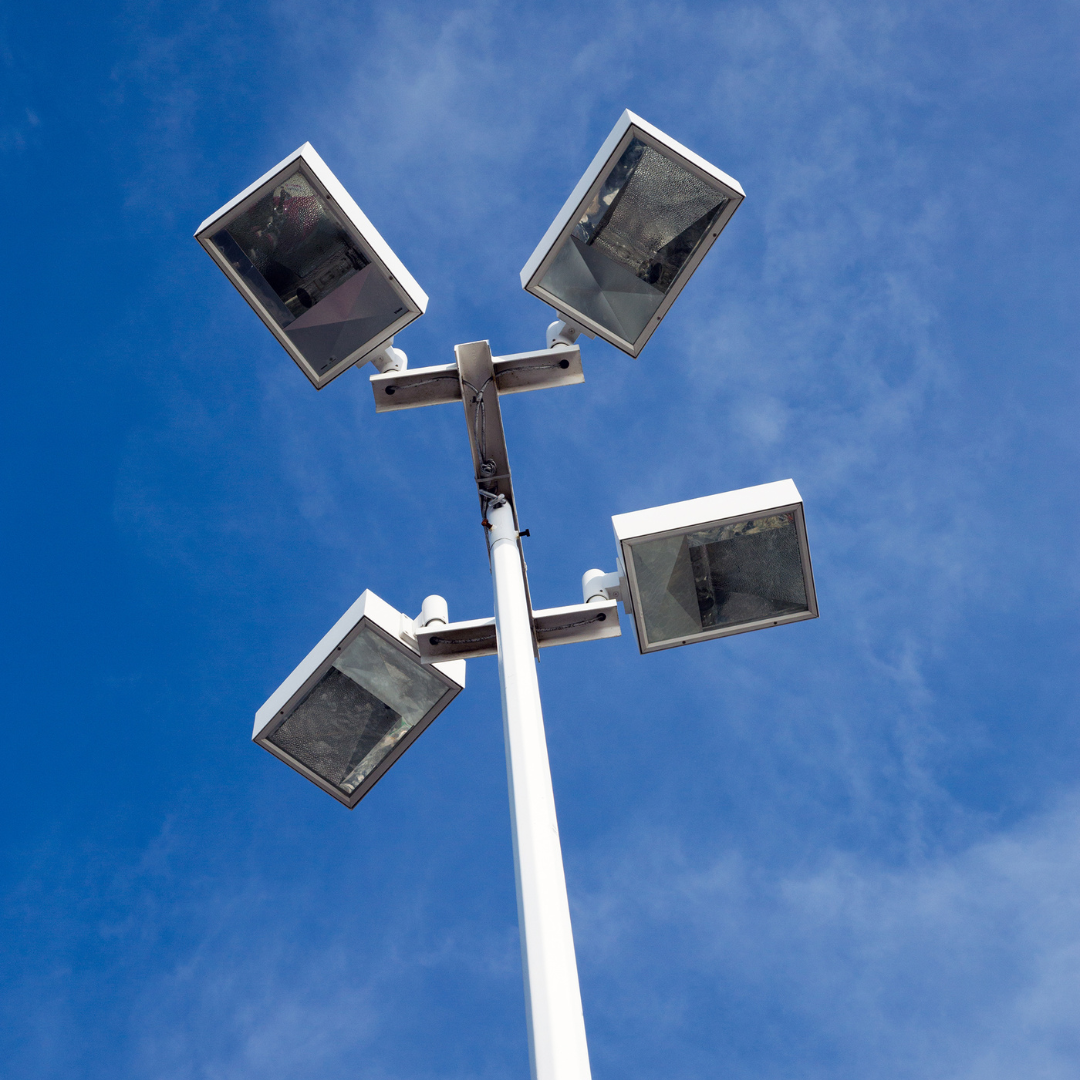
Solar floodlights provide bright illumination for larger outdoor areas without requiring a direct connection to the electrical grid. People commonly use them around homes, driveways, parking areas, buildings, yards, and other outdoor spaces.
During the day, a solar panel collects sunlight and converts it into electricity, which it stores in a rechargeable battery. After dark, the stored energy powers the LED floodlight when you need illumination.
Many solar floodlights include motion sensors that activate or increase brightness when they detect movement. This can help conserve battery energy by providing full illumination only when needed.
LEDs also provide directional light that you can aim toward a specific area rather than illuminating unnecessary surroundings. Careful positioning can improve coverage while helping reduce wasted light and unwanted light spill.
5. Solar Signage Lighting
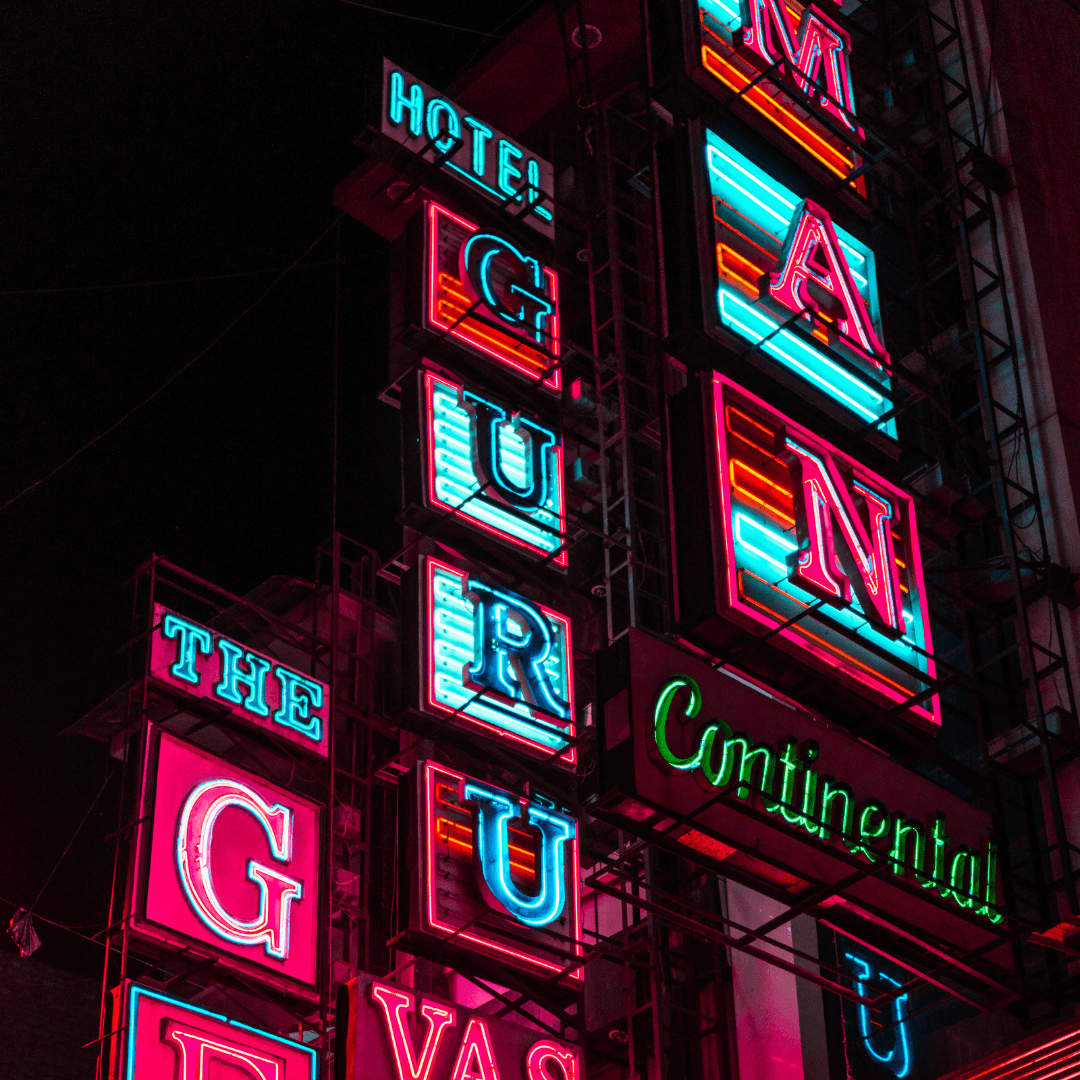
Solar-powered LED lighting can illuminate signs without requiring a direct connection to the electrical grid. It can power business signs, information boards, street signs, billboards, and other outdoor displays.
A solar panel collects energy during the day and stores it in a battery. After dark, the stored electricity powers the LEDs, keeping the sign visible when natural light is limited.
This type of lighting can be especially useful for signs in remote locations or areas where installing electrical wiring is difficult. LEDs can also be positioned to direct light toward the sign rather than the surrounding area.
The solar panel needs enough sunlight during the day to keep the battery charged. Proper placement and system sizing help provide more reliable illumination throughout the night.
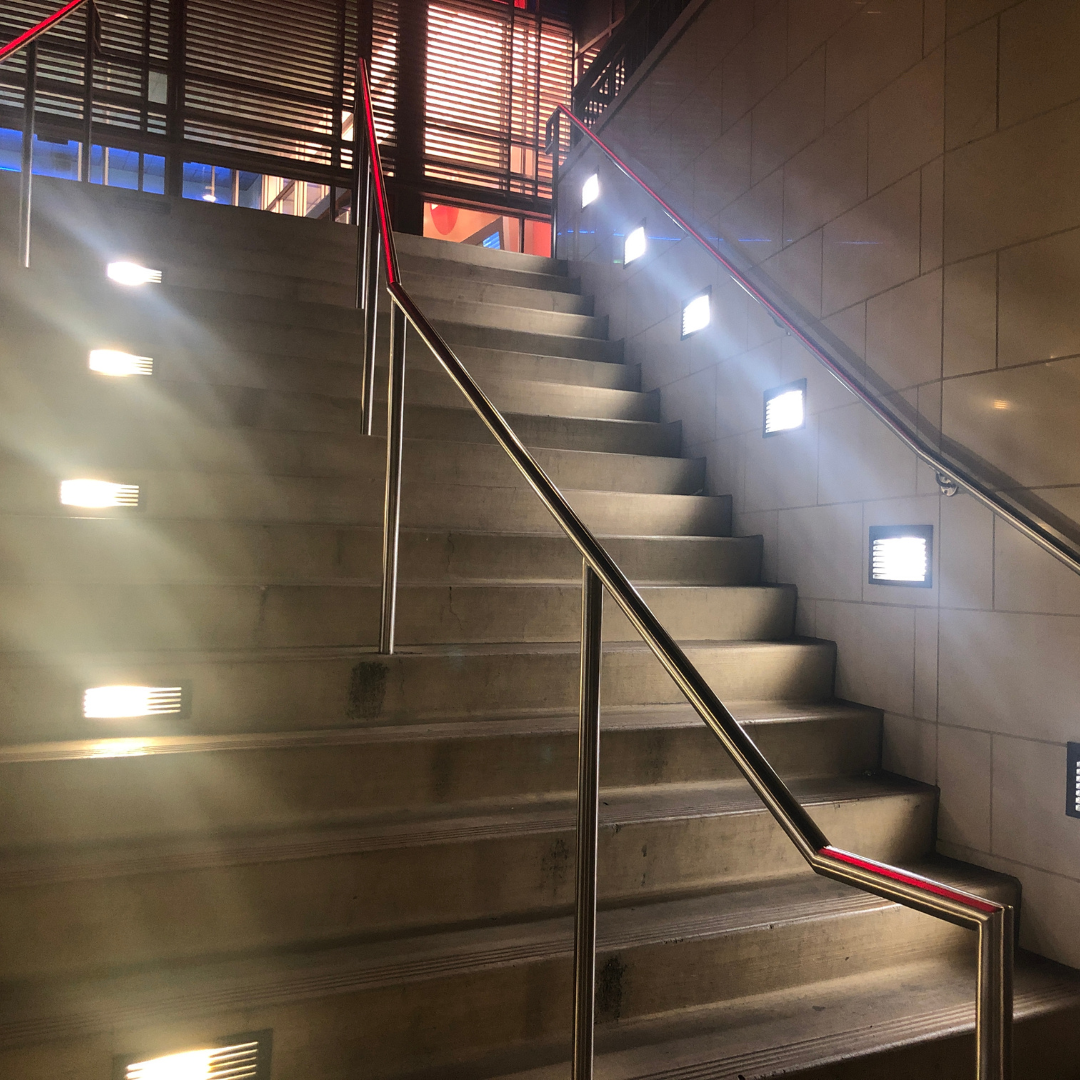
6. Solar Pathway Lights
Solar pathway lights can illuminate walkways, driveways, steps, and other routes around a property. They can help define the edges of a path while providing gentle illumination after dark.
Most models have a small solar panel that charges a battery during the day. After sunset, the LED lights switch on automatically and use the stored energy throughout the evening.
Because they do not require electrical wiring, solar pathway lights can be placed along routes where installing conventional lighting may be inconvenient. Many designs can also be repositioned as landscaping or lighting needs change.
Spacing and placement influence how evenly a pathway is illuminated. Positioning the lights where their solar panels receive adequate sunlight can also help them charge properly and provide more consistent lighting at night.
7. Solar Traffic Lights
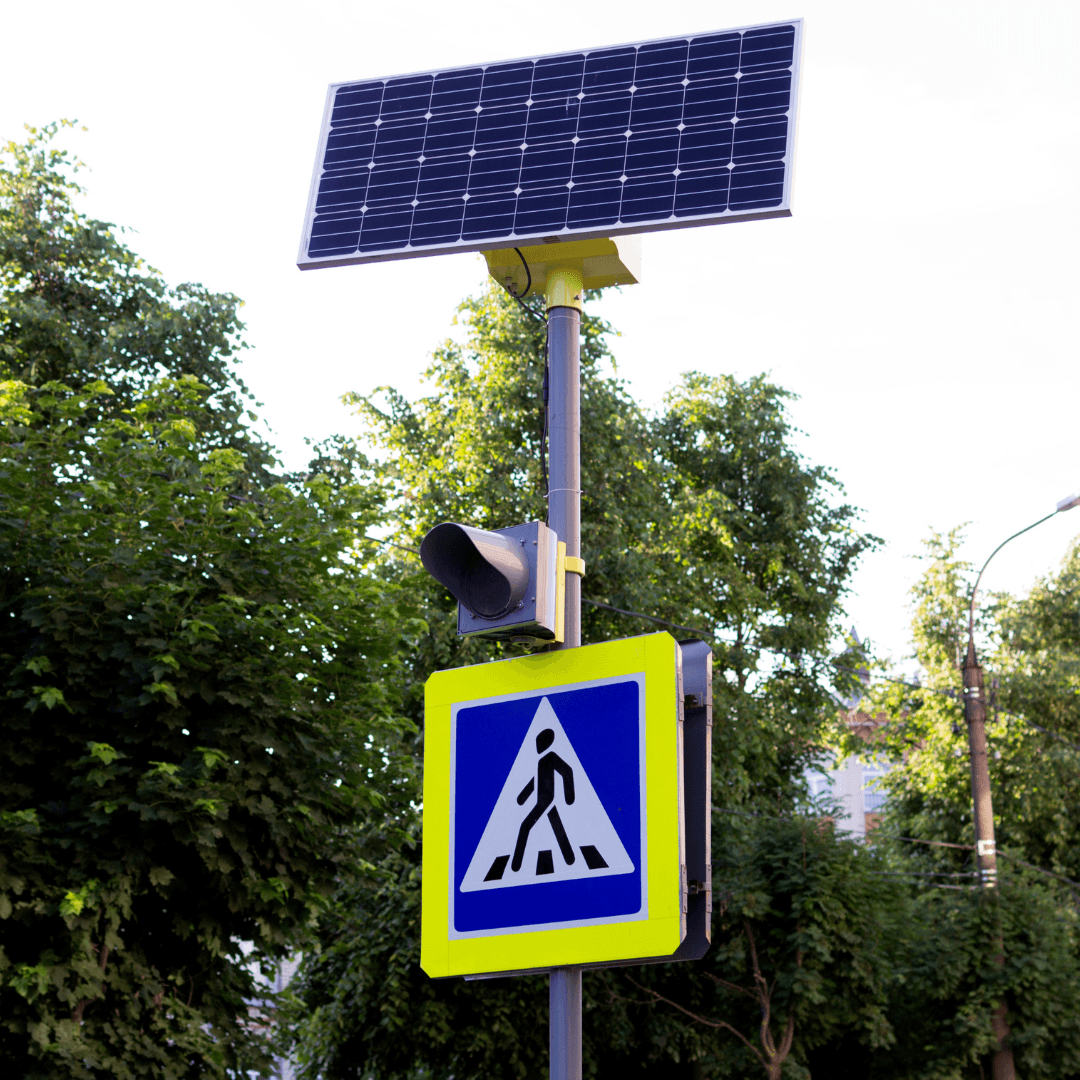
Solar-powered LED traffic lights can operate independently of the electrical grid. They may be useful in remote locations, temporary construction zones, and other areas where providing a conventional electrical connection is difficult.
Solar panels collect energy during daylight hours and store it in batteries. The stored electricity then powers the LED signals as needed, including after dark and during periods of limited sunlight.
LEDs require relatively little electricity, making them well suited to battery-powered traffic signals. Backup battery capacity is especially important because traffic lights must keep operating when sunlight is limited.
Solar-powered traffic signals can also reduce the amount of electrical wiring required at some locations. However, the system must be properly designed and maintained to operate reliably under local weather and traffic conditions.
8. Solar Billboard Lights
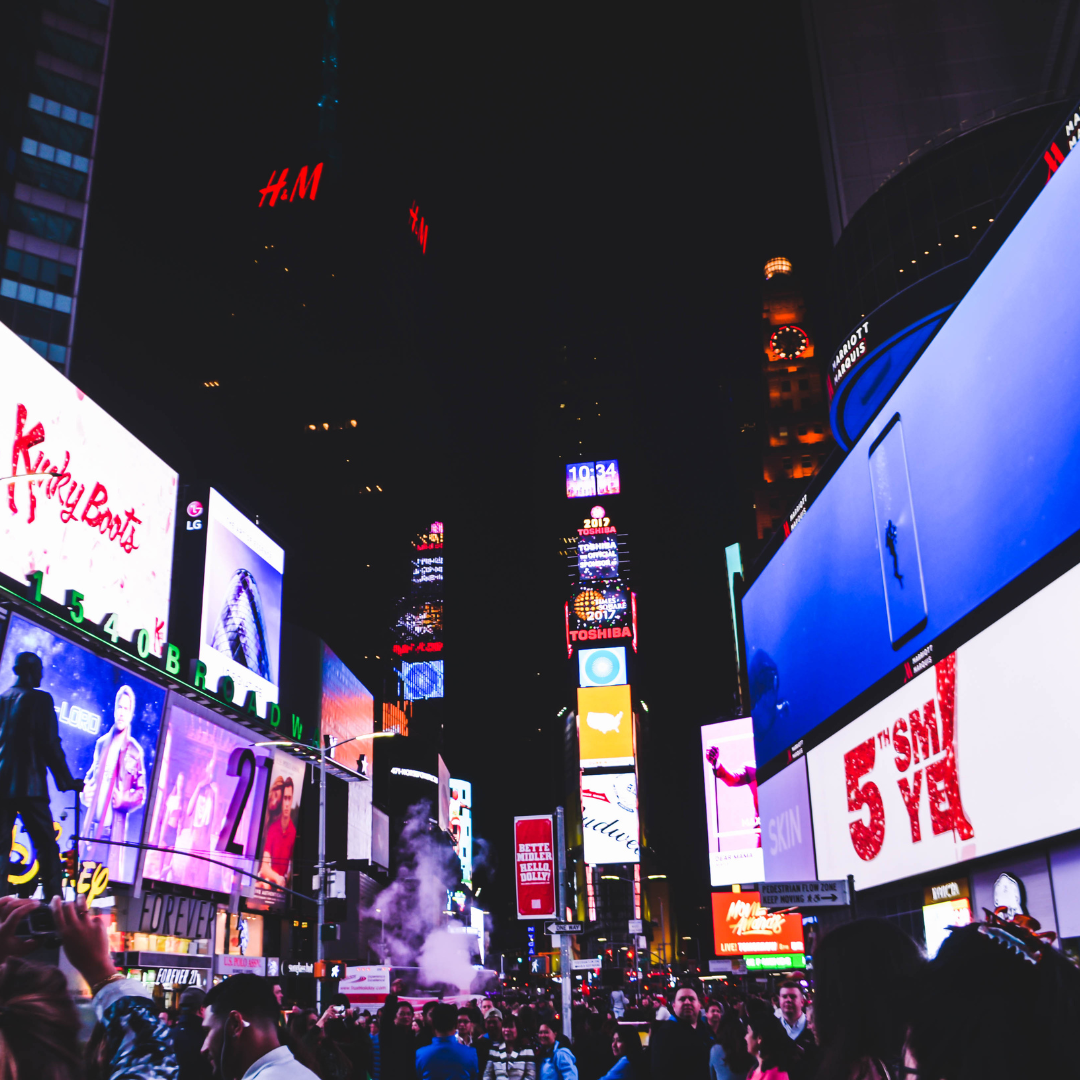
Solar billboard lights illuminate large outdoor advertising displays after dark. They can be particularly useful along highways, in rural areas, or in other locations where connecting a billboard to the electrical grid may be difficult.
Solar panels collect energy during the day and store it in batteries for nighttime use. LED fixtures can then direct the stored energy toward the billboard surface so the display remains visible after sunset.
Billboards generally require more illumination than smaller signs, making the size and placement of the solar panels and batteries important. The lighting system must also provide enough coverage to illuminate the display evenly.
Proper positioning can help direct light across the billboard while limiting unnecessary light spill. The solar panels also need adequate sunlight exposure so the batteries can recharge for the following night.
9. Solar Parking Lot Lights
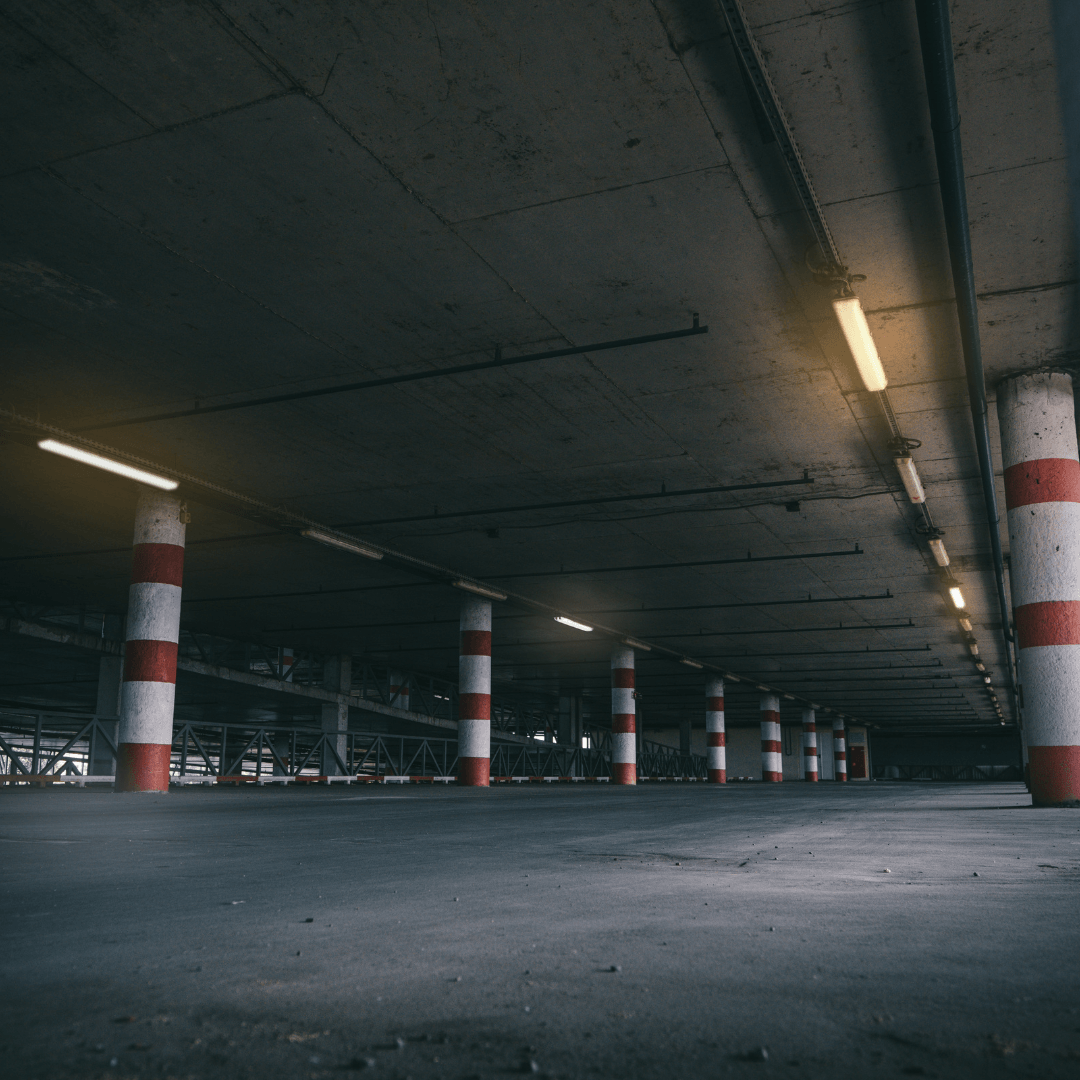
Solar-powered LED lights can illuminate parking lots without connecting every fixture directly to the electrical grid. This can be useful for large outdoor areas where installing underground electrical wiring may be difficult.
Each lighting unit typically uses a solar panel to collect energy during the day and a battery to store it. After dark, the stored electricity powers the LED fixture, illuminating parking spaces, driving areas, and pedestrian routes.
Some solar parking lot lights include motion sensors or programmable controls that adjust brightness at night. These features can help conserve stored energy when full illumination is not required.
Proper placement is important for providing even coverage across the parking area. Solar panels also need adequate sunlight, while the batteries and lighting system must be sized for the expected operating hours.
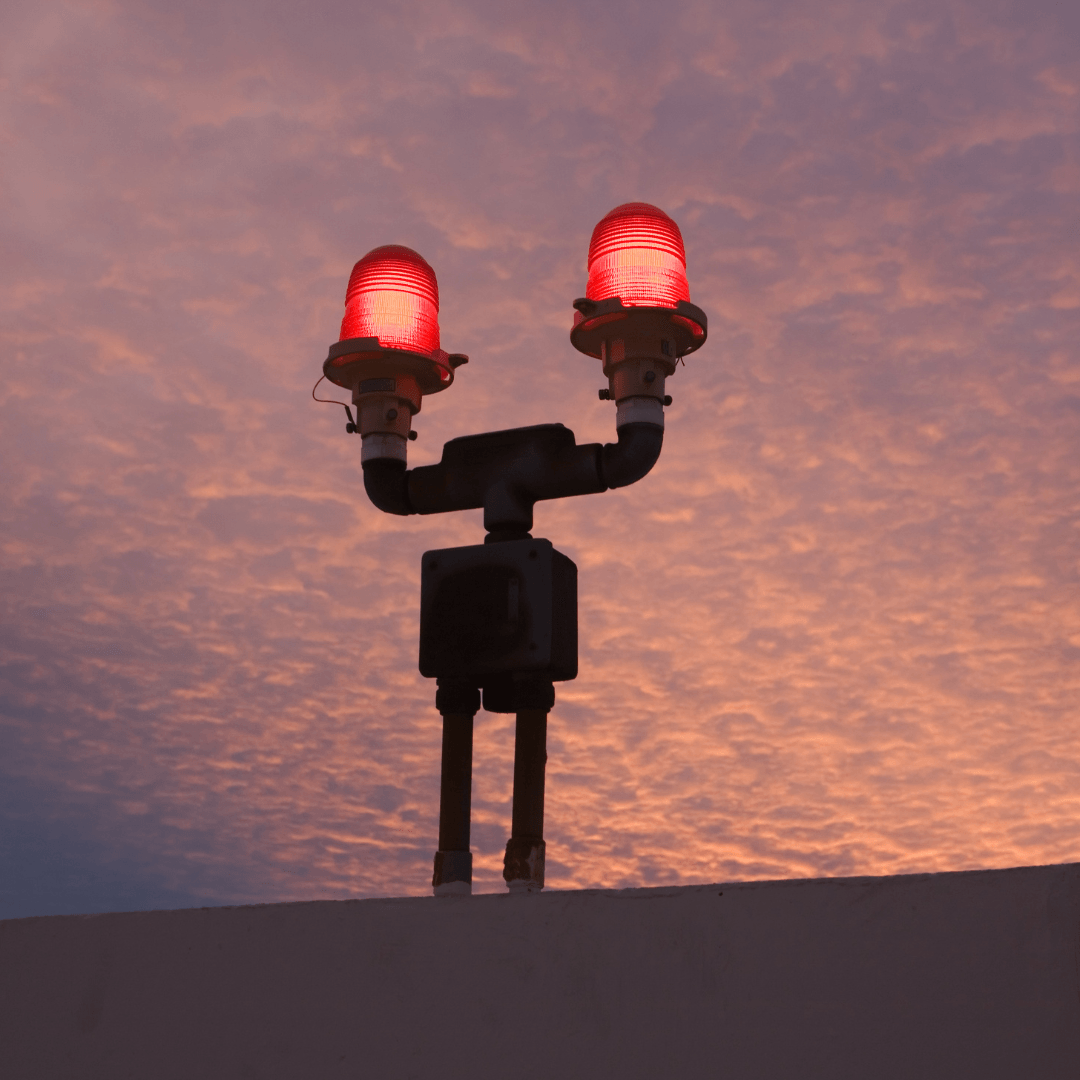
10. Solar Aviation Lights
Solar-powered LED aviation lights can provide marking and warning lights in locations where access to grid electricity is limited. They may be used for certain airfield applications and to mark structures or obstacles that could affect aircraft.
A solar panel collects energy during the day and stores it in a battery for later use. The stored electricity allows the LED light to operate after dark and during other periods when illumination is required.
LEDs are well suited to solar-powered aviation lighting because they use relatively little electricity and can provide clearly visible light. Their long lifespan can also reduce lamp replacement frequency in remote locations.
Aviation lighting must meet the regulations and technical requirements for its specific location and purpose. Solar panels, batteries, controls, and LED fixtures must therefore be designed to provide the required performance and reliability.
Conclusion
LED lighting for solar-powered applications combines energy-efficient illumination with renewable solar energy. Together, these technologies can provide practical lighting in locations ranging from gardens and homes to streets, parking areas, and remote sites.
LEDs are particularly well-suited to solar-powered systems because they use little electricity and last a long time. Features such as dimming, motion sensors, and automatic controls can also help you use stored battery energy more efficiently.
The right system depends on the location and its lighting requirements. When choosing a solar-powered LED system, consider solar-panel capacity, battery storage, available sunlight, fixture placement, and expected operating time.
As LED and solar technologies continue to develop, their combination can support a growing range of lighting applications. Choosing a system designed for its intended purpose helps provide reliable illumination while making effective use of renewable solar energy.
I trust you enjoyed this article on the 10 Best LED Lighting for Solar-Powered Applications. Please stay tuned for more inspiring guides, helpful tips, and ideas to help you live closer to nature every day.
Take care!
— JeannetteZ🌿
💬 Your Opinion Is Important To Me
Do you have thoughts, ideas, or questions? I’d love to hear from you. Please leave your comments below or email me directly at Jeannette@Close-To-Nature.org.
📚 More Nature-Inspired Reads
Explore more ways to connect with nature, nurture your pets, and live in harmony with the world around you 🌿