10 Interesting Facts About LED Lights

Facts about LED Lights can help explain why this type of lighting has become so common in homes, businesses, and outdoor spaces. LEDs use less energy and last longer than many traditional lighting options.
LED stands for light-emitting diode, a technology that produces light differently from incandescent bulbs. This difference affects everything from energy use and lifespan to heat production and versatility.
LEDs are now available in many colours, shapes, and brightness levels. They are used for everyday household lighting as well as displays, vehicles, electronics, streetlights, and decorative applications.
However, not every claim made about LED lighting is quite as straightforward as it sounds. Energy efficiency, colour temperature, health effects, and environmental impact all deserve a closer look.
In this guide, we’ll explore 10 interesting facts about LED lights, including how they work, their advantages, and a few considerations to keep in mind before choosing them.
What Are LED Lights?
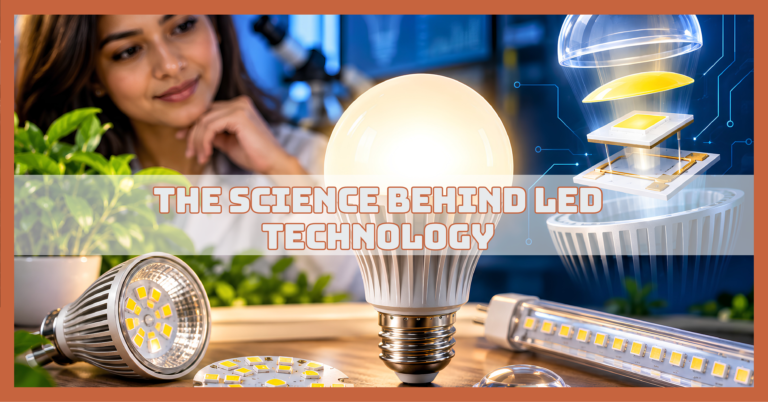
LED stands for light-emitting diode. An LED is a semiconductor device that produces light when an electric current passes through it.
Inside an LED, electrons move through semiconductor material and release energy in the form of light. Unlike incandescent bulbs, which create light by heating a filament, LEDs produce light more efficiently and generate less heat.
LED technology was first developed in the 1960s, when early LEDs were mainly used as low-intensity indicator lights. Advances in the technology eventually made brighter LEDs possible for everyday lighting.
Today, LEDs are used in everything from household light fixtures and streetlights to vehicles, electronics, and decorative lighting. Their versatility, energy efficiency, and long lifespan have made them one of the most widely used lighting technologies.
Interesting LED Light Facts Worth Knowing
LED technology has changed considerably since the first LEDs were developed more than 60 years ago. Today, LED lights are used in homes, businesses, vehicles, electronics, outdoor spaces, and many other applications.
Their popularity goes beyond simply providing light. LEDs differ from traditional lighting in how they use energy, produce different colours, generate heat, and respond to frequent switching.
Some of their characteristics may also be less obvious than others. Understanding how LEDs perform can help you make more informed choices when selecting lighting for different purposes.
Here are 10 interesting facts about LED lights that explain what makes this technology different and why it has become so widely used.
1. LED Stands For ‘Light-Emitting Diode’
LED stands for light-emitting diode, which describes a semiconductor device that produces light when an electrical current passes through it. Unlike an incandescent bulb, an LED does not rely on a heated filament to create light.
Inside an LED, electrical energy causes electrons and holes within the semiconductor material to recombine. This process releases energy as light and is known as electroluminescence.
The semiconductor materials used in an LED influence the colour of the light it produces. Different materials and combinations can produce colours ranging from red and green to blue and white.
This technology allows LEDs to produce light efficiently in a compact and durable form. It also makes LEDs suitable for everything from small electronic indicators to household and commercial lighting.
2. LED Lights Are Incredibly Energy-Efficient
LED lights use considerably less electricity than traditional incandescent bulbs to produce a similar amount of light. Much less of their energy is lost as heat, which is one reason they are so efficient.
LEDs are also directional, meaning they can direct light toward a particular area rather than sending it in every direction. This can reduce wasted light in applications where illumination needs to be focused.
Many LED bulbs and fixtures are also available with dimming capabilities. Paired with compatible controls, dimmable LEDs let you reduce light output and energy use when full brightness isn’t needed.
Their lower electricity consumption makes LEDs a practical choice for homes, businesses, street lighting, and many other applications. Over their operating life, this efficiency can reduce both energy use and electricity costs.
3. LED Lights Have A Longer Lifespan
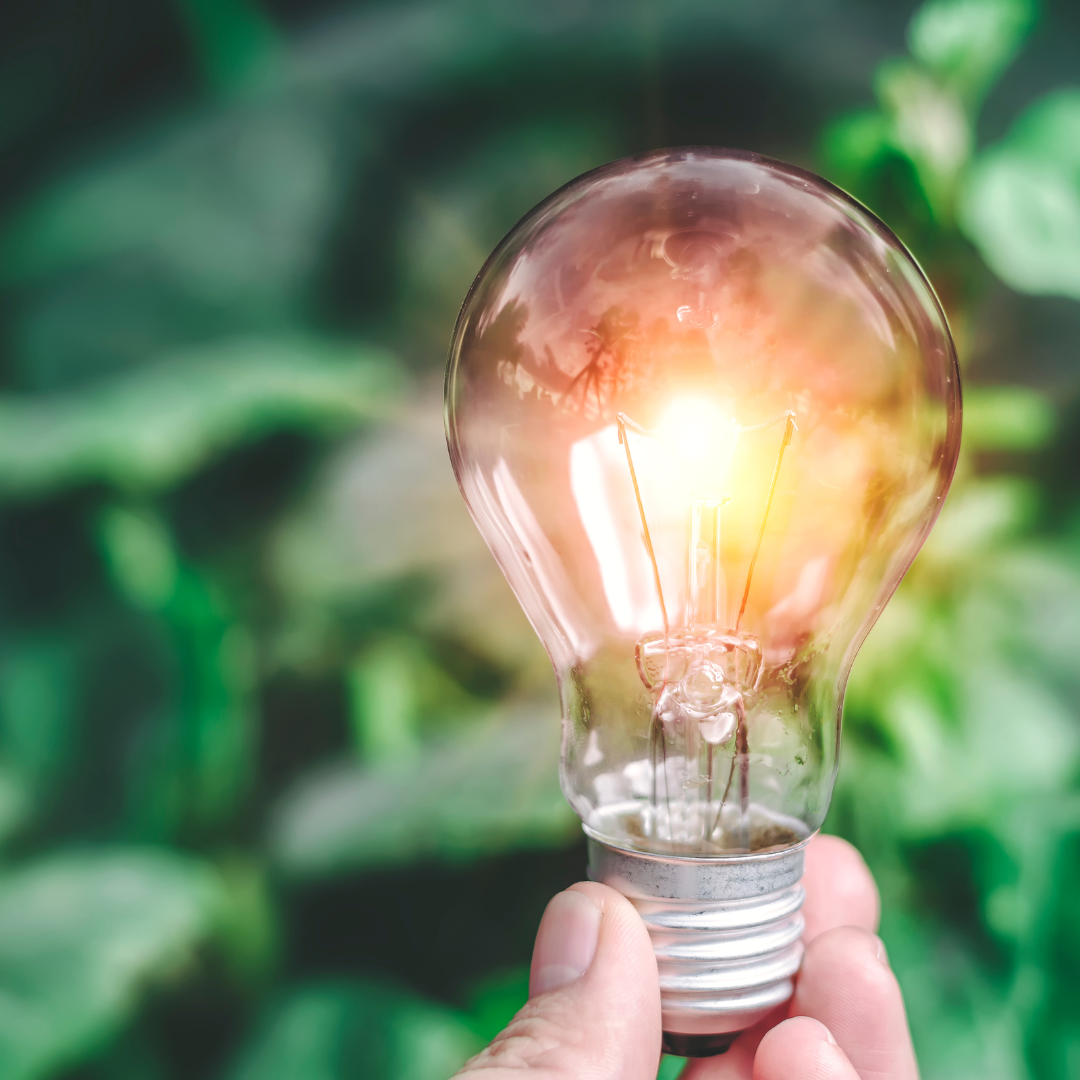
LED lights generally last much longer than traditional incandescent bulbs. Unlike incandescent bulbs, LEDs do not contain a fragile filament that gradually heats, weakens, and eventually burns out.
LEDs are also relatively resistant to vibration and repeated switching. However, factors such as operating temperature, product quality, and fixture design can still affect their lifespan.
Rather than suddenly burning out, many LEDs gradually become dimmer over time. Their useful lifespan is therefore often measured by how long they maintain an acceptable level of light output.
A longer lifespan means fewer replacement bulbs and less frequent maintenance. This can be especially useful for lighting installed in hard-to-reach locations or areas where lights remain on for long periods.
4. LED Lights Come In Various Colours
LED lights are available in many colours, including red, green, blue, yellow, and white. The colour an LED produces depends largely on the semiconductor materials used and the energy released when electrical current passes through them.
White LEDs are commonly produced using a blue LED combined with a phosphor coating. The phosphor converts some of the blue light into other wavelengths, which blend together and appear white to the human eye.
Colour-changing LED systems can combine red, green, and blue LEDs to produce a wide range of colours. By adjusting the intensity of each colour, these systems can create different shades and lighting effects.
This versatility makes LEDs useful for decorative lighting, displays, signs, entertainment, and everyday household lighting. Different colour temperatures of white LED light can also create warmer or cooler-looking illumination.
5. LED Lights Are Versatile
LED lights are highly versatile and can be used in many different settings. They are common in homes, businesses, public spaces, streetlights, vehicle lighting, and traffic signals.
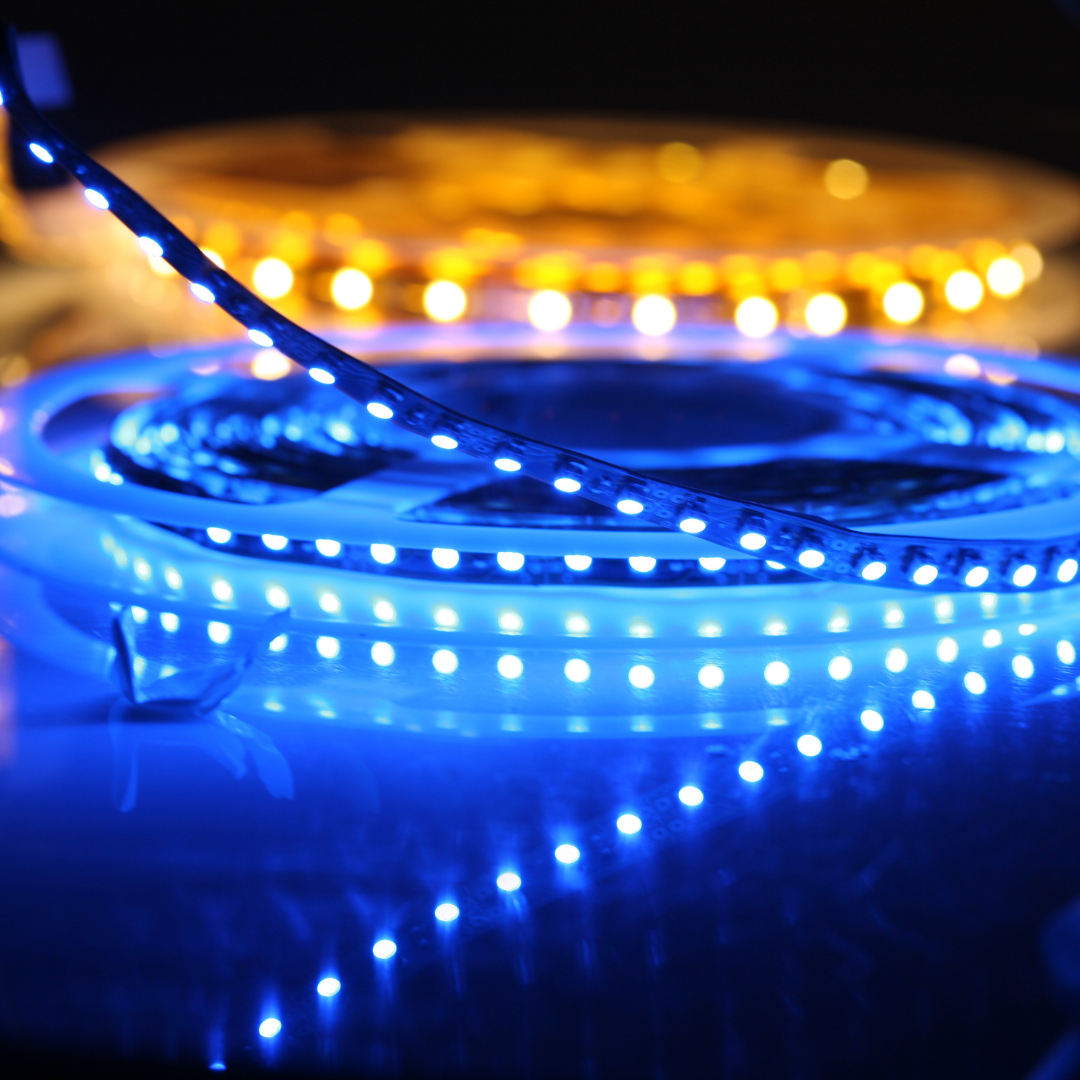
Their small size also lets you incorporate LEDs into televisions, computer screens, signs, flashlights, toys, and other electronic devices. LED strips and compact fixtures can be installed in spaces where traditional bulbs may be less practical.
LEDs are also widely used for decorative and accent lighting. They can illuminate gardens, pathways, architectural features, holiday displays, and entertainment spaces in a variety of colours and designs.
This flexibility makes LED technology suitable for everything from practical everyday lighting to creative and specialized applications. Their compact size and range of available designs also make LEDs easy to adapt to different spaces and lighting needs.
6. LED Lights Are Eco-Friendly
LED lights can offer several environmental advantages compared with traditional lighting. Their lower electricity consumption can make them a practical option for sustainable lighting in homes, businesses, and other buildings.
Unlike fluorescent lamps, LEDs do not contain mercury. Their longer lifespan can also mean fewer replacement bulbs are manufactured, transported, and discarded over time.
LEDs produce less radiant heat than incandescent bulbs, which can also reduce unwanted heat in indoor spaces. However, the overall environmental impact of any lighting product depends on factors such as manufacturing, electricity sources, lifespan, and disposal.
Choosing durable, energy-efficient LED products and using them only when needed can help reduce unnecessary energy consumption and waste.
7. LED Lights Are Durable
LEDs use solid-state technology and do not contain the fragile filaments found in incandescent bulbs. This can make them more resistant to vibration and everyday physical stresses than some traditional lighting technologies.
Many LED products are designed specifically for outdoor or demanding environments. However, their ability to withstand moisture, dust, heat, and cold depends on the individual product and its rated operating conditions.
For outdoor use, choose LED fixtures with an appropriate weather or ingress protection rating for the location. A light installed beneath a covered porch, for example, may require different protection from one exposed directly to rain or snow.
Their durability can make LEDs useful for outdoor lighting, vehicles, workplaces, and other applications where vibration or exposure may be a concern. Choosing an LED designed for the intended environment helps it perform safely and reliably.
8. LED Lighting Can Support Healthy Sleep-Wake Patterns
Light plays an important role in regulating the body’s circadian rhythm, the internal clock that influences sleep and wakefulness. Bright light during the daytime, particularly in the morning, can help support daytime alertness and a regular sleep-wake schedule.
In the evening, reducing light levels and choosing warmer, dimmer lighting can help create an environment that is more appropriate for winding down. Many LED lighting systems let you adjust brightness and colour temperature throughout the day.
However, LED lighting does not automatically improve sleep or health. Bright or blue-enriched light in the evening can interfere with the body’s natural preparation for sleep, particularly when exposure occurs close to bedtime.
Lighting quality also varies between LED products. Choosing suitable brightness, minimizing uncomfortable glare or noticeable flicker, and selecting appropriate colour temperatures can make indoor lighting more comfortable.
LED technology therefore gives you considerable control over your lighting environment. Using that flexibility to complement natural patterns of daylight and darkness may help support a more comfortable daily routine.

9. LED Lights Offer Flexible Installation Options
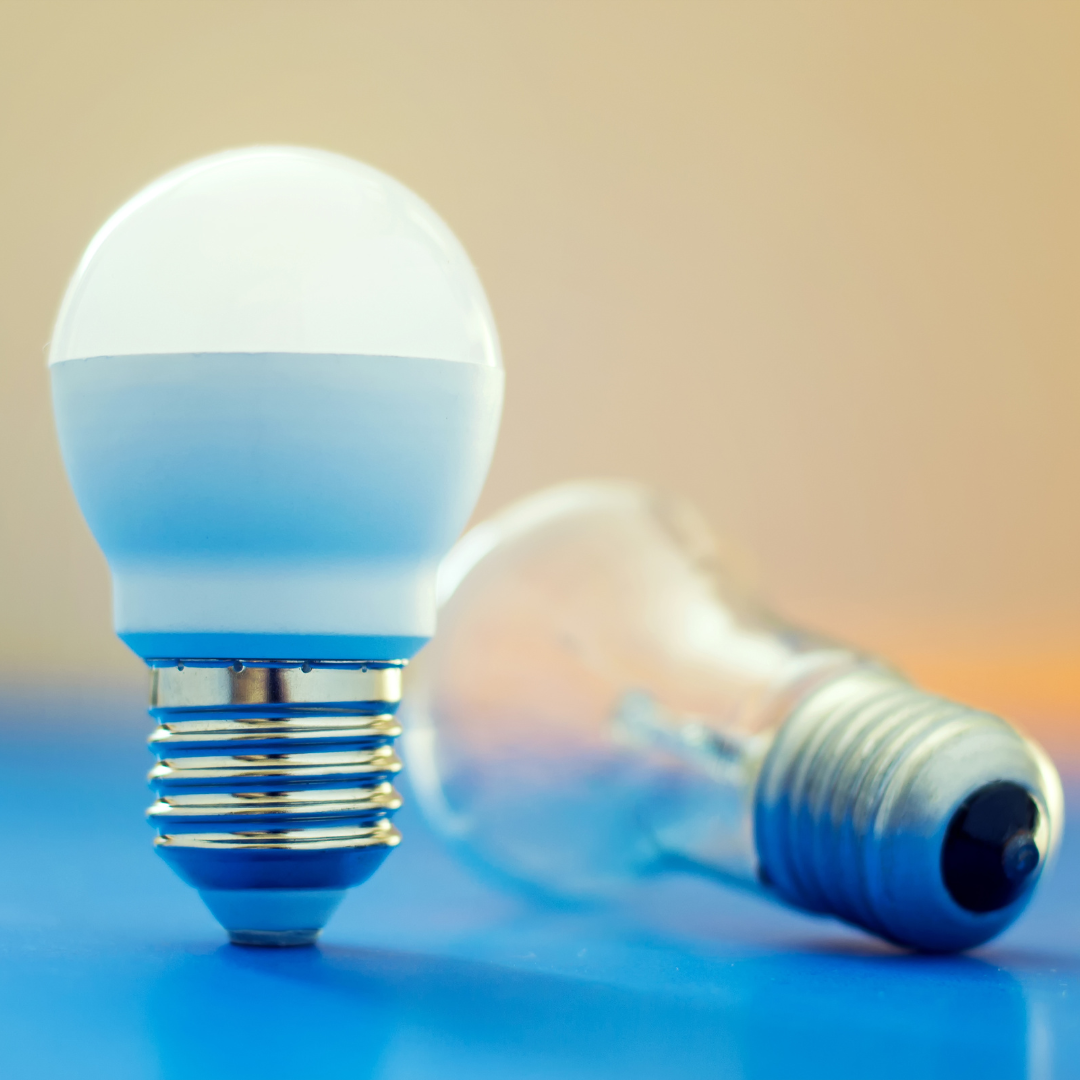
LED lights are available in many forms, including bulbs, tubes, strips, panels, and integrated fixtures. This variety makes it possible to use LED lighting in many different areas of a home, business, or outdoor space.
Many LED bulbs fit existing fixtures, making them a convenient replacement for compatible incandescent or fluorescent lighting. However, always check fixture compatibility, voltage, controls, and dimmers before installation.
LED strips and other compact designs can also provide lighting in areas where conventional bulbs may be impractical. Some installations are simple, while hardwired fixtures and electrical modifications may require a qualified electrician.
LEDs also reach full brightness almost immediately after being switched on. This makes them useful in locations where immediate illumination is important.
10. Some LED Lights Can Be Controlled Remotely
Many smart LED lights can be controlled remotely using a smartphone, tablet, remote control, or compatible smart home system. Depending on the product, you may be able to adjust brightness, colour, and colour temperature without using a traditional wall switch.
Smart LEDs can also be programmed to turn on, dim, or switch off at particular times. Scheduling lights can add convenience while helping reduce unnecessary energy use when lighting is not needed.
Remote controls and smart lighting systems can also make lighting more accessible. People with limited mobility, for example, may find it easier to adjust lights from a phone, remote control, or voice-enabled device.
Some systems allow several lights to be grouped together or different lighting scenes to be created for particular activities. These features give users greater flexibility in controlling the lighting throughout their homes or workplaces.
Frequently Asked Questions
Q1: Do LED Lights Use Less Electricity Than Regular Light Bulbs?
Yes. LED lights generally use considerably less electricity than traditional incandescent bulbs while producing a similar amount of light. This makes energy efficiency one of their main advantages.
When comparing bulbs, look at lumens rather than watts to determine brightness. Lumens measure the amount of light produced, while watts indicate how much electricity the bulb uses.
Q2: Can LED Lights Be Used In Any Light Fixture?
Many LED bulbs can replace traditional bulbs in compatible light fixtures, but not every LED is suitable for every fixture. Check the bulb’s base, size, voltage, wattage recommendations, and other manufacturer specifications before installation.
Some LED bulbs are not designed for enclosed fixtures because trapped heat can affect their performance and lifespan. Dimmable fixtures also require compatible LED bulbs and dimmer controls.
Q3: Are LED Lights Safe To Leave On For Long Periods?
LED lights are designed to operate efficiently for extended periods and generally produce less radiant heat than incandescent bulbs. However, they still generate heat that must be managed properly.
Use LED bulbs and fixtures according to the manufacturer’s instructions and avoid exceeding fixture ratings. Turning lights off when they are not needed also prevents unnecessary electricity consumption.
Q4: Do LED Lights Work Well In Cold Weather?
Many LED lights perform well in cold temperatures, making them useful for outdoor lighting in colder climates. Unlike some traditional lighting technologies, LEDs do not generally require a lengthy warm-up period.
However, outdoor LEDs should always be rated for the temperatures and weather conditions where they will be installed. Check the manufacturer’s operating-temperature range before choosing a product for very cold environments.
Q5: Can LED Lights Be Recycled?
Some LED bulbs and fixtures can be recycled through appropriate recycling or electronic-waste programs. LEDs contain electronic components and materials that may be recoverable rather than simply discarded with household waste.
Recycling options and disposal requirements vary by location. Check with your local recycling program or waste authority to find out how LED bulbs and fixtures should be handled in your area.
Q6: How Do I Choose The Right LED Light For My Home?
Start by considering the brightness, colour temperature, fixture type, and purpose of the light. Lumens indicate brightness, while colour temperature can help you choose between warmer and cooler-looking light.
Also consider whether you need features such as dimming, smart controls, or outdoor weather resistance. Checking the product specifications before buying helps ensure the LED is compatible with your fixture and intended use.
Conclusion
LED lights have changed the way homes, businesses, and public spaces are illuminated. Their energy efficiency, long lifespan, durability, and versatility make them suitable for a wide range of everyday lighting applications.
LED technology also offers choices in brightness, colour temperature, design, and smart controls. Some products can be dimmed, scheduled, or controlled remotely, while others are designed specifically for outdoor or specialized applications.
Choosing the right LED light depends on where and how you’ll use it. Consider brightness, fixture compatibility, colour temperature, energy efficiency, and any additional features that may make the lighting more practical for your needs.
As LED technology continues to develop, it offers increasingly flexible ways to illuminate indoor and outdoor spaces while reducing unnecessary energy consumption.
I trust you enjoyed this article on the 10 Interesting Facts About LED Lights. Please stay tuned for more inspiring guides, helpful tips, and ideas to help you live closer to nature every day.
Take care!
— JeannetteZ🌿
💬 Your Opinion Is Important To Me
Do you have thoughts, ideas, or questions? I’d love to hear from you. Please leave your comments below or email me directly at Jeannette@Close-To-Nature.org.
📚 More Nature-Inspired Reads
Explore more ways to connect with nature, nurture your pets, and live in harmony with the world around you 🌿