Best Soil To Use For Flowering Plants: 10 Top Choices

Choosing the Best Soil To Use For Flowering Plants can make a noticeable difference in healthy growth, strong roots, and beautiful blooms. The right soil provides the balance of moisture, drainage, air, and nutrients flowering plants need.
Different flowers do not always thrive in exactly the same growing conditions. Some prefer rich, moisture-retentive soil, while others perform better in lighter mixtures that drain quickly.
Factors such as soil texture, nutrient content, drainage, and pH can all influence how well flowering plants grow. Container plants may also have different soil requirements from flowers growing directly in the garden.
This guide explores what to look for when choosing soil and introduces several soil types and amendments that can support flowering plants. Understanding these differences will help you create healthier growing conditions for the flowers you love.
Tips For Choosing The Best Soil To Use For Flowering Plants
Flowering plants depend on healthy soil for much more than physical support. The right growing medium helps roots access moisture, oxygen, and nutrients while providing the conditions needed for steady growth and flowering.
Different flowering plants can have very different soil preferences. Some thrive in rich, moisture-retentive soil, while others need loose, well-draining conditions to keep their roots healthy.
Where you grow your flowers also matters when choosing soil. Plants growing in containers often need a lighter mixture with excellent drainage, while garden beds can benefit from organic matter that improves existing soil.
Factors such as drainage, nutrient content, pH, texture, and moisture retention can all influence plant health. The following tips will help you choose the best soil for your flowering plants and create conditions that encourage strong roots and beautiful blooms.
1. Know Your Flowering Plants’ Needs
Before choosing soil, consider your flowering plants’ specific growing needs. Different species may prefer different levels of moisture, drainage, nutrients, and soil acidity.
Some flowering plants thrive in rich soil that retains moisture, while others prefer lighter soil that drains quickly. Understanding these differences can help you provide healthier conditions for their roots.
Consider whether your flowers will grow indoors, in outdoor containers, or directly in garden beds. Matching the soil to both the plant and its growing environment provides a stronger foundation for healthy growth and abundant blooms.
2. Assess Drainage
Good drainage allows excess water to move away from plant roots while leaving enough moisture in the soil for healthy growth. This balance is especially important for flowering plants grown in containers.
Soil that remains waterlogged for long periods can reduce the oxygen available to the roots and increase the risk of root rot. A loose, well-aerated mixture lets water and air move more freely through the root zone.
Drainage needs vary among flowering plants, so consider the preferences of the varieties you are growing. Choosing soil with the appropriate drainage level helps create healthier roots and supports strong growth and flowering.
3. Prioritize Nutrient Content
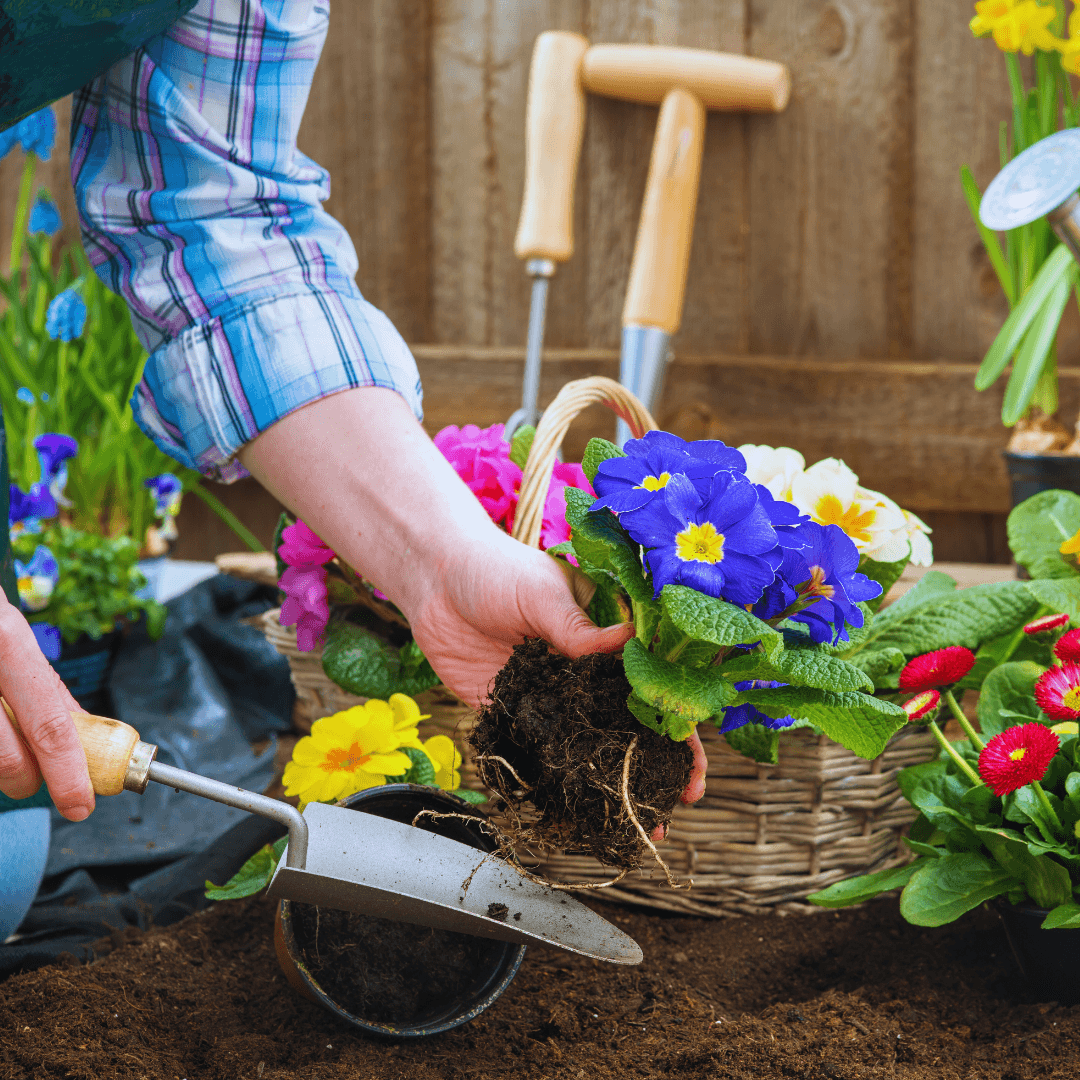
Flowering plants need adequate nutrients to support healthy roots, foliage, and flower production. Choosing soil with a good nutrient balance provides a strong foundation throughout the growing season.
Organic matter such as compost or well-rotted manure can add nutrients while improving soil structure and moisture retention. These materials also support the biological activity that contributes to healthy garden soil.
Nutrient requirements vary among flowering plants, and container-grown flowers may need additional feeding as nutrients are gradually depleted. Starting with healthy, nutrient-rich soil makes it easier to support vigorous growth and beautiful blooms.
4. Check pH Levels
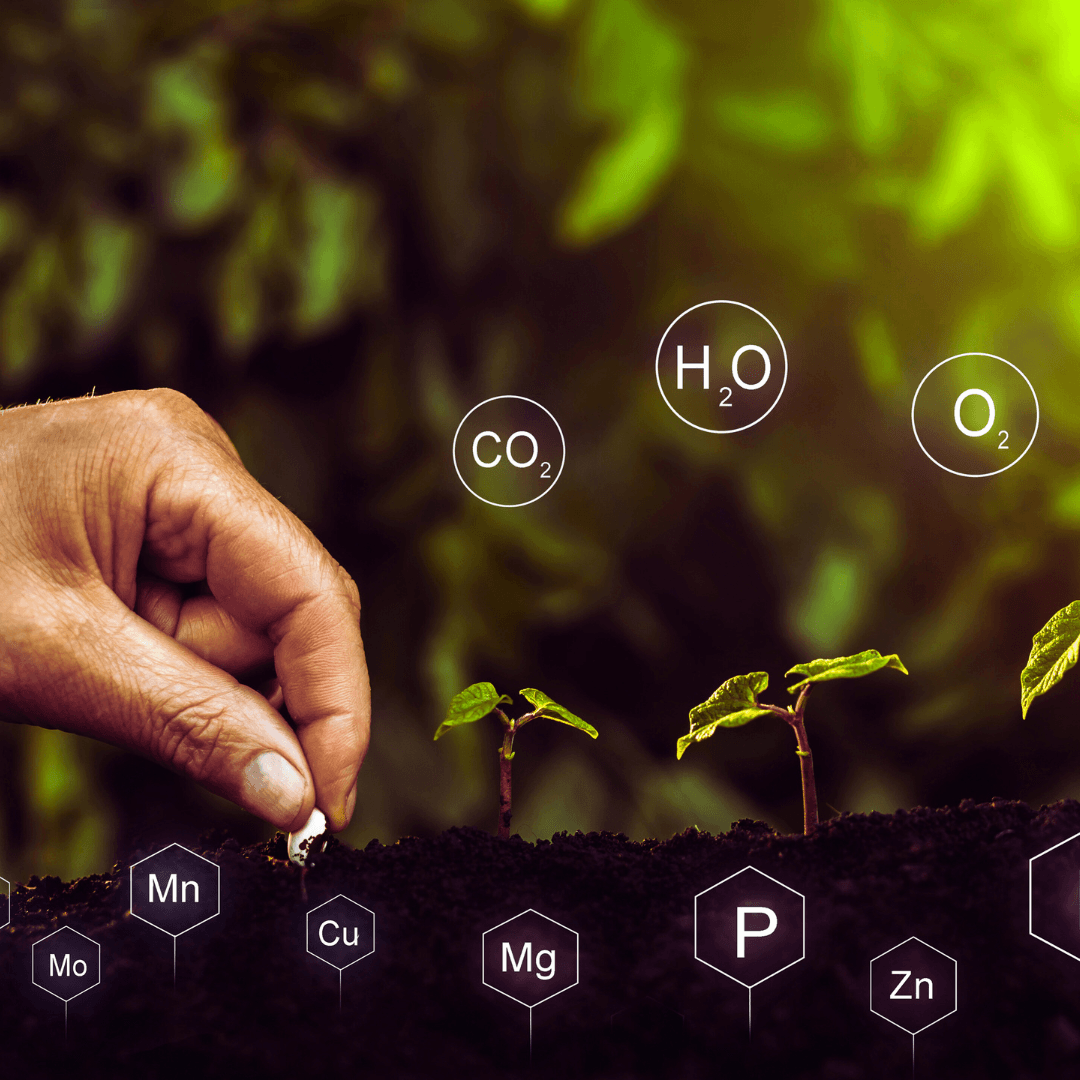
Soil pH affects how easily flowering plants can absorb nutrients through their roots. Even nutrient-rich soil may not support healthy growth if the pH falls outside the range a particular plant prefers.
Many flowering plants grow well in slightly acidic to neutral soil, although individual species can have different requirements. Acid-loving flowers, for example, need different conditions from plants that prefer neutral or slightly alkaline soil.
Testing your garden soil can help you determine its current pH before planting. Understanding your flowering plants’ preferences makes it easier to choose or adjust the soil to support healthy growth and abundant blooms.
5. Consider Soil Texture
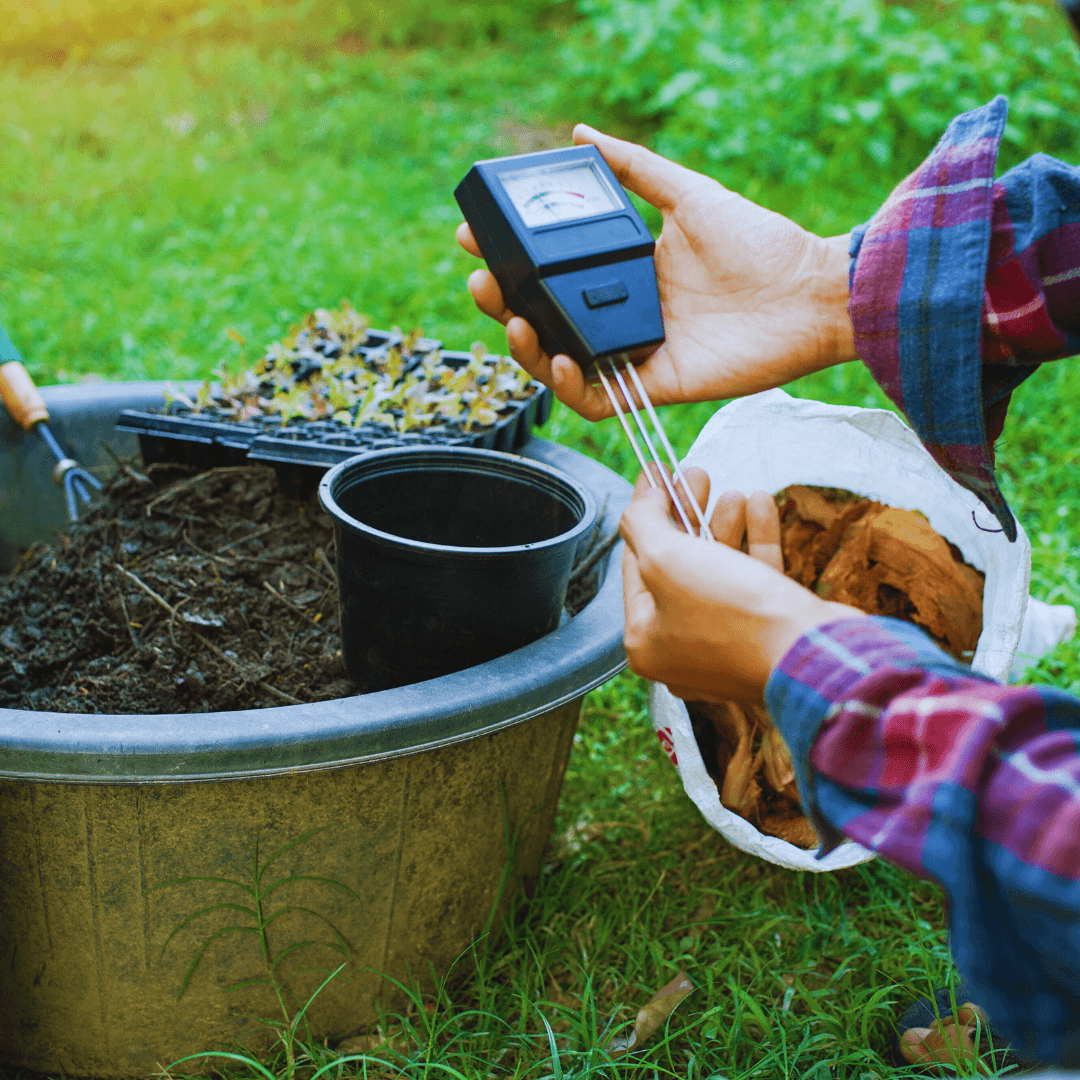
Soil texture influences drainage, moisture retention, and the amount of air that reaches plant roots. Creating the right balance helps flowering plants develop strong root systems and access the water and nutrients they need.
Loamy soil, which contains a mixture of sand, silt, and clay, provides suitable growing conditions for many flowering plants. It generally retains moisture and nutrients while still allowing excess water to drain.
Very sandy soil may drain quickly and struggle to retain nutrients, while heavy clay soil can hold too much moisture and become compacted. Adding organic matter such as compost can improve soil structure and create better growing conditions for flowering plants.
6. Select Potting Mix For Containers
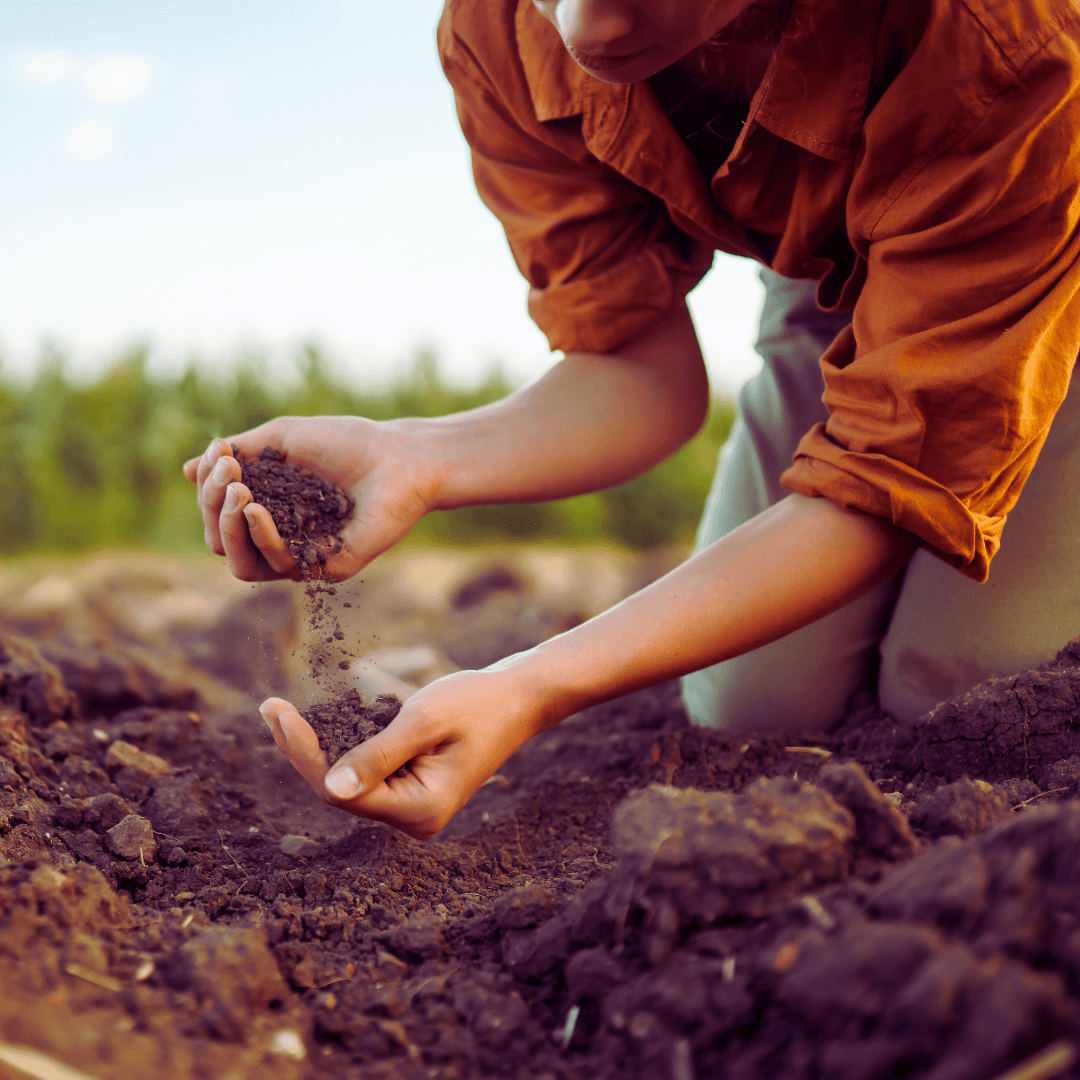
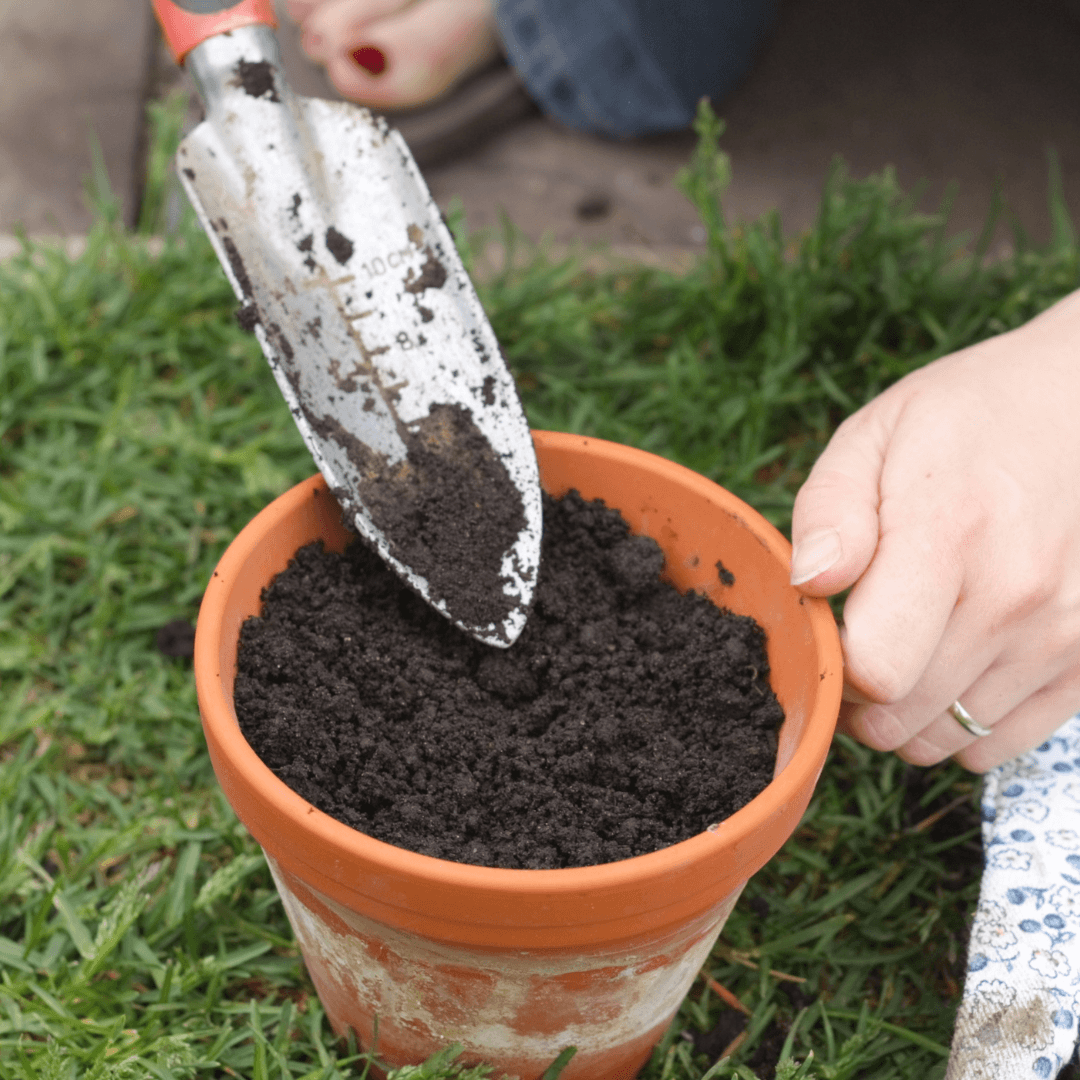
Flowering plants grown in containers generally perform better in a quality potting mix than in ordinary garden soil. Potting mixes are formulated to provide the drainage, aeration, and moisture retention that container-grown roots need.
These mixtures are typically lighter and less prone to compaction than garden soil. Ingredients such as peat moss, coco coir, perlite, compost, or bark may be included to create suitable growing conditions.
Some potting mixes contain added nutrients or slow-release fertilizer, while others do not. Check the product ingredients and consider the specific nutritional needs of the flowering plants you are growing.
Choosing a well-draining potting mix suited to your plants provides a healthy foundation for container gardening. Good soil structure allows roots to access moisture and oxygen while supporting healthy growth and flowering.
7. Explore Specialized Soil Mixes
Some flowering plants have growing requirements that are difficult to meet with a general-purpose potting mix. Specialized mixtures are formulated to provide the drainage, aeration, moisture retention, or acidity particular plants need.
Orchids, for example, often grow best in loose mixtures containing materials such as bark that allow plenty of air around their roots. African violets generally prefer a lighter, well-draining mixture that retains enough moisture for consistent growth.
Acid-loving flowering plants may also benefit from soil formulated to maintain a lower pH. Choosing a specialized mix can make it easier to provide suitable growing conditions without having to create your own mixture from individual ingredients.
Before selecting one, check the requirements of the flowering plant you are growing. Matching the soil mixture to the plant’s natural preferences can support stronger roots, healthy growth, and reliable flowering.
Turn Your Passion for Nature Into Income
🌿 Whether you love gardening, caring for animals, or exploring holistic living,
You can share your knowledge online and earn from it.
Discover how nature lovers are growing their passions into meaningful, income-generating blogs. 👇
8. Assess Soil Moisture And Fertility
Healthy soil needs an appropriate balance of moisture and nutrients to support flowering plants throughout their growing season. Both requirements vary by plant, growing environment, and soil type.
Check soil moisture regularly rather than following a fixed watering schedule. Some flowering plants prefer consistently moist conditions, while others benefit from the soil drying slightly between waterings.
Soil fertility can also change as plants absorb nutrients over time. Container-grown flowers may require more regular feeding because nutrients can gradually be depleted or washed from the potting mix during watering.
Observe your plants and adjust watering and feeding according to their individual needs. Maintaining suitable moisture and nutrient levels helps support healthy roots, strong growth, and abundant flowering.
9. Consider Organic Options
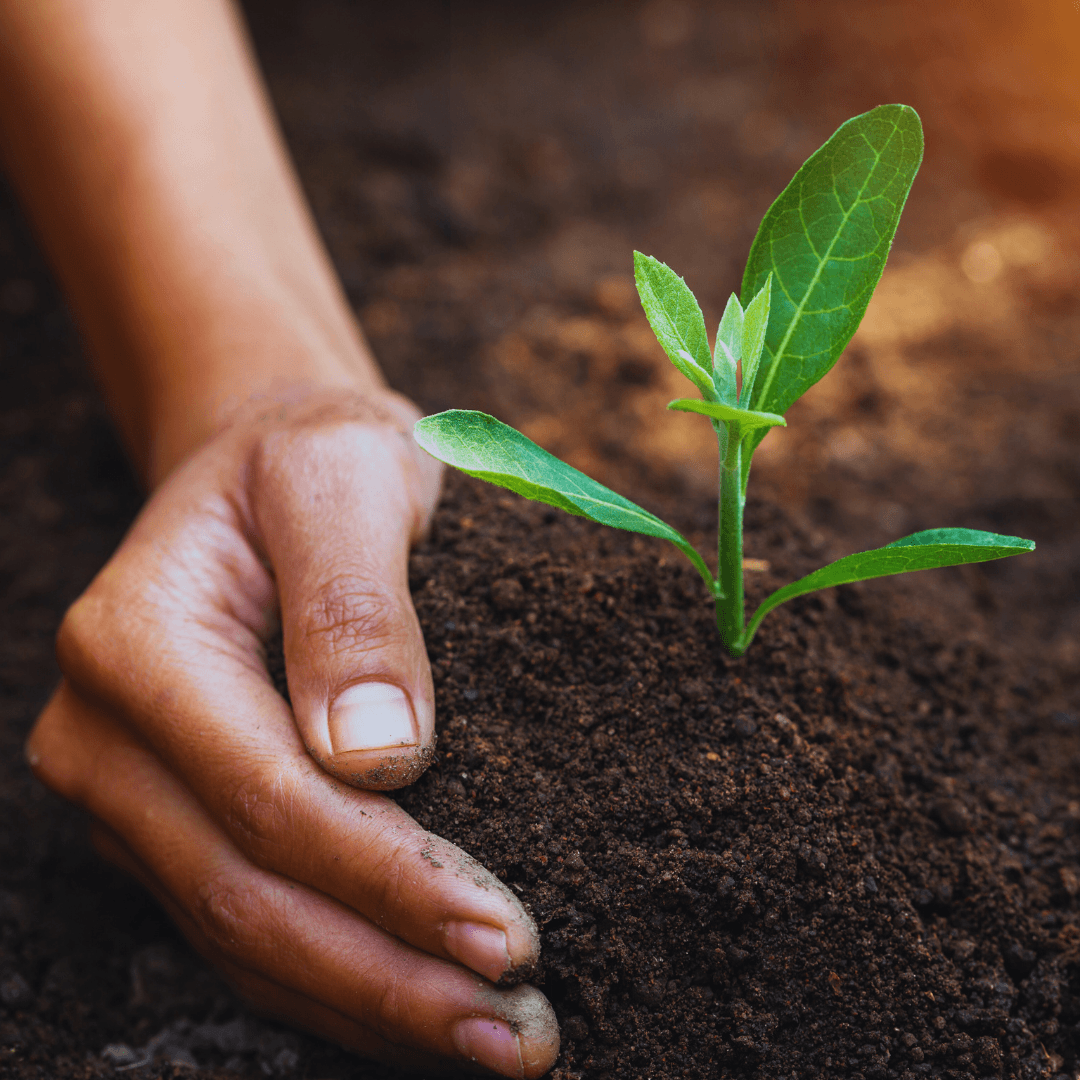
Organic matter can improve soil structure while supporting moisture retention, drainage, and nutrient availability. Materials such as compost and well-rotted manure can be useful additions to soil used for many flowering plants.
Compost can also support beneficial organisms within garden soil and gradually contribute nutrients as organic materials break down. This can help create a healthy growing environment for plant roots.
Organic potting mixes are another option for container-grown flowering plants. Check the ingredients and choose a mixture that provides the drainage, aeration, and moisture retention required by the plants you are growing.
Whether you use an organic soil mix or amend existing garden soil, choose materials based on your plants’ individual needs. Healthy soil provides the foundation for strong growth and beautiful blooms.
10. Observe Plant Performance
Your flowering plants can provide useful clues about whether their soil conditions are meeting their needs. Healthy growth, strong foliage, developing buds, and regular flowering are all positive signs that the growing environment is working well.
Changes such as yellowing leaves, weak growth, fewer flowers, or consistently wet or dry soil may indicate that something needs adjusting. Consider moisture, drainage, nutrients, light, and other growing conditions before assuming the soil itself is the problem.
Container plants may eventually outgrow their potting mix as it becomes compacted or depleted over time. Refreshing the soil or repotting when necessary can restore better drainage, aeration, and growing conditions.
Regular observation makes it easier to recognize changes before they become significant problems. Adjusting your care according to the plant’s response can help maintain healthy growth and beautiful blooms throughout the growing season.
Best Types Of Soil To Use For Flowering Plants
Choosing the right type of soil can influence everything from root development and moisture retention to nutrient availability and flower production. However, the best choice depends on the flowering plants you are growing and the conditions they naturally prefer.
Some flowering plants thrive in rich, loamy garden soil, while others need lighter mixtures that provide excellent drainage and aeration. Container-grown flowers often require different growing media from plants growing directly in garden beds.
Specialized potting mixes can also provide conditions suited to flowering plants with particular requirements. Orchids and African violets, for example, have very different root systems and benefit from mixtures designed specifically for their needs.
Understanding each option’s characteristics makes it easier to match the growing medium to your plants. Here are 10 of the best types of soil to use for flowering plants and the situations where each one works particularly well.
1. Loamy Soil
Loamy soil contains a balanced mixture of sand, silt, and clay, creating favourable growing conditions for many flowering plants. Its structure provides a useful combination of drainage, moisture retention, and aeration.
This soil can hold enough moisture for plant roots while allowing excess water to drain away. It also retains nutrients well, helping provide flowering plants with the resources they need throughout the growing season.
Popular flowering plants such as roses, tulips, and dahlias can thrive in well-draining loamy soil. Adding organic matter such as compost can further improve its structure, fertility, and ability to retain moisture.
For many garden-grown flowers, healthy loamy soil provides an excellent foundation for strong roots, vigorous foliage, and abundant blooms.
2. Well-Draining Potting Mix
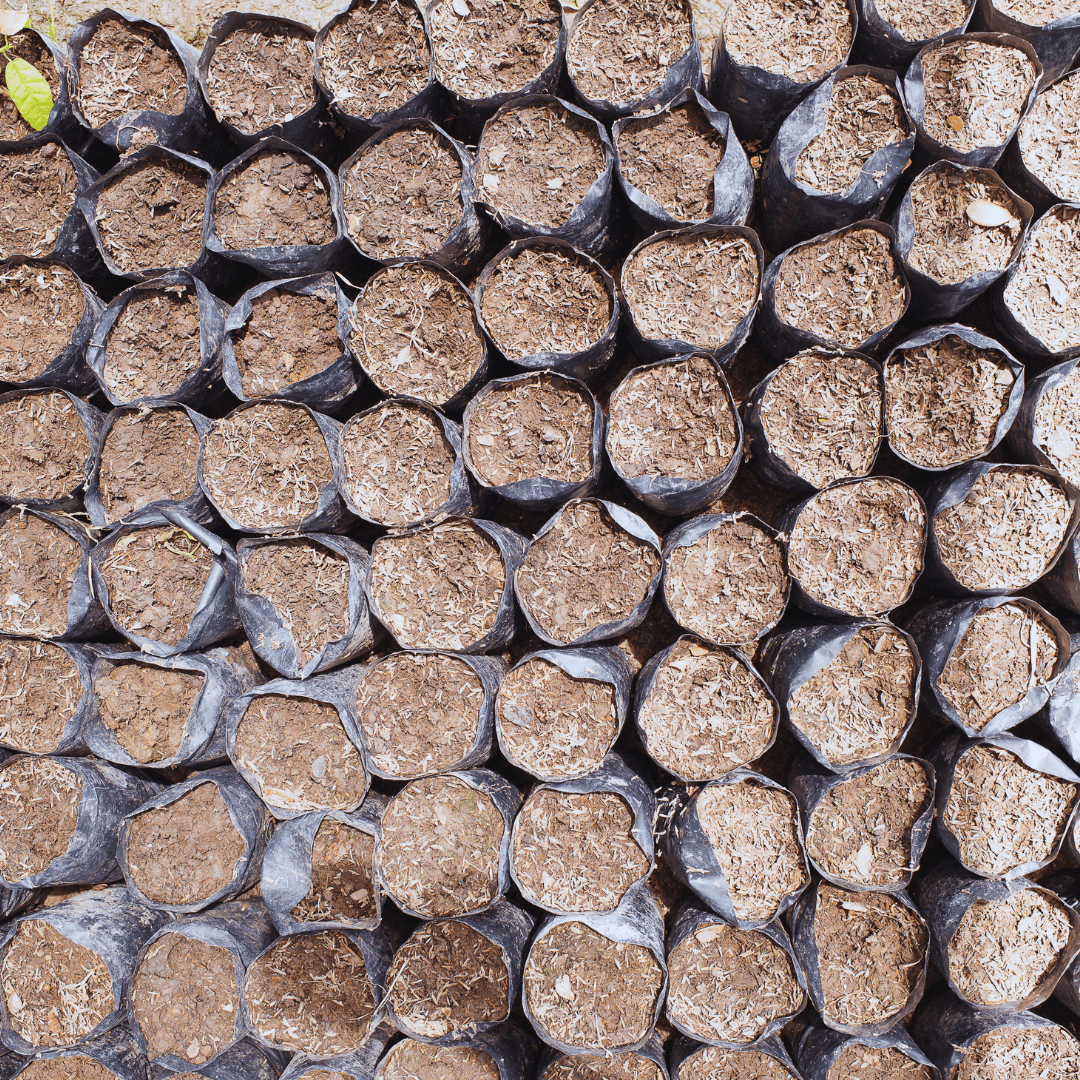
A well-draining potting mix is one of the best choices for flowering plants grown in containers. Unlike ordinary garden soil, it is formulated to provide a balance of moisture retention, drainage, and aeration within the limited space of a container.
Most potting mixes contain lightweight materials that help prevent compaction while allowing oxygen to reach the roots. Ingredients may include peat moss or coco coir for moisture retention, along with perlite or bark to improve drainage and airflow.
Some mixtures also contain compost or added nutrients to support plant growth. However, nutrient content varies among products, so check the ingredients and provide additional fertilizer when your flowering plants need it.
Well-draining potting mix works particularly well for container-grown flowers such as petunias, geraniums, and marigolds. Choosing a mixture suited to flowering plants can support healthy roots, vigorous growth, and abundant blooms.
3. Organic Soil Mixes
Organic soil mixes contain materials derived from natural sources and can provide suitable growing conditions for many flowering plants. Depending on the mixture, ingredients may include compost, aged bark, coco coir, or other organic materials.
Organic matter can improve soil structure, aeration, moisture retention, and drainage. It can also contribute nutrients as materials gradually decompose and support beneficial biological activity within the soil.
The nutrient content of organic soil mixes varies considerably, so check the ingredients rather than assuming the mixture will provide everything your flowering plants need. You may still need additional fertilizer during periods of active growth and flowering.
Organic soil mixes can be used for many garden and container-grown flowers when their drainage and moisture characteristics suit the plants being grown. Matching the mixture to each plant’s requirements remains more important than simply choosing a product labelled organic.
4. Specialized Soil Mixes
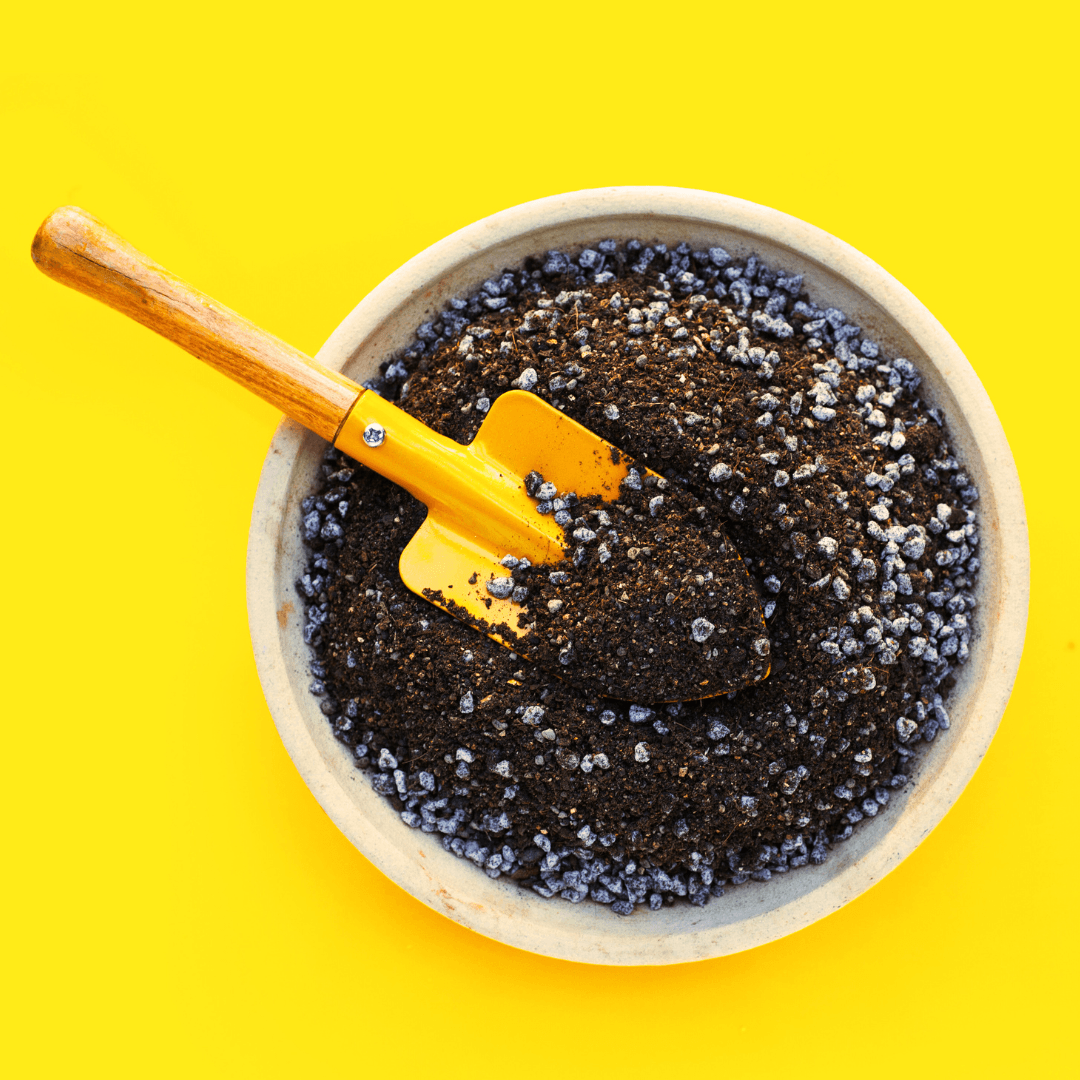
Specialized soil mixes are formulated for flowering plants with growing requirements that differ from those suited to general-purpose soil. They can provide a particular balance of drainage, aeration, moisture retention, and pH based on the needs of specific plants.
Orchids, for example, often need a very loose growing medium that allows plenty of air to circulate around their roots. African violets generally prefer a lighter mixture that retains moisture while still draining well.
Other flowering plants, including acid-loving varieties, may benefit from mixtures formulated to provide the soil conditions they naturally prefer. Using an appropriate specialized mix can make these conditions easier to maintain.
Before choosing one, consider the plant’s natural growing environment and root requirements. A specialized mixture can provide a healthier foundation for strong growth and reliable flowering when an ordinary soil or potting mix isn’t suitable.
5. Acidic Soil
Some flowering plants thrive in acidic soil, including azaleas, rhododendrons, camellias, and hydrangeas. These plants generally grow best when the soil pH allows their roots to access the nutrients they need.
Acidic soil can improve the availability of certain nutrients, including iron and manganese. When soil pH is too high for acid-loving plants, nutrient deficiencies may develop even when those nutrients are present in the soil.
Testing the soil before making adjustments can help determine whether changes are actually necessary. Gardeners can then choose a suitable soil mix or amendment based on the existing conditions and the requirements of the plants being grown.
Appropriate soil pH supports healthy foliage, strong root development, and reliable flowering. Understanding each plant’s preferences matters because not all flowering plants require acidic conditions.
6. Sandy Or Gravelly Soil
Sandy or gravelly soil drains quickly and can provide suitable growing conditions for flowering plants that prefer relatively dry conditions. Lavender, rock roses, and some Mediterranean flowering plants can thrive where excess moisture moves readily away from their roots.
The larger particles in sandy or gravelly soil create spaces that allow water and air to move freely through the root zone. However, these soils may also dry quickly and contain fewer nutrients than richer garden soils.
Adding organic matter can help sandy soil retain more moisture and nutrients without eliminating the drainage that drought-tolerant plants prefer. Heavy clay soil can also benefit from organic matter, which gradually improves its structure and aeration.
Matching these soil conditions with plants naturally adapted to good drainage can reduce problems caused by excessive moisture. With suitable plant choices, sandy or gravelly areas can support healthy growth and abundant flowering.
7. Clay Soil
Clay soil contains very fine particles that hold moisture and nutrients well. Although it can support many flowering plants, its dense structure may limit drainage and airflow around the roots when the soil becomes compacted.
Adding organic matter such as compost or well-rotted manure can gradually improve clay soil structure. These materials help create spaces for air and water to move through the soil while making it easier for plant roots to develop.
Clay soil can also be naturally fertile because of its ability to retain nutrients. Improving its structure allows flowering plants to benefit from this fertility without struggling with prolonged wetness or compaction.
Some flowering plants tolerate clay soil particularly well, while others require better drainage. Understanding the needs of the flowers you are growing can help you decide whether the existing soil needs improvement before planting.
8. Peat-Based Mixes
Peat-based mixes use peat moss as a primary ingredient and are valued for their ability to retain moisture while remaining relatively lightweight. They can provide suitable growing conditions for flowering plants that prefer consistently moist soil.
These mixtures can work well for moisture-loving flowering plants such as hydrangeas, begonias, and impatiens. Peat helps hold water around the root zone, while other ingredients in the mixture can provide the drainage and aeration needed for healthy roots.
Because peat can retain a lot of moisture, the overall mix composition matters. Materials such as perlite or bark are often included to improve airflow and allow excess water to drain more freely.
Peat-based mixes can be useful for both indoor and outdoor container-grown flowers when their characteristics match the plants’ needs. Regularly checking soil moisture can help maintain the balance between adequate moisture and good drainage.
9. Raised Bed Mix
Raised bed mixes provide the drainage, moisture retention, aeration, and fertility plants need when growing above ground level. They are generally lighter and easier to work with than dense garden soil.
A good raised bed mixture often combines topsoil with organic materials such as compost and other ingredients that improve soil structure. The exact composition can vary depending on the plants being grown and the characteristics of the available soil.
Flowering plants can benefit from the improved drainage and root development that raised beds provide. Gardeners can also adjust the mix more easily to meet the moisture, fertility, or pH needs of specific flowers.
Over time, adding compost or other suitable organic matter can help maintain soil structure and replenish nutrients. Healthy raised bed soil can support strong roots, vigorous growth, and abundant flowering throughout the growing season.
10. Silty Soil
Silty soil contains fine particles that are smaller than sand but larger than clay. It generally retains moisture and nutrients well while providing a softer, smoother texture that plant roots can penetrate relatively easily.
Its natural fertility can make silty soil suitable for many flowering plants. However, it may become compacted when repeatedly walked on or worked while excessively wet, which can reduce drainage and airflow around the roots.
Adding organic matter such as compost can help maintain good soil structure and improve drainage. This creates a better balance between the moisture retention of silt and the aeration flowering plants need for healthy root development.
With proper care, silty soil can provide a fertile growing environment for a wide range of garden flowers. Maintaining its structure helps support strong roots, healthy foliage, and abundant blooms.
Frequently Asked Questions
Q1: What Flowering Plants Grow Well In Clay Soil?
Many flowering plants can grow successfully in clay soil, including daylilies, asters, coneflowers, and black-eyed Susans. Choosing plants that tolerate heavier soil conditions can make gardening in clay much easier.
Adding organic matter can also improve soil structure, drainage, and aeration over time. Consider each plant’s individual moisture and sunlight requirements before choosing varieties for your garden.
Q2: What Soil Is Best For Flower Pots?
A well-draining potting mix is generally the best choice for flowering plants grown in containers. These mixtures provide the moisture retention, drainage, and aeration container-grown roots need.
Look for a potting mix suited to the flowers you are growing. Ingredients may include peat moss or coco coir for moisture retention and perlite or bark to improve drainage and airflow.
Q3: Can I Use Garden Soil For Flowering Plants In Containers?
Garden soil is generally too dense to use on its own in containers. It can compact and may not provide the drainage and aeration container-grown flowering plants need.
A quality potting mix is usually a better choice for flower pots and other containers. It provides a lighter growing medium that allows water and air to move more freely around the roots.
Q4: How Can I Improve Soil For Flowering Plants?
Adding organic matter such as compost can improve the structure of many garden soils. It can help sandy soil retain moisture and nutrients while improving the structure and aeration of heavier clay soil.
Before making major changes, consider your existing soil conditions and the needs of the flowers you plan to grow. A soil test can also provide useful information about pH and nutrient levels.
Q5: Do Flowering Plants Need Acidic Soil?
Not all flowering plants need acidic soil. Azaleas, rhododendrons, camellias, and some hydrangeas prefer acidic conditions, while many other flowers grow well in soil that is closer to neutral.
Knowing each plant’s preferences is more useful than trying to create one soil pH for an entire garden. Soil testing can help you determine whether you need to make adjustments.
Q6: How Often Should I Replace Soil In Flower Pots?
Container soil doesn’t necessarily need to be replaced on a fixed schedule. Its condition, the type of flowering plant, root growth, and how quickly the potting mix breaks down are better indicators.
If the mix becomes compacted, drains poorly, or the plant needs repotting, refreshing or replacing it can restore better growing conditions. Fresh potting mix can improve drainage, aeration, and root development.
Conclusion
Choosing the best soil for flowering plants begins with understanding what each plant needs. Drainage, moisture retention, nutrients, soil texture, and pH all influence root development, healthy growth, and flower production.
The right choice may be rich loamy soil in a garden bed, a well-draining potting mix for containers, or a specialized mixture for plants with particular requirements. Matching the soil to the plant creates a healthier foundation from the beginning.
Healthy soil also changes over time, so regular observation remains important. Adding organic matter, refreshing container soil, and adjusting growing conditions as needed can help flowering plants keep thriving.
With suitable soil beneath their roots, flowering plants have the foundation they need to produce healthy foliage and beautiful blooms throughout the growing season.
I trust you enjoyed this article on the Best Soil to Use for Flowering Plants: 10 Top Choices. Please stay tuned for more inspiring guides, helpful tips, and ideas to help you live closer to nature every day.
Take care!
— JeannetteZ🌿
💬 Your Opinion Is Important To Me
Do you have thoughts, ideas, or questions? I’d love to hear from you. Please leave your comments below or email me directly at Jeannette@Close-To-Nature.org.
📚 More Nature-Inspired Reads
Explore more ways to connect with nature, nurture your pets, and live in harmony with the world around you 🌿