11 Easy Steps To Grow Lavender In A Container

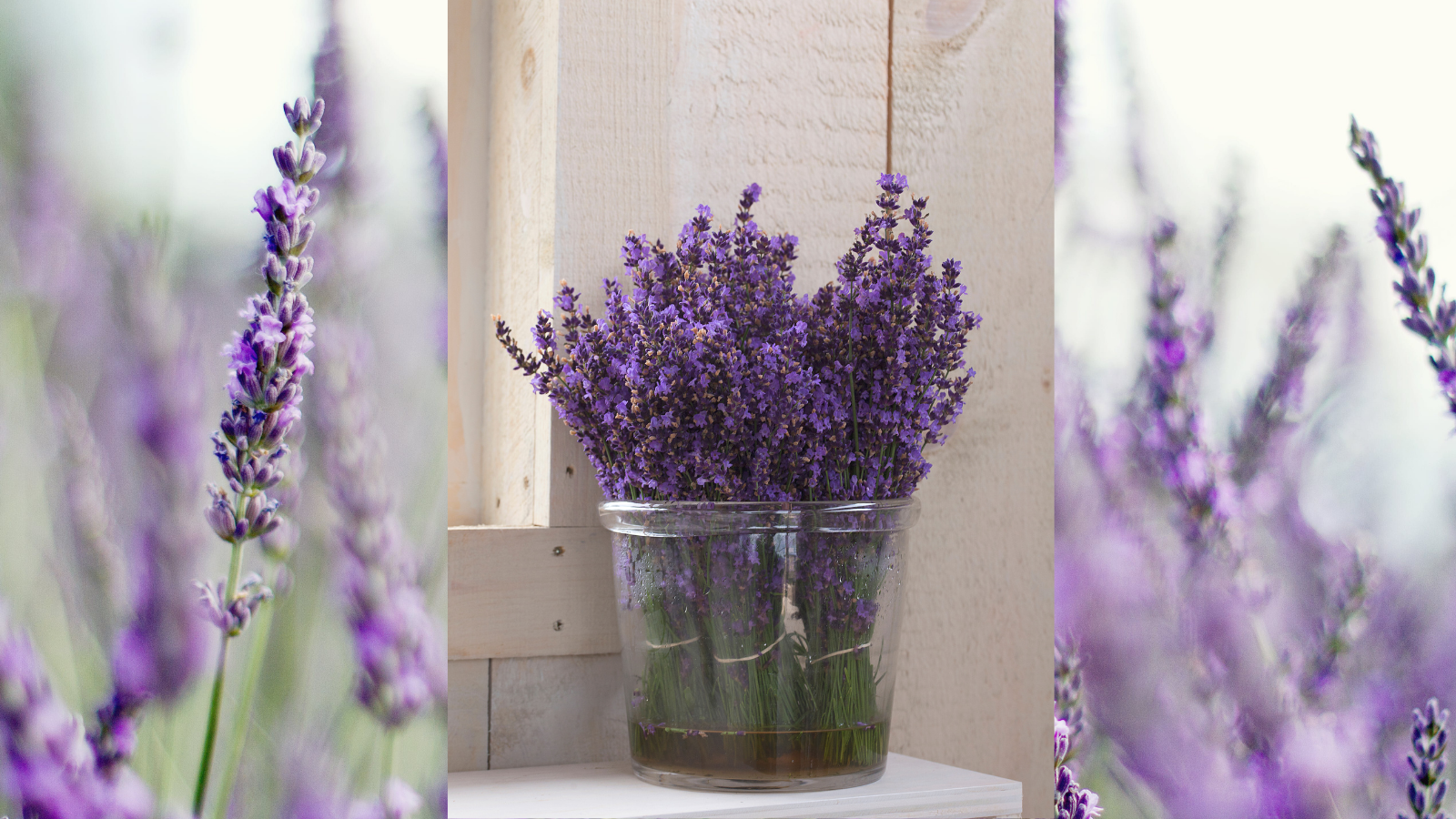
Learning how to grow lavender in a container lets you enjoy this fragrant flowering herb even when garden space is limited. Its beautiful purple blooms, silvery-green foliage, and distinctive aroma can add colour and character to patios, balconies, and other sunny spaces.
Lavender is particularly well suited to container growing because it prefers excellent drainage and plenty of sunlight. Growing it in a pot also gives you greater control over soil conditions, moisture, and placement.
Choosing the right container, soil, and lavender variety can make a significant difference in how well the plant grows and flowers. Proper watering, pruning, and seasonal care can also help keep container-grown lavender healthy.
This guide explores lavender’s history and benefits, introduces several beautiful varieties, and provides practical steps for growing lavender successfully in containers. With suitable conditions and consistent care, you can enjoy its fragrant foliage and colourful blooms throughout the growing season.
History Of Lavender
Lavender has been valued for thousands of years for its distinctive fragrance and many practical uses. Ancient civilizations used aromatic plants in perfumes, bathing, household preparations, and traditional remedies.
The name lavender is commonly associated with the Latin word lavare, meaning “to wash.” The Romans used lavender and other fragrant herbs in bathing and household life, helping establish the plant’s long association with cleanliness and freshness.
During the Middle Ages and Renaissance, lavender became increasingly familiar throughout Europe. Its fragrant flowers were used to scent homes, linens, clothing, and personal items, while the plant also became part of traditional herbal practices.
Lavender became particularly fashionable in England during the Victorian era. Queen Victoria’s enthusiasm for lavender helped increase its popularity in homes and gardens, where its fragrance and attractive purple flowers were highly valued.
Over time, lavender cultivation spread throughout many parts of the world. People developed or selected different species and cultivars for fragrance, ornamental gardening, culinary uses, and essential oil production.
Today, lavender remains one of the most recognizable fragrant plants in gardens and containers. Its long history, distinctive aroma, silvery foliage, and colourful flowers continue to make it a favourite among gardeners.

Benefits Of Lavender
Lavender offers much more than beautiful purple flowers and a distinctive fragrance. Its versatility has made it a popular choice for gardens, containers, homes, culinary uses, and relaxing spaces.
Its flowers attract pollinators, while its aromatic foliage adds colour and fragrance to outdoor areas. Certain lavender varieties can also be used in cooking, teas, and other culinary preparations.
You can enjoy lavender fresh or dried, and it’s often associated with creating a calm, pleasant atmosphere. Wide varieties also grow well in containers, making them suitable for patios, balconies, and smaller spaces.
From its ornamental value and culinary uses to its fragrance and appeal to pollinators, lavender is a remarkably versatile plant. Here are some of the benefits that have helped maintain its popularity for generations.
1. Supports A Relaxing Bedtime Routine
Lavender is widely associated with relaxation and restful environments. Its gentle fragrance is commonly used in aromatherapy and evening routines intended to create a calmer atmosphere before bedtime.
Research has explored whether lavender aromatherapy may help improve certain aspects of sleep quality. Some studies have reported promising results, although findings vary and more research is needed to understand its effects fully.
Lavender’s familiar fragrance can also become part of a relaxing bedtime routine. Dried lavender, scented products, or well-used lavender aromatherapy can bring its soothing aroma into the bedroom.
Rather than treating lavender as a remedy for insomnia, it can be enjoyed as part of a comfortable and relaxing bedtime routine.
2. Attracts Pollinators
Lavender’s fragrant flowers attract a variety of pollinators, making it a valuable addition to gardens, patios, and other outdoor growing spaces. Bees visit frequently when lavender is in bloom.
The flower spikes provide a source of nectar during the flowering season. Growing several lavender plants together can create an attractive display while offering pollinators additional opportunities to forage.
Container-grown lavender can also contribute to a pollinator-friendly space when placed outdoors in a sunny location. Even gardeners with limited space can enjoy colourful blooms while providing a useful food source for visiting insects.
Allowing lavender to flower fully before pruning also gives pollinators more time to visit the blooms. This combination of beauty, fragrance, and wildlife value is one of lavender’s most appealing benefits.
3. Adds Colour And Fragrance
Lavender combines colourful flower spikes with aromatic foliage, making it an attractive addition to patios, balconies, entrances, and garden spaces. Depending on the variety, flowers may appear in shades of purple, violet, pink, or white.
The plant releases its fragrance naturally from the foliage and flowers, especially when it’s touched or moved. Container growing makes it easy to place lavender where you can enjoy its colour and aroma regularly.
4. Provides Culinary Uses
Certain lavender varieties can be used in cooking and baking, adding a distinctive floral flavour to both sweet and savoury dishes. English lavender is among the varieties commonly chosen for culinary purposes.
Lavender can be used sparingly in baked goods, teas, syrups, herb blends, and other recipes. Only lavender grown and sold for culinary use should be used in food, particularly when pesticides or other garden treatments may have been applied.
5. Creates A Calming Atmosphere
Lavender’s distinctive fragrance has long been associated with relaxation and peaceful surroundings. Fresh or dried flowers can bring that familiar aroma into bedrooms, sitting areas, and other quiet spaces.
Growing lavender near patios, seating areas, or entrances also allows its fragrance to become part of the outdoor environment. Its combination of scent, soft colours, and delicate flowers can contribute to a pleasant and inviting setting.
6. Grows Well In Containers
Lavender’s preference for excellent drainage makes many varieties well suited to container growing. Pots allow gardeners to choose a suitable growing medium and control moisture more easily than may be possible in heavy garden soil.
Containers can also be moved to take advantage of sunlight or provide additional seasonal protection when necessary. Compact lavender varieties are particularly useful for patios, balconies, and smaller outdoor spaces.
7. Offers Beautiful Cut And Dried Flowers
You can enjoy lavender flowers fresh or dried, extending their usefulness beyond the growing season. Fresh stems can be added to simple floral arrangements, while dried flowers retain much of their characteristic fragrance.
Harvesting stems as the flowers begin to open provides material for dried bouquets, sachets, wreaths, and other decorative uses. This makes lavender a plant that can continue bringing colour and fragrance into the home long after flowering.
8. Requires Relatively Little Maintenance
Once established in suitable conditions, lavender generally requires relatively little maintenance. Its preference for well-draining soil and drier conditions means established plants do not usually need frequent watering.
Regular pruning can help maintain an attractive shape and encourage healthy growth. Choosing a variety suited to your climate and providing plenty of sunlight can also make ongoing care easier.
Container growing gives gardeners additional control over drainage, soil, and placement. With its basic needs met, lavender can provide beautiful flowers and fragrant foliage without demanding constant attention.
Types Of Lavender
Lavender (Lavandula) includes many species and cultivars grown for their fragrant foliage, colourful flowers, ornamental value, culinary uses, and essential oil production. Different types can vary considerably in size, appearance, fragrance, flowering season, and cold hardiness.
Most lavender plants thrive in sunny locations with excellent drainage and generally become drought-tolerant once established. However, their tolerance for cold, humidity, and wet conditions can differ depending on the species and variety.
Some lavender plants remain compact and naturally suit pots, while others can grow considerably larger. Flower colours can also range from familiar shades of purple and violet to pink and white.
When you grow lavender in a container, choosing a variety suited to container growing can make ongoing care much easier. Here are some beautiful lavender varieties to consider.
1. English Lavender (Lavandula angustifolia)
English lavender (Lavandula angustifolia) is one of the most popular and widely grown lavender varieties. Despite its common name, it is native to the Mediterranean region, not England.
This lavender is particularly valued for its cold hardiness, fragrant foliage, and beautiful purple flower spikes. Its compact growth habit also makes many English lavender cultivars excellent container plants.
English lavender prefers full sun and well-draining soil and generally performs best when its roots are not kept consistently wet. Once established, it can tolerate relatively dry conditions.
Its sweet fragrance and relatively mild flavour also make English lavender a common choice for culinary uses as well as ornamental growing.

2. Alba Nana Lavender (Lavandula angustifolia ‘Alba Nana’)
Alba Nana lavender is a compact cultivar of English lavender known for its attractive white flowers and aromatic grey-green foliage. Its smaller size makes it particularly well suited to containers, patios, and other limited growing spaces.
Like other English lavenders, Alba Nana prefers full sun and well-draining soil. Good drainage is especially important in containers because lavender roots do not thrive in consistently wet conditions.
Its white flowers provide an attractive alternative to the familiar purple shades associated with lavender. They can also create a beautiful contrast when Alba Nana is grown alongside purple or violet-flowering varieties.
Because of its naturally compact growth habit, Alba Nana can provide fragrance and flowers without requiring a large container or extensive growing space.

3. Munstead Lavender (Lavandula angustifolia ‘Munstead’)
Munstead lavender is a compact English lavender cultivar known for its fragrant grey-green foliage and attractive violet-purple flowers. Its manageable size makes it well-suited to containers and smaller growing spaces.
The cultivar is closely associated with influential British garden designer Gertrude Jekyll and takes its name from her home, Munstead Wood in Surrey, England.
Munstead lavender prefers full sun and well-draining soil and becomes relatively drought-tolerant once established. Good drainage is particularly important when growing it in containers.
Its compact habit also makes Munstead lavender suitable for borders, herb gardens, and rock gardens. The fragrant flowers attract pollinators and can also be harvested for drying and other uses.
4. Rosea Lavender (Lavandula angustifolia ‘Rosea’)
Rosea lavender is an attractive English lavender cultivar known for its delicate pale pink flowers and aromatic grey-green foliage. Its unusual flower colour provides a softer alternative to the purple and violet shades commonly associated with lavender.
Like other English lavenders, Rosea prefers full sun and well-draining soil. Once established, it can tolerate relatively dry conditions, making careful watering particularly important when it is grown in a container.
Its compact, bushy growth makes Rosea suitable for containers as well as borders, herb gardens, and other sunny planting areas. The pale flowers can also provide an attractive contrast when grown alongside darker purple lavender varieties.
Its combination of fragrance, soft flower colour, and manageable growth makes Rosea an appealing choice for gardeners looking for something a little different from traditional purple lavender.

5. Folgate Lavender (Lavandula angustifolia ‘Folgate’)
Folgate lavender is an attractive English lavender cultivar known for its fragrant foliage and rich violet-purple flowers. Its abundant blooms create a colourful display during its flowering season.
Like other English lavenders, Folgate thrives in full sun and well-draining soil. Once established, it tolerates relatively dry conditions and should not sit in consistently wet soil.
Its compact, bushy growth makes Folgate suitable for containers as well as borders, low hedges, and sunny garden beds. The colourful flower spikes also attract bees and other pollinators.
Folgate lavender can be grown for its ornamental value, fragrance, and flowers, which can be harvested for drying. Its combination of colour and manageable growth makes it a versatile choice for smaller gardens and containers.

6. Spanish Lavender (Lavandula stoechas)
Spanish lavender is a distinctive lavender species known for its aromatic grey-green foliage and colourful flower heads. Its most recognizable feature is the cluster of showy bracts above each flower spike, often described as resembling rabbit ears.
The flowers are usually purple or violet, although some cultivars produce pink or white blooms. These unusual flowers give Spanish lavender a very different appearance from English lavender.
Spanish lavender thrives in full sun and requires excellent drainage. It generally prefers warmer conditions and is less cold-hardy than English lavender, which is important for gardeners in colder climates.
Its compact growth and distinctive flowers make Spanish lavender an attractive choice for containers. The blooms also attract bees and other pollinators, adding both colour and wildlife value to sunny outdoor spaces.

7. Thumbelina Leigh Lavender (Lavandula angustifolia ‘Thumbelina Leigh’)
Thumbelina Leigh lavender is a compact English lavender cultivar known for its aromatic grey-green foliage and short, plump violet-purple flower spikes. Its naturally small size makes it particularly well suited to container growing.
The flowers rise above the foliage on upright stems, creating a colourful display without the plant becoming overly large. Its compact growth also makes it useful in limited spaces.
Like other English lavenders, Thumbelina Leigh prefers full sun and well-draining soil. Once established, it can tolerate relatively dry conditions, although container-grown plants still require careful monitoring during hot weather.
Its combination of fragrance, colourful flowers, and compact growth makes Thumbelina Leigh an attractive choice for pots, patios, borders, and small garden spaces.

8. Little Lottie Lavender (Lavandula angustifolia ‘Little Lottie’)
Little Lottie lavender is a compact English lavender cultivar known for its aromatic grey-green foliage and delicate pale pink flowers. Some blooms may appear almost white, giving the plant a soft colour variation.
Its naturally compact, bushy growth makes Little Lottie particularly well suited to containers and smaller garden spaces. The flower spikes rise above the foliage, providing colour and fragrance during the flowering season.
Like other English lavenders, Little Lottie grows best in full sun and well-draining soil. Once established, it is relatively drought-tolerant and should be protected from consistently wet growing conditions.
Its small size, fragrant foliage, and softly coloured flowers make Little Lottie an attractive choice for pots, patios, borders, and sunny garden beds.

9. Royal Velvet Lavender (Lavandula angustifolia ‘Royal Velvet’)
Royal Velvet lavender is an English lavender cultivar known for its richly coloured violet-purple flower spikes and aromatic grey-green foliage. The flowers rise above the compact foliage on upright stems, creating a striking display.
Its deep flower colour is one of the cultivar’s most distinctive features. The blooms also hold their colour well when dried, making Royal Velvet a popular choice for dried flower arrangements and other decorative uses.
Like other English lavenders, Royal Velvet prefers full sun and well-draining soil. Once established, it tolerates relatively dry conditions and should not be kept in consistently wet soil.
Its compact growth, rich colour, and fragrance make Royal Velvet suitable for containers as well as borders, low hedges, and sunny garden beds.

10. Anouk Lavender (Lavandula stoechas ‘Anouk’)
Anouk lavender is a compact Spanish lavender cultivar known for its distinctive dark purple flower heads topped with prominent violet-purple bracts. These colourful bracts create the characteristic “rabbit ear” appearance associated with Spanish lavender.
Its aromatic grey-green foliage forms a compact mound, while upright flower stems rise above the leaves. Under suitable conditions, Anouk can produce a long-lasting floral display.
Like other Spanish lavenders, Anouk thrives in full sun and requires excellent drainage. It prefers warmer conditions and is less cold-hardy than many English lavender varieties.
Its compact growth and unusual flowers make Anouk particularly attractive in containers, patios, borders, and sunny garden beds. The flowers also attract bees, butterflies, and other pollinators.

How To Grow Lavender In A Container In 11 Steps
Lavender has relatively simple growing requirements, but getting the basics right is important for healthy plants and abundant flowers. Sunlight, drainage, soil, and careful watering all play an important role.
Growing lavender in containers also gives you more control over these conditions. You can choose an appropriate soil mix, manage moisture more easily, and move the container as seasonal conditions change.
Different lavender varieties may have slightly different needs, particularly when it comes to cold tolerance and mature size. Choosing a variety suited to your climate and available space can make ongoing care easier.
The following 11 steps cover everything from selecting the right container and soil to pruning, propagation, pest management, and harvesting your lavender flowers.
1. Choose The Right Container
Choosing the right container is an important first step when growing lavender in pots. Lavender needs excellent drainage, so choose a container with one or more generous drainage holes that let excess water escape easily.
Choose a pot large enough to accommodate the plant’s root system without leaving too much wet soil around the roots. The mature size of the lavender variety should also guide your container choice.
Terracotta and other porous containers can work particularly well for lavender because they allow moisture to evaporate through the sides of the pot. Other container materials can also work successfully when drainage is adequate.
If you place a saucer beneath the container, empty any collected water rather than allowing the pot to remain standing in it. Lavender roots perform best when the growing medium can drain and begin drying between waterings.
Container growing also provides flexibility because plants can be moved when necessary. This can be particularly useful for less cold-hardy lavender varieties that may require winter protection in colder climates.

2. Choose Well-Draining Soil
Lavender grows best in loose, well-draining soil that allows excess moisture to move quickly away from the roots. This is particularly important in containers, where consistently wet soil can contribute to root problems.
A quality potting mix amended with materials such as perlite, pumice, or coarse horticultural grit can help improve drainage and aeration. Avoid using ordinary garden soil or topsoil alone in containers because it can become compacted and drain poorly.
Lavender generally prefers neutral to slightly alkaline soil, although exact preferences can vary among species and cultivars. The growing medium does not need to be especially rich, as overly fertile conditions can encourage leafy growth at the expense of flowers.
Avoid adding large amounts of compost or other moisture-retentive organic matter to the potting mixture. Lavender is naturally adapted to relatively lean, free-draining growing conditions and performs best when its roots are not surrounded by constantly moist soil.
Whatever mixture you choose, good drainage should remain the priority. Combining suitable soil with a container that has adequate drainage holes provides a much healthier environment for lavender roots.

3. Provide Plenty Of Sunlight
Lavender thrives in full sun and produces its best growth and flowers with plenty of direct sunlight. Place outdoor containers in one of the sunniest locations available.
Aim for at least six hours of direct sunlight each day, with additional sunlight often beneficial. Containers can be moved if nearby buildings, trees, or changing seasons begin to create too much shade.
Growing lavender indoors can be more challenging because even a bright window may not provide enough light. A sunny, south-facing window is usually the best location for growing lavender indoors.
If natural light is insufficient, a suitable grow light can provide additional light. Watch the plant’s growth and adjust its location when necessary.
Plenty of sunlight also helps the potting mixture dry properly between waterings. This combination of sun and good drainage creates the conditions lavender naturally prefers.

4. Water Carefully
Lavender is drought-tolerant once established, but container-grown plants still need occasional watering. The key is to let the soil begin drying between waterings rather than keeping it consistently moist.
Water deeply when needed, and let excess water drain freely from the bottom of the container. Empty any saucer beneath the pot so the roots don’t sit in water.
Check the soil rather than following a fixed watering schedule. Hot weather, container size, rainfall, plant maturity, and the type of potting mixture can all affect how quickly the soil dries.
Newly planted lavender needs more consistent moisture while its roots establish. As the plant matures, it can generally tolerate longer periods between waterings.
Overwatering is particularly troublesome for lavender and can contribute to root problems. Good drainage and careful watering are therefore especially important for healthy container-grown plants.

5. Maintain Suitable Temperature And Humidity
Lavender generally prefers warm, sunny conditions with good air circulation. Its Mediterranean origins make it better suited to relatively dry conditions than warm, humid environments.
High humidity combined with wet soil can create problems for lavender. Providing good drainage and enough space around the plant for air movement can help maintain healthier growing conditions.
Cold tolerance varies considerably among lavender species and cultivars. English lavender is generally more cold-hardy than Spanish and other tender lavenders.
Container-grown lavender can be more vulnerable to winter cold because its roots have less insulation than plants growing in the ground. Pots may therefore need additional protection in colder climates.
When overwintering lavender indoors, choose a cool, bright location away from heating vents. Adequate light and careful watering remain important, even when growth slows.
6. Plant Lavender In The Container
Fill your chosen container with the well-draining potting mixture, leaving enough space at the top for watering. Make sure the drainage holes remain unobstructed so excess water can escape freely.
Carefully remove the lavender from its nursery pot and gently loosen any tightly packed roots. Position the plant in the centre of the container at approximately the same depth it was growing previously.
Fill around the roots with additional potting mixture and gently firm the soil to support the plant. Avoid burying the crown or piling soil against the base of the stems.
Water thoroughly after planting and allow the excess water to drain from the container. Afterward, let the soil begin drying between waterings rather than keeping it continuously moist.
Place the newly planted lavender in a sunny location with good air circulation. Once established, the plant should receive plenty of direct sunlight to encourage compact growth and abundant flowers.
7. Propagate Lavender From Cuttings
Lavender can be propagated from stem cuttings, allowing you to grow new plants from an established plant. Choose healthy, non-flowering shoots whenever possible.
Cut a short section of stem just below a leaf node and remove the leaves from the lower portion. This leaves a bare stem section that you can insert into the growing medium.
Place the cutting in a small container filled with a moist, well-draining propagation mix. Keep the medium lightly moist while roots develop, but avoid keeping it wet.
Position the cutting in a bright location away from intense direct sunlight while it establishes roots. New growth can be a useful sign that rooting has begun.
Once the cutting has developed a healthy root system, move it into its own container with well-draining lavender soil. Gradually introduce the young plant to stronger sunlight as it becomes established.
8. Prune Regularly
Regular pruning helps lavender stay compact and encourages healthy new growth. It can also slow the development of woody, sprawling stems as the plant matures.
Remove spent flower stems after blooming to keep the plant tidy and encourage continued healthy growth. More substantial pruning can be done at an appropriate time for the lavender variety and local climate.
When pruning, cut back into leafy green growth rather than deeply into old, bare wood. Lavender may struggle to produce new shoots from older woody stems.
Use clean, sharp pruning shears to make neat cuts and reduce unnecessary damage to the plant. Remove dead or damaged growth whenever you notice it.
Avoid severe pruning late in the growing season where cold winters occur. Leaving enough healthy growth helps protect the plant as it enters its winter resting period.
Turn Your Passion for Nature Into Income
🌿 Whether you love gardening, caring for animals, or exploring holistic living,
You can share your knowledge online and earn from it.
Discover how nature lovers are growing their passions into meaningful, income-generating blogs. 👇
9. Fertilize Lightly
Lavender naturally grows in relatively lean soil and generally does not require heavy fertilizing. Too much fertilizer can encourage excessive leafy growth while reducing flowering.
Container-grown lavender may eventually need some supplemental nutrients because regular watering gradually removes nutrients from the potting mixture. However, feeding should remain light rather than frequent.
If growth needs support, apply a suitable fertilizer sparingly during the active growing season. Follow the product directions and avoid using more than recommended.
Avoid adding thick layers of rich compost around container-grown lavender. Too much organic matter can retain moisture and create richer growing conditions than lavender generally prefers.
Healthy lavender grown in suitable soil with plenty of sunlight often needs very little additional fertilizer. With this plant, less is usually better than more.
10. Watch For Pests And Diseases
Lavender is generally resistant to many common garden pests and diseases when grown in suitable conditions. Problems are more likely when plants have poor drainage, too much moisture, or inadequate air circulation.
Root rot is one of the more serious problems affecting lavender. Yellowing, wilting, declining growth, and damaged roots can indicate that the growing medium has remained too wet.
Good drainage and careful watering best reduce the risk of root problems. Let the soil dry between waterings, and never leave the container standing in water.
Lavender can occasionally attract pests such as aphids, whiteflies, or spider mites. Check the foliage regularly, especially the undersides of leaves, so you can notice problems early.
If pests appear, identify them before choosing a treatment. Keeping the plant healthy with plenty of sunlight, good airflow, and suitable growing conditions can help prevent many problems from becoming severe.
11. Harvest Lavender Flowers
Harvest lavender when many of the flower buds are developed, and some have begun to open. The best timing can vary depending on whether you plan to use the flowers fresh, dried, or for another purpose.
Choose a dry day and harvest after any morning dew has evaporated. Cutting the stems before the flowers are fully open can help preserve their colour and fragrance when drying.
Use clean, sharp pruning shears and cut the flowering stems above the leafy growth. Avoid cutting deeply into the older woody portion of the plant.
Regularly harvesting flower stems can also help keep lavender tidy and may encourage additional flowering in suitable growing conditions. The amount of reblooming varies by variety, climate, and growing conditions.
To dry lavender, gather the stems into small bundles and hang them upside down in a dry, well-ventilated area away from direct sunlight. Once completely dry, the flowers can be stored for later use.

Conclusion
Container-grown lavender can bring beautiful flowers, fragrant foliage, and Mediterranean charm to even a small outdoor space. A sunny patio, balcony, or entrance can provide an ideal setting for many lavender varieties.
Successful container growing begins with excellent drainage, suitable soil, and plenty of sunlight. Careful watering is equally important because lavender generally performs better in drier conditions than in consistently wet soil.
Choosing a variety suited to your climate and available space can make ongoing care easier. Regular pruning, light feeding when needed, and seasonal protection can help keep container-grown lavender healthy and attractive.
With the right growing conditions, lavender can reward you with aromatic foliage and colourful flowers while also attracting visiting pollinators. Its flowers can even be harvested and dried to enjoy long after the growing season ends.
I trust you enjoyed this article on the 11 Easy Steps To Grow Lavender In A Container. Please stay tuned for more inspiring guides, helpful tips, and ideas to help you live closer to nature every day.
Take care!
— JeannetteZ🌿