12 Best Natural Fertilizers For Flowers

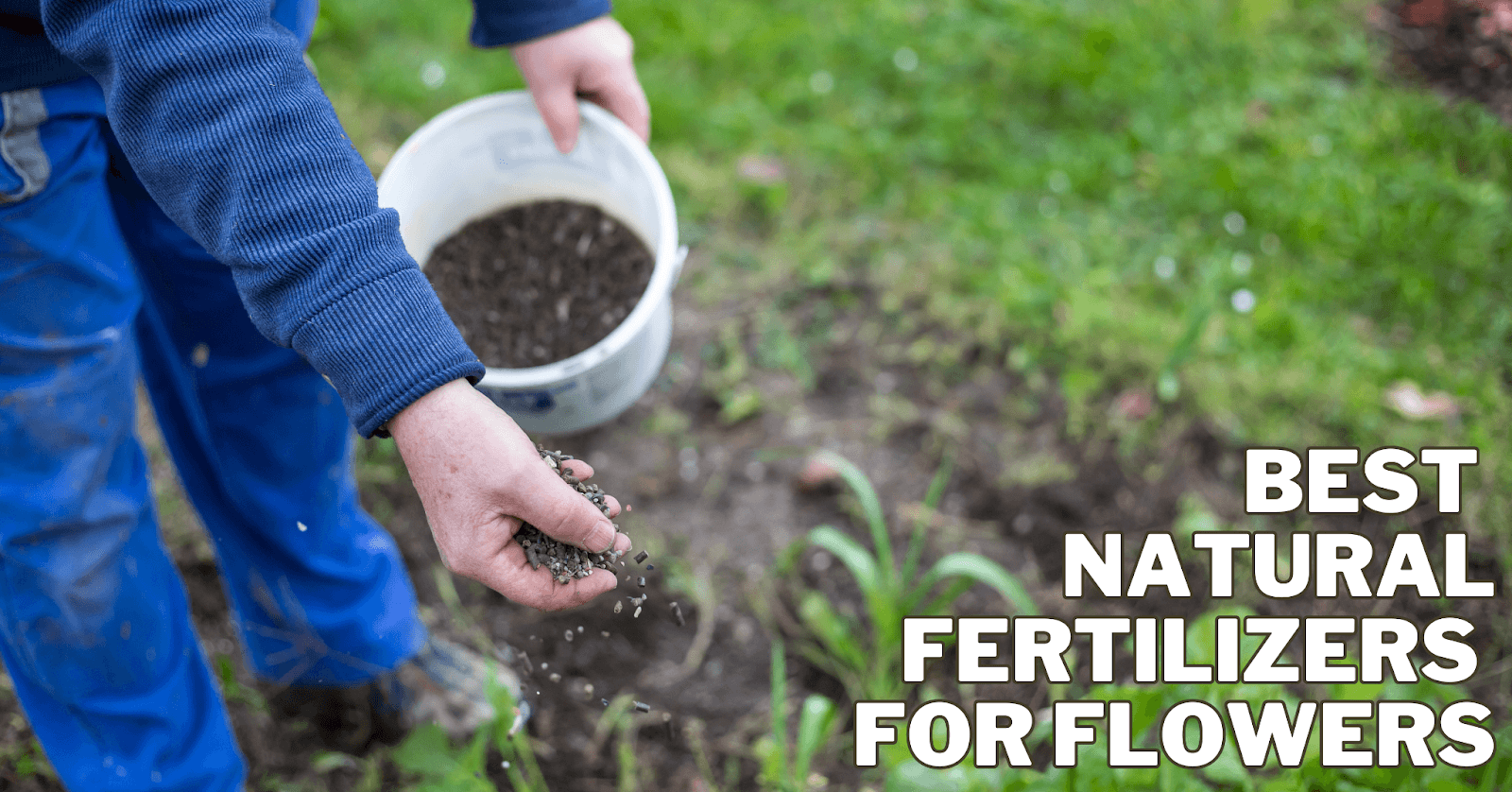
Choosing the right Natural Fertilizers For Flowers can help support healthy growth, colourful blooms, and productive garden soil. Natural options can provide important nutrients while also contributing organic matter to the soil.
Flowers need more than sunlight and water to grow and bloom successfully. Nutrient needs vary by plant, so it helps to know what your flowers need before adding fertilizer.
Compost, worm castings, plant-based materials, and other natural fertilizers offer gardeners many ways to nourish flowering plants. Some release nutrients gradually, while others can be used to address particular growing needs.
Choosing natural fertilizers also lets you use materials that might otherwise be discarded. Kitchen and garden materials can sometimes become useful additions to a thoughtful fertilizing routine.
This guide explores some of the best natural fertilizers for flowers and explains how they can be used effectively. You’ll also discover practical tips for choosing and applying them without giving your plants more nutrients than they need.
Benefits Of Natural Fertilizers For Flowers
Natural fertilizers can provide flowering plants with essential nutrients while supporting the soil they grow in. Many also add organic matter that can improve soil structure and encourage healthy root development.
Unlike fertilizers designed primarily to deliver nutrients quickly, many natural options release nutrients more gradually. This can provide plants with a steadier supply when used appropriately.
Natural fertilizers can also make productive use of materials such as compost, plant residues, and other organic matter. This helps return valuable nutrients to the garden instead of letting useful materials go to waste.
Benefits vary depending on the fertilizer, soil conditions, and the needs of the plants being grown. Choosing the right option and applying it correctly matters more than simply adding more fertilizer.
Here are some of the main benefits natural fertilizers can provide for flowering plants:
1. Provides A Gradual Release Of Nutrients
Many natural fertilizers release nutrients gradually as organic materials break down in the soil. This can provide flowers with a steady supply of nutrients rather than delivering them all at once.
The rate of nutrient release depends on the fertilizer, soil temperature, moisture, and microbial activity. Using the appropriate amount is still important because even natural fertilizers can be overapplied.
2. Improves Soil Structure
Natural fertilizers containing organic matter can help improve soil structure over time. They can make heavy soils easier to work with while helping lighter soils hold moisture and nutrients more effectively.
Improved soil structure also creates better conditions for flower roots to grow and access water, nutrients, and oxygen. Healthy soil provides a strong foundation for healthy flowering plants.
3. Supports Beneficial Soil Microorganisms
Healthy garden soil contains many microorganisms that help break down organic matter. This process makes nutrients available to plants and supports natural nutrient cycling in the soil.
Compost and other organic materials feed these soil organisms. Supporting an active soil environment can help maintain healthy conditions around your flowers’ roots.
4. Can Reduce Environmental Impact
Using natural fertilizers thoughtfully can support a more sustainable approach to gardening. Compost and other recycled organic materials can return nutrients to the soil while making use of resources already available at home or in the garden.
Natural does not automatically mean harmless, however. Applying too much fertilizer can still affect plants, soil, and surrounding waterways, so careful application remains important.
5. Adds Valuable Organic Matter
Many natural fertilizers add organic matter, along with nutrients, to the soil. Organic matter can improve soil structure, moisture retention, and the conditions needed for healthy root development.
Over time, regularly adding suitable organic materials can help maintain productive garden soil. Compost is particularly useful because it contributes organic matter while returning a range of nutrients to the garden.
6. Provides A Variety Of Plant Nutrients
Natural fertilizers can supply important nutrients that flowers need for healthy growth. Depending on the material, these may include nitrogen, phosphorus, potassium, and smaller amounts of other nutrients.
The nutrient content varies considerably between different natural fertilizers. Choosing a fertilizer should therefore depend on your plants’ needs and your soil’s current condition.
7. Makes Use Of Natural Materials
Many useful natural fertilizers come from materials that might otherwise be discarded. Compost can turn garden trimmings, leaves, and suitable kitchen scraps into a valuable garden resource.
Reusing these materials can reduce household and garden waste while returning organic matter and nutrients to the soil. It is a simple way to make gardening practices more resourceful.
8. Helps Soil Retain Moisture
Organic matter can improve the soil’s ability to hold moisture while still allowing excess water to drain away. This can help create more consistent growing conditions around flower roots.
Better moisture retention can be especially useful during warm, dry periods. However, plants still need suitable drainage because consistently waterlogged soil can damage roots.
9. Supports Long-Term Soil Health
Natural fertilizers that contribute organic matter can support soil health beyond a single growing season. Regular additions of suitable materials can gradually improve soil structure and help maintain nutrient availability.
Building healthy soil is an ongoing process rather than something achieved with one fertilizer application. Caring for the soil provides flowering plants with better growing conditions year after year.
10. Encourages Healthy Root Development
Healthy roots are essential for strong flowering plants because they absorb the water and nutrients needed for growth. Natural fertilizers containing organic matter can help create soil conditions that allow roots to spread and develop.
Good soil structure, suitable moisture, and available nutrients all contribute to a healthier root environment. Strong root systems can help flowers establish themselves and support healthy growth throughout the season.
Turn Your Passion for Nature Into Income
🌿 Whether you love gardening, caring for animals, or exploring holistic living,
You can share your knowledge online and earn from it.
Discover how nature lovers are growing their passions into meaningful, income-generating blogs. 👇
Introducing The Best Natural Fertilizer For Flowers
Natural fertilizers offer many ways to provide flowers with the nutrients they need while supporting healthy garden soil. The best choice depends on the flowers you are growing, their nutrient needs, and the condition of your soil.
Some options, such as compost and worm castings, improve the soil while gradually supplying nutrients. Others provide particular nutrients and may be more useful when plants have specific needs.
Before applying any fertilizer, consider what your plants and soil actually require. Using the right product in the right amounts is more beneficial than adding fertilizer on a regular schedule.
Here are some of the best natural fertilizers for flowers and how they can be used in your garden:
1. Compost
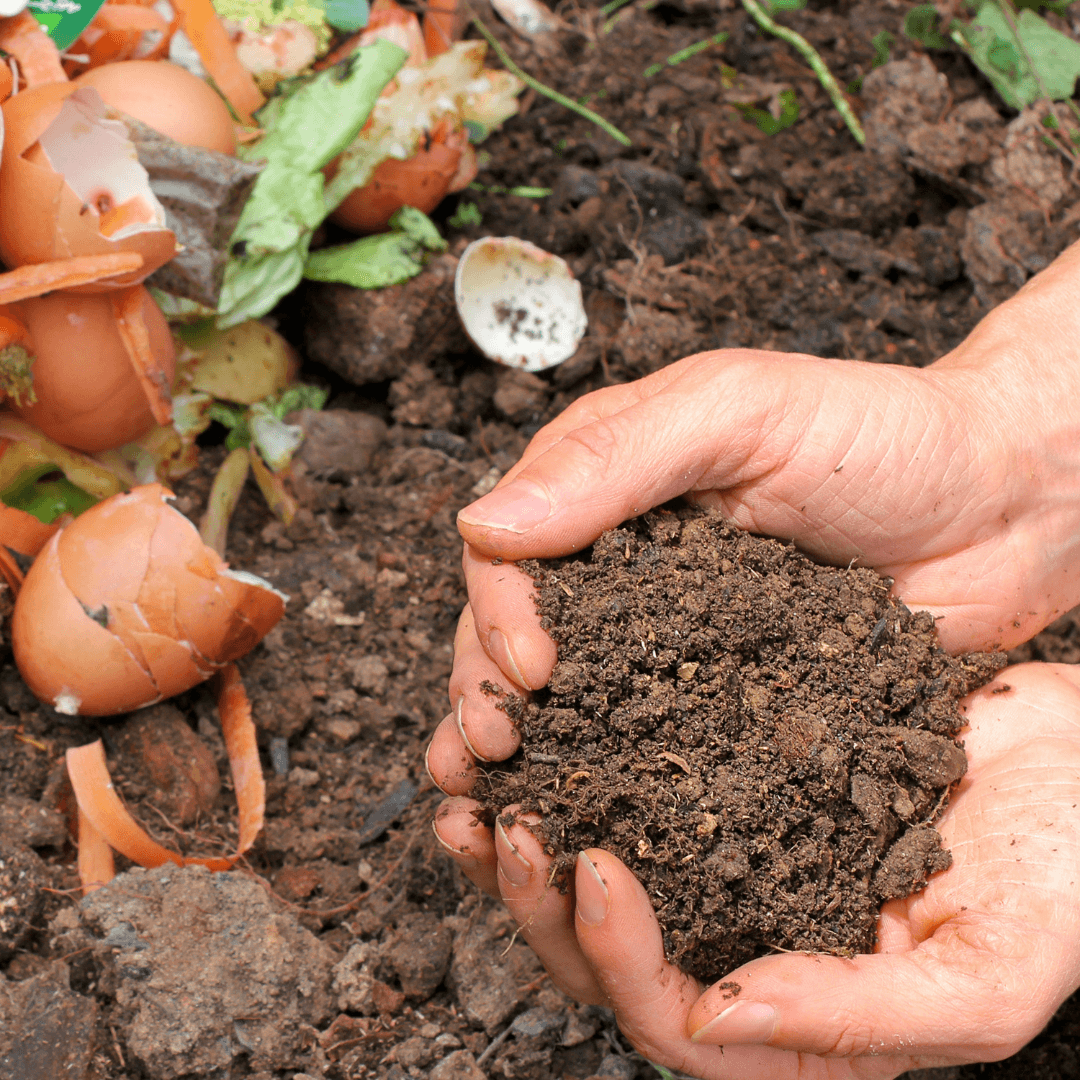
Compost is one of the most useful natural fertilizers for flowers because it adds both organic matter and nutrients to the soil. It is created when kitchen scraps, garden waste, leaves, and other suitable organic materials break down over time.
Adding this organic material can improve soil structure and help the ground retain moisture while still allowing good drainage. These conditions make it easier for flower roots to access the water, air, and nutrients they need.
It also supports beneficial microorganisms that help break down organic matter and release nutrients into the soil. The exact nutrient content varies depending on the materials used to make it.
Unlike concentrated fertilizers, it generally provides nutrients gradually while improving the soil itself. The finished material can be mixed into garden soil before planting or added around established flowers as a top dressing.
Making your own also provides a practical way to recycle suitable kitchen and garden materials. This can reduce waste while creating a valuable resource for your flower garden.
2. Well-Aged Manure
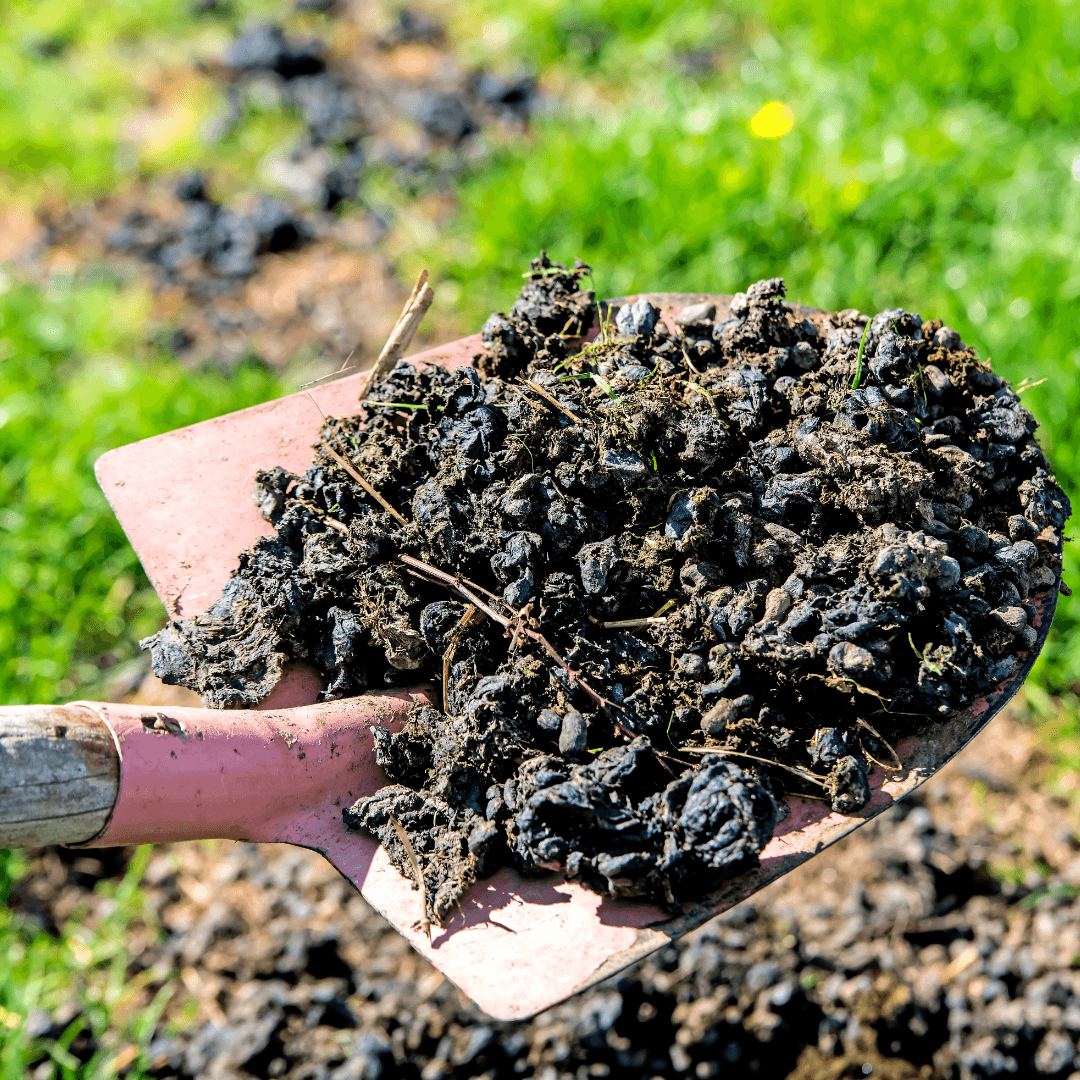
Well-aged manure can provide flowering plants with nutrients while adding valuable organic matter to the soil. Common sources include cows, horses, chickens, and other livestock.
The nutrient content varies considerably depending on the animal source, bedding materials, and how the manure has been prepared. Some manures, particularly poultry manure, can be relatively concentrated and should be used carefully.
Adding aged manure can also improve soil structure, moisture retention, and drainage. Its organic matter helps create better growing conditions around flower roots while supporting soil activity.
Avoid applying fresh manure directly around established flowers because it can contain high levels of salts and nitrogen that may damage plants. Properly aged or composted manure is generally a more suitable choice for flower gardens.
You can incorporate manure into the soil before planting or use it appropriately around established plants. Use it in moderation, and consider the specific nutrient needs of the flowers you are growing.
3. Bone Meal
Bone meal is an animal-derived natural fertilizer primarily valued as a source of phosphorus and calcium. Phosphorus plays an important role in root development, energy transfer, flowering, and seed production.
Because it releases nutrients gradually, its effects develop over time rather than providing an immediate nutrient boost. It is often used when planting bulbs and other flowering plants that can benefit from additional phosphorus.
However, this fertilizer is not necessary for every flower garden. If the soil already contains sufficient phosphorus, adding more will not necessarily improve flowering and can contribute to unnecessary nutrient buildup.
A soil test can help determine whether you need additional phosphorus before applying bone meal. This is particularly useful in established gardens where fertilizers and soil amendments have been used regularly.
When additional phosphorus is appropriate, follow the product directions rather than assuming that more will produce additional flowers. Matching fertilizer use to your soil and plants’ needs provides much better results.
4. Fish Emulsion
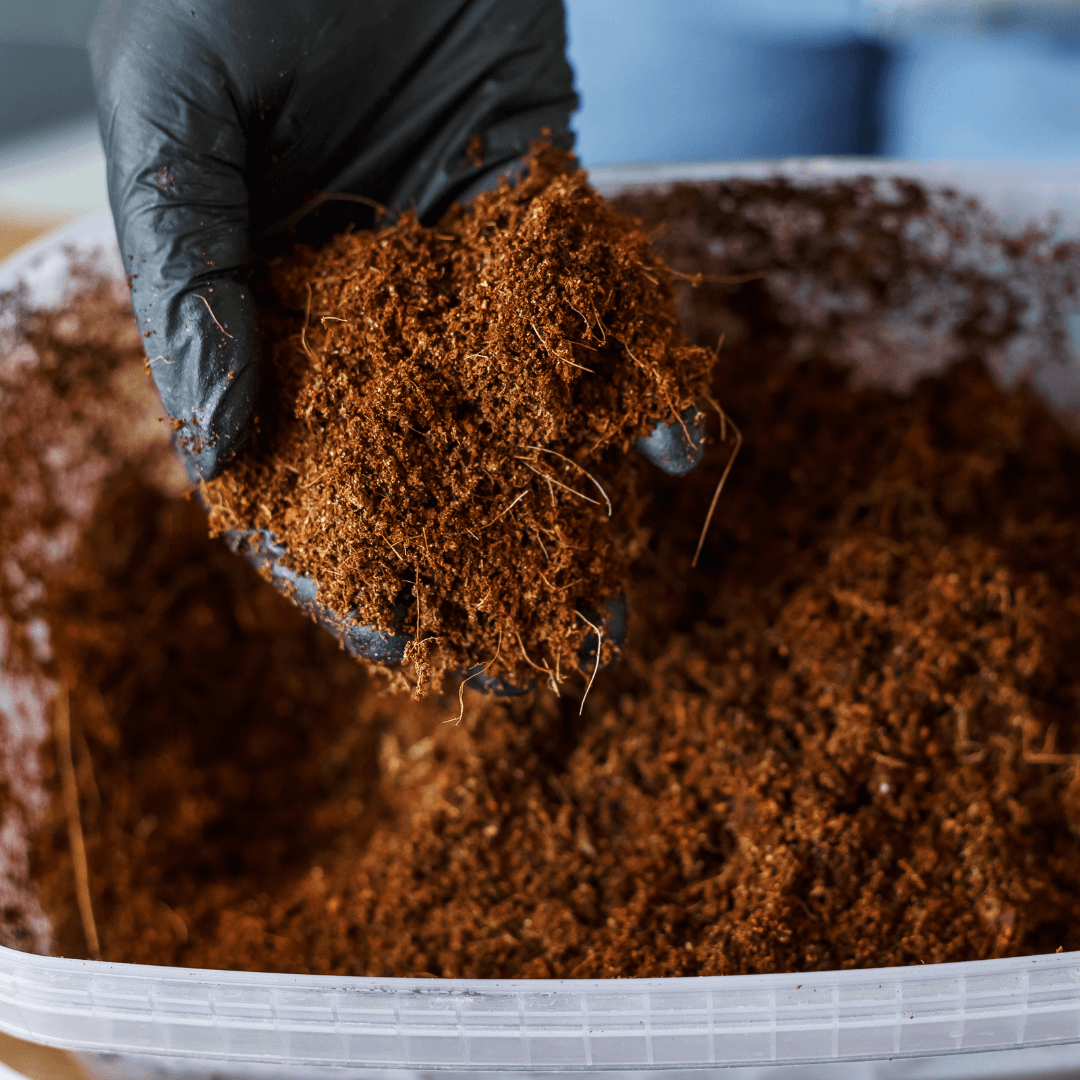
Fish emulsion is a liquid natural fertilizer made from fish and fish-processing byproducts. It generally provides nitrogen along with smaller amounts of phosphorus, potassium, and other nutrients.
Because it is applied as a liquid, plants can access its nutrients relatively quickly. The nitrogen can be particularly useful for supporting healthy leafy growth when plants need additional nutrients.
However, more nitrogen does not necessarily mean more flowers. Excessive nitrogen can encourage abundant foliage while reducing flowering in some plants, so apply fish emulsion according to plant needs.
Usually, dilute fish emulsion with water before applying it around the base of plants. Always follow the product directions because nutrient concentrations can vary considerably between different formulations.
Used appropriately, fish emulsion can provide a useful nutrient boost during the growing season. It works best as part of a balanced fertilizing routine rather than as a fertilizer intended specifically to increase flowering.
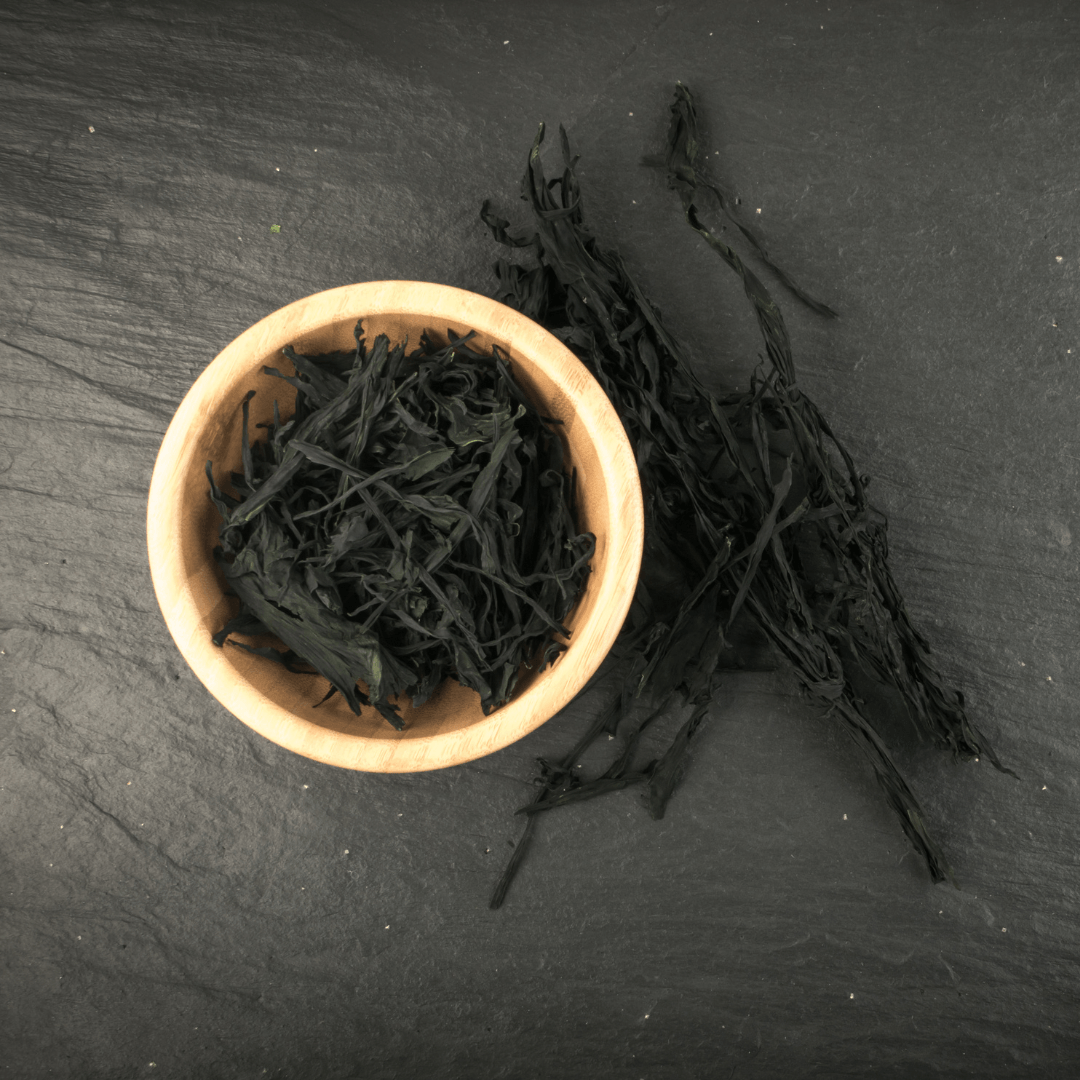
5. Seaweed Extract
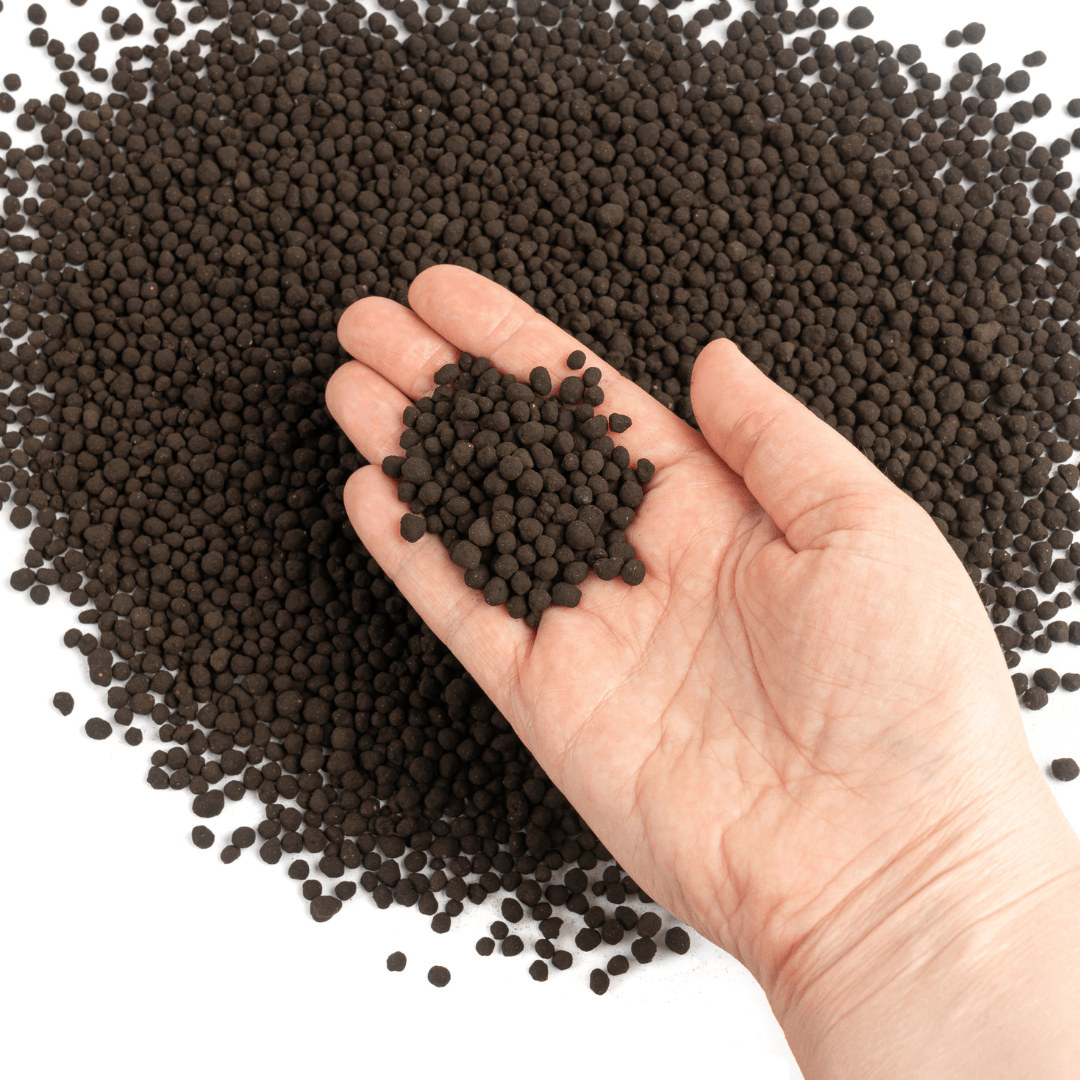
Seaweed extract is a natural plant product made from different types of marine algae. It contains small amounts of plant nutrients along with naturally occurring compounds that can support plant growth.
Unlike fertilizers that supply substantial amounts of nitrogen, phosphorus, or potassium, many of these products contain relatively low levels of primary nutrients. They are often used as a supplement rather than as the main fertilizer for flowering plants.
The extract may also contain trace elements and naturally occurring compounds associated with plant growth and development. Its exact composition varies by source material and processing method.
Liquid products are generally diluted with water and applied to the soil or, when the directions allow, to plant foliage. Always follow the manufacturer’s recommended dilution and application rates.
Used alongside appropriate soil care and fertilizing practices, seaweed extract can be a useful addition to a flower garden. However, it should complement, not replace, the primary nutrients your plants require.
6. Epsom Salt (Magnesium Sulphate)
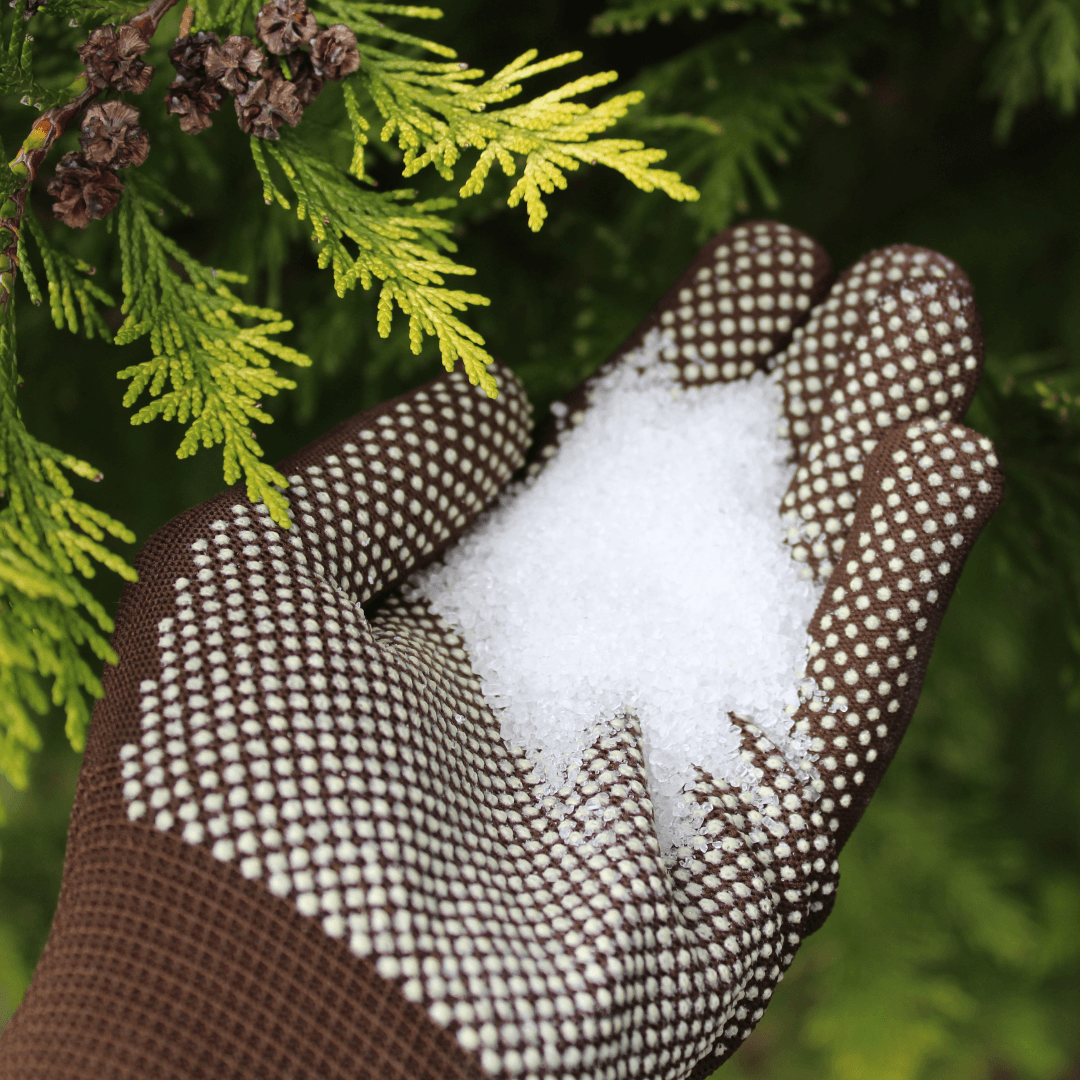
Epsom salt is magnesium sulphate, a soluble source of magnesium and sulphur. Both are nutrients plants require, but this product is most useful when the soil or plants actually need additional magnesium.
Magnesium plays an important role in chlorophyll production and photosynthesis. A genuine deficiency can therefore affect leaf colour and the plant’s ability to grow normally.
However, adding this mineral compound to healthy flowers will not automatically produce more blooms, brighter colours, or stronger plants. If the soil already contains sufficient magnesium, additional applications may provide little benefit.
A soil test can help determine whether magnesium levels are low before adding Epsom salt routinely to garden soil. Symptoms that appear to indicate a deficiency can also have other causes, so identifying the problem first is important.
When you need more magnesium, apply it carefully and in appropriate amounts. Treat it as a source of specific nutrients rather than an all-purpose natural fertilizer for flowers.
7. Wood Ash
Wood ash can provide potassium, calcium, and smaller amounts of other plant nutrients. However, its composition varies depending on the type of wood burned and the conditions in which it was produced.
One of its most important effects is the ability to raise soil pH. This means it should be used carefully and only where soil conditions and the needs of the flowers make it appropriate.
This material is not suitable for acid-loving plants such as azaleas, rhododendrons, and blueberries because it can make the soil less acidic. A soil test can help determine whether applying wood ash would be beneficial.
Use only ash from clean, untreated wood in the garden. Avoid material from painted, stained, pressure-treated, or manufactured wood, as well as coal and other substances that may contain undesirable compounds.
When appropriate, apply it sparingly and distribute it evenly rather than creating concentrated piles around plants. Excessive applications can raise soil pH too far and contribute unnecessary amounts of certain nutrients.
8. Cottonseed Meal
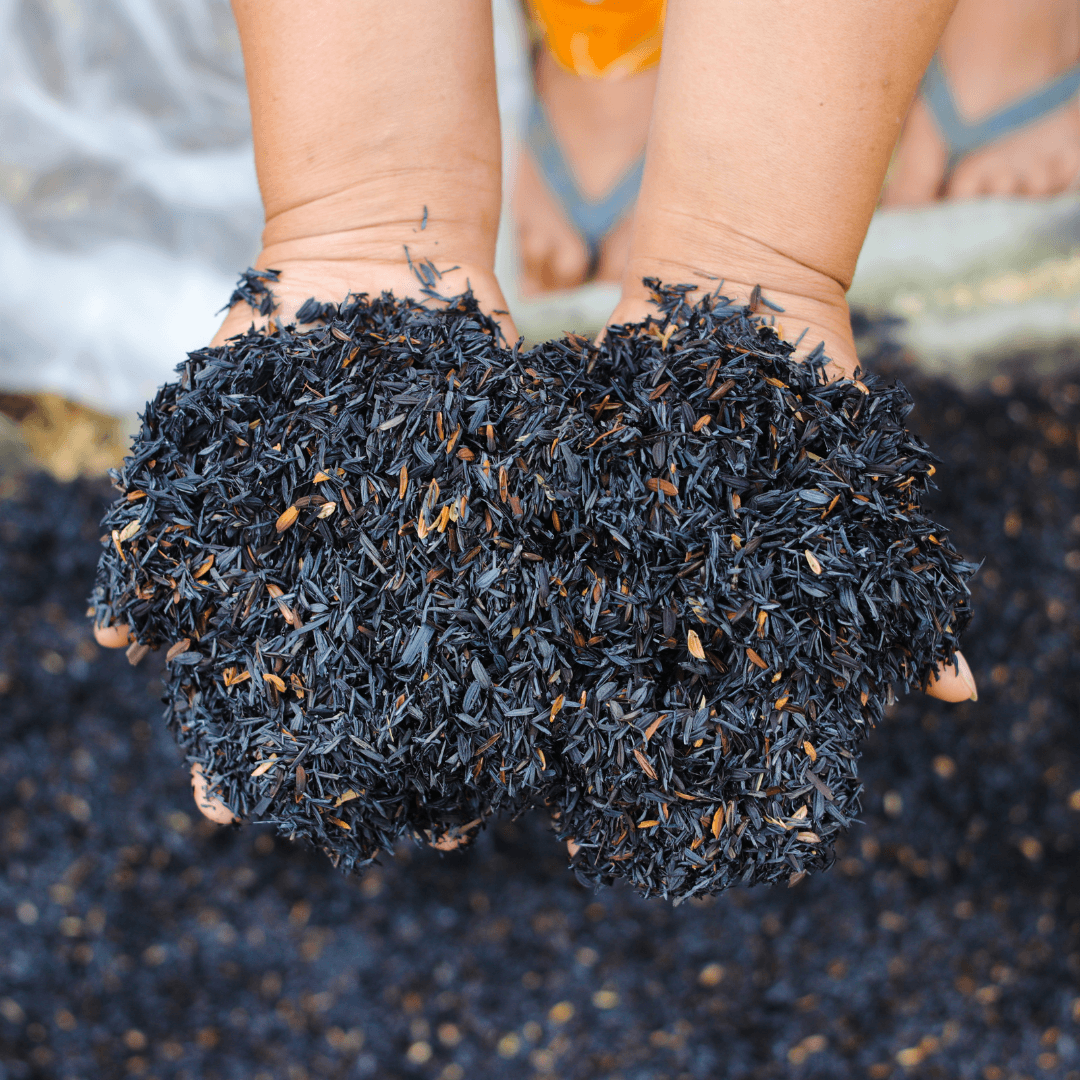
Cottonseed meal is a plant-based fertilizer produced as a byproduct of cottonseed processing. It generally provides nitrogen along with smaller amounts of phosphorus, potassium, and other nutrients.
Because these nutrients are released gradually as the material breaks down, it can provide nutrition over an extended period. The rate of release depends partly on soil conditions and microbial activity.
Its relatively high nitrogen content can support healthy foliage and overall plant growth. However, flowering plants have different nutrient requirements, so this fertilizer may not provide everything a particular plant needs.
It also contributes organic matter to the soil as it decomposes. This can help support soil structure, moisture retention, and biological activity around plant roots.
Some products can have an acidifying effect on soil over time, making them potentially useful around certain acid-loving plants. Always consider the existing soil pH and the requirements of your flowers before applying them.
Apply cottonseed meal according to the product directions and avoid excessive amounts. Natural fertilizers can still provide too many nutrients when overapplied.
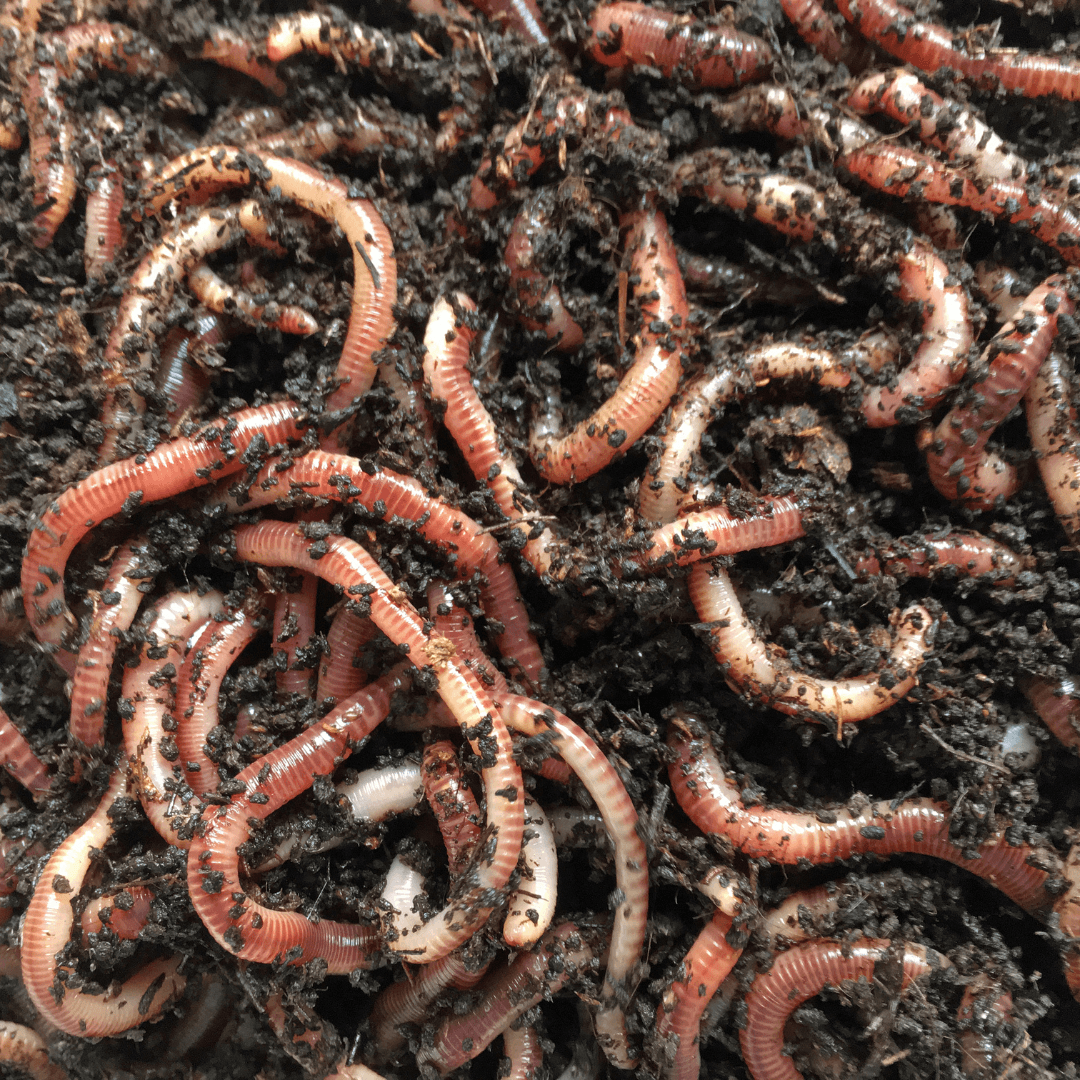
9. Worm Castings
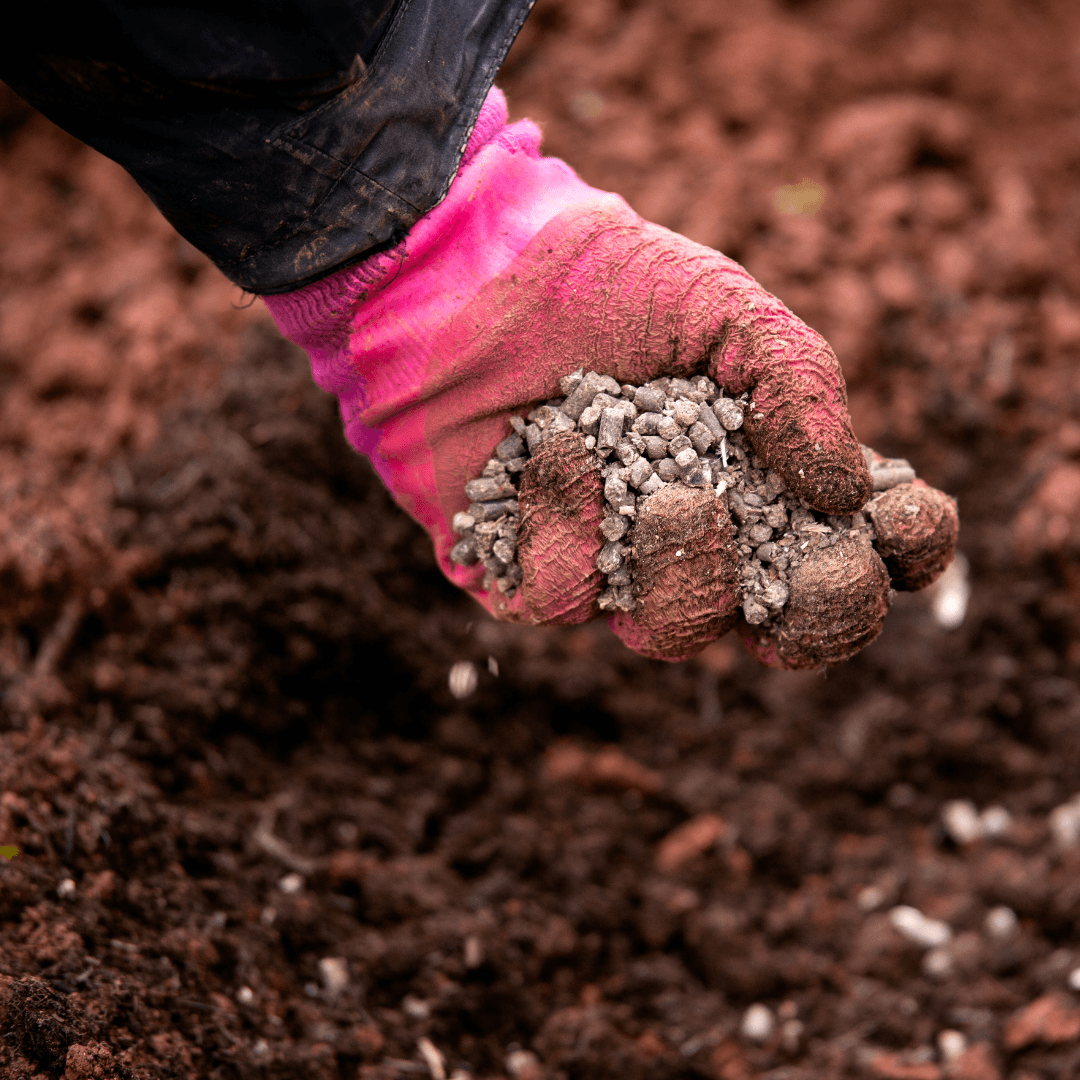
Worm castings, also known as vermicompost, are produced as earthworms break down organic materials. The finished material contains plant nutrients, organic matter, and microorganisms that can contribute to healthy garden soil.
They provide relatively small amounts of several important plant nutrients. Rather than acting as a highly concentrated fertilizer, they gradually contribute nutrients while improving the growing environment around flower roots.
Adding this material can help improve soil structure, aeration, and moisture retention. Its organic matter also supports the biological activity that helps nutrients cycle through the soil.
You can mix it into soil before planting or apply it around established flowers as a top dressing. It can also be incorporated into container growing mixtures in suitable amounts.
Although worm castings are generally gentler than concentrated fertilizers, more is not necessarily better. Using them as part of a balanced soil-care routine can support healthy growth without relying on them to provide every nutrient flowering plants require.
10. Crab Shell Meal
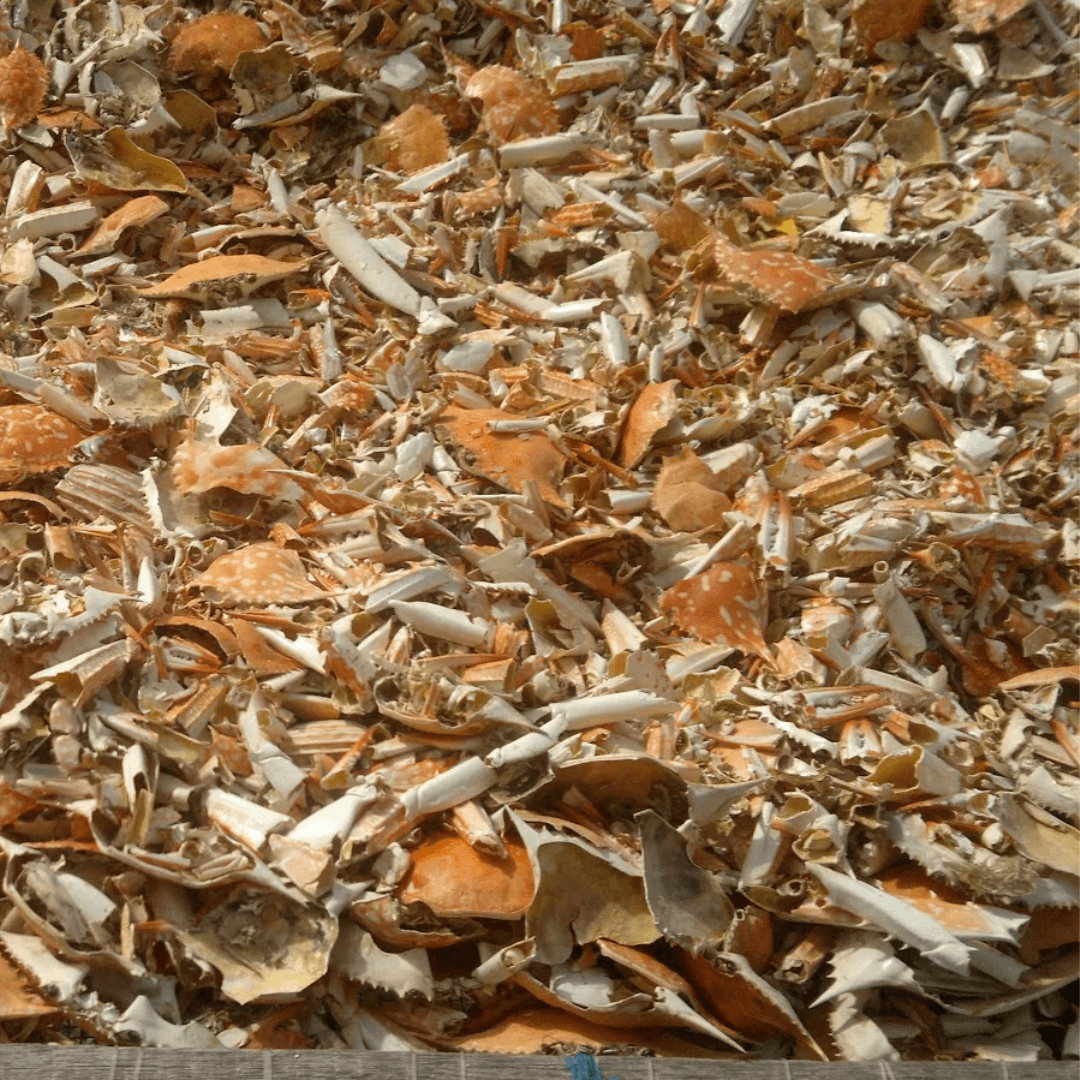
Crab shell meal is a natural soil amendment made from ground shells left over from crab and other crustacean processing. It typically provides calcium, some nitrogen, and smaller amounts of other nutrients.
Because crab shell meal breaks down gradually in the soil, it releases nutrients over time. This makes it better for long-term soil improvement than for plants that need an immediate nutrient boost.
Crab shells also contain chitin, a natural material that soil microorganisms break down. As the meal decomposes, it can contribute organic matter and support biological activity within the soil.
The calcium supplied by crab shell meal can be useful when soil is deficient in this nutrient. However, adding extra calcium when it is not needed will not automatically improve flower growth or blooming.
You can incorporate crab shell meal into garden soil before planting or apply it around established plants according to the product directions. Consider your existing soil conditions and your flowers’ nutritional needs before using it.
As with other soil amendments, crab shell meal works best when it addresses an actual need rather than being added simply because it is natural. A soil test can help determine whether additional calcium or other nutrients would be beneficial.
11. Mushroom Compost
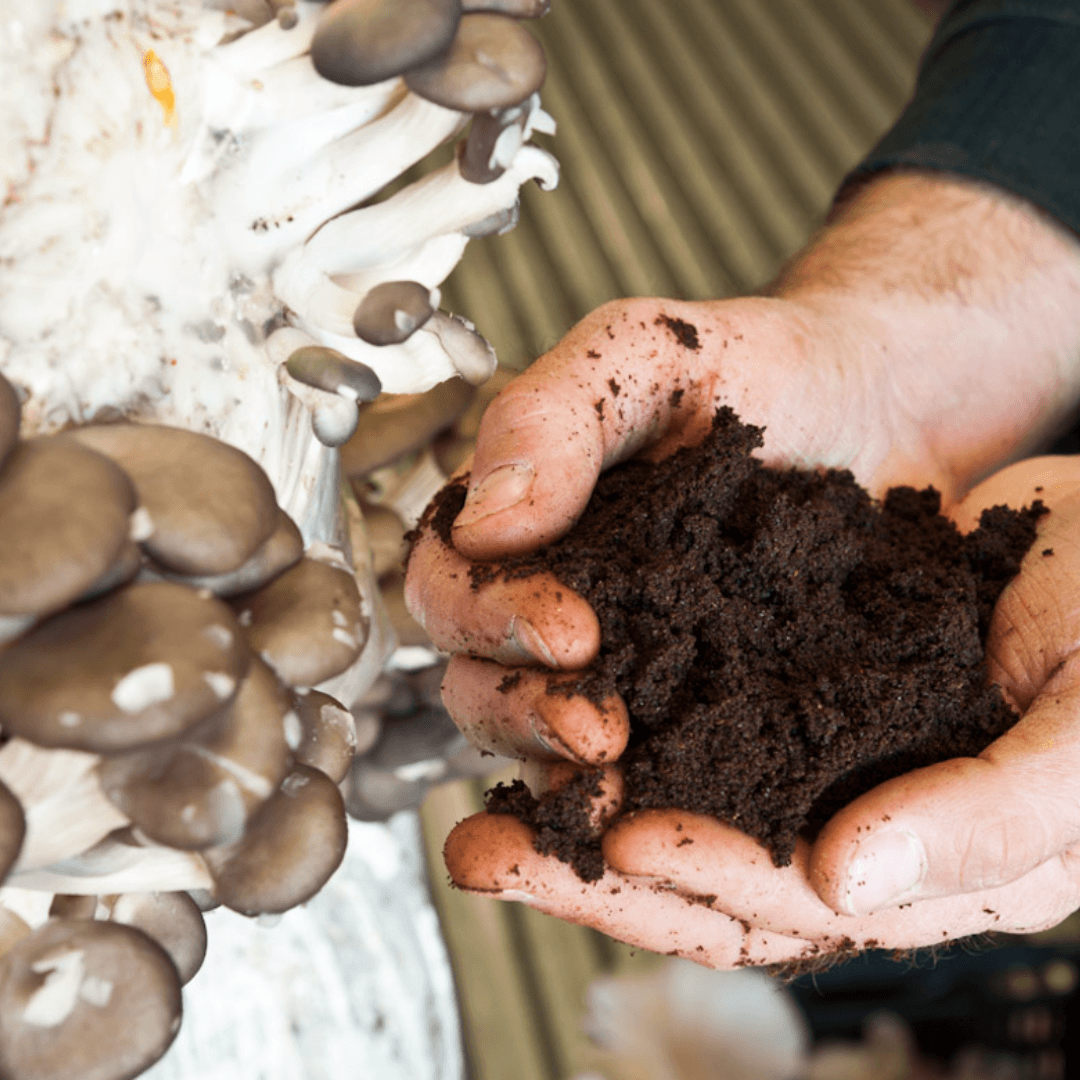
Mushroom compost is the material remaining after mushrooms have been commercially grown. It is usually made from composted materials such as straw, manure, and other organic ingredients, although its exact composition varies between producers.
After mushroom production, you can reuse the remaining compost as a soil amendment. It adds organic matter and can provide small amounts of plant nutrients while improving garden soil.
Adding mushroom compost can help improve soil structure and moisture retention. Its organic matter can also support biological activity as it continues to break down in the soil.
However, mushroom compost can contain relatively high levels of soluble salts and may have a higher pH than some plants prefer. This makes it less suitable for salt-sensitive plants and acid-loving flowers such as azaleas and rhododendrons.
When using mushroom compost, mix appropriate amounts into garden soil rather than assuming that more will produce better results. Checking your soil conditions first can help determine whether it is a suitable amendment for the flowers you are growing.
Reusing spent mushroom compost also gives a useful second purpose to a mushroom-production byproduct. When it suits the soil and plants, it can be a practical addition to the flower garden.
12. Green Tea Residue
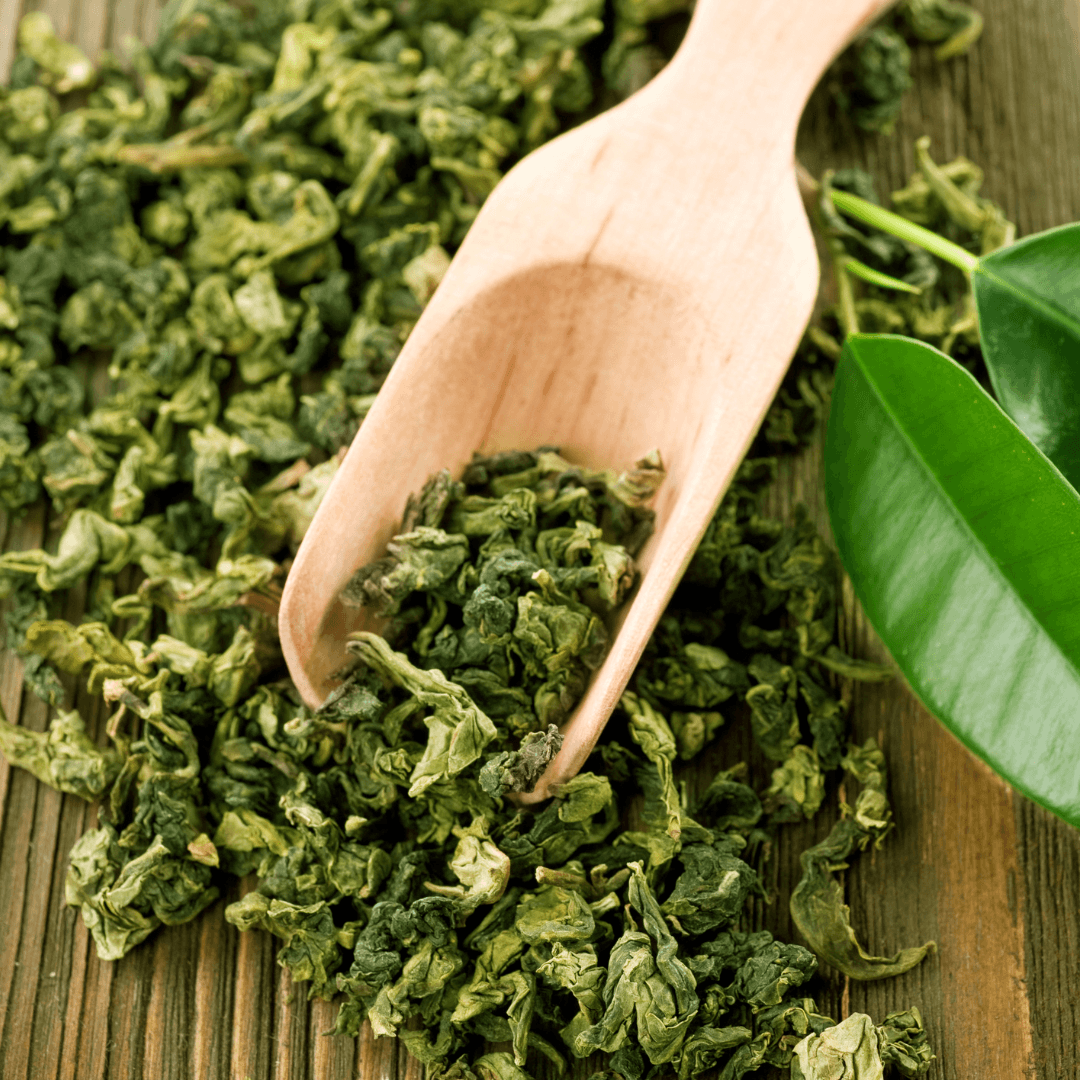
Used green tea leaves can be added to the garden as a source of organic matter rather than discarded with household waste. As the leaves decompose, they contribute small amounts of nutrients to the soil.
Green tea residue should not be considered a complete fertilizer for flowering plants. The amount of nutrients remaining in brewed tea leaves varies and is unlikely to provide everything flowers need for healthy growth and blooming.
Rather than placing thick layers of wet tea leaves directly around plants, add them to a compost pile or mix small amounts with other organic materials. Composting allows the leaves to break down alongside a wider variety of garden and kitchen materials.
Avoid adding tea bags unless you know they are made entirely from compostable materials. Some tea bags contain synthetic fibres or other materials that do not readily break down in garden soil.
Reusing suitable green tea leaves can help reduce household waste while contributing organic matter to the garden. Treat them as a useful compost ingredient or soil addition rather than a primary natural fertilizer for flowers.
Conclusion
Choosing natural fertilizers for flowers begins with understanding what your plants and soil actually need. Compost, worm castings, manure, and other natural options can provide nutrients while supporting healthy growing conditions.
Not every fertilizer suits every flower or garden. Soil pH, existing nutrient levels, plant requirements, and the type of fertilizer all influence which option will be most useful.
Apply natural fertilizers thoughtfully, not just because they come from natural materials. Using appropriate amounts can help avoid nutrient buildup while giving flowering plants the support they need.
Composting and reusing suitable garden and kitchen materials can also reduce waste while returning valuable organic matter to the soil. Combined with good soil care, these practices can help create a healthy and productive flower garden.
I trust you enjoyed this article on the Best Natural Fertilizers for Flowers. Please stay tuned for more inspiring guides, helpful tips, and ideas to help you live closer to nature every day.
Take care!
— JeannetteZ🌿
💬 Your Opinion Is Important To Me
Do you have thoughts, ideas, or questions? I’d love to hear from you. Please leave your comments below or email me directly at Jeannette@Close-To-Nature.org.
📚 More Nature-Inspired Reads
Explore more ways to connect with nature, nurture your pets, and live in harmony with the world around you 🌿