12 Easy Steps To Grow Azaleas In Containers

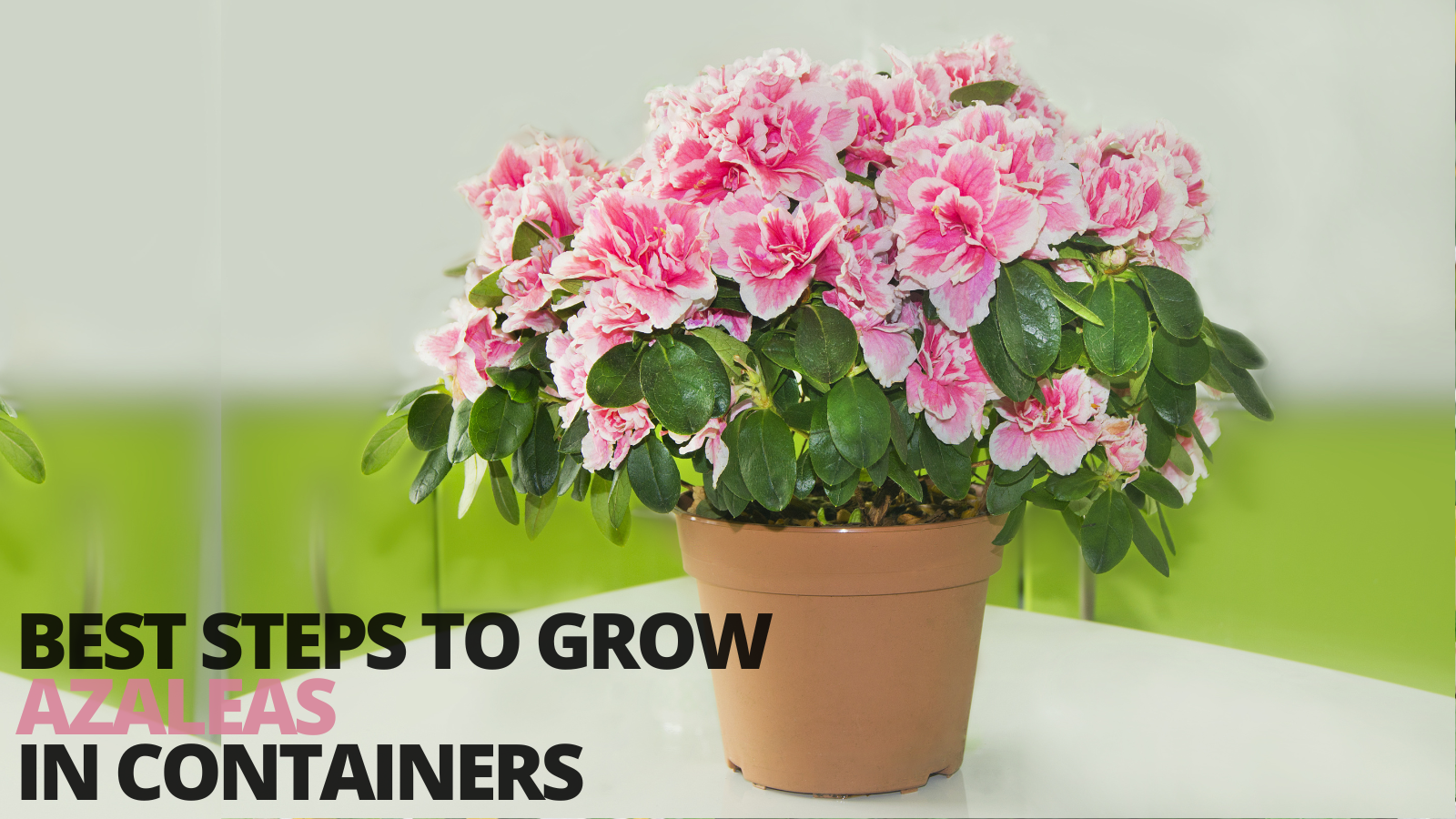
Learning how to grow azaleas in containers lets you enjoy spectacular displays of colourful flowers on patios, balconies, and in smaller gardens. Container growing also gives you greater control over the conditions these beautiful plants need.
Pots make it easier to provide the acidic soil, consistent moisture, and good drainage that azaleas prefer. You can also position them where the plants get suitable light while staying protected from harsh conditions.
With both evergreen and deciduous varieties available, azaleas offer an impressive range of flower colours, sizes, and growing habits. Some varieties also provide attractive foliage long after their spring flowers have faded.
This guide explores different types of azaleas and provides 12 practical steps for growing them successfully in containers. You’ll also discover useful care tips and some of the best ways to enjoy these colourful plants around your home and garden.
History And Origin Of Azaleas
Azaleas are flowering shrubs belonging to the Rhododendron genus within the Ericaceae family. They are related to other familiar plants, including rhododendrons, blueberries, and heathers.
Many azalea species are native to Asia, particularly China, Japan, and Korea, although others originated in North America and Europe. Over centuries, gardeners selected and cultivated azaleas for their colourful and abundant flowers.
Azaleas have a particularly long cultural history in China and Japan. They have appeared in gardens, literature, art, and traditional celebrations, becoming valued for both their beauty and symbolism.
Japanese azaleas also played an important role in developing cultivated varieties. As plants were introduced to Europe, growers began selecting and hybridizing them for different flower colours, forms, and growing habits.
Today, thousands of azalea cultivars are grown worldwide. Depending on the variety, flowers can appear in shades of white, pink, red, purple, orange, yellow, and combinations of several colours.
Azaleas may be evergreen or deciduous, with considerable differences in size, hardiness, and flowering time. This diversity gives gardeners many choices for landscapes and container growing.

Types Of Azaleas
Azaleas offer an impressive variety of flower colours, sizes, growth habits, and flowering times. Some remain compact and naturally suit containers, while others develop into much larger shrubs.
Both evergreen and deciduous azaleas are available, giving gardeners plenty of choices for different climates and growing conditions. Their flowers can range from delicate pastels to vivid shades of pink, red, orange, purple, yellow, and white.
When choosing an azalea for a container, mature size and hardiness matter most. Compact varieties are generally easier to manage in pots and can remain attractive for many years with suitable care.
Choosing a variety suited to your climate and available space provides a strong foundation when you grow azaleas in containers. Here are some beautiful types to consider.

1. Autumn Bonfire Azalea (Rhododendron ‘Robleza’)
Autumn Bonfire Azalea is a compact evergreen azalea known for its vivid red, single to semi-double flowers. The colourful blooms create an attractive contrast against its dark green foliage.
Part of the Encore Azalea collection, Autumn Bonfire is valued for its ability to bloom in spring and produce additional flowers later in the growing season. The timing and abundance of repeat flowering depend on climate and growing conditions.
Its naturally compact growth makes Autumn Bonfire well-suited to containers and smaller garden spaces. It can also be grown in borders and foundation plantings.
Autumn Bonfire performs well with plenty of light but benefits from suitable growing conditions and protection from excessive stress. Its bright flowers can also attract visiting pollinators such as butterflies and hummingbirds.

2. Lemon Lights Azalea (Rhododendron ‘Lemon Lights’)
Lemon Lights Azalea is a deciduous azalea developed through the University of Minnesota’s cold-hardy azalea breeding program. It produces beautiful lemon-yellow flowers in spring, with deeper golden-yellow colouring toward the centre.
The fragrant flowers appear in generous clusters and create a striking display before or as the foliage develops. The green leaves can also develop attractive colour in autumn.
Lemon Lights typically develops an upright growth habit and can reach around 4 to 5 feet tall. Its cold hardiness makes it particularly valuable for gardeners in regions with colder winters.
This azalea grows well in full sun to partial shade and prefers acidic, moist, well-draining soil. In hotter locations, some protection from intense afternoon sun can help reduce stress.

3. Autumn Amethyst Azalea (Rhododendron ‘Conlee’)
Autumn Amethyst Azalea is an evergreen reblooming azalea known for its dark lavender-purple flowers and glossy green foliage. During colder weather, the leaves can develop attractive purple colouring that provides additional seasonal interest.
The first abundant display of flowers appears in spring, followed by additional flushes during summer and fall under suitable growing conditions. This extended flowering period is one of the distinctive features of Encore azaleas.
Autumn Amethyst develops a dense, rounded growth habit and can reach approximately 4 feet tall and wide. It can be grown in containers as well as borders, foundation plantings, and other garden spaces.
This variety grows from light shade to full sun, with several hours of direct sunlight supporting good flowering. It prefers well-draining, slightly acidic soil and is among the more cold-hardy Encore varieties.

4. Girard’s Hot Shot Azalea (Rhododendron ‘Girard’s Hot Shot’)
Girard’s Hot Shot Azalea is a compact evergreen azalea known for its vivid red flowers and attractive dark green foliage. Its brilliant spring blooms create a striking display against the dense leaves.
This variety has a relatively low, spreading growth habit, making it suitable for containers, borders, and smaller garden spaces. Its compact size can also make ongoing container care easier.
Girard’s Hot Shot prefers acidic, well-draining soil and consistent moisture without becoming waterlogged. Heavy, poorly drained soil can create unhealthy root conditions.
In colder climates, container-grown plants may benefit from a sheltered location during winter. Protecting the pot and roots from extreme temperature fluctuations can be particularly important.

5. Variegated Gem Azalea (Rhododendron ‘Girard’s Variegated Gem’)
Variegated Gem Azalea is a compact evergreen azalea valued for providing interest across several seasons. In spring, it produces colourful pink flowers that stand out against its distinctive foliage.
After flowering, the variegated leaves become an important feature of the plant. Green foliage edged with creamy white adds colour and texture even when the azalea is no longer blooming.
As temperatures cool, the foliage can develop reddish tones, extending the plant’s ornamental value into fall. Its compact growth makes Variegated Gem particularly suitable for containers and smaller garden spaces.
This azalea prefers acidic, well-draining soil and consistent moisture without waterlogging. A sheltered location can also help protect container-grown plants from harsh winter conditions.

6. Fireball Azalea (Rhododendron ‘Fireball’)
Fireball Azalea is a deciduous Exbury azalea known for its brilliant orange-red flowers and upright growth habit. Its colourful blooms create a striking display during the spring flowering season.
Unlike evergreen azaleas, Fireball loses its leaves during winter before producing fresh growth in spring. Its deciduous nature also contributes to relatively good cold hardiness.
Fireball prefers acidic, well-draining soil that remains consistently moist without becoming waterlogged. Partial shade can be beneficial, particularly in locations with intense afternoon sun.
Its upright growth and vivid flowers make Fireball an attractive choice for containers when given enough room to mature. A suitably sized pot can also make it easier to maintain the moisture and soil conditions this azalea prefers.

How To Grow Azaleas In Containers: 12 Easy Steps
Growing azaleas successfully in containers begins with understanding their particular needs. These flowering shrubs prefer acidic soil, consistent moisture, good drainage, and suitable light.
Containers provide greater control over many of these growing conditions. They also make it possible to enjoy colourful azaleas on patios, balconies, entrances, and in smaller garden spaces.
Choosing a suitable variety and container provides the foundation for healthy growth. Proper planting, watering, feeding, and seasonal care can then help your azaleas thrive and flower beautifully.
The following 12 steps cover everything from choosing the right container and soil to pruning, winter protection, and ongoing care for your azaleas.
1. Choose The Right Container
Azaleas vary considerably in mature size, so choose a container that provides enough room for the variety you are growing. Compact and dwarf azaleas are particularly well suited to container growing.
Select a pot wider than the plant’s existing root ball and with space for future root growth. Avoid placing a small azalea immediately into an excessively large container.
Good drainage is essential, so the container should have adequate drainage holes. Azalea roots prefer consistent moisture but do not perform well in waterlogged soil.
Also consider the container’s weight and stability, especially for larger plants exposed to wind. A sturdy pot can help prevent a mature azalea from tipping over.
As the plant grows, you can move it into a larger container when its root system outgrows the available space. Repotting gradually also makes it easier to maintain suitable moisture levels around the roots.

2. Choose Acidic And Well-Draining Soil
Azaleas are acid-loving plants and grow best in an acidic, well-draining growing medium. Choosing the best soil for flowering plants is particularly important when growing them in containers.
A potting mix formulated for azaleas, rhododendrons, or other acid-loving plants can provide suitable growing conditions. You can also prepare a suitable container mix using materials that provide good drainage and aeration.
Avoid filling containers with ordinary garden soil because it can become compacted and drain poorly. Azalea roots need access to both moisture and oxygen to remain healthy.
The growing medium should retain enough moisture to prevent the roots from drying out while still allowing excess water to drain freely. This balance helps create the moist but well-aerated conditions azaleas prefer.

3. Provide Suitable Sunlight
Azaleas generally grow well in partial shade or locations that receive morning sun followed by some protection during the hotter part of the day. Too much intense afternoon sun can stress some varieties.
The amount of sunlight an azalea tolerates depends on the variety, climate, and growing conditions. In cooler regions, some azaleas can handle considerably more direct sun than they would in hot climates.
Avoid placing containers in deep shade, as insufficient light can reduce flowering and produce weaker growth. A bright location with suitable protection from intense heat usually provides a good balance.
Container growing makes it easier to adjust the plant’s location if necessary. Watch how your azalea responds and move the pot if the foliage shows signs of excessive sun or the plant flowers poorly because of too much shade.
4. Water Consistently
Azaleas prefer consistently moist soil but should never remain waterlogged. Check the growing medium regularly and water when the surface begins to feel dry.
Container-grown azaleas can dry out more quickly than plants growing in the ground. During hot, dry weather, check the soil more frequently and adjust watering as needed.
Water thoroughly so moisture reaches the entire root system and excess water drains from the bottom of the container. Avoid allowing the pot to stand in collected water.
Rainwater can be particularly suitable for azaleas because these plants prefer acidic growing conditions. In areas with alkaline tap water, frequent use may gradually affect the pH of the growing medium.
Keeping moisture reasonably consistent is especially important while azaleas are flowering and actively growing. Regularly checking the soil is more reliable than watering according to a fixed schedule.
Turn Your Passion for Nature Into Income
🌿 Whether you love gardening, caring for animals, or exploring holistic living,
You can share your knowledge online and earn from it.
Discover how nature lovers are growing their passions into meaningful, income-generating blogs. 👇
5. Choose A Sheltered Location
Container-grown azaleas benefit from a location protected from harsh winds and extreme weather. A sheltered patio, porch, or area near the house can provide useful protection.
Because containers leave roots more exposed than garden soil does, temperature fluctuations can affect potted azaleas more quickly. This is particularly important during very cold winters.
Cold-hardy varieties may remain outdoors with suitable winter protection, while more tender azaleas may require additional shelter. The amount of protection needed depends on the variety and local climate.
One advantage of container growing is the ability to move the plant when conditions become unsuitable. You can relocate pots to protect them from strong winds, excessive heat, or severe winter weather.
Choose a location that still provides the suitable sunlight discussed above while offering some protection from environmental extremes. This balance can help container-grown azaleas remain healthy throughout the seasons.

6. Fertilize Lightly
Azaleas generally do not require heavy feeding, but container-grown plants have access to a limited supply of nutrients. Light fertilizing can help support healthy foliage and flowering during the growing season.
Choose a fertilizer formulated for azaleas, rhododendrons, or other acid-loving plants. When considering the best natural fertilizers for flowers, look for an option suitable for acid-loving plants and follow the product directions carefully.
Apply fertilizer according to the product directions rather than using more to encourage additional flowers. Excess fertilizer can damage sensitive roots and may cause unnecessary leafy growth.
Spring, when new growth begins, is generally a suitable time to start feeding container-grown azaleas. Depending on the fertilizer used, you may need additional applications during the growing season.
Avoid heavy fertilizing late in the season because it can encourage tender new growth before cold weather arrives. Allow the plant to prepare naturally for its dormant or slower-growing period.

7. Repot When Needed
Container-grown azaleas don’t need repotting on a fixed schedule. Instead, watch for signs that the roots are becoming crowded or the growing medium is no longer draining properly.
When repotting is necessary, choose a container slightly larger than the current one. Moving gradually to a larger pot helps maintain suitable moisture levels without surrounding the roots with excessively wet soil.
Gently remove the azalea from its container and inspect the root ball before replanting. If the roots are tightly circling the outside, carefully loosening them can encourage growth into the fresh growing medium.
Use fresh, acidic, well-draining potting mix, and keep the plant at about the same depth it was previously. Planting an azalea too deeply can create problems around its shallow root system.
After repotting, water thoroughly and allow excess moisture to drain away. Keep the plant protected from stressful conditions while it becomes established in its new container.

8. Prune After Flowering
Azaleas generally require little pruning, particularly compact varieties that naturally maintain an attractive shape. Routine annual pruning is usually unnecessary.
Occasional pruning can help maintain the plant’s shape, remove damaged or unwanted growth, and control its size. This can be particularly useful when an azalea begins to outgrow its container or available space.
The best time to prune most azaleas is shortly after they finish flowering. Many varieties begin developing the following year’s flower buds soon after, so pruning too late can reduce next season’s blooms.
Use clean, sharp pruning tools and remove individual branches where necessary rather than automatically cutting back the entire plant. Light, selective pruning usually preserves a more natural appearance.
Container-grown azaleas can be pruned using the same general principles as those growing in garden beds. However, keeping their mature size manageable is especially useful when space is limited.
9. Propagate Azaleas From Cuttings
You can propagate azaleas in several ways, including from seeds and cuttings. For named cultivars, cuttings are generally more suitable because plants grown from seed may not reproduce the characteristics of the parent plant.
Semi-ripe cuttings can be taken from healthy new growth after it has begun to firm during the growing season. Choose vigorous shoots that are free from pests, diseases, and visible damage.
Remove the lower leaves and place the cuttings in a moist, well-draining propagation mixture suitable for acid-loving plants. You may use rooting hormone to encourage root development, although successful rooting can take time.
Maintaining humidity around the cuttings can help prevent them from drying out while roots develop. A propagator or clear covering can help, as long as there is ventilation and excess moisture does not accumulate.
Once the cuttings have developed a healthy root system and begun producing new growth, gradually introduce them to normal growing conditions. You can then move them into individual containers as they become established.

10. Protect Azaleas During Winter
Container-grown azaleas are generally more vulnerable to winter cold than plants growing in the ground. Their roots are surrounded by less insulating soil and are more exposed to temperature fluctuations.
Choose azalea varieties that are cold-hardy enough for your climate, especially if the containers will remain outdoors. A sheltered location protected from strong winter winds can provide additional protection.
One option is to temporarily bury the container before severe winter weather arrives. Surrounding the pot with soil or insulating material helps protect the root system from extreme cold.
You can also insulate containers by placing them inside larger pots and filling the space between them with dry leaves, straw, or another insulating material. Wrapping the outside of the container can provide additional protection.
Larger containers generally provide more insulation around the roots than very small pots. However, choose a container size based on the azalea’s mature size and root system.
During winter, reduce watering as growth slows, but do not let the growing medium dry out completely. Check the soil periodically and water as needed, especially during mild or dry periods.
Tender azaleas may require more winter protection than cold-hardy varieties. Always consider the particular variety you are growing rather than treating all azaleas the same way.

11. Care For Indoor Florist Azaleas
Potted azaleas are sometimes sold as flowering houseplants, particularly during the cooler months and around holidays. These florist azaleas have often been grown under controlled conditions to encourage flowering at a particular time.
Place an indoor azalea in a bright, cool location away from strong direct sunlight and sources of heat. Cooler conditions generally help the flowers remain attractive for longer.
Keep the growing medium consistently moist while the plant is flowering, but avoid allowing the roots to remain waterlogged. Check the soil regularly because small indoor containers can dry out surprisingly quickly.
Remove faded flowers as they appear to keep the plant looking attractive. After flowering finishes, continue providing suitable light, moisture, and care rather than treating the azalea as a disposable seasonal plant.
Florist azaleas can be challenging to maintain and encourage to bloom again indoors. Their needs also differ from those of cold-hardy garden azaleas grown outdoors in containers.
If you plan to move a florist azalea outdoors, first identify the variety and determine whether it is hardy enough for your climate. Not every azalea sold as a houseplant can survive a cold winter outdoors.
12. Watch For Pests And Diseases
Container-grown azaleas can be affected by pests and diseases, particularly when growing conditions become stressful. Regularly checking the leaves, stems, flowers, and soil can help you notice problems early.
Common azalea pests can include lace bugs, spider mites, aphids, and scale insects. Symptoms may include discoloured or speckled foliage, distorted growth, sticky residue, or visible insects on the leaves and stems.
Root and crown rot can develop when the growing medium remains excessively wet or drainage is poor. Using a well-draining potting mix and containers with adequate drainage holes can help reduce the risk.
Leaf spot diseases may also affect azaleas, particularly when foliage remains wet for extended periods. Watering near the base of the plant rather than repeatedly wetting the leaves can help create less favourable conditions for disease.
Remove badly affected or fallen leaves and keep the area around containers reasonably clean. Good air circulation can also help foliage dry more quickly after rain or watering.
If a pest or disease problem develops, identify the cause before choosing a treatment. Different problems can produce similar symptoms, so the appropriate solution depends on what is affecting the plant.
Best Uses Of Azaleas
Azaleas are versatile ornamental shrubs that can bring spectacular colour to many areas around the home and garden. Container-grown varieties are especially useful because you can move and rearrange them as needed.
Use potted azaleas to frame an entrance, brighten a patio, or add seasonal colour to a balcony. Matching containers placed on either side of a doorway can create an especially attractive display.
You can also arrange azaleas along pathways, steps, or garden seating areas. Combining varieties with different flower colours can create a colourful spring display without requiring permanent planting.
Compact varieties work particularly well in smaller outdoor spaces where a full-sized shrub would become too large. Decorative containers can also complement the flowers and turn individual plants into attractive focal points.
You can incorporate potted azaleas into mixed container displays with plants that enjoy similar acidic soil and moisture conditions. Different foliage textures can keep the arrangement interesting even after the azaleas finish flowering.
You can also enjoy azalea flowers as cut flowers indoors. Choose healthy flowering stems, cut them cleanly, and place them promptly in fresh water to create a colourful seasonal arrangement.

Conclusion
Growing azaleas in containers can bring spectacular colour to patios, balconies, entrances, and smaller garden spaces. Their beautiful flowers and attractive foliage make them a versatile choice for many outdoor settings.
Successful container growing begins with acidic, well-draining soil, consistent moisture, and suitable light. Choosing an azalea variety suited to your climate and available space can also make ongoing care much easier.
Regular monitoring, occasional feeding, timely pruning, and appropriate winter protection can help keep container-grown azaleas healthy. With suitable care, these colourful shrubs can provide beautiful seasonal displays for years.
Containers also give you the flexibility to move azaleas when growing conditions change or simply rearrange them around your outdoor space. From compact varieties to brilliant reblooming cultivars, there are plenty of choices to explore.
I trust you enjoyed this article on 12 Easy Steps to Grow Azaleas in Containers. Please stay tuned for more inspiring guides, helpful tips, and ideas to help you live closer to nature every day.
Take care!
— JeannetteZ🌿
💬 Your Opinion Is Important To Me
Do you have thoughts, ideas, or questions? I’d love to hear from you. Please leave your comments below or email me directly at Jeannette@Close-To-Nature.org.
📚 More Nature-Inspired Reads
Explore more ways to connect with nature, nurture your pets, and live in harmony with the world around you 🌿