10 Best Ways To Prepare Soil For Fruit Trees

Knowing how to prepare soil for fruit trees is essential for creating healthy growing conditions and supporting productive trees. Good soil provides roots with the moisture, nutrients, oxygen, and structure they need to thrive.
Fruit trees can grow in several soil types, but each presents different advantages and challenges. Loamy, sandy, clay, and silty soils may require different approaches to improve their structure, drainage, fertility, or moisture retention.
Preparing the soil begins with understanding its existing condition. Testing, adding organic matter, improving drainage, correcting soil problems, and protecting the soil surface can all contribute to healthier growing conditions.
This guide explores different soil types and the best ways to prepare soil for fruit trees. It also covers ongoing soil care to help maintain fertility and support healthy trees for years to come.
Types Of Soil For Fruit Trees
Different types of fruit trees can adapt to various soils, but most perform best in fertile, well-draining soil that provides a healthy balance of moisture, nutrients, and air around the roots.
Soil texture influences how quickly water drains, how well nutrients are retained, and how easily roots can spread. Some soils naturally provide favourable conditions, while others may benefit from amendments or improved drainage.
Understanding your existing soil type is therefore an important first step before making changes. Rather than trying to completely replace the soil, you can often improve its structure and fertility to create better growing conditions.
The following soil types have different characteristics that can affect fruit trees. Knowing their strengths and limitations will help you determine the best ways to prepare and manage your soil.
1. Loamy Soil
Loamy soil contains a balanced mixture of sand, silt, and clay. This combination provides good drainage while retaining enough moisture and nutrients to support healthy fruit trees.
Its crumbly structure allows air and water to move through the soil while giving roots room to spread. Loamy soil is also relatively easy to work with and can hold nutrients without becoming excessively compacted.
Many fruit trees, including apples, pears, and peaches, grow well in loamy soil. Its balance of drainage, moisture retention, aeration, and fertility makes it one of the most favourable soil types for fruit trees.
Regular additions of organic matter can help maintain its structure and fertility, supporting healthy soil conditions over the long term.
2. Sandy Soil
Sandy soil contains relatively large particles that allow water to drain quickly. This excellent drainage can benefit fruit trees that are particularly sensitive to waterlogged conditions.
The loose texture also allows air to circulate around the roots and makes it easier for root systems to spread. However, water and nutrients can move through sandy soil quickly, making them less available to trees.
Citrus trees, including oranges, lemons, and grapefruits, can grow well in sandy soils when you manage their moisture and nutrient needs properly. Adding organic matter can improve both water retention and fertility.
Regularly replenishing organic matter also helps improve sandy soil over time while preserving the drainage that makes it valuable for certain fruit trees.
3. Clay Soil
Clay soil consists of very fine particles that hold moisture and nutrients well. These qualities can support fruit trees, but the dense structure may also restrict drainage and airflow around the roots.
Heavy clay soil can compact, especially when worked while wet. Poor drainage may leave roots sitting in overly wet conditions and make it harder for them to access enough oxygen.
Fruit trees such as cherries and plums can tolerate clay soils when drainage is adequate. Adding organic matter, such as compost or well-rotted manure, can gradually improve soil structure, aeration, and drainage.
Regular additions of organic matter can make clay soil easier to manage while preserving its valuable ability to retain moisture and nutrients.
4. Silt Soil
Silt soil consists of fine particles that are smaller than sand but larger than clay. It generally holds moisture and nutrients well, making it naturally fertile and suitable for many fruit trees.
Its smooth texture can support root development, but silt soil may become compacted and poorly aerated when repeatedly disturbed or exposed to heavy rainfall.
Fruit trees such as apples, pears, cherries, and plums can grow well in silty soil when drainage is adequate. Adding organic matter can help improve soil structure while supporting aeration and nutrient availability.
Mulching and regular compost additions can also protect the soil surface and help maintain its structure, fertility, and moisture balance over time.
5. Sandy Loam
Sandy loam combines a relatively high proportion of sand with smaller amounts of silt and clay. This mixture provides good drainage while retaining more moisture and nutrients than predominantly sandy soil.
Its loose, workable structure lets air circulate, and roots spread easily. At the same time, its finer particles help retain enough water to support healthy fruit tree growth without becoming excessively waterlogged.
Fruit trees such as figs and almonds can grow well in sandy loam. However, its exact characteristics vary depending on the proportions of sand, silt, clay, and organic matter present.
Adding compost or other organic matter can help maintain fertility and moisture retention while preserving the excellent drainage that makes sandy loam favourable for many fruit trees.
6. Chalky Soil
Chalky soil contains calcium carbonate and is naturally alkaline. It is often free-draining but may make certain nutrients, particularly iron and manganese, less available to fruit trees.
Its characteristics can make growing some fruit trees challenging, especially those that prefer acidic or neutral conditions. Choosing trees suited to alkaline soil is therefore particularly important.
Pears and apricots can tolerate moderately alkaline conditions, although their success depends on the specific variety, soil conditions, and local climate. Adding organic matter can help improve soil structure, moisture retention, and nutrient availability.
Rather than attempting to permanently change naturally chalky soil to a much lower pH, ongoing soil improvement and appropriate tree selection can provide better long-term results.
7. Peat Soil
Peat soil develops from partially decomposed organic material and is typically dark, moisture-retentive, and rich in organic matter. It is often acidic, although its exact pH and nutrient content can vary.
Its ability to retain water can benefit plants that prefer consistently moist conditions. However, peat soils may also require careful drainage and nutrient management to provide balanced growing conditions.
Acid-loving fruiting plants such as blueberries and cranberries can grow well in acidic soils. Maintaining the right pH is especially important because it affects how effectively their roots absorb essential nutrients.
Where peat occurs naturally, improving drainage and monitoring soil fertility can help create healthier growing conditions. For soil amendments, compost and other renewable organic materials can often improve soil without relying heavily on harvested peat.
8. Saline Soil
Saline soil contains elevated levels of soluble salts, which can make it difficult for fruit trees to absorb water and nutrients. Excessive salinity can also damage roots, restrict growth, and reduce fruit production.
Most fruit trees have limited tolerance for saline conditions, although some are more adaptable than others. Certain varieties of dates and olives can tolerate moderate salinity better than many other fruit crops.
Improving drainage and managing irrigation carefully can help prevent additional salts from accumulating in the root zone. Where conditions allow, sufficient good-quality water can also help move excess salts deeper into the soil.
Soil testing can determine salinity severity before you choose corrective measures. Selecting salt-tolerant fruit trees and monitoring soil conditions are especially important where salinity is an ongoing concern.
9. Silty Clay Loam
Silty clay loam contains a mixture of silt, clay, and sand, with silt and clay making up much of its texture. It generally retains moisture and nutrients well, making it potentially productive soil for fruit trees.
Its fine particles can also make the soil prone to compaction and slow drainage. Maintaining good soil structure is therefore important for allowing air, water, and roots to move through the soil.
Fruit trees such as cherries, plums, and peaches can grow well in silty clay loam when drainage is adequate. Adding organic matter can help improve structure and support healthy root development.
Mulching, avoiding unnecessary tilling, and limiting traffic over wet soil can further reduce compaction. With regular care, silty clay loam can provide fertile, moisture-retentive conditions for productive fruit trees.
Best Ways To Prepare Soil For Fruit Trees
Knowing the best ways to prepare soil for fruit trees can improve its structure, fertility, drainage, and ability to retain the right amount of moisture. Healthy soil creates an environment where roots can access the water, oxygen, and nutrients they need.
The required preparation depends on your existing soil type and condition. Sandy soil may need better moisture retention, while heavy clay may need improved drainage, aeration, and structure.
Soil testing can also reveal pH levels and nutrient deficiencies that are difficult to identify by appearance alone. This information helps you make appropriate amendments rather than adding materials unnecessarily.
Regular additions of organic matter, proper mulching, and careful soil management can continue improving growing conditions over time. The following steps will help you create and maintain healthier soil for productive fruit trees.
1. Soil Testing
Soil testing provides valuable information about your soil’s pH and nutrient levels. Knowing these conditions helps you determine which improvements are actually needed rather than adding amendments unnecessarily.
Most fruit trees grow well in slightly acidic to neutral soil, although the preferred pH varies by species. Soil pH is important because it affects how readily tree roots can access nutrients.
A comprehensive soil test may also measure essential nutrients such as phosphorus and potassium, along with secondary nutrients and micronutrients. The results can reveal deficiencies or imbalances that may affect tree health and productivity.
You can test soil samples through a professional laboratory or with a home testing kit. Laboratory testing generally provides more detailed results and may include recommendations for correcting identified soil problems.
Periodic soil testing can also help you monitor changes in fertility and pH. This makes soil testing useful not only when establishing fruit trees but as part of their long-term soil management.
2. Clear And Prepare The Soil Surface
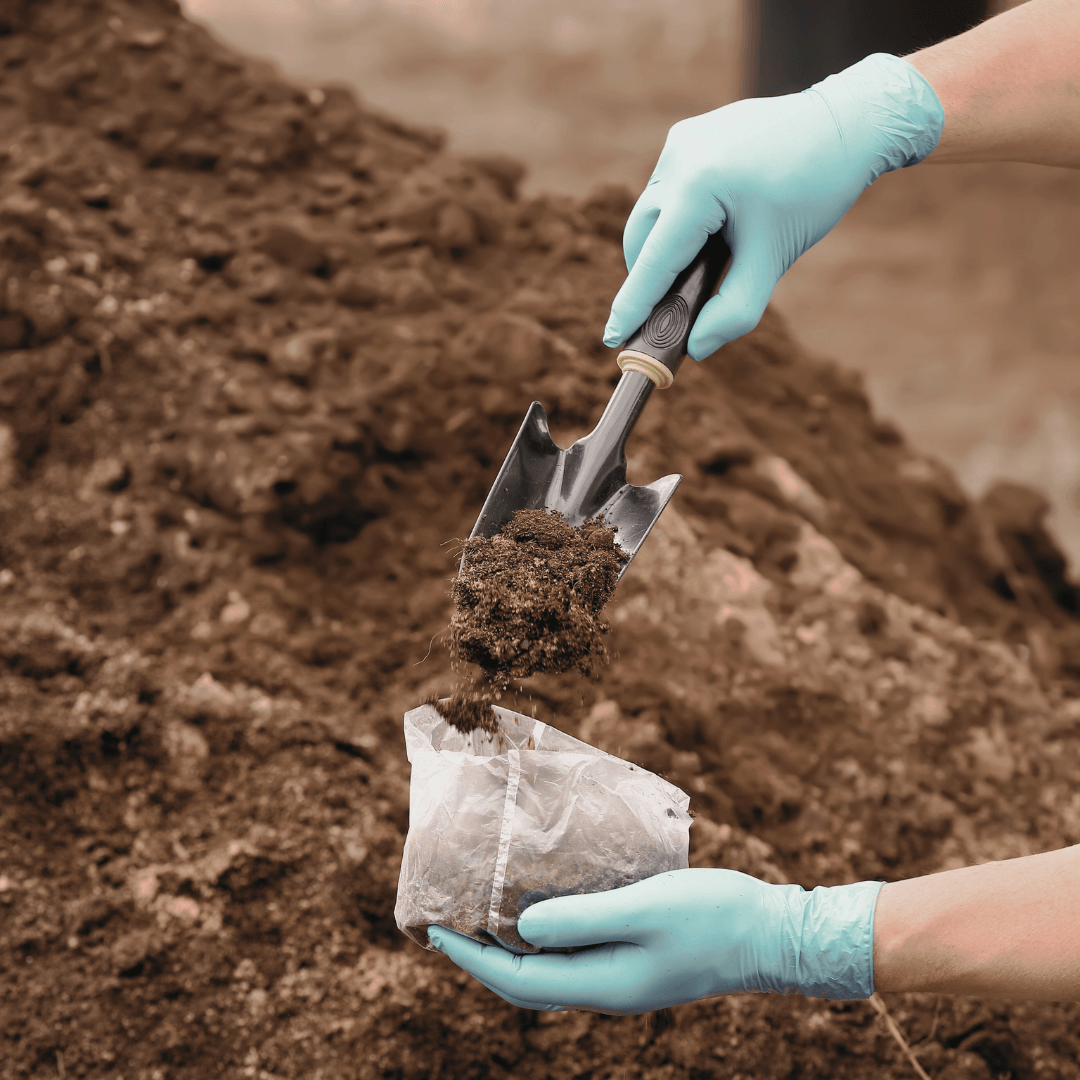
Clearing the soil surface helps reduce competition from weeds, grass, and other unwanted vegetation. These plants can compete with fruit trees for moisture and nutrients while making soil improvement more difficult.
Remove persistent weeds and their roots where possible, particularly perennial species that can quickly regrow. Rocks, construction debris, and other unwanted materials can also be removed while assessing the condition of the soil.
Avoid unnecessarily disturbing large areas of soil during clearing. Excessive tilling can disrupt soil structure and beneficial organisms while bringing buried weed seeds closer to the surface.
Once the area is clear, you can more easily assess drainage, compaction, soil texture, and other conditions that may need attention. This creates a better starting point for the soil improvements that follow.
3. Tillage
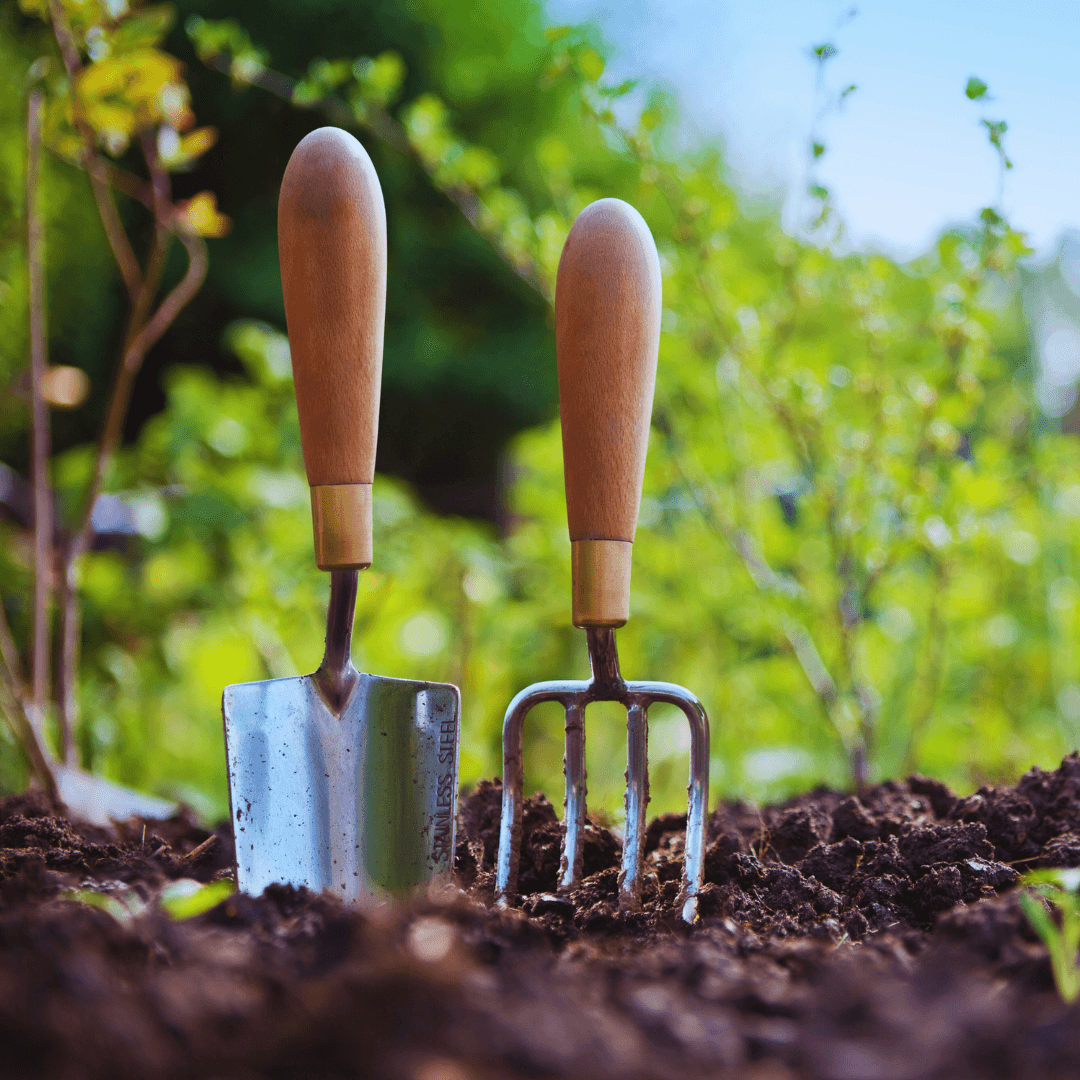
Tillage can help loosen compacted soil and improve aeration, making it easier for water, air, and roots to move through the soil. However, not every fruit-growing area needs to be tilled.
The decision should depend on the soil type, degree of compaction, and existing soil structure. Loose, well-structured soil may require little or no tillage, while severely compacted soil may benefit from careful loosening.
Frequent or aggressive tilling can damage soil structure, disturb beneficial soil organisms, increase erosion, and bring dormant weed seeds to the surface. Working wet soil can also worsen compaction.
Reduced-tillage or no-till approaches can help preserve soil structure and biological activity. The goal is to address compaction where necessary while disturbing the soil as little as possible.
4. Amend The Soil
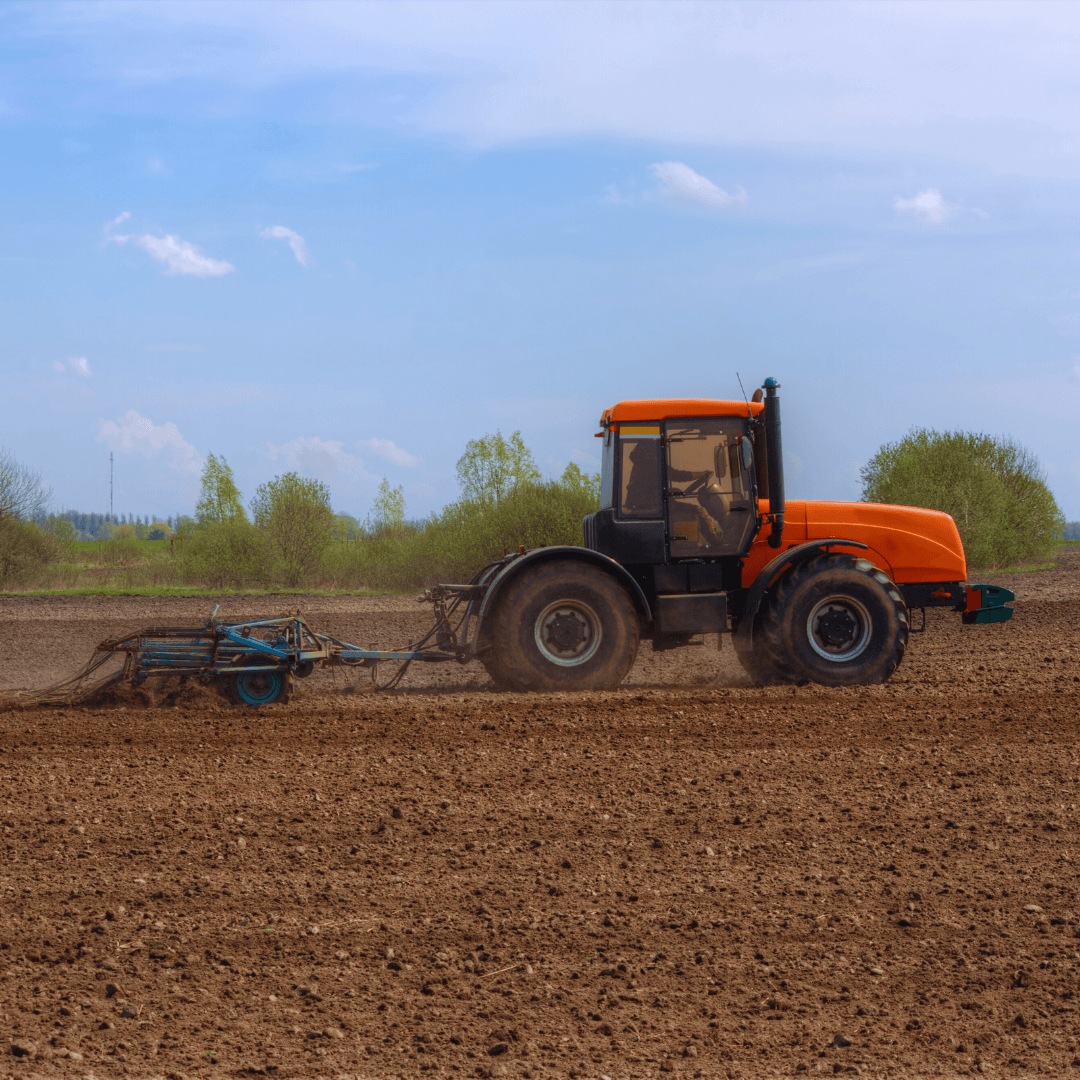
Soil amendments can improve fertility, structure, moisture retention, and biological activity. The materials you add should depend on your soil type and, whenever possible, the results of a soil test.
Organic matter such as compost and well-rotted manure can improve many soil types. It helps sandy soil retain moisture and nutrients while improving the structure and aeration of heavier clay soils.
Other amendments may be appropriate when testing identifies a specific problem. Lime can raise soil pH, while sulphur may gradually lower it, but do not add either routinely without knowing the existing pH.
Organic amendments also support earthworms, fungi, bacteria, and other soil organisms that contribute to nutrient cycling and healthy soil structure. Regular additions can gradually improve soil quality over time.
Address drainage problems separately rather than relying on amendments alone. Improving drainage, reducing compaction, or using raised growing areas may be necessary where water regularly collects around fruit trees.
5. Incorporate Organic Matter
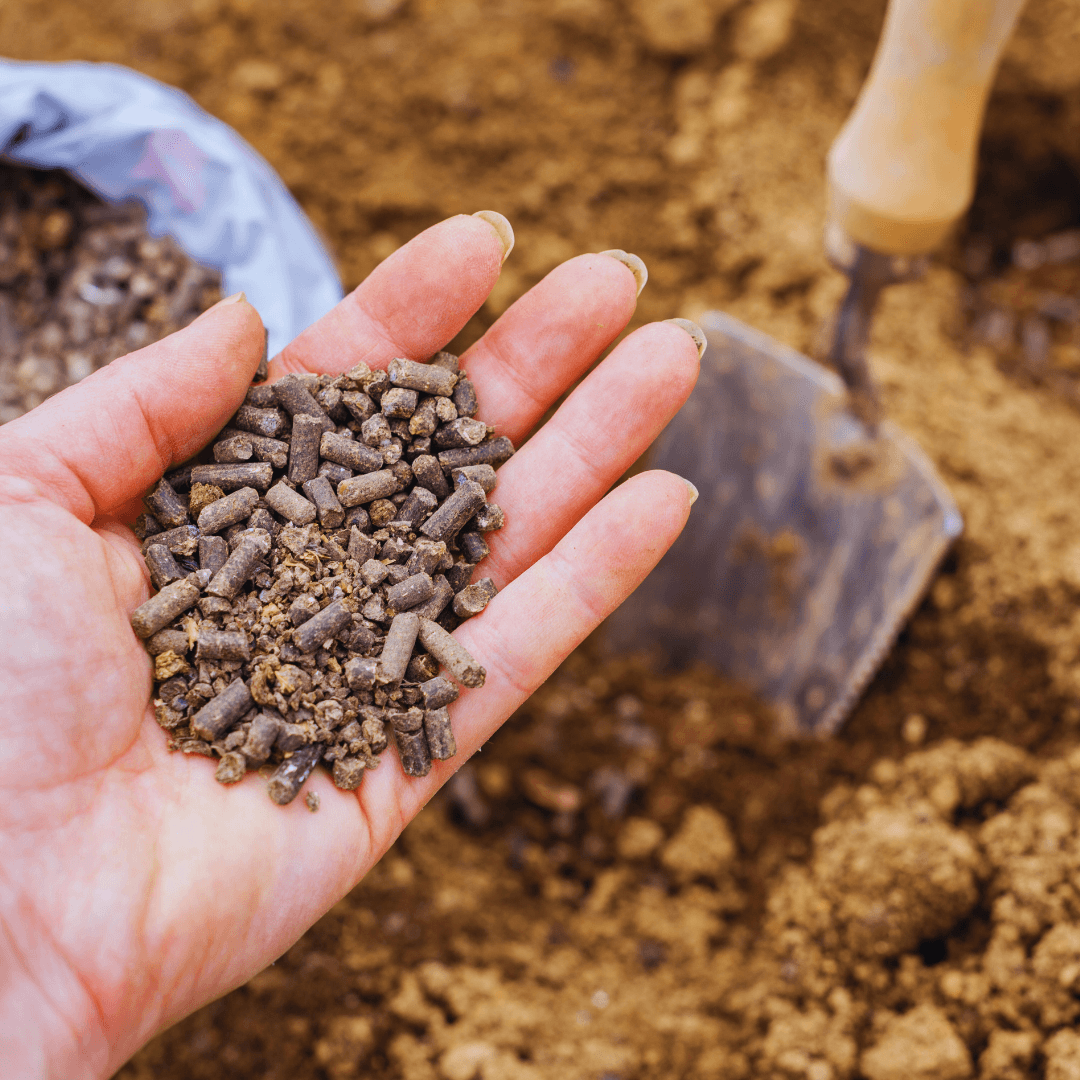
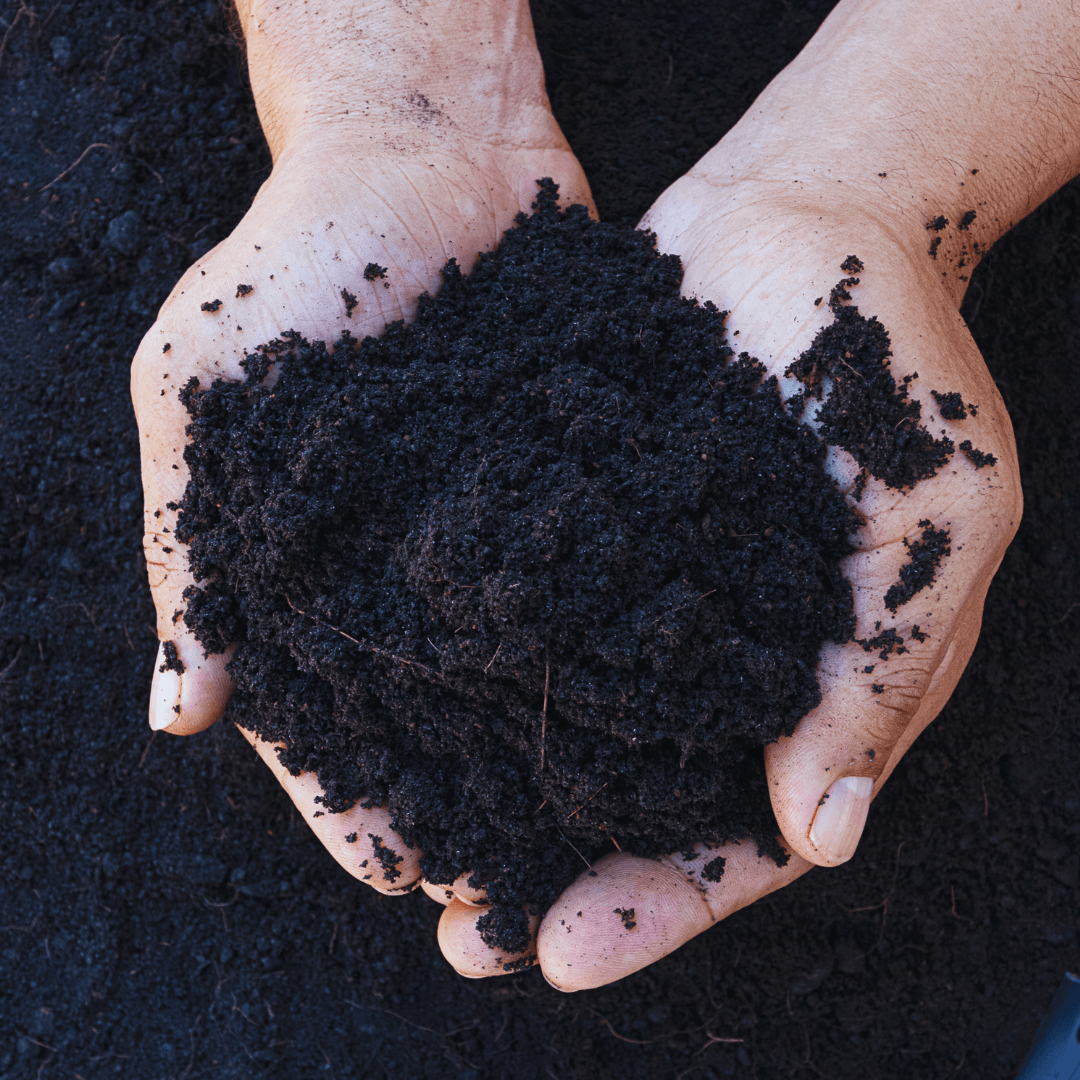
Organic matter plays an important role in building healthy soil for fruit trees. Compost, well-rotted manure, and leaf mould can improve soil structure while supporting moisture retention and nutrient availability.
Organic matter benefits both sandy and heavy soils in different ways. It helps sandy soil hold more water and nutrients, while improving aggregation, aeration, and drainage in clay-rich soils.
It also provides food for earthworms and beneficial microorganisms. As organic materials decompose, these organisms help recycle nutrients and contribute to a healthier, more biologically active soil.
Rather than routinely digging organic matter deeply into the soil, it can often be applied to the surface and allowed to integrate gradually. This reduces unnecessary soil disturbance while continuing to improve soil structure over time.
Regular additions of compost, leaf mould, and other well-decomposed organic materials can help maintain fertile, resilient soil that supports fruit trees throughout their lives. Healthy soil also provides a strong foundation when using different plant propagation techniques throughout the garden.
6. Mulch
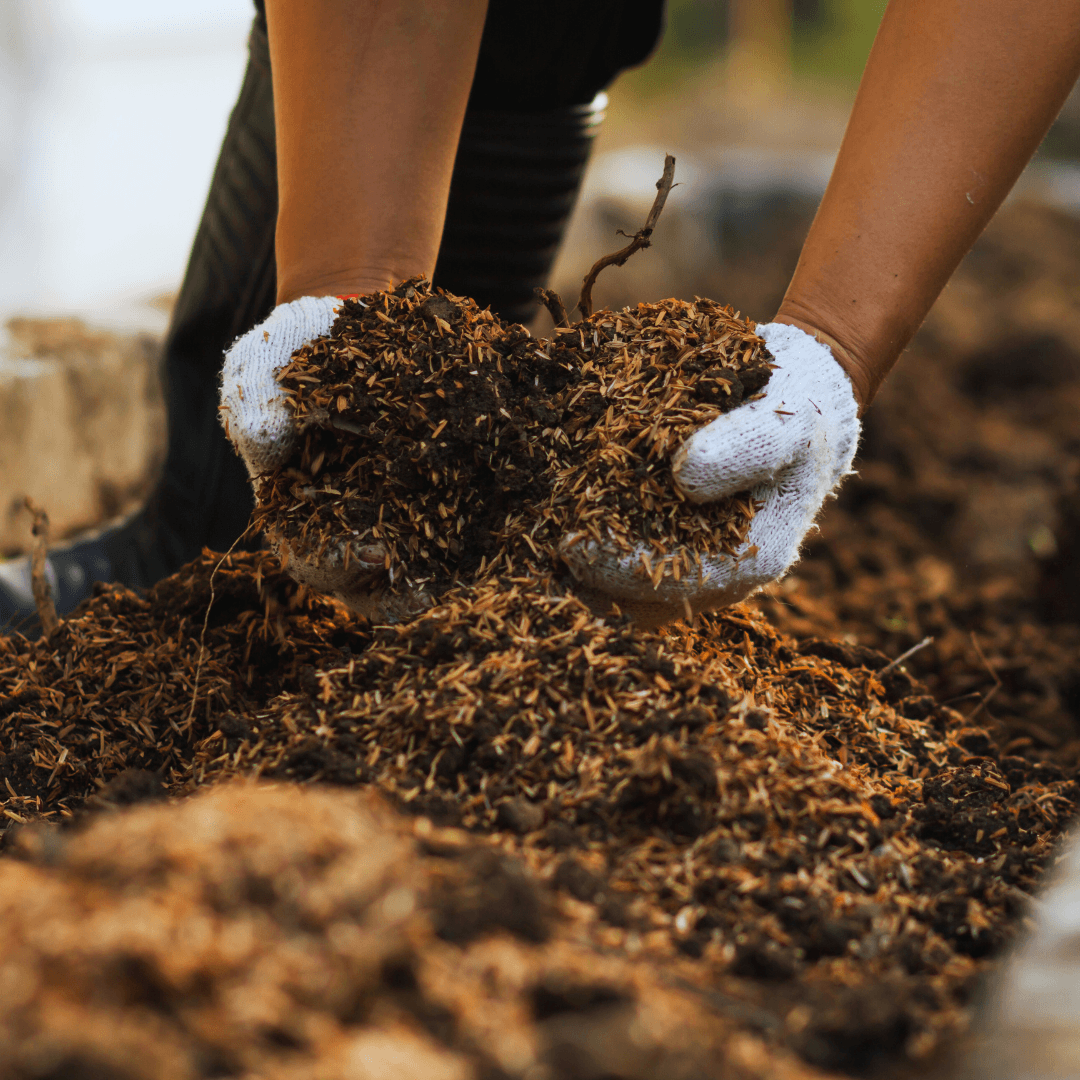
Mulching protects and improves the soil around fruit trees. A layer of organic mulch reduces moisture loss from the soil surface and helps maintain more consistent moisture levels around the roots.
Mulch also suppresses weeds that compete with fruit trees for water and nutrients. By covering bare soil, it can reduce erosion and protect the surface from compaction caused by heavy rain.
Another benefit is temperature regulation. Mulch insulates the soil from rapid temperature swings, helping keep roots cooler in hot weather and providing some protection in colder conditions.
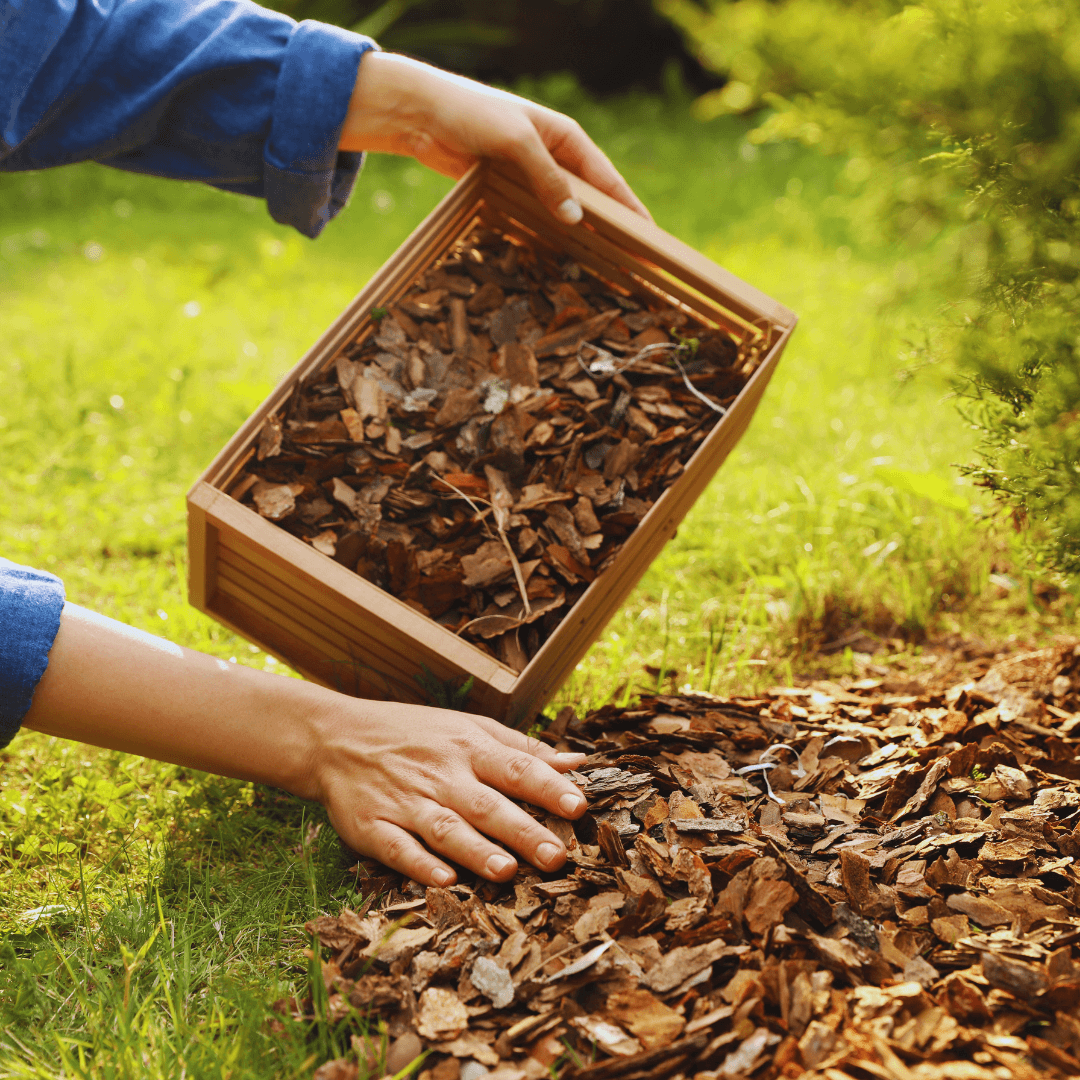
Organic materials such as wood chips, shredded bark, leaves, or compost can gradually contribute organic matter as they decompose. This supports soil structure and biological activity over time.
Keep mulch a few inches away from the trunk rather than piling it against the bark. Maintaining a mulch-free space around the trunk helps prevent excess moisture and reduces the risk of decay and other problems.
7. Improve Soil Drainage
Good drainage is essential for healthy fruit tree soil because roots need both moisture and oxygen. Soil that remains saturated for extended periods can deprive roots of oxygen and contribute to root problems.
Start by observing how quickly water drains after heavy rain or irrigation. Persistent puddles, waterlogged areas, or consistently soggy soil may indicate poor drainage or compaction.
Adding organic matter can gradually improve the structure of some heavy soils, while reducing compaction helps create spaces for water and air to move through the soil. Avoid working or walking on wet soil, as this can worsen compaction.
More serious drainage problems may require measures such as raised growing areas, drainage channels, or subsurface drainage. The appropriate solution depends on the soil type, landscape, and severity of the problem.
Improving drainage does not mean creating excessively dry soil. The goal is a healthy balance: the soil retains enough moisture while excess water drains away.
Turn Your Passion for Nature Into Income
🌿 Whether you love gardening, caring for animals, or exploring holistic living,
You can share your knowledge online and earn from it.
Discover how nature lovers are growing their passions into meaningful, income-generating blogs. 👇
8. Manage Soil pH
Soil pH affects how readily fruit trees can access nutrients. Even fertile soil can cause nutrient problems when the pH falls outside the range a particular fruit tree prefers.
Many fruit trees grow well in slightly acidic to neutral soil, but their preferred ranges vary. Blueberries, for example, require considerably more acidic conditions than apples, pears, or stone fruits.
Use soil test results before changing the pH. Lime can raise soil pH when conditions are too acidic, while elemental sulphur can gradually lower excessively alkaline soil.
Changing soil pH is usually gradual, and adding more amendment than necessary can create new nutrient imbalances. Follow soil-test recommendations and retest periodically to monitor changes.
Maintaining an appropriate pH helps make essential nutrients more available to fruit tree roots and supports healthier soil over the long term.
9. Manage Soil Moisture
Maintaining balanced soil moisture is important for healthy fruit trees. Roots need access to water, but consistently saturated soil can reduce oxygen levels and contribute to root problems.
Watering needs depend on soil type, weather, tree maturity, and local growing conditions. Sandy soils generally dry faster, while clay-rich soils tend to retain moisture longer.
Check the soil rather than relying solely on a fixed watering schedule. Moisture several inches below the surface better indicates root-zone conditions than the soil surface alone.
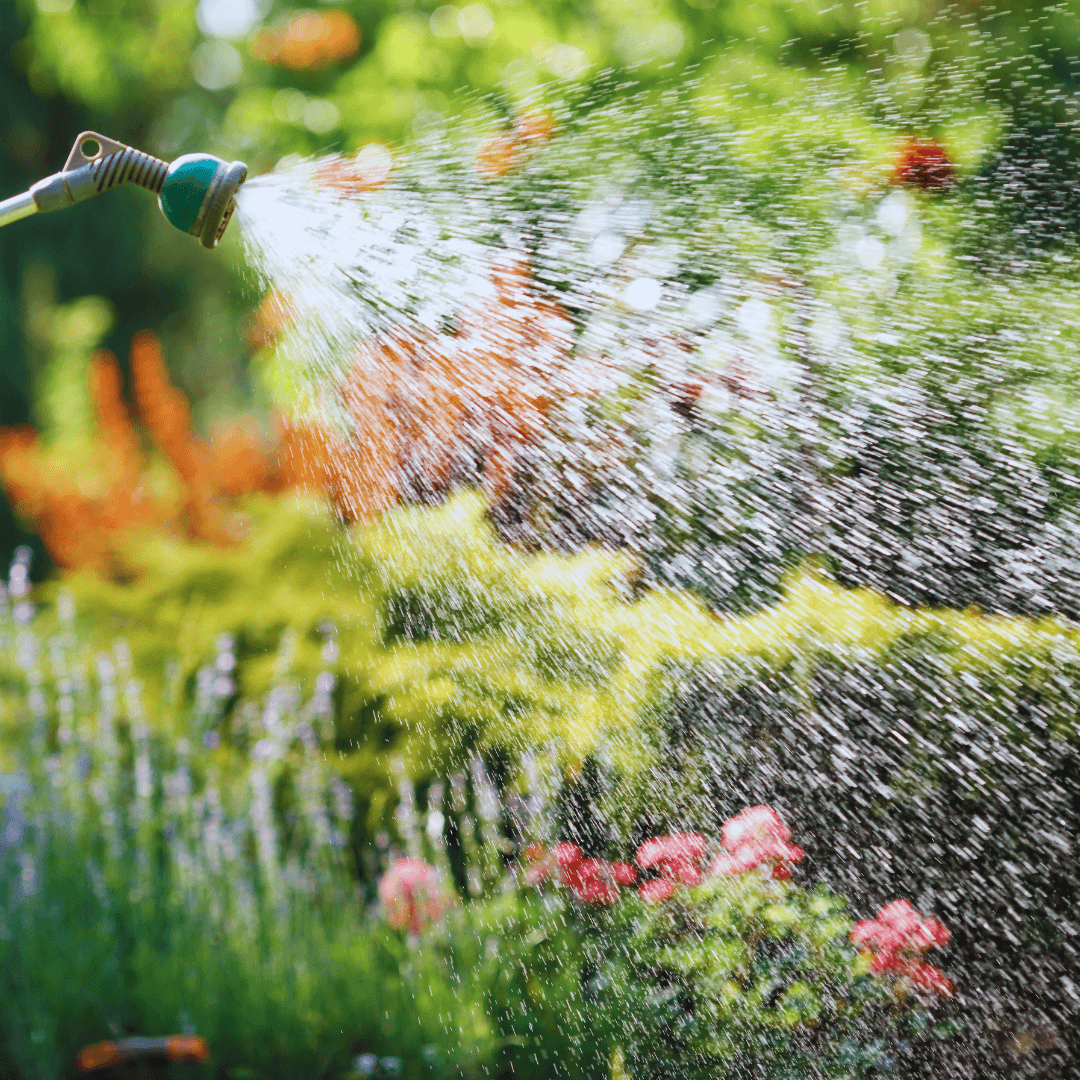
Deep, thorough watering generally encourages moisture to reach a larger portion of the root zone. Drip irrigation and soaker hoses can deliver water gradually while reducing evaporation and unnecessary wetting of surrounding areas.
Mulching can further help conserve soil moisture and moderate soil temperatures. The goal is to maintain sufficient moisture for healthy roots while allowing excess water to drain and keeping oxygen available in the soil.
10. Monitor Soil Health
Healthy soil changes over time, so regular monitoring helps you spot problems early before they significantly affect your fruit trees. Watch soil moisture, drainage, structure, pH, and signs of nutrient deficiencies.
Check moisture conditions throughout the growing season, particularly during prolonged dry or wet periods. Changes in drainage or areas of persistent standing water may also indicate developing compaction or other soil problems.
Periodic soil testing can track changes in pH and nutrient levels. Comparing results over time can help determine whether amendments or fertilizers are actually necessary rather than applying them routinely.
Earthworm activity, crumbly soil structure, good water infiltration, and healthy organic matter levels can also provide useful clues about soil condition. Tree growth and leaf appearance may reveal potential problems that warrant further investigation.
Keep adding organic matter, maintain mulch, and adjust soil management practices as conditions change. Long-term monitoring helps preserve fertile, well-structured soil that can support healthy fruit trees for many years.
Frequently Asked Questions
Q1: What Is The Best Soil For Fruit Trees In Pots?
The best soil for fruit trees in pots is a well-draining, nutrient-rich potting mix designed for container growing. It should retain enough moisture for the roots while allowing excess water to drain freely.
Avoid filling containers with heavy garden soil, which can become compacted and drain poorly. A quality potting mix designed for containers provides a better balance of moisture, air, and nutrients.
Q2: How Do I Know If My Soil Is Suitable For Fruit Trees?
Start by checking the soil’s texture, drainage, pH, and nutrient levels. Most fruit trees benefit from fertile soil that drains well while retaining enough moisture to support healthy roots.
A soil test can provide more detailed information about pH and nutrient levels. You can then address specific deficiencies or soil problems rather than adding amendments unnecessarily.
Q3: How Can I Improve Poor Soil For Fruit Trees?
Adding organic matter is one of the most effective ways to improve many types of soil. Compost, leaf mould, and well-rotted manure can support soil structure, moisture retention, fertility, and biological activity.
The best approach depends on the problem. Compacted soil may need improved aeration, heavy soil may require better drainage, and sandy soil may benefit from additional organic matter to retain moisture and nutrients.
Q4: Should I Add Compost To The Soil Around Fruit Trees?
Yes, compost can help maintain healthy soil around established fruit trees. It contributes organic matter, supports beneficial soil organisms, and can gradually improve soil structure and fertility.
Apply compost to the soil surface around the root zone, not piled against the trunk. You can also cover it with organic mulch to help conserve moisture and protect the soil.
Q5: How Often Should I Test The Soil For Fruit Trees?
Soil usually doesn’t need comprehensive testing every year unless you are correcting a specific problem. Periodic testing can help track changes in pH and nutrient levels and determine whether you need amendments.
Testing is also worthwhile when trees show unexplained signs of poor growth or nutrient deficiencies. Following test results helps prevent unnecessary applications of fertilizers, lime, sulphur, or other amendments.
Q6: How Can I Improve Drainage Around Fruit Trees?
Improving soil structure with organic matter can help water move more effectively through some heavy soils. Reducing compaction and avoiding working or walking on wet soil can also improve drainage over time.
Persistent drainage problems may require raised growing areas, drainage channels, or other drainage measures. The goal is to remove excess water while maintaining enough soil moisture to support healthy roots.
Conclusion
Learning how to prepare soil for fruit trees begins with understanding the soil you already have. Its texture, drainage, pH, fertility, and moisture levels all influence the conditions available to tree roots.
Different soil types have their own strengths and challenges, but thoughtful management can improve many of them. Soil testing, organic matter, proper drainage, mulching, and balanced moisture can all contribute to healthier growing conditions.
Good soil care also continues throughout a fruit tree’s life. Monitoring changes in soil structure, fertility, pH, and moisture lets you respond when conditions need attention, rather than relying on unnecessary amendments.
By building and maintaining healthy soil, you create a strong foundation that supports resilient roots, healthy tree growth, and productive harvests for years to come.
I trust you enjoyed this article on the 10 Best Ways To Prepare Soil For Fruit Trees. Please stay tuned for more inspiring guides, helpful tips, and ideas to help you live closer to nature every day.
Take care!
— JeannetteZ🌿
💬 Your Opinion Is Important To Me
Do you have thoughts, ideas, or questions? I’d love to hear from you. Please leave your comments below or email me directly at Jeannette@Close-To-Nature.org.
📚 More Nature-Inspired Reads
Explore more ways to connect with nature, nurture your pets, and live in harmony with the world around you 🌿