15 Essential Tips To Choose The Best Bird Cage

Tips to Choose the Best Bird Cage can help you create a safe, comfortable, and practical home for your feathered companion. The right cage gives your bird enough space to move naturally while supporting everyday activities such as eating, resting, climbing, and playing.
Bird cages come in many sizes, shapes, materials, and designs. Choosing one based on appearance alone can overlook important factors such as bar spacing, construction, available flight space, and safety.
Your bird’s species and size matter, but its natural behaviour does too. Choosing the right pet bird for your lifestyle can also help you understand what housing, space, and enrichment it will need.
The cage should also accommodate suitable perches, food and water dishes, toys, and enrichment without becoming overcrowded. Thoughtful placement in your home can further support a comfortable environment.
This guide shares practical tips to help you choose a bird cage suited to your bird’s individual needs. We’ll cover size, bar spacing, materials, design, enrichment, safety, and other key considerations before you choose.
A Guide To Choosing The Best Bird Cage
Choosing the right cage involves more than finding one that looks attractive or fits neatly into your home. Your bird needs enough space to move comfortably, exercise, rest, eat, and engage in natural behaviours.
Cage requirements can vary considerably between species. A cage suitable for a finch or budgie may not provide the space, bar spacing, strength, or design a larger parrot needs.
Safety is equally important. Cage materials, construction, bar spacing, door security, and the arrangement of perches and accessories can all affect your bird’s everyday environment.
The following tips will help you compare these important features and choose a cage that suits your bird’s size, species, activity level, and individual needs.
1. Consider Your Bird’s Size And Species
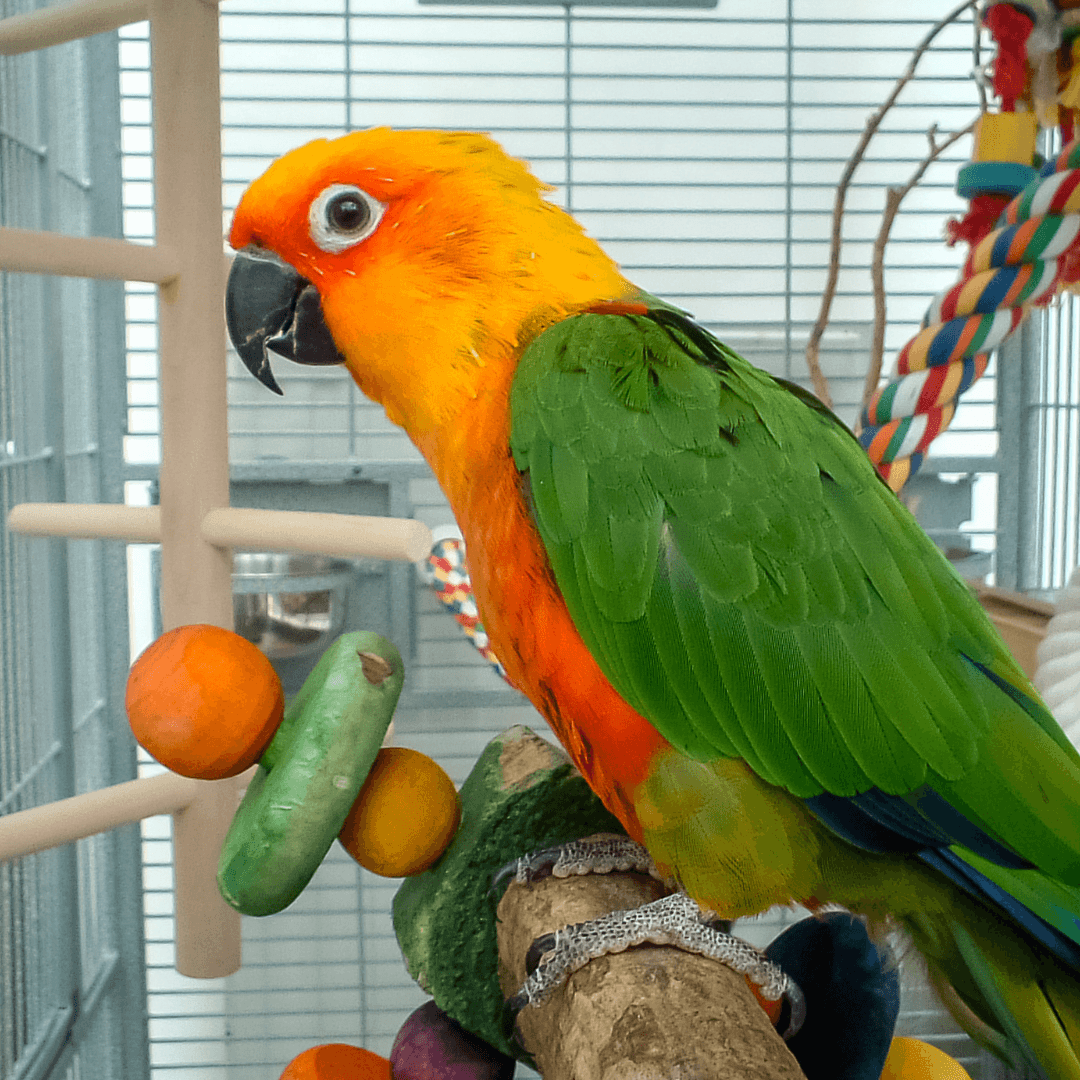
The right cage size depends on your bird’s species, body size, and natural behaviour. Your bird should have enough room to stretch its wings, move comfortably, and engage in activities such as flying, climbing, and exploring.
Different species use their space differently. Smaller finches benefit from generous horizontal flying space, while many parrots also need room to climb and move between perches.
Consider your bird’s wingspan and tail length when comparing cage dimensions. The enclosure should also provide enough space for perches, food and water dishes, and enrichment without restricting movement.
Research your bird’s species-specific needs before choosing a cage. Providing adequate space for exercise and natural behaviours is an important part of creating a comfortable and enriching home.
2. Choose The Right Bar Spacing
Bar spacing is an important safety consideration when choosing a bird cage. The space between the bars should suit your bird’s species and size to reduce the risk of escape or injury.
Smaller birds, such as finches and budgies, generally require narrower bar spacing. Openings that are too wide may let a bird squeeze through or get trapped between the bars.
Larger birds, including many parrots, macaws, and cockatoos, require spacing appropriate for their larger bodies and stronger beaks. Their cages also need sturdy bars that can withstand climbing, chewing, and everyday activity.
Check the recommended bar spacing for your particular species before purchasing a cage. Choosing suitable spacing helps provide a secure enclosure while allowing your bird to climb and move comfortably.
3. Prioritize Material Safety
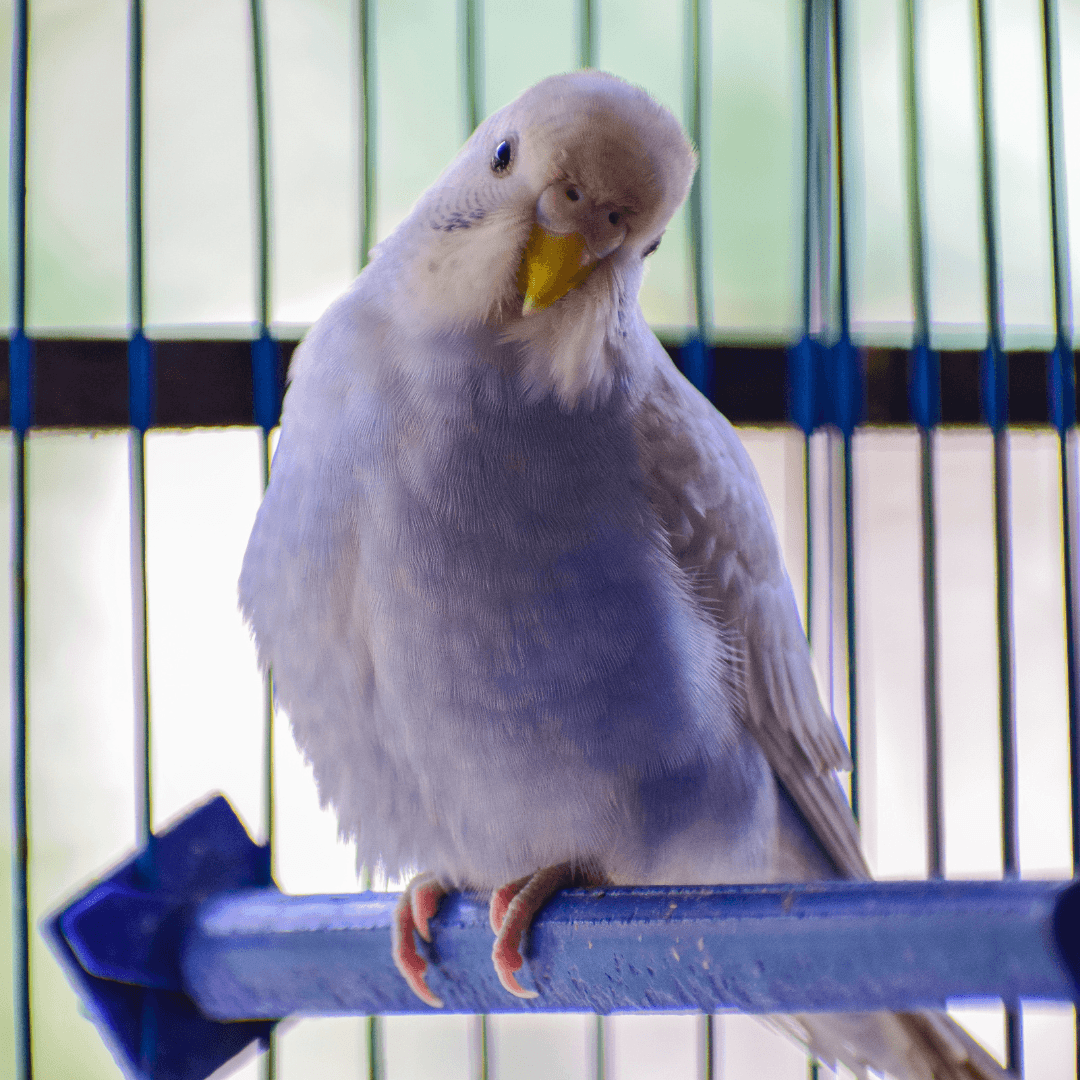
The materials used to construct a bird cage are an important safety consideration. Birds may climb on, chew, or rub their beaks against the bars, so cage surfaces should be durable and made from bird-safe materials.
Stainless steel is a popular choice because it is strong, corrosion-resistant, and relatively easy to clean. A well-made stainless-steel cage can also withstand years of regular use.
Powder-coated metal can be another suitable option when the coating is designed for bird cages and remains intact. Check the cage regularly for chipped, peeling, or damaged coatings that could expose the metal underneath.
Avoid cages containing lead, zinc, or other potentially toxic materials that a bird could ingest. Older, damaged, or poorly manufactured cages deserve particular attention because their coatings and metal composition may be uncertain.
Choosing a well-constructed cage made from bird-safe materials helps reduce unnecessary exposure to harmful substances. It also provides a sturdy enclosure suited to everyday climbing, chewing, and activity.
4. Consider Cage Shape And Design
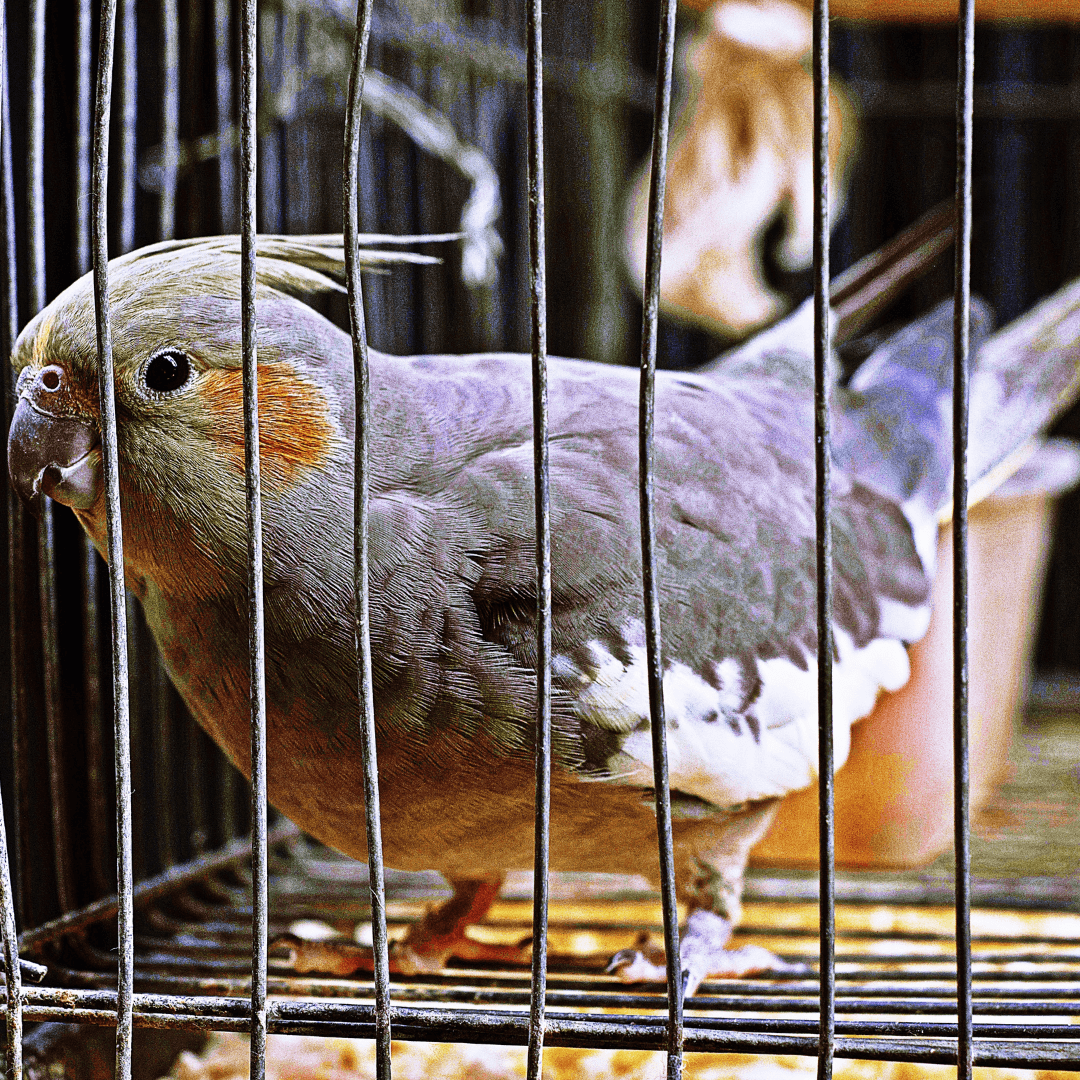
The shape and design of a bird cage can affect how comfortably your bird moves, climbs, rests, and plays. Rectangular cages generally provide more usable space than narrow or unusually shaped designs.
Horizontal bars can be particularly useful for parrots and other birds that enjoy climbing. Bar orientation matters less for birds that primarily use the cage for flying, where adequate horizontal space remains the greater priority.
Some cages include a play area on top with additional perches, toys, or feeding stations. This can provide another supervised space for exercise and interaction outside the main enclosure.
Look for a design that lets you arrange perches, toys, and feeding dishes without overcrowding the cage. Your bird should still have clear areas where it can move freely and fully stretch its wings.
Practical features matter as well. Secure doors, accessible feeding areas, and removable trays can make daily pet bird care easier while helping you maintain a safe, comfortable environment.
5. Provide Enrichment
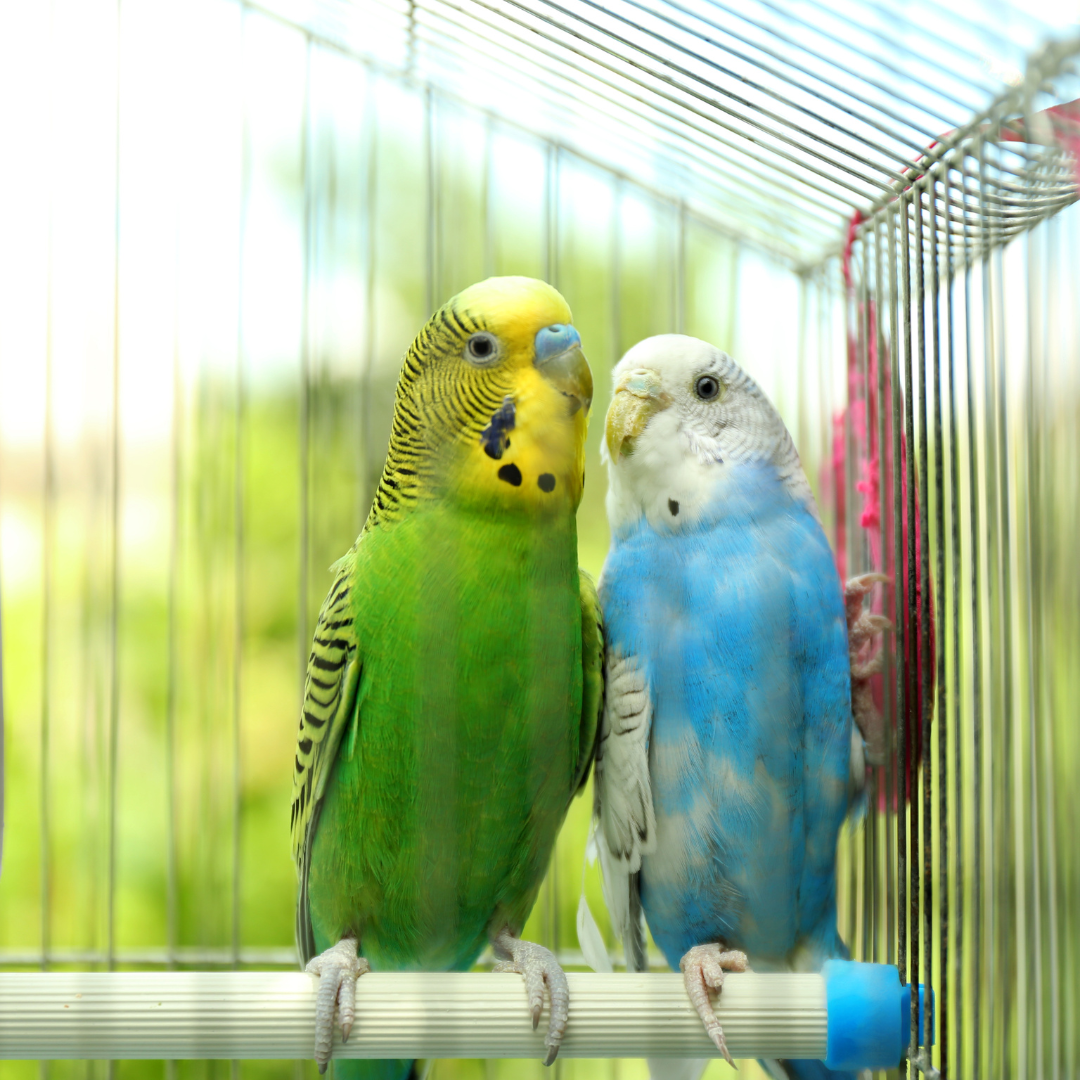
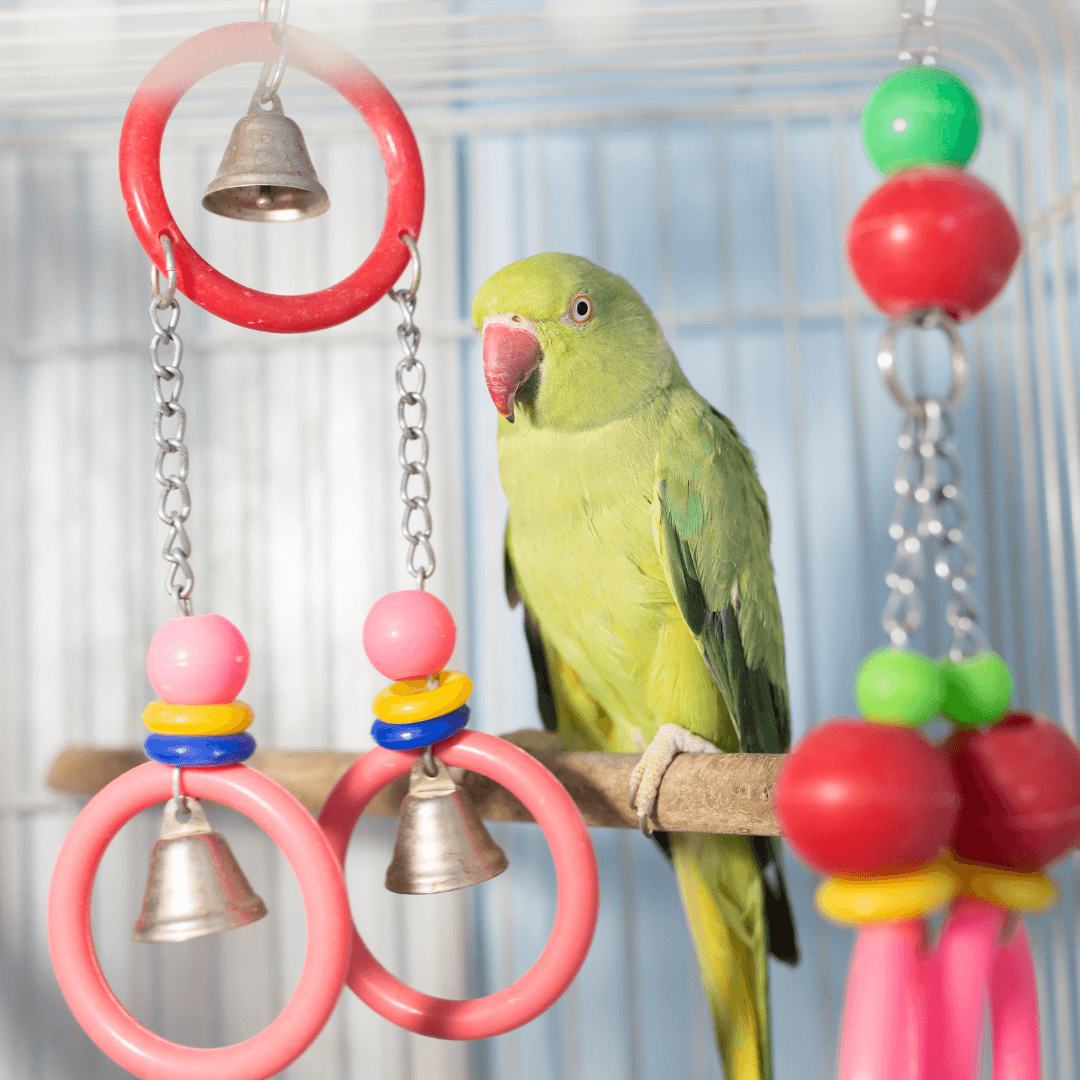
A bird cage should provide enough space for enrichment without becoming overcrowded. Perches, toys, swings, and foraging activities can encourage movement, exploration, and natural behaviours.
Provide perches with different diameters, shapes, and bird-safe textures to encourage varied foot positions. Arrange them so your bird can move comfortably without blocking important flying or climbing space.
Choose toys suited to your bird’s species, size, and interests. Foraging toys, shreddable materials, chewable objects, and other bird-safe activities can provide valuable mental stimulation.
Inspect toys regularly for damaged parts, loose threads, or other potential hazards. Rotating some enrichment items can provide variety while allowing familiar favourites to remain available.
The goal is not to fill every available space with accessories. A thoughtfully arranged cage should provide enrichment while leaving plenty of room for your bird to move, stretch, and exercise comfortably.
6. Consider Ventilation
Good airflow helps maintain a comfortable environment around your bird and prevents the cage area from becoming stuffy. Most traditional wire bird cages naturally allow air to circulate freely through the enclosure.
Cage placement matters as much as cage design. Position the enclosure where fresh air can circulate without exposing your bird to strong drafts or sudden temperature changes.
Keep the cage away from smoke, aerosols, scented sprays, and potentially harmful fumes. Kitchens can be particularly hazardous because cooking fumes and overheated non-stick cookware may pose serious risks to birds.
Regular cleaning also helps reduce the buildup of dust, feathers, food debris, and moisture around the enclosure. Together, good ventilation, thoughtful cage placement, and routine cleaning can help maintain a cleaner environment for your bird.
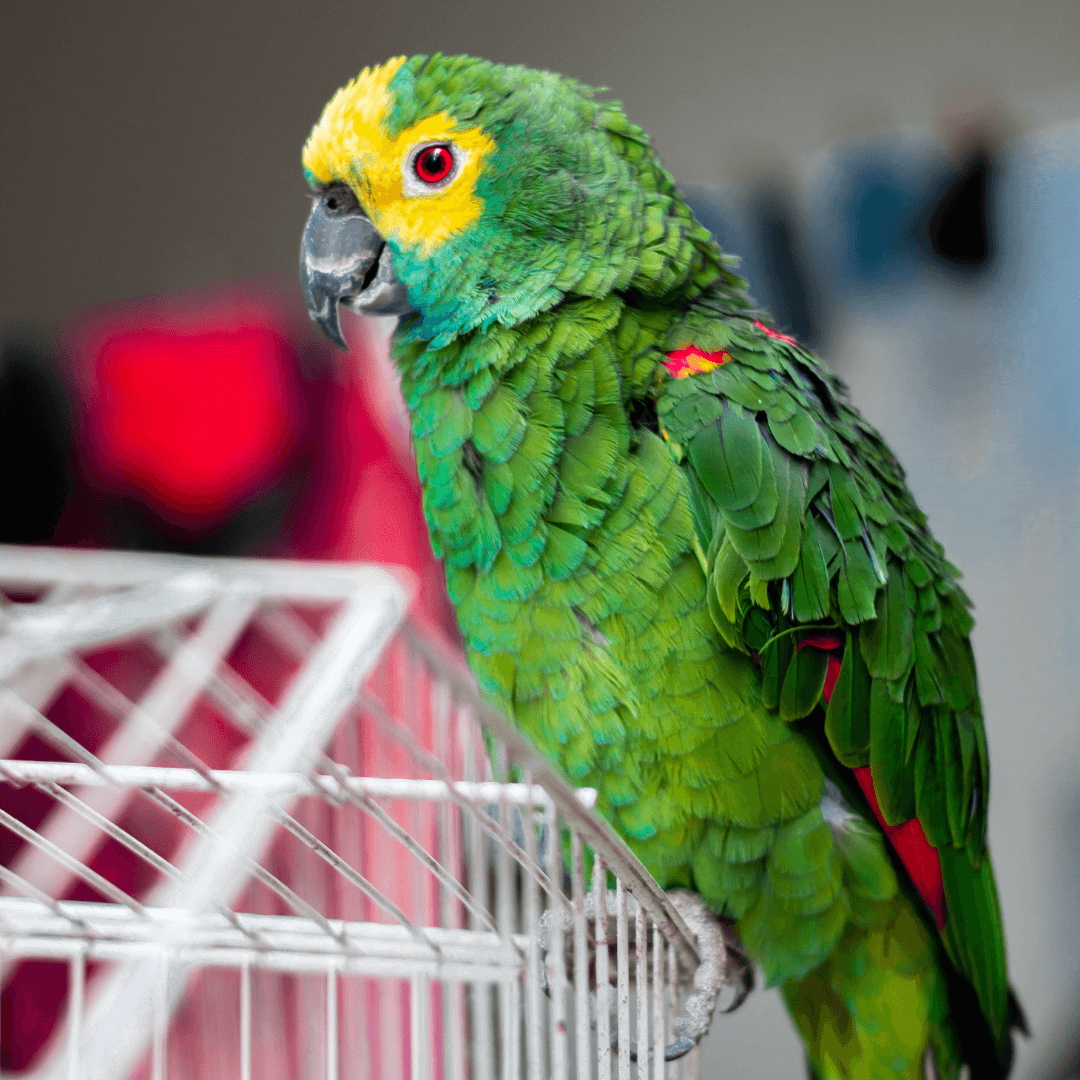
7. Avoid Round Cages
Round cages may look attractive, but they often provide less usable space than rectangular cages of a similar overall size. Their curved shape can also make it more difficult to arrange perches, toys, and feeding areas without restricting movement.
Rectangular cages generally provide more practical horizontal space for flying, climbing, and moving between perches. Corners can also offer convenient areas for resting and arranging cage accessories.
The concern is mainly usable space and practical design, not that round cages automatically cause confusion or stress. A well-designed rectangular cage is usually easier to furnish while still leaving open space for comfortable movement.
When comparing cage shapes, prioritize dimensions and functionality over appearance. Choose a design that gives your bird enough room to stretch, exercise, and engage in its normal activities.
9. Choose An Escape-Resistant Design
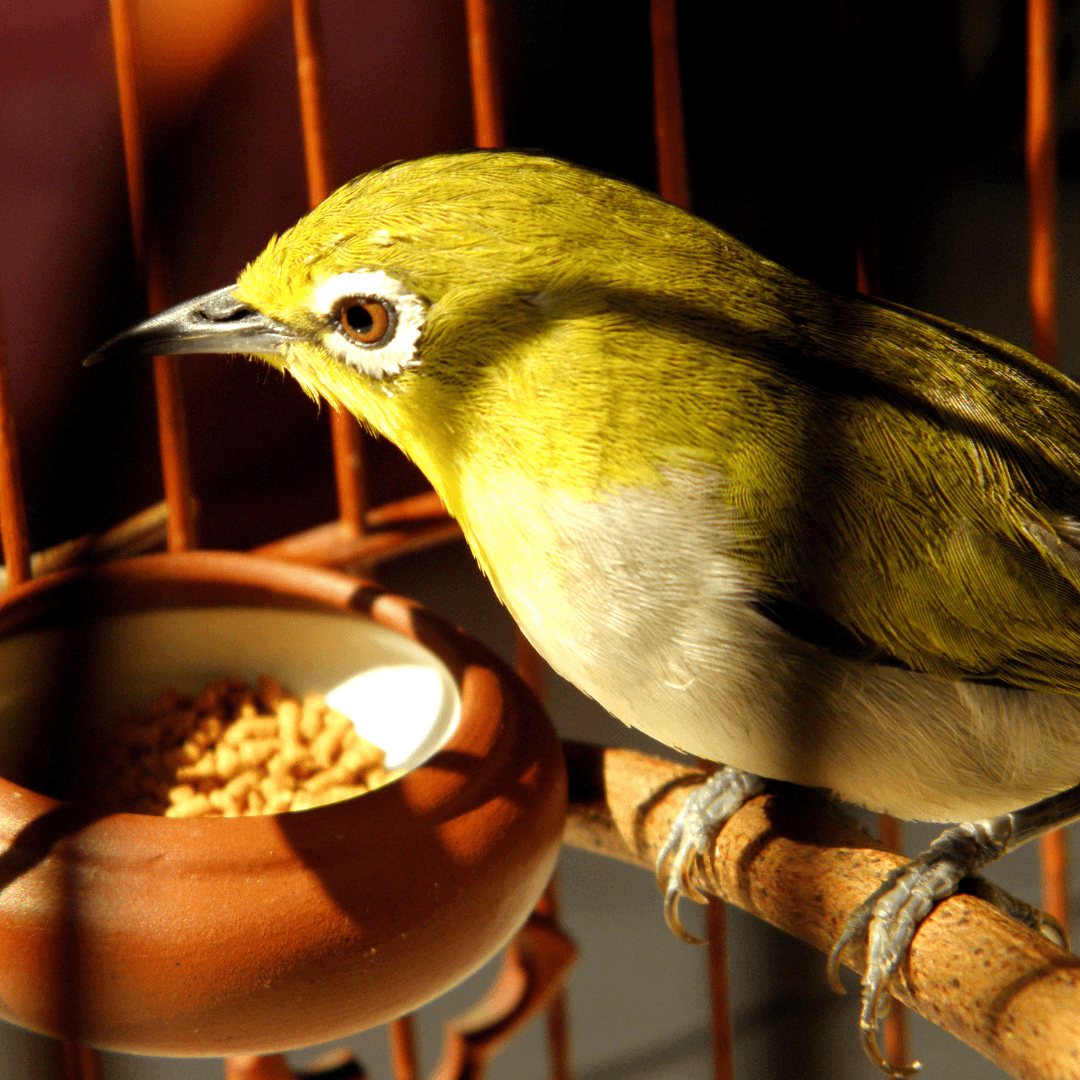
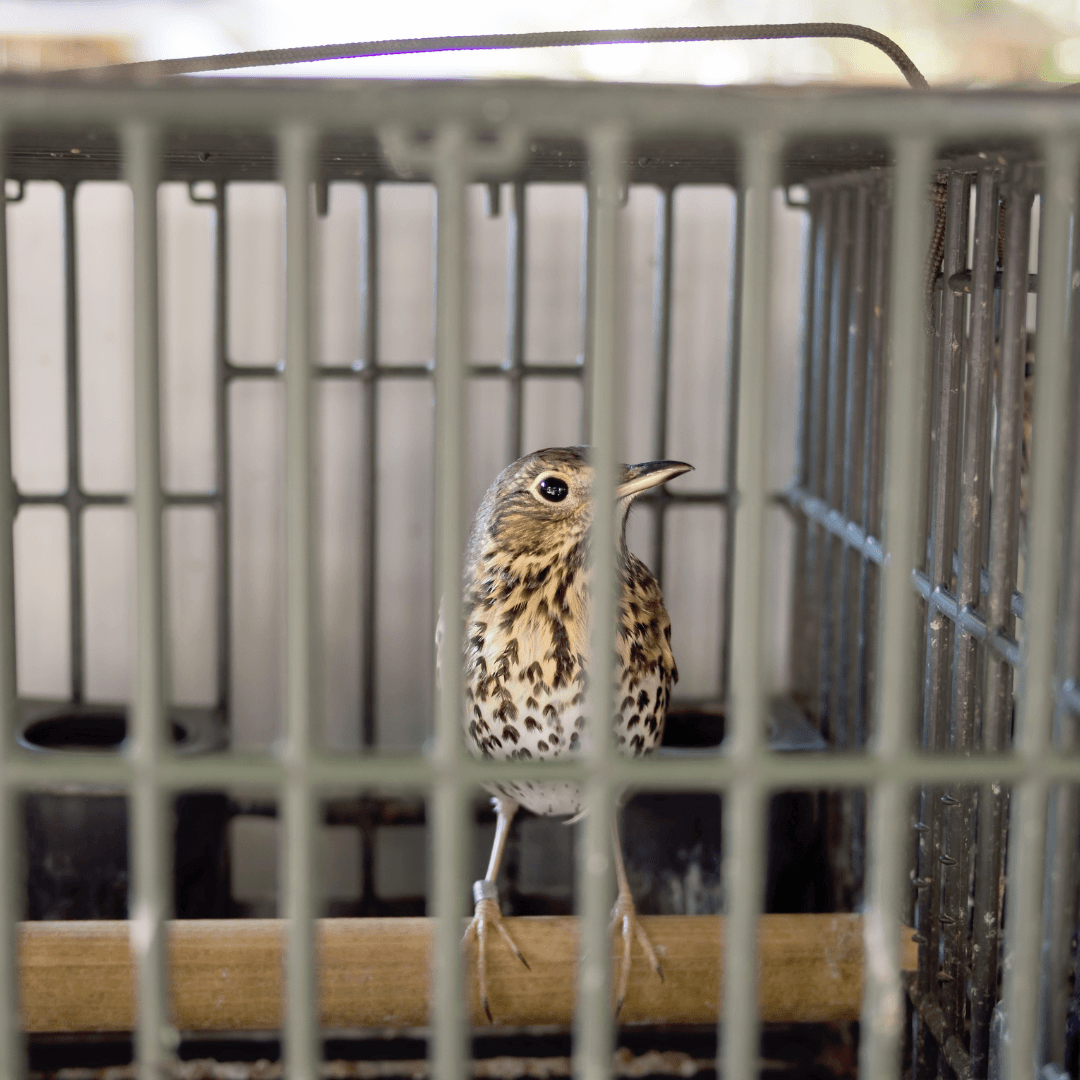
Birds, particularly parrots, can be surprisingly skilled at manipulating cage doors and latches. Choose a cage with secure closures that your bird cannot easily open from inside the enclosure.
Check the main door and smaller feeding and access doors. Each opening should close securely, with no loose latches, large gaps, or damaged components.
Some particularly clever or strong birds may require additional security on cage doors. Any extra locking device should be bird-safe and positioned so it cannot create an entanglement or injury hazard.
Inspect doors and latches regularly because normal use can loosen or wear cage hardware over time. A secure cage helps prevent accidental escapes while still allowing you convenient access for feeding, cleaning, and daily bird care.
10. Match The Cage To Your Bird’s Behaviour
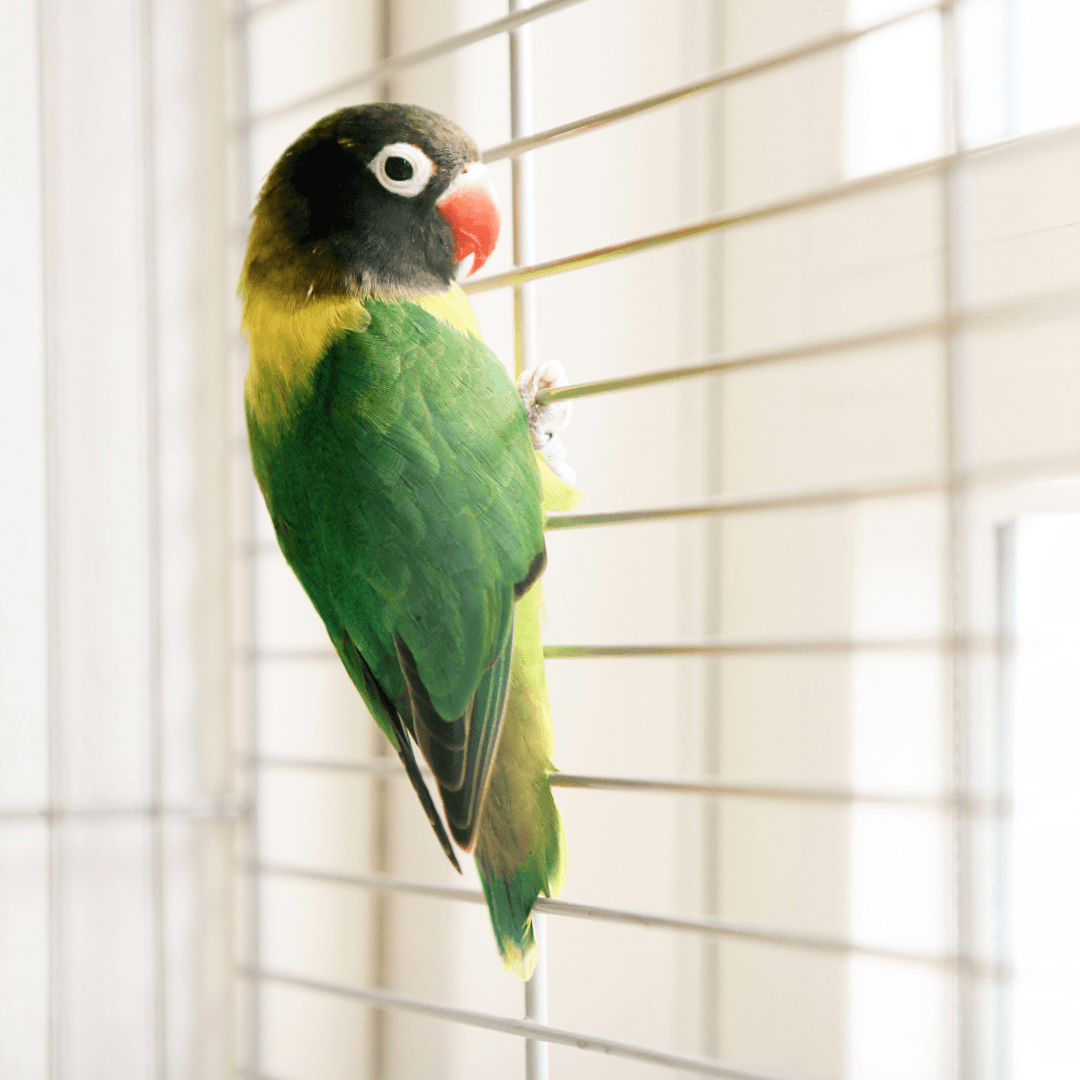
Choosing cage features that suit your bird’s behaviour can create a more practical and enriching environment. Different species use their enclosure in different ways, so consider how your bird naturally moves, explores, and plays.
Birds that enjoy climbing may benefit from horizontal bars, ladders, branches, and perches arranged at different heights. Birds that spend more time flying need enough open horizontal space to move comfortably between perches.
Foraging birds can benefit from puzzle feeders, treat-dispensing toys, and other activities that encourage them to search for food. Chewable and shreddable materials can provide additional enrichment for species that naturally enjoy these behaviours.
Watch how your bird uses its environment, and adjust the cage setup as needed. Matching the enclosure to your bird’s natural behaviour can provide more meaningful opportunities for exercise, exploration, and mental stimulation.
11. Try Before You Buy
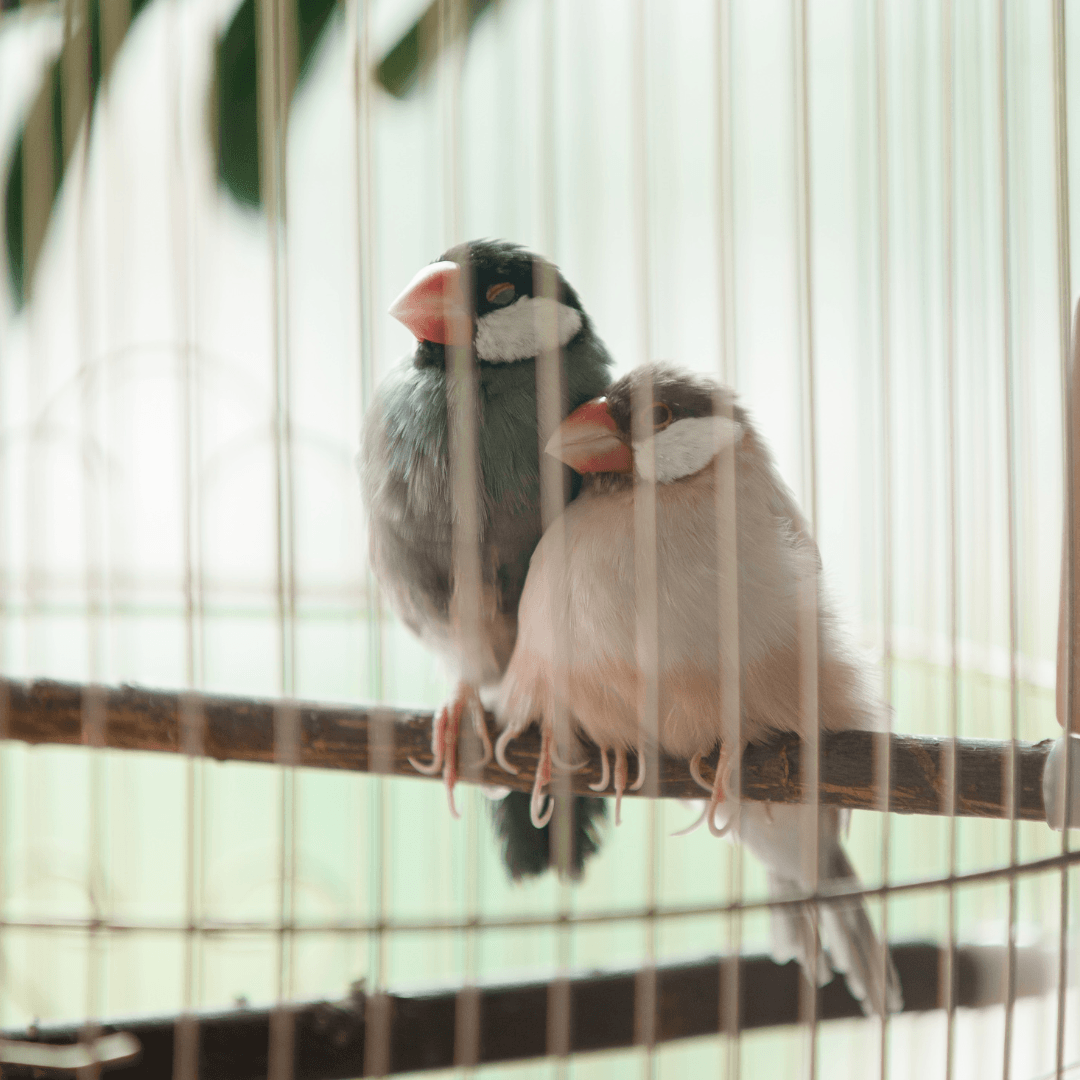
Whenever possible, examine a bird cage in person before purchasing it. Seeing the cage firsthand can help you judge its size, construction, bar spacing, door placement, and overall quality more accurately.
Open and close the doors and check that the latches feel secure. Slide out the cleaning tray, inspect the feeding doors, and make sure the cage is easy to access for routine cleaning and maintenance.
Look closely at the bars, welds, coating, and other components for sharp edges, damage, or weak areas. Consider how easily you could arrange perches, dishes, and enrichment while still leaving plenty of open space for your bird.
When shopping online, review the cage dimensions and specifications carefully rather than relying only on photographs. Measuring the intended space in your home can also help you determine whether the cage will fit comfortably before you order it.
12. Allow Room For Flight
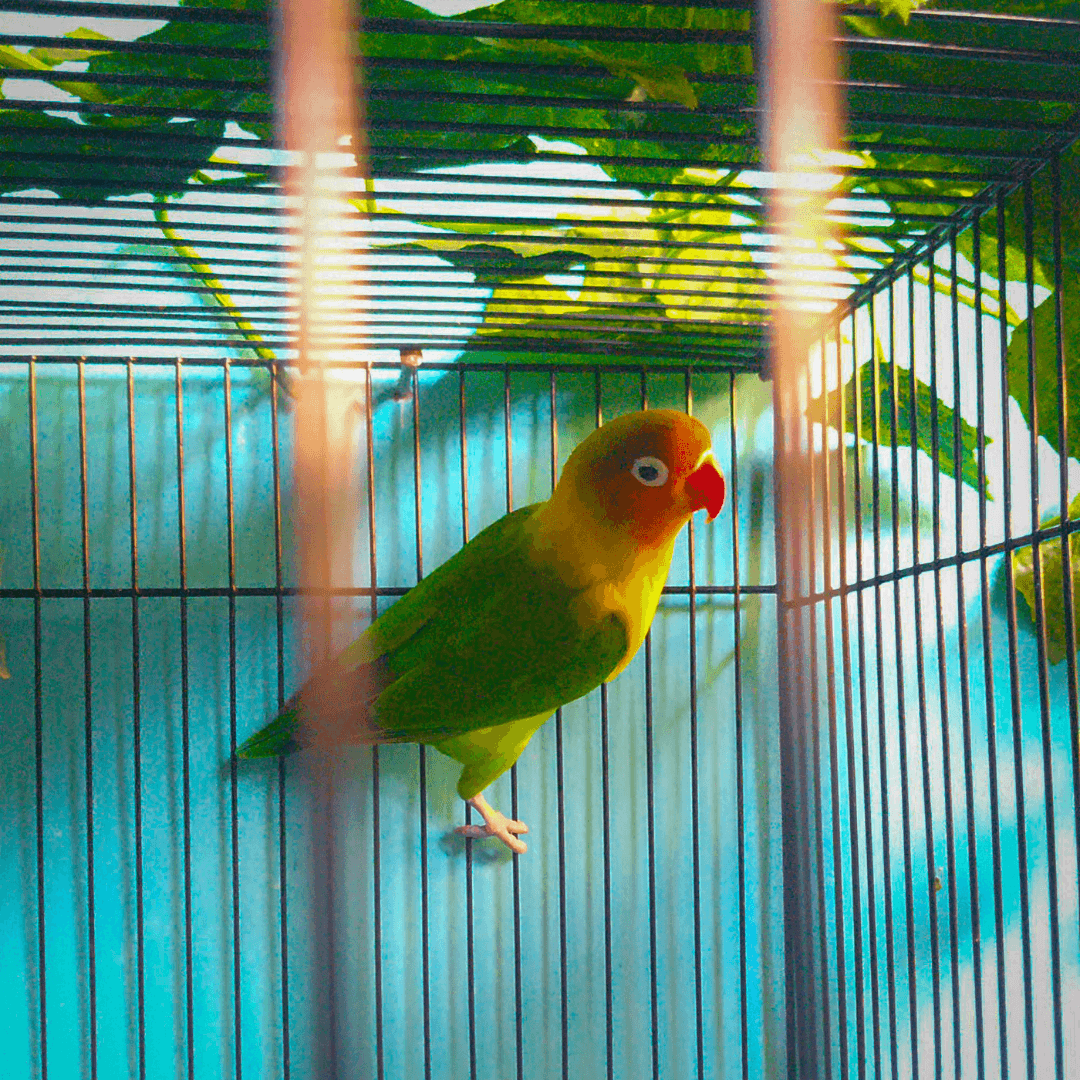
Birds need enough space to stretch their wings and move comfortably within their enclosure. Horizontal flying space is particularly important for active flyers, including many smaller species such as finches and budgies.
Larger parrots also need generous space for climbing, stretching, and moving between perches. Their long wings and tails should not constantly brush against cage bars, toys, or other accessories.
Consider the cage’s width, depth, and height rather than relying on a single measurement. Perches, dishes, and toys should fit comfortably without filling the areas your bird needs for movement.
Even a spacious cage does not necessarily provide all the exercise a companion bird needs. Species suited to supervised out-of-cage activity can benefit from additional opportunities to fly, climb, explore, and exercise in a secure, bird-safe area.
13. Consider Future Needs
Think about how your bird’s housing needs may change before investing in a cage. Choosing a well-sized enclosure from the beginning can help avoid replacing a cage simply because the original one provided too little space.
Young birds generally don’t need a cage sized for anticipated growth unless the species will become considerably larger. Researching the adult size and housing requirements of your particular species can help you choose appropriately.
Adding another bird requires more careful planning. Two birds should not automatically share a cage, since you must consider compatibility, species, individual temperament, and available space.
If another bird may join your household in the future, plan for a separate enclosure. Each bird should have housing that meets its needs, rather than assuming one larger cage will safely accommodate everyone.
14. Consider Your Budget
Budget matters when choosing a bird cage, but safety and quality should remain priorities. Compare cages based on construction, materials, size, and durability rather than price alone.
A well-made bird cage should have sturdy bars, secure doors, reliable latches, and bird-safe materials. Check these features carefully whether you are considering a new or second-hand cage.
Less expensive cages are not necessarily unsuitable, but poor construction or damaged coatings can create safety concerns. A cage that wears out quickly may also need replacing sooner than expected.
Consider long-term practicality as well as the initial purchase. Choosing a safe, appropriately sized, durable cage can offer better value while giving your bird a secure, comfortable home.
15. Prioritize Function Over Decoration
Decorative bird cages can be attractive, but appearance should not come at the expense of safety, space, or practicality. Choose a design that gives your bird enough room to move comfortably and accommodate suitable perches, dishes, and enrichment.
Highly ornate designs may include narrow sections, awkward shapes, or decorative components that reduce usable space. Some details can also create areas that are difficult to inspect and clean thoroughly.
Check decorative elements for sharp edges, small openings, loose components, or other potential hazards. Simple, well-constructed designs are often easier to maintain and allow you to arrange the cage around your bird’s needs.
A bird cage can still complement your home while remaining practical. Prioritizing safe construction, usable space, and easy maintenance can help you choose an enclosure that works well for both you and your bird.
Conclusion
Choosing the right bird cage means balancing your bird’s safety, comfort, activity level, and individual needs. Size, bar spacing, materials, construction, and cage design all deserve careful consideration.
A suitable cage should provide enough room for movement while accommodating perches, feeding areas, toys, and enrichment. Secure doors, bird-safe materials, and practical cleaning features can also make everyday care easier.
Your bird’s species and natural behaviour can help guide many of these decisions. Taking the time to compare cage features can help you choose an enclosure that remains practical and comfortable for years to come.
I trust you enjoyed this article on 15 Essential Tips to Choose the Best Bird Cage. Please stay tuned for more inspiring guides, helpful tips, and ideas to help you live closer to nature every day.
Take care!
— JeannetteZ🌿
💬 Your Opinion Is Important To Me
Do you have thoughts, ideas, or questions? I’d love to hear from you. Please leave your comments below or email me directly at Jeannette@Close-To-Nature.org.
📚 More Nature-Inspired Reads
Explore more ways to connect with nature, nurture your pets, and live in harmony with the world around you 🌿