22 Pet Birds For Beginners: A Complete Guide

Pet Birds For Beginners can make wonderful companions when you choose a species that suits your home and lifestyle. Birds can be intelligent, curious, social, and surprisingly full of personality.
Some companion birds enjoy regular interaction with people, while others are happier with less handling. Understanding these differences can make choosing your first bird much easier.
Size is only one consideration when deciding which species may be right for you. Noise level, lifespan, housing, diet, enrichment, and daily social needs matter just as much.
Some birds require considerably more time, space, and specialized care than others. Choosing a beginner-friendly species can make it easier to learn about bird care while providing an environment suited to your new companion.
In this guide, we’ll explore some popular pet birds and the characteristics that may make them suitable for first-time bird parents. We’ll also cover key factors to consider before welcoming a feathered companion into your home.
Best Pet Birds For Beginners You’ll Love
Choosing your first pet bird means finding a species whose needs fit your lifestyle, available space, and experience. Some birds require considerably more daily interaction, specialized care, or training than others.
Beginner-friendly does not mean maintenance-free. Every bird needs appropriate housing, nutrition, enrichment, exercise, and regular attention to its health and well-being.
Personality also varies between individual birds, even within the same species. Learning about typical behaviour, noise levels, social needs, and lifespan can help you choose more confidently.
Popular beginner pet birds include smaller parrots, finches, doves, and other companion birds. Each has different characteristics and care requirements to consider before deciding which suits you best.
1. Budgerigars (Budgies)
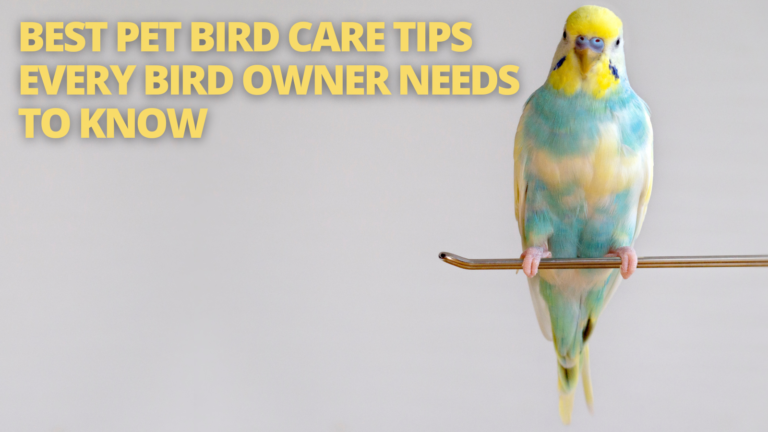
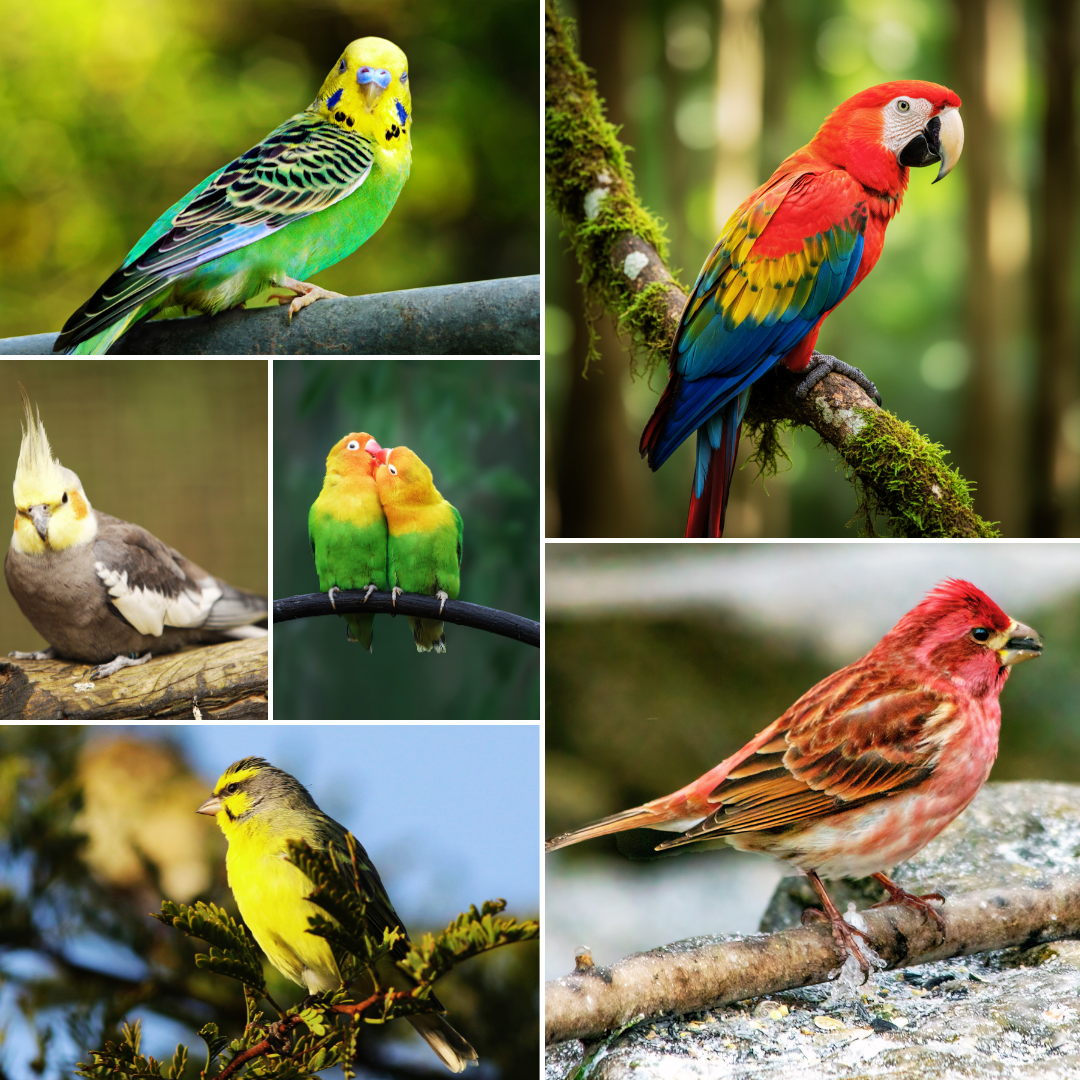
Budgerigars, or budgies, are small, intelligent parrots known for their curious and social personalities. Their colourful plumage comes in many shades and patterns, including green, blue, yellow, and white.
Many budgies enjoy interacting with people and can learn to imitate words, whistles, and other sounds. They are active little birds that need plenty of opportunities to explore, play, and exercise.
Care
Budgies are active little parrots that need plenty of room to fly, climb, and explore. Horizontal flying space is particularly valuable, along with varied perches and opportunities for safe exercise.
These social birds often enjoy vocal interaction, so talking, whistling, and responding to their sounds can become part of their daily routine. Some budgies can also learn words and simple sounds through patient repetition.
Foraging activities, shreddable toys, swings, and other bird-safe enrichment can keep their curious minds occupied. Rotating some toys periodically provides variety while allowing familiar favourites to remain.
Gentle, patient interaction can help build trust, especially with a new or less-socialized bird. Budgies may be small, but they still need considerable exercise, enrichment, and social opportunities.
2. Cockatiels
Cockatiels are small parrots known for their distinctive crests and expressive personalities. Many have orange cheek patches, while selective breeding has produced a variety of colours and patterns.
Many cockatiels enjoy social interaction and can form strong relationships with the people who care for them. They are particularly well known for whistling and may also learn to imitate household sounds and a few words.
Care
Cockatiels are social birds that often enjoy being part of everyday household activity. Regular interaction, gentle training, and calm communication can help them become comfortable with their caregivers.
These active parrots enjoy climbing, flying, chewing, and exploring. Provide varied perches, foraging opportunities, and toys they can safely investigate and destroy.
Whistling and other forms of vocal interaction can also provide enrichment. Many cockatiels respond enthusiastically to familiar sounds, tunes, and routines.
Cockatiels produce a considerable amount of feather dust, so regular cleaning around their enclosure is particularly important. Good ventilation can also help maintain a comfortable environment for both birds and people.
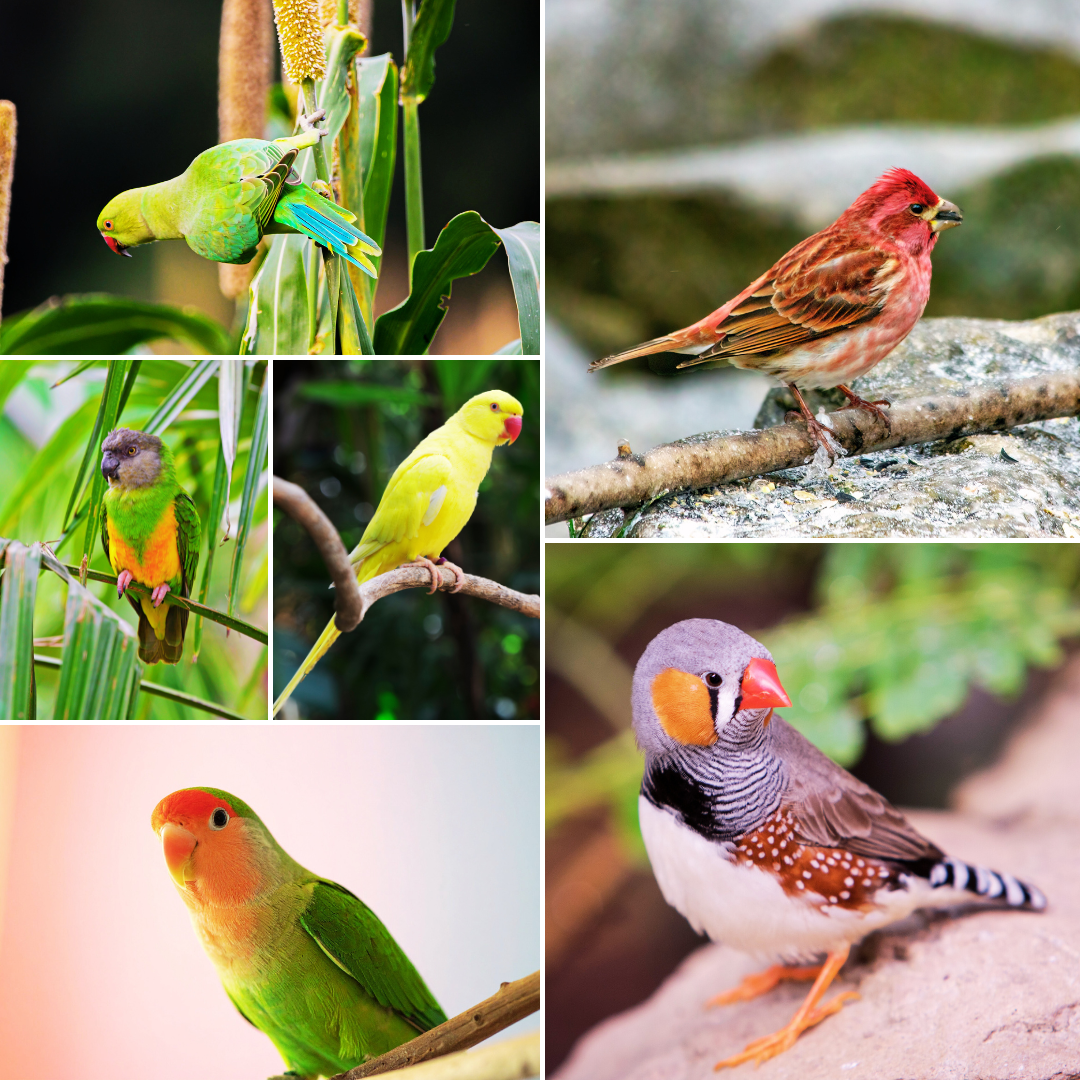
3. Lovebirds
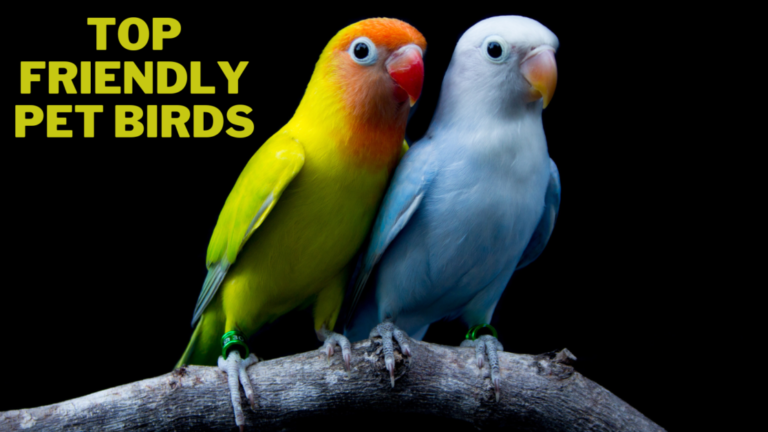
Lovebirds are small, colourful parrots known for their lively and curious personalities. Different species and colour varieties display shades of green, yellow, peach, orange, blue, and other colours.
These social birds can form strong relationships with their companions and caregivers. Although they are generally not known for extensive talking ability, they communicate through vocalizations, body language, and playful behaviour.
Care
Lovebirds are energetic parrots that need plenty of opportunities to climb, chew, explore, and play. Foraging toys and bird-safe chewable materials can help keep their active minds occupied.
Social needs are also important, but individual birds differ in how much handling they enjoy. Regular, positive interaction can help build trust without forcing physical contact.
Lovebirds kept together may form very close relationships with one another, while a single bird will generally need considerable social interaction from its caregiver. Either arrangement still requires daily observation, enrichment, and appropriate exercise.
Supervised time outside the cage can provide additional opportunities for flying and exploration. Their small size should not be mistaken for small exercise or enrichment needs.
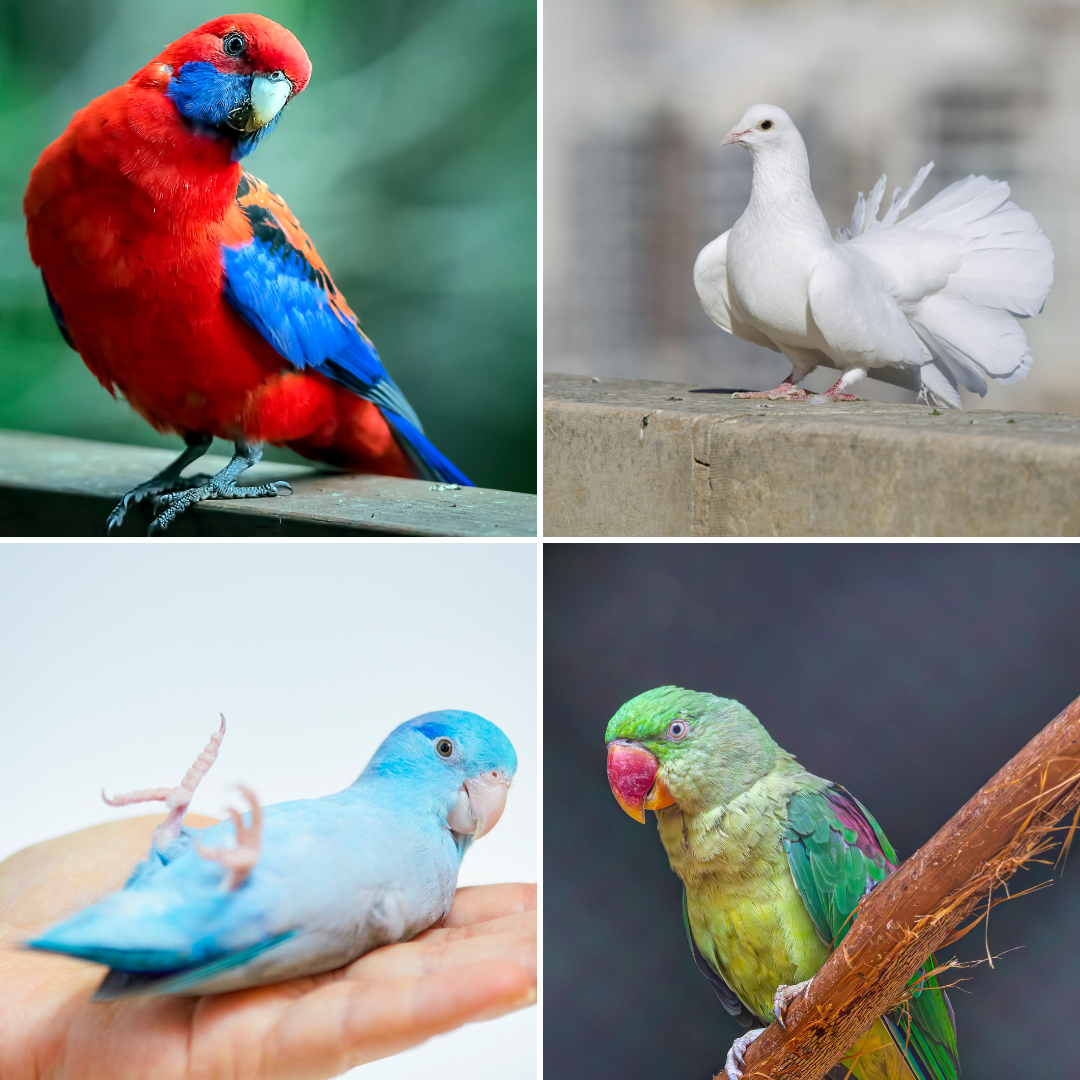
4. Parrotlets
Parrotlets are tiny parrots known for having bold, energetic personalities despite their small size. Their plumage varies by species and colour mutation, with green and blue among the colours commonly seen in companion birds.
Parrotlets are intelligent, curious, and often very active. Some can learn words and sounds, although talking ability varies considerably between individual birds.
Care
Parrotlets need plenty of opportunities to climb, explore, chew, and play. Their tiny size does not mean they require less mental stimulation or exercise than other parrots.
These confident little birds can sometimes become territorial, particularly around their enclosure or favourite objects. Gentle handling, positive training, and respecting their body language can help encourage comfortable interactions.
Foraging toys, bird-safe chewable materials, and climbing opportunities can keep them occupied. Supervised out-of-cage time also gives them additional space to explore and exercise.
Parrotlets can have surprisingly strong beaks for their size, so supervise interactions with other birds carefully. Their bold personalities can occasionally lead them to challenge birds considerably larger than themselves.
5. Canaries
Canaries are small birds best known for their beautiful songs and colourful plumage. Selective breeding has produced wide varieties with different colours, feather types, body shapes, and singing characteristics.
Male canaries are particularly well known for their singing ability. Unlike many parrots, canaries generally do not seek frequent handling, making them appealing to people who prefer watching and listening to their birds.
Care
Canaries need enough horizontal space to fly and move naturally within their enclosure. Varied perches placed at different heights can provide additional opportunities for movement and exercise.
Bathing is an important natural behaviour for many canaries. Offering a shallow bird bath regularly lets them bathe when they choose and supports normal feather care.
Canaries generally prefer less hands-on interaction than companion parrots. A calm environment where they can sing, explore, bathe, and observe household activity may suit them better than frequent handling.
Their singing and activity can also provide useful clues about their usual behaviour. Pay attention to noticeable changes in activity, appetite, posture, or vocalization.
6. Finches
Finches are small, active birds known for their lively behaviour and varied colours and markings. Different species have distinctive appearances, songs, and social behaviours.
Many commonly kept finches suit observation better than frequent handling. Their activity, soft vocalizations, and interactions with other finches can make them fascinating birds to watch.
Care
Finches are active flyers, so horizontal cage space is especially important. Their enclosure should provide enough open room for short flights rather than being crowded with toys and perches.
Many commonly kept finch species benefit from companionship with compatible birds of their own kind. Appropriate groupings depend on the species, available space, and individual birds.
Finches generally prefer less direct handling than companion parrots. Providing a calm environment where they can fly, perch, forage, bathe, and interact naturally is often more appropriate.
Their small size can make subtle health changes easy to miss. Watching their normal eating, activity, vocalization, and social behaviour can help you notice when something changes.
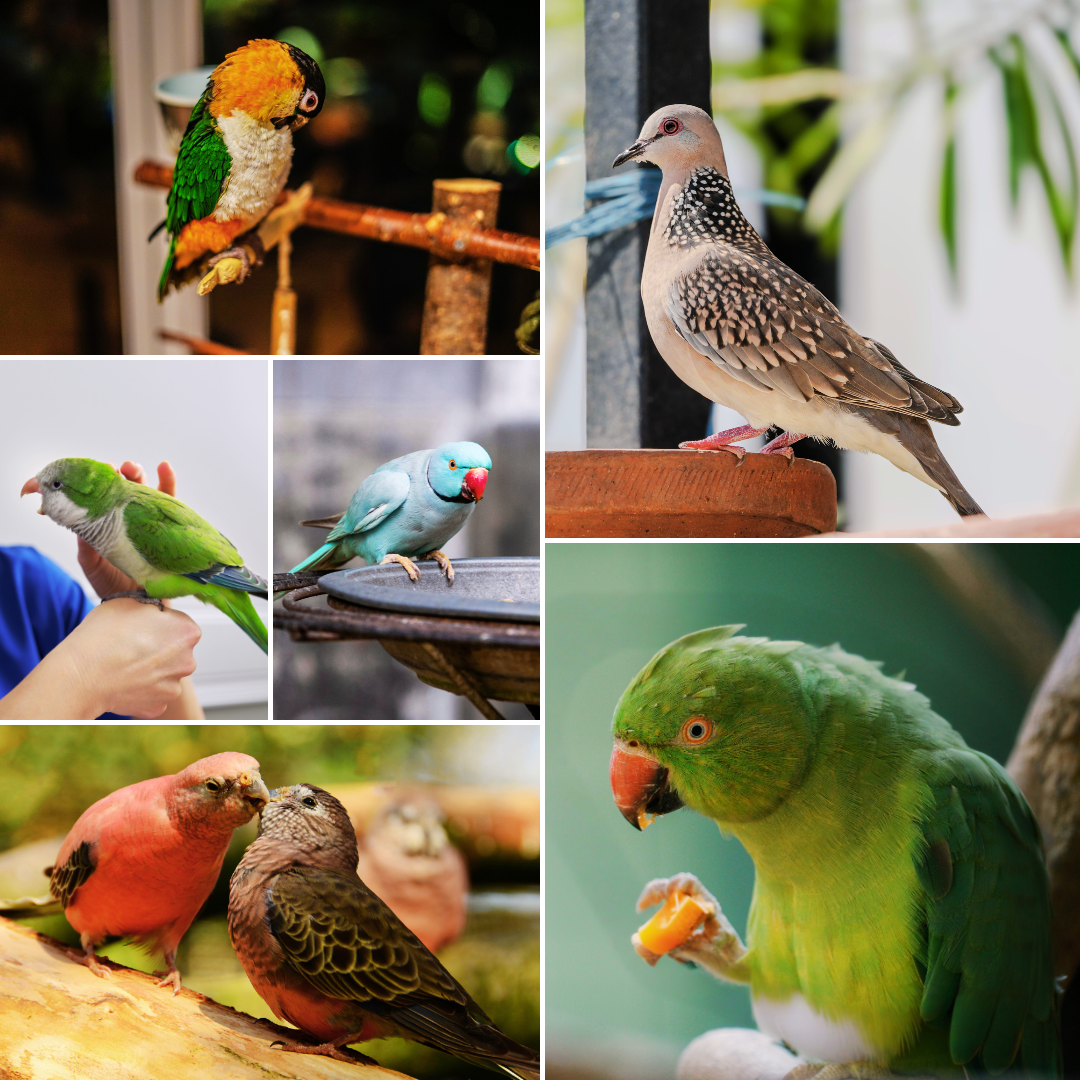
7. Green-Cheeked Conures
Green-Cheeked Conures are small parrots known for their playful, curious, and energetic personalities. Their plumage typically includes green feathers, a darker head, a maroon tail, and colourful markings on the chest and wings.
These intelligent birds can learn simple tricks and may enjoy considerable interaction with their caregivers. Individual personalities vary, however, and their relatively small size should not be mistaken for low care or social needs.
Care
Green-Cheeked Conures are active climbers and explorers that need plenty of physical and mental stimulation. Foraging activities, chewable toys, climbing opportunities, and supervised exercise can help keep them engaged.
These parrots often enjoy regular interaction and can become very involved in household activities. Positive training provides another useful way to engage their intelligence while teaching practical behaviours such as stepping onto a hand or perch.
Green-Cheeked Conures are sometimes considered quieter than larger conures, but they can still produce loud calls. Their potential noise level is worth considering before choosing one for an apartment or other shared living environment.
Some individuals enjoy close physical interaction, while others prefer more personal space. Watching their body language and allowing them to choose how they interact helps respect those individual differences.
8. Doves
Doves are gentle birds known for their calm behaviour, graceful movements, and distinctive cooing. Companion doves come in different colours and patterns, including white, grey, brown, and combinations of these shades.
Unlike parrots, doves generally do not imitate human speech and often require less direct interaction. They can become comfortable around people, making them appealing to beginners who enjoy quieter companion birds.
Care
Doves need enough horizontal space to walk, stretch their wings, and fly short distances. Platform-style perches and shelves can be particularly useful because doves often prefer flatter resting surfaces to narrow parrot-style perches.
Many doves enjoy bathing, so a shallow bird bath can provide both enrichment and an opportunity for natural feather care. They also benefit from safe opportunities to move and exercise outside their enclosure when appropriate.
Doves are social birds, but housing arrangements should be considered carefully. Compatible companions may enjoy living together, although keeping a pair can also introduce nesting and reproductive behaviour.
Gentle, patient interaction can help a dove become comfortable around people without requiring frequent handling. Their relatively quiet nature does not mean they are maintenance-free; they still need appropriate nutrition, exercise, enrichment, and regular health monitoring.
9. Monk Parakeets
Monk Parakeets, also known as Quaker Parrots, are small to medium-sized parrots with green plumage, grey colouring on the face and chest, and lively personalities. They are intelligent, social birds known for their strong vocal and problem-solving abilities.
Many Monk Parakeets can learn to imitate words, phrases, and household sounds. Their intelligence and outgoing nature can make them engaging companions, although they require considerable interaction and mental stimulation.
Care
Monk Parakeets are energetic birds that enjoy climbing, chewing, exploring, and manipulating objects. Foraging toys, bird-safe chewable materials, and puzzle-style activities can provide useful outlets for their intelligence.
These parrots are unusual because wild Monk Parakeets build large communal stick nests rather than relying on tree cavities. Companion birds may also show strong nesting and building behaviours, making shreddable and manipulable materials particularly interesting enrichment.
They can become protective of their enclosure, favourite toys, or other valued spaces. Positive training and respecting their body language can help manage interactions without forcing handling.
Monk Parakeets can also be quite vocal, despite their relatively small size. Their noise level, social needs, and need for regular enrichment are important considerations for a first-time bird parent.
10. Pionus Parrots
Pionus Parrots are medium-sized parrots known for their relatively calm personalities and distinctive colouring. Depending on the species, their plumage may include shades of green, blue, bronze, red, and purple.
They are often considered quieter than many other medium-sized parrots, although they can still produce loud calls. Some individuals learn words and sounds, but they are generally less renowned for talking than species such as African Greys or Amazon Parrots.
Care
Pionus Parrots often enjoy social interaction without demanding constant physical attention. This can appeal to beginners who want an interactive parrot while respecting a bird’s need for independent activity.
They are intelligent and curious, so climbing opportunities, foraging activities, and bird-safe chewable toys provide important mental and physical stimulation. Regular supervised exercise outside the enclosure gives them additional opportunities to explore.
Pionus Parrots can sometimes appear more reserved around unfamiliar people or situations. Patient interaction and positive training allow them to become comfortable at their own pace rather than forcing contact.
Although often described as relatively quiet parrots, they should not be considered silent or low-maintenance. Their intelligence, social needs, and potentially long lives still require a substantial commitment from a first-time bird parent.
11. Bourke’s Parakeets
Bourke’s Parakeets are small Australian parrots known for their generally calm nature and relatively quiet vocalizations. Their soft colouring often includes shades of pink, brown, blue, and grey.
Unlike many parrots that are most active throughout the day, Bourke’s Parakeets are naturally most active around dawn and dusk. Their quieter nature can appeal to first-time bird parents who prefer a less vocal companion.
Care
Bourke’s Parakeets are active flyers and benefit from plenty of horizontal space for movement. A wide enclosure or aviary with open flying space is particularly valuable for these birds.
Their natural activity patterns mean they may become especially lively in the early morning and evening. Allowing them to follow this rhythm while providing a quiet environment for nighttime rest can support their normal behaviour.
These birds often enjoy companionship but may be less interested in frequent handling than some companion parrots. Patient interaction and allowing the bird to approach voluntarily can help build trust.
Provide opportunities to fly, forage, bathe, and explore without overcrowding their enclosure. Don’t mistake their calm reputation for a lack of need for exercise and enrichment.
12. Lineolated Parakeets
Lineolated Parakeets, often called Linnies, are small parrots known for their generally calm nature and distinctive barred markings. Their plumage occurs in several colours, including green, blue, and turquoise.
Linnies are often quieter than many other small parrots, although individual birds can still be vocal. They are intelligent, curious birds that may enjoy gentle interaction and learning simple behaviours.
Care
Lineolated Parakeets have an unusual tendency to climb and move through branches rather than constantly fluttering from perch to perch. Horizontal cage bars, ladders, branches, and other climbing opportunities can help accommodate this natural behaviour.
They also enjoy exploring, foraging, and chewing, so shreddable toys and activities that encourage them to search for food can provide useful mental stimulation. Safe supervised time outside the enclosure offers additional opportunities for movement and exploration.
Linnies may enjoy interacting with their caregivers, but handling preferences vary. Calm conversation, positive training, and allowing the bird to approach voluntarily can help build trust.
Although they are often quieter than many parakeets, that does not make them silent or automatically suitable for every apartment. Their need for exercise, enrichment, and social interaction remains just as important.
13. Meyer’s Parrots
Meyer’s Parrots are small African parrots with predominantly green plumage and colourful markings that may include blue and yellow. They are intelligent, curious birds with personalities that can range from playful and social to relatively independent.
Compared with some larger parrots, Meyer’s Parrots are often less vocal, although they can still whistle, call, and imitate sounds. Their combination of curiosity and independence may appeal to first-time bird parents prepared for the long-term responsibilities of parrot care.
Care
Meyer’s Parrots enjoy exploring, climbing, chewing, and investigating objects around them. Bird-safe chewable toys, foraging activities, and climbing opportunities can provide useful outlets for these natural behaviours.
They can enjoy interaction with their caregivers while also spending time entertaining themselves. Providing opportunities for both social activity and independent play can help create a varied daily routine.
Positive training can provide additional mental stimulation while helping with useful behaviours such as stepping onto a hand or perch. Individual birds differ in how much physical handling they enjoy, so their body language should guide interactions.
Meyer’s Parrots may be quieter than some other parrots, but they can still produce noticeable calls. Their intelligence and potentially long lifespan also make them a significant commitment rather than a low-maintenance beginner bird.
14. Senegal Parrots
Senegal Parrots are small to medium-sized African parrots known for their intelligence, curiosity, and playful personalities. Their distinctive plumage typically combines a grey head, green wings and back, and yellow, orange, or red colouring across the chest and abdomen.
Many Senegal Parrots enjoy interacting with their caregivers and can learn words, sounds, and simple behaviours. They are often quieter than some larger parrots, although individual birds can still be quite vocal.
Care
Senegal Parrots are intelligent birds that benefit from regular opportunities to explore, forage, chew, and solve simple challenges. Puzzle toys, bird-safe chewable materials, and positive training can help keep their minds engaged.
Some Senegal Parrots form particularly strong attachments to one person and may become protective of favourite people, spaces, or objects. Positive socialization with different people and experiences can help encourage more comfortable interactions.
They can be playful and energetic but may also appreciate periods of independent activity. Providing both social interaction and opportunities for self-directed play can create a more balanced daily routine.
Senegal Parrots have strong beaks and confident personalities, so learning to recognize their body language is especially helpful. Their quieter reputation should not be confused with being low-maintenance, as they still require considerable enrichment, exercise, and long-term care.
15. Indian Ringneck Parakeets
Indian Ringneck Parakeets are medium-sized parrots known for their slender bodies, long tails, and striking plumage. Green is their natural colour, although breeders also produce blue, yellow, white, and other colour variations.
These intelligent and curious birds can become skilled at imitating words and sounds, although talking ability varies between individuals. They can also be independent and strong-willed, so patient interaction and positive training are especially important.
Care
Indian Ringneck Parakeets are energetic birds that need plenty of opportunities to fly, climb, chew, and explore. Their long tails and active nature make generous space for movement especially important.
These parrots are strong chewers, so bird-safe branches, shreddable materials, and sturdy toys can provide appropriate outlets for this natural behaviour. Foraging and training activities can also help challenge their active minds.
Indian Ringnecks can be more independent than some companion parrots and may not always seek physical affection. Positive training and allowing the bird to choose when to interact can help build trust without forcing handling.
They can also be quite vocal and may produce powerful calls in addition to mimicking speech. Their intelligence and exercise needs require regular attention and activity.
Their independent personalities can make them rewarding companions for people who appreciate that trait. First-time bird parents should be prepared to devote considerable time to training and enrichment.
16. Peach-Faced Lovebirds
Peach-Faced Lovebirds are small, colourful parrots with lively personalities and distinctive peach-coloured faces. Their natural green plumage is also found in many colour variations among companion birds.
These energetic parrots are curious, playful, and highly social. They can form strong relationships with other lovebirds or their caregivers, though individual personalities and handling preferences vary.
Care
Peach-Faced Lovebirds are active birds with a strong need to climb, chew, explore, and investigate their surroundings. Shreddable materials, foraging activities, and bird-safe chew toys can provide useful outlets for these behaviours.
They are particularly well known for shredding paper and other materials, and females may tuck strips of nesting material into their feathers.
This fascinating behaviour can be enjoyable to observe, although providing nesting materials can also encourage breeding behaviour.
A single lovebird can receive social interaction from its caregiver, while compatible lovebirds may enjoy living together. Keeping a pair does not eliminate the need for appropriate enrichment, exercise, and regular observation.
Peach-Faced Lovebirds can also be confident and sometimes territorial despite their small size. Patient interaction and attention to body language can help first-time bird parents respect their boundaries while building trust.
17. Zebra Finches
Zebra Finches are small, energetic birds known for their lively behaviour and distinctive markings. Males typically have orange cheek patches and patterned chests, while females generally have more subdued colouring.
These active birds communicate through calls and simple songs rather than human speech. They are highly social and generally do better with compatible finch companions than with people for social interaction.
Care
Zebra Finches are active flyers and need plenty of horizontal space for movement. An enclosure with open flying room allows them to exercise naturally throughout the day.
Social companionship is particularly important for Zebra Finches. Compatible pairs or groups can interact, vocalize, preen, and engage in many of the social behaviours typical of the species.
They generally prefer being watched rather than frequently handled. Keeping unnecessary handling to a minimum allows them to behave more naturally while still becoming accustomed to their caregivers.
Zebra Finches also enjoy bathing and may enthusiastically use a shallow bird bath when one is provided. Their constant movement, social interactions, and cheerful vocalizations can make them fascinating birds to observe.
18. Society Finches
Society Finches, also known as Bengalese Finches, are small domesticated finches with plumage that may include brown, white, cream, and patterned markings.
Unlike many companion birds, Society Finches were developed in captivity and do not exist naturally in the wild. These gentle birds are highly social and are generally happiest with compatible finch companions.
Their soft vocalizations and active social behaviour can appeal to beginners who prefer watching birds rather than handling them often.
Care
Society Finches are active flyers and benefit from plenty of horizontal space where they can move freely. Open flying room is more valuable than filling their enclosure with too many toys and accessories.
These finches are particularly social and are generally kept with compatible companions rather than alone. Watching them interact, perch together, and communicate is an important part of their appeal.
Society Finches are also known for readily building nests and may show strong nesting behaviour. Provide nest boxes and nesting materials only when breeding is intended, since encouraging nesting can lead to unwanted reproductive behaviour.
Like many finches, they generally prefer minimal handling and are better suited to observation and gentle interaction. A calm environment that allows them to fly, bathe, forage, and socialize supports their natural behaviour.
19. Crimson Rosellas
Crimson Rosellas are medium-sized Australian parrots known for their striking red and blue plumage. They are intelligent, curious birds that can learn whistles and occasionally imitate words or other sounds.
Crimson Rosellas can become comfortable around people, but they are often more independent than many companion parrots. Their need for space, exercise, and patient socialization is important for first-time bird parents to consider.
Care
Crimson Rosellas are strong, active flyers and benefit from generous horizontal space for movement. Safe supervised opportunities for flight can provide additional exercise and exploration.
These intelligent birds enjoy foraging, chewing, and investigating their surroundings. Bird-safe branches, chewable materials, and varied enrichment activities can help keep them physically and mentally engaged.
Rosellas can sometimes become territorial, particularly around their enclosure or when interacting with other birds. Careful supervision around other birds and attention to body language are therefore especially important.
Crimson Rosellas may enjoy interaction without necessarily seeking frequent physical handling. Patient, positive interaction allows them to build trust while respecting their naturally more independent personalities.
20. Alexandrine Parakeets
Alexandrine Parakeets are medium to large parrots known for their long tails, predominantly green plumage, and distinctive red patches on their wings. Adult males typically develop a coloured ring around the neck as they mature.
These intelligent parrots can learn to imitate words and sounds and may enjoy considerable interaction with their caregivers. Their size, powerful beaks, exercise needs, and long-term commitment deserve careful consideration by first-time bird parents.
Care
Alexandrine Parakeets are active birds that need generous space for climbing, flying, and exploring. Their long tails also require an enclosure that allows them to move comfortably without constantly brushing against bars or furnishings.
Their powerful beaks make chewing an especially important natural behaviour. Sturdy bird-safe branches, chewable materials, and toys designed for larger parakeets can provide appropriate outlets.
These intelligent birds also benefit from positive training, foraging activities, and regular opportunities to explore safely. Without enough stimulation, they may develop unwanted behaviours, making daily enrichment particularly important.
Alexandrines can be independent as well as social, and individual birds vary in how much physical handling they enjoy. Patient interaction and respect for their body language can help build trust while allowing their personalities to develop naturally.
21. Pacific Parrotlets
Pacific Parrotlets are tiny parrots known for their bold personalities and compact size. Their natural plumage is primarily green, although companion birds are also found in blue and other colour variations.
Despite their small size, Pacific Parrotlets are intelligent, curious, and energetic. They can form strong relationships with their caregivers, but their confident personalities mean they are not necessarily low-maintenance beginner birds.
Care
Pacific Parrotlets need plenty of opportunities to climb, chew, forage, and explore. Their small bodies conceal surprisingly strong beaks, so sturdy bird-safe toys and chewable materials are particularly useful.
These little parrots can become territorial around their enclosure, favourite toys, or other valued spaces. Positive training and respecting their body language can help encourage comfortable interactions.
Pacific Parrotlets can also be assertive with other birds, including birds much larger than themselves. Interactions with other birds should therefore be carefully supervised rather than assuming their small size makes them harmless.
They benefit from regular social interaction while also having opportunities for independent play. Patient training, safe exploration, and varied enrichment can keep their active minds and bodies engaged.
22. White Doves
White Doves are domesticated doves valued for their graceful appearance, gentle behaviour, and distinctive cooing. Their white plumage makes them especially striking, although their care needs are similar to those of other domesticated doves.
They generally do not imitate human speech and may prefer calm interaction rather than frequent handling. Their peaceful nature can appeal to first-time bird parents who enjoy observing and interacting gently with their birds.
Care
White Doves need enough horizontal space to walk, stretch their wings, and fly short distances. Flat shelves and platform-style perches can provide comfortable resting places alongside other suitable perches.
Many enjoy bathing, walking along the enclosure floor, and exploring their surroundings. Safe opportunities for movement and supervised indoor exercise can provide additional physical and mental stimulation.
White Doves can live with compatible companions, but keeping a pair may also encourage courtship and reproductive behaviour. Nesting areas and materials are unnecessary unless you intend to breed.
Gentle, patient interaction can help them become comfortable around their caregivers. Their calm temperament does not make them low-maintenance, as they still need daily care, exercise, enrichment, and attention to their health.
Setting Up Your Bird’s Cage
A well-organized cage provides a safe and comfortable home for your bird. Setting it up carefully gives your bird space to move, exercise, rest, eat, and engage in natural behaviours.
The right setup depends on your bird’s species, size, and activity level. Cage dimensions, bar spacing, perches, toys, food and water placement, and location all play an important role.
Taking time to plan these details can create a safer and more enriching environment. The following steps cover the main areas to consider when setting up your bird’s cage.
1. Choose The Right Cage Size And Bar Spacing
The first step is choosing the right size cage. Cage size and bar spacing should suit your bird’s species, size, activity level, and natural movement.
Smaller birds such as budgies and finches still need generous horizontal flying space. Larger parrots, including conures and Amazons, require considerably more room for comfortable movement and exercise.
Horizontal space is particularly important for birds that fly frequently. Adequate height also provides room for climbing, perching, and arranging the enclosure without overcrowding it.
Cage material and construction also matter. Stainless steel and suitable powder-coated cages can be good choices when the surfaces are intact and made from bird-safe materials.
Avoid cages with peeling paint, exposed toxic metals, damaged coatings, or weak bars. Bar spacing should suit the species to reduce the risk of escape or injury.
2. Add Safe And Comfortable Perches
Inside the cage, provide several suitable perches for resting, climbing, and foot exercise. Natural bird-safe wood perches with varying diameters and textures can encourage different gripping positions.
Avoid sandpaper-covered perches because their abrasive surfaces can irritate a bird’s feet. Position perches at different heights without overcrowding the available flying and movement space.
3. Provide Toys And Enrichment
Toys and enrichment are another important part of the setup. Foraging toys, swings, bells, shreddable materials, and other bird-safe activities can encourage exploration and natural behaviours.
Choose toys appropriate for your bird’s size and inspect them regularly for loose threads, damaged parts, sharp edges, or other hazards. Check ropes frequently for fraying that could cause entanglement.
Chewable toys are particularly valuable for parrots because chewing is a natural behaviour. Rotating some toys periodically can provide variety without constantly removing familiar favourites.
4. Arrange Food And Water Safely
Keep food and water containers easily accessible and positioned where they are less likely to become contaminated by droppings. Wash the containers regularly and provide fresh drinking water every day.
Dietary needs vary considerably among bird species, so choose food based on the species and veterinary guidance. Seeds, pellets, vegetables, fruits, and other foods are not appropriate in the same proportions for every bird.
5. Choose A Safe Cage Liner And Cleaning Routine
Lining the cage floor with plain paper, paper towels, or another bird-safe liner makes routine cleaning easier. Paper liners also let you notice changes in your bird’s droppings.
Remove soiled material regularly and clean the enclosure, perches, dishes, and toys as needed. When you need cleaning products, choose ones that are safe for birds and follow the directions carefully.
6. Find The Best Location For The Cage
Finally, consider where you will place the cage. Many companion birds enjoy observing household activity while also having access to a quieter area where they can rest without constant disturbance.
Keep the cage away from drafts, smoke, aerosols, and potentially harmful fumes. Kitchens can be particularly hazardous because cooking fumes and overheated non-stick cookware can pose serious risks to birds.
Provide a quiet, dark environment for nighttime rest. Some birds may be comfortable with a breathable cage cover, while others rest well without one, so covering the cage isn’t a universal rule.
Turn Your Passion for Nature Into Income
🌿 Whether you love gardening, caring for animals, or exploring holistic living,
You can share your knowledge online and earn from it.
Discover how nature lovers are growing their passions into meaningful, income-generating blogs. 👇
Training And Bonding Tips For Pet Birds
Training and bonding can help you build a positive relationship with your pet bird. Patience, consistency, and respect for your bird’s personality matter throughout the process.
Some birds may quickly become comfortable interacting with people, while others need considerably more time. Letting your bird progress at its own pace can make each interaction more comfortable.
Positive reinforcement can encourage useful behaviours while providing valuable mental stimulation. Training sessions can also become another form of enrichment and a way to communicate with your bird.
Bonding does not have to involve frequent touching or handling. Talking quietly, offering preferred treats, playing, training, and simply spending time nearby can all provide opportunities for interaction.
The following training and bonding tips can help you develop trust while respecting your bird’s boundaries. They can also help make everyday interaction more comfortable and enjoyable for both you and your bird.
1. Start With Trust Building
Before beginning formal training, focus on helping your bird feel comfortable around you. Spend quiet time nearby, speak calmly, and let your bird get familiar with your presence.
Allow your bird to approach and interact voluntarily rather than forcing contact. A calm approach to bonding with pet birds can help build trust while respecting your bird’s individual boundaries.
2. Hand-Feeding Treats
Offering treats by hand can help your bird associate your presence with positive experiences. Choose a small, bird-safe favourite, such as millet for species that enjoy it, and offer it without moving your hand toward the bird.
Allow your bird to decide whether and when to approach. As your bird becomes more comfortable taking treats from you, hand-feeding can become a useful part of positive training and trust-building.
5. Teach The Step-Up Cue
Teaching your bird to step onto a hand or perch can make everyday handling safer and easier. Use a verbal cue such as “step up” and reward your bird when it voluntarily performs the behaviour.
Avoid pushing against your bird or forcing it to step onto your hand. Positive, gradual practice can make the behaviour useful during cage cleaning, supervised playtime, and other situations when you need to move your bird safely.
6. Respect Personal Space
Birds may need time to adjust to new people, surroundings, and routines. Let your bird get comfortable at its own pace rather than forcing handling or interaction.
Watch your bird’s overall body language, including posture, movement, vocalizations, and willingness to approach. Respecting these signals can help build trust and make future interactions more comfortable.
7. Incorporate Daily Interaction
Regular interaction can help your bird become comfortable with your presence and provide valuable social and mental stimulation. Talking, training, playing, or simply spending quiet time nearby can all become part of the daily routine.
Some birds enjoy gentle physical contact, while others prefer interaction without being touched. Pay attention to your bird’s preferences and provide consistent social opportunities without assuming that every bird needs the same type or amount of attention.
8. Offer A Variety Of Toys
Toys provide valuable mental and physical stimulation while encouraging natural behaviours such as climbing, chewing, foraging, and exploring. Offer a variety of bird-safe toys suited to your bird’s species, size, and individual interests.
Some birds may also enjoy interactive play with their caregivers, while others prefer exploring toys independently. Rotating toys periodically can add variety while keeping familiar favourites available.
9. Create Positive Associations
Help your bird associate your presence with comfortable and rewarding experiences. Calm conversation, preferred treats, play, or simply spending quiet time nearby can all contribute to positive interactions.
Avoid forcing contact, scolding, or deliberately frightening your bird during training. Consistent positive experiences can encourage your bird to approach and participate voluntarily while supporting trust and communication.
10. Teach Simple Tricks
Teaching simple tricks can provide mental stimulation and make training more engaging. Depending on your bird’s abilities, you might teach behaviours such as waving, spinning, or touching a target.
Use positive reinforcement and introduce one behaviour at a time. Gradually build on familiar skills as your bird becomes comfortable and stays interested in training.
11. Use Clicker Training
You can use a clicker as a marker to identify the exact moment your bird performs a desired behaviour. Follow the click with a preferred reward to help your bird learn what action earned it.
Clicker training is optional, and you can also use a consistent verbal marker. Whichever method you choose, clear timing and positive reinforcement can make training easier for your bird to understand.
12. Encourage Out-of-Cage Play
Supervised time outside the cage provides opportunities for exercise, exploration, and interaction. Allow your bird to explore at its own pace in a secure, bird-safe area.
Before opening the cage, close windows and doors, turn off ceiling fans, and remove other potential hazards. Gentle play, training, or target games can provide additional physical and mental stimulation during this time.
13. Speak Calmly And Softly
Your voice can influence how comfortable your bird feels during interactions. Speak calmly and avoid shouting or sudden changes in volume that may startle your bird.
Talking, whistling, or using familiar verbal cues can become part of your daily communication. A consistent, relaxed approach can help make training and other interactions more comfortable for your bird.
14. Observe Body Language
Learning your bird’s body language can help you understand when it feels comfortable, curious, excited, or uneasy. Pay attention to posture, feathers, eyes, vocalizations, movement, and willingness to interact.
Avoid relying on a single signal, since behaviours such as raised crests or fluffed feathers can have different meanings depending on the situation. Looking at several signals together can help you decide when to continue an interaction or give your bird more space.
15. Establish A Routine
A predictable daily routine can help your bird get used to regular feeding, interaction, play, training, and rest periods. Consistency can make everyday activities easier for your bird to anticipate.
The routine does not need to follow an exact schedule every day. Maintaining some flexibility while providing familiar patterns can help your bird adjust comfortably when normal household activities change.
16. Avoid Punishment
Avoid punishing or scolding your bird for unwanted behaviour. Instead, reward desired behaviours and redirect your bird to a more appropriate activity when possible.
Punishment can interfere with trust and may make interactions more stressful or unpredictable for your bird. Positive reinforcement and patient guidance offer a clearer, more respectful approach to training.
Frequently Asked Questions
Q1: Which Pet Bird Is The Most Affectionate?
Affection varies considerably between individual birds, even within the same species. Cockatiels are often known for enjoying social interaction, but not every bird will enjoy sitting on a shoulder or being touched.
A bird’s personality, early experiences, socialization, and individual preferences all influence how it interacts with people. Letting the bird choose contact matters more than expecting a certain level of affection.
Q2: Do Beginner Birds Talk?
Some beginner-friendly birds, including budgies, Monk Parakeets, and Indian Ringneck Parakeets, may learn to imitate words and phrases. Talking ability varies considerably between species and individual birds.
Don’t expect speech when choosing a pet bird. Whistling, calling, body language, and other vocalizations are also important ways birds communicate.
Q3: Do Pet Birds Need A Companion?
Some species, particularly many finches, benefit greatly from living with compatible birds of their own kind. Other companion birds may receive much of their social interaction from the people in their household.
The best arrangement depends on the species and individual bird. Keeping two birds together also does not eliminate their need for appropriate care, enrichment, exercise, and observation.
Q4: How Much Attention Does A Pet Bird Need?
The amount of daily interaction a bird needs varies by species and personality. Many parrots require considerable social interaction and mental stimulation, while some finches and doves prefer less direct handling.
Interaction can include talking, training, playing, providing enrichment, or simply spending time nearby. Your bird’s behaviour can help guide the type and amount of interaction it enjoys.
Q5: What Should I Consider Before Choosing My First Pet Bird?
Consider the bird’s size, noise level, lifespan, social needs, housing requirements, diet, exercise, and need for enrichment. Some species also require considerably more training and daily interaction than others.
Think about how those needs fit your home and lifestyle before choosing a bird. A species that suits your available time, space, and preferred level of interaction can make the experience more enjoyable.
Q6: How Long Do Pet Birds Live?
Lifespan varies greatly among bird species. Some smaller companion birds may live for several years, while many parrots can live for decades with appropriate care.
Research the particular species before bringing a bird home. A potentially long lifespan is an important consideration because some companion birds require a commitment lasting many years.
Conclusion
Choosing among Pet Birds For Beginners becomes easier when you understand how different species fit different homes and lifestyles. Size, noise level, social needs, exercise, enrichment, and long-term care are all important considerations.
Budgies, cockatiels, finches, doves, and other companion birds each offer very different experiences. Learning about a species before bringing one home can help you prepare for its particular needs and natural behaviours.
The right environment, appropriate care, mental stimulation, and respectful interaction can support your bird’s health and well-being. Letting your bird’s personality guide your relationship can also make living together more rewarding.
I trust you enjoyed this article on Best Pet Bird for Beginners You Will Love. Please stay tuned for more inspiring guides, helpful tips, and ideas to help you live closer to nature every day.
Take care!
— JeannetteZ
💬 Your Opinion Is Important To Me
Do you have thoughts, ideas, or questions? I’d love to hear from you. Please leave your comments below or email me directly at Jeannette@Close-To-Nature.org.
📚 More Nature-Inspired Reads
Explore more ways to connect with nature, nurture your pets, and live in harmony with the world around you 🌿