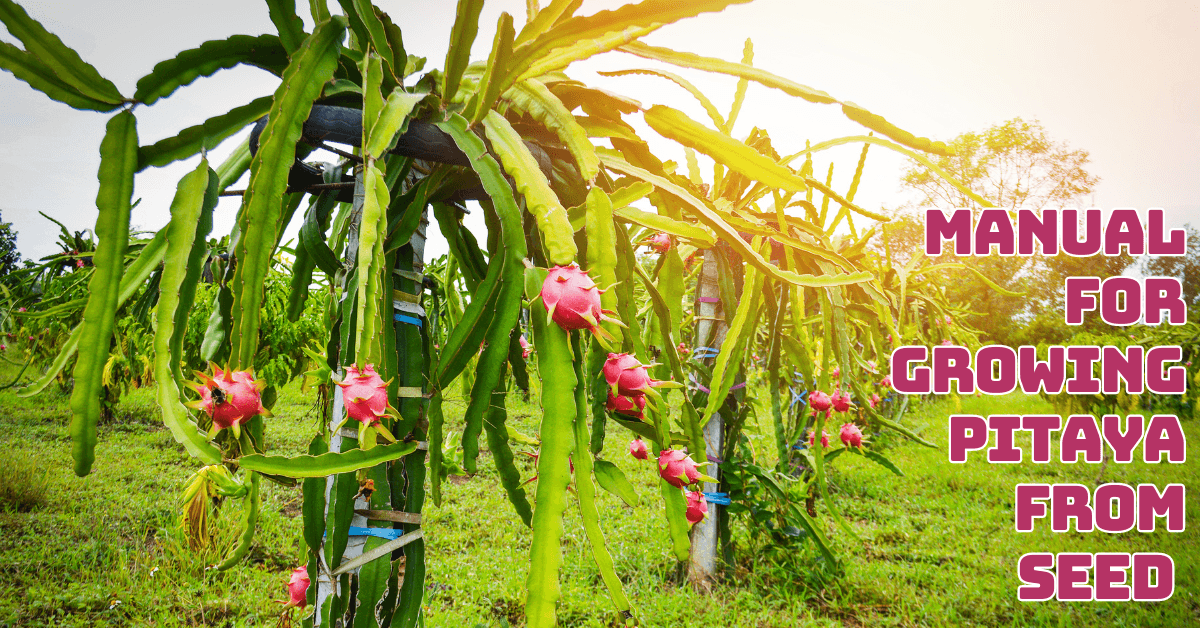
Growing Pitaya From Seeds: A Step-By-Step Guide

Growing Pitaya From Seeds is a rewarding way to cultivate one of the world’s most fascinating tropical fruits. Known for its striking appearance, vibrant colours, and sweet flavour, pitaya adds an exotic touch to gardens, patios, and even indoor growing spaces.
Also known as dragon fruit, pitaya comes from a climbing cactus that thrives in warm conditions and produces spectacular blooms before developing its colourful fruit.
While growing pitaya from seeds requires patience, many gardeners find the process both enjoyable and educational as they watch the plants develop from tiny seedlings into mature specimens.
This guide will walk you through the essential steps, from preparing and germinating seeds to providing the proper care for healthy growth.
With the right conditions and consistent attention, you can successfully grow pitaya from seeds and enjoy the satisfaction of nurturing this unique tropical plant from the very beginning.
Growing Pitaya From Seeds
Growing pitaya, also known as dragon fruit, in your backyard can be satisfying. To help you develop a healthy pitaya plant, follow these important guidelines:
1. Choose The Right Pitaya Seeds
Choosing the right seeds is the primary stage in effectively developing pitaya (a winged serpent natural product). To begin, choose a ripe, fresh dragon fruit from a reputable source.
The fruit should be firm and slightly soft, with a bright colour. Overripe or damaged fruit should be avoided because its seeds may be nonviable.
After selecting a ripe dragon fruit, cut it open and remove some of the pulp and seeds. To remove any still-present pulp, thoroughly rinse the seeds in water before planting.
This step is critical because leaving pulp on the seeds can encourage mould growth and prevent germination. After cleaning, spread the seeds on a paper towel or clean surface and let them dry for a few days.
This drying period makes handling the seeds during planting easier and prevents them from clumping together. Your dried seeds can be sown in well-draining soil, setting the stage for successful germination and growth.
2. Preparing The Soil To Plant Pitaya Seeds
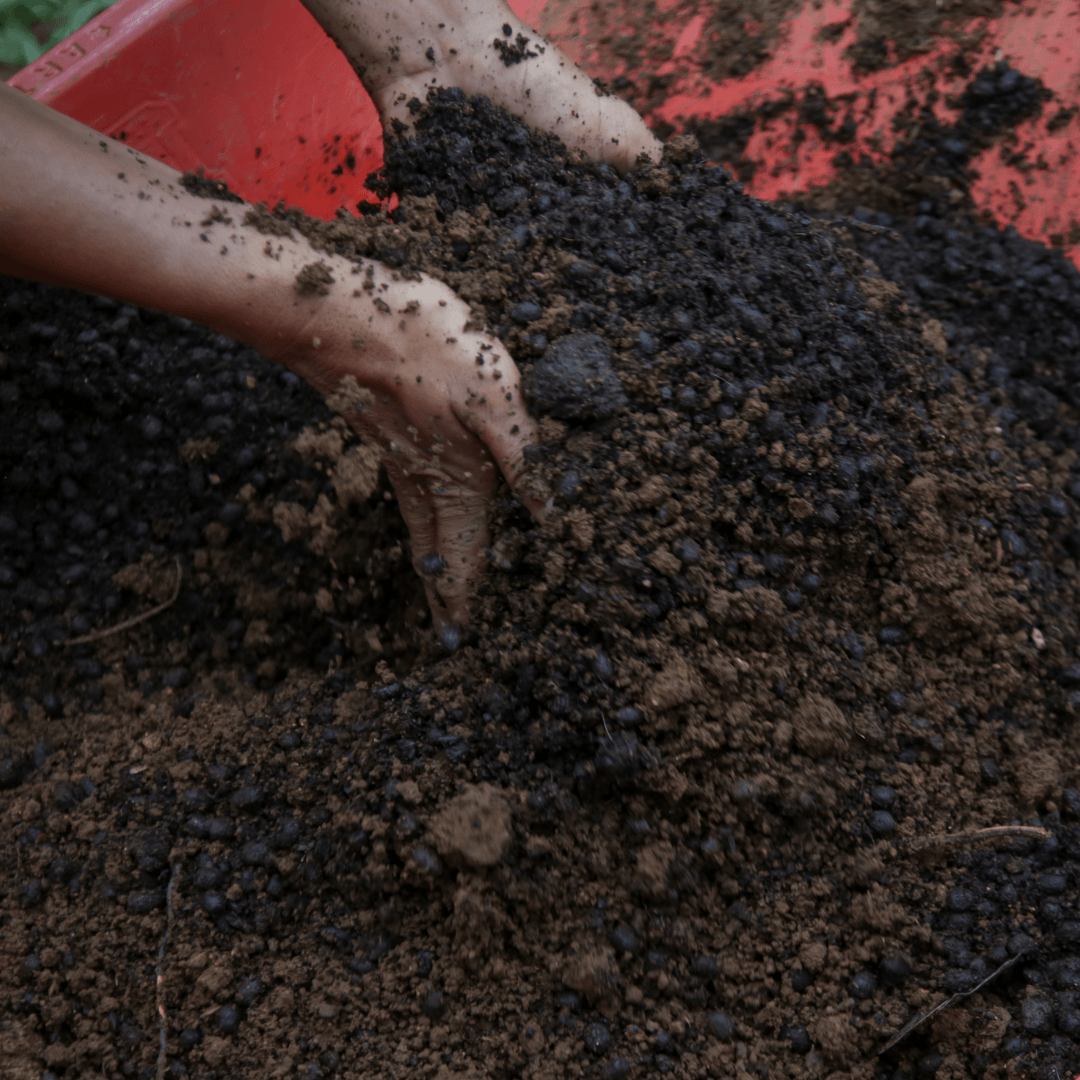
Growing pitaya (dragon fruit) from seed requires careful soil preparation. Pitaya plants thrive in well-draining soil that resembles their arid natural environment.
Pick a cacti or succulent-specific potting mix to make the ideal growing medium. These are designed to quickly drain while maintaining sufficient moisture for the seeds to germinate.
A sandy or cactus-specific potting mix is perfect because it prevents water from pooling around the seeds and roots, which can lead to rot.
You can make your cactus mix by combining regular potting soil with perlite or sand in a 2:1 ratio. This will improve drainage and aeration. Fill your prepared soil into shallow trays or small pots, gently tapping the mixture to settle it, but keep it loose and airy.
Compaction hinders seedling growth; loose soil prevents it and allows for better root penetration. Once the soil is in place, the prepared pitaya seeds can be planted to ensure strong seedling development and healthy germination.
3. Sowing Pitaya Seeds
Sowing pitaya seeds is delicate and requires careful attention to detail. To grow pitaya successfully from seed, sprinkle the seeds evenly across the prepared soil in your tray or small pots.
Carefully distribute the seeds to avoid overcrowding, which can lead to competition for nutrients and space as the seedlings grow.
After sowing, sprinkle a thin layer of dirt or sand—no more than ⅛ inch thick—over the seeds. This light covering protects the seeds while providing the warmth and light they need to germinate. A thicker layer may hinder the seeds’ ability to sprout.
After covering the seeds, water the soil lightly to moisten it. Soggy soil can cause rot or fungal problems, so it’s important not to overwater.
Misting does not disturb the seeds and keeps the soil evenly moist. Keep misting the tray or pots regularly until the seeds germinate, usually within a week to two weeks, in a warm, sunny location.
4. Creating A Humid Environment For The Pitaya Seeds
Cover the seed tray or pots with plastic wrap or a seedling dome to create the ideal humid environment for pitaya seeds.
This helps trap moisture and warmth, which are essential for germination. Ensure the soil is consistently moist, but don’t overwater it, as this can cause the seeds to rot. Mist the soil lightly when it starts to dry out.
Place the covered tray in a warm, sunny location, ideally where temperatures stay between 70-85°F (21-29°C). When growing indoors, use grow lights to ensure at least 12-14 hours of light each day.
The combination of warmth and humidity will speed up germination, which typically occurs within 1-4 weeks. Once seedlings emerge, gradually remove the plastic cover to allow airflow and prevent mould growth.
5. Germination Of Pitaya Seeds
Providing the ideal environmental conditions is essential to guaranteeing the germination of your pitaya seeds. To begin, set the pots or tray containing the seeds in a sunny, warm area.
Pitaya seeds grow best in temperatures between 70° and 85°F (21° and 29°C), so make sure the space gets enough sunlight. If there isn’t much natural light, you can use a grow light to provide the warmth and light the seeds need to sprout.
Keeping the soil moist during germination is essential, but avoid overwatering because waterlogged soil can cause seed rot.
When the top layer dries, lightly sprinkle the soil with a spray bottle. This ensures that the soil stays evenly moist and doesn’t get too wet. Pitaya seeds typically germinate within one to two weeks under these ideal conditions.
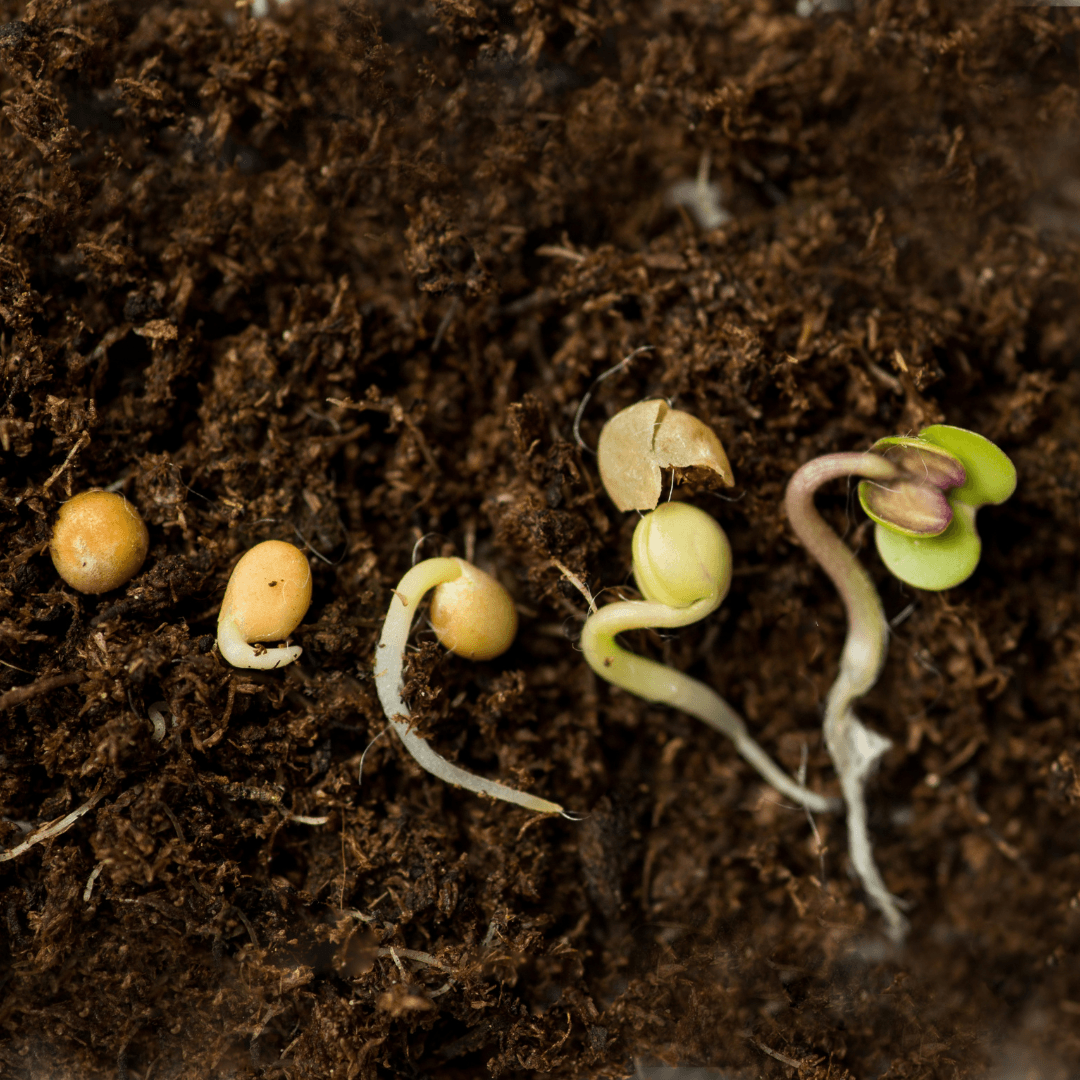
The pitaya plant’s growth will begin when you observe tiny green sprouts emerging from the soil. As the seedlings grow, monitor the moisture levels and ensure they have enough light and warmth.
6. Transplanting Pitaya Seedlings
Your pitaya seedlings are ready to transplant when they have grown a few sets of leaves and are about 2 inches tall. They need this stage to have more space and nutrients to grow strong and healthy.
The first step is to prepare individual pots or a well-draining garden location for the seedlings. When transplanting, choose pots at least 4-6 inches in diameter to allow the roots to spread.
Pitaya plants don’t like wet conditions, so choose a sunny garden with well-draining soil. Water the seedlings gently before transplanting to reduce transplant shock and make the soil easier to work with.
Use a small tool, such as a spoon, to carefully lift each seedling by its base to avoid damaging the roots. Place the seedling in its new container or garden spot at the same depth it grew in before.
7. Temperature Requirements For Growing Pitaya From Seeds
For pitaya seeds to germinate successfully, they must be kept at the right temperature. This temperature range, between 70° and 85°F, promotes faster, more consistent germination by mimicking the warm conditions of their native tropical habitats.
Use a heat mat if you live in a colder area where it can be hard to maintain these temperatures. Heat mats create a more controlled environment for the seeds by providing a steady, gentle warmth from below.
Place the heat mat underneath the seed tray or pots to keep the soil temperature within the desired range. In addition to using a heat mat, the seeds should be kept in a warm, sunny area to get more light and heat.
Consistently monitor the temperature and make any necessary adjustments. You must manage the temperature appropriately for your pitaya plants to germinate successfully and develop into healthy seedlings.
8. Fertilization Of Pitaya Seedlings
Fertilize your pitaya seedlings once they have established their first set of leaves and are a few inches tall. This will help them continue to grow and develop.
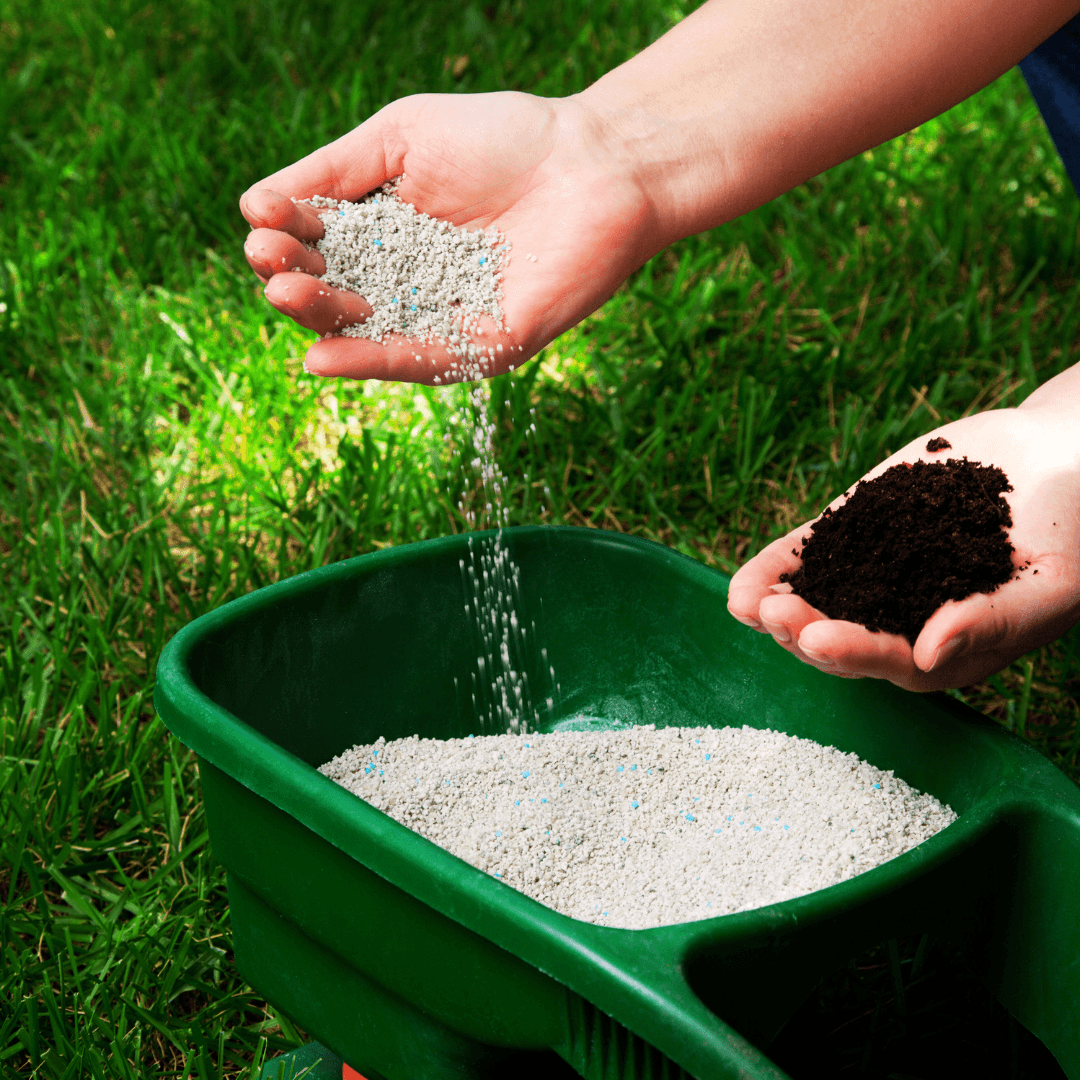
Start with a balanced liquid fertilizer that has equal proportions of nitrogen (N), phosphorus (P), and potassium (K). One example of such a formulation is 10-10-10.
Follow the manufacturer’s recommendations to dilute the fertilizer to avoid excessive concentration, as strong solutions can damage early plants.
Throughout the growing season, apply the diluted fertilizer every four to six weeks. This routine feeding schedule’s essential nutrients strengthen the seedlings, encouraging healthy root and stem growth and overall vigour.
You can adjust the fertilization frequency for seedlings as they mature into mature plants, based on their specific requirements and growth stage.
Your pitaya plants will thrive and produce fruit with regular watering, light, and feeding. Thoroughly water the soil before and after applying fertilizer to prevent root burn and ensure even nutrient distribution.
Turn Your Passion for Nature Into Income
🌿 Whether you love gardening, caring for animals, or exploring holistic living,
You can share your knowledge online and earn from it.
Discover how nature lovers are growing their passions into meaningful, income-generating blogs. 👇
9. Acclimate Pitaya Seedlings For The Outdoors
Preparing pitaya seedlings for outdoor growth is a crucial step in growing pitaya from seed, as it helps them acclimate to their new environment and reduces transplant shock.
This gradual acclimatization makes the seedlings more accustomed to their new surroundings, reducing the likelihood of transplant shock and easing the transition.
The first step is to expose the seedlings to the sun for a few hours on the first day in a protected, shady area. This initial exposure allows the plants to adapt to natural light, wind, and temperature variations without overwhelming them.
Gradually increasing the time seedlings spend outside during the hardening-off period is crucial for successfully growing pitaya from seed, as it helps them adjust to outdoor conditions and reduces transplant stress.
Modify the seedlings’ exposure in reaction to any indications of stress, including wilting or leaf burn. By the end of the hardening-off period, the seedlings should be well-adjusted to outdoor conditions, making them more resilient when transplanted into their permanent garden location or larger pots.
This careful acclimatization will help the plant grow normally and reduce the likelihood of transplant-related problems.
10. Training And Supporting The Pitaya Plant
Pitaya, or dragon fruit, is a climbing cactus that requires support as it grows. To accommodate its climbing habit, provide a sturdy trellis or stake for the plant to climb.
As the pitaya plant grows taller, it will send out long, sprawling stems that need guidance to stay upright and healthy. Secure the stems loosely to the trellis or stake with soft ties or garden clips, ensuring the ties do not damage the plant.
This support helps the plant develop a strong structure, prevents stem breakage, and improves air circulation around the plant.
Well-supported Pitaya plants will develop faster and produce more fruit because they keep the fruit off the ground and reduce their risk of disease. Regularly check and adjust the ties as the plant grows to accommodate its increasing size.
11. Watering Pitaya
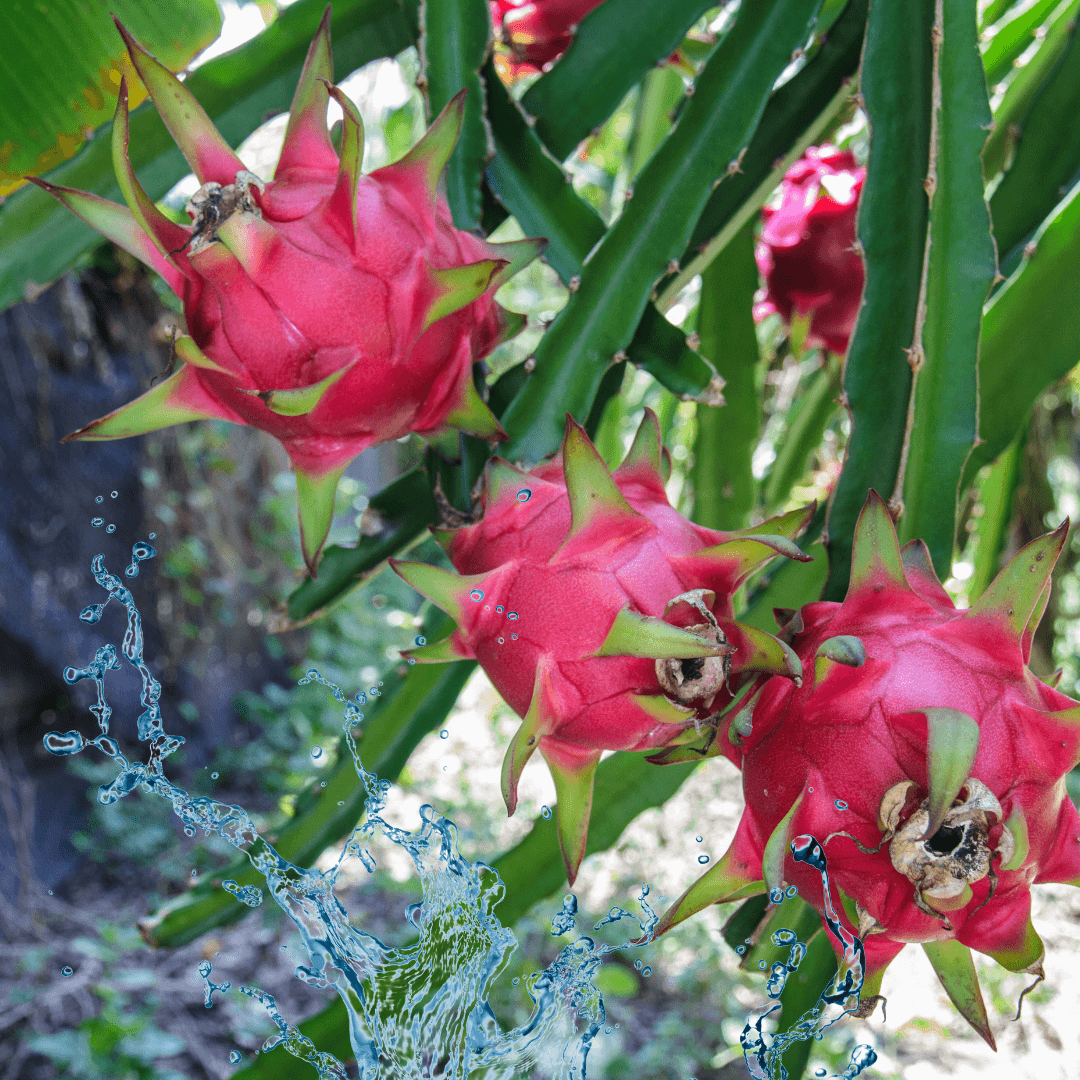
It’s important to strike the right balance when watering dragon fruit cacti. The plant thrives in well-drained soil and doesn’t tolerate being waterlogged.
To avoid root rot, water only until the top inch of soil seems dry. Before watering, insert your finger into the dirt to determine how damp it is.
When watering, give enough to moisten the soil evenly, but ensure any excess water drains completely from the pot. Let the soil dry out between waterings when the plant’s water requirements are lower in the cooler months.
In warmer weather or active growing seasons, you may need to water more frequently, but always be cautious of overwatering, as it’s the most common cause of issues like root rot and fungal infections.
12. Propagation Of Pitaya Plants
Pitaya (dragon fruit) can be propagated through cuttings or seeds. Cuttings are the most efficient and common method, as they ensure faster fruit production and maintain the parent plant’s qualities.
To do this, take a healthy stem cutting from a mature plant, allow it to dry for a few days to form a callus, and then plant it in well-draining soil. The cutting will root and grow into a new plant with the correct care.
Alternatively, seeds can be used to propagate pitaya, though this method takes longer. Seeds are extracted from the fruit, cleaned, dried, and planted in soil.
Seedlings can take several years to mature and bear fruit, making it a less popular option. Both methods can be successful, but cuttings are generally preferred for quicker and more reliable results.
13. Pest & Disease Control Of Pitaya
Pitaya seedling growth is dependent on effective pest and disease management. Pests like aphids, spider mites, and fungal diseases can be problematic for these young plants, even when they are just seedlings.
Check your seedlings regularly for evidence of disease or infestation, such as wilted leaves, slowed growth, or visible insects. If you see pests, it’s important to act quickly.
Organic pest control methods are often the most effective for protecting young plants. Natural pest control options like neem oil are popular.
Apply it to the affected areas after diluting as directed by the manufacturer. Insecticidal soap is another effective and environmentally friendly method for soft-bodied insects such as aphids.
Maintaining adequate air circulation around the seedlings and avoiding excessive watering can help prevent fungal diseases.
Consider using an organic fungicide to protect the plants in the event of a fungal problem. By monitoring and using these natural pest control methods, you can protect your pitaya seedlings from common diseases and pests.
14. Harvesting Pitaya
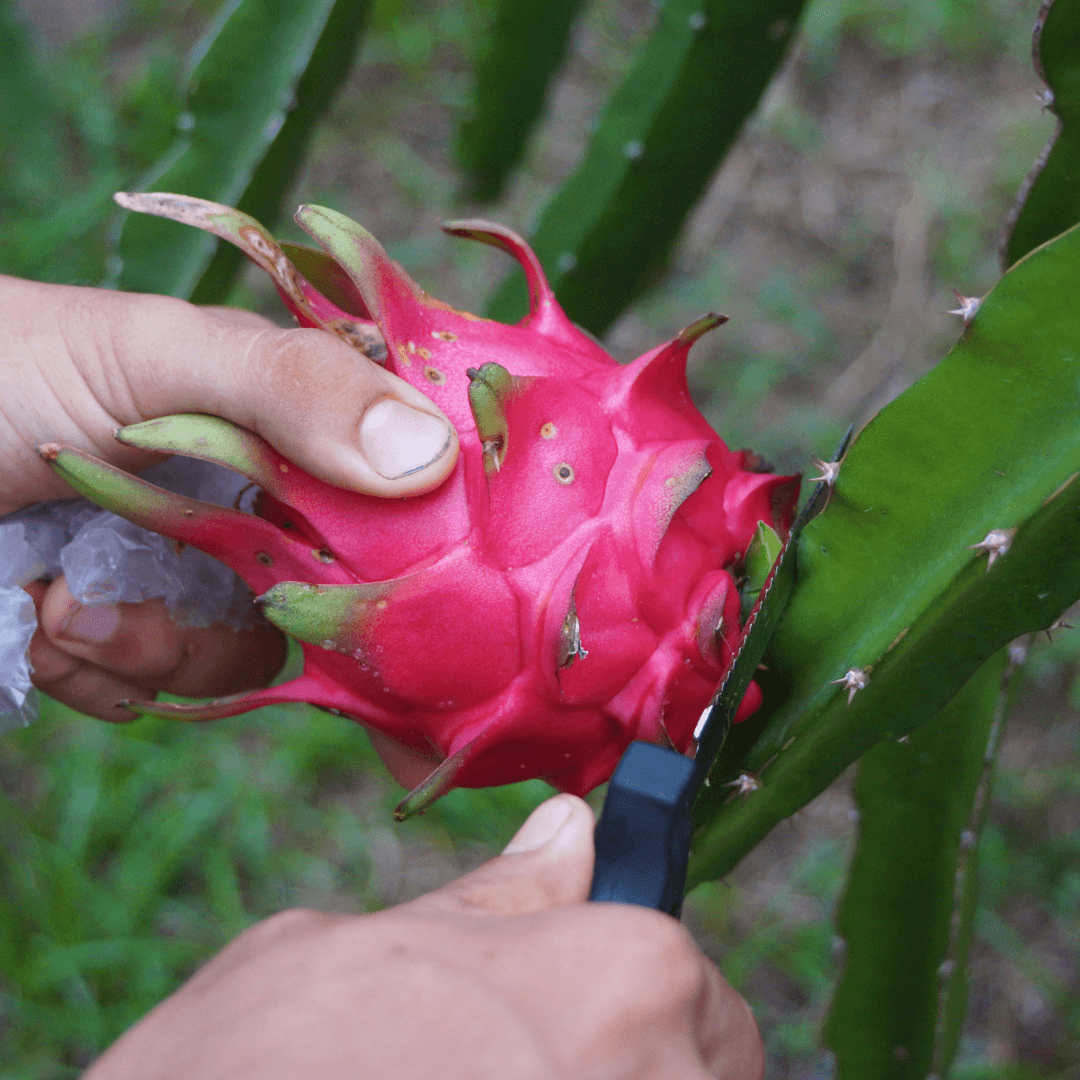
Once pollination is successful, harvesting dragon fruit is straightforward. The fruit will begin to develop and ripen within 30-50 days.
The best indicator that it’s ready for harvest is its vibrant colour: bright pink, red, or yellow, depending on the variety. Another sign of ripeness is that the fruit feels slightly soft but not mushy.
Gently twist or cut the fruit from the stem, careful not to damage the plant. Harvesting at the right time is important because the fruit may split or become overripe if left on the plant for too long. Dragon fruit is ready to eat immediately after picking and can be stored in the refrigerator for several days.
FAQs
Q1: Can I Grow Pitaya In A Pot?
Yes, pitaya can be successfully grown in a pot. Choose a large container with adequate drainage holes and use a well-draining cactus or succulent potting mix. As the plant matures, provide a sturdy trellis or support structure, as pitaya is a climbing cactus that can become quite large.
Q2: How Often Should I Water Pitaya Seeds During Germination?
Keep the soil consistently moist but not waterlogged during germination. Light watering is usually sufficient to maintain moisture levels. Overwatering can lead to fungal issues and seed rot, so allow excess water to drain away freely.
Q3: How Long Does It Take For Pitaya To Produce Fruit?
Pitaya plants grown from seed typically take between 1 and 2 years to begin producing fruit, although some may take longer depending on the variety and growing conditions. Providing plenty of sunlight, proper nutrition, and regular care can encourage healthy growth and earlier fruit production.
Q4: What Should I Do If My Pitaya Plant Isn’t Flowering?
A lack of flowering is often caused by insufficient sunlight, improper watering, or nutrient imbalances. Ensure your plant receives at least 6 to 8 hours of sunlight daily and avoid excessive nitrogen fertilizer, which can promote foliage growth at the expense of flowers. Mature plants may also require additional time before they begin blooming.
Q5: How Do I Know When Pitaya Fruit Is Ready To Harvest?
Pitaya fruit is usually ready to harvest when its skin develops a rich, vibrant colour and the fruit feels slightly soft when gently squeezed. Depending on the variety, the scales may also begin to change colour. Harvest the fruit by carefully twisting it from the stem or cutting it with a clean, sharp knife.
Conclusion
Growing pitaya from seeds is a rewarding gardening project that combines patience, learning, and the excitement of cultivating an exotic fruit at home.
Although the journey takes time, watching tiny seedlings develop into thriving dragon fruit plants makes the effort worthwhile.
With proper sunlight, well-draining soil, consistent watering, and ongoing care, your pitaya plants can flourish for many years. Beyond the possibility of harvesting delicious fruit, these striking cacti add beauty and tropical charm to any garden, patio, or growing space.
Whether you’re an experienced gardener or trying something new, growing pitaya from seeds offers a unique opportunity to connect with nature and enjoy the satisfaction of nurturing a plant from its earliest stages.
I trust you enjoyed this article on Growing Pitaya From Seeds: A Step-By-Step Guide. Please stay tuned for more inspiring guides, helpful tips, and ideas to help you live closer to nature every day.
Take care!
— JeannetteZ🌿
💬 Your Opinion Is Important To Me
Do you have thoughts, ideas, or questions? I’d love to hear from you. Please leave your comments below or email me directly at Jeannette@Close-To-Nature.org.
📚 More Nature-Inspired Reads
Explore more ways to connect with nature, nurture your pets, and live in harmony with the world around you 🌿