
Fun Facts About The Northern Cardinal

Fun facts about the Northern Cardinal reveal why this colourful songbird is one of North America’s most beloved backyard visitors. Its brilliant red plumage, beautiful songs, and fascinating behaviour make it a favourite among bird enthusiasts.
Male Northern Cardinals stand out with their vibrant red feathers. Females display warm brown tones with delicate red accents, giving them a quieter but equally beautiful appearance.
Known scientifically as Cardinalis cardinalis, this remarkable bird lives year-round across much of eastern North America, Mexico, and parts of Central America. Its ability to thrive in gardens, woodlands, and suburban neighbourhoods makes it a familiar sight.
Beyond their beauty, Northern Cardinals play an important ecological role. They help disperse seeds, support local ecosystems, and bring colour and cheerful birdsong to gardens year-round.
Their fascinating courtship rituals, territorial behaviour, and strong pair bonds make them especially interesting to observe. Even experienced birdwatchers can discover something new about these remarkable songbirds.
In this article, we’ll explore fun facts about the Northern Cardinal, including its diet, habitat, reproduction, and unique characteristics. You’ll also discover what makes this beautiful bird such a treasured part of North America’s wildlife.
Types Of Cardinals In North America
North America is home to several colourful members of the cardinal family, Cardinalidae. These beautiful songbirds include cardinals, grosbeaks, buntings, and other closely related species.
Each bird has distinctive colours, behaviours, and habitat preferences. Their striking appearance and fascinating characteristics make them favourites among birdwatchers and nature enthusiasts.
While the Northern Cardinal is especially familiar, many related species are equally fascinating. Discover more about this beloved songbird in our article on Interesting Facts About Cardinals.
Let’s explore 12 remarkable members of the cardinal family and discover what makes each species unique.
1. Northern Cardinal (Cardinalis cardinalis)
The Northern Cardinal is one of North America’s most recognizable songbirds. Males display brilliant red plumage and distinctive crests, while females have warm brown feathers with beautiful reddish accents.
These colourful birds inhabit woodlands, gardens, and suburban neighbourhoods across much of eastern North America. Their clear, melodic songs and striking appearance make them favourites among birdwatchers.
Unlike many migratory songbirds, Northern Cardinals stay in their territories year-round. Their cheerful presence brings welcome colour to winter landscapes, making them a familiar sight in gardens.
Learning what wild birds eat in winter can help you support these feathered visitors during colder months. You can also learn how to attract wild birds to your garden year-round.

2. Pyrrhuloxia (Cardinalis sinuatus)
The Pyrrhuloxia, commonly called the Desert Cardinal, is native to the southwestern United States and northern Mexico. This distinctive songbird thrives in dry scrublands, desert landscapes, and thorny vegetation.
Males display soft grey plumage with striking red accents on their faces, crests, wings, and tails. Females have more subdued greyish-brown feathers with delicate reddish highlights.
Unlike the Northern Cardinal, the Pyrrhuloxia has a short, curved, parrot-like bill adapted for cracking seeds. Its remarkable ability to survive in arid environments makes it a fascinating member of the cardinal family.
Its remarkable ability to survive in arid environments makes it a fascinating member of the cardinal family. These desert habitats also inspire stunning cactus landscaping ideas that celebrate drought-tolerant plants and natural beauty.

3. Vermilion Cardinal (Cardinalis phoeniceus)
The Vermilion Cardinal is a striking songbird native to northern South America, particularly Colombia and Venezuela. Unlike the Northern Cardinal, this colourful species does not naturally inhabit North America.
Males display brilliant crimson-red plumage, a prominent crest, and a distinctive black mask around their faces. Females have soft greyish-brown feathers with reddish accents, giving them a more subdued appearance.
These beautiful birds inhabit dry forests, thorny scrublands, and semi-arid landscapes. Their vibrant colours and distinctive crests make them fascinating members of the cardinal family.
With its spectacular red feathers and elegant crest, the Vermilion Cardinal is a wonderful example of the diversity celebrated in our article, Most Beautiful Birds In The World.

4. Summer Tanager (Piranga rubra)
The Summer Tanager is a colourful member of the cardinal family, often mistaken for the Northern Cardinal. Males display brilliant red plumage, while females have beautiful mustard-yellow feathers.
These migratory songbirds breed across the southern United States before travelling to Mexico, Central America, and northern South America for winter. They favour open woodlands, forest edges, and areas with mature trees.
Summer Tanagers are remarkable hunters that specialize in catching bees and wasps in midair. They often remove the stingers before swallowing their prey, making these insects an important part of their diet.
Their striking colours and fascinating feeding habits make them wonderful birds to observe. Bird enthusiasts can discover more colourful species in our guide to Common Backyard Birds In The USA.

5. Scarlet Tanager (Piranga olivacea)
The Scarlet Tanager is a striking member of the cardinal family, known for its brilliant colours. Breeding males display vibrant scarlet-red plumage with contrasting black wings and tails, while females have olive-yellow feathers.
These migratory songbirds breed in deciduous forests across eastern North America before travelling to northwestern South America for winter. Their preference for mature woodlands and dense foliage makes them challenging to spot.
Scarlet Tanagers feed primarily on insects, including beetles, caterpillars, and flying insects. They also enjoy berries and other fruits, especially during migration when they need extra energy.
Although their bright colours attract attention, Scarlet Tanagers often remain hidden high in the forest canopy. They share these woodland habitats with many fascinating bird species, including those featured in our guide to 22 Types of North American Owls.

6. Hepatic Tanager (Piranga flava)
The Hepatic Tanager is a colourful member of the cardinal family, found in the southwestern United States, Mexico, and parts of Central and South America. Its distinctive appearance sets it apart from brighter red songbirds.
Males display rich brick-red plumage with greyish accents, while females have yellowish-olive feathers. Their muted colours provide natural camouflage among the trees and vegetation of their woodland habitats.
These fascinating birds inhabit pine-oak forests, wooded hillsides, and mountainous regions. They feed primarily on insects and occasionally consume berries and other small fruits.
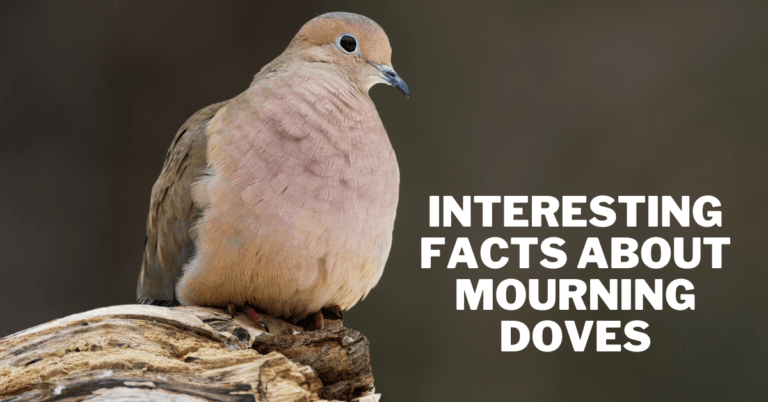
Hepatic Tanagers often forage slowly through branches and foliage, searching for hidden insects. For another fascinating bird with more subdued plumage, explore our 20 Interesting Facts About Mourning Doves and discover what makes these gentle songbirds unique.

7. Flame-Coloured Tanager (Piranga bidentata)
The Flame-Coloured Tanager is a beautiful member of the cardinal family, native to the mountainous regions of Mexico and Central America. Occasionally, these colourful songbirds appear in the southwestern United States.
Males display fiery orange-red plumage with contrasting black wings and tails. Females have softer yellowish-olive feathers that help them blend naturally into their forested surroundings.
These striking birds inhabit pine-oak forests, mountain woodlands, and forest edges. They forage among branches and foliage, searching for insects, berries, and other small fruits.
Their vibrant colours and energetic movements make them exciting discoveries for birdwatchers. Like the colourful species featured in our guide to Hummingbirds Of Costa Rica, Flame-Coloured Tanagers highlight the remarkable bird diversity of Central America’s forests.

8. Crimson-Collared Grosbeak (Rhodothraupis celaeno)
The Crimson-Collared Grosbeak is a distinctive member of the cardinal family, native to northeastern Mexico. Although uncommon in the United States, it has been occasionally sighted in southern Texas.
Males display striking black plumage with a brilliant crimson collar and reddish underparts. Females have olive-green feathers with yellowish accents, creating a beautiful contrast between the sexes.
These colourful birds inhabit dense forests, woodland edges, and shrubby vegetation. Their powerful, thick bills help them crack seeds, while their varied diet also includes fruits and insects.
Crimson-Collared Grosbeaks often remain concealed among dense foliage, making them challenging to observe. Their unusual colour combinations highlight the remarkable diversity of birds featured in our guide to Interesting Facts About Hummingbirds.

9. Black-Headed Grosbeak (Pheucticus melanocephalus)
The Black-Headed Grosbeak is a colourful member of the cardinal family, found throughout western North America. These migratory songbirds breed in the United States and southern Canada before travelling to Mexico for winter.
Males display striking orange breasts, black heads, and black-and-white wings. Females have brownish plumage with delicate streaks that help them blend into their natural surroundings.
These beautiful birds inhabit open woodlands, forest edges, and areas with dense shrubs. Their powerful bills help them crack seeds, while their varied diet includes insects, berries, and other fruits.
Black-Headed Grosbeaks occasionally visit backyard feeders, especially where sunflower seeds are available. Discover how to welcome more feathered visitors with our 11 Incredible DIY Bird Feeders, designed to make gardens more inviting for wild birds.

10. Rose-Breasted Grosbeak (Pheucticus ludovicianus)
The Rose-Breasted Grosbeak is a beautiful member of the cardinal family, known for its striking plumage and melodic songs. These migratory birds breed across northeastern North America before travelling to Central and northern South America for winter.
Males display bold black-and-white feathers with a brilliant rose-red patch on their chests. Females have brown, heavily streaked plumage that provides excellent camouflage among woodland vegetation.
These colourful songbirds inhabit deciduous forests, woodland edges, and gardens with mature trees. Their powerful bills help them crack seeds, while their varied diet includes insects, berries, and other fruits.
Rose-Breasted Grosbeaks occasionally visit backyard feeders, particularly during migration. Creating a welcoming habitat with native plants, shelter, and natural food sources can help attract these beautiful visitors.
For additional inspiration, explore our guide to Best Ways To Create A Bird-Friendly Garden and discover how thoughtful landscaping can support local bird populations.

11. Blue Grosbeak (Passerina caerulea)
The Blue Grosbeak (Passerina caerulea) is a striking member of the cardinal family, Cardinalidae. Unlike the familiar red Northern Cardinal, the male displays brilliant blue plumage with distinctive chestnut-coloured wing bars.
Females have warm brown feathers with subtle blue accents on their wings and tails. Their more subdued colouring helps them blend into the vegetation while nesting and caring for their young.
Blue Grosbeaks favour open woodlands, brushy fields, and areas with dense shrubs. They breed across the southern United States and parts of Mexico, then migrate to warmer regions for winter.
Their strong, cone-shaped bills help them crack seeds, while insects provide an important food source during the breeding season. Unlike these seasonal visitors, Northern Cardinals remain in their territories throughout winter. Discover how to help overwintering birds in your yard by providing food, shelter, and fresh water.

12. Indigo Bunting (Passerina cyanea)
The Indigo Bunting (Passerina cyanea) is a beautiful member of the cardinal family, Cardinalidae. Its brilliant blue plumage makes it one of North America’s most eye-catching songbirds.
During the breeding season, males display vibrant blue feathers that shimmer in sunlight. Females have soft brown plumage with subtle blue tinges, providing excellent camouflage while nesting.
Indigo Buntings breed across eastern and central North America, favouring woodland edges, brushy fields, and open areas with scattered shrubs. They migrate south to Mexico, Central America, and the Caribbean for winter.
These small songbirds feed on seeds, berries, and insects. Males are especially vocal during the breeding season, often singing their cheerful, repeated melodies from exposed branches.
From colourful tanagers to sturdy grosbeaks and brilliant Indigo Buntings, the cardinal family offers remarkable diversity. Each species contributes to its ecosystem through insect control, seed consumption, and other natural interactions.
Observing these beautiful birds encourages a deeper appreciation for North America’s wildlife. Learning why wildlife is important and how we can protect it highlights the value of preserving natural habitats for future generations.

What Are The Characteristics Of The Northern Cardinal?
The Northern Cardinal (Cardinalis cardinalis) is one of North America’s most recognizable songbirds. Its brilliant red plumage, distinctive crest, and cheerful songs make it a favourite among birdwatchers and nature lovers.
However, its beauty is only part of what makes this bird remarkable. From its powerful beak to its fascinating behaviour, the Northern Cardinal has several characteristics that help it thrive in different environments.
Let’s explore the distinctive features that make this colourful songbird so special.
1. Colouration Of The Northern Cardinal
The Northern Cardinal displays striking differences in colouration between males and females, a characteristic known as sexual dimorphism. Males have brilliant red plumage that makes them stand out among North America’s songbirds.
Their vibrant red feathers cover most of their bodies, while a contrasting black facial mask surrounds their eyes and beak. This distinctive combination gives male Northern Cardinals their unmistakable appearance.
Females display a softer colour palette, with warm brown and buff-coloured feathers covering most of their bodies. Subtle reddish accents on their crests, wings, and tails add beauty to their more understated appearance.
Like males, females have a dark facial mask, although it is generally less pronounced. Their muted plumage provides valuable camouflage, particularly when nesting or caring for their young.
These colour differences reflect the birds’ distinct reproductive roles. While the male’s bright feathers can help attract a mate, the female’s subdued colouring offers protection by making her less noticeable to predators.
Northern Cardinals are famous for their brilliant colours, while many owls rely on muted plumage for camouflage. Explore more interesting facts about owls to discover how their appearance supports survival in the wild.
2. Size And Shape Of The Northern Cardinal
The Northern Cardinal has a sturdy yet graceful body, with distinctive physical features that make it easy to recognize. Measuring about 8.3–9.1 inches (21–23 cm) long, it is a medium-sized songbird.
Its wingspan ranges from 9.8–12.2 inches (25–31 cm), allowing it to navigate shrubs, trees, and dense vegetation. Its strong wings also support quick, agile movements when escaping predators or travelling between feeding areas.
Despite its relatively compact size, the Northern Cardinal has a solid build. Adults typically weigh 1.5 to 1.7 ounces (42–48 grams), though weight can vary by age, sex, and season.
Although Northern Cardinals are medium-sized songbirds, other North American birds have remarkably different proportions. Discover the impressive wingspans and physical characteristics of some of the largest owls in the world.
One of its most recognizable features is the prominent crest on top of its head. Cardinals can raise or lower this crest, often in response to their surroundings, excitement, or potential threats.
Another distinctive characteristic is the thick, cone-shaped beak, perfectly adapted for cracking seeds and handling other foods. Its powerful bill helps the bird feed efficiently on seeds, grains, fruits, and insects.
Together, these physical characteristics contribute to the Northern Cardinal’s adaptability and survival. Its compact body, expressive crest, and powerful beak make it one of North America’s most distinctive and admired backyard birds.
3. Behaviour Of The Northern Cardinal
The Northern Cardinal is known for its rich, melodious songs and impressive variety of calls. These vocalizations play an important role in communication, helping birds establish territories, attract mates, and maintain contact with their partners.
Unlike many North American songbirds, both male and female Northern Cardinals sing. Their vocal behaviour reveals how these birds use different sounds to communicate, defend territories, and maintain contact with their partners.
Cardinals communicate through songs and calls, while woodpeckers also use rhythmic drumming. Learn more about these fascinating behaviours in our article on interesting facts about woodpeckers.
During the breeding season, males become especially territorial. They defend their nesting areas through persistent singing, warning calls, and aggressive displays directed at potential intruders.
Courtship involves several charming behaviours, including courtship feeding. During this ritual, the male offers food to the female, helping establish and strengthen their bond before breeding.
Males may also sing, fluff their feathers, and hop during courtship. These displays can help communicate their interest and readiness to mate.
Together, these behaviours support pair bonding, territorial defence, and successful reproduction. They also make Northern Cardinals particularly fascinating birds to observe throughout the breeding season.
4. Feeding And Diet Of The Northern Cardinal
The Northern Cardinal enjoys a varied diet, primarily seeds, grains, berries, and fruits. Its fondness for sunflower seeds makes it a frequent and welcome visitor to backyard bird feeders throughout North America.
During the breeding season, insects become an important part of its diet. These protein-rich foods help adult cardinals meet their nutritional needs while providing essential nourishment for their growing nestlings.
Northern Cardinals commonly forage on the ground, beneath shrubs, and among low tree branches. Their strong, cone-shaped beaks allow them to crack open seeds and extract the nutritious kernels inside.
Their powerful bills make it easier to consume different seeds, including varieties with relatively hard shells. Cardinals also eat wild berries and fruits, particularly when these foods are readily available.
While Northern Cardinals rely heavily on seeds and fruits, owls are carnivorous birds that hunt small animals. Explore the different species of owls in the world to discover how their hunting adaptations differ from those of seed-eating songbirds.
When feeding, cardinals often hop along the ground or perch on branches while handling their food. They use their bills to manipulate seeds and remove the outer shells before swallowing the edible portions.
Their adaptable feeding habits help them thrive in gardens, woodland edges, and suburban neighbourhoods. Providing suitable food sources and protective vegetation can encourage these colourful songbirds to visit year-round.
5. Reproduction
The Northern Cardinal follows a seasonal breeding cycle, typically lasting from March through September. During this period, pairs establish territories, build nests, and raise their young, sometimes producing several broods in one season.
Female cardinals take primary responsibility for nest construction, creating sturdy, cup-shaped structures in dense shrubs or small trees. They carefully weave twigs, grasses, leaves, and other plant materials together to provide shelter for their eggs.
Once the nest is complete, the female typically lays three to four eggs, although clutches may contain two to five. She incubates them for approximately 11–13 days, keeping the developing embryos warm and protected.
After hatching, both parents work tirelessly to feed and care for their nestlings. They bring insects and other nutritious foods to the nest, providing the protein and energy their rapidly growing chicks need.
Young cardinals develop quickly under their parents’ attentive care. Their eyes open, feathers develop, and their bodies strengthen as they prepare to leave the nest’s safety.
Approximately 9–11 days after hatching, the young birds leave the nest for the first time. Although they cannot yet fly confidently, their parents continue feeding and protecting them as they develop their flying and foraging skills.
This dedicated parental care helps young Northern Cardinals survive their vulnerable early weeks. Their breeding habits offer birdwatchers a fascinating glimpse into the family life of these colourful backyard songbirds.
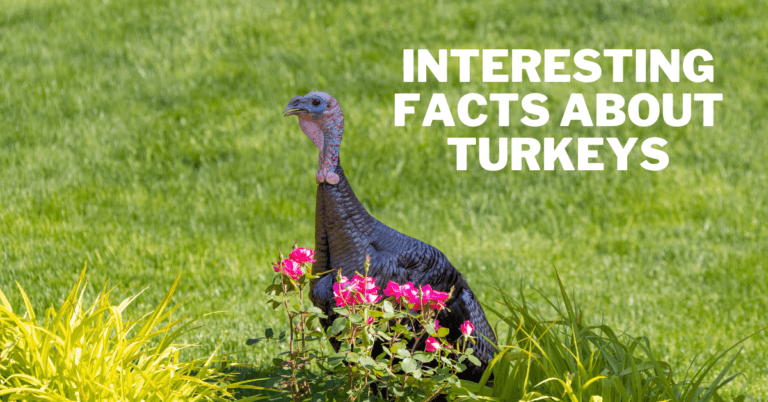
Northern Cardinals are not the only North American birds with fascinating breeding habits. Discover how another familiar species raises its young in our article on All About Wild Turkeys, which explores the lives and behaviours of these remarkable wild birds.
6. Lifespan And Predators Of The Northern Cardinal
In the wild, Northern Cardinals typically live for approximately three years, although many individuals survive for shorter periods. Some cardinals live considerably longer, with exceptional individuals reaching 15 years or more.
Despite their adaptability, Northern Cardinals face numerous natural predators throughout their lives. Birds of prey, including hawks and owls, may hunt adult cardinals and young birds, particularly when they are exposed or vulnerable.
Snakes also threaten nesting cardinals by climbing into shrubs and trees to consume eggs or nestlings. These predators can significantly affect breeding success, especially when nests are poorly concealed.
Domestic cats present another serious danger, particularly when allowed to roam outdoors. Their natural hunting instincts make them effective predators of songbirds, even in residential gardens and suburban neighbourhoods.
Other nest predators include squirrels, blue jays, and certain other birds that may consume cardinal eggs or young chicks. Although squirrels are familiar backyard visitors, their feeding habits can sometimes threaten nesting birds. Discover more interesting facts about squirrels to learn about these resourceful and adaptable animals.
Northern Cardinals respond to these dangers through alert behaviour, territorial defence, and strategic nesting locations. Dense shrubs and protective vegetation offer valuable shelter, helping adults and their young avoid potential predators.
Although life in the wild presents many challenges, the Northern Cardinal remains a resilient and adaptable species. Its ability to recognize threats and seek protective habitats contributes to its continued success across much of North America.
Turn Your Passion for Nature Into Income
🌿 Whether you love gardening, caring for animals, or exploring holistic living,
You can share your knowledge online and earn from it.
Discover how nature lovers are growing their passions into meaningful, income-generating blogs. 👇
Fun Facts About The Northern Cardinal
The Northern Cardinal is a favourite among nature lovers and birdwatchers, admired for its brilliant red plumage and beautiful songs. Its colourful appearance and lively personality make it one of North America’s most recognizable backyard birds.
However, there is much more to this remarkable songbird than its striking appearance. From unusual behaviours to fascinating adaptations, Northern Cardinals have several surprising characteristics that make them truly special.
Let’s discover some fun facts about the Northern Cardinal that reveal what makes this beloved bird so fascinating.
1. State Bird
The Northern Cardinal is the official state bird of seven American states: Illinois, Indiana, Kentucky, North Carolina, Ohio, Virginia, and West Virginia. No other bird species represents as many U.S. states.
Admired for its brilliant red plumage and melodious songs, the Northern Cardinal symbolizes the natural beauty and wildlife diversity of these regions. Its colourful appearance makes it a familiar and cherished sight year-round.
Unlike many migratory songbirds, Northern Cardinals remain in their territories during winter. Their vibrant red feathers provide a striking contrast against snowy landscapes, bringing colour and life to gardens, parks, and woodlands.
Whether perched among tree branches or singing from a backyard shrub, these beautiful birds inspire admiration among residents and visitors. Their enduring presence has made them symbols of beauty, vitality, and a lasting connection with nature.
2. Year-Round Residents
Unlike many migratory songbirds that travel long distances with the changing seasons, Northern Cardinals stay in their territories year-round. Their non-migratory behaviour makes them familiar visitors to backyards, parks, and woodlands across much of their North American range.
Even during the coldest winter months, these colourful birds continue to brighten their surroundings. Their brilliant red feathers create a beautiful contrast against snow-covered branches, making them especially noticeable in winter landscapes.
Their year-round presence brings comfort and enjoyment to birdwatchers and nature enthusiasts. Rather than disappearing during autumn migration, Northern Cardinals remain active, searching for food and shelter throughout the changing seasons.
Winter presents challenges, including freezing temperatures, shorter daylight hours, and limited natural food supplies. However, Northern Cardinals adapt by seeking sheltered locations, consuming available seeds and berries, and visiting backyard bird feeders.
Their remarkable resilience allows them to survive in woodland habitats, urban neighbourhoods, and suburban gardens. With their cheerful songs and vibrant plumage, Northern Cardinals bring beauty and life to outdoor spaces in every season.
3. Male Singers
Male Northern Cardinals are remarkable singers, known for their rich, melodious songs and impressive vocal abilities. Their cheerful whistles and varied melodies make them some of North America’s most recognizable backyard songbirds.
However, males are not the only singers within the species. Female Northern Cardinals also sing, making these birds unusual among North American songbirds, where singing is often associated primarily with males.
During the breeding season, males use their songs to establish territories, discourage rivals, and announce their presence. Their repeated whistles help announce territorial boundaries and warn potential competitors to stay away.
Singing also plays an important role in courtship and attracting mates. A male’s vocal performance can communicate his condition and strengthen his connection with a potential partner.
Northern Cardinal songs often consist of clear, whistled phrases that rise, fall, or repeat in distinctive patterns. You can hear these recognizable melodies throughout woodlands, parks, and residential gardens.
Their beautiful songs add to nature’s lively chorus, especially in spring and early summer. Whether singing from a treetop or a backyard shrub, Northern Cardinals bring a delightful musical presence to their surroundings.
4. Monogamous Pairs
Northern Cardinals are generally monogamous birds, forming strong pair bonds with their chosen mates. Many pairs remain together throughout the year, although some may separate and establish new partnerships between breeding seasons.
Once a pair forms, the male and female work together to establish and defend their territory. Their close partnership becomes especially important during the breeding season when they prepare to raise their young.
Although both parents contribute to reproduction, they have different responsibilities. Females primarily build the nests and incubate the eggs, while males help protect the territory and provide food during incubation.
After the eggs hatch, both parents feed and protect their nestlings. Their coordinated efforts help ensure the young birds get enough nourishment and care during early development.
Some Northern Cardinal pairs successfully raise multiple broods within a single breeding season. Their continued cooperation allows them to manage the demanding responsibilities of caring for their growing families.
These strong pair bonds highlight the importance of cooperation in the natural world. Through shared responsibilities and attentive parental care, Northern Cardinals demonstrate fascinating behaviours that contribute to their reproductive success.
5. Urban Dwellers
Northern Cardinals are remarkably adaptable birds, thriving in habitats ranging from peaceful woodlands to busy urban neighbourhoods. Their ability to adjust to different environments has made them familiar and welcome visitors to gardens, parks, and residential areas.
These colourful songbirds are particularly attracted to neighbourhoods with mature trees, dense shrubs, and reliable food sources. Backyard bird feeders also provide convenient opportunities to find seeds, especially when natural food becomes scarce.
Despite the challenges of urban development, Northern Cardinals have adapted to living alongside humans. They frequently use ornamental shrubs, hedges, and garden vegetation for nesting, shelter, and protection from predators.
Their willingness to visit residential gardens makes them especially popular among birdwatchers and nature enthusiasts. Watching a brilliant red cardinal perched on a tree branch or feeding beneath a shrub can brighten an ordinary day.
However, urban environments also present dangers, including window collisions, roaming domestic cats, and habitat loss. Providing native plants, protective vegetation, and safer feeding areas can help these beautiful birds flourish.
The Northern Cardinal’s success in urban and suburban landscapes demonstrates its remarkable resilience and adaptability. Its continued presence reminds us that even developed neighbourhoods can provide valuable wildlife habitat when we make room for nature.
Conclusion
The Northern Cardinal is a remarkable songbird that represents beauty, resilience, and adaptability in the natural world. Its brilliant red plumage, melodious songs, and lively personality make it one of North America’s most beloved backyard birds.
From its fascinating courtship rituals to its devoted parental care, the Northern Cardinal displays behaviours that make it especially interesting to observe. Its ability to thrive in woodlands, gardens, and urban neighbourhoods highlights its remarkable adaptability.
Whether searching for seeds beneath garden shrubs, singing from a treetop, or brightening a snowy winter landscape, this colourful bird brings joy to nature lovers year-round. Its familiar presence encourages us to appreciate the wildlife living around us.
By protecting natural habitats, planting native vegetation, and creating bird-friendly outdoor spaces, we can help Northern Cardinals and other songbirds flourish. These thoughtful actions strengthen our connection with nature while supporting wildlife for future generations.
I trust you enjoyed this article on the Fun Facts About the Northern Cardinal. Please stay tuned for more inspiring guides, helpful tips, and ideas to help you live closer to nature every day.
Take care!
— JeannetteZ🌿
💬 Your Opinion Is Important To Me
Do you have thoughts, ideas, or questions? I’d love to hear from you. Please leave your comments below or email me directly at Jeannette@Close-To-Nature.org.
📚 More Nature-Inspired Reads
Explore more ways to connect with nature, nurture your pets, and live in harmony with the world around you 🌿