20 Interesting Facts About Mourning Doves

Interesting facts about mourning doves reveal just how remarkable these gentle, familiar backyard birds truly are. From their soothing cooing calls to their impressive flying abilities, mourning doves have fascinating behaviours worth discovering.
Known for their graceful appearance and peaceful nature, mourning doves thrive in many habitats. Their devoted parenting, unusual nesting habits, and remarkable adaptations make them especially interesting to birdwatchers and nature lovers.
These beautiful birds also hold symbolic meaning in different cultures, often representing peace, love, and hope. Yet beyond their gentle appearance, mourning doves possess surprising abilities that help them survive in the wild.
In this guide, we’ll explore 20 interesting facts about mourning doves, including their courtship rituals, feeding habits, nesting behaviours, and extraordinary flight skills.
Discover 20 Interesting Facts About Mourning Doves
Mourning doves are among the most familiar backyard birds in North America, but they offer more than their gentle appearance and distinctive calls. These adaptable birds live in forests, grasslands, gardens, and urban neighbourhoods.
Although mourning doves may appear delicate, they possess impressive survival skills. Their streamlined bodies let them fly at remarkable speeds, while their keen eyesight helps them spot potential dangers in their surroundings.
Their daily behaviours are equally interesting. Mourning doves form strong pair bonds, share parenting responsibilities, and produce a nutritious substance called crop milk to feed their young.
From their unusual drinking habits to their nesting behaviour and seasonal movements, these birds have many fascinating characteristics. Let’s explore 20 interesting facts about mourning doves and discover what makes them such a distinctive part of North America’s wildlife.
1. Mourning Doves Adapt Well To Urban Environments
Mourning doves are highly adaptable birds that thrive in cities, suburbs, and rural areas throughout North America. They often visit backyards, public parks, gardens, and other open spaces where they can find food and suitable nesting sites.
Unlike some bird species that depend on undisturbed natural habitats, mourning doves can live comfortably near human activity. They frequently perch on telephone wires, fences, rooftops, and tree branches while observing their surroundings.
These birds primarily feed on seeds, which they collect from the ground. Lawns, gardens, and open areas provide convenient feeding opportunities, especially where grasses and seed-producing plants grow.
Mourning doves also nest in trees, shrubs, and occasionally human-made structures. Their ability to use different nesting locations helps them reproduce successfully in a variety of environments.
Despite their adaptability, mourning doves remain cautious birds. They rely on keen eyesight and rapid flight to escape potential predators, including hawks and domestic cats.
Their presence in urban neighbourhoods demonstrates how some wildlife species can adapt to human-modified landscapes. Providing native plants, safe nesting areas, and clean water can help make our gardens more welcoming to these familiar birds.
2. Mourning Doves Have Distinctive Cooing Calls
Mourning doves are well known for their soft, repetitive cooing calls, which are especially noticeable during spring and summer. Their familiar coo-OO-oo-oo-oo sounds can often be heard in gardens, parks, and wooded neighbourhoods.
Male mourning doves produce these calls primarily to attract potential mates and communicate with other doves. They often call from exposed perches, such as tree branches, rooftops, and telephone wires, where their sounds can travel across the surrounding area.
Their calls have a gentle, somewhat mournful quality, which is how mourning doves received their common name. Although people sometimes associate their cooing with sadness, these sounds serve important purposes in the birds’ daily lives.
During courtship, males also perform displays that include bowing, cooing, and approaching females. These behaviours help establish pair bonds before the birds begin nesting and raising their young.
Mourning doves communicate through more than vocalizations. When taking flight, their wings can produce a distinctive whistling sound caused by air moving across their feathers. This sound may alert nearby doves to sudden movement or potential danger.
Learning to recognize mourning dove calls can make backyard birdwatching more enjoyable. Once you become familiar with their distinctive cooing, you may notice these birds communicating from nearby trees or rooftops long before you see them.
3. Mourning Doves Have Long, Pointed Tail Feathers
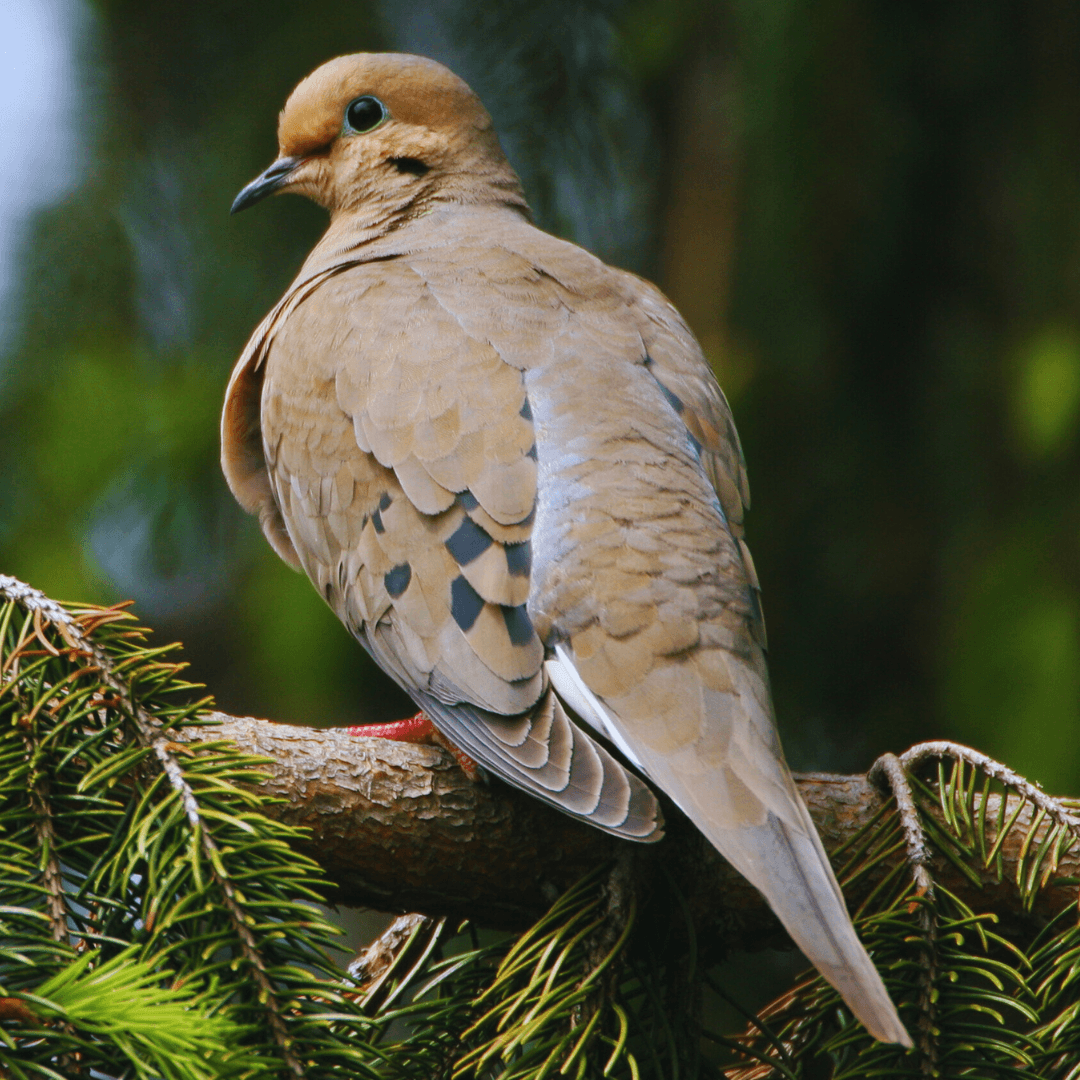
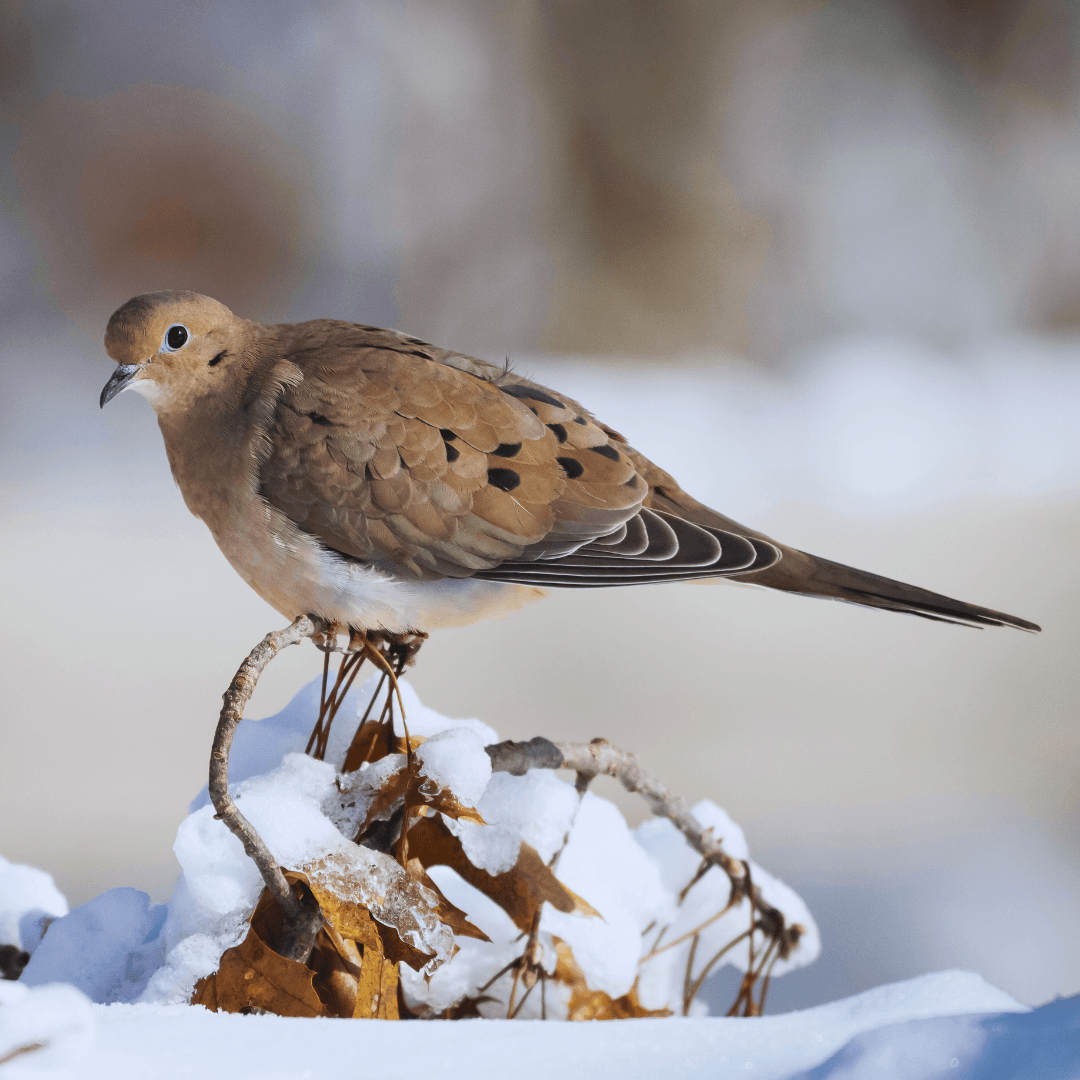
One of the most recognizable features of mourning doves is their long, pointed tail. Unlike birds with short or rounded tails, mourning doves have a distinctive shape that makes them easier to identify, especially during flight.
Their tail feathers are arranged in a tapered pattern, with the central feathers extending farther than the side feathers. When the bird spreads its tail, the outer feathers reveal noticeable white tips that contrast with the darker plumage.
These feathers serve an important purpose beyond appearance. Mourning doves use their tails to help steer, maintain balance, and make adjustments while flying through open spaces or approaching a landing site.
Their streamlined bodies, pointed wings, and long tails support agile flight. These adaptations help mourning doves respond quickly when predators approach or when they need to change direction.
Tail shape is also a useful identification feature for birdwatchers. The mourning dove species profile on Wikipedia provides additional information about their appearance, plumage, and physical characteristics.
If you enjoy identifying backyard birds, explore our interesting facts about hummingbirds to discover how another familiar North American bird uses its unique body structure for flight.
4. Mourning Doves Build Simple Nests
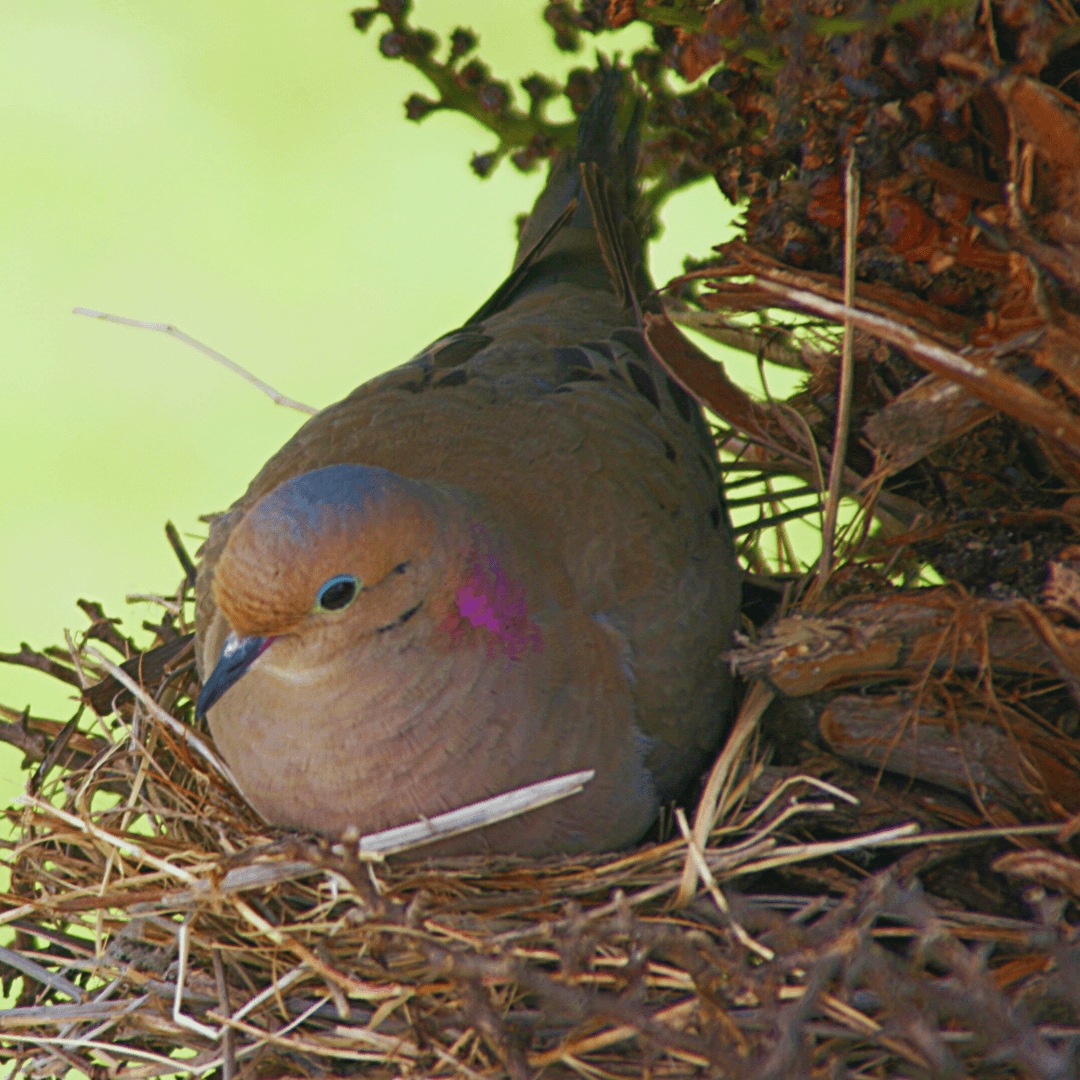
Unlike many birds that construct elaborate nests, mourning doves build surprisingly simple structures. Their nests usually consist of loosely arranged twigs, grass stems, and small plant materials, forming a shallow platform to hold their eggs.
Mourning doves commonly nest in trees, shrubs, and other elevated locations. However, they may also choose hanging planters, building ledges, gutters, or, when suitable nesting sites are available, the ground.
Both parents participate in nesting. The male typically gathers twigs and other materials, while the female arranges them into a platform. Nest construction can take only a few days, depending on the location and available materials.
Because their nests are relatively fragile, eggs and young birds may be vulnerable to strong winds, heavy rain, and predators. Despite this simple construction, mourning doves successfully raise young in many different habitats.
A typical mourning dove clutch contains two white eggs. Both parents take turns incubating them, with males generally covering the daytime shift and females taking over in the evening and overnight.
Mourning doves may also reuse existing nests or build on abandoned nests left by other birds. The Cornell Lab’s All About Birds guide to mourning doves offers additional information about their nesting sites, eggs, and parental care.
If you enjoy observing nesting birds in your backyard, consider making your outdoor space more welcoming to wildlife. Our guide to creating a bird-friendly garden offers practical ideas for supporting birds through suitable plants, shelter, and a healthier garden environment.
5. Mourning Doves Eat Mostly Seeds
Mourning doves are primarily seed-eating birds, with seeds making up nearly all their natural diet. They feed on a wide variety of wild grasses, weeds, and cultivated grains, depending on the season and available food sources.
Unlike birds that search tree bark for insects, mourning doves spend much of their feeding time on the ground. They walk through open areas, picking up fallen seeds with their relatively small, slender beaks.
Some of their favourite foods include millet, sunflower seeds, corn, wheat, and seeds from native plants. Their ability to eat many different types of seeds helps them survive in grasslands, agricultural areas, parks, and suburban gardens.
Mourning doves have an expandable pouch in their digestive system called a crop. This lets them collect and temporarily store seeds before moving them to a safer location to digest.
Because mourning doves swallow seeds whole, they rely on their muscular gizzard to grind them during digestion. Small particles of grit may help with this process, allowing the birds to obtain nutrients from their food.
You can encourage mourning doves to visit your garden by providing suitable seeds in a clean ground-level feeding area or on a low platform feeder. Our guide on attracting wild birds to your garden offers additional ways to make your outdoor space welcoming to birds.
Seasonal food availability also influences how birds feed and survive. Discover what wild birds eat in winter to learn how different species find nourishment when natural food sources become scarce.
For more information about their diet, feeding habits, and behaviour, explore the Cornell Lab of Ornithology’s Mourning Dove Guide.
6. Mourning Doves Are Surprisingly Fast Flyers
Mourning doves may look gentle and delicate while resting, but they are remarkably fast in flight. These streamlined birds can reach speeds of approximately 55 miles (88 kilometres) per hour under favourable conditions.
Their long, pointed wings and slender bodies help them move efficiently through the air. This aerodynamic design allows mourning doves to travel quickly between feeding areas, nesting sites, and safe resting places.
Speed matters most when escaping predators. Hawks and other birds of prey pose a serious threat, so mourning doves rely on rapid takeoffs, quick turns, and agile flight to improve their chances of survival.
One distinctive feature of mourning dove flight is the whistling sound their wings produce during takeoff and landing. This sound comes from air moving across their flight feathers, not from their voices.
Mourning doves also demonstrate impressive endurance during seasonal movements. Some populations migrate hundreds or even thousands of kilometres between their breeding and wintering grounds.
While mourning doves rely on speed and agility to escape danger, owls have specialized feathers that allow them to fly remarkably quietly when hunting. Discover more about these fascinating adaptations in our guide to Types of North American Owls.
Their combination of speed, manoeuvrability, and endurance makes mourning doves fascinating birds to observe. You can learn more about their flight characteristics and behaviour through the Animal Diversity Web’s mourning dove profile.
7. Mourning Doves Are Associated With Peace And Tranquillity
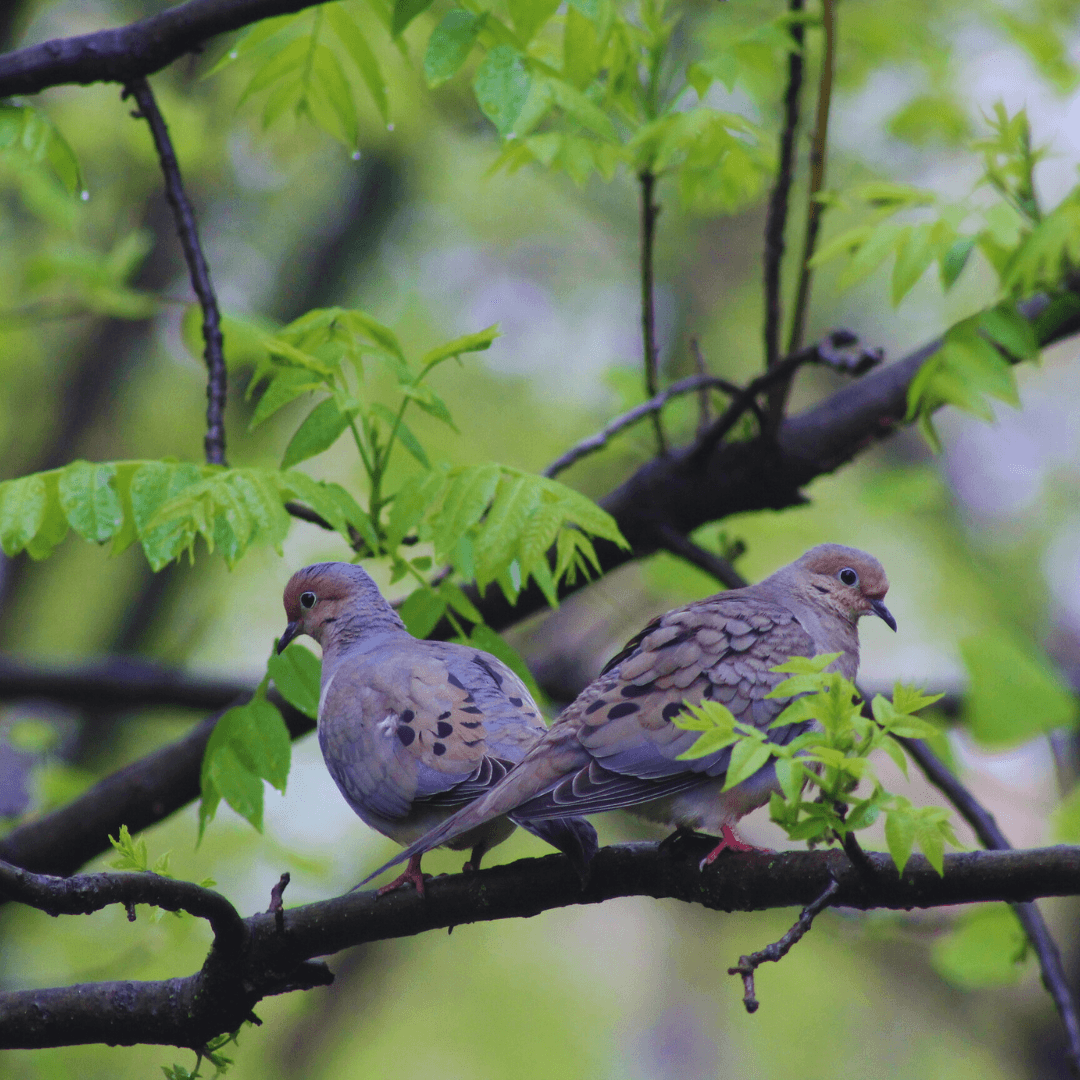
Doves have long been associated with peace, love, and hope in cultures worldwide. Although white doves are the most familiar symbols of peace, mourning doves share the gentle appearance and soft calls that people often associate with these qualities.
The symbolism of doves dates back thousands of years. In ancient cultures, these birds were connected with love and devotion, while later religious and artistic traditions strengthened their association with peace and reconciliation.
One well-known example comes from the biblical story of Noah’s Ark, in which a dove returns carrying an olive leaf. Over time, the image of a dove holding an olive branch became an internationally recognized symbol of peace.
Mourning doves have their own distinctive appeal. Their soft, repetitive cooing can create a peaceful atmosphere in gardens, parks, and quiet neighbourhoods, especially in the early morning.
Despite their peaceful reputation, mourning doves are still wild birds with natural survival instincts. They may compete for food, defend nesting areas, and react quickly when predators approach.
Their association with tranquillity comes largely from human interpretation rather than unusually peaceful behaviour. Nevertheless, their familiar calls and graceful appearance have made them welcome visitors to many North American gardens.
If you enjoy watching peaceful backyard visitors, you might also appreciate the different personalities and behaviours of other familiar birds. Our article on Fun Facts About Ducks explores another fascinating group of birds that people enjoy observing around ponds, lakes, and gardens.
8. Mourning Doves Form Strong Pair Bonds
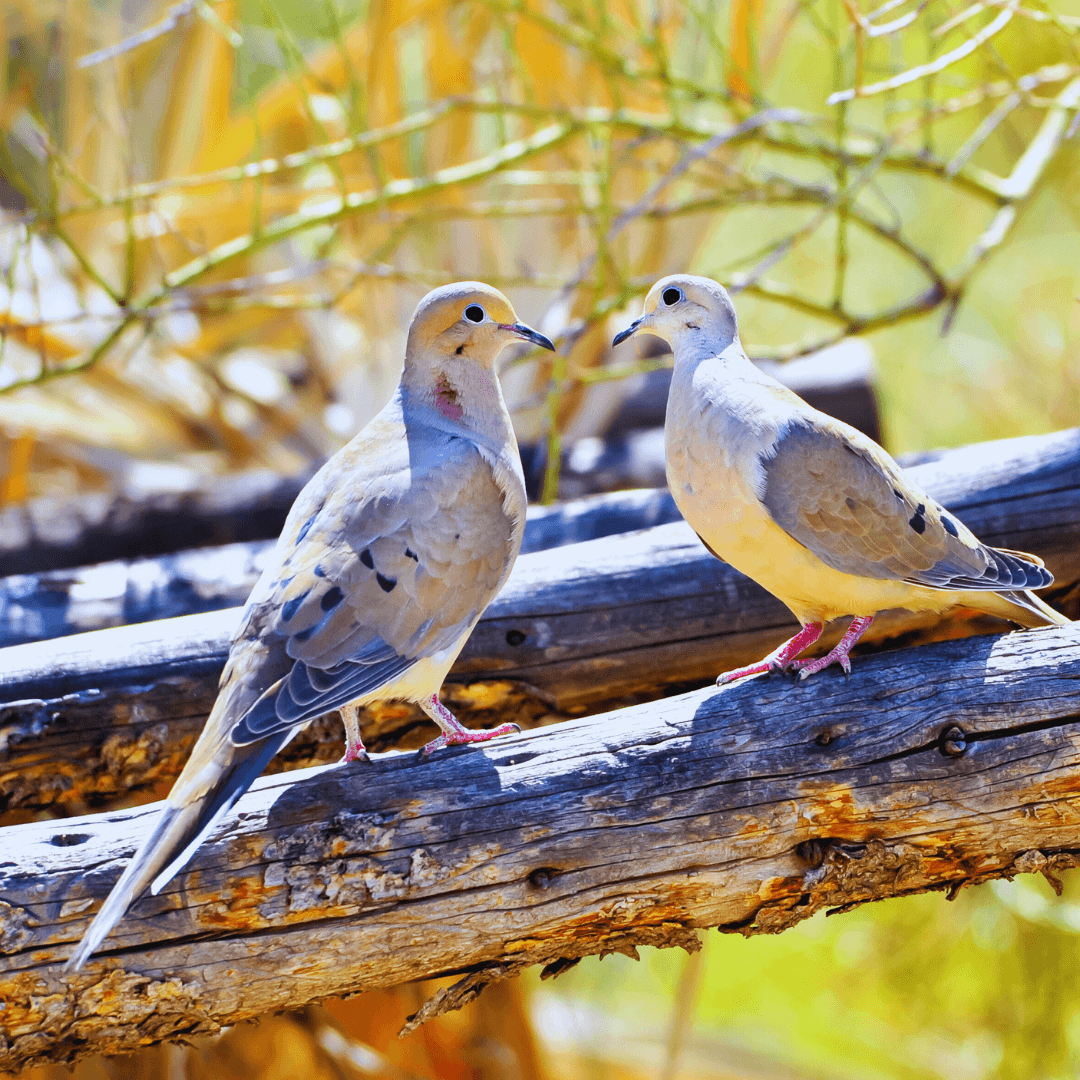
Mourning doves form strong pair bonds during the breeding season. Males and females often remain together while nesting and raising their young, making cooperation an important part of their reproductive success.
Courtship usually begins with the male producing a series of soft cooing calls to attract a female. He may also bow, puff out his chest, and perform a graceful display to demonstrate his interest.
Once a pair forms, the birds may sit close together and gently preen each other’s feathers. This behaviour, known as allopreening, helps maintain their social connection.
Mourning doves are generally considered socially monogamous during breeding, meaning a male and female form a partnership to reproduce. Some pairs reunite in subsequent breeding seasons, although they do not necessarily remain together for life.
Their partnership continues after they lay eggs. Both parents share incubation duties and feed their chicks, providing an important example of cooperative parenting among birds.
Other familiar backyard birds also display interesting courtship and pair-bonding behaviours. Northern cardinals, for example, are known for their colourful courtship displays and the male’s habit of offering food to a female. Discover more in our article on Fun Facts About the Northern Cardinal.
You can learn more about mourning dove courtship and reproduction through the Animal Diversity Web’s Mourning Dove Profile.
9. Mourning Doves Share Parenting Responsibilities
Mourning doves are devoted parents, with both males and females taking an active role in raising their young. From incubating eggs to feeding chicks, they work together throughout the nesting period.
One fascinating aspect of their parenting behaviour is how they divide incubation duties. The male typically sits on the eggs during the day, while the female takes over in the late afternoon and remains on the nest overnight.
This arrangement helps keep the eggs warm and protected while allowing each parent time to feed and rest. Incubation generally lasts about 14 days before the chicks begin to hatch.
After hatching, both parents produce a nutritious substance called crop milk. Unlike mammalian milk, this substance comes from the lining of the birds’ crops and provides essential nutrients for their rapidly growing chicks.
As the young develop, their parents gradually introduce more seeds into their diet. Mourning dove chicks usually leave the nest at about 12–15 days old, although their parents may continue feeding them for a short period.
This shared approach to parenting gives mourning dove chicks a strong start in life. Their cooperation is especially valuable because mourning doves may raise several broods during a single breeding season.
Other bird species have equally fascinating family behaviours. Wild turkeys, for example, rely primarily on the female to care for their young, offering an interesting contrast to mourning doves. Discover more in our article on Interesting Facts About Turkeys.
10. Mourning Doves Nest In Surprisingly Unusual Places
Mourning doves are adaptable birds that can establish nests in a surprising variety of locations. Although trees and shrubs are common choices, these resourceful birds sometimes select places much closer to human activity.
In residential neighbourhoods, mourning doves may nest in hanging flower baskets, window boxes, gutters, and on building ledges. These locations can provide a convenient platform for their simple nests.
Their nesting choices often depend on available shelter, nearby feeding areas, and suitable places to support their eggs. However, not every location offers reliable protection from predators or harsh weather.
Unlike birds that depend on tree cavities for nesting, mourning doves generally build open platform nests. This flexibility allows them to reproduce in woodlands, agricultural landscapes, suburban gardens, and even busy urban environments.
Some mourning doves occasionally nest directly on the ground, particularly where trees and shrubs are scarce. Ground nesting exposes their eggs and chicks to different risks, including disturbance and predators.
If mourning doves choose a hanging basket or another spot near your home, observe them from a distance. Avoid moving an active nest or disturbing the parents, especially when eggs or young chicks are present.
Creating a wildlife-friendly garden can provide birds with more natural shelter and nesting opportunities. Our guide to Step-by-Step Gardening For Wildlife explores practical ways to support birds and other wildlife around your home.
Turn Your Passion for Nature Into Income
🌿 Whether you love gardening, caring for animals, or exploring holistic living,
You can share your knowledge online and earn from it.
Discover how nature lovers are growing their passions into meaningful, income-generating blogs. 👇
11. Mourning Doves Influence Plant Growth Through Seed Feeding
Mourning doves play a role in their local ecosystems through their feeding habits. As primarily seed-eating birds, they consume seeds from many grasses, weeds, and agricultural plants.
By eating seeds before they germinate, mourning doves can influence which plants grow in an area. However, their impact depends on the number of birds, the available seeds, and local environmental conditions.
Unlike some fruit-eating birds that spread viable seeds through their droppings, mourning doves usually digest the seeds they swallow. Their muscular gizzards grind seeds, making them less effective seed dispersers than many other bird species.
Their feeding activities also connect them to the wider food web. Mourning doves eat plant material and provide food for predators such as hawks, falcons, and other animals.
Native grasses and seed-producing plants provide valuable food for mourning doves and many other birds. Maintaining a variety of natural vegetation can help support these species throughout the growing season.
If you enjoy identifying birds that visit gardens and open spaces, explore our article on Common Backyard Birds In The USA. It introduces other familiar species that share habitats with mourning doves.
These feeding relationships remind us that birds influence their surroundings in different ways. Some disperse seeds, others help control insects, and mourning doves contribute primarily as seed consumers and members of the food web.
12. Mourning Doves Communicate Through Sounds And Body Language
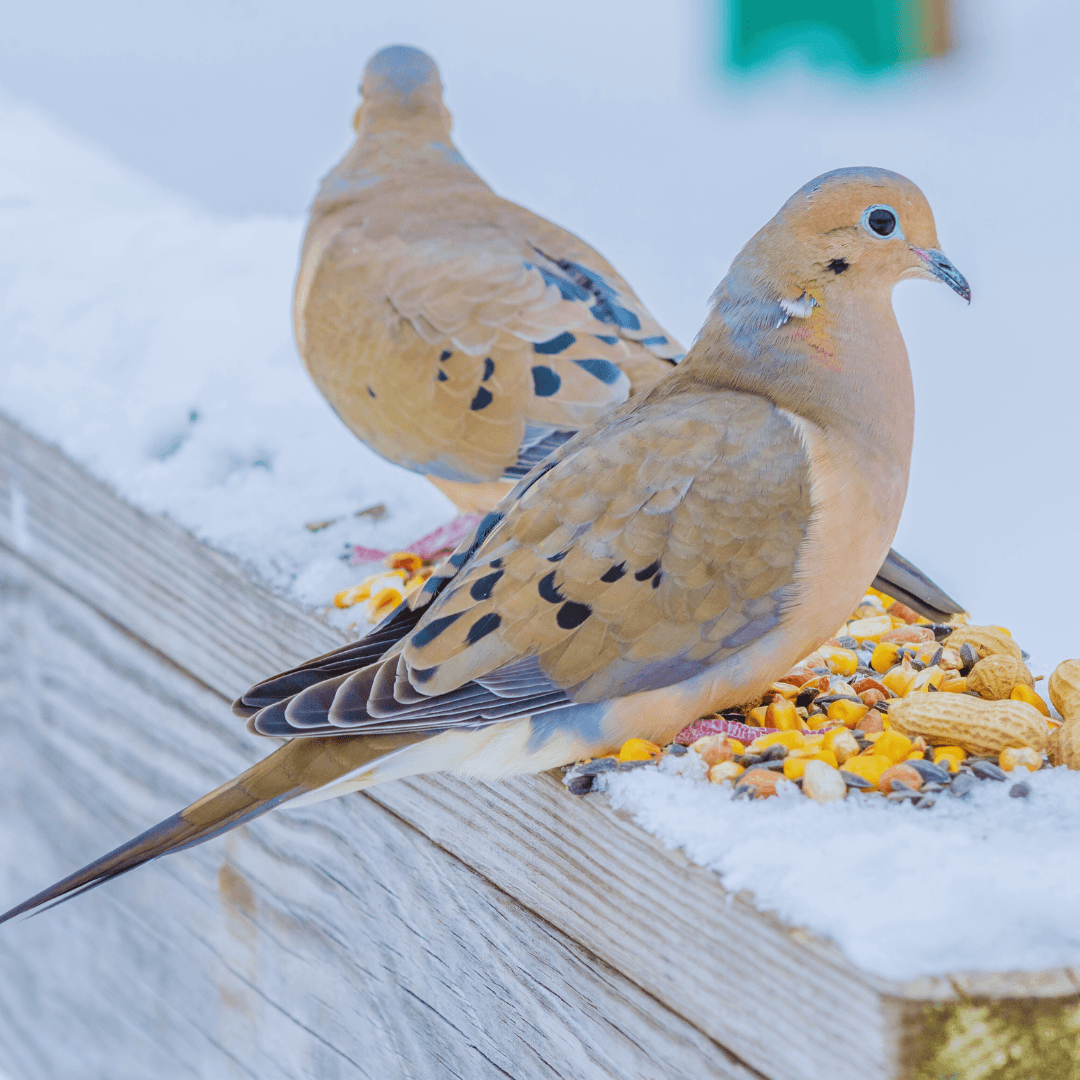
Mourning doves communicate in several ways beyond their familiar cooing calls. Their posture, movements, and interactions with other birds can clue you into their behaviour and intentions.
When a mourning dove feels threatened, it often becomes alert and watches its surroundings carefully. If danger approaches, the bird may suddenly take flight, giving nearby doves an opportunity to react.
During interactions with other mourning doves, body posture can signal different intentions. Birds may puff up their feathers, bow, or move toward one another when establishing social relationships or competing for space.
Mourning doves also use physical displays during courtship. Males sometimes pursue females on the ground, combining their movements with vocalizations to attract attention.
Although these birds are not accomplished mimics, their natural communication methods suit their daily lives well. They use a combination of sounds, visual signals, and movement to interact with other members of their species.
Other birds have developed different communication methods. Woodpeckers, for example, drum rapidly on resonant surfaces to communicate and establish territories. Discover more in our article on Interesting Facts About Woodpeckers.
Learning to recognize bird behaviour can make backyard birdwatching more rewarding. Even small changes in posture or movement may reveal whether a mourning dove is resting, feeding, courting, or responding to a possible threat.
13. Mourning Doves Have Distinctive Flight Patterns
Mourning doves are graceful flyers with a distinctive mix of rapid wingbeats and smooth gliding. Their streamlined bodies and pointed wings help them travel efficiently through open spaces.
When taking off, mourning doves beat their wings rapidly to gain height and speed. Their sudden departures often surprise birdwatchers, especially when several birds leave a feeding area at once.
During flight, mourning doves may alternate between active wingbeats and brief glides. These movements help them navigate between trees, feeding grounds, and other familiar locations.
Their long, pointed wings allow them to make quick adjustments in direction. This agility is particularly valuable when avoiding obstacles or escaping predators in open landscapes.
Mourning doves often fly directly between feeding and resting areas, sometimes travelling considerable distances during their daily activities. Their flight is usually purposeful rather than an elaborate aerial display.
Watching mourning doves in flight can help birdwatchers distinguish them from other species. Their small heads, pointed wings, and long tails create a recognizable silhouette against the sky.
For an interesting comparison, explore our article on Fun Facts About Blue Herons. Unlike mourning doves, great blue herons use broad wings and slow, powerful wingbeats to travel between wetlands and feeding areas.
14. Mourning Doves Use Trees For Resting And Safety
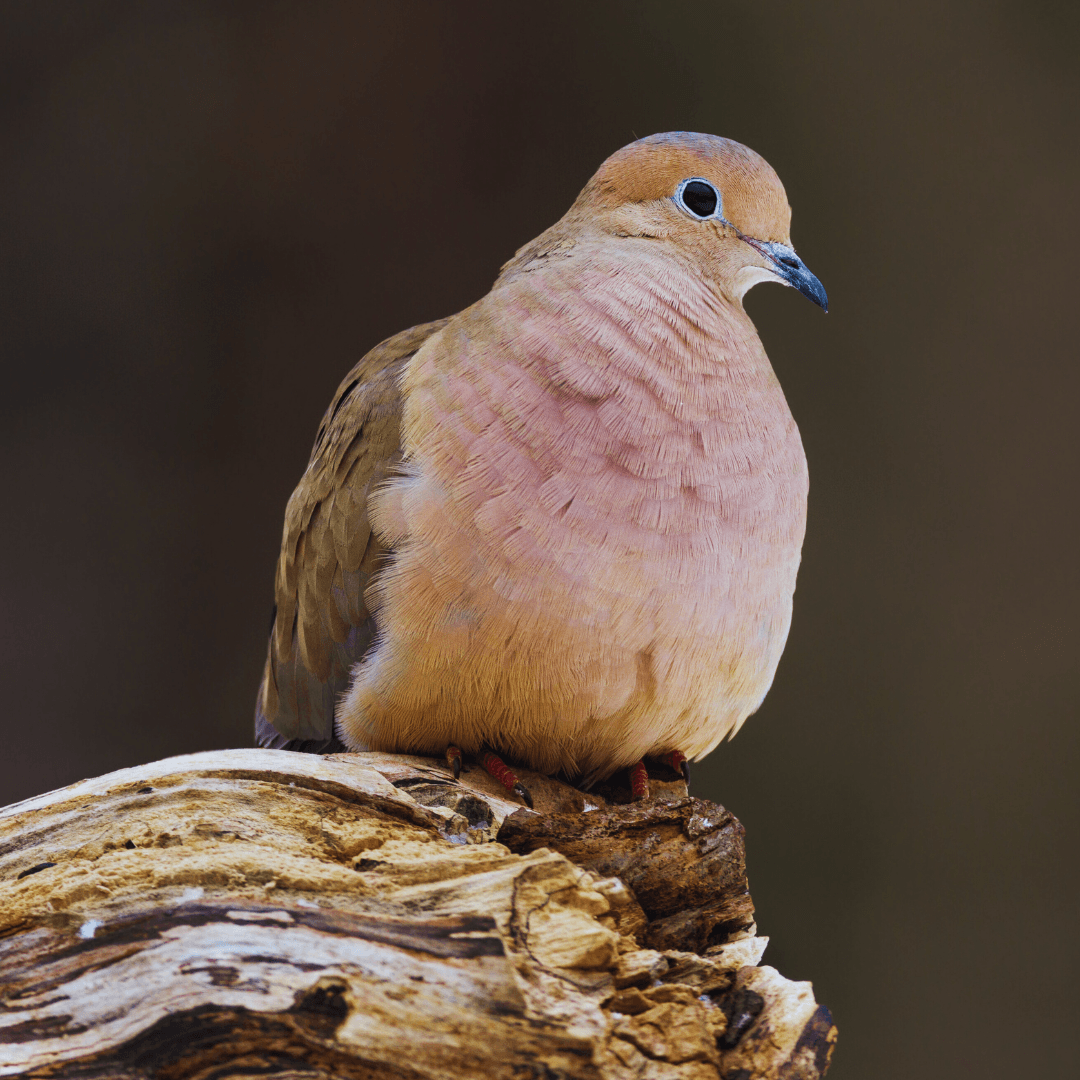
Although mourning doves spend much of their feeding time on the ground, they frequently perch in trees, shrubs, and other elevated locations. These resting spots give them a convenient place to watch their surroundings.
Mourning doves often choose exposed branches, utility wires, and fence posts for a clear view of nearby activity. Their elevated position can help them notice approaching predators before danger gets too close.
Trees also provide valuable shelter from harsh weather. Dense branches and foliage can offer some protection from wind, rain, and strong sunlight, allowing mourning doves to rest more comfortably.
During the evening, mourning doves may settle into trees or shrubs to roost overnight. They generally prefer locations that offer some protection while allowing them to respond quickly if disturbed.
Mourning doves are also social birds outside the breeding season. Several individuals may gather in suitable resting areas, particularly where food and shelter are readily available.
Trees and shrubs help make gardens and neighbourhoods suitable habitats for mourning doves. Native vegetation can provide natural resting places while supporting the insects and seeds that other bird species depend on.
If you enjoy discovering how different birds use trees and natural habitats, explore our article on Interesting Facts About the Yellow-Bellied Sapsucker. Unlike mourning doves, these fascinating woodpeckers depend heavily on trees to feed and nest.
15. Mourning Doves Are Often Active Early In The Morning
Mourning doves are diurnal birds, meaning they are primarily active during daylight hours. They often begin their daily activities around sunrise, when it becomes bright enough for safe movement.
Early mornings are an important time for mourning doves to search for food. They frequently visit open ground, gardens, fields, and feeding areas where seeds are readily available.
Male mourning doves are particularly vocal during the breeding season. Their familiar, soft cooing can often be heard in the morning as they communicate with potential mates and other nearby birds.
Starting early lets mourning doves take advantage of cooler temperatures, especially during warm summer months. However, their feeding and resting patterns can vary with weather, season, and local conditions.
As the day progresses, mourning doves alternate between feeding, resting, preening, and watching for potential dangers. They may become less active during the hottest part of the afternoon before resuming their activities later.
Birdwatchers often find early morning an excellent time to observe mourning doves and other backyard species. Their movements and calls can be easier to notice before neighbourhood activity increases.
If you enjoy identifying birds during your morning walks or while relaxing in the garden, explore our article on Interesting American Redstart Facts. These colourful songbirds are another fascinating species to watch in daylight.
16. Mourning Dove Chicks Grow Remarkably Quickly
Mourning dove chicks develop surprisingly quickly after hatching. Like many other young birds, they hatch helpless, with closed eyes and only a sparse covering of downy feathers.
During their first days, the chicks depend entirely on their parents for warmth, protection, and nourishment. Both adults feed their young a nutritious substance called crop milk, which supports their rapid early growth.
As the chicks develop, their eyes open, and new feathers gradually replace their soft down. Their bodies become stronger, allowing them to move around the nest and prepare for their first flights.
Young mourning doves typically leave the nest when they are about 12–15 days old. At this stage, they may resemble smaller versions of adult birds, although their feathers and flying abilities are still developing.
Leaving the nest does not mean the young birds are completely independent. Their parents may continue feeding and watching over them for several days while they improve their flying and foraging skills.
Young mourning doves face many challenges during this period, including predators, poor weather, and difficulty finding food. Their rapid development helps reduce the time they spend in the vulnerable nesting stage.
If you enjoy comparing how different birds raise their young, explore our Comprehensive List of Duck Types. Unlike mourning dove chicks, ducklings can walk and swim shortly after hatching, although they still depend on their mothers for protection and guidance.
17. Mourning Doves Use Their Hearing To Stay Alert
Mourning doves rely on their senses to navigate their surroundings and respond to potential dangers. Although their eyesight is particularly important, hearing also helps them detect activity nearby.
Like other birds, mourning doves have ears located on the sides of their heads. Feathers cover these openings, making them difficult to see without examining the bird closely.
Their hearing allows them to recognize the calls of other mourning doves and respond to sounds in their environment. This ability is especially useful when communicating with mates or detecting nearby disturbances.
Mourning doves must stay alert because hawks, falcons, and other predators prey on them. Sudden or unfamiliar sounds may cause them to stop feeding, look around, or take flight.
Birds process sound differently from humans, but many species can distinguish between different calls and environmental noises. Mourning doves use auditory information alongside their excellent vision to assess their surroundings.
When you observe mourning doves in your garden, you may notice them pausing frequently between feeding. These brief moments of alertness help them monitor their environment and respond when necessary.
Bird species communicate in different ways, using distinctive calls, songs, and behaviours. If you enjoy learning about other fascinating birds, explore our article on Blackbirds With Orange Beaks and discover some of their interesting characteristics.
18. Some Mourning Doves Migrate Long Distances
Mourning doves are widespread across North America, but not all populations follow the same seasonal movements. Some remain in their territories throughout the year, while others migrate to warmer regions when temperatures begin to fall.
Mourning doves breeding in Canada and the northern United States are more likely to migrate south during autumn. Many spend the winter in the southern United States, Mexico, or parts of Central America.
Their migration patterns depend on several factors, including climate, food availability, and geographic location. Mourning doves living in milder regions may remain nearby throughout the year if suitable conditions persist.
Unlike birds that travel in large, tightly coordinated formations, mourning doves often migrate individually or in loose groups. They may gather in feeding areas or resting locations along their routes.
Mourning doves generally migrate during daylight hours, using favourable weather conditions to support their journeys. Their strong flight abilities allow them to cover considerable distances between seasonal habitats.
As spring approaches, migratory mourning doves return north to establish breeding territories. Their arrival is a familiar seasonal event in many Canadian gardens, fields, and neighbourhoods.
If you enjoy observing birds throughout the changing seasons, explore our article on How To Help Overwintering Birds In Your Yard. It offers practical ideas for supporting birds that remain in your area during the colder months.
19. Mourning Doves Can Survive Challenging Weather Conditions
Mourning doves live in regions with widely varying climates, from warm southern landscapes to colder northern environments. Their ability to adjust their behaviour helps them cope with changing weather conditions.
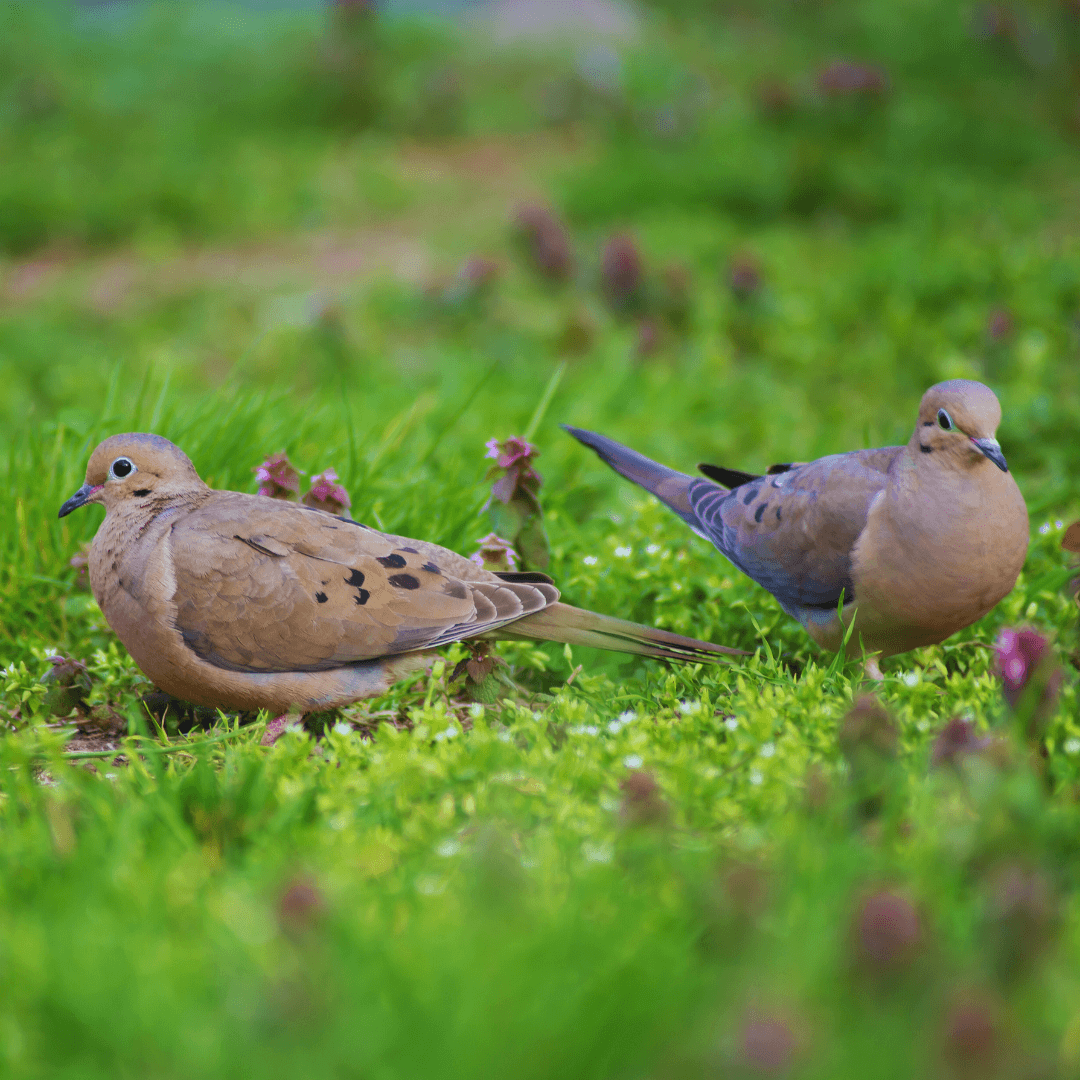
During cold weather, mourning doves often fluff up their feathers to trap a layer of insulating air close to their bodies. This reduces heat loss and conserves energy when temperatures drop.
Like other birds, mourning doves maintain a high body temperature and need sufficient food to support their metabolism. Finding reliable seed sources becomes particularly important during colder periods.
Mourning doves may seek shelter among evergreen trees, shrubs, and other protected locations when strong winds or heavy precipitation make exposed areas uncomfortable. Suitable resting places can help reduce their exposure to harsh conditions.
Hot weather presents different challenges. Mourning doves may rest in shaded areas and visit accessible water sources to drink and cool themselves. They can also lose excess body heat through respiratory cooling.
Although mourning doves can tolerate a range of environmental conditions, severe winter storms, prolonged cold, and food shortages can threaten their survival. Their ability to withstand difficult weather has limits.
Creating a garden with protective vegetation can benefit mourning doves and other resident birds. Discover our article, Top Evergreen Plants For Winter To Help Wildlife Thrive, for ideas on providing natural shelter during the colder months.
20. Mourning Doves Have Effective Ways To Avoid Predators
Mourning doves may appear gentle and relaxed, but they must remain alert to survive in the wild. Their natural predators include hawks, falcons, owls, snakes, and domestic cats.
Their large eyes, positioned on the sides of their heads, provide a broad field of vision. This helps mourning doves detect approaching dangers while feeding on the ground or resting in exposed locations.
When a predator approaches, mourning doves can launch into rapid flight. Their powerful wingbeats and quick changes in direction help them escape many threats, particularly in open environments.
Their brownish-grey feathers also provide useful camouflage. When resting quietly among branches, dry vegetation, or bare ground, mourning doves can blend into their surroundings and become less noticeable.
Mourning doves sometimes gather in groups while feeding or resting. Having several birds nearby can increase the chances that one will notice a potential threat, although gathering does not guarantee protection.
During the nesting season, adult mourning doves may perform distraction displays to draw attention away from vulnerable eggs or chicks. These behaviours can help protect their offspring when predators approach.
You can help protect mourning doves and other backyard birds by providing suitable shelter and reducing avoidable hazards. For more wildlife-friendly gardening ideas, explore our article on 11 Incredible DIY Bird Feeders You’ll Be Proud To Display.
Place feeders where birds can spot approaching predators while still having access to nearby protective cover. Keep the surrounding area clean and choose locations that reduce the risk of cats ambushing feeding birds.
Conclusion
Exploring these 20 interesting facts about mourning doves reveals just how fascinating these familiar backyard birds can be. From their distinctive calls and graceful flight to their nesting habits and seasonal movements, mourning doves have many remarkable characteristics.
Their adaptability allows them to thrive in gardens, neighbourhoods, farmland, and natural habitats across North America. Their feeding habits, breeding behaviours, and responses to changing weather demonstrate how they survive in different environments.
Mourning doves also remind us that we don’t need to travel far to appreciate wildlife. Watching them gather seeds, rest among tree branches, or care for their young offers wonderful opportunities to observe nature throughout the seasons.
Birdwatching can also introduce us to remarkable species beyond our local surroundings. For a colourful example, explore our guide to Hummingbirds of Costa Rica and discover the fascinating diversity of these tropical birds.
By learning more about mourning doves and creating bird-friendly outdoor spaces, we can better appreciate these gentle birds and help protect the habitats they depend on.
I trust you enjoyed this article on the 20 Interesting Facts About Mourning Doves. Please stay tuned for more inspiring guides, helpful tips, and ideas to help you live closer to nature every day.
Take care!
— JeannetteZ🌿
💬 Your Opinion Is Important To Me
Do you have thoughts, ideas, or questions? I’d love to hear from you. Please leave your comments below or email me directly at Jeannette@Close-To-Nature.org.
📚 More Nature-Inspired Reads
Explore more ways to connect with nature, nurture your pets, and live in harmony with the world around you 🌿