
20 Fascinating Wild Animals In Canada You Must Discover

Wild animals in Canada inhabit an extraordinary variety of landscapes, from dense forests and expansive grasslands to rugged mountains, freshwater lakes, and Arctic tundra. These diverse environments provide habitats for thousands of fascinating species.
Canada’s wildlife includes iconic mammals such as moose, polar bears, wolves, and caribou, alongside colourful birds, reptiles, amphibians, and marine life. Each species contributes to the balance of the country’s natural ecosystems.
Covering nearly 10 million square kilometres, Canada supports remarkable biodiversity across its vast territory. However, habitat loss, climate change, pollution, and other environmental pressures threaten many native species.
Exploring Canada’s wildlife offers an opportunity to appreciate its natural heritage and understand the importance of conservation. From familiar backyard visitors to elusive wilderness inhabitants, these animals are essential to Canada’s natural environment.
In this guide, we’ll explore 16 fascinating wild animals in Canada, their habitats, distinctive characteristics, and roles in the country’s ecosystems.
Mammals In Canada
Canada is home to a wide variety of mammals, from tiny woodland rodents to enormous moose, wood bison, and polar bears. These animals inhabit forests, grasslands, mountains, wetlands, and Arctic landscapes.
Smaller mammals play important roles in maintaining healthy ecosystems. Some disperse seeds, while others shape vegetation, create habitats, or provide food for larger predators.
Canada’s coastal waters also support marine mammals such as whales, seals, and porpoises. These animals depend on healthy ocean ecosystems for food, breeding, and survival.
From elusive predators to familiar backyard visitors, Canada’s mammals display remarkable diversity. Many of these fascinating species will be explored in greater detail later in this guide.
Common Mammals In Canada
- Bears
- Beavers
- Bighorn Sheep
- Caribou
- Cougars
- Foxes
- Hares
- Marmots
- Moles
- Moose
- Pronghorns
- Squirrels
- Wood Bison
Native Birds In Canada
Canada is home to hundreds of bird species, from colourful songbirds and woodland visitors to powerful birds of prey and migratory waterfowl. Its forests, wetlands, grasslands, coastlines, and Arctic regions provide essential habitats for these remarkable animals.
Many birds migrate thousands of kilometres between their Canadian breeding grounds and warmer wintering areas. Others, including common ravens and certain woodpeckers, remain in Canada year-round, depending on the species and region.
Birds play important roles in Canada’s ecosystems by dispersing seeds, controlling insect populations, pollinating plants, and providing food for other wildlife. Their presence also offers valuable insights into environmental changes and habitat health.
Among Canada’s recognizable birds are the Common Loon, Snowy Owl, Canada Goose, and Mallard Duck. We’ll explore three of these fascinating species in greater detail later in this guide.
Common Birds In Canada
- Canada Geese
- Common Loons
- Common Ravens
- Mallard Ducks
- Snowy Owls
- Wild Turkeys
- Woodpeckers
Freshwater And Saltwater Fish In Canada
Canada’s freshwater lakes, rivers, and coastal waters support an impressive diversity of fish species. From the cold waters of the Arctic to the Atlantic and Pacific Oceans, these aquatic environments support fish with different feeding habits, migration patterns, and survival strategies.
Freshwater fish inhabit lakes, rivers, and streams across different regions of Canada. Their distribution depends on water temperature, habitat conditions, and food availability.
Canada’s marine waters support complex ocean food webs and sustain commercial fisheries and coastal communities. Many species also provide essential food for marine mammals and seabirds.
Salmon are particularly well known for their remarkable migrations between freshwater and the ocean. Their seasonal movements provide an important food source for bears, birds, and other wildlife.
Protecting healthy waterways, spawning grounds, and coastal habitats is essential for maintaining Canada’s fish populations and the ecosystems that depend on them.
Common Freshwater Fish In Canada
- Arctic Char
- Brook Trout
- Rainbow Trout
Common Saltwater Fish In Canada
- Atlantic Cod
- Haddock
- Halibut

Native Reptiles And Amphibians In Canada
Canada is home to a fascinating variety of reptiles and amphibians, including snakes, turtles, lizards, salamanders, and frogs. Most inhabit southern regions, where warmer temperatures and suitable habitats support their survival.
Reptiles and amphibians play important roles in Canadian ecosystems. Many feed on insects and other small animals, while others provide food for birds, mammals, and larger predators.
Venomous Snakes In Canada
Canada has several venomous snake species, most of which occur in limited geographic areas. These snakes generally avoid people and use their venom primarily to capture prey.
Rattlesnakes have venom that can cause serious injury, while the Desert Nightsnake is mildly venomous and generally not considered dangerous to humans.
- Desert Nightsnakes — Southern British Columbia
- Massasauga Rattlesnakes — Ontario
- Northern Pacific Rattlesnakes — British Columbia
- Prairie Rattlesnakes — Alberta and Saskatchewan
Non-Venomous Snakes In Canada
Many Canadian snakes are non-venomous and help control populations of rodents, insects, and other small animals. They inhabit forests, grasslands, wetlands, and rocky environments, depending on the species.
- Blue Racers
- Common Garter Snakes
- Eastern Foxsnakes
- Eastern Hog-Nosed Snakes
- Lake Erie Watersnakes
Although most Canadian snakes pose little danger to people, avoid handling unfamiliar wildlife. Seek medical attention promptly if you suspect a venomous snakebite.
Salamanders In Canada
Salamanders are amphibians rather than reptiles. They typically inhabit moist forests, wetlands, streams, and other environments where they can avoid drying out.
Many salamanders spend much of their time hidden beneath rocks, logs, or leaf litter. Their sensitivity to moisture and habitat conditions makes protecting healthy ecosystems particularly important.
- Allegheny Mountain Dusky Salamanders
- Mudpuppies
- Spring Salamanders
- Stream Salamanders
Lizards In Canada
Unlike salamanders, lizards are reptiles. Canada has relatively few native lizard species, most of which inhabit warmer southern regions.
These small reptiles often seek sunny locations where they can regulate their body temperature. They feed primarily on insects and other invertebrates.
- Common Five-Lined Skinks
- Prairie Skinks
Turtles In Canada
Canada’s freshwater turtles inhabit ponds, lakes, rivers, marshes, and wetlands. Several species face threats from habitat loss, road mortality, and disturbance to nesting areas.
Turtles often bask on logs and rocks to warm themselves. Many species also depend on suitable nesting sites near water, so protecting surrounding habitats is essential.
- Blanding’s Turtles
- Painted Turtles
- Snapping Turtles
- Spiny Softshell Turtles
- Spotted Turtles

18 Fascinating Wild Animals In Canada
Canada is home to some of North America’s most remarkable wildlife, from powerful grizzly bears and elusive cougars to majestic moose and colourful birds. Each species has adapted to the unique conditions of its natural habitat.
The country’s vast wilderness provides opportunities to observe animals in forests, mountains, grasslands, wetlands, and coastal waters. Some species are widespread, while others inhabit remote regions where encounters are much less common.
Wild animals in Canada display fascinating behaviours, including seasonal migrations, winter hibernation, complex social interactions, and remarkable survival strategies. Understanding these characteristics helps us appreciate their importance to healthy ecosystems.
In the following sections, we’ll explore 18 fascinating Canadian wild animals, grouped by animal type. Discover their distinctive features, natural habitats, and the challenges they face in the wild.
Bears In Canada
Canada is home to three native bear species: black bears, grizzly bears, and polar bears. Each has distinctive characteristics, feeding habits, and habitat preferences that help it survive in different environments.
Black bears inhabit forests across much of Canada, while grizzly bears are primarily found in western and northern regions. Polar bears live in Arctic and subarctic environments, where sea ice plays an essential role in their survival.
These powerful mammals contribute to healthy ecosystems through their feeding habits, movements, and interactions with other wildlife. Understanding their behaviour and respecting their space are essential when exploring bear country.
1. Black Bears
Black bears are the most widespread bear species in Canada, inhabiting forests, woodlands, and mountainous regions across much of the country. Despite their name, their fur ranges from black and dark brown to cinnamon, blond, and occasionally white.
British Columbia is home to the rare white-coated Kermode bear, often called the spirit bear. This distinctive colour variation occurs in some American black bears, particularly in British Columbia’s coastal rainforests.
Black bears are omnivores with a varied diet that includes berries, grasses, roots, nuts, insects, and occasionally fish or small mammals. Their feeding habits help disperse seeds and support the health of forest ecosystems.
These adaptable animals climb well and have a remarkable sense of smell. They generally avoid people, although encounters sometimes occur near hiking trails, campsites, and communities where food is accessible. The Bear Smart Society offers practical advice on understanding black bear behaviour and preventing conflicts.
During autumn, black bears increase their food intake to build energy reserves for winter denning. In colder regions, they spend several months in dens, surviving largely on stored body fat until spring.
Although black bears usually avoid confrontation, they remain powerful wild animals. Visitors to bear country should maintain a safe distance, secure food properly, and follow local wildlife safety guidelines.

2. Grizzly Bears
Grizzly bears are among Canada’s most impressive wild animals, recognized by their prominent shoulder humps, slightly concave facial profiles, and long, powerful claws. These large mammals are a North American form of brown bear.
They get their name from the pale-tipped guard hairs that give their coats a distinctive grizzled appearance. Although most grizzlies have brown fur, their colouring ranges from light blond to nearly black.
In Canada, grizzly bears inhabit parts of British Columbia, Alberta, Yukon, the Northwest Territories, and Nunavut. They occupy diverse environments, including mountain valleys, coastal forests, alpine meadows, and northern tundra.
Grizzlies are omnivores that feed on berries, roots, grasses, insects, fish, and occasionally larger mammals. Along British Columbia’s coast, salmon provide an important seasonal food source, helping bears build energy reserves before winter.
Despite their enormous size, grizzly bears are surprisingly agile. Their powerful shoulder muscles and long claws help them dig for roots, uncover insects, and excavate winter dens.
Grizzly bears generally avoid people, but they may react defensively when surprised, especially near cubs or food. Visitors to bear country should maintain a safe distance, carry bear spray where recommended, and follow Parks Canada’s wildlife safety guidelines.

3. Polar Bears
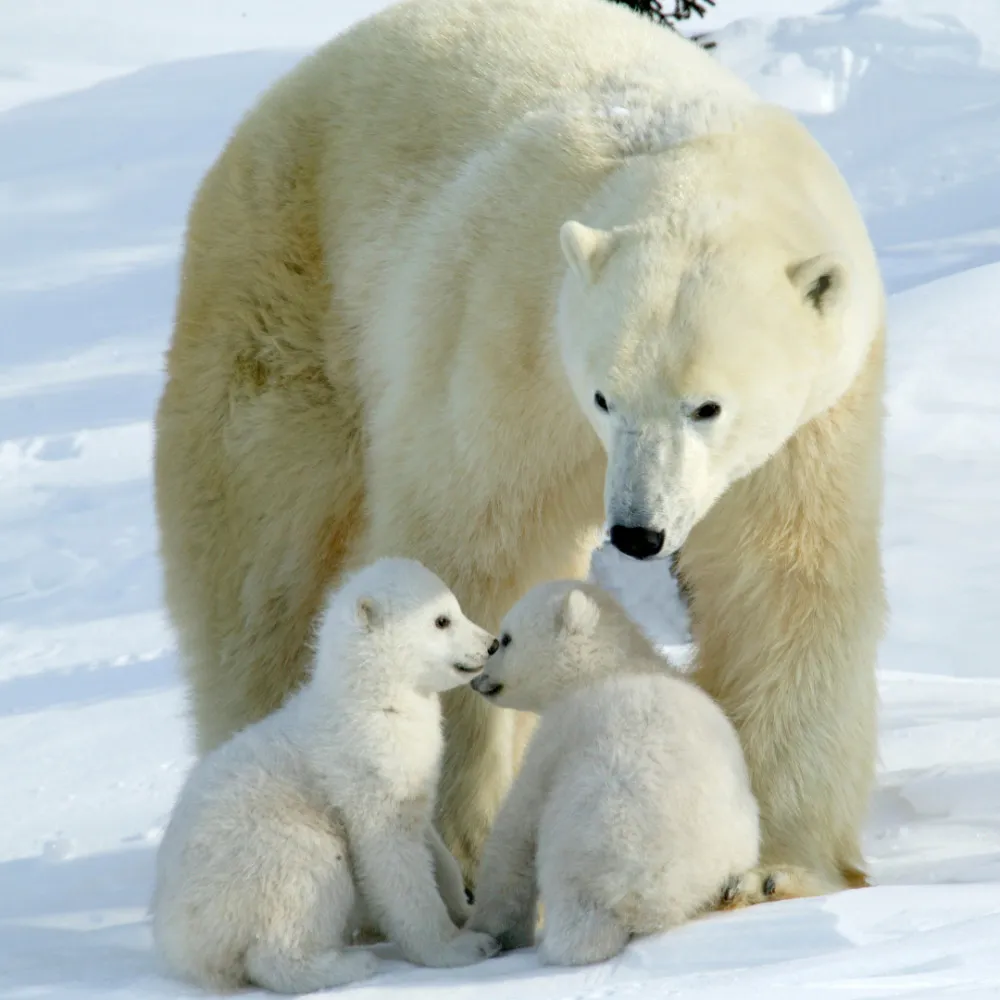
Polar bears are among Canada’s most iconic Arctic animals. Churchill, Manitoba, is known as the Polar Bear Capital of the World because large numbers of these magnificent bears gather along the western shore of Hudson Bay each autumn, waiting for sea ice to form.
Unlike other bear species, polar bears are classified as marine mammals because they depend heavily on the ocean and sea ice for survival. Adult males typically weigh 350 to 600 kilograms, making them among the world’s largest land carnivores.
Polar bears are powerful swimmers and skilled hunters that feed primarily on ringed and bearded seals. They rely on sea ice to hunt, travel, and reach key feeding areas throughout the Arctic.
Their thick fur, insulating body fat, and large paws help them survive extreme cold. Although their fur appears white, the hairs are largely transparent, while their black skin absorbs solar energy.
Climate change seriously threatens polar bears because rising temperatures reduce the extent and duration of Arctic sea ice. Shorter hunting seasons make it increasingly difficult for some populations to obtain sufficient food and maintain healthy body reserves.
Polar Bears International provides valuable information on polar bear conservation, Arctic habitats, and the challenges these animals face as their environment changes.
Other Land Mammals In Canada
Beyond its three bear species, Canada is home to an extraordinary variety of land mammals. From the frozen Arctic tundra to dense forests, open grasslands, and rugged mountains, these animals have adapted to remarkably different environments.
Some, such as Arctic foxes and Canada lynx, possess thick fur and other adaptations that help them survive harsh winters. Others, including bighorn sheep and mountain-dwelling cougars, navigate challenging terrain with impressive agility.
Herbivores such as moose, caribou, elk, and bison shape vegetation and provide food for predators. Beavers transform waterways by building dams, creating wetlands that support numerous other species.
Together, these mammals contribute to Canada’s biodiversity and the health of its natural ecosystems. Let’s explore their distinctive characteristics, habitats, and fascinating behaviours.
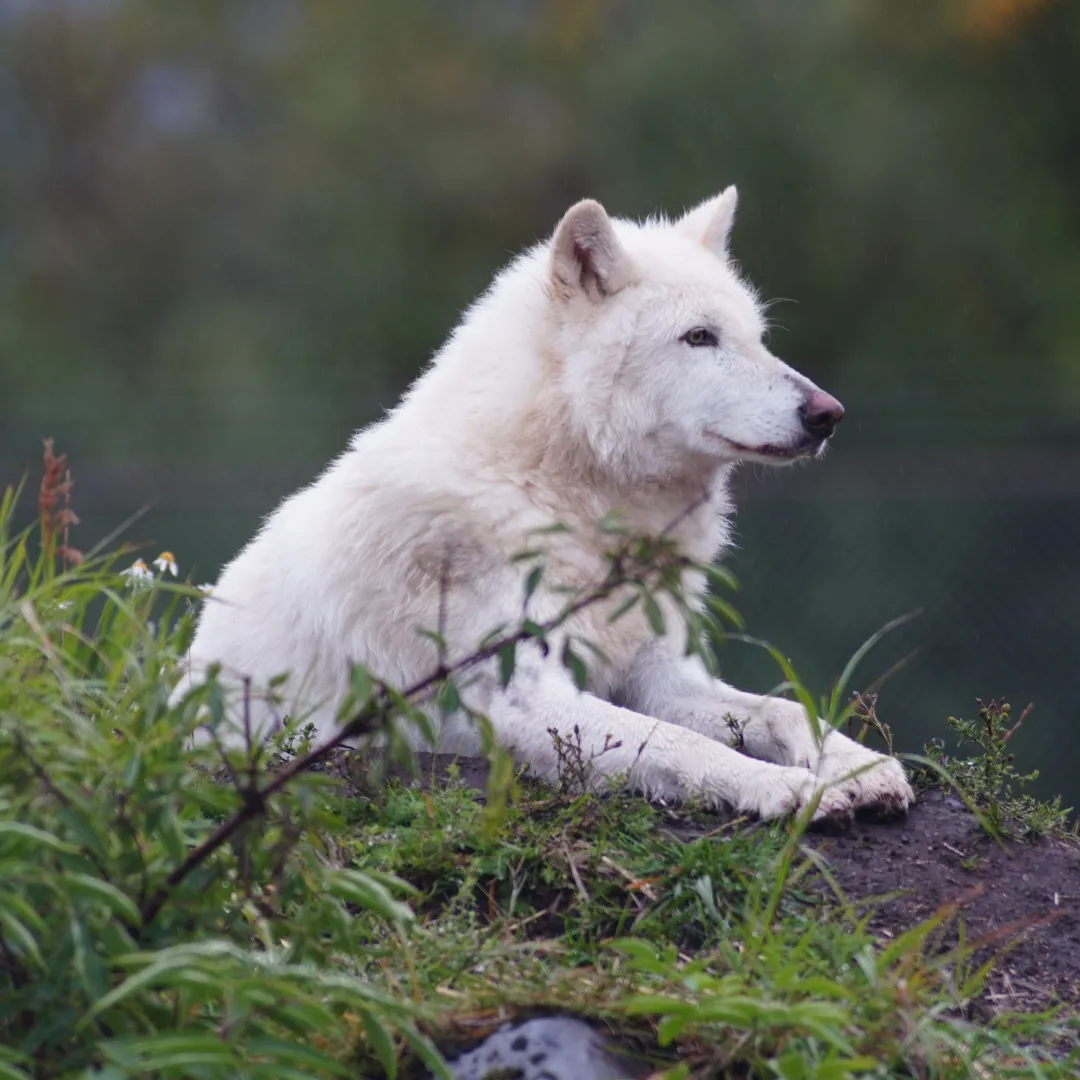
4. Arctic Foxes
Arctic foxes are remarkable survivors of Canada’s northern wilderness, inhabiting the Arctic tundra across Nunavut, the Northwest Territories, northern Quebec, and other northern regions.
Their compact bodies, short ears, and thick fur help conserve warmth in freezing temperatures. One of their most fascinating adaptations is their seasonal coat.
Many Arctic foxes develop thick white fur during winter, blending into snowy landscapes. In summer, their coats turn brown or grey, camouflaging them among rocks, soil, and tundra vegetation.
However, not all Arctic foxes turn white. Some have a blue colour variation and keep darker coats year-round. Their densely furred paws provide insulation and traction when travelling across snow and ice.
Arctic foxes are opportunistic hunters and scavengers that feed on lemmings, voles, birds, eggs, and carrion. They sometimes follow polar bears to scavenge remains from seal kills, using food sources in an environment where resources are often scarce.
These resourceful animals use underground dens for shelter and raising their young. Some den systems are used by successive generations, providing protection from harsh weather and predators.
Although Arctic foxes are well adapted to extreme cold, climate change is altering their northern habitats and may affect their food supplies.
Their remarkable survival adaptations, seasonal coat changes, and fascinating behaviours make the Arctic fox one of Canada’s most distinctive northern mammals.
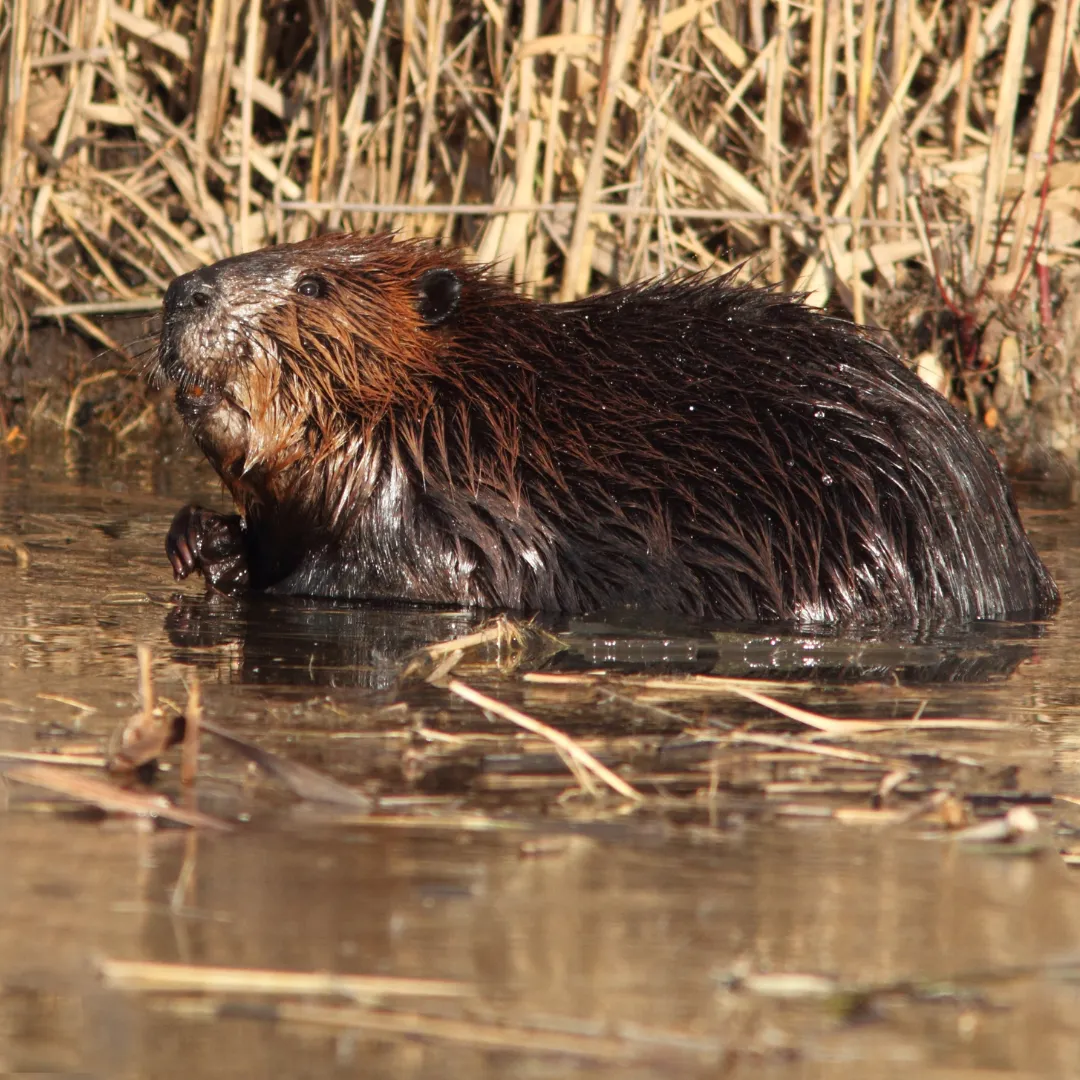
5. Canadian Beavers
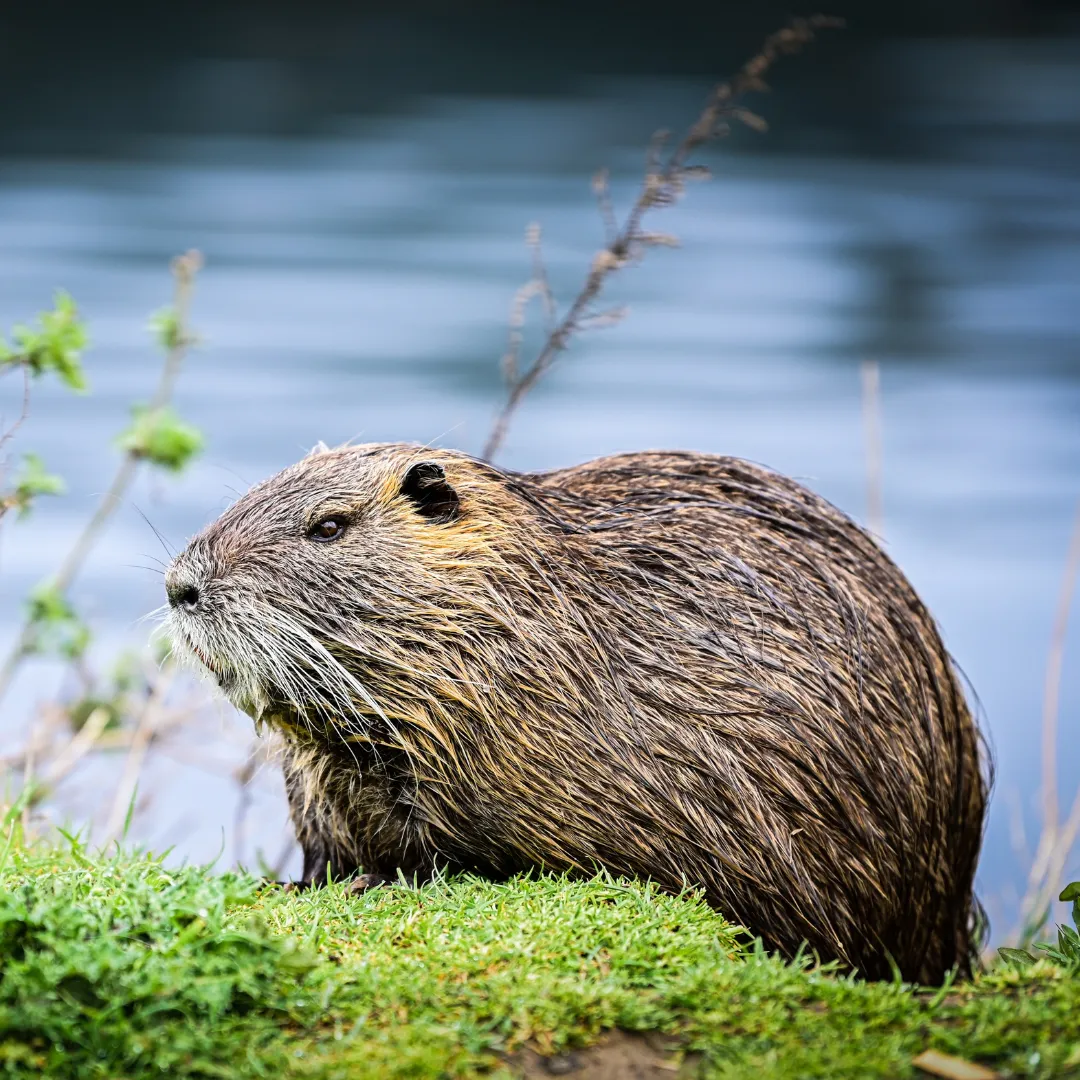
Canadian beavers, also known as North American beavers, are among Canada’s most recognizable wild mammals. These large, semi-aquatic rodents inhabit rivers, lakes, streams, and wetlands across much of the country.
Their thick waterproof fur, webbed hind feet, and broad, flattened tails make them exceptionally well adapted to life in the water. Beavers use their tails for balance on land, to steer while swimming, and to signal danger by slapping the water’s surface.
Beavers are famous for building dams from branches, logs, mud, and stones. These structures slow flowing water and create ponds that protect them from predators and provide access to food year-round.
By creating wetlands, beavers provide valuable habitats for fish, amphibians, waterfowl, and numerous other species. Their ability to reshape landscapes has earned them the reputation of being ecosystem engineers.
These herbivorous mammals feed on leaves, twigs, bark, and aquatic plants. In autumn, they often store branches underwater near their lodges, so they can access food beneath the ice throughout winter.
The North American beaver is also an enduring symbol of Canada’s natural heritage. Its historical importance in the fur trade and its remarkable influence on freshwater ecosystems make it one of the country’s most significant native mammals.
6. Bighorn Sheep
Bighorn sheep are among Canada’s most recognizable mountain mammals. Their impressive curved horns and remarkable climbing abilities make them easy to identify.
These animals live in the mountainous regions of western Canada, particularly British Columbia and Alberta. They are well adapted to steep slopes, rocky cliffs, and alpine meadows.
Male bighorn sheep, called rams, develop massive, curling horns that grow throughout their lives. Females, known as ewes, have smaller, more slender horns.
During the breeding season, rams sometimes engage in dramatic head-to-head clashes to compete for mates. Their powerful horns help absorb the impact of these encounters.
Bighorn sheep spend much of their time travelling across rugged mountain terrain. Their specialized hooves provide excellent traction on rocky surfaces and help them stay balanced.
These herbivores feed primarily on grasses, shrubs, and other mountain vegetation. They also visit natural mineral deposits to obtain nutrients essential for their health.
Interestingly, bighorn sheep sometimes gather along mountain highways where road salt has accumulated. Their presence can occasionally cause traffic delays and attract the attention of passing travellers.
Although these encounters offer excellent wildlife-viewing opportunities, visitors should maintain a safe distance. Feeding or approaching bighorn sheep may disturb their natural behaviour.
The Bighorn sheep plays an important role in Canada’s mountain ecosystems. Its grazing influences alpine vegetation, and it provides food for predators such as cougars and wolves.

7. Bison
Bison are among Canada’s largest land mammals. These powerful herbivores are recognized by their massive shoulders, shaggy coats, and distinctive humps.
Canada is home to two subspecies: plains bison and wood bison. Both once roamed extensive areas of North America, supporting grassland ecosystems and Indigenous communities.
For thousands of years, Indigenous Peoples depended on bison for food, clothing, tools, and other necessities. Their traditional hunting practices reflected deep knowledge of the animals and their seasonal movements.
During the 19th century, commercial hunting, colonial expansion, and habitat loss brought bison populations close to extinction. Conservation and reintroduction programs have since helped restore populations in selected regions.
Wood Buffalo National Park, spanning northern Alberta and the Northwest Territories, protects one of the world’s largest free-ranging wood bison populations. Its vast landscapes provide important habitat for these magnificent animals.
Alberta’s Head-Smashed-In Buffalo Jump is a UNESCO World Heritage Site. Indigenous hunters used this location for thousands of years, guiding bison over a cliff as part of carefully organized communal hunts.
The site’s interpretive centre explores Indigenous culture, traditional hunting methods, and bison’s historical importance. It offers valuable insight into the relationship between people and wildlife on the Canadian Prairies.
Parks Canada has also reintroduced plains bison to Banff National Park. The project aims to restore their ecological role after more than a century of absence.
The American bison contributes to healthy grasslands through grazing, movement, and interactions with other species. Protecting these animals helps preserve an important part of Canada’s natural and cultural heritage.

8. Canada Lynx
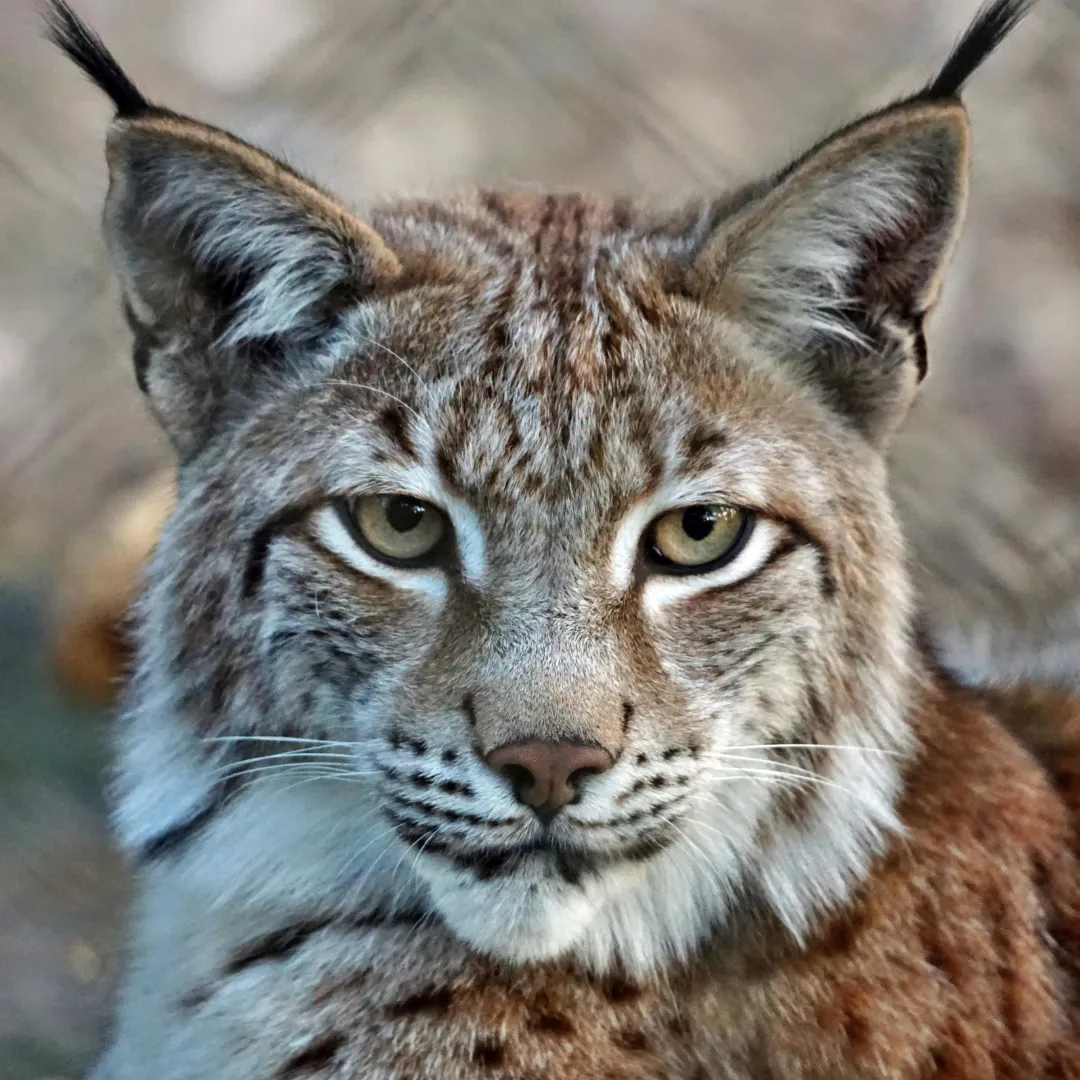
The Canada lynx is an elusive wild cat that inhabits boreal forests across much of Canada. Its thick fur, distinctive black ear tufts, and short, black-tipped tail make it easy to distinguish from other wild cats.
One of its most remarkable adaptations is its large, furry paws. These act like natural snowshoes, helping the lynx travel across deep snow while hunting during Canada’s long winters.
Canada lynx have long hind legs and powerful muscles that allow them to leap through snowy terrain. Their dense winter coats provide insulation against freezing temperatures.
Snowshoe hares make up most of their diet. Lynx populations often rise and fall alongside hare populations, creating one of Canada’s best-known predator-prey cycles.
These solitary hunters rely on keen hearing, sharp eyesight, and stealth to locate prey. They are most active around dusk and dawn, although their activity patterns vary with conditions.
Female lynx raise their kittens in sheltered locations, often beneath fallen trees or among dense vegetation. Young lynx stay with their mothers as they develop the hunting skills needed to survive.
Although the Canada lynx remains widespread in northern forests, habitat changes and declining prey populations may affect local populations. Protecting healthy boreal forests helps support these remarkable wild cats and the wildlife they depend on.
9. Caribou
Caribou are among Canada’s most remarkable northern mammals. Known as reindeer in Europe and Asia, these deer-family members inhabit tundra, boreal forests, and mountainous regions.
Unlike most deer species, both male and female caribou may grow antlers. Males generally develop larger antlers, which they use during the autumn breeding season.
During warmer months, caribou feed on grasses, sedges, leaves, and other vegetation. In winter, many rely heavily on lichens and dig through snow to reach them.
Their broad hooves help them travel across snow, wetlands, and uneven terrain. These hooves also provide traction on frozen landscapes as they search for vegetation.
Some tundra caribou undertake extraordinary seasonal migrations, travelling hundreds of kilometres between feeding and calving grounds. Other populations stay within smaller territories year-round.
Quebec is home to several caribou populations, including the endangered Gaspésie mountain caribou. This isolated population inhabits the mountainous landscapes of Gaspésie National Park and faces serious conservation challenges.
Habitat disturbance, climate change, and changing predator-prey relationships threaten some Canadian caribou populations. Protecting their habitats and migration routes is essential for their long-term survival.
The Reindeer article provides additional information about caribou biology, migration, and their importance to northern ecosystems.

10. Cougars
Cougars are among Canada’s most powerful wild predators and the second-largest wild cats in the Americas, after jaguars. Also known as mountain lions or pumas, they are recognized for their muscular bodies, long tails, and remarkable agility.
In Canada, cougars are most commonly found in British Columbia and Alberta. They inhabit forests, mountain valleys, rocky terrain, and grasslands where suitable prey and shelter are available.
Cougars have also been recorded in other provinces, including Saskatchewan, Manitoba, Ontario, Quebec, and New Brunswick. However, established breeding populations are much less widespread in eastern Canada.
Their coats range from tawny brown to reddish or greyish shades. They have rounded ears, pale undersides, and long tails with dark tips that help them stay balanced.
These solitary predators rely on stealth rather than prolonged chases. They approach prey quietly, then use powerful hind legs to launch a sudden attack.
Cougars primarily hunt deer but also feed on smaller mammals and occasionally larger prey. Their strength lets them take down animals much heavier than themselves.
Although cougar encounters are uncommon, these animals deserve respect and plenty of space. Hikers should remain alert, avoid approaching wildlife, and follow local safety recommendations.
Cougars play an important ecological role by regulating prey populations. Its presence helps maintain predator-prey relationships in Canada’s forests and mountain ecosystems.

11. Elk
Elk are among the most frequently observed large mammals in Banff and Jasper National Parks. These impressive animals inhabit forests, mountain valleys, grasslands, and open meadows throughout western Canada.
Also known as wapiti, elk belong to the deer family but are considerably larger than white-tailed deer. Adult males, called bulls, may weigh more than 350 kilograms and develop impressive branching antlers.
During the autumn breeding season, known as the rut, bulls produce distinctive high-pitched calls called bugles. These sounds echo through mountain valleys as males compete for females and establish dominance.
The rut generally occurs from late August through October, with activity often peaking in September. Bulls may become particularly aggressive during this period, so maintain a safe distance.
Visitors to Banff occasionally encounter elk grazing near the Bow River, on golf courses, or in open spaces around town. Although these animals appear accustomed to people, they remain unpredictable wildlife.
Elk are herbivores that feed on grasses, leaves, shrubs, and other vegetation. They often gather in herds, although group sizes and social behaviour change throughout the year.
Approaching elk for photographs or selfies is dangerous, especially during the rut and spring calving season. These powerful animals may charge when they feel threatened or when people approach too closely.
The Elk is an important part of Canada’s mountain ecosystems. As a large grazer and prey species, it influences vegetation and supports predators such as wolves and cougars.

12. Groundhogs (Woodchucks)
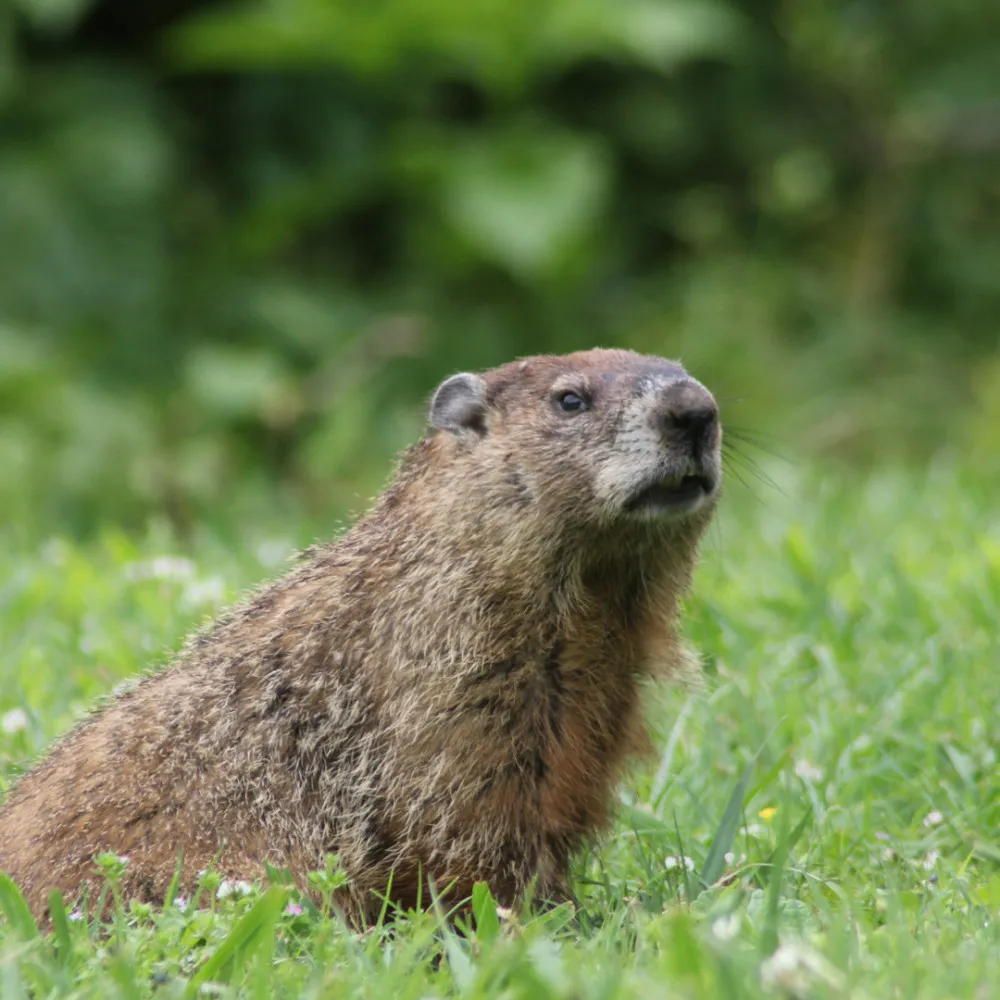
Groundhogs, also known as woodchucks, belong to the marmot family. These stocky rodents inhabit meadows, woodland edges, fields, and gardens across much of southern Canada.
Their brownish-grey fur, short legs, strong claws, and bushy tails make them easy to recognize. Unlike many other marmots, groundhogs are particularly comfortable living near farms and residential areas.
Groundhogs are skilled diggers that create extensive underground burrows. These tunnels contain separate chambers for sleeping, raising young, and sheltering from predators.
Their burrowing loosens soil and creates shelters other animals sometimes use. However, groundhog tunnels may also cause problems in gardens, agricultural fields, and landscaped areas.
These herbivores feed mainly on grasses, clover, dandelions, and other plants. They occasionally eat insects and other small invertebrates, but vegetation makes up most of their diet.
Groundhogs are true hibernators that spend much of winter underground. During hibernation, their body temperature drops considerably, and their heart rate and breathing slow dramatically.
In early spring, groundhogs emerge from their burrows and gradually resume feeding. Their seasonal activity has also inspired Groundhog Day, a popular tradition celebrated in parts of Canada and the United States.
Groundhogs play a useful role in local ecosystems. Its burrows shelter other wildlife, while groundhogs serve as prey for foxes, coyotes, and birds of prey.
13. Moose
Moose are the largest members of the deer family and among Canada’s most recognizable wild animals. Their towering bodies, long legs, and distinctive faces make them impressive inhabitants of northern forests.
These magnificent mammals live in forests, wetlands, and on lake shores across much of Canada. They prefer areas with abundant vegetation and access to water.
Quebec’s Matane Wildlife Reserve is particularly well known for its moose population. Visitors may observe these animals in their natural habitat while learning about their behaviour and ecological importance.
Male moose, called bulls, develop enormous, broad antlers that sometimes span nearly two metres. They shed their antlers annually and grow new ones before the next breeding season.
Moose have long faces, prominent muzzles, and flexible upper lips. These features help them grasp leaves, twigs, and other vegetation while browsing.
Their diet includes willow, birch, aspen, and aquatic plants such as water lilies. Moose often wade into lakes and ponds to feed on underwater vegetation.
Despite their enormous size, moose swim well. They can travel considerable distances underwater and briefly submerge themselves while feeding.
Moose also move surprisingly quickly on land, reaching about 55 kilometres per hour over short distances. Although they often appear peaceful, they may charge when frightened or threatened.
Use extra caution around bulls during the autumn breeding season and around females protecting their calves. Moose are powerful wild animals and should always be observed from a safe distance.

14. Vancouver Island Marmots
Vancouver Island marmots are among Canada’s rarest and most endangered mammals. These remarkable rodents live exclusively in the mountainous regions of Vancouver Island, British Columbia.
They belong to the squirrel family and are larger than many familiar ground squirrels. Their chocolate-brown fur, distinctive white markings, and sturdy bodies make them easy to recognize.
Unlike groundhogs, which inhabit much of southern Canada, Vancouver Island marmots prefer open subalpine meadows. They establish underground burrows near rocky slopes and areas with abundant vegetation.
These social animals live in colonies and communicate through distinctive whistles. Their warning calls alert nearby marmots to approaching predators or other dangers.
Vancouver Island marmots are herbivores that feed on grasses, flowers, herbs, and other mountain plants. Their varied diet helps them build the energy reserves needed to survive long winters.
They spend approximately seven months each year hibernating underground, usually from late September or October until spring. During this period, their body temperature and metabolic activity decrease considerably.
Habitat changes, predation, and historically small population numbers have threatened their survival. Captive breeding, habitat management, and reintroduction programs have helped rebuild wild populations.
Canada is also home to other marmot species, including groundhogs, hoary marmots, and yellow-bellied marmots. However, the Vancouver Island marmot is unique because it occurs naturally nowhere else in the world.

15. White-Tailed Deer
White-tailed deer are among Canada’s most familiar wild mammals. They inhabit forests, grasslands, agricultural areas, and woodland edges across much of southern Canada.
These graceful animals have reddish-brown summer coats that become greyish-brown in winter. Their name comes from the white underside of their tails, which they raise as a warning signal when alarmed.
Male deer, called bucks, usually grow branching antlers that they shed and regrow annually. Females, known as does, generally lack antlers and give birth to one or two spotted fawns in spring or early summer.
White-tailed deer are herbivores that feed on grasses, leaves, twigs, buds, and other vegetation. Their diet changes with the seasons and food availability.
Quebec’s Anticosti Island is particularly famous for its large deer population. Henri Menier introduced white-tailed deer to the island in 1896, and their descendants became an important part of its wildlife and tourism.
With few large predators on the island, deer populations have sometimes reached unusually high densities. Their browsing has significantly altered forest vegetation, illustrating how abundant herbivores influence ecosystems.
White-tailed deer are generally cautious animals with excellent hearing and a keen sense of smell. They are most active at dawn and dusk, though their behaviour varies by habitat and human activity.
White-tailed deer play an important role in Canada’s ecosystems as both browsers and prey species. For more fascinating details, explore our interesting facts about white-tailed deer.

Marine Mammals In Canada
Canada’s Atlantic, Pacific, and Arctic oceans provide habitats for an extraordinary variety of marine mammals. From enormous whales to playful seals and sea lions, these animals have adapted to life in cold coastal waters and the open ocean.
Marine mammals play important roles in ocean ecosystems. Some feed on fish and squid, while others consume krill, plankton, or marine mammals, helping maintain complex relationships within marine food webs.
Canada’s extensive coastline also provides remarkable opportunities to observe these animals in their natural habitats. However, protecting marine environments and respecting wildlife-viewing distances remain essential to their survival.
16. Whales
Canada is home to approximately 30 species of whales, dolphins, and porpoises. With coastlines along three oceans, the country offers diverse habitats for these remarkable marine mammals.
British Columbia’s Pacific waters are particularly well known for whale watching. Orcas, humpback whales, grey whales, minke whales, and occasionally fin whales inhabit or travel through these waters.
Orcas, also called killer whales, are actually the largest members of the dolphin family. They live in distinct populations with different diets, behaviours, and social structures.
Resident orcas primarily feed on fish, particularly Chinook salmon. Bigg’s orcas, also called transient killer whales, hunt marine mammals such as seals, sea lions, and porpoises.
The Salish Sea, between British Columbia and Washington State, provides important habitat for several orca populations. Some travel through the region seasonally, while others are observed throughout the year.
Humpback whales have also made a remarkable comeback in parts of British Columbia’s coastal waters. These enormous baleen whales migrate between northern feeding grounds and warmer breeding areas.
During summer, humpbacks feed on krill and small schooling fish. Their spectacular breaches, powerful tail movements, and distinctive flukes make them especially memorable to observe.
Canada’s Atlantic waters support humpback, fin, minke, and endangered North Atlantic right whales. The Gulf of St. Lawrence is an important feeding area for several of these species.
Farther north, Arctic waters support beluga whales, bowhead whales, and narwhals. These cold-water specialists have developed remarkable adaptations to survive in challenging northern environments.
Whales contribute to healthy marine ecosystems through feeding, nutrient cycling, and movement across vast ocean regions. However, ship strikes, fishing-gear entanglement, underwater noise, and climate change threaten many populations.
Learning more about whales and their habitats helps us appreciate the importance of marine conservation. Responsible wildlife observation also allows people to enjoy these magnificent animals without disturbing their natural behaviour.

Wild Birds In Canada
Canada is home to an extraordinary variety of wild birds, from familiar waterfowl to magnificent birds of prey. Its forests, lakes, wetlands, grasslands, and Arctic tundra provide important habitats year-round.
Some birds remain in Canada during the coldest months, while others migrate thousands of kilometres between their breeding and wintering grounds. Their seasonal movements are among nature’s most remarkable spectacles.
Wild birds help keep ecosystems healthy by dispersing seeds, controlling insect and rodent populations, and providing food for other wildlife. Many also indicate environmental change.
Let’s explore four fascinating Canadian birds: Canada geese, common loons, mallard ducks, and snowy owls. Each has distinctive characteristics and adaptations that make it an important part of Canada’s natural heritage.
17. Canada Geese
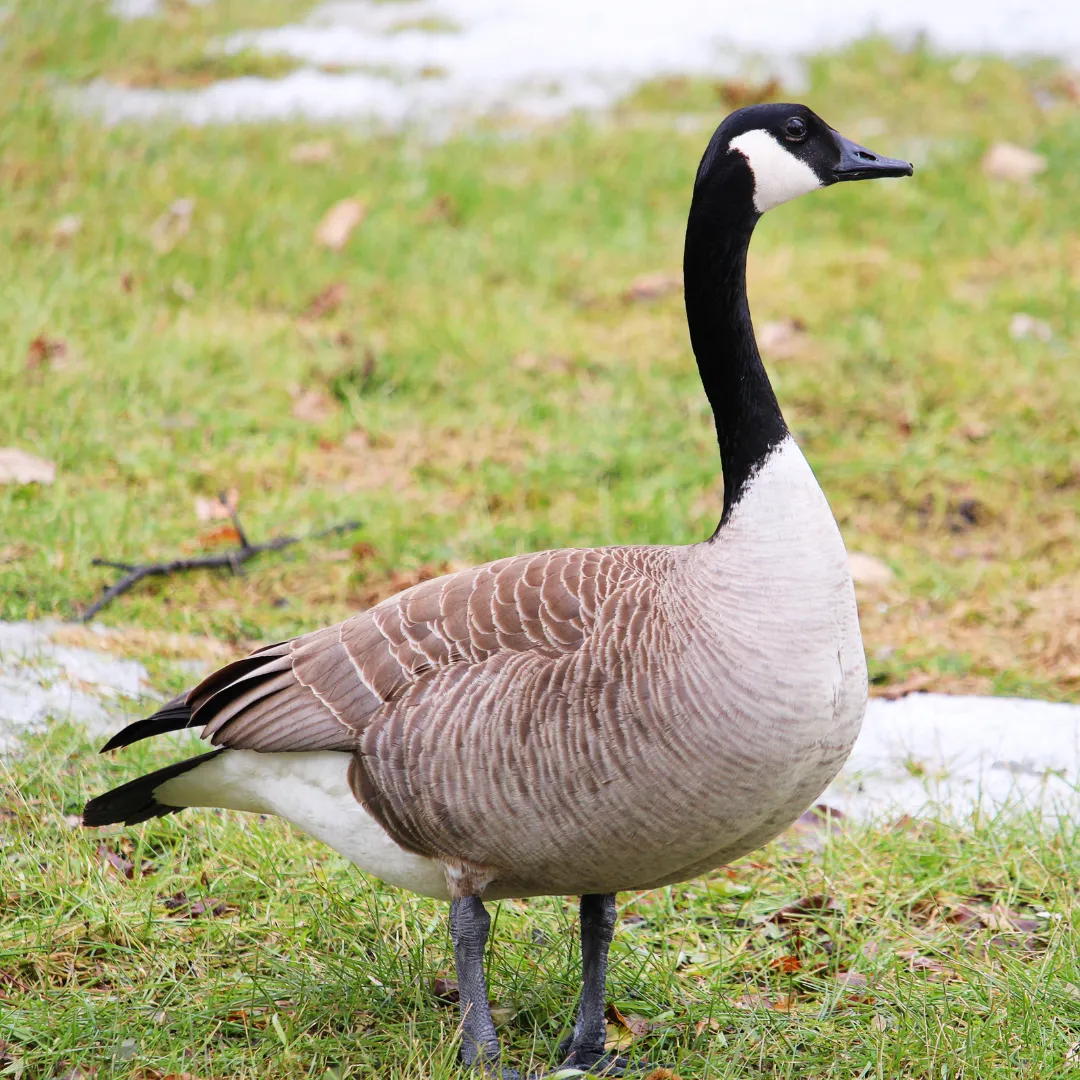
Canada geese are among Canada’s most recognizable wild birds. Their distinctive calls and impressive V-shaped formations are familiar sights during spring and autumn migrations.
These large waterfowl have brown bodies, pale undersides, black heads and necks, and distinctive white chinstraps. Their appearance makes them easy to distinguish from many other goose species.
Canada geese are a single species, though several subspecies vary in size and appearance. Larger individuals may weigh more than 8 kilograms, while smaller ones weigh considerably less.
They inhabit lakes, rivers, wetlands, grasslands, and agricultural fields throughout much of Canada. Many also thrive in urban parks, where open lawns and nearby water provide suitable feeding and nesting areas.
Canada geese are primarily herbivores that feed on grasses, aquatic plants, seeds, and agricultural crops. They often graze in groups, particularly during migration and outside the breeding season.
These birds form strong pair bonds and maintain close family relationships. Both parents protect their goslings, which remain with the family as they grow and learn to forage.
Many Canada geese return to familiar nesting areas each spring. Their seasonal migrations sometimes cover thousands of kilometres, although some populations remain in southern Canada throughout winter.
Flying in a V-shaped formation helps migrating geese conserve energy by taking advantage of air currents created by birds ahead of them. Their coordinated movements are among Canada’s most memorable wildlife spectacles.
The Canada goose is an adaptable species that has successfully occupied both natural and human-modified landscapes. However, maintain respectful distances, especially when adults protect their nests and young.

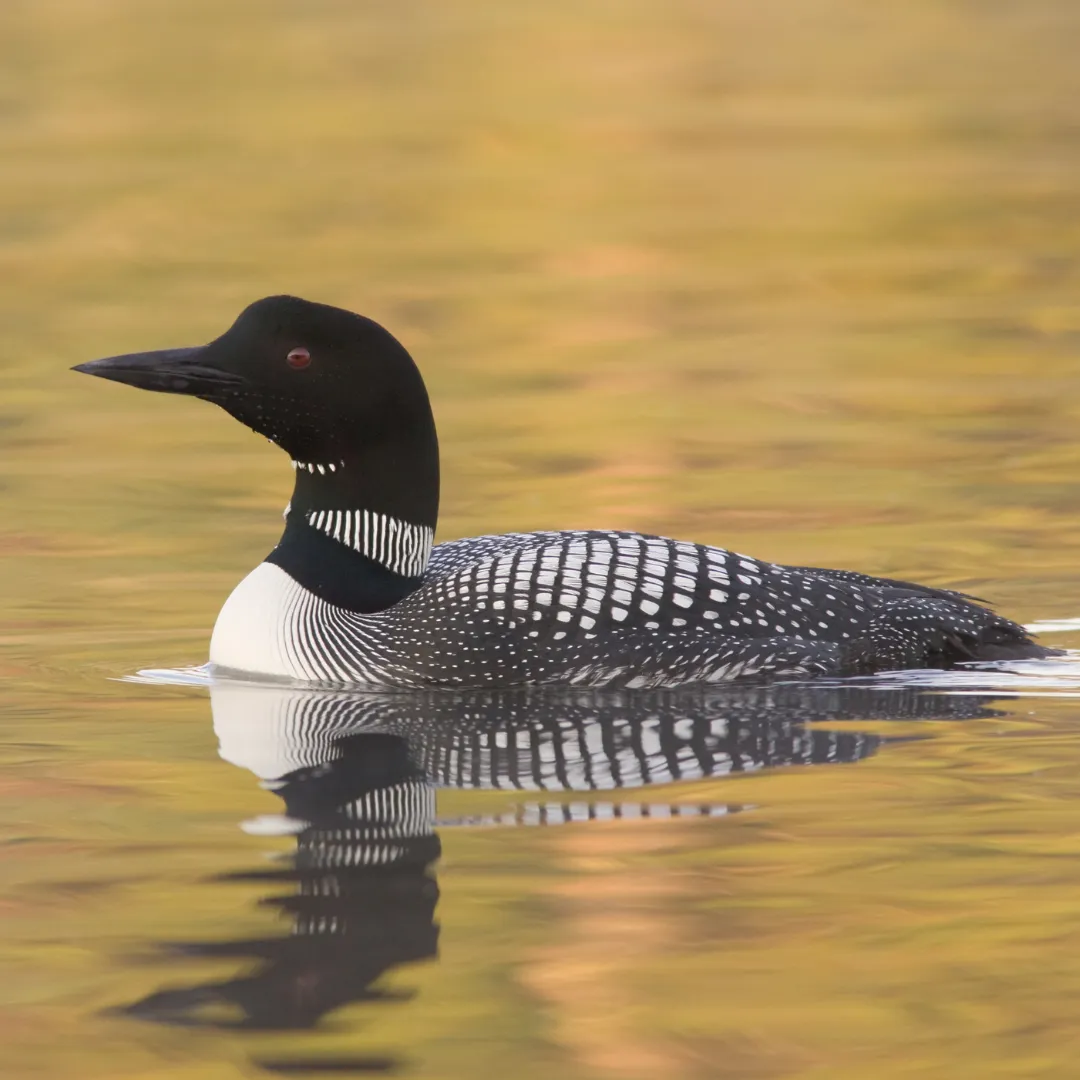
18. Common Loons
Common loons are among Canada’s most recognizable waterbirds. Their haunting calls echo across northern lakes, creating one of the most memorable sounds of the Canadian wilderness.
During the breeding season, these beautiful birds have striking black-and-white patterned backs, black heads, and distinctive white neck bands. Their red eyes add to their remarkable appearance.
Common loons inhabit freshwater lakes throughout much of Canada. They prefer clear waters with abundant fish and quiet shorelines where they can build their nests.
Unlike ducks, loons have legs positioned far back on their bodies. This adaptation makes them excellent swimmers and divers but awkward when moving on land.
They dive underwater to catch fish, using their powerful feet to propel themselves. Their diet also includes aquatic insects, crustaceans, and other small aquatic animals.
Common loons usually build their nests close to the water’s edge. Both parents incubate the eggs and care for their chicks, which sometimes ride on an adult’s back during their earliest days.
Their calls include distinctive wails, tremolos, yodels, and hoots. These vocalizations help loons communicate with mates, defend territories, and stay in contact with family members.
As winter approaches, many common loons migrate from inland Canadian lakes to coastal waters farther south. During the nonbreeding season, their breeding plumage changes to a more subdued grey-and-white appearance.
Fishing-line entanglement, lead fishing tackle, shoreline disturbance, and water pollution threaten these remarkable birds. Protecting clean lakes and undisturbed nesting areas helps support their survival.
The common loon also holds a special place in Canadian culture. Its image appears on Canada’s one-dollar coin, affectionately known as the loonie.
19. Mallard Ducks
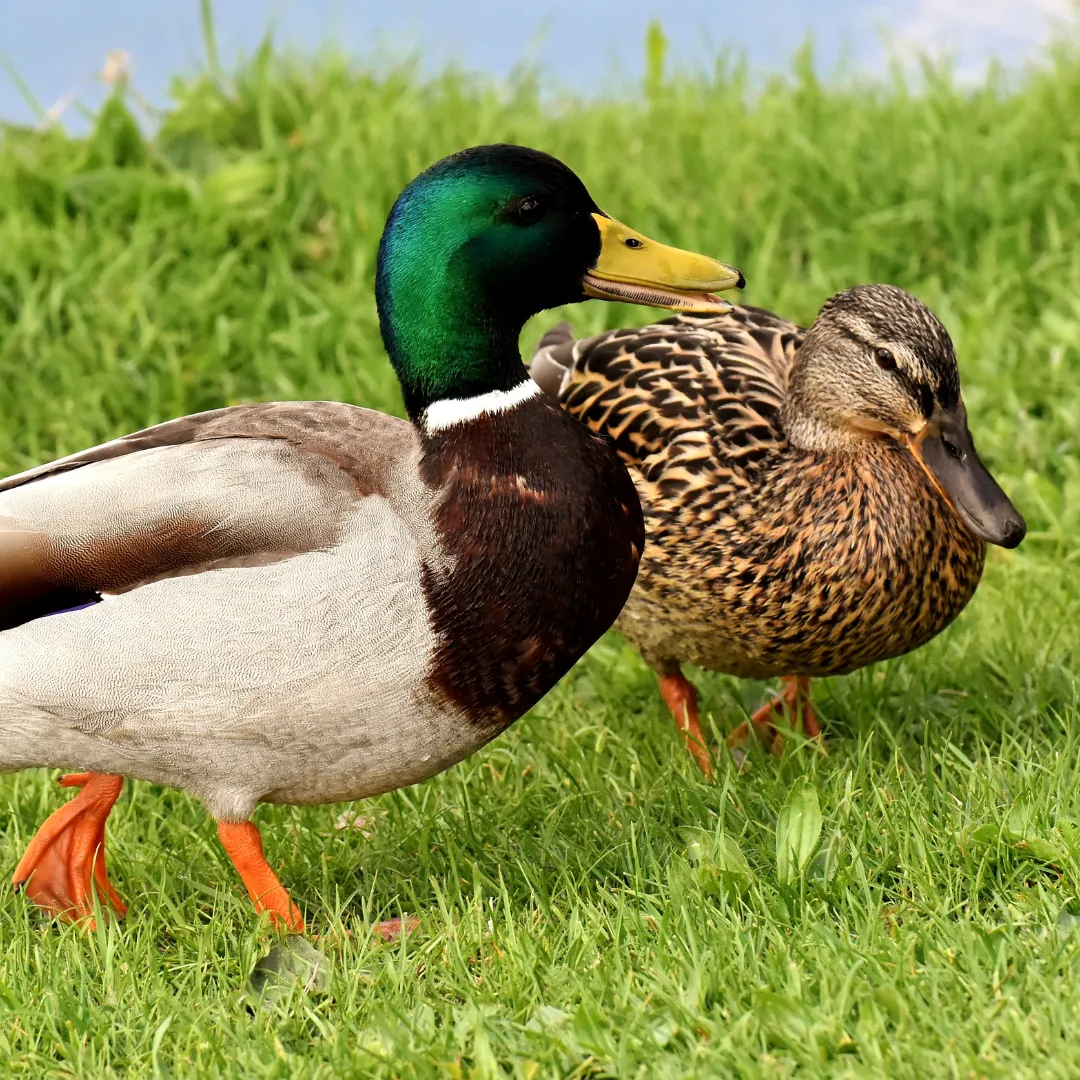
Mallard ducks are among Canada’s most familiar and widespread waterbirds. They live in lakes, ponds, rivers, marshes, and wetlands across much of the country.
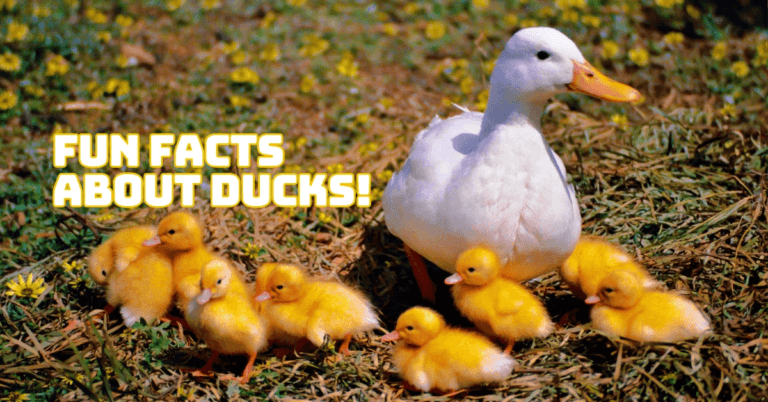
Male mallards are easily recognized by their glossy green heads, white neck rings, chestnut-brown breasts, and grey bodies. Females have mottled brown feathers that provide excellent camouflage when nesting.
Both sexes display distinctive blue wing patches bordered by white feathers. These colourful markings, called speculums, are particularly noticeable when mallards spread their wings or take flight.
Mallards are dabbling ducks, meaning they feed primarily near the water’s surface rather than diving underwater. They often tip forward, leaving their tails pointing upward while searching for food.
Their varied diet includes aquatic plants, seeds, grasses, insects, snails, and small crustaceans. This flexibility allows mallards to thrive in both natural wetlands and urban environments.
Female mallards usually build nests on the ground, often hidden among grasses or other vegetation near water. They line their nests with plant material and soft down feathers.
A female typically lays 8 to 13 eggs and incubates them for about four weeks. Soon after hatching, the ducklings follow their mother to water and begin feeding independently.
Mallards are strong fliers, and many migrate south when Canadian waterways freeze. However, some remain in southern Canada wherever suitable open water and natural food sources are available.
These adaptable birds contribute to wetland ecosystems by dispersing seeds and participating in aquatic food webs. Protecting wetlands and avoiding the feeding of bread helps maintain healthier habitats for ducks and other wildlife.
Learn more about the mallard and its fascinating behaviour, or explore our fun facts about ducks to discover more about these remarkable waterbirds.
20. Snowy Owls
Snowy owls are among Canada’s most magnificent birds of prey. Their striking white plumage and piercing yellow eyes make them unmistakable Arctic tundra inhabitants.
Adult males are often almost entirely white, while females usually have more dark markings across their feathers. Younger snowy owls also display heavier barring that gradually changes as they mature.
These powerful birds have thick feathers covering their bodies, legs, and feet. Their dense plumage provides insulation against the freezing temperatures and strong winds of northern Canada.
Unlike many other owl species, snowy owls often hunt during daylight. This adaptation is particularly useful during Arctic summers, when the sun remains above the horizon for extended periods.
Their primary prey includes lemmings, small rodents that inhabit the northern tundra. Snowy owls also hunt other mammals and birds when suitable opportunities arise.
Snowy owls nest directly on the ground, usually selecting slightly elevated areas with good visibility. Females lay their eggs in shallow depressions while males help supply food during the nesting season.
Their breeding success closely depends on prey availability. During years when lemmings are abundant, snowy owls may raise larger broods than during periods of food scarcity.
Although snowy owls breed in the Arctic, some travel south during winter. They occasionally appear in southern Canada, where open fields, grasslands, and coastal areas resemble their tundra habitat.
Habitat changes, declining prey availability, collisions, and other human-related threats affect these remarkable birds. Protecting Arctic ecosystems and avoiding disturbance at nesting or wintering sites are important conservation measures.
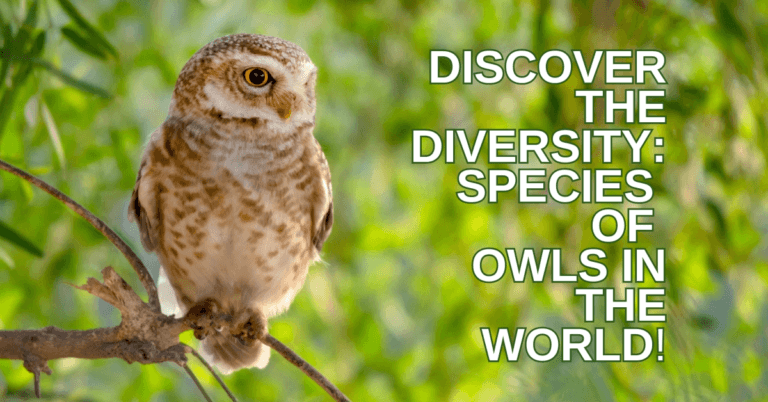
To learn more about the snowy owl, explore its remarkable adaptations to life in the Arctic. You can also learn more about owls, including their hunting abilities, distinctive characteristics, and important roles in natural ecosystems.

Conclusion
Canada’s extraordinary landscapes support an impressive variety of wild animals. From polar bears roaming the Arctic to whales swimming along our coastlines, each species contributes to the country’s remarkable biodiversity.
National parks such as Banff and Jasper offer opportunities to observe elk, bighorn sheep, bears, and other wildlife in their natural habitats. However, Canada’s forests, wetlands, grasslands, mountains, and oceans support many species far beyond these famous destinations.
Spring brings new life as bear cubs emerge with their mothers and young deer, elk, and moose begin exploring their surroundings. Each season offers different opportunities to appreciate Canada’s wildlife and its behaviour.
Protecting natural habitats, respecting wildlife-viewing distances, and reducing human disturbances help preserve these remarkable animals for future generations. Learn more about why wildlife matters and how we can protect it.
I trust you enjoyed this article on the 20 Fascinating Wild Animals in Canada You Must Discover. Please stay tuned for more inspiring guides, helpful tips, and ideas to help you live closer to nature every day.
Take care!
— JeannetteZ🌿
💬 Your Opinion Is Important To Me
Do you have thoughts, ideas, or questions? I’d love to hear from you. Please leave your comments below or email me directly at Jeannette@Close-To-Nature.org.
📚 More Nature-Inspired Reads
Explore more ways to connect with nature, nurture your pets, and live in harmony with the world around you 🌿