
Caring For Indoor Plants During Winter

Despite the harshness of winter, indoor plants can remain healthy and vibrant throughout the season if they receive the proper care. Shorter days, dry indoor air, and fluctuating temperatures can stress your plants, but simple adjustments make a big difference.
Caring for indoor plants during winter requires adjusting light, water, and humidity to help them stay healthy despite seasonal challenges. In this guide, you’ll learn easy, practical tips to protect your indoor plants and help them thrive until spring returns.
Why Winter Is Hard For Indoor Plants
Winter creates a challenging environment for indoor plants because almost every condition they depend on changes at once. The days become shorter, and the sunlight that does come through windows is weaker and arrives at a lower angle, reducing the energy plants need for photosynthesis.
Indoor heating systems dry out the air, often dropping humidity levels far below what most houseplants—especially tropical varieties—prefer.
This dry air causes leaves to brown, curl, or develop crisp edges. Temperature fluctuations also play a significant role. Cold drafts from windows and doors can shock sensitive plants, while hot air from heaters can dry the soil too quickly.
Because of all these changes, plants naturally slow their growth during winter, meaning they absorb water and nutrients more slowly than in warmer months.
If you continue watering or fertilizing them at the same rate as summer, you risk root rot, weakened stems, and nutrient burn.
Winter also boosts interior pest activity because warm, dry conditions are ideal for insects like fungus gnats and spider mites.
All these factors combined make winter a stressful season for indoor plants, which is why they need gentler, more mindful care during the colder months.

Winter Plant Care Basics Every Indoor Gardener Should Know
1. Adjust Your Watering Routine
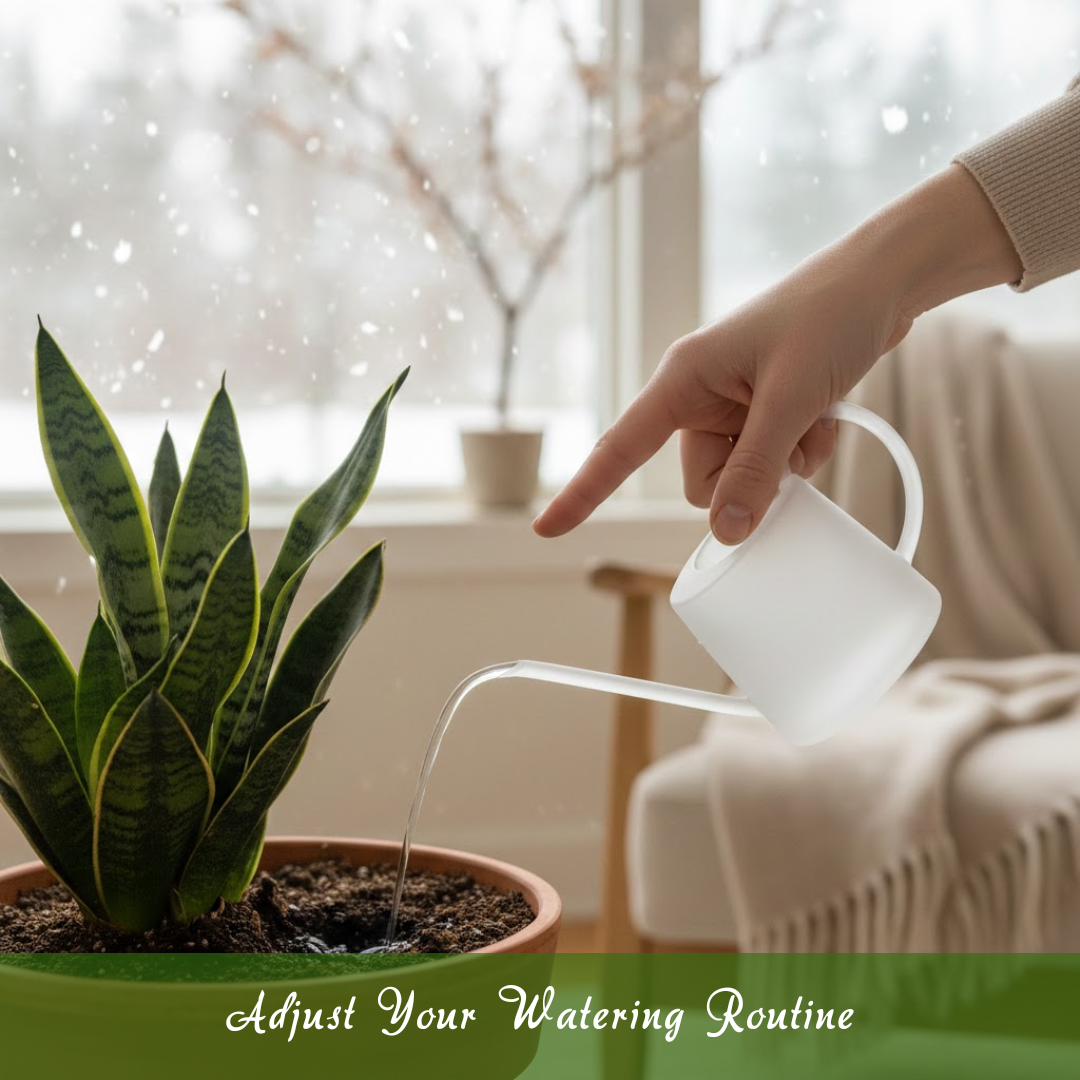
Winter watering can feel confusing because plants behave differently in colder months. Their growth slows down, and their soil stays moist for longer periods, which means they don’t need water as often.
Overwatering is the biggest winter mistake and usually leads to root rot, which frequently goes unnoticed until it’s too late. Always check the soil before watering.
Press your finger one inch deep. Water it if it feels dry. If it feels slightly damp, wait a few more days. Water in the morning and always use room-temperature water to avoid shocking the roots.
What To Avoid
- Watering on a strict schedule
- Using cold tap water
- Leaving the soil completely soaked
- Ignoring winter growth changes
2. Give Your Plants More Light
Winter light is weak, and plants feel it immediately. Short days and low sun angles make it harder for them to photosynthesize, so that they may stretch, fade, or slow their growth.
To help, move your plants closer to bright windows—clean dusty leaves so they can absorb more light. Rotate them every week for even exposure. If your home stays dim, consider using a small grow light for a few hours each day.
It doesn’t have to be fancy—just enough to support healthy growth. Even small lighting changes make a big difference in winter.
What To Avoid
- Placing plants in dark corners
- Keeping windows dusty or covered
- Using harsh, hot grow lights
- Leaving lights on all night
3. Protect Plants From Cold Drafts
Winter drafts can stress plants fast, even if the room feels warm. Cold air from windows or doors can shock the roots and leaves, causing drooping or dark spots.
Keep plants a little away from chilly windows at night, and avoid placing them near frequently opened doors. If a window gets very cold, use curtains or blinds to block the draft.
So, keep plants away from direct heat from heaters, which dries them out. Maintain a steady temperature to help them stay comfortable. The majority of indoor plants do best in conditions that are steady and continuous throughout the winter.
What To Avoid
- Placing plants near doors
- Keeping pots on cold floors
- Exposing plants to heaters
- Ignoring sudden temperature drops
4. Clean Plant Leaves Regularly
Dust builds up fast during winter, and it blocks light from reaching your plant’s leaves. With already weak winter sunlight, this can slow growth even more.
Cleaning leaves every two to three weeks keeps them healthy and allows better airflow. Wipe each leaf gently with a cotton pad or a gentle, wet towel.
Avoid using leaf-shine sprays because they clog pores. Clean leaves also help you spot early signs of pests or disease. This small habit supports stronger growth and keeps your plants looking fresh, even when they’re growing slowly during the colder months.
What To Avoid
- Using chemical shine sprays
- Scrubbing leaves aggressively
- Leaving heavy dust build-up
- Ignoring hidden leaf undersides
5. Increase Humidity Around Plants
Caring for indoor plants during winter means paying close attention to humidity levels so your plants don’t suffer from dry, stressed foliage.
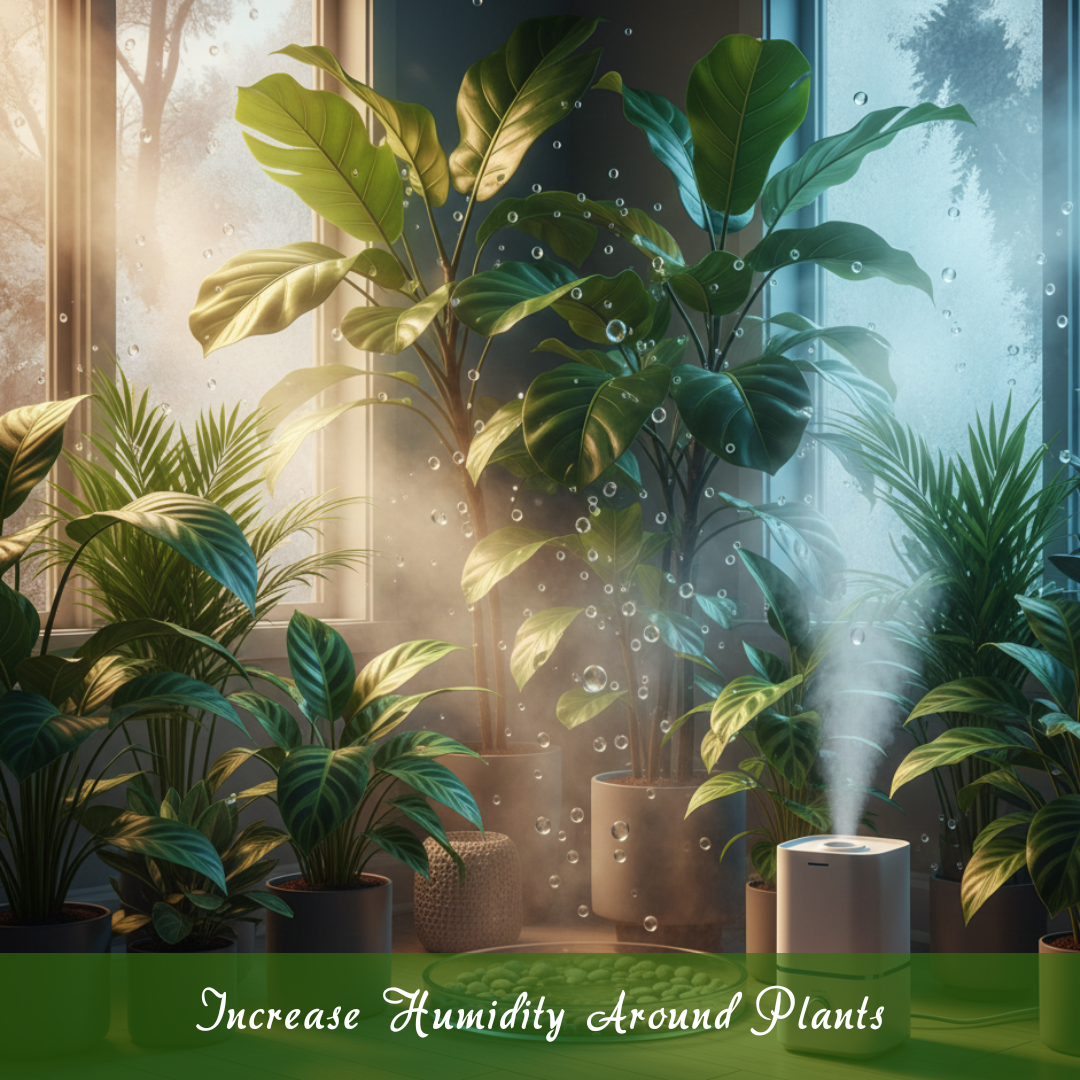
Dry air leads to crisp edges, brown tips, and drooping leaves. Increasing humidity doesn’t have to be complicated. Group plants together to create a shared moisture zone.
Use a pebble tray filled with water under pots, or run a small humidifier nearby. Mist lightly if you want, but avoid soaking leaves. Consistent humidity helps tropical plants stay lush through winter.
Even a slight improvement makes a big difference in their health and colour. Watch your plant leaves—they’ll show signs when humidity gets too low.
What To Avoid
- Misting late in the evening
- Placing plants near heaters
- Ignoring dry, crispy leaves
- Letting the humidity drop too low
6. Avoid Repotting During Winter
Winter is a rest period for most indoor plants, and repotting during this time can add unnecessary stress. Roots aren’t actively growing, so they recover slowly after being disturbed.
Unless your plant has severe root rot, pests, or a broken pot, wait until spring. Repotting in warmer months gives plants the time and energy to bounce back quickly. If you feel the plant needs space, just refresh the top layer of soil instead.
This provides nutrients without disturbing the roots. Keeping repotting to spring helps plants stay stronger and healthier throughout winter’s slow season.
What To Avoid
- Repotting healthy resting plants
- Changing soil without need
- Disturbing roots in cold months
- Using oversized pots unnecessarily
7. Pause Fertilizing For The Season
Most plants slow down in winter, and because they’re not actively growing, they don’t need extra nutrients. Fertilizing now can cause salt buildup in the soil, leading to root burn or yellowing leaves.
It’s safer to pause feeding until spring when new growth appears. The only exceptions are plants under grow lights or varieties that naturally bloom in winter. Even then, use diluted fertilizer.
Winter care is about resting, not pushing growth. Giving plants a break helps them conserve energy and prepares them to grow stronger once warmer weather returns.
What To Avoid
- Fertilizing on the summer schedule
- Using full-strength fertilizer
- Feeding weak or stressed plants
- Ignoring salt buildup signs
8. Watch For Winter Pests
Caring for indoor plants during winter also involves staying vigilant about pests, since warm, dry conditions make infestations more likely.
Warm rooms and dry air attract spider mites, mealybugs, scale, and fungus gnats. Inspect your plants weekly, especially the undersides of leaves and stems.
Early detection makes treatment easier. If you see sticky residue, webbing, or tiny bugs, isolate the plant immediately. Wipe leaves with soapy water or use neem oil to control pests.
Fungus gnats thrive in wet soil, so let the top layer dry between waterings. Staying alert helps protect all your plants, since pests spread quickly indoors during winter.
What To Avoid
- Ignoring early pest signs
- Watering too frequently
- Skipping weekly inspections
- Leaving pests on shared shelves
9. Avoid Overcrowding On Windowsills
It’s tempting to put every plant in your brightest window during winter, but overcrowding restricts airflow and creates a humid pocket that encourages mould. Give each plant breathing space so that air can circulate through the leaves.
Use shelves, stands, or hanging planters to spread out your collection while still providing good light. Spread plants according to their light needs.
This prevents fungal issues and keeps plants healthier throughout the darker months. Proper spacing also makes it easier to check soil moisture and spot pests early. A little rearranging goes a long way in winter.
What To Avoid
- Packing plants too tightly
- Blocking airflow around leaves
- Stacking wet pots together
- Ignoring mould or mildew smells
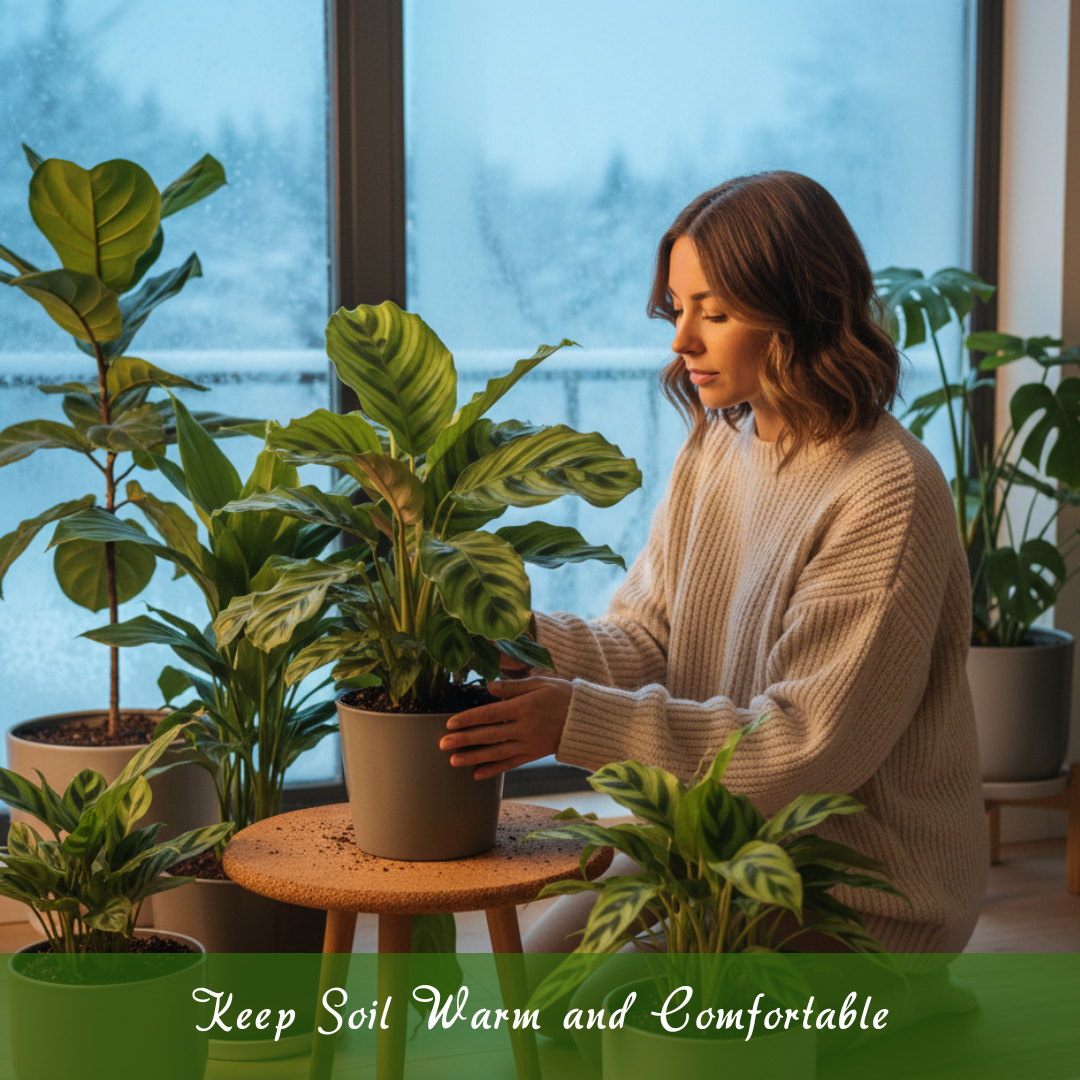
10. Keep Soil Warm And Comfortable
Winter can make potting soil colder than you think, even if your room is warm. Cold soil slows root activity and affects water absorption. Elevate pots using plant stands, trays, or cork pads to keep them off cold floors.
Avoid placing plants directly on tiles or near drafty windowsills at night. Warm roots help maintain healthier foliage and stable growth.
You don’t need heating mats unless you’re growing delicate tropical plants—just consistent warmth and a raised pot make a noticeable difference. Your plants will stay more stable through winter’s temperature changes.
What To Avoid
- Leaving pots on cold floors
- Placing plants on chilly windows
- Ignoring soil temperature drops
- Watering when the soil feels cold
Top Indoor Plants That Thrive in Winter
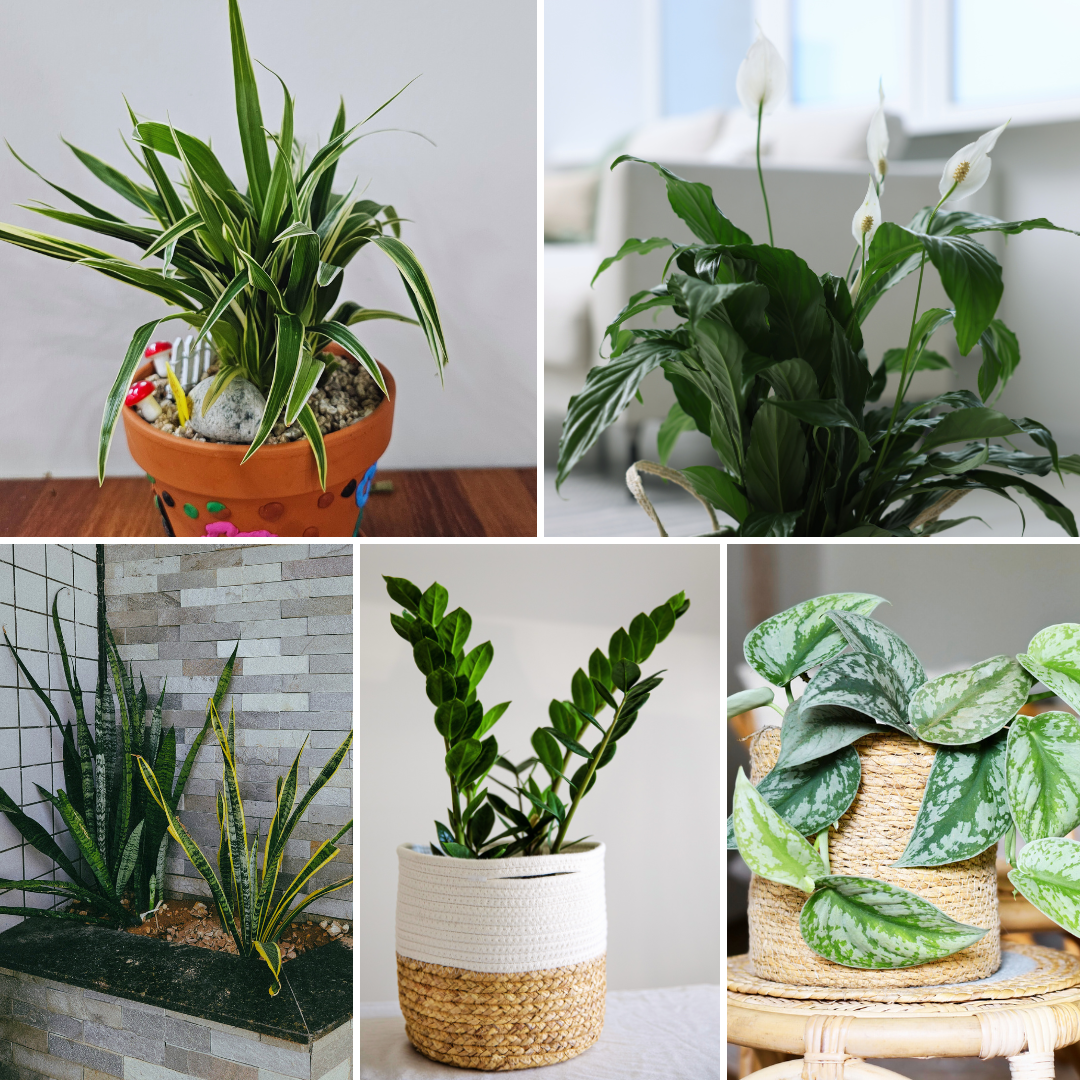
1. Snake Plant (Sansevieria) – Zones 9–11
Snake plants are perfect for winter because they tolerate almost every challenge the season brings. They handle low light, cooler indoor temperatures, and long gaps between waterings.
Their thick, upright leaves store moisture, allowing them to survive even when the air gets dry. During winter, place your snake plant near bright but indirect sunlight to keep its colours strong.
Water only when the soil is dry to prevent rot, which is common in cold months. Keep them away from drafts or directly heated areas. This plant’s resilience makes it an easy, reliable winter companion for beginners.
2. ZZ Plant (Zamioculcas zamiifolia) – Zones 9–11
The ZZ plant is one of the most winter-hardy houseplants thanks to its thick rhizomes, which store water for long periods. This allows the plant to handle dry indoor air and low light without stress.
It performs well in dim corners, making it great for rooms with weak winter sunlight. Water sparingly during the cold months, only when the soil is dehydrated.
The glossy leaves may gather dust, so wipe them gently to improve light absorption. Keep it away from cold drafts and avoid overwatering, as its roots are sensitive in winter. Its durability makes it excellent for busy plant owners.
Turn Your Passion for Nature Into Income
🌿 Whether you love gardening, caring for animals, or exploring holistic living,
You can share your knowledge online and earn from it.
Discover how nature lovers are growing their passions into meaningful, income-generating blogs. 👇
3. Pothos (Epipremnum aureum) – Zones 10–12
Caring for indoor plants during winter is easier with Pothos, since its low-light tolerance and minimal water needs make it a reliable cold-season houseplant.
Its trailing leaves stay vibrant even in dim rooms, though brighter windows will keep its colours stronger. Growth is slowed by winter, so water sparingly and wait until the top inch of soil has dried before watering again.
Prune occasionally to maintain shape and encourage healthy new growth. Avoid placing it near cold windows where drafts can damage tender leaves.
Pothos also handles dry indoor air well, making it suitable for heated homes. It’s a low-maintenance, forgiving choice for winter plant care.
4. Peace Lily (Spathiphyllum) – Zones 10–12
Peace lilies appreciate moisture and warmth, but they can adapt surprisingly well to winter when cared for correctly. Their leaves droop visibly when thirsty, making watering easy to manage.
Provide bright, indirect winter light to encourage occasional blooming. Keep them away from cold drafts, as sudden temperature drops can damage leaves. Increase humidity using pebble trays or humidifiers, especially in heated rooms.
Water only when the top layer of soil feels dry to avoid root problems. Wipe the leaves to help with photosynthesis during dark months. Peace lilies reward steady care with glossy foliage and calm, elegant growth.
5. Spider Plant (Chlorophytum comosum) – Zones 9–11
Spider plants stay attractive throughout winter because they handle dry indoor air and cooler rooms better than wide tropical varieties. Their arching leaves remain lively even when light levels drop.
Provide moderate, indirect light and rotate occasionally for balanced growth. Water lightly, allowing the soil to dry slightly between waterings, since overly wet soil causes root issues in cold weather.
If leaf tips brown, increase humidity or trim gently. Spider plants are resilient and bounce back quickly from stress, making them ideal for the winter months. They also naturally purify indoor air, adding extra value to your space.
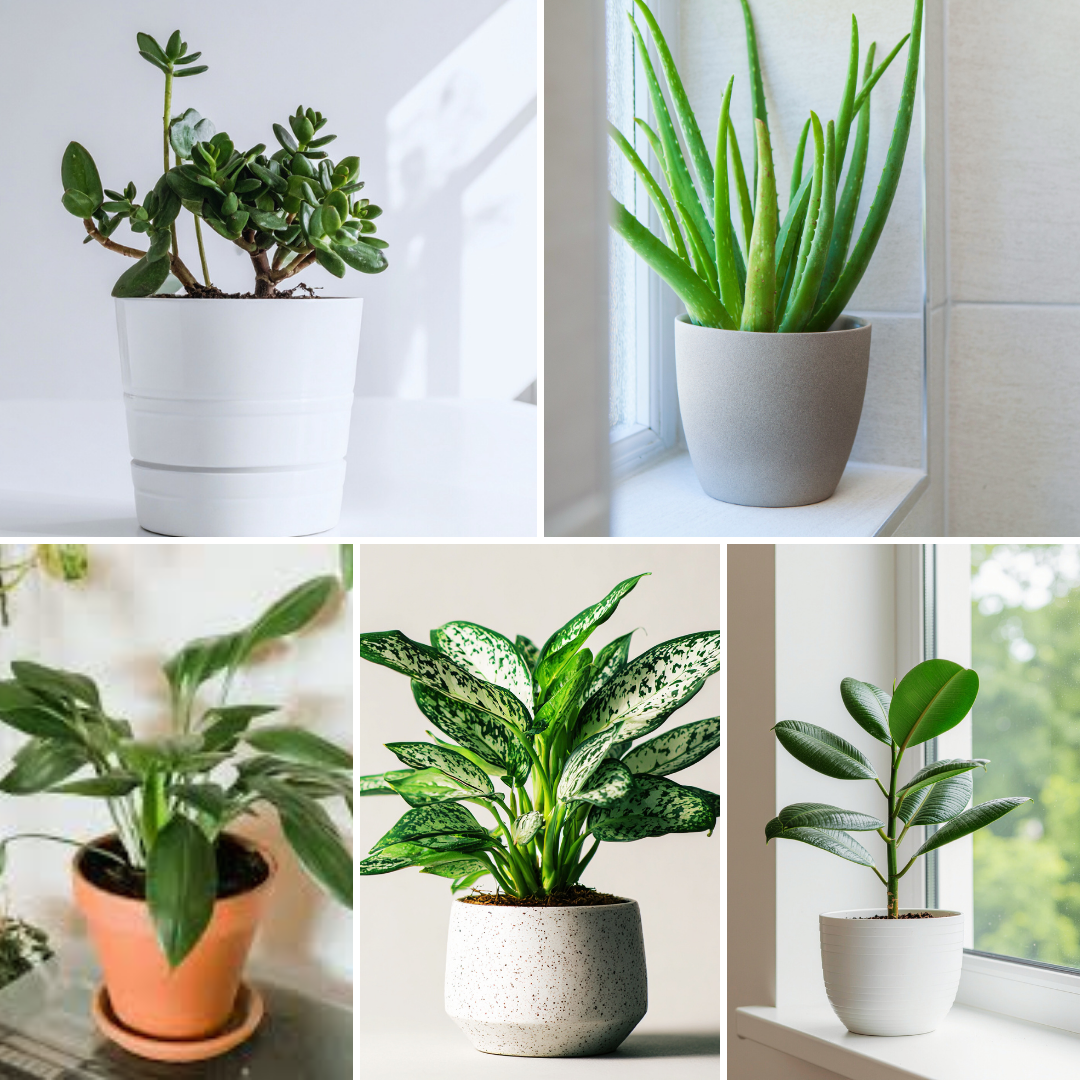
6. Rubber Plant (Ficus elastica) – Zones 10–12
Caring for indoor plants during winter includes giving rubber plants bright, steady light and reduced watering to help them stay healthy through the colder months.
Their thick, glossy leaves store moisture, so they require less frequent watering during colder months. Water sparingly and ensure the soil dries out between waterings to avoid root rot.
Keep them warm and away from heating vents and drafty windows because abrupt temperature fluctuations might shock the plant.
Gently clean leaves to maximize light absorption during short winter days. With the proper care, rubber plants maintain their bold, sculptural look all winter long and prepare for new growth in spring.
7. Chinese Evergreen (Aglaonema) – Zones 10–12
Chinese evergreens are excellent winter houseplants because they tolerate low light and cooler temperatures better than most ornamental foliage plants.
The colourful leaves stay vibrant, adding brightness during gloomy months. Keep them in moderate, indirect light and protect them from cold drafts.
Water less frequently in winter, allowing the soil to dry slightly between waterings. Increase humidity if leaf tips begin browning. Avoid placing them near heaters, which dry out foliage.
Wipe the leaves regularly so they can absorb as much winter light as possible. Aglaonemas are easy, low-stress plants that remain beautiful even with minimal winter care.
8. Cast Iron Plant (Aspidistra elatior) – Zones 7–11
The cast iron plant truly lives up to its formidable reputation. It tolerates low light, cold rooms, and less-than-perfect winter conditions better than almost any other houseplant.
Its sturdy leaves stay upright and green even when temperatures fluctuate. Water the soil sparingly so that it remains somewhat damp but never wet.
Avoid placing it near heat vents or direct sunlight, which can stress the foliage. Dust the leaves occasionally to help with winter photosynthesis.
Because of its extreme resilience, it’s perfect for hallways, low-light corners, or draft-prone areas. This plant is a dependable choice for stress-free winter plant care.
9. Aloe Vera – Zones 8–11
Aloe vera loves bright winter sunlight and thrives near sunny windows. Caring for indoor plants during winter means giving aloe vera plenty of bright light and very little water to prevent moisture-related damage.
Use a gritty, well-draining soil mix to keep roots dry, as aloe is very sensitive to winter moisture. Water sparingly—only when the soil is arid—since rot develops easily in cold months.
Rotate the pot occasionally for even growth, and avoid placing aloe too close to cold glass, which can damage its fleshy leaves. Aloe also stores water in its thick leaves, making it a low-maintenance option for winter months.
10. Jade Plant (Crassula ovata) – Zones 10–12
Jade plants perform well in winter if given enough light. They need bright, direct winter sunlight to stay compact and maintain their rich colour. Before watering, let the soil dry thoroughly because its succulent leaves retain a lot of moisture.
Overwatering is especially risky during winter. Keep jade away from cold windows, because the leaves can become damaged from direct contact with cold glass.
Provide good airflow and rotate the pot occasionally for balanced growth. Its slow growth and ability to handle cooler indoor temperatures make jade a reliable, minimal-maintenance winter houseplant.
Conclusion
Caring for indoor plants during winter doesn’t have to feel complicated. With a few simple adjustments, you can help your plants stay healthy, stable, and stress-free through the colder months.
Focus on light, humidity, temperature, and watering, and your plants will reward you with steady growth once spring returns.
Winter is a resting period, so gentle care goes a long way. Keep observing your plants, make small changes when needed, and enjoy a greener, healthier home all season long.
I trust you enjoyed this article on Caring for Indoor Plants During Winter. Please stay tuned for more inspiring guides, helpful tips, and ideas to help you live closer to nature every day.
Take care!
— JeannetteZ🌿
💬 Your Opinion Is Important To Me
Do you have thoughts, ideas, or questions? I’d love to hear from you. Please leave your comments below or email me directly at Jeannette@Close-To-Nature.org.
📚 More Nature-Inspired Reads
Explore more ways to connect with nature, nurture your pets, and live in harmony with the world around you 🌿