21 Interesting Facts About Hummingbirds

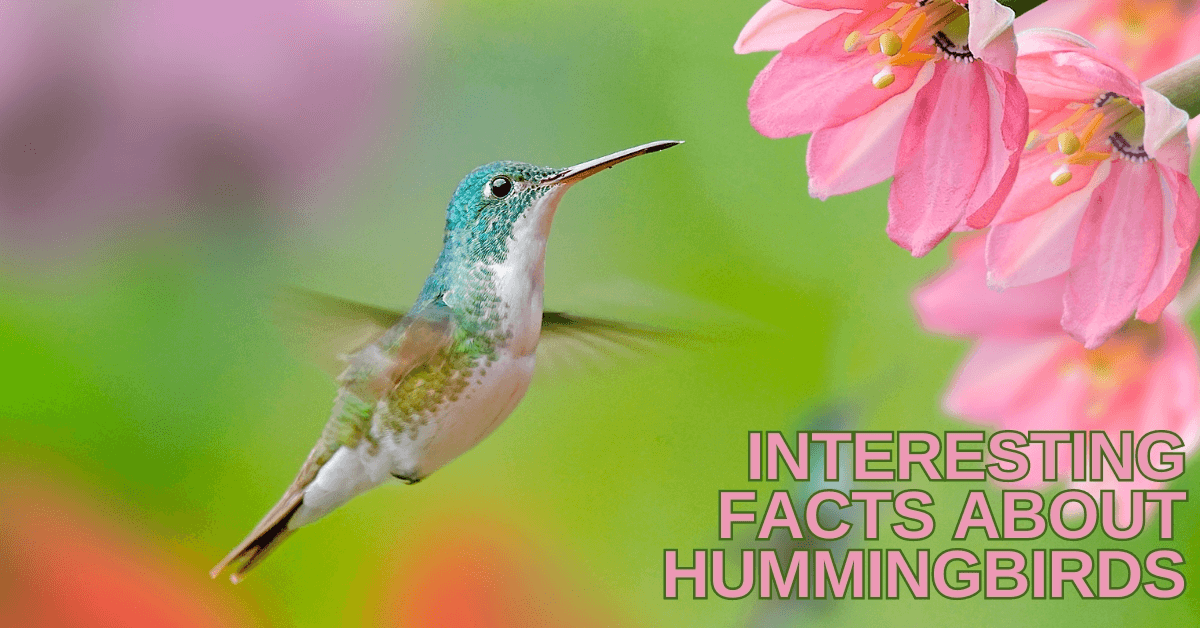
These interesting facts about hummingbirds show just how remarkable these tiny birds are. Their small size, colourful plumage, and incredible flying abilities make them fascinating visitors to gardens and natural spaces.
These birds belong to the family Trochilidae, which includes hundreds of species found throughout the Americas. Despite their small size, hummingbirds have developed some extraordinary adaptations for feeding, flying, and survival.
They can hover in place, fly backwards, beat their wings at impressive speeds, and visit hundreds of flowers while searching for nectar. Their behaviour, migration patterns, and courtship displays are equally fascinating.
In this guide, you’ll discover 21 interesting facts about hummingbirds, from their remarkable flight abilities and feeding habits to their nesting behaviour and important role as pollinators.
Fascinating Hummingbird Characteristics
Hummingbirds may be tiny, but their physical characteristics are remarkably specialized. Their size, wings, feathers, and rapid metabolism help them maintain an exceptionally active lifestyle.
Their bodies are built for a style of flight that few other birds can match. Specialized wings and powerful flight muscles let them hover with remarkable control while feeding on flowers.
Their brilliant colours are another distinctive feature. Many of the shimmering reds, greens, blues, and purples we see come from the way light reflects off microscopic structures in their feathers.
Size also varies considerably between species, although even the largest hummingbirds remain relatively small. Some species weigh only a few grams and are among the smallest birds in the world.
These remarkable characteristics help explain how hummingbirds feed, fly, communicate, and survive. Let’s look at six fascinating features that make these tiny birds so unusual.
1. Smallest Birds
The bee hummingbird of Cuba is the world’s smallest bird. Adults measure only about 2.0 to 2.4 inches (5 to 6 centimetres) long, with females generally being slightly larger than males.
Despite its tiny size, this remarkable bird is an active flyer that feeds primarily on nectar and small insects. Its miniature proportions make it one of the most distinctive members of the hummingbird family.
The bee hummingbird is found only in Cuba, where it lives in several types of woodland and forest habitats. Its extraordinarily small size is one of the most fascinating examples of hummingbird diversity.
2. Incredible Flight Skills
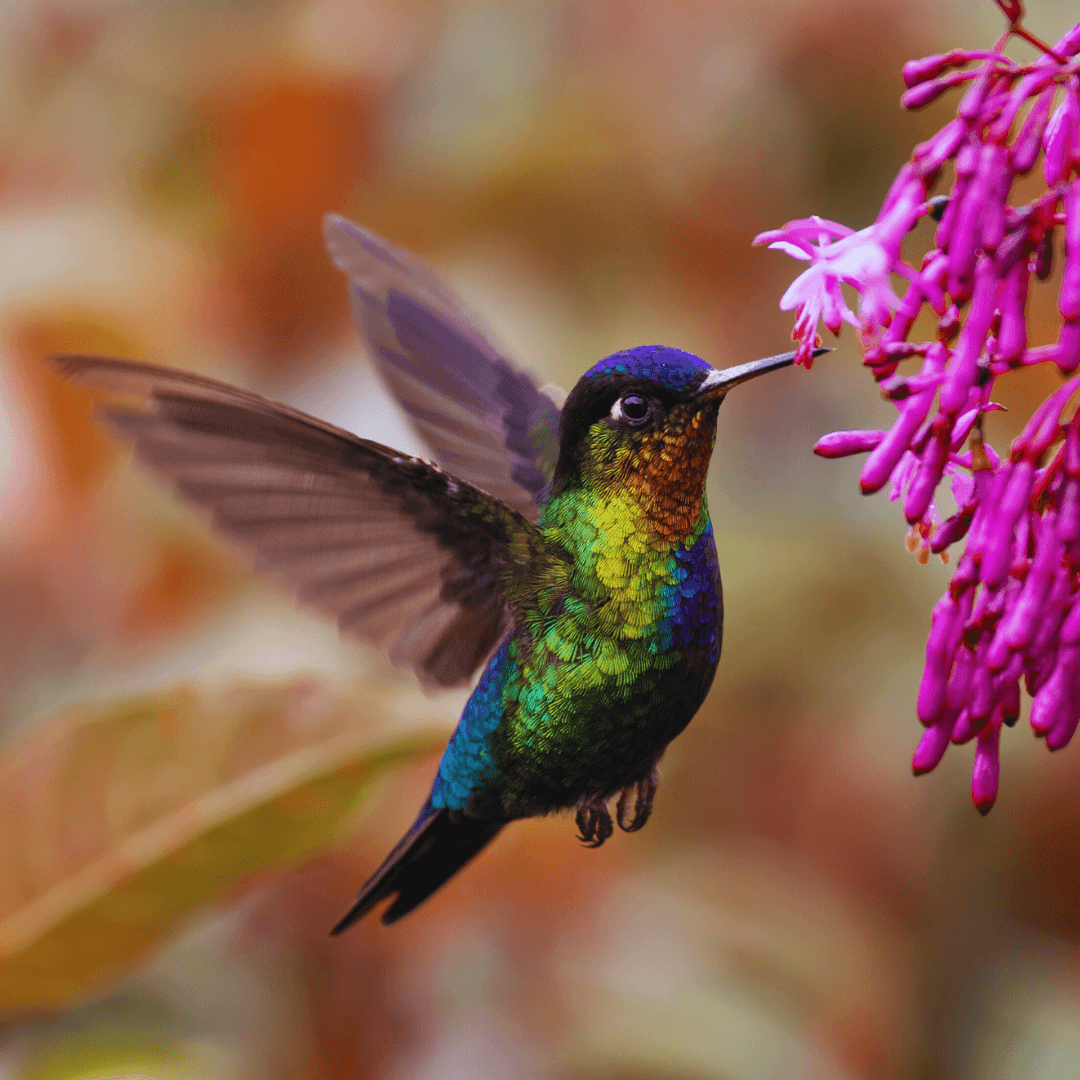
Hummingbirds are known for their extraordinary flight abilities. They can hover almost motionless, fly backward, move sideways, and change direction with remarkable speed and control.
Unlike most birds, their wings can rotate extensively at the shoulder joint. This lets them generate lift during both the forward and backward parts of each wing stroke, helping them stay suspended while feeding on flowers.
Their rapid wing movements and powerful flight muscles also allow them to accelerate quickly and manoeuvre through vegetation with impressive precision. These abilities are especially useful when feeding, defending territories, and avoiding danger.
Their unusual flight mechanics distinguish hummingbirds from other birds. Watching one hover beside a flower provides a remarkable glimpse of these specialized adaptations in action.
3. Rapid Wing Beats
Hummingbirds beat their wings at remarkably high speeds, though the exact rate varies by species, activity, and flight type. In many species, the wings beat dozens of times per second during normal flight.
These rapid movements help hummingbirds hover, change direction quickly, and move precisely between flowers. Their powerful flight muscles provide the energy needed to maintain this demanding style of flight.
Wing-beat rates can increase during activities such as courtship displays and rapid manoeuvres. Combined with their specialized wing structure, this gives hummingbirds exceptional control in the air.
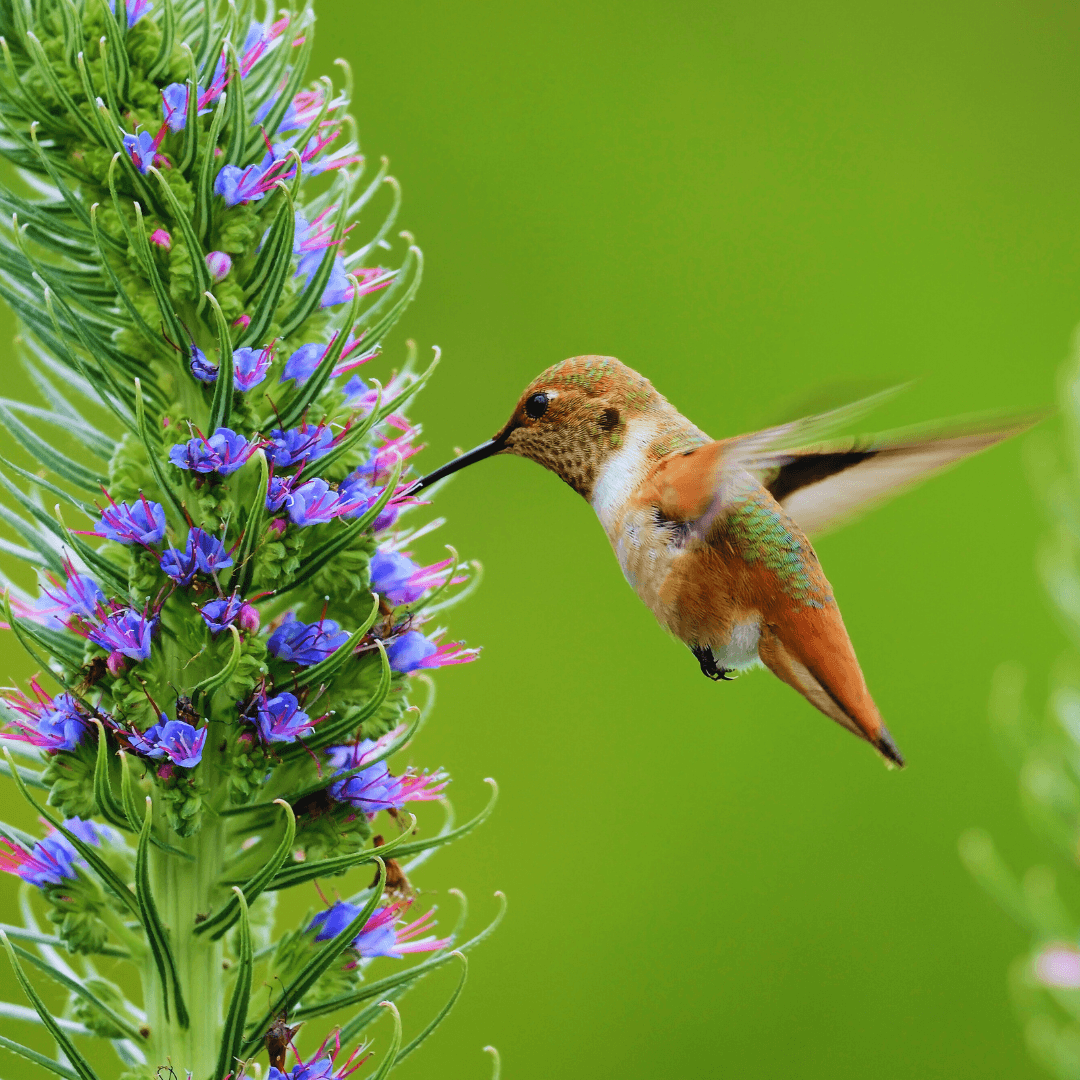
Their wings often move too quickly for the human eye to follow clearly, creating the familiar blur seen around a hovering bird. The distinctive humming sound their wings produce is also how hummingbirds got their name.
4. High Metabolism
Hummingbirds have exceptionally high metabolic rates that help provide the energy required for hovering, rapid wing movements, and their highly active lifestyle. Their small bodies use energy quickly, especially while flying.
Nectar provides readily available sugars that serve as an important fuel source. Hummingbirds therefore feed frequently throughout the day, often visiting many flowers to maintain their energy levels.
They also eat small insects and spiders, which provide protein, fats, and other nutrients that nectar alone cannot supply. This combination helps meet their nutritional needs while supporting their demanding metabolism.
At night or during periods of limited food availability, some hummingbirds can enter torpor, temporarily lowering their metabolic rate and body temperature to conserve energy. This remarkable adaptation helps them survive when maintaining their normal metabolism would require too much energy.
5. Unique Feeding Behaviour
Hummingbirds have specialized feeding habits that allow them to obtain nectar from many types of flowers. Their long bills and extendable tongues help them reach nectar that is often located deep within blossoms.
Rather than functioning like simple drinking straws, their tongues rapidly move in and out of the nectar. Specialized structures along the tongue help the bird capture the liquid efficiently while it hovers or perches near a flower.
Nectar supplies much of the sugar that fuels their extremely active lifestyle. However, it does not provide all the nutrients hummingbirds require to remain healthy.
They also eat small insects and spiders, which provide protein, fats, and other essential nutrients. This varied diet is particularly important for growth, feather development, and reproduction.
As hummingbirds move between flowers, they can also carry pollen from one blossom to another. Their feeding behaviour therefore helps pollinate many flowering plants.
6. Colourful Plumage
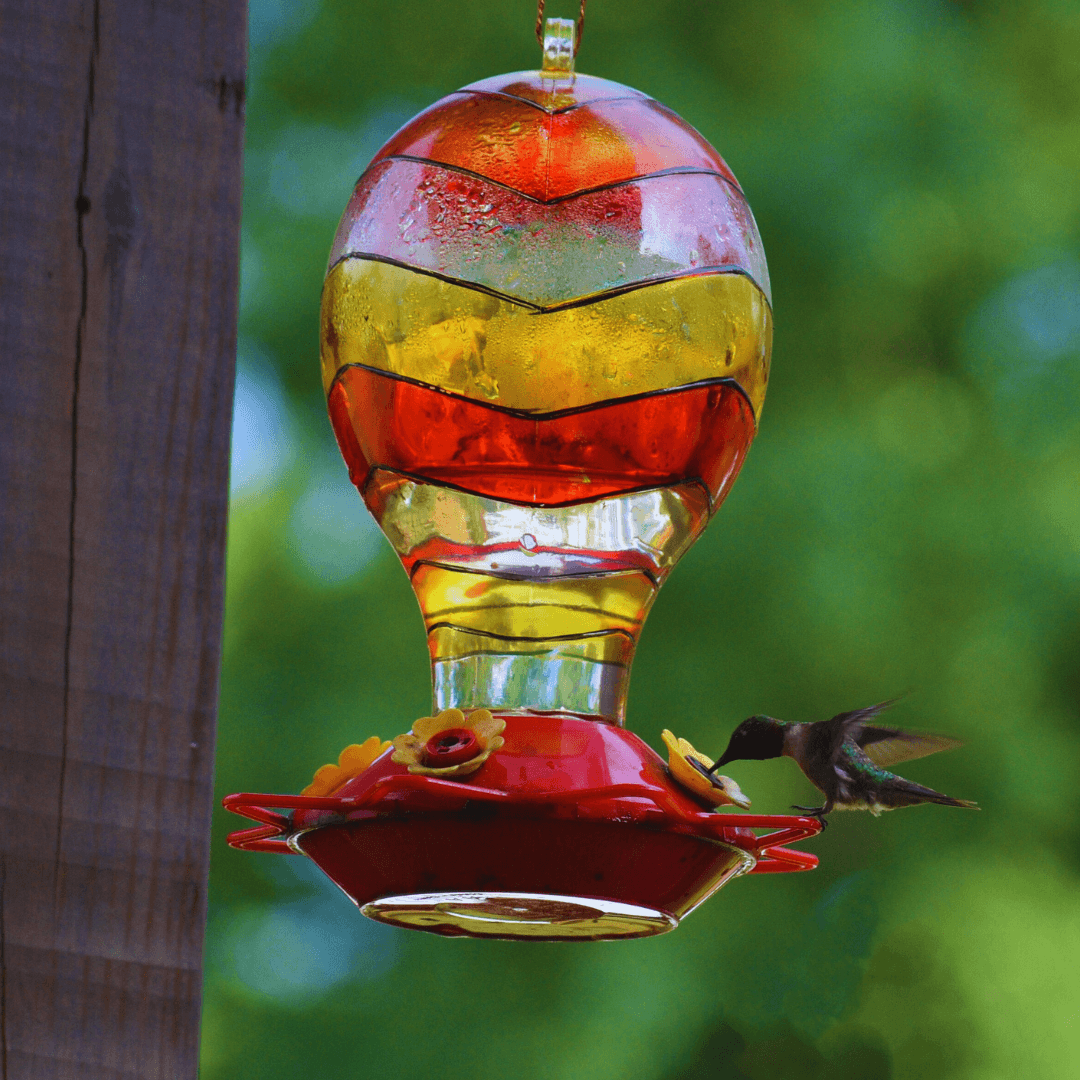
Many hummingbirds are known for their brilliant plumage, with males of numerous species displaying especially vivid colours. Depending on the species, their feathers may appear red, green, blue, purple, or a combination of shimmering shades.
Much of this colour comes from microscopic structures within the feathers that interact with light. As the viewing angle changes, the feathers can appear to brighten, darken, or shift colour dramatically.
The brightly coloured throat patch on many male hummingbirds is called a gorget. These iridescent feathers can play an important role in courtship displays and communication with other birds.
Males may position their bodies so their brightest feathers catch the light during courtship. They can also display colourful plumage during territorial encounters with competing hummingbirds.
Females are often less brightly coloured, although their appearance varies considerably between species. These plumage differences provide another fascinating example of the diversity found throughout the hummingbird family.
Amazing Hummingbird Abilities And Behaviour
Hummingbirds do much more than hover gracefully beside flowers. They communicate, defend territories, conserve energy, and respond quickly to changes in their surroundings.
Many species can be surprisingly bold despite their tiny size. They may chase other hummingbirds, larger birds, and even potential predators away from feeding areas or nesting territories.
Their behaviour also changes depending on the season and available resources. Feeding, breeding, migration, and competition can all influence how these energetic birds spend their time.
Some of their abilities are particularly surprising, including their excellent vision and remarkable memory. Even the way they rest and conserve energy demonstrates how well adapted they are to their demanding lifestyle.
The following facts reveal some of the fascinating behaviours and abilities that help hummingbirds survive and thrive. They also show that these tiny birds have far more to offer than their remarkable flying skills.
7. Aggressive Behaviour
Despite their tiny size, hummingbirds can be surprisingly territorial. Many will actively defend valuable feeding areas, particularly when flowers or other food sources are limited.
These encounters can involve rapid chases, sharp calls, hovering displays, and aerial manoeuvres. A hummingbird may repeatedly drive competitors away from a favourite patch of flowers or feeding location.
Males of some species also establish and defend territories during the breeding season. These areas may provide access to food resources or locations where they can display to females.
Aggression is not limited to encounters with other hummingbirds. Some individuals may challenge much larger birds that enter an area they are defending.
Territorial behaviour varies by species, individual, season, and available resources. These spirited encounters show just how determined hummingbirds can be when protecting something valuable.
8. Extraordinary Memory
Hummingbirds have remarkable memories that help them locate and revisit reliable food sources. They can remember the locations of flowers they have visited while searching for nectar.
Research suggests they can also remember when they last visited particular flowers. This helps them avoid returning too soon to flowers that have not yet had enough time to replenish their nectar.
This ability allows hummingbirds to forage more efficiently while conserving valuable energy. Remembering productive feeding locations can be particularly useful when food sources are scattered across a large area.
They may also remember reliable feeding sites and return to familiar locations during their daily routines. This strong spatial memory helps them navigate complex environments despite their remarkably small size.
Their memory is another example of the sophisticated abilities hidden inside these tiny birds. It plays an important role in helping them find the food needed to support their highly active lifestyle.
9. Long Migration
Some hummingbird species undertake remarkable seasonal migrations, travelling hundreds or even thousands of kilometres between their breeding and wintering grounds. These journeys are especially impressive considering the birds’ tiny size and high energy requirements.
The ruby-throated hummingbird, for example, breeds across much of eastern North America and winters primarily in Mexico and Central America. Many individuals migrate across or around the Gulf of Mexico during their seasonal journeys.
Before migration, hummingbirds can increase their body mass by storing additional fat. These energy reserves provide essential fuel during long stretches when feeding opportunities may be limited.
Their journeys may involve challenging weather, changing food supplies, and considerable distances between suitable resting and feeding locations. Finding nectar-rich flowers and insects along migration routes can therefore be important.
Not all hummingbird species migrate, and migration patterns vary considerably among those that do. For the species that travel long distances, these seasonal journeys demonstrate extraordinary endurance for such small birds.
10. Torpor
Torpor is a temporary state of greatly reduced metabolic activity that helps hummingbirds conserve energy. During this period, their body temperature and metabolic rate drop significantly, and their heart rate and breathing slow as well.
Hummingbirds commonly enter torpor overnight, when they cannot feed but still need energy to maintain normal body functions. This can be especially valuable during cold nights or when food is hard to find.
By using less energy while resting, hummingbirds can conserve important reserves until they can feed again. This is especially important for such small birds with exceptionally high metabolic demands.
As conditions improve, they gradually return to their normal body temperature and activity level. Warming up requires energy, so torpor represents a careful balance between conserving resources and becoming active again.
This remarkable adaptation allows hummingbirds to cope with periods when maintaining their usual metabolism would consume too much energy. It is one of their most effective strategies for managing the energetic demands of their tiny bodies.
12. Hummingbirds Can Smell
Hummingbirds were once widely believed to have little or no sense of smell. Research has shown, however, that they can detect certain scents and may use this ability when making feeding decisions.
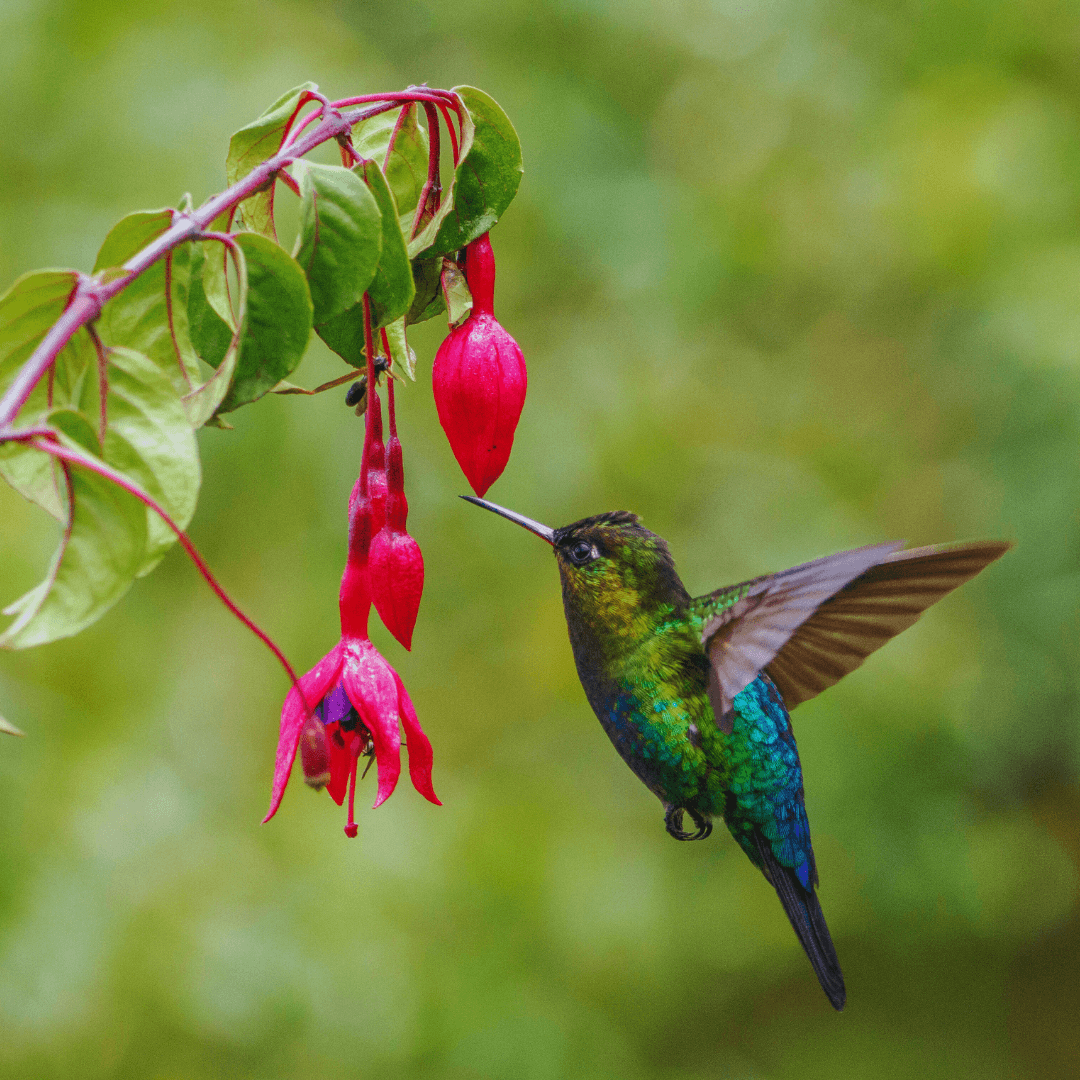
Their excellent eyesight still plays an important role in finding flowers and navigating their surroundings. They can distinguish colours extremely well and can also see ultraviolet light that is invisible to humans.
Their sense of smell may provide additional information about potential food sources. Researchers have found evidence that hummingbirds can distinguish between certain scents, suggesting that smell is more useful to them than previously believed.
Vision remains especially important when hummingbirds search for nectar-rich flowers. Many flowers they visit have little fragrance, relying instead on colour, shape, and abundant nectar to attract these tiny pollinators.
Together, these senses help hummingbirds find food and respond to their surroundings. Their ability to smell is another example of how continuing research can change what we know about these remarkable little birds.
Turn Your Passion for Nature Into Income
🌿 Whether you love gardening, caring for animals, or exploring holistic living,
You can share your knowledge online and earn from it.
Discover how nature lovers are growing their passions into meaningful, income-generating blogs. 👇
Hummingbird Courtship, Survival And Migration
Hummingbirds face very different challenges throughout the year, from finding mates and raising young to locating enough food to meet their demanding energy needs. Their behaviour changes as seasons and environmental conditions shift.
Courtship can involve elaborate displays designed to attract a potential mate. Males of some species perform dramatic dives, rapid flights, and other aerial movements that demonstrate their speed and agility.
Survival also depends on finding suitable habitats with reliable sources of nectar and insects. When temperatures fall or food becomes scarce, some species rely on remarkable adaptations to conserve energy.
Migration presents another challenge for species that travel between breeding and wintering grounds. These tiny birds may cover impressive distances while stopping along the way to rest and replenish their energy reserves.
Together, their courtship, survival strategies, and seasonal movements reveal another side of hummingbird life. The next four facts explore how these remarkable birds reproduce, adapt, and travel.
13. Unique Courtship Displays
During the breeding season, male hummingbirds of many species perform elaborate courtship displays to attract females. These displays can include rapid flights, steep dives, hovering, distinctive sounds, and carefully timed movements.
The exact performance varies between species. Some males climb high into the air before diving rapidly toward a female, while others display their colourful throat feathers or perform repeated side-to-side flights.
Sound can also play an important role. In some species, males produce courtship sounds with their voices, while others create distinctive sounds with their wing or tail feathers during flight.
Females observe these displays before choosing whether to mate. Bright plumage, precise movements, and energetic performances can all contribute to the courtship process.
These displays are among the most impressive behaviours hummingbirds perform. They combine specialized flight abilities, colour, movement, and sound in ways that are unique to different species.
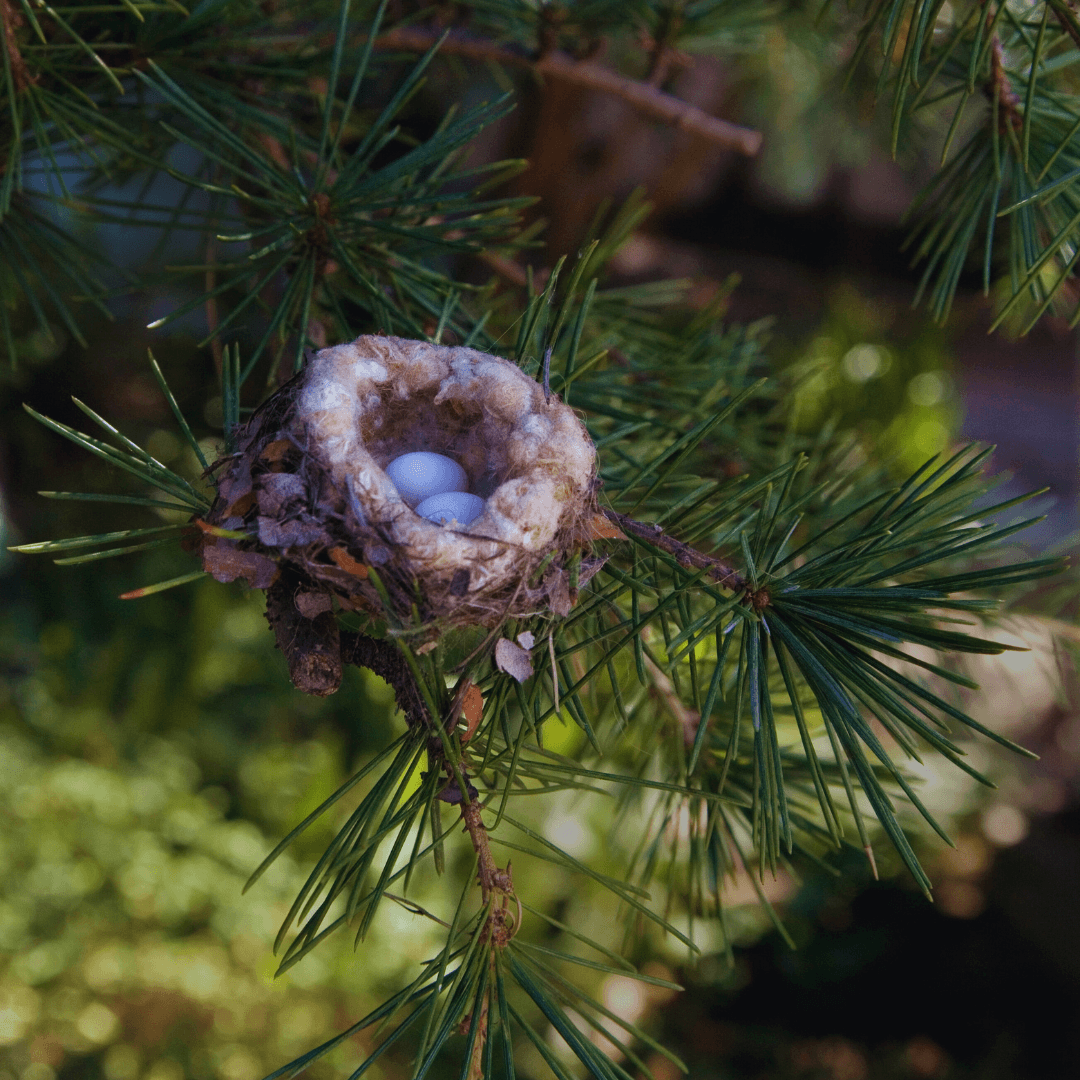
14. Surprising Size Of Eggs
Hummingbird eggs are remarkably small, although their exact size varies between species. Many are about the size of a small bean, with some measuring around 0.5 inches (1.3 centimetres) long.
A female typically lays two eggs in a tiny nest constructed from soft plant materials. Spider silk often helps bind the nest together and allows it to expand as the growing chicks need more room.
Despite their small size, each egg contains the nutrients needed to support the developing embryo during incubation. The female keeps the eggs warm until they hatch, usually leaving only briefly to feed.
The eggs are generally white and can look surprisingly large compared with the tiny nest holding them. Their delicate appearance makes the entire nesting process especially fascinating to observe.
From the miniature eggs to the expandable nest, hummingbird reproduction is beautifully adapted to the birds’ exceptionally small size.
15. Survival And Adaptability
The lifespan of wild hummingbirds varies considerably between species and individuals. Predation, severe weather, food availability, migration, disease, and habitat conditions can all influence how long a bird survives.
The first year of life can be particularly challenging for young hummingbirds. Those that survive this vulnerable period may live for several years, and some banded individuals have reached surprisingly advanced ages in the wild.
Researchers use bird banding to identify individual hummingbirds and learn more about their movements and longevity. Records from recaptured birds show that some species can survive more than a decade in the wild.
Their ability to cope with changing seasons, demanding migrations, and fluctuating food supplies demonstrates impressive adaptability. Torpor provides another important survival strategy when temperatures fall or energy reserves become limited.
These longevity records are especially remarkable considering the hummingbird’s tiny size and exceptionally high metabolism. They show that some individuals can survive far longer than their delicate appearance might suggest.
16. Diverse Habitats
Hummingbirds live in an impressive variety of habitats throughout the Americas. Different species can be found in tropical rainforests, temperate woodlands, deserts, grasslands, coastal areas, and high mountain environments.
Each habitat presents different challenges and food opportunities. Some species depend on abundant tropical flowers, while others survive in cooler regions where flowering seasons may be much shorter.
Several hummingbird species live at remarkably high elevations in the Andes. These birds must cope with cold temperatures and lower oxygen levels while still maintaining the energy required for their demanding flight.
Other species regularly visit gardens and urban areas where suitable flowers, insects, water, and shelter are available. Their ability to use different environments has helped hummingbirds occupy an extraordinary range of habitats.
However, individual species often have specific habitat requirements and are not equally adaptable to environmental change. Protecting diverse natural habitats remains important for maintaining the remarkable variety of hummingbirds found throughout the Americas.
Hummingbirds In Nature And Reproduction
Hummingbirds play an important role in the ecosystems they inhabit. As they travel from flower to flower searching for nectar, they can transfer pollen and help reproduce many flowering plants.
Their relationship with plants has developed over long periods. Some flowers have shapes, colours, and nectar supplies particularly well suited to hummingbird pollination.
Reproduction brings another remarkable stage of hummingbird life. Females build the nest, incubate the eggs, and care for the chicks after they hatch.
Their nests are tiny but carefully constructed from materials such as plant fibres, soft vegetation, and spider silk. The flexible structure allows the nest to expand as the chicks grow.
The final five facts explore hummingbirds as pollinators, their relationships with flowers, and the fascinating process of nesting and raising their young.
17. Essential Pollinators In Ecosystems
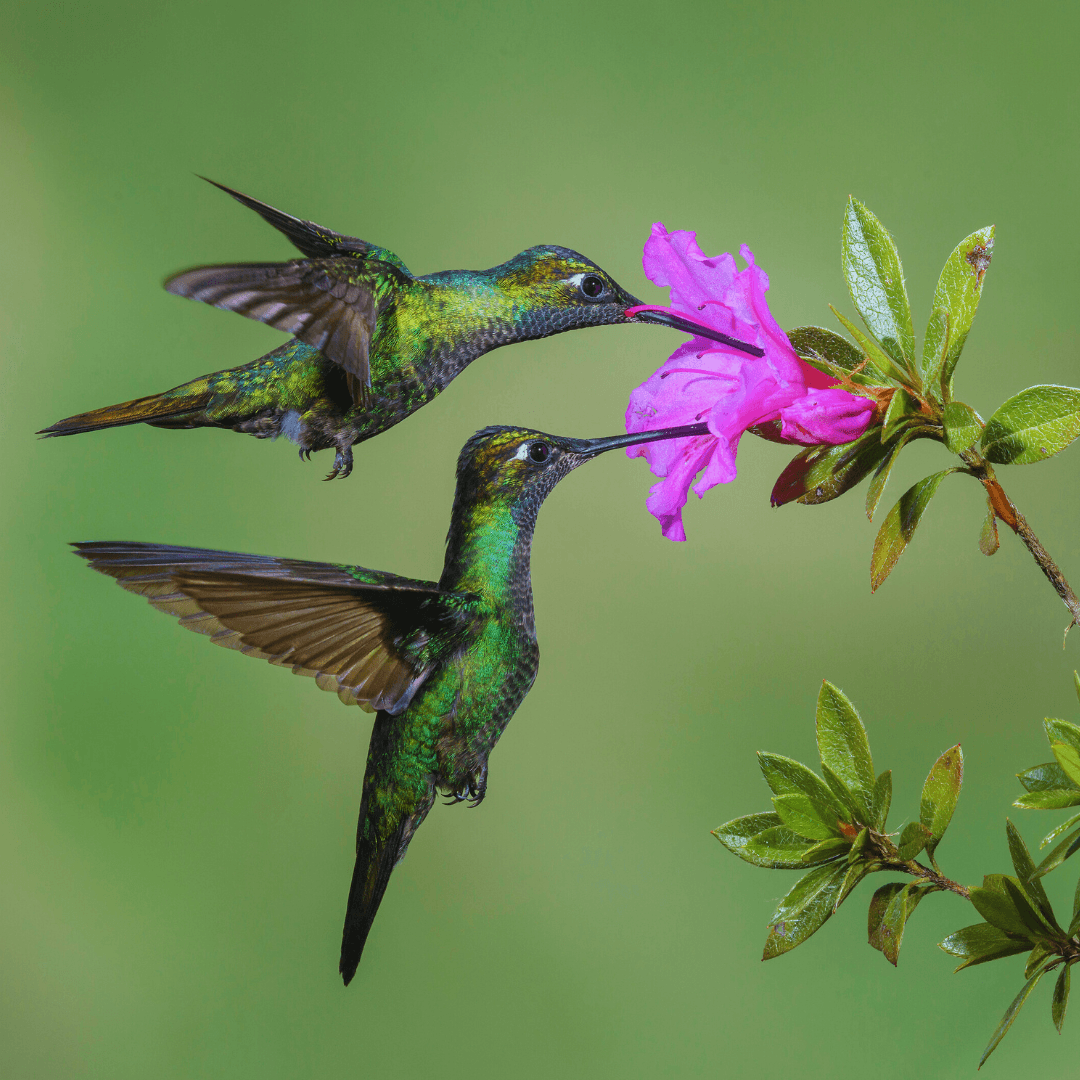
Hummingbirds are important pollinators for many flowering plants throughout the Americas. As they move between flowers searching for nectar, pollen can collect on their bills, heads, and feathers.
When they visit another flower of the same species, some of this pollen may be transferred to the flower’s reproductive structures. This process can contribute to fertilization and the production of seeds.
Many hummingbird-pollinated flowers have characteristics that make them particularly attractive to these birds. Bright colours, tubular shapes, and abundant nectar are common features, although considerable variation exists among plant species.
Hummingbirds can be especially valuable pollinators for flowers whose shape or location makes them well suited to bird pollination. Their ability to travel between plants also helps move pollen across an area.
By pollinating native flowering plants, hummingbirds contribute to plant reproduction and the ecological communities that depend on those plants. Their relationship with flowers is an excellent example of the connections between wildlife and plant life.
18. Nest Construction
Female hummingbirds build the nests where they incubate their eggs and raise their young. Most species construct tiny cup-shaped nests using materials gathered from their surroundings.
Depending on the species and habitat, these materials may include soft plant fibres, moss, leaves, feathers, and other lightweight materials. Spider silk commonly binds the nest together and attaches it securely to its supporting structure.
The silk also gives the nest flexibility, allowing it to expand as the chicks grow. This is particularly useful because two rapidly developing chicks can soon fill the tiny space.
Many hummingbirds camouflage the outside of their nests with lichens, moss, bark, or other materials that help them blend into their surroundings. This can make a nest surprisingly difficult to spot.
Nest locations vary among species and may include branches, shrubs, vines, and other sheltered sites. Despite their tiny size, these carefully constructed nests provide a secure place for eggs and developing chicks.
19. Incubation Period
The incubation period for hummingbird eggs varies by species but generally lasts about two to three weeks. During this time, the female keeps the developing eggs warm and protected.
She spends much of the incubation period sitting on the nest but must leave periodically to feed. Her exceptionally high energy requirements make these feeding trips essential.
While she is away, the eggs may cool temporarily before she returns and resumes incubation. Weather conditions, species, and other environmental factors can influence how long development takes.
The female also remains alert to potential threats around the nesting area. The nest’s small size and natural camouflage can help make the eggs less noticeable to predators.
Once incubation is complete, the tiny chicks hatch and depend almost entirely on their mother. She then begins the demanding task of feeding and caring for them as they develop.
20. Agile Predators
Hummingbirds may be best known for drinking nectar, but insects and spiders are also an important part of their diet. These foods provide protein, fats, and other nutrients that nectar alone cannot supply.
Their exceptional flying abilities help them catch tiny insects in the air. They may dart after flying insects, pick them from leaves and flowers, or collect small prey from spider webs.
This feeding behaviour is particularly important when hummingbirds need additional protein and nutrients. Growing chicks depend heavily on the insects their mothers collect and bring back to the nest.
Although hummingbirds consume many insects, describing them as major natural pest controllers overstates their ecological role. Their insect-eating behaviour is better understood as an important part of their own nutrition.
Their ability to switch between nectar and animal prey demonstrates just how versatile these tiny birds can be. They are not simply nectar feeders but active hunters capable of finding food in several different ways.
21. Chick Development
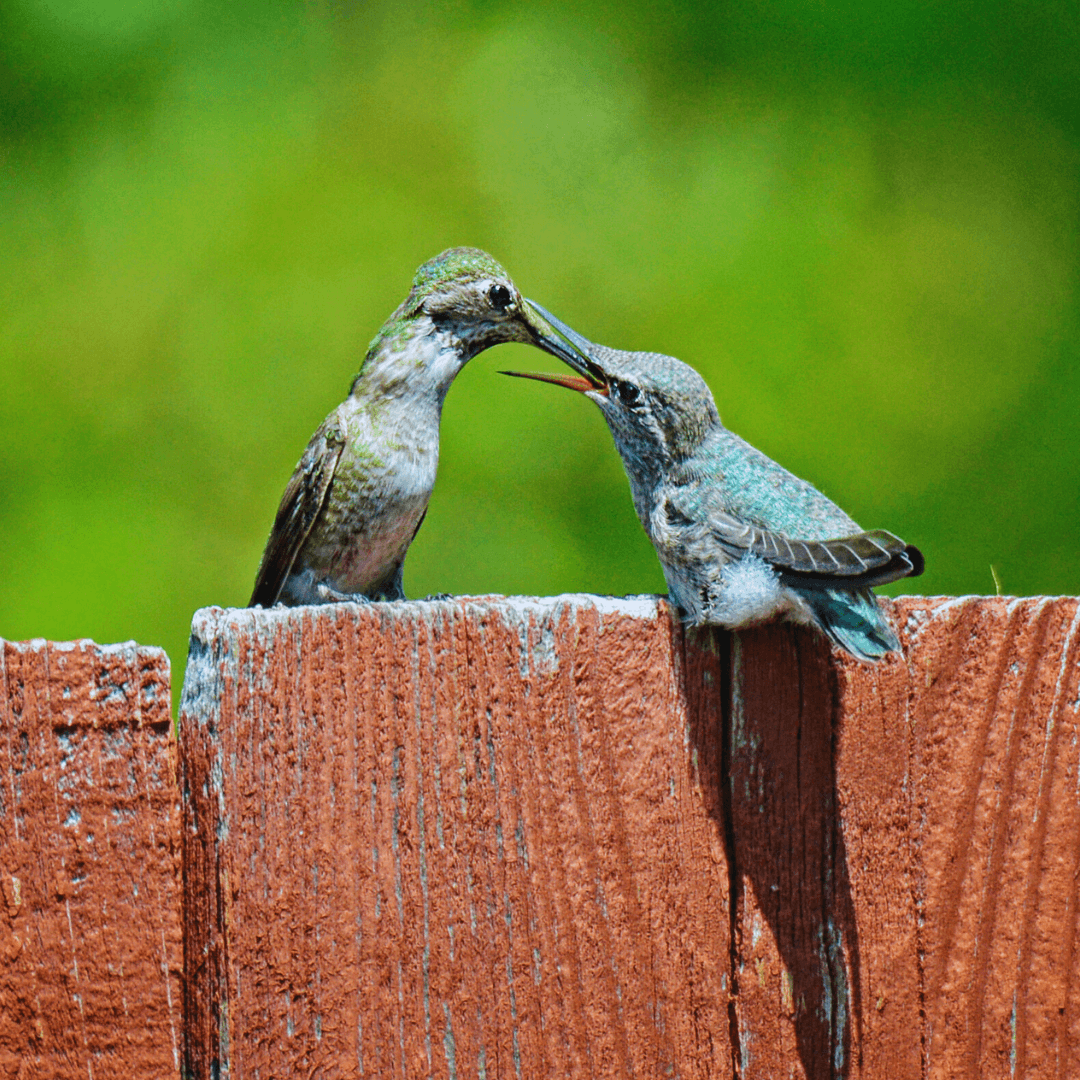
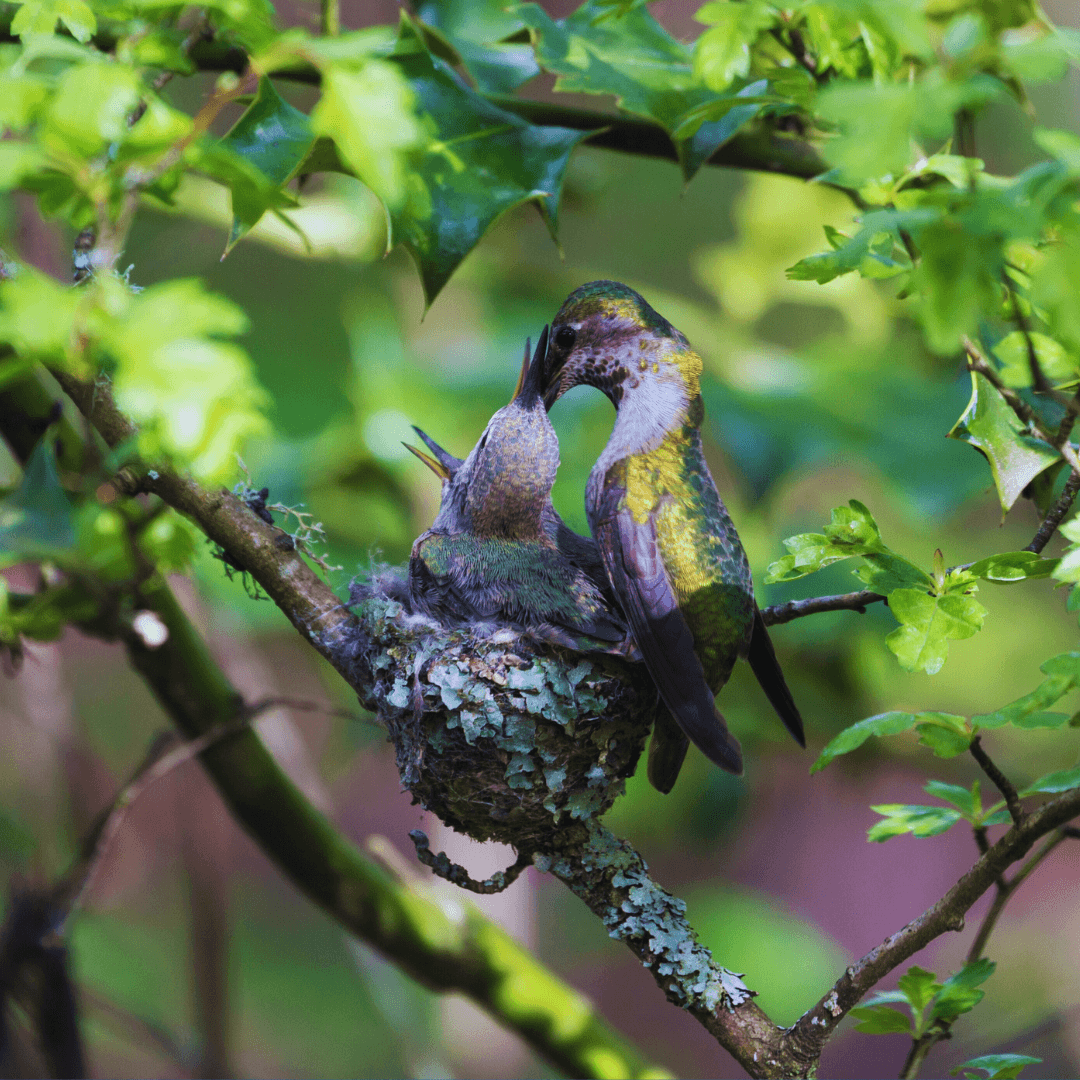
Hummingbird chicks hatch in a highly dependent state. They are tiny, nearly naked, and unable to see, relying entirely on their mother for warmth, protection, and food.
The female makes frequent feeding trips while caring for her growing chicks. She provides a mixture of nectar and insects, delivering the food directly into their mouths.
Insects supply important protein, fats, and other nutrients needed for rapid growth. Nectar contributes energy, helping support the chicks as their bodies and feathers develop.
Over the following weeks, the chicks grow quickly, develop feathers, and become increasingly active in the nest. As they approach fledging, they stretch and exercise their wings in preparation for flight.
Eventually, the young hummingbirds leave the nest and begin learning to feed and survive independently. In most hummingbird species, the female alone handles nest building, incubation, and chick care, making her role in raising the next generation especially demanding.
Conclusion
Hummingbirds may be among the smallest birds in the world, but their abilities are remarkable. These 21 Interesting Facts About Hummingbirds show how well adapted they are for life in very different environments.
Their rapid wing movements allow them to hover and fly with exceptional control. Their high metabolism also keeps them constantly searching for energy-rich food.
Memory, excellent vision, and the ability to enter torpor provide additional advantages. These adaptations help hummingbirds meet the demands of their highly active lives.
Hummingbirds also play an important role as pollinators. As they travel between flowers searching for nectar, they can transfer pollen and contribute to plant reproduction.
Their tiny nests, courtship displays, migrations, and care of their young reveal even more about these fascinating birds. Each species has developed behaviours suited to its particular habitat.
If you’d like to discover more, explore Hummingbirds Of Costa Rica: A Comprehensive Guide for a closer look at these remarkable birds in one of their most diverse regions.
I trust you enjoyed this article on the 21 Interesting Facts About Hummingbirds. Please stay tuned for more inspiring guides, helpful tips, and ideas to help you live closer to nature every day.
Take care!
— JeannetteZ🌿
💬 Your Opinion Is Important To Me
Do you have thoughts, ideas, or questions? I’d love to hear from you. Please leave your comments below or email me directly at Jeannette@Close-To-Nature.org.
📚 More Nature-Inspired Reads
Explore more ways to connect with nature, nurture your pets, and live in harmony with the world around you 🌿