Best Winter Gardening Tips: How To Keep Your Garden Alive

Winter gardening isn’t the end of your garden’s story. It’s the season of protection, patience, and competent care. Cold can make water unusable for roots, frost can hurt tender stems, and harsh winds can burn leaves.
Incorporating these winter gardening tips ensures your plants stay healthy and resilient throughout the cold months. Protect it now, and it will wake up stronger and greener in spring.
Winter Gardening Tips
Tip 1: Know Your Plant Hardiness Zone
When getting your garden ready for winter, it is crucial to understand your plant hardiness zone. It shows the lowest temperatures your area receives and helps you choose plants that can survive the cold.
With this simple guide, you avoid guesswork and protect vulnerable plants before frost arrives. Understanding your zone also helps you plan mulching, watering, and winter shielding more effectively.
It prevents common mistakes and reduces plant loss during harsh weather. Look up your zone once and keep it in mind each season. This small step makes winter gardening easier, safer, and far more successful for every type of garden today.
Pro Tips
- Choose plants rated hardy.
- Check microclimates around the property.
- Track yearly frost patterns.
- Adjust care based on zone.
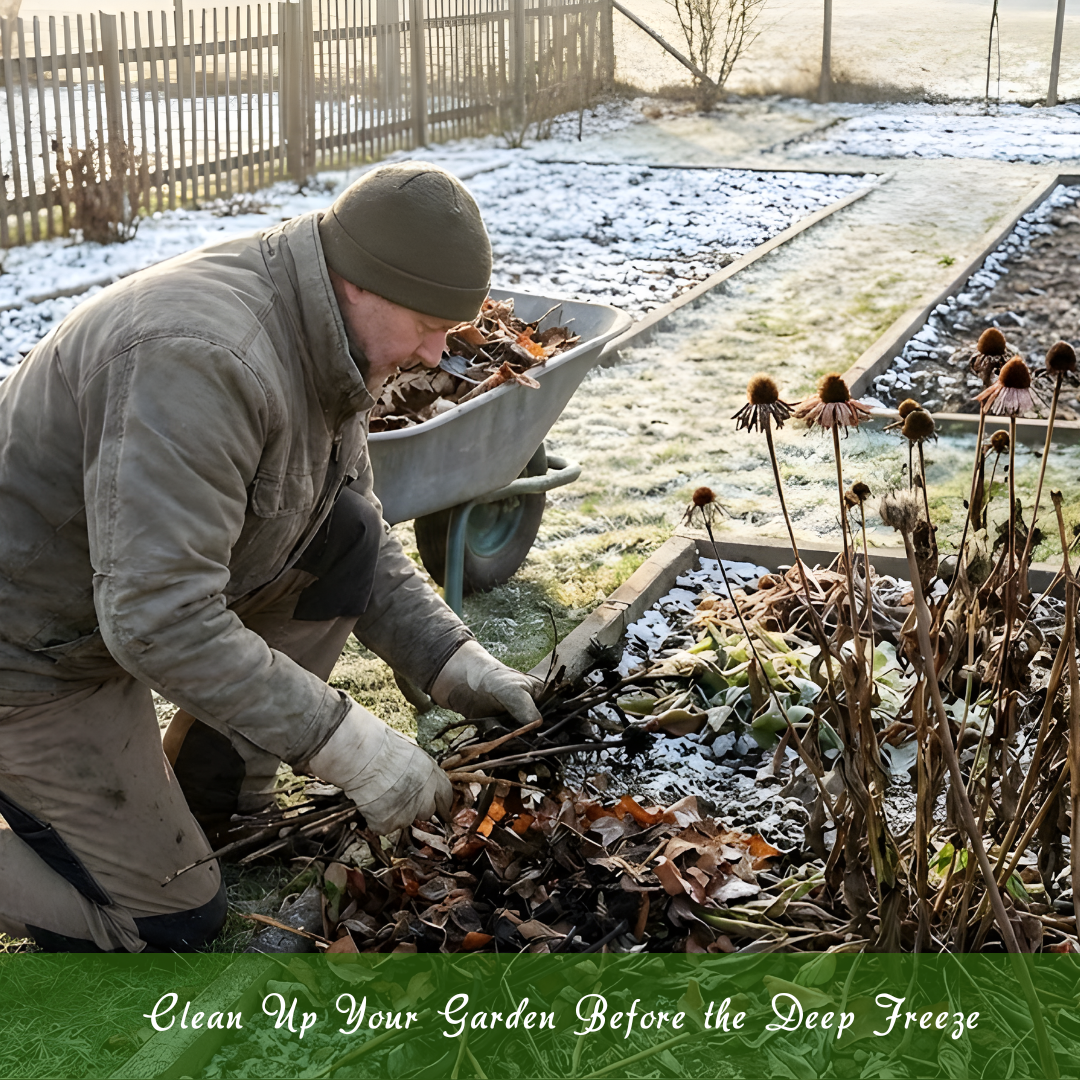
Tip 2: Clean Up Your Garden Before The Deep Freeze
Preparing your garden with a good cleanup before winter makes a huge difference. Clearing dead plants, fallen leaves, and debris helps prevent pests and diseases from settling in during the cold months.
It also improves airflow and keeps soil healthier. But the goal isn’t to strip your garden bare—some stems and seed heads help beneficial insects and birds survive winter.
Focus on removing what’s diseased, damaged, or decayed while keeping helpful natural elements in place. When spring finally arrives, your plants will have a better start thanks to this easy cleaning regimen, which also makes the atmosphere safer and healthier.
Pro Tips
- Remove diseased debris first.
- Keep seed heads for wildlife.
- Trim only damaged stems.
- Don’t expose bare soil.
Tip 3: Mulch To Protect Roots
One of the most effective winter gardening tips is applying a thick mulch layer to protect soil and plant roots during cold months. It helps regulate soil temperature, reduce moisture loss, and protect roots from harsh freeze-thaw cycles.
A thick mulch layer keeps soil stable, which prevents root shock and winter kill. You’re not trying to warm the ground—just keep the temperature consistent. Use straw, shredded leaves, wood chips, or compost for best results.
Apply mulch after the first hard frost so you don’t trap warm soil that encourages premature growth. This single step can save countless plants from winter damage and help your garden transition smoothly into spring.
Pro Tips
- Apply mulch after frost.
- Use organic mulch materials.
- Keep mulch away from stems.
- Maintain a 3–4 inch layer.
Tip 4: Water Before The Ground Freezes
For your plants to survive the winter, give them a thorough watering before the ground freezes. Roots are shielded from abrupt temperature decreases by moist soil, which retains heat more effectively than dry soil.
Evergreens and newly planted shrubs especially benefit because they continue losing moisture even in winter. Watering helps them stay hydrated and reduces stress during cold spells. Just avoid watering when temperatures are already below freezing.
Once the soil freezes solid, roots can’t absorb water, so early preparation matters. This simple, often overlooked step can significantly improve plant health throughout the winter season.
Pro Tips
- Water deeply, not lightly.
- Focus on evergreens first.
- Avoid watering during frost.
- Check moisture weekly early.
Tip 5: Protect Plants With Row Covers And Frost Blankets
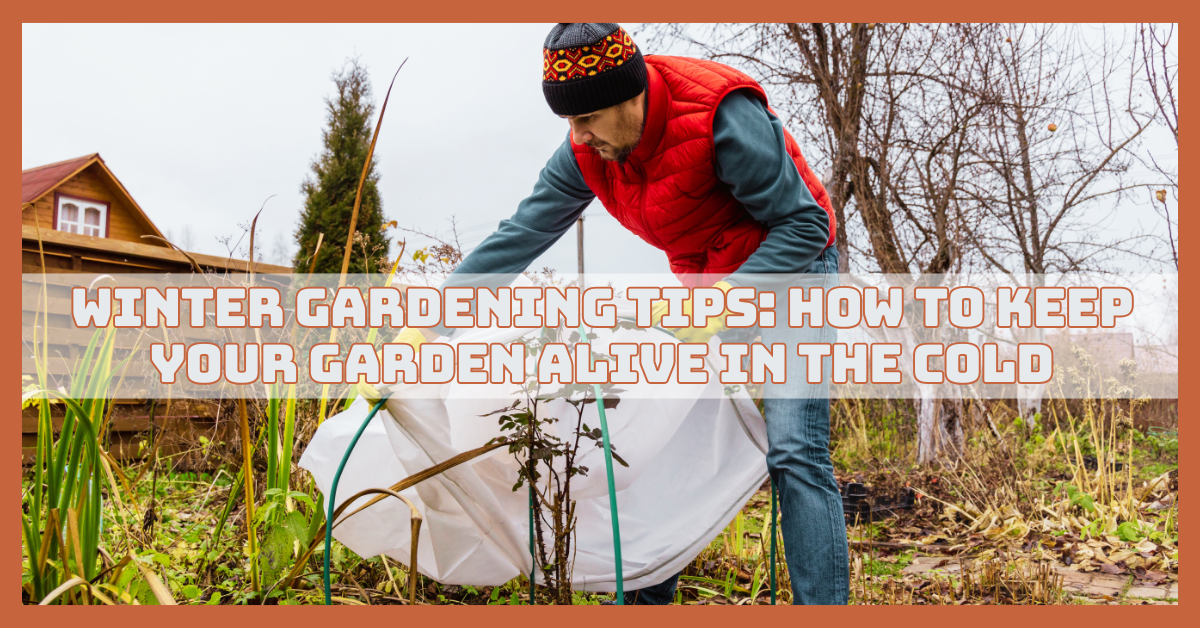
Row covers and frost blankets offer simple but powerful protection during winter. They shield plants from frost, cold winds, and sudden temperature drops. These lightweight fabrics trap just enough warmth to keep tender plants safe without overheating them.
Use them on vegetables, herbs, young perennials, and any plants that struggle with early frost. Make sure the covers don’t touch delicate foliage and secure the edges so wind can’t lift them.
They’re reusable, affordable, and incredibly effective through the coldest months. With proper use, your garden stays healthier, longer, and much more resilient against unpredictable winter conditions.
Pro Tips
- Secure covers tightly always.
- Use hoops for support.
- Remove covers on warm days.
- Avoid plastic touching leaves.
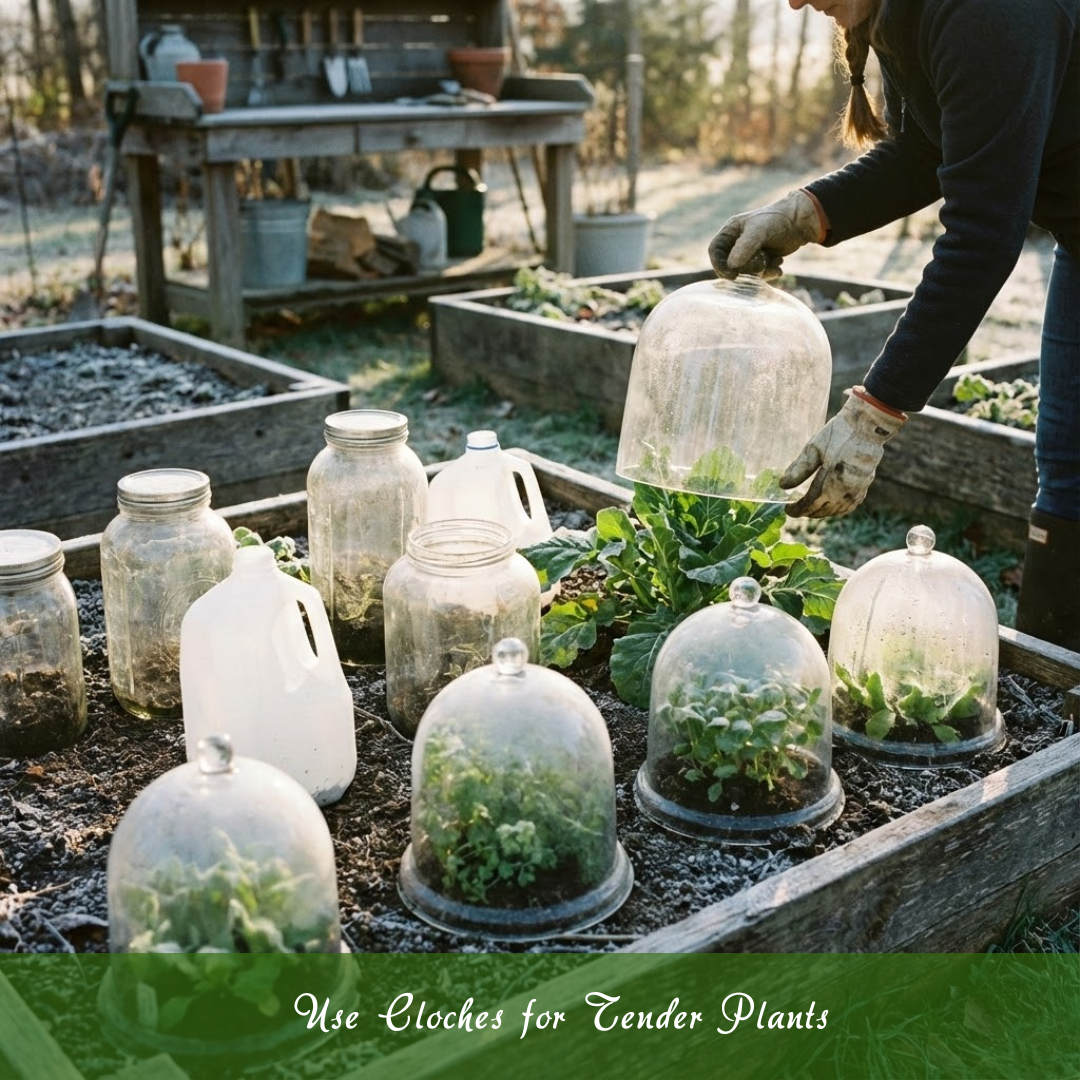
Tip 6: Use Cloches For Tender Plants
Cloches are like tiny personal greenhouses for vulnerable plants. They trap warmth, block wind, and create a mini microclimate that can extend the growing season.
You can buy them or make simple versions from jars, milk jugs, or clear bottles. They’re perfect for herbs, young vegetables, or cold-sensitive flowers. Just remember to ventilate them on warmer days, so plants don’t overheat.
Cloches work best as temporary protection during frost warnings or sudden cold snaps. This small addition can help fragile plants survive winter stress with much less effort.
Pro Tips
- Vent cloches on warm days.
- Anchor them against the wind.
- Use explicit, sturdy materials.
- Check the moisture underneath often.
Tip 7: Protect Container Plants Carefully
Container plants face greater winter risks because pots freeze faster than the ground soil. A key winter gardening tip is to protect container plants by insulating, relocating, and watering them carefully to ensure they survive the cold months.
Give them extra attention by moving pots closer to the house, grouping them together, or wrapping them with insulating materials like burlap or bubble wrap.
Some pots can even be buried in soil for added protection. Avoid leaving containers in open, windy spots. Water lightly throughout winter because roots still dry out, even in cold weather.
Proper care helps your container plants survive harsh conditions and bounce back strong when warmer temperatures return.
Pro Tips
- Move pots to sheltered areas.
- Wrap containers for insulation.
- Keep pots off concrete.
- Water lightly every few weeks.
Tip 8: Keep Winter Crops Growing Longer
Winter crops can continue producing food when appropriately protected. Vegetables like kale, spinach, chard, and winter lettuce thrive in cold temperatures.
Using cold frames, mini greenhouses, and row covers helps hold warmth and keep frost off tender leaves. Growth slows in winter, but plants stay sweeter and more flavourful due to colder weather.
Consistent protection keeps soil workable and extends your harvest season well beyond fall. With the proper setup, you can enjoy fresh greens all winter long.
Pro Tips
- Use cold frames consistently.
- Choose frost-tolerant varieties.
- Vent structures on sunny days.
- Harvest leaves regularly still.
Tip 9: Prepare Your Soil For Spring
Winter is an excellent time to improve your garden soil. Adding compost, shredded leaves, or aged manure before deep freezes helps nutrients break down slowly.
Winter moisture and natural decomposition enrich the soil, improving fertility and structure. Worms and beneficial microbes stay active under mulch and help mix nutrients deeper.
This “sheet mulching” approach means when spring arrives, your soil is loose, rich, and ready for planting. Preparing soil in winter saves work later and supports stronger plant growth.
It reduces the need for chemical fertilizers and improves moisture retention, giving your garden a healthier start every year.
Pro Tips
- Add compost before snowfall.
- Use leaves as natural mulch.
- Avoid turning soil now.
- Cover beds to reduce erosion.
Tip 10: Don’t Prune Everything Too Early
Pruning in winter requires caution. Some plants, like spring bloomers, set buds in fall. Cutting them too early removes future flowers. Only remove dead, damaged, or diseased branches during winter.
Avoid pruning healthy stems because it stimulates new growth that can freeze. Wait until late winter or early spring for heavier pruning.
Timing is key for plant survival. Correct pruning prevents unnecessary stress, reduces frost damage, and keeps plants healthy.
Strategic winter pruning ensures that when spring arrives, plants have strong, undamaged stems and maximum flowering potential. Less is more, and patience is your best pruning tool.
Pro Tips
- Prune only damaged branches.
- Avoid pruning spring bloomers.
- Wait for late winter cuts.
- Sterilize tools before pruning.
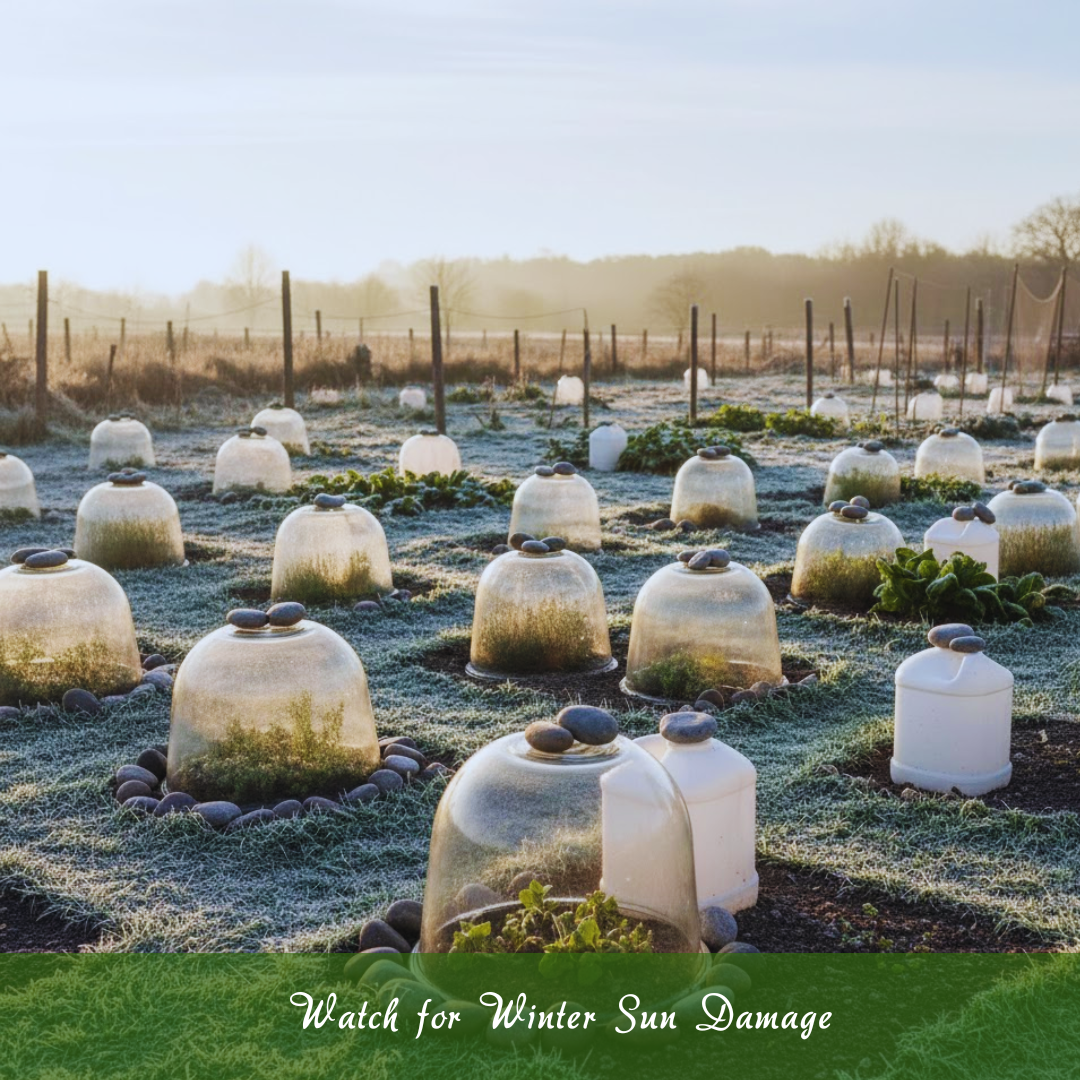
Tip 11: Watch For Winter Sun Damage
Winter sun can damage plants even in cold weather. Bright sunlight combined with freezing temperatures and drying winds pulls moisture from leaves faster than roots can supply it.
Evergreens are most vulnerable, showing brown, crispy edges from “winter burn.” Protect sensitive plants with burlap screens, shade cloth, or temporary windbreaks.
South-facing walls may reflect extra heat, causing plants to thaw and refreeze rapidly. Monitoring sun exposure daily helps reduce stress. Adjust protection as needed for temperature swings.
Preventing winter sun damage keeps foliage healthy, reduces plant stress, and ensures plants are ready to thrive when spring temperatures arrive, maintaining vibrant winter greenery.
Pro Tips
- Use burlap for easy shading.
- Avoid midday sun exposure.
- Provide windbreaks when needed.
- Check evergreens regularly.
Tip 12: Use Snow As Natural Insulation
Snow might look cold, but it’s actually an excellent insulator for your garden. A thick blanket of snow traps heat in the soil and protects roots from freezing temperatures. It also shields plants from harsh winter winds and prevents frost heaving.
Don’t rush to clear light snow from beds; it acts as a natural barrier. However, heavy snow can damage branches, so gently brush it off evergreens and fragile shrubs.
Using snow wisely reduces winter stress on plants, preserves soil moisture, and supports healthy growth. It’s free, effective, and perfectly natural for winter gardening.
Pro Tips
- Let the light snow stay on the beds.
- Brush heavy snow gently off.
- Protect evergreens from weight.
- Use snow for insulation benefits.
Turn Your Passion for Nature Into Income
🌿 Whether you love gardening, caring for animals, or exploring holistic living,
You can share your knowledge online and earn from it.
Discover how nature lovers are growing their passions into meaningful, income-generating blogs. 👇
Best Plants For Winter Gardening
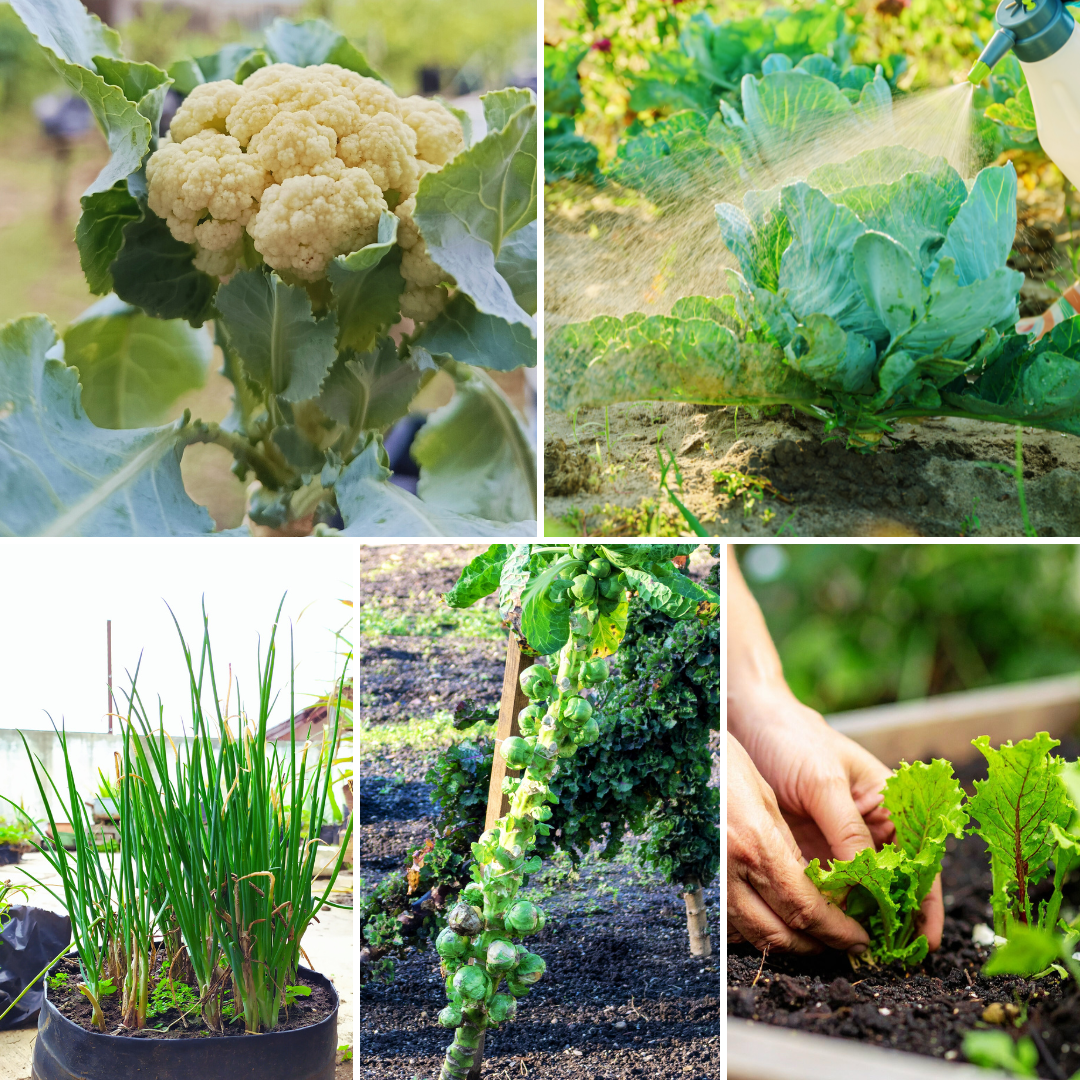
Not all plants fear the cold. Some love it. Some even taste better after frost. Here are the most reliable, easy-to-grow plants for winter gardening.
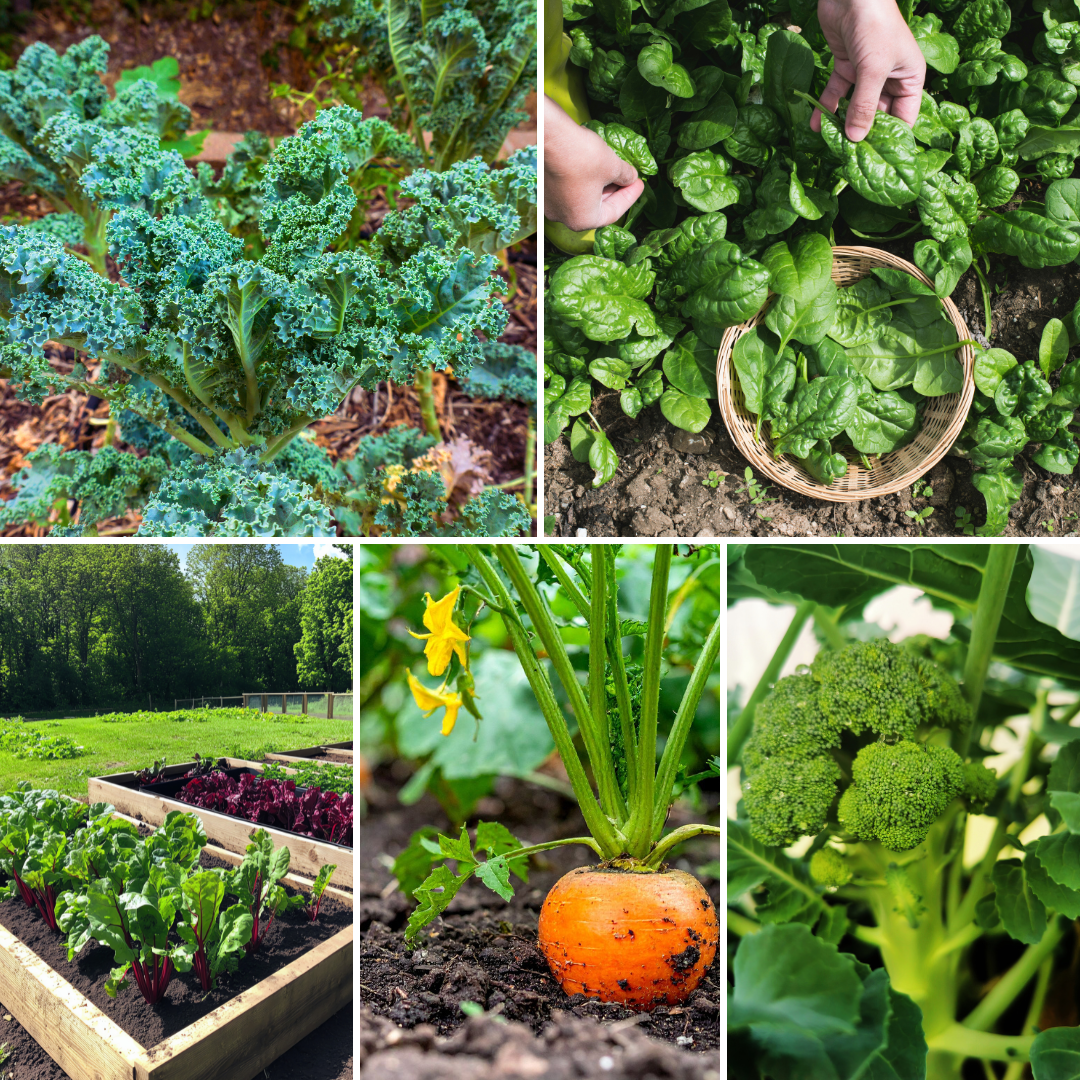
1. Kale
Kale is one of the strongest winter vegetables, thriving in Zones 3–10. It grows even sweeter after frost. To grow kale in winter, plant seedlings in late fall so they establish before freezing temperatures.
Add mulch around the base and use a simple row cover during hard freezes. Harvest outer leaves as needed. Kale grows slowly in winter but remains productive through snow and frost.
2. Spinach
Spinach thrives in cool conditions and grows well in Zones 2–9. For winter growing, sow seeds in early fall and cover with a low tunnel or frost cloth once temperatures dip. Spinach handles cold extremely well, especially when mulched.
Water lightly but consistently through winter. Leaves stay tender and sweet, even after frost. Harvest outer leaves to encourage steady winter growth.
3. Swiss Chard
Swiss chard grows reliably in Zones 4–10 and tolerates winter with light protection. Start seeds in late summer so plants mature before severe cold. Once temperatures drop, cover with a row cover or place in a cold frame.
Mulch around the base to protect roots. Chard grows slowly in winter but remains colourful and productive. Pick outer leaves gently to keep plants thriving through cold months.
4. Carrots
Carrots grow beautifully through winter in Zones 3–9. Sow seeds in late summer or early fall so they establish before frost. Add a thick layer of mulch once temperatures drop to protect the roots.
Carrots sweeten naturally in cold soil. Leave them in the ground and harvest as needed throughout winter. They stay crisp, fresh, and protected beneath mulch or snow.
5. Broccoli
Broccoli handles cold well and thrives in Zones 3–10. Plant seedlings in late summer for winter maturity. Use a row cover during heavy frost to maintain steady growth. Mulch around the roots to keep soil temperatures stable.
Winter-grown broccoli produces tighter, sweeter heads thanks to cold soil. Harvest the main head, then pick side shoots throughout winter for extended production.
6. Cauliflower
Cauliflower grows best in winter in Zones 4–10, provided you give it steady cool temperatures. Plant seedlings in late fall and protect them with a low tunnel as temperatures drop.
Keep soil evenly moist and mulch heavily to protect roots. Wrap outer leaves loosely around the head (blanching) to protect it from frost burn. Harvest firm, compact heads once they reach full size.
7. Cabbage
Cabbage thrives through winter in Zones 2–9. Plant in late summer and allow heads to develop before deep winter. Add mulch and cover with row fabric during severe freezes.
Cabbage holds extremely well in cold temperatures, staying crisp and delicious. Harvest heads as needed, or leave them protected in the garden to store naturally. Winter-grown cabbage develops rich flavour and dense texture.
8. Leeks
Leeks are one of the hardiest winter crops and thrive in Zones 3–9. Plant in late summer, then hill soil around stems to blanch them.
Cover with mulch before winter, and they’ll survive snow and freezing temperatures easily. Leeks grow slowly in winter but stay fresh in the ground until spring. Harvest by pulling up individual stalks as needed for cooking.
9. Brussels Sprouts
Brussels sprouts thrive in Zones 3–9 and improve in flavour after frost. Plant them in late summer so stalks reach full size by winter. Mulch around the base and use row covers during extreme cold.
Sprouts grow tightly in cold weather, giving you sweeter, more tender harvests. Pick sprouts from the bottom upward as they grow. Stalks remain productive even in snow.
10. Lettuce
Winter lettuce grows successfully in Zones 4–9, especially varieties like Arctic King and Winter Density. Sow seeds in fall and cover with a low tunnel or cold frame once frost arrives.
Keep soil slightly moist and mulch around edges. Winter lettuce stays crisp and grows slowly but steadily through cold months. Harvest outer leaves to prolong production.
FAQ
Q1: Can Any Plant Survive Winter Without Protection?
Only truly hardy, cold-tolerant plants can survive freezing temperatures alone. Most garden plants need added insulation, such as mulch, covers, or wind protection, to prevent root damage and winter stress.
Q2: How Thick Should Mulch Be For Winter?
A three- to four-inch mulch layer offers ideal insulation. It protects roots from temperature swings, retains soil moisture, and creates a stable environment that helps plants survive harsh winter conditions more easily.
Q3: How Do I Protect Container Plants From Freezing?
Move containers to sheltered spots like porches or garages, then wrap pots with insulating materials. You can also partially bury the containers in soil or mulch to reduce freezing risks.
Q4: How Can I Help Wildlife In Winter?
Leave seed heads and dense shrubs for natural food and shelter. Provide fresh, unfrozen water when possible, and avoid clearing everything so birds and small animals can find essential winter resources.
Q5: How Do I Prevent Winter Sunburn On Evergreens?
Shield evergreens with burlap or shade cloth to reduce harsh winter sun exposure. These barriers help prevent moisture loss and protect foliage from damage caused by strong sunlight on cold days.
Conclusion
Winter gardening is more than just protecting plants—it’s about preparation, patience, and care. Following practical winter gardening tips helps ensure your garden stays healthy, protected, and ready to thrive when spring arrives.
Winter also offers a chance to improve soil, support wildlife, and plan for spring success. Consistent care now reduces losses, strengthens plants, and ensures a vibrant, productive garden when warmer weather returns. Winter is not the end—it’s preparation for growth.
I trust you enjoyed this article on the Winter Gardening Tips: How To Keep Your Garden Alive In The Cold. Please stay tuned for more inspiring guides, helpful tips, and ideas to help you live closer to nature every day.
Take care!
— JeannetteZ🌿
💬 Your Opinion Is Important To Me
Do you have thoughts, ideas, or questions? I’d love to hear from you. Please leave your comments below or email me directly at Jeannette@Close-To-Nature.org.
📚 More Nature-Inspired Reads
Explore more ways to connect with nature, nurture your pets, and live in harmony with the world around you 🌿