
15 Meaningful Ways To Practice Mindfulness Every Day

Meaningful ways to practice mindfulness can fit naturally into your daily routine without requiring special equipment, a particular setting, or hours of free time. Even ordinary activities can become opportunities to be more present.
Small mindful moments encourage you to slow down and notice what is happening around you. Walking, eating, gardening, listening, and everyday household tasks can all become part of the practice.
Mindfulness doesn’t have to become another complicated task on your schedule. Whether you’re new to the practice or already familiar with it, these techniques offer different ways to bring greater awareness into everyday life.
Why Is It Important To Practice Mindfulness?
Practicing mindfulness encourages you to slow down and pay closer attention to the present moment. Instead of moving through the day on autopilot, you become more aware of your thoughts, feelings, surroundings, and everyday experiences.
Mindfulness may support greater calm, focus, and emotional balance. You can practice it almost anywhere, making it an approachable addition to everyday routines.
The following benefits show why mindfulness has become such a widely used practice and how it may support different aspects of daily wellbeing.
1. Reduces Stress And Anxiety
Worrying about the future or dwelling on the past may contribute to feelings of stress and anxiety. Mindfulness gently brings your attention back to the present moment.
Focusing on your breathing, surroundings, thoughts, or physical sensations gives you an opportunity to pause. This simple shift in attention may create a greater sense of calm during stressful moments.
2. Supports Emotional Wellbeing
Mindfulness encourages you to notice thoughts and emotions without immediately reacting to them. Instead of judging what you are feeling, you simply acknowledge what is happening in the moment.
This gentle awareness may create a little space between an emotion and your response to it. Over time, practising mindfulness may make it easier to approach everyday challenges with greater patience and emotional balance.
3. Enhances Focus And Concentration
Daily life is full of distractions, from phones and notifications to busy schedules and competing demands. Mindfulness encourages you to bring your attention back to the activity in front of you.
When your attention wanders, simply noticing it and returning to the present moment becomes part of the practice. This mindful habit may make it easier to stay engaged while working, reading, creating, or completing everyday tasks.
4. Encourages Thoughtful Responses
Mindfulness creates a small pause between what happens and how you respond. Instead of reacting immediately when something frustrates or upsets you, you take a moment to notice what you are feeling.
That pause gives you time to choose how you want to respond. During difficult conversations or stressful situations, this simple habit may encourage calmer and more thoughtful reactions.
5. Encourages Greater Body Awareness
Mindfulness is not limited to noticing your thoughts and emotions. It can also encourage you to pay attention to physical sensations, such as your breathing, posture, muscle tension, and how your body feels throughout the day.
This awareness may remind you to slow down, stretch, adjust an uncomfortable position, or simply pause for a few quiet breaths. Paying attention to these everyday signals can become a natural part of a mindful routine.
6. Encourages Better Relationships
Mindfulness encourages you to be more present when spending time with other people. Giving someone your full attention may make conversations feel more meaningful and reduce the temptation to respond before they have finished speaking.
Listening carefully also gives you time to understand another person’s perspective before deciding how to respond. This more thoughtful approach may encourage patience, empathy, and greater understanding in everyday relationships.
7. Supports Self-Awareness And Personal Growth
Mindfulness encourages you to notice your thoughts, feelings, habits, and reactions with greater awareness. Taking time to observe these patterns may help you understand yourself and the choices you make each day.
Greater self-awareness can make it easier to recognize habits you would like to change and areas of your life you want to develop. You can then set thoughtful intentions and make choices that reflect what matters most to you.
8. Encourages Mindful Breathing
Your breath provides a simple point of focus whenever you want to return your attention to the present moment. Mindful breathing involves noticing each breath without trying to force or control its natural rhythm.
You can practice for a few moments while sitting quietly, walking, waiting, or taking a break during a busy day. Focusing on the breath creates a simple pause and makes mindfulness easy to incorporate into everyday life.
9. Encourages Gratitude And Appreciation
Mindfulness encourages you to notice the small details and everyday experiences that are easy to overlook. A warm drink, a quiet moment, time outdoors, or a conversation with someone you care about can become opportunities to appreciate the present.
Paying closer attention to these ordinary moments may encourage a greater sense of gratitude and contentment. Rather than always looking ahead to what comes next, mindfulness invites you to notice and appreciate what is already part of your day.
10. Encourages Creativity And Problem-Solving
Mindfulness encourages you to pause and approach challenges with greater awareness rather than immediately reacting. Taking a moment to slow down may make it easier to consider a situation from a different perspective.
Stepping away from distractions and focusing on the present task may create more space for fresh ideas. This thoughtful approach can be useful when solving problems, making decisions, or working on creative projects.
15 Ways To Practice Mindfulness
Mindfulness can become part of everyday life without requiring a complicated routine. Many practices fit naturally into activities you already do, from eating and walking to breathing and spending time outdoors.
The key is to bring your attention to what is happening in the present moment. Notice your surroundings, physical sensations, thoughts, or emotions without feeling that you need to change them.
You don’t need to try every mindfulness technique at once. Start with one or two that feel comfortable, then explore other approaches as mindfulness becomes more familiar.
Here are 15 ways to practice mindfulness and discover which techniques fit naturally into your daily life.
1. Mindful Breathing
Mindful breathing is a gentle way to bring your attention back to the present moment. Find a comfortable place to sit or stand, relax your shoulders, and allow your breathing to follow its natural rhythm.
Notice the sensation of each breath as it enters and leaves your body. You might pay attention to the air moving through your nose, the gentle rise and fall of your chest, or another sensation that feels natural to notice.
When your attention wanders, simply notice where it went and gently return your focus to your breathing. There is no need to clear your mind or judge yourself for becoming distracted.
You can practice mindful breathing when you wake up, during a busy day, or while winding down in the evening. Even a few quiet moments of focused breathing can provide a peaceful pause in your routine.

2. Body Scan Mindfulness
A body scan is a mindfulness practice that involves slowly bringing your attention to different areas of your body. Find a quiet, comfortable place where you can sit or lie down without distractions.
Start at the top of your head and notice any sensations without trying to change them. Slowly move your attention to your forehead, eyes, cheeks, jaw, neck, and shoulders.
Continue through your arms, hands, chest, abdomen, and back, then move down through your legs, feet, and toes. Take your time and simply notice how each area feels as your attention moves through your body.
Your mind may wander during the practice, and that’s perfectly normal. When you notice it, gently return your attention to the area you were focusing on and continue the scan.
A body scan gives you an opportunity to slow down and become more aware of physical sensations in the present moment. You can practice it during a quiet break, before meditation, or as part of your evening routine.
3. Mindful Eating
Mindful eating brings your attention to the experience of preparing and enjoying food. Before you begin, take a moment to notice the colours, textures, aromas, and appearance of the meal in front of you.
As you take your first bite, slow down and notice the flavours and textures. Notice small details you might normally miss when eating quickly or while distracted by a television, phone, or computer.
Chew comfortably and notice how the food changes as you eat. You can also pay attention to feelings of hunger, satisfaction, and fullness without judging or trying to change them.
Eating without rushing gives you more time to appreciate the food and the meal itself. It can turn an everyday activity into an opportunity to practice mindfulness and gratitude.

4. Walking Meditation
Walking meditation is a mindful way to bring greater awareness to an ordinary walk. Rather than walking on autopilot, you pay attention to your movement, surroundings, and what you notice along the way.
Begin by noticing how your feet connect with the ground and how your weight shifts with each step. Pay attention to the movement of your legs and arms while allowing your breathing to continue at its natural rhythm.
Bring your awareness to your surroundings as you walk. Notice colours, shapes, sounds, scents, changing light, or the feeling of the air against your skin without needing to concentrate on everything at once.
Your thoughts will naturally wander from time to time. When you notice this happening, gently return your attention to your steps, breathing, or something in the environment around you.
Walking meditation doesn’t require a special route or a particular destination. A garden path, quiet street, park, familiar walking route, or a leisurely walk with your dog can all become opportunities to practice mindfulness.
5. Mindful Listening
Mindful listening means giving someone your full attention while they are speaking. When possible, set other distractions aside and focus on the person and the conversation in front of you.
Listen to their words as well as their tone of voice and pace of speech. Facial expressions and body language may provide additional clues about what they are trying to communicate.
Try not to spend the conversation planning what you will say next. Instead, listen until the other person has finished, then take a moment to consider your response.
Your attention will sometimes wander, just as it does during other mindfulness practices. When you notice this, gently bring your focus back to the person speaking.
Mindful listening may encourage more thoughtful conversations and greater understanding between people. It is a practical way to bring mindfulness into everyday interactions with family, friends, colleagues, and others.
Create a Profitable Holistic Business That Transforms Lives
🌿 Discover inspiring holistic business ideas that blend nature, wellness, and purpose.
Learn how passionate nature lovers are building income streams while helping others live more balanced, mindful lives.
Read Profitable Holistic Business Ideas That Transform Lives
6. Mindful Pause
A mindful pause is a brief moment when you stop what you are doing and bring your attention to the present. You can take one during a busy workday, between activities, or whenever you simply want a quiet moment.
Pause and notice your natural breathing without trying to change it. Pay attention to how your body feels, what you are thinking about, and what is happening around you.
You might notice that you feel rushed, tired, distracted, relaxed, or content. Whatever you observe, simply acknowledge it without judging the feeling or trying to make it disappear.
After a few moments, gently return your attention to what you were doing. These small pauses are an easy way to bring mindfulness into an ordinary day without setting aside time for a formal practice.
You can even use natural waiting periods as mindful pauses. Waiting for the kettle to boil, standing in a queue, or stopping while your dog investigates an interesting scent all provide little opportunities to notice the present moment.
7. Gratitude Journaling
Gratitude journaling is a mindful practice that encourages you to notice and appreciate positive moments in everyday life. Set aside a few minutes to write down several things you feel grateful for.
They don’t need to be significant events. A warm cup of tea, a beautiful sunset, time spent with someone you care about, or an enjoyable walk with your dog may all be worth recording.
As you write, think about why each moment stood out to you rather than simply creating a list. Paying attention to these small details brings your focus back to experiences that might otherwise pass unnoticed.
You can keep your journal beside your bed and write in it each evening, or choose another time that suits your routine. Some people may prefer writing every day, while others may enjoy adding an entry whenever something feels particularly meaningful.
Over time, your journal becomes a personal collection of moments you appreciated. Looking back through earlier entries may remind you of ordinary experiences, people, places, and small pleasures that have added meaning to your days.

8. Sensory Mindfulness
Sensory mindfulness involves using your senses to bring your attention to what is happening around you. Sight, sound, smell, taste, and touch all provide simple ways to reconnect with the present moment.
While drinking tea or coffee, notice its warmth, aroma, flavour, and the feeling of the cup in your hands. Rather than drinking it automatically, spend a few moments paying attention to the experience.
Everyday routines provide other opportunities. During a shower, notice the warmth of the water, the sound it makes, and the scent of your soap or shampoo.
Outdoors, listen to birds, rustling leaves, or other sounds around you. Notice the breeze against your skin, the colours of plants and flowers, or the changing light throughout the day.
You don’t need to concentrate on every sense at once. Choose one or two, notice what you are experiencing, and let your attention stay there for a few moments before continuing your day.
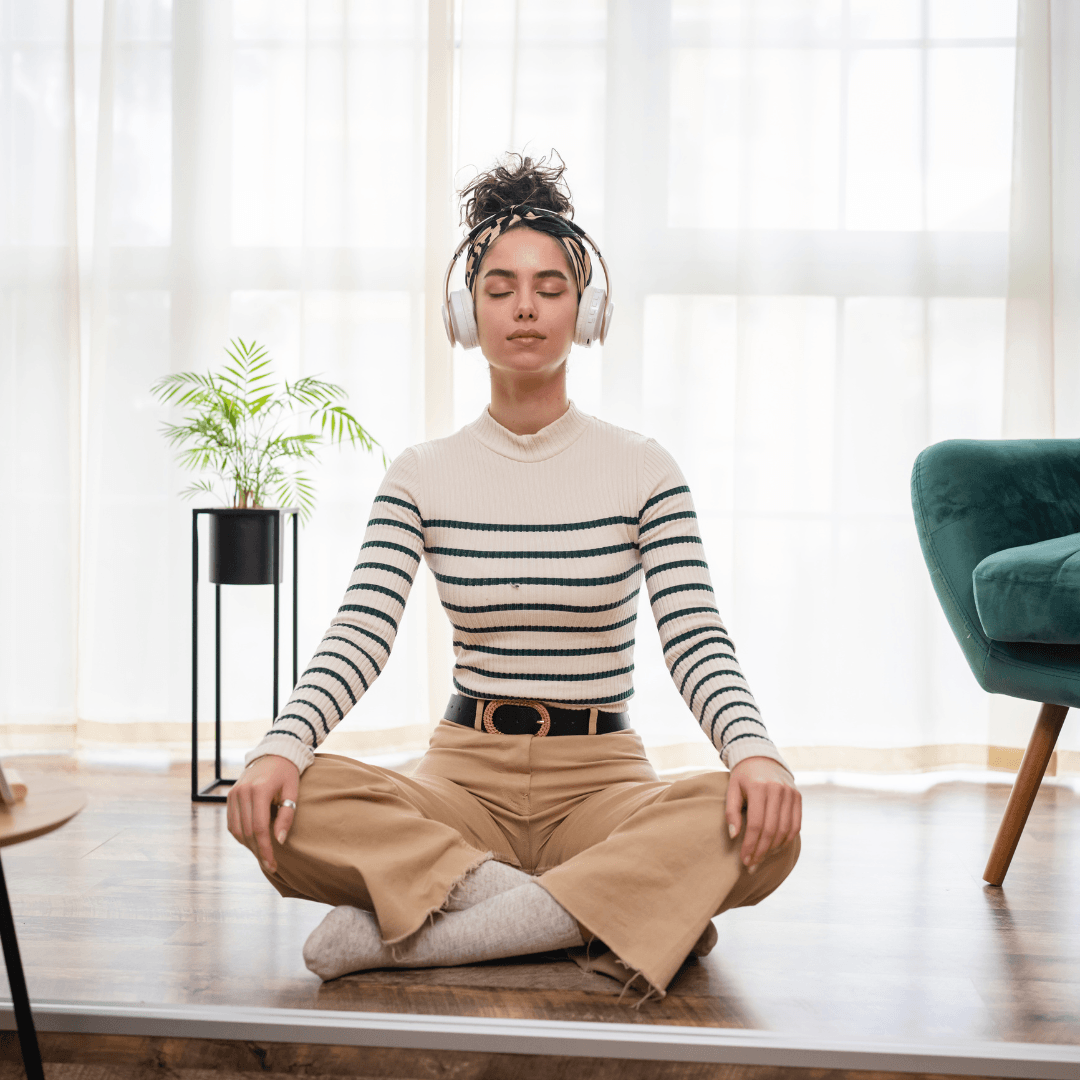
9. Guided Meditation
Guided meditation provides spoken instructions that lead you through a mindfulness practice. It can be particularly useful when you are new to meditation or prefer having some direction while you practice.
You can find guided sessions through meditation apps, websites, podcasts, and online videos. They range from brief practices lasting only a few minutes to longer sessions for times when you want to slow down and settle in.
Depending on the meditation, a guide may direct your attention to your breathing, physical sensations, surroundings, or a visualization. Gentle prompts throughout the session can remind you to return your attention when your thoughts wander.
You can explore different instructors and meditation styles until you find an approach that feels comfortable. Some people prefer quiet guidance with plenty of pauses, while others enjoy more detailed instructions throughout the session.
Guided meditation offers a structured way to explore mindfulness without deciding what to focus on next. As the practice becomes more familiar, you may discover techniques that you would like to practice independently.
10. Mindful Everyday Activities
Everyday activities provide plenty of opportunities to practice mindfulness. Instead of rushing through routine tasks on autopilot, choose one activity and give it your full attention.
While washing dishes, focus on washing rather than thinking about everything you need to do next. When folding laundry, pay attention to each item and complete the task without simultaneously checking your phone or watching a screen.
Brushing your teeth, preparing a meal, watering plants, making the bed, or tidying a room can all become mindful activities. The particular task matters less than bringing your attention to what you are doing while you are doing it.
Your thoughts will naturally wander. When they do, notice where your attention went and gently bring it back to the activity in front of you.
Mindfulness doesn’t always require sitting quietly or setting aside special time. Ordinary tasks give you repeated opportunities to practice being present throughout the day.
11. Mindful Stretching
Mindful stretching combines gentle movement with attention to how your body feels in the present moment. Find a comfortable space with enough room to move without feeling rushed or distracted.
As you begin stretching, notice the sensations in your muscles and how your body responds to each movement. Move slowly and stay within a range that feels comfortable rather than trying to stretch as far as possible.
Let your breathing follow its natural rhythm as you move. Notice changes in sensation as you enter a stretch, hold it briefly, and gently release.
You may notice that one area feels different from another or that your body feels different from one day to the next. Simply observe what you notice without judging or trying to force a particular result.
Mindful stretching turns a familiar physical activity into an opportunity to slow down and notice your body. It can fit naturally into a morning routine, a midday break, or a gentle yoga practice.
12. Mindful Driving
Mindful driving means giving your full attention to driving rather than treating the journey as something to complete on autopilot. Keep your attention on the road, surrounding traffic, signs, pedestrians, cyclists, and changing conditions.
Reduce unnecessary distractions before you begin your journey. Put your phone away, set your navigation in advance, and make any other adjustments while the vehicle is safely parked.
As you drive, notice when your thoughts begin drifting toward work, errands, or other concerns. Gently return your attention to the road and what is happening around you without becoming frustrated with yourself.
Heavy traffic, delays, and unexpected interruptions are part of many journeys. Instead of letting impatience take over, acknowledge what is happening and keep driving attentively and calmly.
Mindful driving doesn’t require adding another activity to your journey. It simply means being fully present for the task of driving and giving the road the attention it deserves.

13. Mindful Cleaning
Mindful cleaning turns an ordinary household chore into an opportunity to focus on one activity at a time. Instead of rushing to finish or thinking about the next job, bring your attention to the task in front of you.
Choose one area or activity, such as vacuuming a room, wiping a counter, cleaning a window, or dusting furniture. Pay attention to each movement as you work rather than trying to complete several chores at once.
Notice the rhythm of sweeping, wiping, scrubbing, or vacuuming and the gradual change in the space around you. When your thoughts wander, gently return your attention to what your hands are doing.
You don’t need to slow down or complicate cleaning. Mindfulness comes from staying present with the activity rather than doing it while your attention is somewhere else.
When you finish a task, take a moment to notice the clean, organized space before moving on. Even an ordinary household chore can become a satisfying mindful pause in your day.
14. Mindful Gardening
Mindful gardening brings your attention to the plants, soil, and natural surroundings while you work. Instead of rushing through garden chores, focus on the activity in front of you and notice what is happening around you.
As you plant, weed, prune, or water, notice the soil, leaves, flowers, and other natural textures you encounter. Notice how the garden changes as you move from one plant or area to another.
Listen to the sounds around you, such as birds, insects, rustling leaves, or moving water. You might also notice the scent of herbs, flowers, soil, or fresh compost as you work.
Focus on one gardening task at a time. When your thoughts wander, gently bring your attention back to the plant you are tending or the activity you are doing.
Mindful gardening doesn’t require a large garden or hours of free time. Container gardening on a patio or balcony, tending a few herbs, or spending time among your plants can all become opportunities to practice mindfulness.

15. Mindful Technology Use
Mindful technology use means paying attention to when, why, and how you use digital devices. Phones, computers, tablets, and other technology are useful tools, but reaching for them can easily become an automatic habit.
Before opening an app or picking up your phone, occasionally ask yourself what you intend to do. You may be answering a message, checking information, completing a task, or simply looking for something to fill a few spare minutes.
Notice when you start scrolling or switching between apps without a clear reason. Becoming aware of the habit gives you an opportunity to decide whether you want to continue or turn your attention to something else.
Creating a few screen-free periods can make mindful technology use easier. Meals, walks, time outdoors, conversations, or part of your evening routine are natural opportunities to put digital devices aside.
The goal isn’t to avoid technology, but to use it more mindfully. Choosing when to connect and when to step away lets technology remain useful without demanding your attention every moment.
Frequently Asked Questions
Q1: What Is The Easiest Way To Start Practicing Mindfulness?
Start with an activity you already do every day, such as drinking your morning coffee, walking, eating a meal, or spending a few quiet moments outdoors. Bring your full attention to that activity rather than trying to create an entirely new routine.
Mindful breathing is another approachable starting point because you can practice it almost anywhere. Begin with a few moments and allow the practice to develop naturally over time.
Q2: How Long Should You Practice Mindfulness Each Day?
There is no single amount of time that works for everyone. Mindfulness may last a few moments during a busy day or become part of a longer meditation, walk, gardening session, or other activity.
Consistency may be more practical than setting an ambitious time goal. Several brief mindful moments throughout the day can make the practice easier to incorporate into your normal routine.
Q3: Can You Practice Mindfulness Without Meditating?
Yes. Meditation is only one way to practice mindfulness. Walking, gardening, eating, listening, cleaning, stretching, and other everyday activities can all become mindful when you give them your full attention.
This flexibility is one reason mindfulness fits so easily into daily life. You can practice while doing something you already enjoy rather than always setting aside separate meditation time.
Q4: What Should I Do When My Mind Wanders During Mindfulness?
A wandering mind is a normal part of mindfulness practice. When you notice your attention has moved elsewhere, acknowledge it without judging yourself and gently return to whatever you were focusing on.
That might be your breathing, footsteps, surroundings, physical sensations, or the activity in front of you. Bringing your attention back is part of the practice rather than a sign that you are doing something wrong.
Q5: Can Mindfulness Be Practiced Outdoors?
Absolutely. Nature provides plenty of opportunities to notice sights, sounds, scents, textures, and changes in your surroundings. Walking, gardening, sitting outdoors, or quietly observing plants and wildlife can all become mindful activities.
You don’t need a particular natural setting either. A backyard, balcony, local park, garden, or familiar walking route can provide a comfortable place to slow down and pay attention.
Q6: How Can I Remember To Practice Mindfulness?
Connect mindfulness with activities that already happen throughout your day. Your morning drink, meals, dog walks, household chores, work breaks, and evening routine can all become natural reminders to pause and pay attention.
You can also use ordinary waiting periods as reminders. Waiting for the kettle, standing in a queue, or pausing while your dog investigates something fascinating gives you a ready-made opportunity for a mindful moment.
Conclusion
You can practice mindfulness in many ways without making major changes to your daily routine. Breathing, walking, eating, gardening, listening, cleaning, and even using technology can all become opportunities to pay closer attention to the present moment.
Start with activities that already fit naturally into your day. A morning drink, a walk with your dog, a household task, or a few quiet moments outdoors can become part of your mindfulness practice.
Your attention will wander, and some days mindfulness may feel easier than others. Simply noticing when your thoughts have drifted and gently returning to the present moment is part of the practice.
Explore different techniques and keep the ones that feel natural and meaningful to you. Over time, mindfulness can become less of a separate activity and more of a thoughtful way to experience ordinary moments throughout your day.
I trust you enjoyed this article on the 15 Meaningful Ways to Practice Mindfulness Every Day. Please stay tuned for more inspiring guides, helpful tips, and ideas to help you live closer to nature every day.
Take care!
— JeannetteZ🌿
💬 Your Opinion Is Important To Me
Do you have thoughts, ideas, or questions? I’d love to hear from you. Please leave your comments below or email me directly at Jeannette@Close-To-Nature.org.
📚 More Nature-Inspired Reads
Explore more ways to connect with nature, nurture your pets, and live in harmony with the world around you 🌿