

How To Choose The Right Puppy: 9 Essential Steps For Success

Understanding how to choose the right puppy helps you find a companion who fits your family and lifestyle. After all, there’s much more to consider than an adorable face.
Every puppy has individual needs, from exercise and training to grooming, socialization, and veterinary care. Understanding these responsibilities before bringing a puppy home helps you prepare for a rewarding relationship.
Breed characteristics, temperament, energy levels, and health are all important considerations. Whether you prefer an active outdoor companion or a more relaxed family dog, finding a compatible puppy takes thoughtful research and patience.
In this guide, we’ll explore nine essential steps to help you choose a healthy, well-matched puppy and prepare for the joys and responsibilities of welcoming a new family member.
9 Proven Tips On How To Choose The Right Puppy
Choosing a puppy is exciting, but finding the right match takes more than picking a breed or falling in love with a playful personality.
Each puppy develops at their own pace and brings unique characteristics to your home. Taking time to understand these differences helps you choose thoughtfully.
Your daily routine, living environment, family members, and experience with dogs all influence which puppy might suit you best. Consider how much time and attention you can realistically offer.
It’s equally important to look beyond puppyhood. Your new companion will grow into an adult dog with changing physical, emotional, and behavioural needs throughout their life.
The following nine steps will help you evaluate your options, recognize key considerations, and confidently decide whether to welcome a puppy into your family.
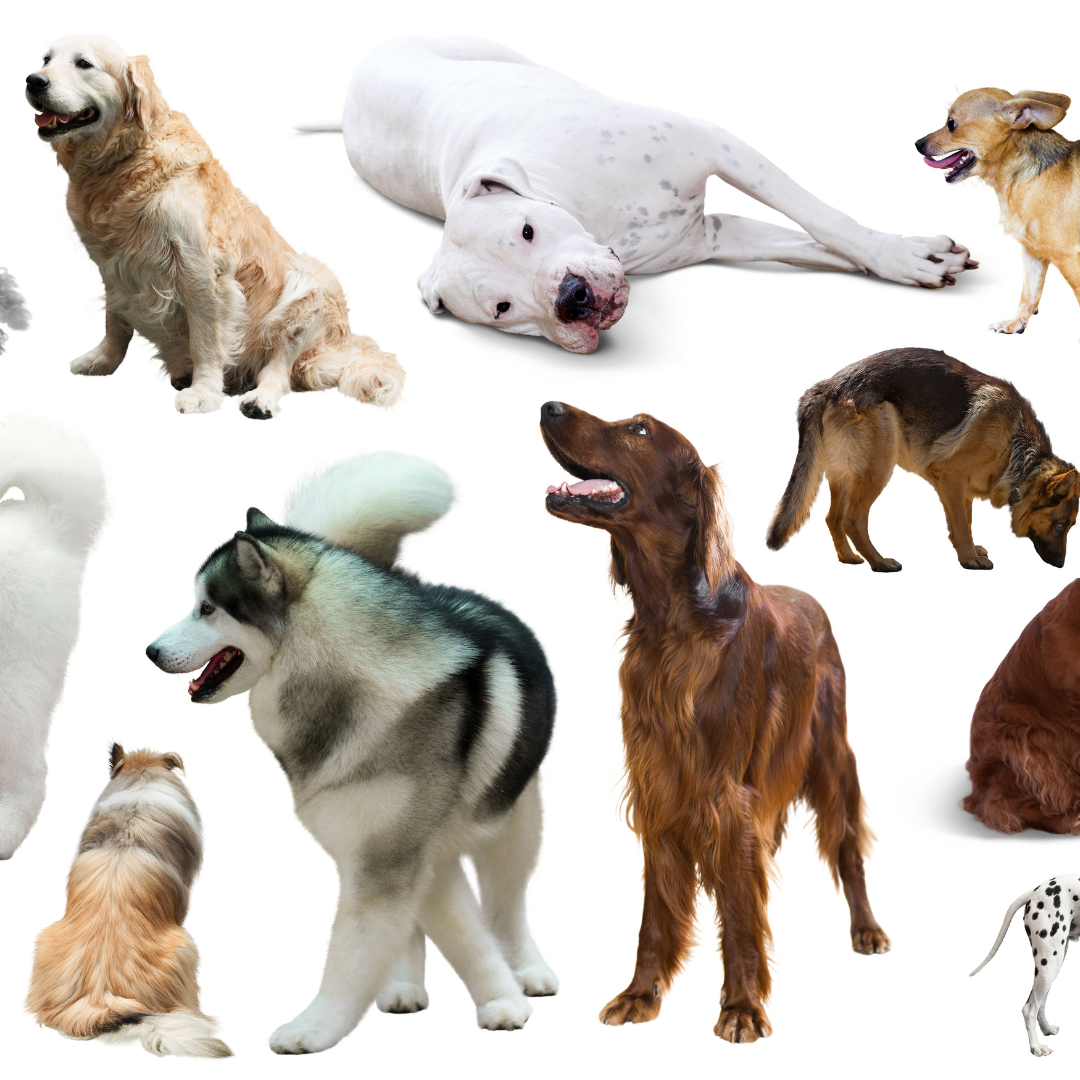
1. Research Breeds
Researching different dog breeds is an important first step when choosing a puppy. Each breed has distinct traits, including size, energy level, temperament, grooming needs, and exercise requirements.
Understanding these differences helps you narrow your choices and identify breeds that suit your household. Remember that individual personalities vary, even among puppies of the same breed.
Match The Breed To Your Lifestyle
Consider your daily routine, living space, family members, and dog experience. An active breed may thrive with someone who enjoys hiking and outdoor activities, while a less energetic companion might suit a quieter household.
Think about how much time you have for exercise, grooming, and companionship. Knowing when to start training your puppy also helps you prepare for the commitment, especially during those important early months.
Consider Exercise And Energy Levels
Border Collies and Australian Shepherds are intelligent, energetic dogs that typically need plenty of physical activity and mental stimulation. Without suitable outlets, they may develop unwanted behaviours.
Labrador Retrievers are often friendly, outgoing, and eager to participate in family activities. However, they also require regular exercise, training, and attention, particularly during their energetic younger years.
Choose a breed whose activity requirements match your available time and interests. A suitable exercise routine supports physical fitness while providing opportunities for exploration, play, and bonding.
Understand Breed Temperaments
Temperament deserves careful consideration, especially in households with children or other pets. Some breeds are generally sociable and outgoing, while others tend to be more independent or reserved.
For example, Labrador Retrievers are often affectionate and people-oriented, while Chow Chows are typically more independent and may be cautious around unfamiliar people.
However, breed tendencies don’t guarantee individual behaviour. Genetics, early experiences, socialization, and training all influence how a puppy develops and interacts with people and other animals.
The American Kennel Club’s dog breed directory provides information about breed characteristics, temperament, activity levels, and grooming requirements to support your research.
Evaluate Size And Living Space
Larger breeds, such as Great Danes and Bernese Mountain Dogs, need sufficient space to move comfortably. Their size also influences feeding costs, transportation, sleeping arrangements, and equipment requirements.
However, large dogs aren’t automatically unsuitable for apartment living. Some adapt well to smaller homes when you consistently meet their exercise, enrichment, and companionship needs.
Consider your home’s layout, access to outdoor spaces, and ability to accommodate an adult dog. Remember that a small puppy may eventually grow into a much larger companion.
Compare Grooming Requirements
Grooming requirements vary considerably between breeds. Long-coated dogs, including Shih Tzus and Afghan Hounds, generally need frequent brushing and professional grooming to prevent tangles and matting.
Short-coated breeds, such as Boxers and Doberman Pinschers, usually require less coat maintenance. However, they still benefit from regular brushing and appropriate bathing.
Every dog also needs routine nail trimming, dental care, and ear checks. Consider the time, equipment, and professional grooming costs before choosing a breed.
If your dog becomes uncomfortable during grooming, our guide to Reiki for dogs during grooming explores a complementary approach to creating a more relaxed experience.
Research Allergies And Breed-Related Health Concerns
If someone in your household has allergies, investigate potential breeds carefully. Poodles and Bichon Frises may shed less than some other dogs, making them worth considering for allergy-sensitive households.
However, no dog is completely hypoallergenic. Allergens are also present in saliva and skin particles, so it’s wise to spend time with individual dogs before committing.
Some breeds are predisposed to inherited health conditions, including joint disorders, heart problems, and breathing difficulties. For example, understanding potential Boxer dog health problems shows why researching breed-specific health concerns matters.
Reputable breeders should provide appropriate health-screening information for the puppy’s parents. The Orthopedic Foundation for Animals offers resources for researching inherited conditions and recommended health screenings.
Rescue organizations may also share available veterinary records, health assessments, and behavioural observations to help prospective pet parents make informed decisions.
Thorough breed research helps you find a puppy whose characteristics, needs, and personality match your family and lifestyle.
2. Choose A Reputable Breeder Or Rescue Organization
Choosing a reputable breeder is an important part of finding a healthy, well-socialized puppy. Responsible breeders prioritize their dogs’ welfare, carefully select breeding pairs, and provide appropriate care throughout pregnancy and puppyhood.
Take time to investigate potential breeders before making a commitment. A trustworthy breeder should welcome questions, provide relevant documentation, and show genuine interest in finding suitable homes for their puppies.
Check The Breeder’s Reputation
Start by asking veterinarians, recognized breed clubs, and experienced dog parents for recommendations. Online reviews and social media discussions may provide additional insights, but they shouldn’t replace independent research.
Look for breeders who know their dogs and are transparent about their breeding practices. Be cautious of anyone who pressures you to make an immediate deposit or refuses to answer reasonable questions.
Verify Health Testing And Veterinary Care
Responsible breeders arrange appropriate health screenings for breeding dogs based on their breed’s known hereditary conditions. These may include evaluations for hip disorders, eye diseases, heart conditions, or specific genetic disorders.
Ask to see the parents’ health-screening results and confirm which tests the breed recommends. Health testing helps reduce the risk of inherited disease, although it cannot guarantee every puppy will remain healthy.
Puppies should also receive age-appropriate veterinary examinations, vaccinations, and parasite prevention. Request written veterinary records and ask about any health concerns identified before adoption.
Visit The Breeder And Meet The Puppies
Whenever possible, visit the location where the puppies are raised. Observe whether the environment is clean, comfortable, and suitable for the dogs’ physical and behavioural needs.
Watch how the puppies interact with their mother, littermates, and familiar people. Puppies should have opportunities for age-appropriate play, exploration, rest, and positive social experiences.
Meeting the mother may provide useful information about temperament and behaviour. The father may live elsewhere, but a responsible breeder should be willing to discuss his health, personality, and background.
Review The Contract And Ongoing Support
A reputable breeder should provide a written agreement that explains the purchase terms, health provisions, registration details (where applicable), and both parties’ responsibilities.
Ask whether the breeder offers ongoing guidance about feeding, training, socialization, and veterinary care. Responsible breeders should remain available to answer questions as your puppy grows.
Learning to train a puppy at home also helps you prepare for your new companion’s arrival and build positive habits from the start.
The agreement should also explain what happens if you can no longer care for your dog. Many responsible breeders require or offer to take the dog back rather than risk an unsuitable rehoming situation.
Choosing a responsible breeder takes patience, but careful research helps protect your puppy’s welfare and establishes a supportive relationship that may continue throughout your dog’s life.

3. Consider Your Living Space
Your living environment plays an important role in choosing the right puppy. Whether you live in an apartment, townhouse, or rural property, your home should accommodate your dog’s physical, behavioural, and social needs.
Rather than focusing exclusively on breed size, consider available space, access to outdoor areas, noise restrictions, and your ability to provide daily exercise and mental stimulation.
Evaluate Your Home’s Size And Layout
Small breeds, such as Chihuahuas and French Bulldogs, may adapt well to apartment living, but their exercise needs, personalities, and health considerations still deserve attention.
Larger breeds, including Great Danes and Saint Bernards, may also live comfortably in smaller homes when their individual needs are met. However, their size requires additional consideration for sleeping arrangements, movement, and accessibility.
Consider whether your home offers a comfortable resting area, room for safe indoor activities, and enough space for your puppy to move without unnecessary hazards.
Our guide to Reiki for puppies adjusting to a new home explores additional ways to encourage relaxation and connection during this important transition.
Consider Outdoor Access And Exercise Opportunities
A backyard provides convenient opportunities for supervised play, exploration, and toilet training. However, a garden doesn’t replace regular walks, enrichment activities, or exposure to different environments.
High-energy breeds, such as Border Collies, German Shepherds, and Siberian Huskies, generally need substantial physical activity and mental stimulation. Suitable walking trails, parks, or secure exercise areas can help you meet these needs.
Even smaller breeds, including Jack Russell Terriers, may have considerable energy and require more activity than their size suggests. Choose a puppy whose exercise needs fit your daily routine and available outdoor resources.
Think About Noise And Neighbours
Noise levels deserve special attention in apartments, condominiums, or closely spaced homes. Some breeds, including Beagles and Dachshunds, are relatively vocal, though barking habits vary from dog to dog.
Puppies may bark, whine, or become restless as they adjust to unfamiliar surroundings. Early training, appropriate enrichment, and predictable routines help encourage more comfortable behaviour.
Before bringing a puppy home, review any building regulations, rental agreements, or condominium restrictions concerning pets, noise, and permitted dog sizes.
Assess Your Daily Schedule And Availability
Your work schedule and daily commitments influence how successfully a puppy adjusts to your home. Young puppies need frequent potty breaks, supervision, social interaction, and rest throughout the day.
If you work long hours, consider whether a family member, trusted pet sitter, or suitable puppy-care arrangement could provide support during your absence.
Remember that even relatively relaxed breeds, such as Greyhounds, need companionship, exercise, and mental stimulation. A dog’s activity level doesn’t necessarily indicate how comfortably they tolerate being left alone.
Choosing a puppy whose needs fit your living arrangements and daily routine helps create a comfortable environment where your new companion can develop, explore, and become part of the family.

4. Observe The Puppy
Spending time observing a puppy helps you understand their personality, behaviour, and comfort around people. First impressions help, but a single meeting cannot reveal everything about a puppy’s developing temperament.
Whether you’re visiting a responsible breeder or adopting through a rescue organization, take time to watch the puppy in a familiar environment. Watch their behaviour, interactions, and responses to everyday activities.
Observe The Puppy’s Temperament
Watch how the puppy behaves when exploring, playing, and resting. Some puppies are naturally outgoing and adventurous, while others prefer to observe their surroundings before approaching unfamiliar people.
Notice whether the puppy appears curious, relaxed, energetic, or reserved. These traits may hint at their personality, though behaviour changes as puppies mature and gain experience.
Don’t assume the boldest puppy is automatically the best choice. A quieter puppy may be equally suitable, depending on your household, experience, and expectations.
Watch How The Puppy Interacts With Others
Observe how the puppy interacts with littermates, familiar caregivers, and visitors. Healthy social interactions may include playful behaviour, curiosity, appropriate communication, and the ability to settle after excitement.
Watch how the puppy responds when unfamiliar people approach. Some puppies eagerly seek attention, while others need additional time to feel comfortable.
Shyness doesn’t necessarily indicate poor socialization or future behavioural problems. However, persistent fear, extreme distress, or unusual reactions deserve further discussion with the breeder, rescue organization, or a qualified behaviour professional.
Look For Signs Of Good Health
Observe the puppy’s movement, breathing, posture, and general appearance. A healthy puppy should generally move comfortably, breathe without obvious difficulty, and show appropriate interest in their surroundings when awake.
Watch for concerning signs such as persistent coughing, limping, unusual discharge from the eyes or nose, or difficulty breathing. These symptoms warrant veterinary attention rather than assumptions about their cause.
Remember that appearance alone cannot confirm good health. Whenever possible, ask for available veterinary records and arrange an independent veterinary examination before finalizing your decision.
Ask For Help Choosing The Right Puppy
Responsible breeders spend considerable time observing their puppies and often recognize differences in confidence, activity levels, and social behaviour. Their experience helps them recommend a puppy suited to your lifestyle and household.
Be open about your daily routine, family members, other pets, and previous experience with dogs. A knowledgeable breeder may suggest a different puppy from the one that initially caught your attention.
If you’re adopting, shelter staff and foster families may provide valuable insights into a puppy’s personality, behaviour, and individual needs. Foster caregivers may have observed how the puppy responds to household routines, visitors, and other animals.
Ask questions about the puppy’s background, socialization experiences, and any behavioural concerns. The more information you gather, the better prepared you’ll be to provide a suitable home.
Ultimately, choosing a puppy involves more than finding the most playful or affectionate member of a litter. Consider their individual characteristics, along with professional guidance and your ability to provide consistent, lifelong care.

5. Consider Training
Training is an essential part of raising a well-adjusted puppy. Although all dogs are capable of learning, their individual personalities, breed characteristics, and previous experiences influence how they respond to different training methods.
Before choosing a puppy, consider your experience, available time, and willingness to provide consistent guidance. Positive reinforcement, patience, and regular practice help puppies develop important skills while strengthening their relationship with you.
Understand Breed Differences In Trainability
Some breeds are particularly responsive to structured training. Border Collies, for example, are intelligent, energetic dogs that often excel at obedience, agility, and activities requiring concentration.
Beagles are also intelligent but may become distracted by interesting scents. Their independent nature sometimes requires additional patience, creative rewards, and shorter training sessions.
However, breed characteristics are only general guidelines. Every puppy has individual learning preferences, and consistent, reward-based training is more important than expecting a particular breed to learn automatically.
Begin Training At An Early Age
Puppies learn from their earliest experiences, so the first weeks at home are especially important. Simple lessons involving their name, appropriate behaviour, and household routines provide a useful foundation.
Start with short, enjoyable sessions suited to your puppy’s attention span. Teaching basic commands is easier when you reward desired behaviours and allow plenty of time for rest and play.
For example, learning how to train a puppy to sit introduces a useful everyday skill while encouraging communication and cooperation between you and your new companion.
Early socialization is equally important. Introduce your puppy to suitable people, sounds, surfaces, and environments at a comfortable pace, following your vet’s advice on safe exposure before vaccinations are complete.
Consider Your Long-Term Training Goals
Think about the activities you would enjoy sharing with your dog. Some families prioritize household manners and comfortable leash walking, while others focus on agility, obedience competitions, or recreational scent work.
Teaching your puppy how to walk on a leash is a practical starting point. Comfortable leash skills make everyday walks more enjoyable and help your puppy explore unfamiliar surroundings safely.
If you’re interested in advanced activities, research the physical and behavioural requirements involved. For example, introduce agility through age-appropriate foundation exercises rather than demanding jumping activities before your dog has matured.
Therapy dog work requires a suitable temperament, reliable behaviour, and specialized preparation. Not every dog enjoys this type of interaction, regardless of breed or training experience.
Seek Professional Training Support
First-time pet parents may benefit from structured puppy classes or guidance from a qualified, reward-based dog trainer. These resources offer practical instruction and help address common training challenges.
Ask breeders, rescue organizations, or veterinarians for recommendations. Choose trainers who emphasize positive reinforcement, appropriate socialization, and methods that respect your puppy’s physical and emotional welfare.
Common puppy behaviours, such as jumping, chewing, and mouthing, are easier to address when you understand their causes. Our guide on training a puppy not to bite offers additional advice on managing playful mouthing.
Remember that training continues beyond puppyhood. Regular practice, predictable routines, and appropriate enrichment help your dog maintain good habits while learning new skills throughout life.
Choosing a puppy whose training needs match your experience and interests creates a stronger foundation for lifelong companionship. With patience and consistency, training becomes an enjoyable part of your everyday relationship.
6. Consider Age
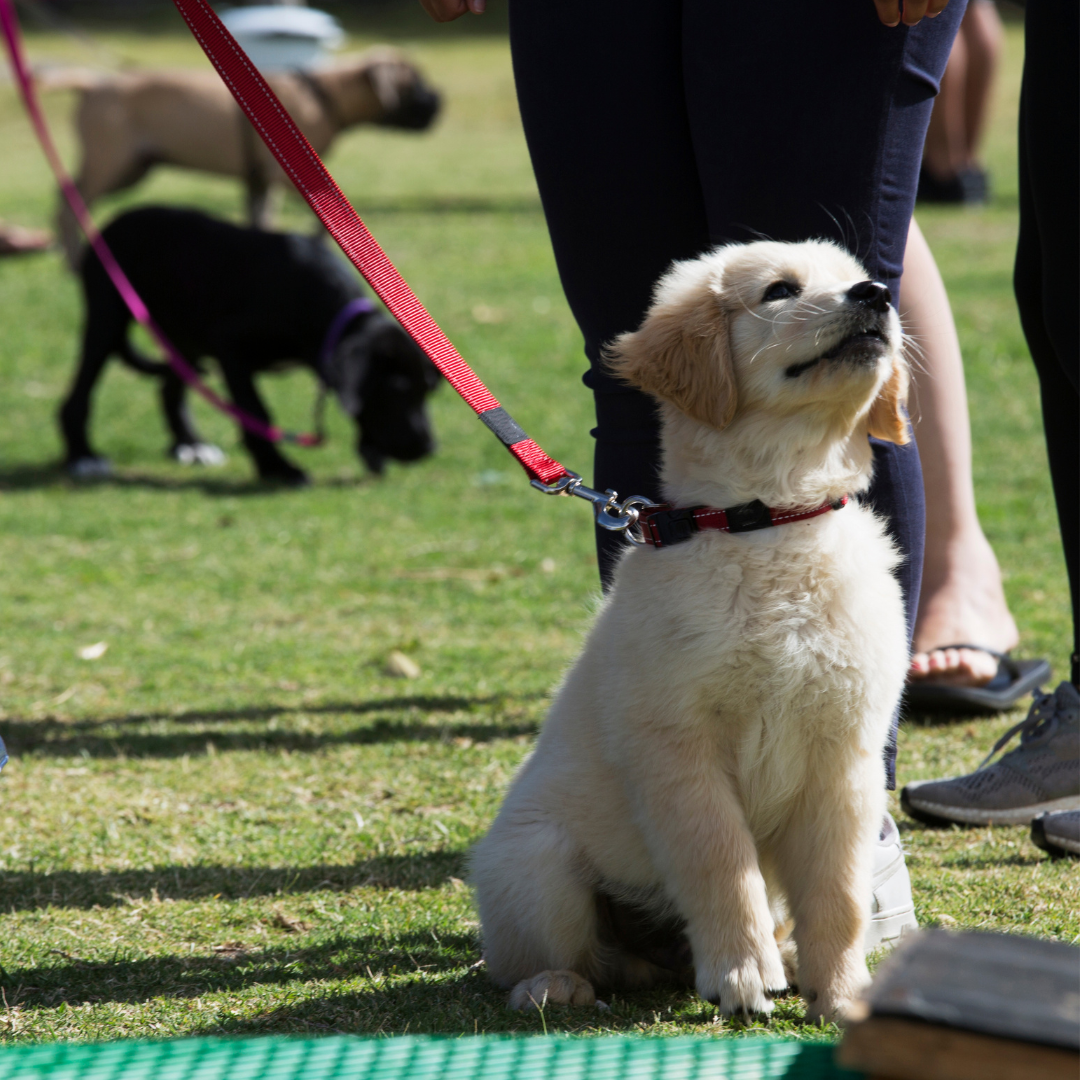
A puppy’s age affects its training needs, socialization, veterinary care, and daily routine. Understanding these differences helps you choose a companion whose developmental stage suits your household.
Younger puppies generally need more frequent supervision, while older puppies may already be familiar with household routines. However, age alone doesn’t determine temperament, trainability, or suitability for your family.
Understand The Best Age To Bring A Puppy Home
Most puppies should remain with their mother and littermates until they are at least eight weeks old. This early period offers important opportunities to develop social skills and learn how to interact appropriately with other dogs.
Some breeders keep puppies until they are 10–12 weeks old, depending on the breed, individual development, and circumstances. Additional time with familiar caregivers may support socialization and early learning when the environment is appropriate.
Avoid breeders who routinely separate puppies from their mothers too early. Ask about the puppy’s experiences, daily care, and readiness to transition into a new home.
Consider The Needs Of Younger Puppies
Puppies between eight and twelve weeks old need a lot of attention, including frequent potty breaks, supervised exploration, short training sessions, and plenty of sleep.
A consistent routine helps your puppy get used to household expectations. Our guide to training your puppy to potty offers practical advice for developing appropriate toilet habits.
Young puppies also require age-appropriate veterinary examinations, vaccinations, and parasite prevention. Your veterinarian will recommend a suitable schedule based on your puppy’s health, vaccination history, and local disease risks.
Remember that puppies are still developing physically and emotionally. Their behaviour and confidence may change considerably as they mature and encounter new experiences.
Explore The Benefits Of Older Puppies
Older puppies may already have experience with basic training, socialization, and household routines. Some are familiar with walking on a leash, settling indoors, or spending short periods alone.
However, previous experiences vary considerably. An older puppy may still need help developing confidence, learning household expectations, or adjusting to unfamiliar surroundings.
For example, our article on how to toilet train a 6-month-old puppy explains how older puppies can continue developing reliable toilet habits.
Adopting an older puppy also lets you observe a more developed personality. Shelter staff and foster caregivers may provide valuable information about their behaviour, preferences, and daily needs.
Match The Puppy’s Age To Your Lifestyle
Consider how much time you have available for supervision, training, socialization, and companionship. Very young puppies often require frequent attention throughout the day, which may be challenging for households with demanding schedules.
Older puppies and young adult dogs may have more established routines, but they still need exercise, enrichment, training, and opportunities to develop positive relationships.
Ask breeders or rescue organizations about the puppy’s developmental history, previous training, veterinary care, and experiences with people and other animals.
Ultimately, choosing the right age involves balancing your preferences with your ability to provide appropriate care. Whether you welcome an eight-week-old puppy or an older companion, patience and consistency help establish a rewarding lifelong relationship.

7. Get Advice From A Professional
Consult a veterinarian or qualified animal behaviourist before choosing a puppy to make an informed decision. They can explain breed characteristics, health concerns, temperament, and care requirements based on your lifestyle and experience.
A veterinarian can advise on nutrition, vaccinations, preventive care, and potential breed-related health conditions. They can also help you understand the ongoing financial responsibilities of providing appropriate veterinary care throughout your dog’s life.
If you’re concerned about training or behaviour, a qualified, reward-based dog trainer or animal behaviourist can offer practical guidance. They may help you prepare for common puppy challenges, including house training, chewing, biting, and socialization.
Professional advice is particularly valuable for first-time pet parents or families with children and other animals. Combining expert recommendations with information from responsible breeders or rescue organizations helps you choose a puppy suited to your household.

8. Be Prepared For Responsibilities
Welcoming a puppy into your family is a long-term commitment that requires time, patience, and financial planning. Daily exercise, training, socialization, and companionship are essential throughout your dog’s life.
Regular veterinary care is another important responsibility. Puppies need vaccinations, health examinations, parasite prevention, and appropriate nutrition.
Understanding how Reiki differs from traditional veterinary care also helps you distinguish essential medical treatment from complementary wellness practices.
Financial responsibilities extend beyond the initial adoption or purchase costs. Budget for nutritious food, grooming, toys, training, veterinary appointments, and unexpected medical expenses. Pet insurance or an emergency savings fund may help you prepare for unforeseen costs.
Puppies also need emotional support as they adjust to unfamiliar surroundings and routines. Some experience separation-related distress, excessive chewing, or other behavioural challenges that require patience, consistent guidance, and sometimes professional assistance.
Before bringing your puppy home, consider how your responsibilities may change over the coming years. A stable, loving environment and a willingness to adapt to your dog’s changing needs are essential for lifelong companionship.

9. Prepare For The Financial Responsibility
Bringing a puppy into your family involves both initial expenses and ongoing financial commitments. Adoption fees or breeder prices vary by organization, breed, and location, so research your options carefully before deciding.
Initial expenses include food and water bowls, comfortable bedding, a collar, leash, identification tags, toys, and grooming supplies. You may also need a crate, puppy gates, and other equipment to create a safe living environment.
Regular expenses include nutritious food, grooming, veterinary examinations, vaccinations, and parasite prevention. Depending on your circumstances, professional training classes, pet sitting, or dog daycare may also become part of your budget.
Unexpected veterinary expenses can arise at any stage of your dog’s life. Setting up an emergency savings fund or researching suitable pet insurance helps you prepare for accidents, illnesses, and other unexpected medical costs.
Remember that financial responsibilities continue long after puppyhood. Planning for your dog’s changing needs throughout adulthood and senior years helps you provide consistent care, comfort, and security for your companion.

Conclusion
Choosing the right puppy is an important decision that deserves careful thought and preparation. Understanding different breeds, individual temperaments, and your family’s lifestyle helps you find a compatible companion and prepare for a lasting relationship.
Whether you choose a responsible breeder or adopt through a rescue organization, take time to understand your puppy’s health, personality, and individual needs. Careful preparation creates a strong foundation for a rewarding relationship.
Welcoming a puppy is a lifelong commitment filled with learning, patience, affection, and shared experiences. With consistent care, training, and companionship, you can help your new family member thrive throughout every stage of life.
I trust you enjoyed this article on How to Choose the Right Puppy: 9 Essential Steps for Success. Please stay tuned for more inspiring guides, helpful tips, and ideas to help you live closer to nature every day.
Take care!
— JeannetteZ🌿
💬 Your Opinion Is Important To Me
Do you have thoughts, ideas, or questions? I’d love to hear from you. Please leave your comments below or email me directly at Jeannette@Close-To-Nature.org.
📚 More Nature-Inspired Reads
Explore more ways to connect with nature, nurture your pets, and live in harmony with the world around you 🌿