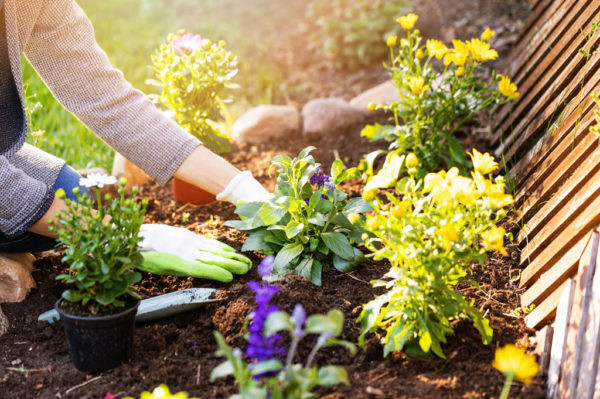

How To Prepare Soil For Planting Herbs: 10 Essential Steps

Preparing healthy soil is the first step in learning how to prepare soil for planting herbs. The right soil provides essential nutrients, supports strong roots, and creates favourable growing conditions for fragrant, flavourful herbs.
Whether you’re growing basil, rosemary, thyme, or parsley, each herb has its own soil preferences. Understanding these differences helps you improve drainage, maintain balanced moisture, and encourage healthy growth.
Good soil preparation also involves choosing the right location, testing soil conditions, and adding suitable organic matter. These steps help prevent common problems such as poor drainage, compacted soil, and nutrient deficiencies.
Whether you’re preparing a traditional garden bed, filling containers, or exploring alternative growing methods, understanding your herbs’ growing requirements is essential.
In this guide, you’ll discover practical ways to prepare soil for planting herbs, from selecting the best soil types to improving fertility and maintaining healthy growing conditions throughout the season.
You’ll also explore different herb-growing methods, including container gardening, vertical gardens, companion planting, and hydroponics, to help you make the most of your available space.
Exploring The Best Soil Types For Herbs
Choosing the right soil is an important part of learning how to prepare soil for planting herbs. Most herbs thrive in well-draining soil that allows their roots to access moisture, nutrients, and oxygen.
However, herbs have different soil preferences. Basil and parsley appreciate fertile soil with consistent moisture, while Mediterranean herbs such as rosemary, thyme, and oregano prefer excellent drainage and somewhat drier conditions.
The following soil types and growing mixes will help you choose suitable conditions for a healthy, productive herb garden.
1. Loamy Soil
Loamy soil provides an excellent growing environment for many herbs because it combines sand, silt, and clay in balanced proportions. Its crumbly texture retains essential nutrients and moisture while allowing excess water to drain away.
This balanced soil structure encourages strong root development and supports beneficial soil organisms. It also makes planting, weeding, and maintaining your herb garden easier throughout the growing season.
Herbs such as basil, thyme, rosemary, and cilantro grow well in loamy soil. However, thyme and rosemary prefer somewhat drier conditions than basil and cilantro.
Adding finished compost helps maintain soil fertility and encourages healthy microbial activity. Apply organic matter in moderation, particularly when growing Mediterranean herbs that thrive in less fertile conditions.
With proper care, loamy soil provides a versatile foundation for growing fragrant, flavourful herbs throughout the gardening season.

2. Sandy Soil
Sandy soil has a loose, coarse texture that drains quickly and warms up earlier in spring than heavier soils. These characteristics make it suitable for growing herbs that prefer warm, relatively dry conditions.
Mediterranean herbs such as rosemary, thyme, sage, and oregano often grow well in sandy soil. Their roots benefit from good air circulation, and the loose texture lets them spread easily.
However, sandy soil loses moisture quickly, particularly during hot summer weather. Herbs that prefer consistently moist conditions, such as basil and parsley, may require more frequent watering. Once you’ve harvested your basil, explore these healthy vegan basil recipes for delicious ways to use it.
Sandy soil also holds fewer nutrients than loamy or clay soil. Adding moderate amounts of finished compost improves moisture retention and provides nutrients without making the soil excessively rich.
Applying a light layer of organic mulch helps reduce evaporation and maintain more consistent soil temperatures. Avoid overwatering herbs that naturally prefer drier growing conditions.
With thoughtful watering and occasional organic amendments, sandy soil provides a suitable environment for growing healthy, aromatic herbs throughout the gardening season.

3. Clay Soil
Clay soil contains fine particles that retain moisture and nutrients, making it naturally fertile but sometimes challenging for herb gardening. Its dense structure may restrict root growth, particularly when the soil becomes compacted or waterlogged.
Moisture-loving herbs such as mint and chives can grow successfully in clay soil when drainage is adequate. Mint appreciates consistently moist conditions, while chives benefit from fertile soil that lets excess water drain.
Before planting, loosen compacted clay gently with a garden fork and add a layer of finished compost. Incorporating organic matter into the upper soil layer improves its structure over time and encourages beneficial soil organisms.
Avoid digging clay soil when it is wet because this can create dense clumps that become difficult for herb roots to penetrate. If water regularly collects in your planting area, consider growing herbs in raised beds filled with a suitable soil mixture.
Apply organic mulch around established herbs to conserve moisture and protect the soil surface from forming a hard crust. Keep mulch away from plant stems to reduce the risk of excess moisture buildup.
With careful soil preparation and regular organic amendments, clay soil can support healthy mint, chives, and other herbs that appreciate fertile, moisture-retentive growing conditions.
4. Silt Soil
Silt soil has a smooth, fine texture that retains moisture and nutrients, making it suitable for growing many culinary herbs. Its naturally fertile composition supports healthy root development when drainage and soil structure are properly maintained.
Herbs such as parsley and cilantro appreciate the consistent moisture that silty soil provides. Both grow well in fertile conditions, although their roots need adequate oxygen to remain healthy.
However, silty soil can compact and develop a hard surface crust, especially after heavy rainfall. This may restrict air circulation and make it difficult for young herb seedlings to emerge.
Adding finished compost helps improve soil structure and encourages beneficial microorganisms. Gently incorporate organic matter into the upper soil layer without disturbing the soil excessively.
Apply a light layer of organic mulch around established herbs to conserve moisture and protect the soil surface. If you’re growing herbs in containers, explore these tips for growing oregano in a container for another approach to herb gardening.
With thoughtful soil preparation and regular care, silty soil provides a productive growing environment for parsley, cilantro, and other moisture-loving herbs. Once you’ve harvested your parsley, try these healthy vegan parsley recipes for fresh kitchen ideas.

5. Chalky Soil
Chalky soil contains calcium carbonate, giving it a naturally alkaline pH and often a pale, stony appearance. Its free-draining structure suits certain herbs, although nutrient availability may be limited in highly alkaline conditions.
Mediterranean herbs such as lavender, rosemary, and thyme generally tolerate alkaline soil and prefer growing conditions that prevent excess moisture around their roots. These herbs often thrive in sunny locations with relatively lean soil.
However, chalky soil may lack sufficient organic matter and can make iron and other nutrients less available to plants. Yellowing leaves, especially on young growth, may indicate nutrient deficiencies linked to high soil pH.
Adding moderate amounts of finished compost improves soil structure and moisture retention without dramatically changing its natural characteristics. Avoid applying lime unless soil testing confirms you need more alkalinity.
When planting lavender or rosemary, choose a sunny location and ensure the soil drains freely. If you have limited garden space, these tips for growing lavender in a container offer another way to enjoy this fragrant herb.
With thoughtful preparation and careful nutrient management, chalky soil can support healthy Mediterranean herbs. Once your rosemary is ready to harvest, explore these delicious vegan rosemary recipes for recipe ideas.
6. Peat-Based Soil
Peat-based soil contains partially decomposed organic matter and naturally tends to be acidic. Its lightweight texture and excellent moisture retention make it a common ingredient in commercial potting mixes for growing herbs.
Herbs such as basil and parsley can grow successfully in peat-based mixes when the pH is adjusted to suit their needs. Both prefer fertile growing conditions with consistent moisture, but their roots also require adequate drainage and aeration.
Peat-based growing mixes may need additional nutrients because peat itself provides little plant nutrition. Adding finished compost or using a balanced fertilizer helps support healthy foliage and root development.
However, harvesting peat moss can damage sensitive peatland ecosystems that store carbon and support unique wildlife. Choosing peat-free alternatives helps reduce the environmental impact of herb gardening.
Coco coir, composted bark, and other suitable organic materials provide alternatives for creating moisture-retentive growing mixes. Adjust their proportions based on the herbs you plan to grow.
For more practical advice on selecting containers, preparing growing mixes, and caring for different herbs, explore these tips for growing herbs in containers.
With a suitable growing mix and thoughtful care, you can cultivate healthy, aromatic herbs while making more environmentally responsible gardening choices.

7. Potting Mix
A high-quality potting mix provides a lightweight, well-aerated growing environment for herbs cultivated in containers. Unlike ordinary garden soil, potting mixes are designed to maintain a balance between moisture retention and drainage.
Most commercial mixes contain ingredients such as coco coir, composted bark, perlite, or vermiculite. Perlite improves aeration and drainage, while vermiculite helps retain moisture and nutrients for healthy root development.
Choose a potting mix suited to herbs or vegetables, based on your plants’ specific growing needs. Basil, parsley, and cilantro appreciate consistent moisture, while rosemary, thyme, and lavender prefer mixes that dry more readily between waterings.
Before planting, lightly moisten the potting mix and fill containers without compressing it excessively. Ensure every container has adequate drainage holes to prevent water from collecting around the roots.
Potting mixes may contain starter nutrients, but these gradually become depleted as herbs grow. Apply a suitable fertilizer when needed, following the product instructions and avoiding excessive feeding that may encourage weak, leafy growth.
Refresh container soil when it becomes compacted, breaks down significantly, or develops persistent drainage problems. Removing old roots and adding fresh potting mix helps maintain suitable growing conditions.
With the right potting mix and regular care, container-grown herbs can provide a convenient supply of fresh, fragrant ingredients for your favourite recipes.
8. Raised Garden Bed Mix
A raised garden bed mix provides a balanced growing environment for herbs cultivated in elevated garden beds. These specially prepared soil blends support healthy root development while allowing gardeners greater control over soil quality and growing conditions.
Most raised bed mixes combine quality topsoil, finished compost, and other organic materials. This combination provides essential nutrients, improves soil structure, and helps maintain a suitable balance between moisture retention and drainage.
Raised beds are particularly useful in gardens with compacted clay, poor drainage, or unsuitable native soil. Their elevated structure allows gardeners to create a healthier growing environment without extensively modifying the ground beneath.
When preparing a raised bed for herbs, consider the moisture and nutrient requirements of different varieties. Basil, parsley, and chives like fertile soil, while rosemary, thyme, and lavender prefer leaner conditions and excellent drainage.
Fill raised beds with a suitable soil blend, leaving enough space below the rim for watering and mulching. Avoid compacting the soil during preparation, as loose soil allows herb roots to spread and absorb nutrients more efficiently.
Maintain soil fertility by adding finished compost when needed and applying organic mulch around established plants. Check moisture regularly because raised beds may dry out faster than traditional garden beds, especially during hot summer weather.
With thoughtful soil preparation and ongoing care, raised garden beds provide an accessible, productive space for growing fragrant culinary herbs throughout the gardening season.
9. Cactus Or Succulent Mix
A cactus or succulent potting mix provides excellent drainage for Mediterranean herbs that prefer relatively dry growing conditions. These lightweight blends help prevent excess moisture from collecting around the roots, making them suitable for certain drought-tolerant herbs.
Most cactus mixes contain mineral ingredients such as coarse sand, perlite, or pumice to improve aeration and drainage. Their loose structure allows roots to access oxygen while reducing the risk of waterlogging.
Herbs such as thyme, oregano, and rosemary may benefit from these growing conditions, particularly when cultivated in containers. However, pure cactus mixes can dry out too quickly and may not provide enough nutrients for sustained herb growth.
Mixing a suitable cactus blend with a modest amount of finished compost or quality potting soil helps balance drainage, moisture retention, and fertility. Adjust the proportions to your herbs’ growing needs and local climate.
Choose containers with adequate drainage holes and water only when the growing mix has dried sufficiently for the herb being cultivated. Avoid letting containers sit in water, as prolonged moisture around the roots can encourage decay.
With the right growing mix and careful watering, drought-tolerant herbs can develop healthy roots and fragrant foliage. Once you’ve harvested your oregano, explore these popular vegan oregano recipes for delicious ways to use your homegrown herbs.

10. Seed Starting Mix
A lightweight seed starting mix provides a suitable growing environment for germinating herb seeds and developing healthy seedlings. Its fine texture helps delicate roots establish themselves without struggling through heavy or compacted soil.
Most seed starting mixes contain ingredients such as coco coir, peat moss, perlite, or vermiculite. These materials help maintain consistent moisture while allowing enough oxygen to reach developing roots.
You can start herbs such as basil, parsley, thyme, and oregano indoors using a suitable seed-starting mix. However, germination times and temperature requirements vary, so always check the seed packet for specific planting instructions.
Fill clean seed trays or small containers with pre-moistened growing mix, then sow seeds at the recommended depth. Water gently to avoid displacing seeds and maintain even moisture without saturating the soil.
Place seed trays in a warm location suited to the herb variety, providing adequate light once seedlings emerge. A grow light can help prevent weak, stretched growth when natural sunlight is insufficient.
For more information on sowing seeds, maintaining suitable growing conditions, and caring for young plants, explore these seed starting guidelines for thriving gardens.
Once seedlings develop their first true leaves, begin feeding lightly if the growing mix contains few nutrients. Gradually acclimatize indoor-grown herbs to outdoor conditions before transplanting them into garden beds or containers.
With careful moisture management, suitable temperatures, and adequate light, a quality seed-starting mix helps young herbs develop strong roots and healthy foliage before transplanting.
11. Garden Soil With Amendments
Improving existing garden soil with suitable amendments creates healthier growing conditions for culinary herbs. Rather than replacing the soil entirely, gardeners can enhance its structure, fertility, and moisture balance using organic materials.
Finished compost is one of the most valuable soil amendments because it adds organic matter and supports beneficial microorganisms. Regular applications gradually improve soil structure while helping roots access moisture and essential nutrients.
Before adding amendments, examine your garden soil to identify potential problems. Heavy clay may need improved aeration, while sandy soil often benefits from additional organic matter to retain moisture and nutrients.
Perlite can improve aeration in prepared growing mixes, while vermiculite helps retain moisture and nutrients. However, adding small amounts of these materials directly to large garden beds is generally less practical than improving the soil with compost.
Different herbs also have different fertility requirements. Basil, parsley, and chives appreciate nutrient-rich soil, while Mediterranean herbs such as rosemary, thyme, and lavender generally prefer leaner conditions with excellent drainage.
Gently incorporate finished compost into the upper soil layer before planting, avoiding excessive digging that may disturb beneficial soil organisms. A soil test can help determine whether you need additional nutrients or pH adjustments.
Maintain healthy soil by applying organic mulch, avoiding compaction, and replenishing organic matter when needed. These practices support stronger root development and improve growing conditions over time.
With thoughtful amendments and regular care, existing garden soil can become a productive foundation for growing healthy, fragrant herbs throughout the gardening season.
12. No-Dig/No-Till Soil
No-dig or no-till gardening improves soil health by adding organic matter to the surface rather than regularly turning or disturbing the ground. This approach helps preserve natural soil structure and creates favourable growing conditions for culinary herbs.
Healthy garden soil contains earthworms, beneficial microorganisms, and other organisms that break down organic materials and release nutrients. Minimizing soil disturbance allows these organisms to thrive while maintaining natural channels for air and water movement.
To prepare a no-dig herb garden, remove persistent weeds and cover the planting area with a layer of finished compost. If necessary, place overlapping sheets of plain, uncoated cardboard beneath the compost to suppress existing grass and weeds.
Spread approximately 2–3 inches of finished compost over the prepared area, adjusting the amount according to existing soil conditions. Plant herbs directly into the compost layer when it provides sufficient depth and suitable growing conditions.
Choose herbs based on their moisture and fertility needs. Basil, parsley, and chives appreciate nutrient-rich conditions, while rosemary, thyme, and lavender may need a leaner, better-draining planting area.
Apply organic mulch around established herbs to reduce evaporation, suppress weeds, and protect the soil surface. Leave a small gap around plant stems to prevent excess moisture from accumulating.
Replenish compost as needed and avoid walking on planting beds, which can compact the soil and restrict root growth. Over time, earthworms and other soil organisms gradually incorporate organic matter into the underlying soil.
With consistent care, no-dig gardening supports healthy soil ecosystems, reduces unnecessary cultivation, and creates a productive environment for growing fragrant herbs season after season.
13. Rocky Or Gravelly Soil
Rocky or gravelly soil contains stones and coarse mineral particles that allow water to drain quickly. Although these conditions challenge many garden plants, certain Mediterranean herbs adapt well to the relatively dry, nutrient-poor environment.
Herbs such as thyme, rosemary, oregano, and sage often grow successfully in gravelly soil when they receive adequate sunlight. Their roots benefit from good aeration, while the rapid drainage helps prevent excess moisture from accumulating around the plants.
However, rocky soil may contain limited organic matter and provide insufficient moisture during prolonged dry periods. Large stones can also restrict root development, particularly when the soil beneath them is shallow or compacted.
Before planting, remove large rocks that interfere with root growth and gently loosen compacted areas. Incorporate modest amounts of finished compost where necessary to improve soil structure without creating excessively rich growing conditions.
Choose a sunny planting location and water newly established herbs regularly until their roots develop. Once established, many Mediterranean herbs tolerate occasional dry periods, although container-grown plants may need more frequent attention.
Avoid excessive fertilization because herbs adapted to lean soils often grow best without heavy nutrient applications. A light layer of gravel mulch can reduce soil erosion and keep foliage off damp ground.
With suitable herb selection and thoughtful soil preparation, rocky or gravelly soil can support a fragrant, low-maintenance herb garden that thrives in sunny, well-drained conditions.

14. Hydroponic Or Aquaponic Mediums
Hydroponic and aquaponic growing systems allow gardeners to cultivate herbs without traditional garden soil. Instead, plants receive essential nutrients through water, while specialized growing mediums provide physical support for their roots.
Common growing mediums include coco coir, perlite, expanded clay pellets, and rockwool. Each material has different moisture-retention and aeration properties, allowing gardeners to select an option suited to their growing system.
Hydroponic herbs receive nutrients from a carefully balanced water solution, while aquaponic systems use nutrients produced through fish waste and microbial activity. Both methods require suitable water conditions, adequate oxygen, and consistent monitoring to maintain healthy plant growth.
Herbs such as basil, mint, parsley, and cilantro often grow successfully in hydroponic systems. Their relatively compact root systems make them suitable for indoor gardens, countertop growing units, and larger hydroponic installations.
Choose a growing medium that fits your system and supports developing roots. Expanded clay pellets offer excellent aeration, while coco coir retains more moisture and may require different watering practices.
Monitor water pH, nutrient availability, and oxygen levels regularly to prevent deficiencies and root problems. Indoor herb gardens also need adequate light, especially in winter when natural sunlight is limited.
For practical advice on selecting equipment, maintaining growing conditions, and caring for herbs without soil, explore this guide to growing hydroponic herbs indoors.
With the right growing medium and regular maintenance, hydroponic and aquaponic systems offer efficient ways to cultivate fresh, fragrant herbs year-round.
Turn Your Passion for Nature Into Income
🌿 Whether you love gardening, caring for animals, or exploring holistic living,
You can share your knowledge online and earn from it.
Discover how nature lovers are growing their passions into meaningful, income-generating blogs. 👇
How To Prepare Soil For Planting Herbs
Learning how to prepare soil for planting herbs helps create healthy growing conditions for strong roots, fragrant foliage, and productive harvests. Proper soil preparation also improves drainage, nutrient availability, and moisture balance.
Different herbs have different growing requirements, so understanding your existing soil is an important first step. Mediterranean herbs often prefer lean, well-drained soil, while leafy herbs such as basil and parsley appreciate more fertile, moisture-retentive conditions.
The following steps will help you prepare your herb garden, improve soil quality, and maintain a healthy growing environment throughout the gardening season.
1. Selecting The Site
Choosing the right location for your herb garden is an important first step in preparing soil for planting herbs. A suitable planting area provides adequate sunlight, proper drainage, and convenient access to water.
Most culinary herbs grow best with six to eight hours of direct sunlight daily. Mediterranean varieties such as rosemary, thyme, and oregano especially appreciate sunny conditions, while parsley and mint tolerate some afternoon shade.
Observe your garden throughout the day to identify areas that receive consistent sunlight. Consider nearby trees, fences, and buildings that may cast shadows as the sun moves across the sky.
Check how well the soil drains after rainfall, as standing water can damage herb roots and encourage fungal diseases. Avoid low-lying areas where excess moisture collects, particularly when growing drought-tolerant Mediterranean herbs.
Choose a location near a convenient water source to make regular maintenance easier. Leafy herbs such as basil and parsley appreciate consistent moisture, while rosemary and thyme prefer the soil to dry somewhat between waterings.
Consider wind exposure and accessibility when selecting your planting area. A sheltered location can protect delicate herbs from strong winds, while accessible garden beds make harvesting, watering, and weeding more convenient.
With thoughtful site selection, you can create a welcoming growing environment that supports healthy herb development and provides fresh, aromatic harvests throughout the gardening season.

2. Clearing The Area
Clearing the planting area creates a clean, healthy foundation for your herb garden. Removing unwanted vegetation, rocks, and debris reduces competition for water, nutrients, and growing space.
Begin by removing existing weeds, including their roots whenever possible. Pay particular attention to perennial weeds, which can regrow from underground roots and compete with young herbs throughout the growing season.
Remove large stones, fallen branches, and other debris that may interfere with planting or root development. Small stones can remain in the soil if they do not restrict root growth or make cultivation difficult.
If the area contains grass or persistent weeds, consider covering it with overlapping sheets of plain, uncoated cardboard topped with finished compost. This method suppresses unwanted growth while gradually improving the soil beneath.
Avoid removing healthy topsoil or disturbing the ground more than necessary, as beneficial microorganisms and earthworms contribute to soil fertility. Carefully clearing the surface helps preserve the natural soil structure.
Once the area is cleared, inspect the soil for compaction, drainage problems, or remaining weed roots. Addressing these issues before planting makes ongoing garden maintenance easier.
With a clean, well-prepared planting area, your herbs have more room to establish healthy roots and develop into productive, fragrant plants.
3. Soil Testing
Testing your garden soil before planting herbs helps identify its pH level, nutrient content, and overall fertility. Understanding these conditions allows you to choose suitable amendments and avoid unnecessary fertilization.
Most culinary herbs prefer slightly acidic to neutral soil, although individual varieties have different requirements. Mediterranean herbs such as rosemary and thyme often tolerate more alkaline conditions than basil or parsley.
Collect small soil samples from several locations across your proposed herb garden and combine them according to the testing laboratory’s instructions. A professional soil test can provide more reliable information about nutrient levels and pH than basic home testing kits.
Soil testing is also valuable when preparing other edible garden beds. For additional information about soil characteristics and growing requirements, explore this guide to soil for growing vegetables.
Review your test results before adding compost, lime, sulphur, or fertilizer. Too much amendment can create nutrient imbalances and make conditions less suitable for certain herbs.
If your herbs need additional nutrients, consider suitable organic fertilizers and apply them according to their growing requirements. This guide to natural fertilizers for indoor herbs offers additional ideas for supporting healthy herb growth.
Repeat soil testing periodically or when persistent growing problems develop. Monitoring soil conditions helps maintain balanced fertility and supports healthy, productive herbs throughout the gardening season.

4. Amending The Soil
Once you receive your soil test results, you can make targeted improvements to create suitable growing conditions for your herbs. The right soil amendments help improve structure, drainage, moisture retention, and nutrient availability.
Adding organic matter is one of the most effective ways to improve garden soil. Well-finished compost and aged leaf mould support beneficial soil organisms, help sandy soil retain moisture, and improve the structure of heavier clay soils.
Spread approximately 2–5 cm of finished compost over the planting area and gently incorporate it into the upper soil layer if needed. Avoid excessive additions, particularly when growing Mediterranean herbs that prefer relatively lean, well-drained conditions.
If your soil test reveals an unsuitable pH level, apply garden lime to raise it or elemental sulphur to lower it. Follow the laboratory’s recommendations, as the amount required depends on your soil type and existing pH.
Use only well-rotted manure when appropriate, and avoid fresh manure around edible herbs. Excessive nutrients, especially nitrogen, can encourage lush foliage while reducing the concentrated flavour of some aromatic herbs.
When preparing different garden areas, remember that soil amendments should match the plants you intend to grow. Our guide to preparing soil for fruit trees explains how soil preparation also supports long-term root development in larger edible plants.
If you prepare your garden beds in autumn, you can also explore these methods for preparing garden soil for winter. Seasonal soil care helps protect soil structure and supports healthy growing conditions for the following spring.
After applying the necessary amendments, allow the soil to settle before planting. Thoughtful soil improvement encourages healthy roots, balanced growth, and productive herb harvests without unnecessary fertilizer use.
5. Tilling Or Loosening The Soil
Loosening compacted soil helps prepare a healthy growing environment for herbs by improving aeration, drainage, and root development. It also makes planting easier and allows young roots to spread through the surrounding soil.
Use a garden fork or digging fork to gently loosen the upper 15–20 cm (6–8 inches) of soil. Insert the fork into the ground and carefully lift the soil without completely turning over the layers.
If your garden has heavily compacted soil, work gradually to break up dense areas. Avoid excessive tilling, as repeated disturbance can damage soil structure, disrupt beneficial organisms, and encourage weed seeds to germinate.
Loosen the soil when it is slightly moist but not wet. Working saturated soil can create hard clumps and increase compaction, particularly in gardens with a high clay content.
If you have added compost or other recommended amendments, gently incorporate them into the upper soil layer. Distribute the materials evenly while avoiding unnecessary disturbance of deeper soil.
Gardeners who prefer a no-dig approach can spread finished compost over the soil surface and allow earthworms and other soil organisms to incorporate it naturally. This method helps maintain soil structure while gradually improving fertility.
For established garden beds, consider using a broadfork to relieve compaction without turning the soil. Its long tines create openings that improve air and water movement while preserving much of the natural soil structure.
Once the soil feels loose and crumbly, remove any remaining large clumps and prepare the surface for planting. Healthy soil structure encourages stronger root development and supports productive herb growth throughout the gardening season.
7. Mulching (Optional)
Mulching helps protect garden soil, conserve moisture, and reduce weed growth around your herbs. Although optional, a suitable layer of organic mulch can create more stable growing conditions throughout the gardening season.
Choose natural materials such as clean straw, shredded leaves, or untreated bark chips. These materials break down gradually, adding organic matter and supporting beneficial soil organisms.
Apply approximately 2–5 cm (1–2 inches) of mulch around established herbs, adjusting the thickness to suit the plants and growing conditions.
Organic mulch offers several important benefits:
- Moisture Retention: Reduces evaporation and helps maintain more consistent soil moisture, particularly during hot summer weather.
- Weed Suppression: Limits sunlight reaching weed seeds, reducing competition for water and nutrients.
- Temperature Regulation: Insulates the soil against sudden temperature changes and helps protect shallow roots.
- Erosion Prevention: Reduces soil displacement caused by heavy rainfall and watering.
- Soil Improvement: Gradually contributes organic matter as natural materials decompose.
Keep mulch a few centimetres away from herb stems to encourage airflow and prevent excess moisture from collecting around the base of the plants.
Mediterranean herbs such as rosemary, thyme, and lavender prefer relatively dry conditions. A thin layer of gravel or coarse mineral mulch may suit these plants better than moisture-retentive organic materials.
Leafy herbs such as basil, parsley, and mint often benefit from organic mulch, especially during warm weather when the soil dries quickly.
Check the mulch periodically and replenish it when necessary. Proper mulching helps maintain healthier soil conditions while reducing the time spent watering and weeding your herb garden.

8. Watering
Watering the prepared soil before planting herbs helps create suitable moisture conditions for healthy root establishment. Proper watering also settles loose soil and improves contact between developing roots and surrounding soil particles.
Begin by checking the soil’s moisture level. If the ground feels dry several centimetres below the surface, water the planting area slowly and evenly to allow moisture to penetrate the root zone.
Use a watering can with a rose attachment or a garden hose with a gentle spray setting. Avoid strong streams of water that may displace soil, create puddles, or wash away recently applied amendments.
Allow excess water to drain before planting. The soil should feel evenly moist and crumbly rather than saturated or muddy, making it easier for young roots to establish themselves.
Different herbs have different moisture requirements. Basil, parsley, and mint generally appreciate consistently moist, well-drained soil, while rosemary, thyme, and sage prefer drier conditions once established.
If your soil drains poorly, avoid adding more water until the excess moisture has drained away. Persistent waterlogging can reduce oxygen availability around the roots and encourage root diseases.
After planting, water your herbs gently to settle the soil around their roots. Keep monitoring moisture levels as the plants establish, adjusting your watering routine based on rainfall, temperature, and each herb’s needs.
By maintaining balanced soil moisture, you encourage healthy root development and help young herbs adjust to their new growing environment.
9. Plant Your Herbs
Once your soil is prepared and properly moistened, it’s time to plant your herbs. Choosing healthy seedlings or quality seeds and following their individual planting requirements will help establish a productive herb garden.
Before planting, consider each herb’s mature size, growth habit, and sunlight requirements. Proper spacing allows plants to develop strong roots while receiving adequate sunlight, airflow, water, and nutrients.
Follow the recommended spacing on seed packets or plant labels. Compact herbs such as thyme may need less room than larger varieties such as rosemary, sage, or mature basil plants.
For seedlings, dig a hole slightly wider than the root ball and approximately the same depth as the original container. Gently loosen tightly circling roots, position the plant, and fill the surrounding space with prepared soil.
Most herb seedlings should be planted at the same depth they grew in their containers. Avoid burying their stems too deeply, as excess moisture around the crown may encourage rot.
When growing herbs from seeds, follow the recommended sowing depth and germination instructions. Some varieties require light to germinate, while others need a thin covering of soil.
Consider grouping herbs with similar growing requirements together. Mediterranean varieties such as rosemary, thyme, and oregano generally prefer sunnier, drier conditions than moisture-loving herbs such as parsley and mint.
You can also explore companion planting with herbs to learn how thoughtful plant combinations may help you organize your garden and make better use of available growing space.
After planting, gently firm the soil around each seedling and water thoroughly to eliminate large air pockets. Keep the soil appropriately moist during establishment, adjusting your watering routine as the roots develop.
If you have limited outdoor space, consider growing herbs vertically instead of using traditional garden beds. Explore these indoor vertical herb garden ideas for creative ways to grow fresh herbs in smaller spaces.
With careful planting and suitable spacing, your herbs will have the room and growing conditions they need to produce healthy, aromatic foliage throughout the season.

10. Monitor And Maintain
Regular monitoring and maintenance help keep your herb garden healthy, productive, and attractive throughout the growing season. A consistent care routine also allows you to identify potential problems before they affect your plants.
Check soil moisture regularly by inserting your finger a few centimetres below the surface. Water as needed, adjusting frequency based on rainfall, temperature, soil conditions, and each herb’s needs.
Inspect your plants for signs of pests, diseases, or nutrient deficiencies. Yellowing leaves, damaged foliage, and unusual spots may indicate problems that require closer attention.
Encourage beneficial insects, remove affected leaves when appropriate, and maintain good airflow between plants. Explore our natural garden pest control guide for environmentally friendly solutions, or discover how companion planting can help create a more balanced garden environment.
Avoid applying pesticides unnecessarily, even those labelled organic. Some products, including neem oil, can harm beneficial insects or damage sensitive foliage when applied incorrectly.
Monitor soil fertility throughout the growing season, but avoid overfertilizing your herbs. Many culinary varieties grow well with modest nutrient levels, and excessive nitrogen can reduce the concentrated flavour of aromatic leaves.
Add small amounts of finished compost when needed, particularly around nutrient-demanding leafy herbs. Remove weeds regularly to reduce competition for moisture, sunlight, and nutrients.
Harvest herbs frequently once they are established, taking care not to remove too much foliage at once. Regular harvesting encourages bushier growth in wide varieties and provides fresh ingredients for your kitchen.
With attentive care and seasonal adjustments, your herb garden can remain a reliable source of fresh, fragrant herbs from spring through autumn.

More Ways To Grow A Thriving Herb Garden
Preparing healthy soil is an excellent starting point, but there are many other ways to create a flourishing herb garden. Whether you have a spacious backyard, a small balcony, or a sunny windowsill, you can find a growing method that suits your available space.
1. Grow Herbs In Containers
Container gardening offers flexibility and makes it easier to control soil conditions, drainage, and moisture levels. Explore our tips for growing herbs in containers to discover practical ways to cultivate fresh herbs in pots and planters.
2. Create A Vertical Herb Garden
Vertical gardening helps maximize growing space while keeping your favourite herbs within easy reach. Discover our indoor vertical herb garden ideas for creative ways to grow herbs on walls, shelves, and other compact structures.
3. Choose Herbs That Grow Well Together
Growing compatible herbs together can make garden maintenance easier, especially when they share similar sunlight, soil, and watering requirements. Our guide to the best herbs to grow together offers helpful ideas for planning attractive, productive herb combinations.
4. Explore Herb And Vegetable Companion Planting
Herbs can also become valuable additions to vegetable gardens, attracting pollinators and adding diversity to your planting arrangements. Learn more about herb and vegetable companion planting to explore combinations for your garden.
5. Discover Hydroponic Herb Gardening
If you prefer growing herbs without traditional garden soil, hydroponics offers an interesting alternative. Our guide to the best plants for hydroponics introduces suitable plants and helps you explore this soil-free growing method.
By exploring different gardening techniques, you can create an herb-growing setup that suits your space, lifestyle, and favourite culinary plants. Each approach offers opportunities to enjoy fresh, aromatic herbs throughout the growing season and beyond.
Conclusion
Learning how to prepare soil for planting herbs is an important step towards creating a healthy, productive herb garden. With the right soil conditions, your favourite herbs can develop strong roots, fragrant foliage, and delicious flavours.
Understanding each herb’s drainage, moisture, pH, and nutrient needs helps you choose suitable soil and make adjustments as needed. Whether you’re improving garden beds, preparing containers, or exploring alternative growing methods, healthy roots begin with a suitable growing environment.
Adding organic matter when needed, maintaining good drainage, and avoiding excessive fertilization can improve growing conditions. Regular watering, thoughtful planting, and ongoing maintenance will help your herbs flourish throughout the growing season.
You don’t need a large garden or perfect soil to enjoy growing fresh herbs. From traditional garden beds and containers to vertical gardens and hydroponic systems, different growing methods let you cultivate your favourite herbs in almost any space.
I trust you enjoyed this guide on How to Prepare Soil for Planting Herbs: 10 Essential Steps. Please stay tuned for more inspiring gardening guides, practical tips, and ideas to help you live closer to nature every day.
Take care!
— JeannetteZ🌿
💬 Your Opinion Is Important To Me
Do you have thoughts, ideas, or questions? I’d love to hear from you. Please leave your comments below or email me directly at Jeannette@Close-To-Nature.org.
📚 More Nature-Inspired Reads
Explore more ways to connect with nature, nurture your pets, and live in harmony with the world around you 🌿