Best Types Of Mulch For Gardens

Mulch is a crucial component in gardening that enhances soil health, inhibits weed growth, and preserves moisture.
Whether growing vegetables, flowers, or shrubs, choosing the right mulch can significantly improve your garden's productivity and appearance. Each type has unique benefits, from organic options like bark and straw to inorganic options like stones and rubber.
This article will explore the various types of mulch for gardens and how to use them effectively for the best results.
What Is Mulch?
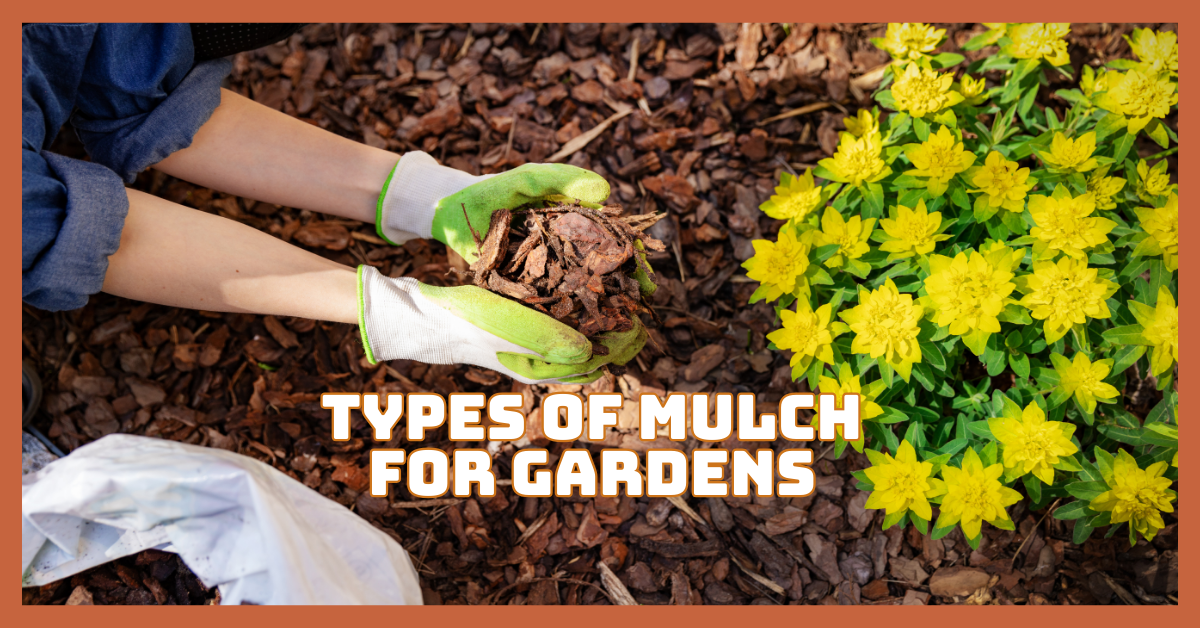
Mulch is a protective layer of material spread on the soil surface to improve soil health and plant growth. It can be made from organic materials like wood chips, straw, grass clippings, or compost, as well as inorganic options like gravel or plastic sheets.
Mulch helps retain soil moisture, suppresses weeds, regulates soil temperature, and reduces erosion. Organic mulches also break down over time, enriching the soil with nutrients.
By covering the ground, mulch creates a cleaner, more attractive garden appearance and provides a better environment for plant roots. It’s widely used in flower beds, vegetable gardens, and landscaping to promote healthier, low-maintenance gardens.
Benefits Of Using Mulch
Mulch is a simple garden addition with big rewards—improving soil, conserving water, reducing weeds, and enhancing beauty.
Here are the top benefits that make mulch a gardening must-have.
1. Moisture Retention
Mulch slows down water evaporation by shielding the soil from direct sunlight. This helps keep the soil moist for longer, reducing the need for frequent watering and ensuring plants receive consistent hydration throughout hot or dry weather.
2. Weed Suppression
A thick layer of mulch acts as a natural weed barrier. It blocks sunlight from reaching weed seeds, preventing their germination and growth. This significantly reduces the number of weeds, saving time and effort in garden maintenance.
3. Soil Temperature Regulation
Mulch acts like insulation for your soil. It keeps the soil cooler in the summer by deflecting heat and warmer in the winter by trapping warmth. This stable temperature promotes healthier root growth and supports year-round plant development.
4. Improved Soil Health
Organic mulches like straw, bark, or leaves decompose over time. This decomposition enriches the soil with nutrients, enhances its texture, and boosts microbial life, resulting in improved soil fertility and better long-term plant growth conditions.
5. Erosion Control
Mulch helps prevent soil erosion by reducing the impact of heavy rainfall and strong winds. It keeps soil particles in place, especially on sloped areas, minimizing runoff and keeping your garden’s soil structure intact and stable.
6. Pest Control
Certain mulch types, like cedar or pine, contain natural oils and aromas that deter harmful insects and pests. Using these mulches creates a protective barrier around plants, reducing the likelihood of infestations without needing chemical pesticides.
7. Enhanced Aesthetics
Mulch gives garden beds and landscapes a clean, uniform appearance. Whether using bark, gravel, or straw, it visually ties together your outdoor space, adding colour and texture that enhances curb appeal and overall garden design.
8. Reduced Soil Compaction
By cushioning foot traffic and absorbing rainfall impact, mulch keeps soil light and fluffy. This prevents compaction, allowing plant roots to access air and water more easily, leading to healthier, deeper, and more efficient root systems.
9. Plant Protection
Mulch forms a barrier between the soil and your plants. It helps prevent soil-borne diseases from splashing onto leaves during watering or rain, which lowers the risk of infections and keeps plants cleaner and healthier.
10. Saves Time And Effort
By maintaining moisture, blocking weeds, and improving soil health, mulch greatly reduces the amount of watering, weeding, and fertilizing you need to do. It simplifies gardening tasks and helps maintain a healthy, low-maintenance landscape.
Turn Your Passion for Nature Into Income
🌿 Whether you love gardening, caring for animals, or exploring holistic living,
You can share your knowledge online and earn from it.
Discover how nature lovers are growing their passions into meaningful, income-generating blogs. 👇
The Ultimate Guide To Mulch Types For A Healthy Garden
For a garden to be healthy and low-maintenance, mulch is essential. Covering the soil helps retain moisture, regulate temperature, suppress weeds, and improve soil fertility.
With so many types of mulch available—from organic to inorganic—it’s essential to choose the right kind for your garden’s needs.
Below are the most common mulch types and how they benefit your plants and landscape.
Organic Mulch
Made from natural materials, organic mulches give the soil nutrients as they break down.
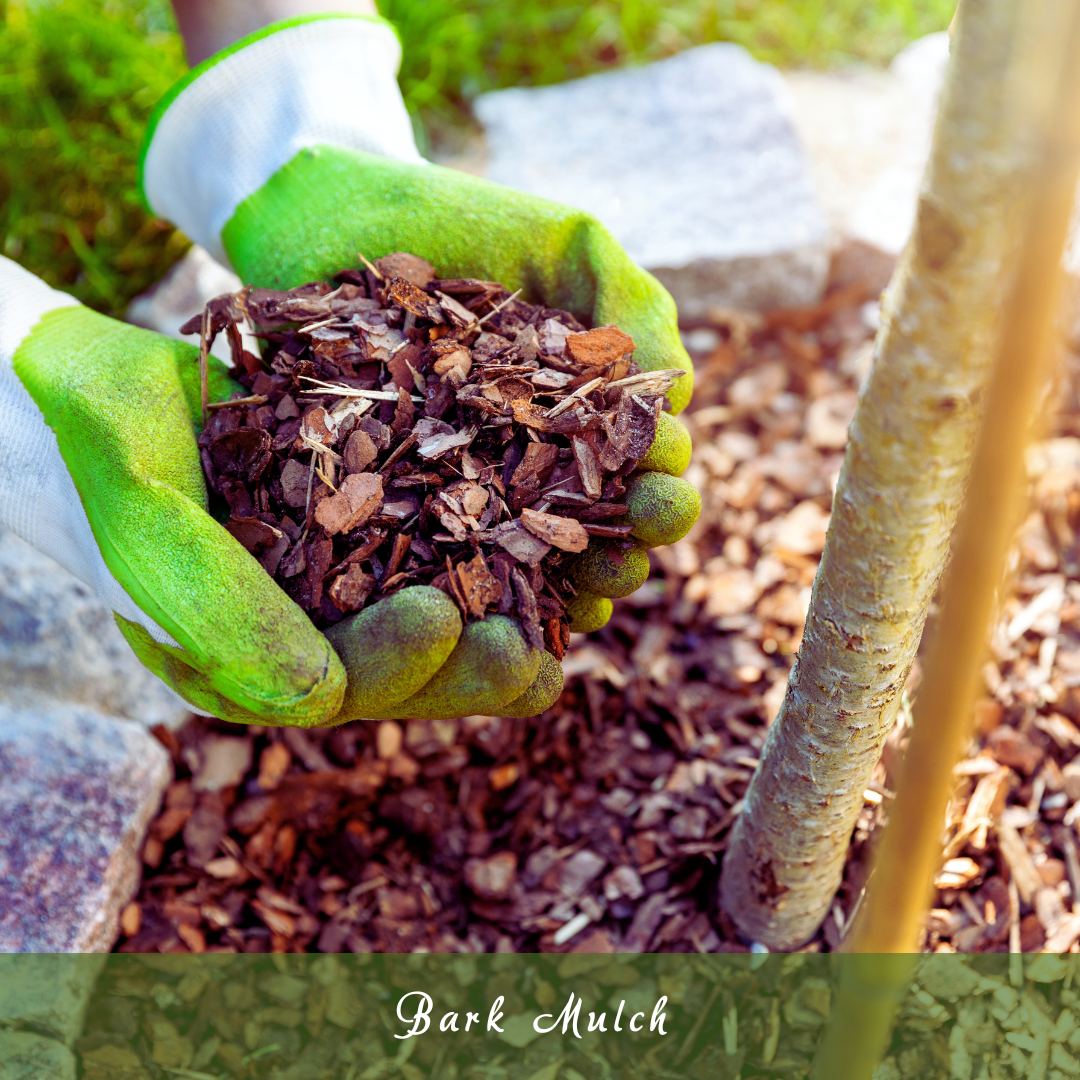
1. Bark Mulch
Benefits
Bark mulch offers excellent durability, breaking slowly over time and requiring less frequent replacement. Its rich, natural look enhances the visual appeal of garden beds and landscaped areas.
Blockage of sunlight significantly reduces weed growth and retains moisture, keeping soil cooler in summer and warmer in winter.
It enriches the soil with organic matter as it breaks down, enhancing its fertility and texture. This type of mulch is especially useful in low-maintenance gardens where aesthetics and long-term benefits are key. It also acts as a buffer against heavy rain and erosion.
How To Use
Around vegetables, fruit trees, or herbs, spread a layer of bark mulch 2 to 4 inches thick. Don't press the mulch up against the stems or trunks.
For herbs, use a finer bark that won’t smother small roots. In fruit gardens, mulch helps maintain consistent moisture and temperature.
For vegetables, ensure the soil is warm before applying in spring. Replenish the mulch layer yearly to maintain its weed suppression and visual appeal. Bark mulch is beneficial in perennial beds where regular digging isn’t needed.
Best For
Ideal for flower beds, shrub borders, and pathways, where both function and appearance matter.
2. Wood Chips
Benefits
Wood chips are one of the most effective types of mulch for gardens, offering moisture retention and weed control, especially in dry or sunny environments.
It is perfect for dry locations or hot summers and helps preserve soil moisture by lowering evaporation. Its coarse texture also provides excellent weed suppression, limiting sunlight and preventing unwanted plant growth.
As it breaks down, wood chips enrich the soil with organic matter, improving fertility. This mulch is especially effective in less frequently disturbed garden areas and can also reduce soil compaction, making it great for protecting root systems and preventing erosion.
How To Use
Apply wood chips in a 3–4-inch layer around fruit trees, ornamental herbs, or large perennial vegetables like rhubarb. Keep the mulch several inches away from the base of plants to prevent rot.
For fruits, it helps regulate moisture and temperature; for herbs, choose aged chips to avoid acidity; for vegetables, avoid fresh chips as they can deplete nitrogen.
Wood chips are perfect for garden paths and areas where you don’t plan to dig regularly, and they should be topped up annually to maintain effectiveness.
Best For
Best suited for perennial beds, ornamental trees, and walkways where long-term soil protection and weed control are priorities.
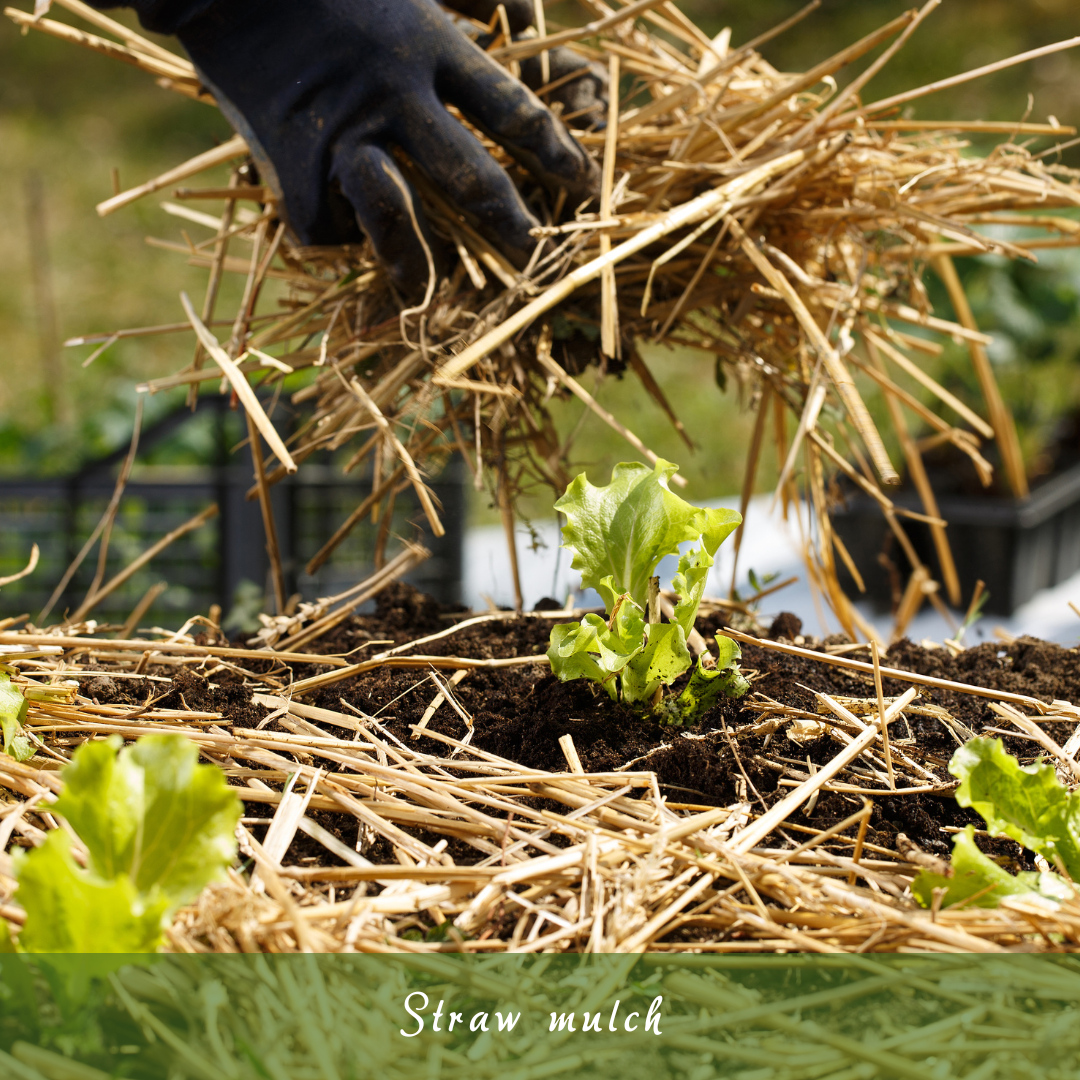
3. Straw Mulch
Benefits
Among the various types of mulch for gardens, wood chip mulch stands out for its affordability, weed suppression, and ability to enrich soil as it decomposes.
Its coarse texture also provides excellent weed suppression, limiting sunlight and preventing unwanted plant growth. As it breaks down, wood chips enrich the soil with organic matter, improving fertility.
This mulch is especially effective in less frequently disturbed garden areas and can also reduce soil compaction, making it great for protecting root systems and preventing erosion.
How To Use
Apply wood chips in a 3–4-inch layer around fruit trees, ornamental herbs, or large perennial vegetables like rhubarb. Keep the mulch several inches away from the base of plants to prevent rot.
For fruits, it helps regulate moisture and temperature; for herbs, choose aged chips to avoid acidity; for vegetables, avoid fresh chips as they can deplete nitrogen.
Wood chips are perfect for garden paths and areas where you don’t plan to dig regularly, and they should be topped up annually to maintain effectiveness.
Best For
Best suited for perennial beds, ornamental trees, and walkways where long-term soil protection and weed control are priorities.
4. Grass Clippings
Benefits
Grass clippings are an easily accessible and cost-free mulch option, especially beneficial for home gardeners. When appropriately dried and applied thinly, they help retain soil moisture by reducing evaporation and forming a protective barrier.
As they decompose, clippings release nitrogen—a vital nutrient for leafy growth—enriching the soil naturally. However, care must be taken to avoid thick layers, leading to matting and poor airflow, encouraging rot or mould.
Grass clippings benefit gardens where sustainability and recycling organic waste are priorities, turning lawn maintenance into a beneficial soil-building practice.
How To Use
Use dried clippings in a thin layer—no more than 1 inch—around leafy herbs like basil and cilantro, and nitrogen-loving vegetables like lettuce, spinach, and broccoli.
Apply sparingly to prevent moisture buildup around stems for fruiting plants like strawberries. Always ensure clippings are free from herbicides or pesticides before use.
Grass clippings are unsuitable for deep mulching but work well in rotation with compost or other organic mulch. Reapply as needed throughout the growing season as the mulch decomposes and integrates into the soil.
Best For
Best for vegetable and fruit gardens where quick, nitrogen-rich mulching is needed, especially in small-scale beds or container gardens.
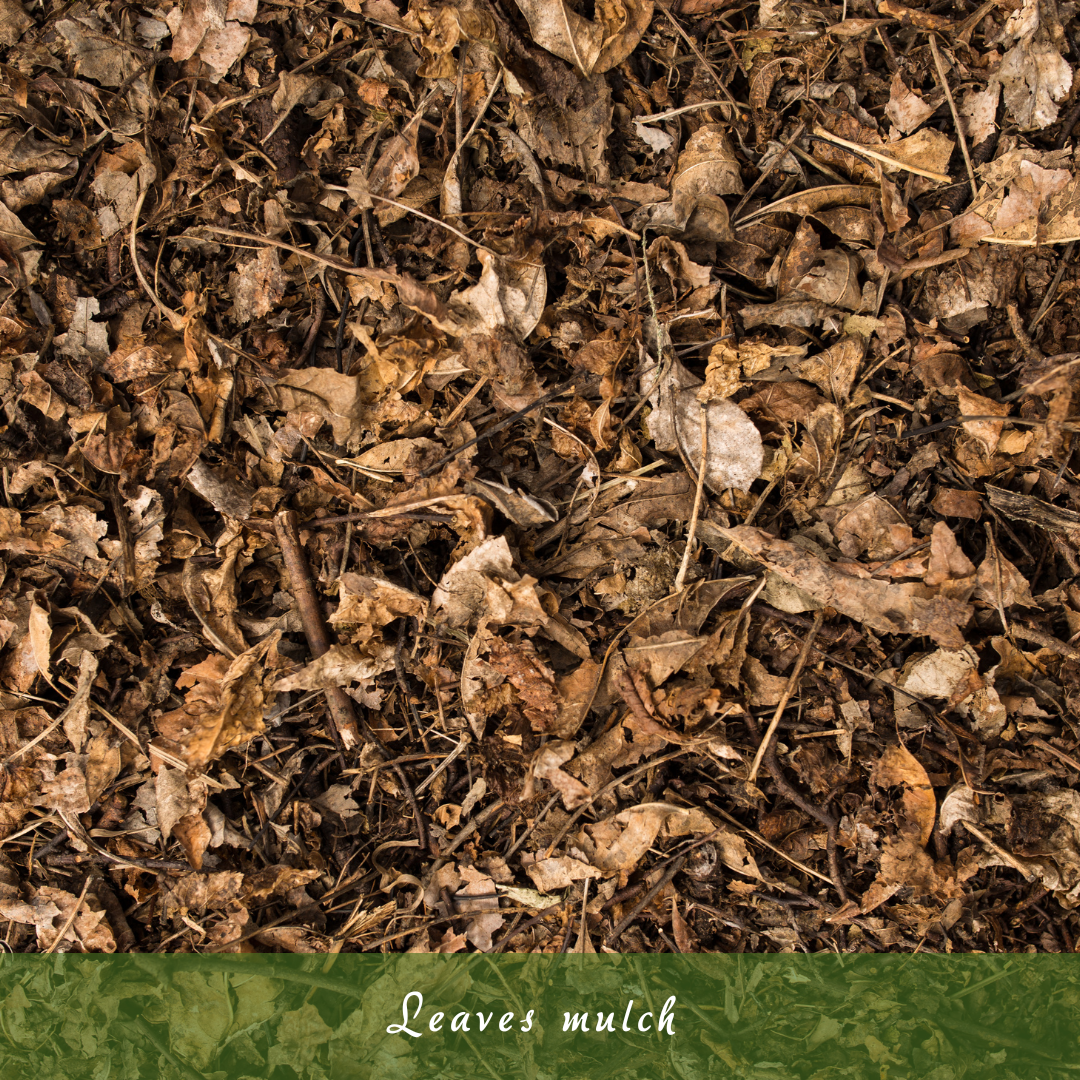
5. Leaves Mulch
Benefits
Among the most eco-friendly types of mulch for gardens, shredded fallen leaves offer excellent soil enrichment, weed suppression, and temperature regulation while blending naturally into the landscape.
They break down rapidly, adding vital nutrients and organic matter to the soil. They enhance soil texture, improve drainage, and boost fertility as they break down.
Leaf mulch also helps regulate soil temperature and moisture, making it ideal for many plants. Shredded leaves are particularly effective at suppressing weeds without creating a dense mat.
Their natural, earthy look blends well into garden landscapes, making them a practical and eco-friendly option for seasonal mulching.
How To Use
For herbs like thyme or sage, apply a light 2-inch layer of shredded leaves to retain warmth during cooler months. In vegetable beds, especially for root crops like carrots and beets, use 2–3 inches to insulate and enrich the soil.
Around fruit trees or berry bushes, leaf mulch supports moisture retention and nutrient cycling. Always shred leaves before application to prevent compaction and promote better air and water flow. Avoid thick, unshredded layers, which can smother young plants or lead to fungal issues in damp conditions.
Best For
Best for layering around vegetables, flowers, and fruit trees to nourish the soil and protect plant roots during seasonal changes.
6. Compost
Benefits
Compost stands out for its rich nutrient content and ability to significantly improve soil health and fertility among the various types of mulch for gardens.
Compost also boosts soil structure and aeration, making it easier for roots to access nutrients. It can be bought from garden centers or created at home from garden refuse and kitchen scraps.
Compost gradually nourishes plants and lessens the need for chemical fertilizers, encouraging more environmentally friendly and sustainable gardening.
How To Use
To keep soft, aerated soil and provide nutrients for herbs like cilantro and basil, apply a thin 1-inch coating of compost.
In vegetable gardens, thoroughly mix into the top layer of soil, especially for crops that need nutrients, such as squash, tomatoes, or peppers—compost fruit plants like strawberries or blueberries.
For fruit plants like strawberries or blueberries, avoid piling compost too close to plant stems, and replenish throughout the growing season to maintain consistent nourishment and soil vitality.
Best For
Best for vegetables, herbs, and flower beds—compost nurtures plant health and boosts long-term garden productivity.
Inorganic Mulch
Inorganic mulches are made from non-natural materials and do not decompose, making them long-lasting.
1. Landscape Fabric
Benefits
Landscape fabric is a durable and effective solution for suppressing weeds, allowing water to reach plant roots. It lessens erosion, helps hold onto soil moisture, and reduces the need for chemical herbicides.
Because it's long-lasting and doesn’t decompose quickly like organic mulches, it offers a low-maintenance option for gardeners.
Fabric also creates a clean, uniform look paired with decorative top layers like bark or gravel, making it ideal for aesthetic and functional purposes in the garden landscape.
How To Use
Lay the fabric over the soil, cutting holes where plants will be placed. For herb gardens, use sparingly, as herbs prefer frequent replanting and looser soil.
It’s best used in pathways rather than directly around crops for vegetable beds. Around fruit trees or berry bushes, it helps suppress weeds and maintains a tidy space.
Cover the fabric with a decorative mulch such as bark or gravel to protect it from sunlight, enhance its appearance, and help with temperature regulation. Ensure edges are pinned down to prevent shifting.
Best For
Best for flower beds, tree bases, and under gravel paths where weed control and tidiness are priorities.

2. Rubber Mulch
Benefits
Rubber mulch is one of the most durable for gardens, and it is ideal for long-term use where low maintenance and lasting colour are desired.
Unlike organic mulches, it won’t compact or break down, so it retains its structure and colour for years. It’s also highly effective at suppressing weeds and provides cushioning, making it ideal for high-traffic areas like playgrounds.
While it doesn’t enrich the soil, it serves as a lasting barrier and a tidy ground cover solution for non-edible planting zones.
How To Use
Spread a 1–2 inch rubber mulch evenly across the soil surface. Keep it away from the base of plants to avoid trapping heat around stems.
For ornamental beds or herb gardens where aesthetics and durability are priorities, rubber mulch works well. However, avoid using it in fruit or vegetable plots since it doesn’t add nutrients to the soil.
Use a weed barrier underneath for better weed control, and avoid mixing it into the soil as it won’t break down naturally.
Best For
Best for ornamental gardens, pathways, and playgrounds where durability, low maintenance, and clean aesthetics are most important.
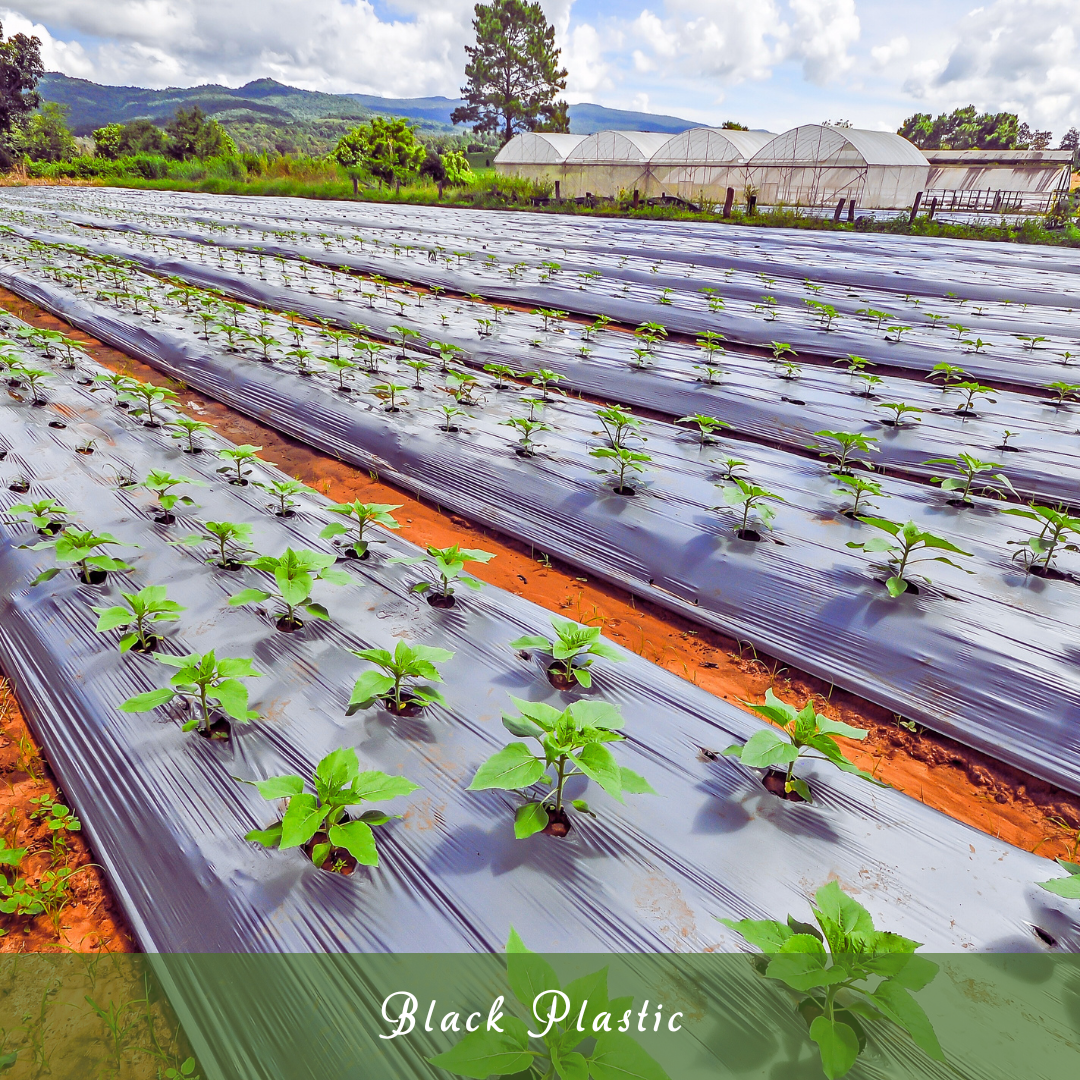
3. Black Plastic Mulch
Benefits
Plastic mulch is one of the most efficient for gardens, especially for boosting warmth and preventing weed growth in vegetable beds with heat-loving crops.
It also helps warm the soil faster in spring, which promotes early root development and accelerates plant growth. This is particularly beneficial for heat-loving crops.
Additionally, plastic mulch reduces water evaporation, keeping soil moisture consistent. While it doesn’t decompose or add nutrients like organic mulches, it offers a clean, efficient option for intensive planting. However, it’s less eco-friendly and requires proper disposal or recycling.
How To Use
Stretch plastic mulch tightly over prepared planting beds and secure the edges with soil or landscape pins. Cut slits or holes in the plastic where each plant will go.
This mulch keeps the soil warm and dry for vegetables like tomatoes, peppers, and melons, discouraging diseases. For fruits like strawberries, plastic keeps berries clean and reduces rot.
Avoid using it in herb gardens where the soil needs more breathability. Irrigate through drip systems beneath the plastic to maintain healthy moisture levels.
Best For
Best for vegetable gardens in cooler regions, mainly for crops like tomatoes, melons, and peppers that thrive in warm soil conditions.
Conclusion
Choosing the right mulch is essential for maintaining a healthy, vibrant garden. From organic options like compost and wood chips to inorganic choices such as landscape fabric and gravel, each type serves a specific purpose based on your garden’s needs.
Mulch enhances soil health, holds onto moisture, and inhibits weed growth, whether you're growing flowers, veggies, or herbs.
By understanding the types of mulch for gardens, you can create an efficient, beautiful outdoor space that thrives season after season.
I trust you enjoyed this article on the Best Types of Mulch for Gardens. Please stay tuned for more inspiring guides, helpful tips, and ideas to help you live closer to nature every day.
Take care!
— JeannetteZ
💬 Your Opinion Is Important To Me
Do you have thoughts, ideas, or questions? I’d love to hear from you. Please leave your comments below or email me directly at Jeannette@Close-To-Nature.org.
📚 More Nature-Inspired Reads
Explore more ways to connect with nature, nurture your pets, and live in harmony with the world around you 🌿