20 Natural Ways To Relax And Rejuvenate Your Mind And Body

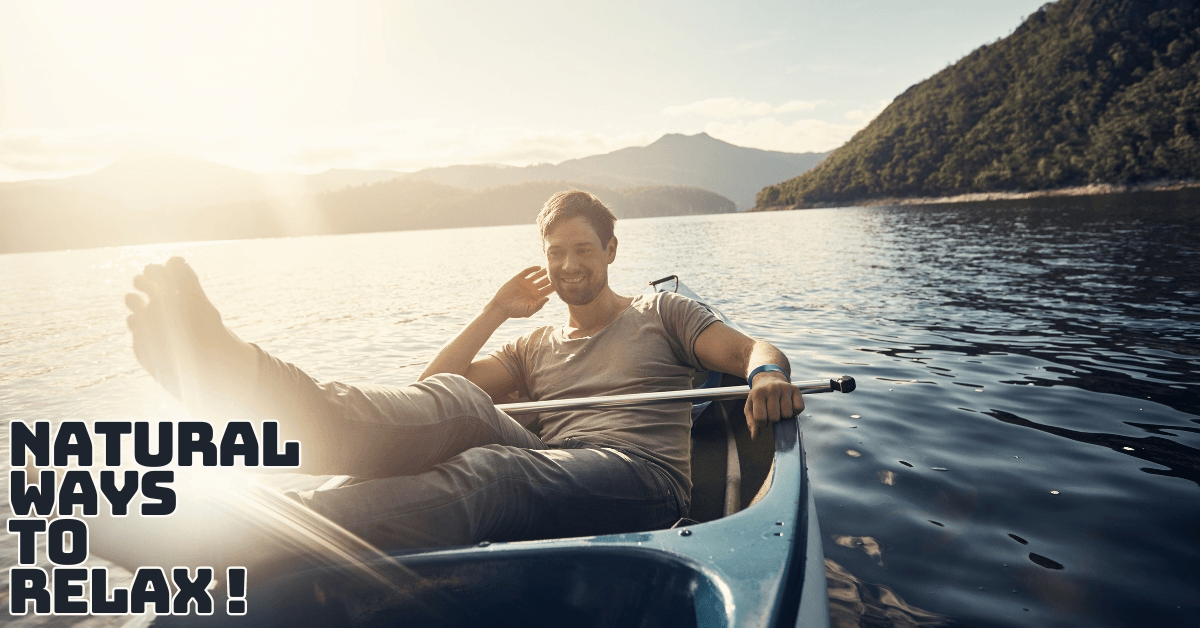
In our fast-paced world, finding balance is essential for overall well-being. Using natural ways to relax, such as deep breathing, meditation, and time in nature, can help rejuvenate the mind and body.
These simple yet effective methods reduce stress, improve focus, and promote inner peace—offering a holistic approach to restoring vitality and maintaining a healthy lifestyle.
20 Natural Ways To Relax And Rejuvenate Your Mind And Body
1. Mindful Breathing
One of the simplest yet most powerful ways to relax is mindful breathing. Stress causes breathing to become rapid and shallow. Taking slow, deep breaths might make you feel less nervous and more centred.
How To Do Mindful Breathing
- Sit in a quiet place, close your eyes, and inhale deeply through your nose for four counts.
- After four counts of holding your breath, softly release it through your mouth for six counts.
- Repeat this cycle for 5–10 minutes to feel a sense of calm and relaxation.
2. Meditation And Deep Breathing
Deep breathing and meditation are useful methods for lowering tension and relaxing the mind. By slowing their breath and focusing on the present moment, they quiet racing thoughts and ease anxiety. These practices activate the body’s relaxation response, lowering cortisol levels and promoting peace and balance.
How To Do Meditation And Deep Breathing
- Sit or lie down in a comfortable position in a peaceful, distraction-free environment.
- Take four deep breaths through your nose, letting your abdomen rise—four counts of holding your breath, followed by four counts of gently releasing it through your mouth.
- Observe how your breath feels coming into and leaving your body. If your thoughts stray, softly return them to your breathing.
- Continue this breathing pattern for a few minutes. As you become more comfortable, you can increase the duration of your practice.
3. Aromatherapy
Aromatherapy uses essential oils such as lavender, eucalyptus, and chamomile to reduce stress and promote calm. These oils trigger the brain’s relaxation response, improving mood and easing anxiety. Inhaling the scents or applying them topically can enhance emotional well-being.
How To Do Aromatherapy
- A diffuser filled with a few drops of essential oil will fill the space with aroma.
- Another option is to dab some essential oil mixture with carrier oil on your wrists or temples.
- Add 5-10 drops of oil to warm water for a calming bath.

4. Grounding Or Earthing
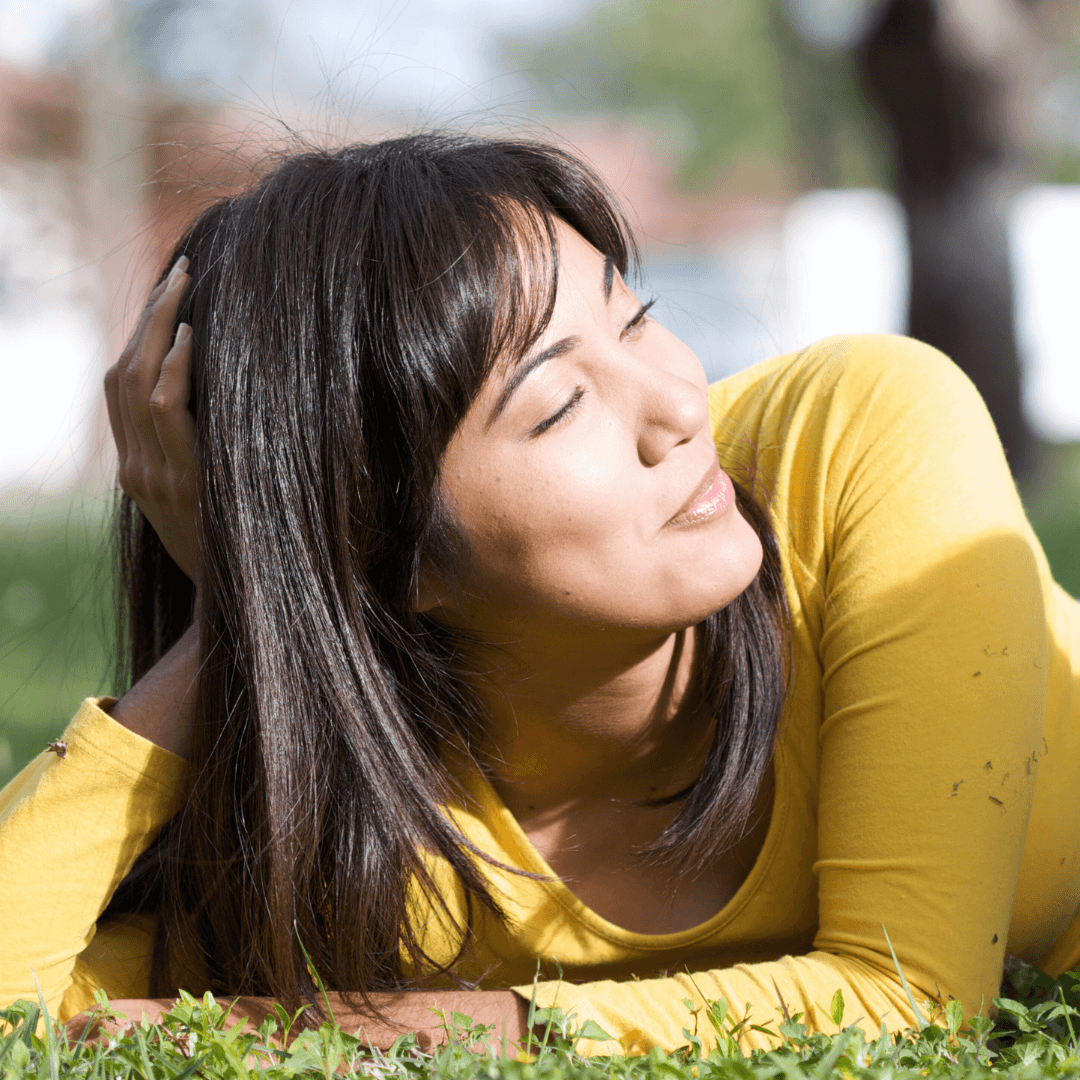
Grounding is reestablishing oneself with the earth’s vitality by going barefoot on grass, sand, or soil. This practice helps improve mood, reduce inflammation, and balance your body’s energy, promoting overall well-being.
How To Do Grounding Or Earthing
- Identify a natural outdoor space such as a park or beach.
- Remove your shoes and walk barefoot for at least 10-20 minutes.
- Focus on the sensation of the ground under your feet and take deep breaths to fully relax.
5. Soaking In A Warm Bath
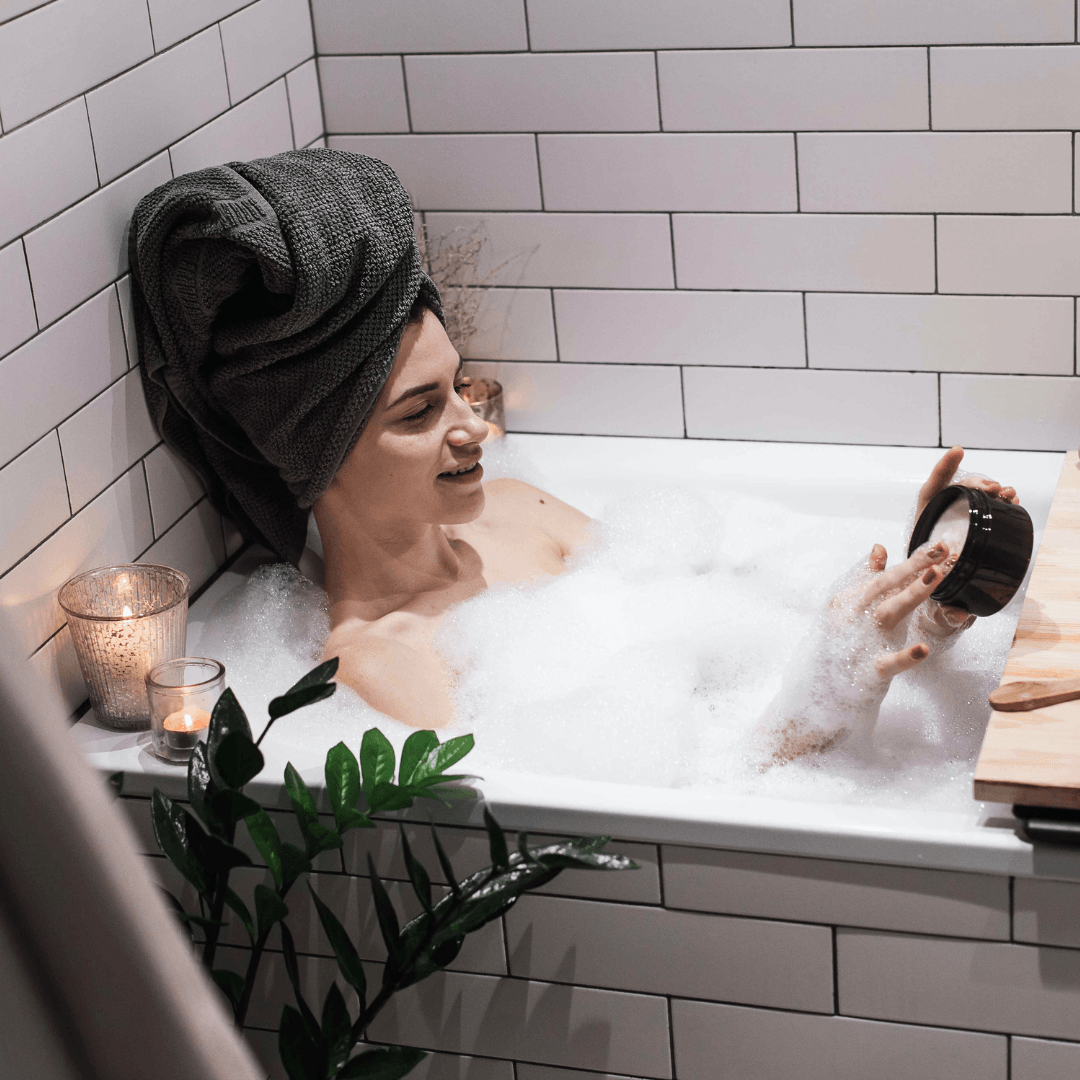
A warm bath helps relax muscles, ease tension, and calm the mind. Adding Epsom salts or essential oils enhances relaxation, soothing both body and mind by promoting deep physical relaxation.
How To Do Soaking In A Warm Bath
- Pour warm water into your bathtub.
- Add ½ cup of Epsom salts and a few drops of essential oil.
- Soak for 20 minutes to allow your body to unwind while breathing deeply.
6. Herbal Teas
Herbal teas like chamomile, peppermint, and green tea contain natural compounds that relax the nervous system. They calm digestion and reduce anxiety, making them great for natural relaxation. Sipping warm tea can be a comforting and calming experience.
How To Do Herbal Teas
- Place a tea bag or loose-leaf herbs in a pot of boiling water.
- Let the tea steep for 5-10 minutes.
- Drink slowly, savouring the warmth and taste, and focus on the calming effects of each sip.
7. Listen To Calming Music
Listening to soft, calming music or natural sounds can influence brainwaves, slow heart rate, and reduce stress. This creates a peaceful environment conducive to relaxation and emotional balance.
How To Listen To Calming Music
- Find a quiet space and play soothing music, such as classical, ambient, or natural sounds.
- Close your eyes, breathe deeply, and let the music flow over you.
- Focus on how the music makes you feel, allowing tension to fade.
8. Forest Bathing (Shinrin-Yoku)
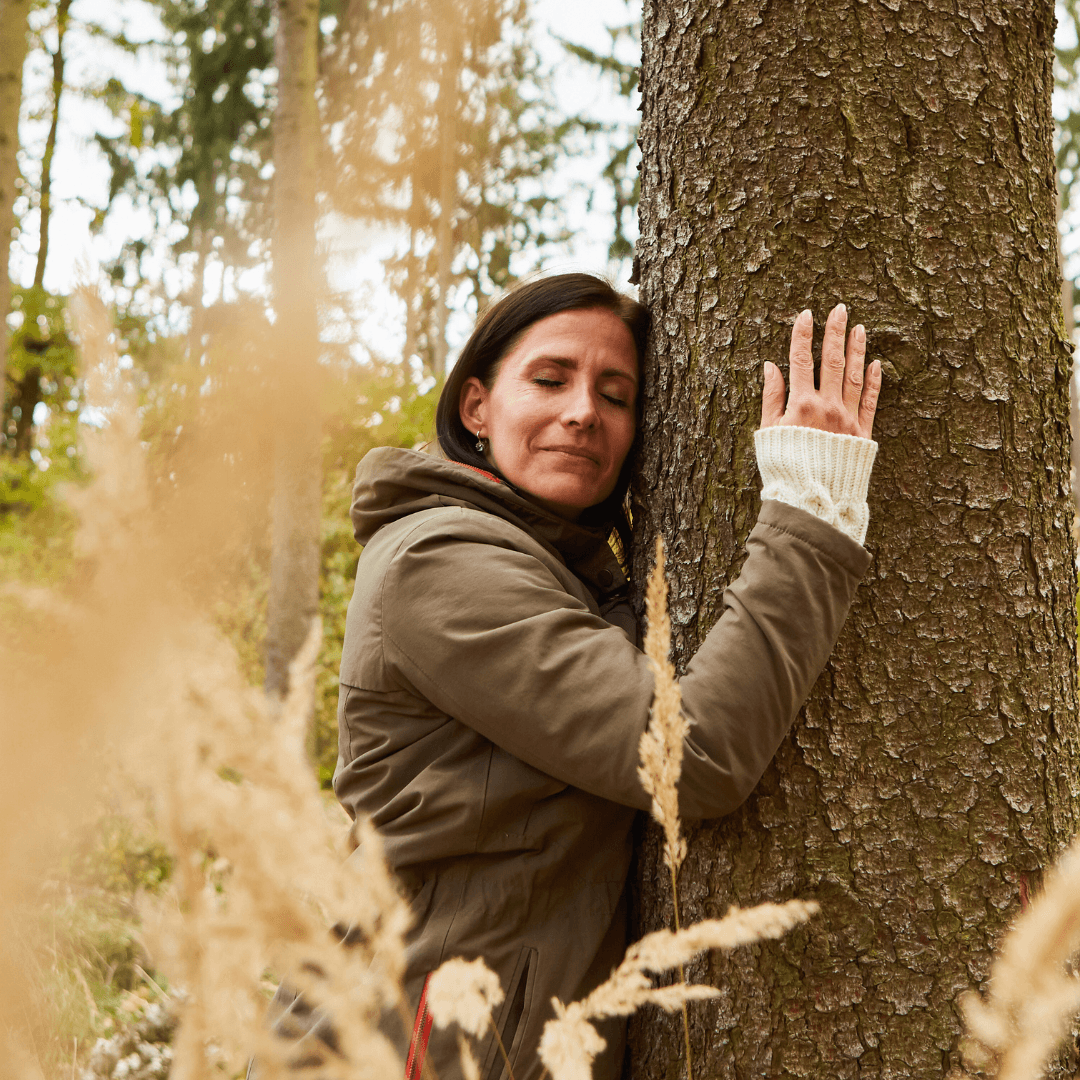
Forest bathing, or Shinrin-Yoku, involves immersing in nature’s beauty. Mindfully absorbing the forest’s sights, sounds, and smells helps reduce stress and improve mental clarity.
How To Do Forest Bathing (Shinrin-Yoku)
- Visit a forest or park and spend time walking slowly through the trees.
- Focus on your surroundings—notice the colours, listen to the wind or birds, and breathe fresh air.
- Engage all your senses and stay present for 30 minutes or more.
9. Progressive Muscle Relaxation
Tensing and then relaxing several muscle units is known as progressive muscle relaxation. It’s one of the most productive natural ways to unwind. This technique helps release physical tension, reduce stress, and promote relaxation.
How To Do Progressive Muscle Relaxation
- Sit or lie in a comfortable position.
- Start with your toes—tense them for 5-10 seconds, then relax.
- Slowly work your way up the body, tensing and relaxing each muscle group (legs, abdomen, arms, etc.).
- Breathe deeply throughout the process and focus on the sensations of relaxation.
Create a Profitable Holistic Business That Transforms Lives
🌿 Discover inspiring holistic business ideas that blend nature, wellness, and purpose.
Learn how passionate nature lovers are building income streams while helping others live more balanced, mindful lives.
Read Profitable Holistic Business Ideas That Transform Lives
10. Spending Time With Pets
Having a pet can increase oxytocin, a hormone linked to happiness and stress reduction, and decrease cortisol levels. Petting, playing, or simply being with animals can provide emotional comfort.
How To Spend Time With Pets
- Spend 10-15 minutes petting or cuddling with your pet.
- Engage in playful activities like fetch or take your dog for a calming walk.
- Let your tension melt away, and concentrate on the happiness and company your pet brings.
11. Journaling
Journaling helps process emotions, organize thoughts, and clear mental clutter. Writing down feelings or gratitude can offer emotional relief and promote calmness and self-awareness.
How To Do Journaling
- Set aside 5-10 minutes each day to write.
- Focus on your thoughts, feelings, or things you’re grateful for.
- Write freely without judgment—this practice helps release emotions and brings clarity.

12. Drinking Warm Water With Lemon
Drinking warm water with lemon in the morning is one simple, natural way to relax. It hydrates the body, boosts digestion, and provides a gentle start to the day. The refreshing citrus helps promote a sense of balance and energy.
How To Do It
- Boil water and let it cool slightly.
- Squeeze half a lemon into the water.
- Drink slowly, appreciating the warmth and refreshing flavour, and feel the hydration benefit your body.
13. Practicing Tai Chi Or Qigong
Tai Chi and Qigong involve slow, flowing movements combined with mindful breathing. These gentle practices help calm the mind, reduce stress, and promote physical and mental relaxation.
How To Practice Tai Chi Or Qigong
- Find a quiet space and stand in a comfortable position.
- Perform slow, deliberate movements while focusing on your breath.
- Try a simple movement sequence, such as “cloud hands,” for 10-15 minutes.
- As you practice, focus on feeling the energy (Qi) moving through your body.
14. Sunlight Exposure
Sunlight boosts vitamin D levels, which can improve mood and energy. Spending time in the sun helps regulate circadian rhythms, promoting better sleep and enhancing well-being.
How To Do It
- Spend 15-20 minutes outdoors daily, preferably in the morning sunlight.
- Sit in a sunny spot or take a walk while absorbing the sun’s warmth.
- Use sunscreen if exposed for longer periods, and enjoy the positive effects on your mood.
15. Hydration And Healthy Eating
A healthy diet and adequate hydration promote mental and physical well-being. The body is nourished with foods rich in vitamins, minerals, and antioxidants, and kept hydrated to sustain attention and energy.
How To Do It
- Every day, sip eight glasses or more of water.
- Incorporate leafy greens, berries, nuts, and whole foods into your diet.
- Focus on balanced, mindful eating to promote relaxation and vitality throughout the day.
16. Gardening
Gardening provides both mental and physical relaxation by connecting you to nature. Planting, nurturing, and watching plants grow reduces anxiety and boosts your mood. It’s a therapeutic activity that offers a sense of accomplishment and mindfulness, making it a natural stress reliever.
How To Do It
- Choose a plant or flowers to grow in your backyard or pots.
- Spend 20-30 minutes tending to the plants—watering, pruning, or planting seeds.
- Focus on the colours, smells, and tactile sensations of gardening to stay present and relaxed.
17. Hydrotherapy
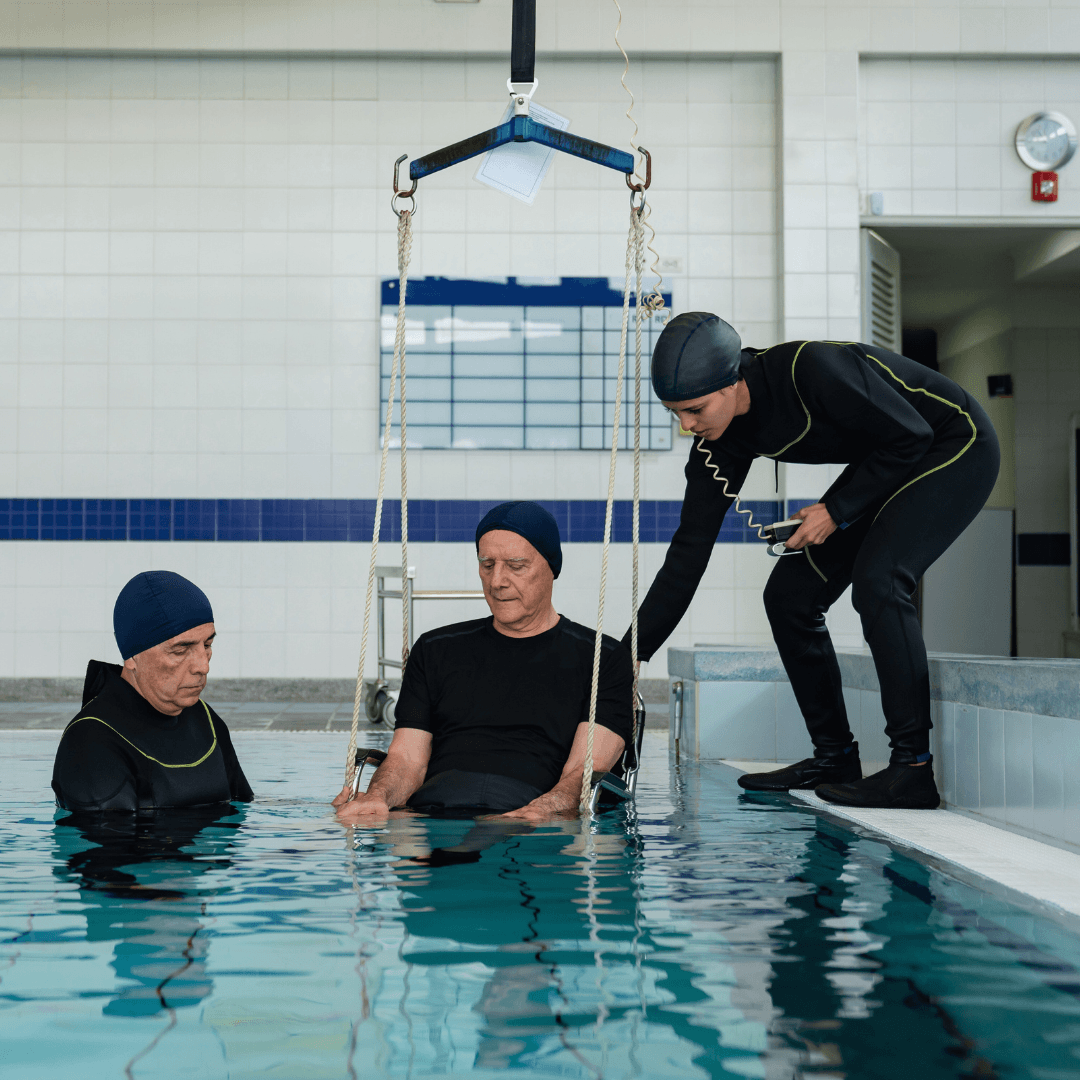
One of the best natural ways to de-stress is hydrotherapy, which involves alternating hot and cold water in a shower or bathtub.
It stimulates circulation, relaxes muscles, and eases mental fatigue. The contrasting temperatures promote blood flow, helping to soothe the body and reduce stress.
How To Do Hydrotherapy
- Use warm water to ease your muscles for three to five minutes.
- Switch to cold water for 30 seconds to stimulate circulation.
- Repeat the process 3-4 times, ending with cold water.
- Focus on how your body feels refreshed and revitalized.
18. Mindful Eating
Eating mindfully means taking your time, enjoying every bite, and paying attention to what you are eating. Focusing on the textures, flavours, and aromas of your food reduces stress, promotes digestion, and deepens the enjoyment of your meal.
How To Do It
- Before eating, take a deep breath and observe your food.
- Take small bites, chew slowly, and notice the textures and tastes.
- Avoid distractions like phones or TV, and focus entirely on the eating experience.
- Eat until you feel satisfied, paying attention to your body’s cues.
19. Practicing Gratitude
Practising gratitude is one of the most meaningful natural ways to relax, as it helps shift your focus from stress to positivity. Reflecting on what you’re grateful for fosters emotional well-being, reduces negative thinking, and promotes peace and contentment.
How To Do It
- Daily, write down 3 things you’re grateful for, no matter how small.
- Reflect on these positive aspects and how they bring joy or comfort to your life.
- To cultivate a positive mindset, try to make this a daily habit, especially during stressful times.
20. Digital Detox
A digital detox involves taking breaks from screens—phones, laptops, and TVs—to reduce mental fatigue and stress. Unplugging from digital distractions allows you to reconnect with yourself and the world around you, fostering mental clarity and relaxation.
How To Do It
- Set aside dedicated screen-free time each day, such as during meals or before bed.
- Engage in offline activities like reading, walking, or spending time in nature.
- Take a day or weekend off from digital devices to fully recharge if possible.
- Notice how your focus and mood improve as you step away from screens.
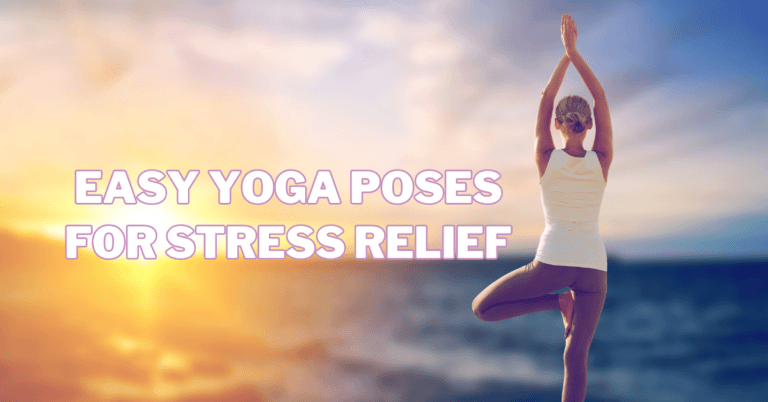
Yoga Poses To Release Stress
Here are some effective yoga poses to help release stress and promote relaxation:
1. Child’s Pose (Balasana)
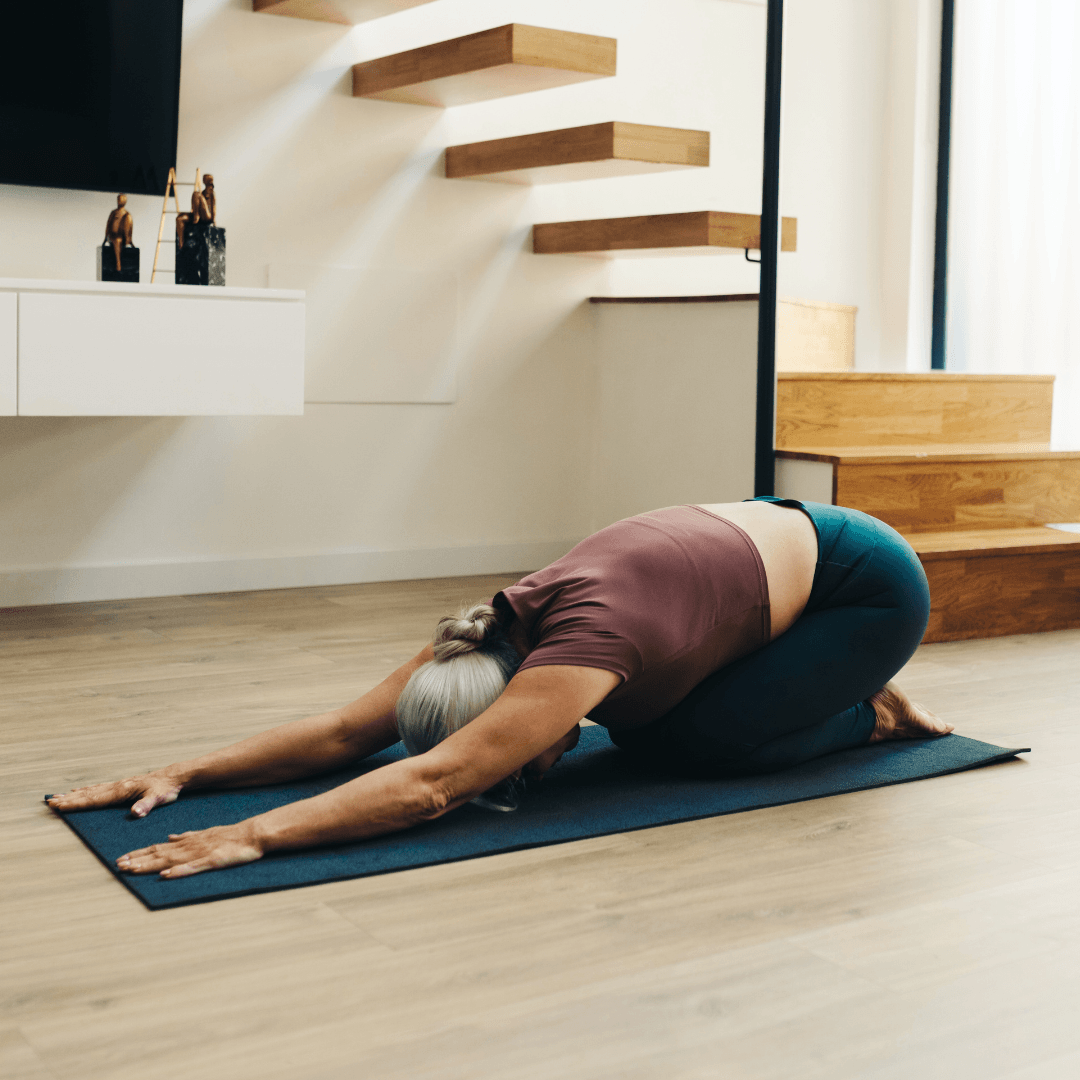
A restorative pose that gently stretches the back and hips, Child’s Pose encourages relaxation and mindfulness. Bend over and sit back on your heels, putting your forehead on the floor and extending your arms.
This grounding position calms the nervous system, enabling you to concentrate on your breathing and relieve stress from your body.
2. Legs-Up-The-Wall Pose (Viparita Karani)
In this stance, you should lie on your back with your legs straight before you. It enhances circulation and alleviates anxiety by promoting a sense of calm.
Closing your eyes and taking deep breaths encourages relaxation, making it ideal for unwinding after a long day. The gentle inversion also helps relieve fatigue and soothes the mind.
3. Cat-Cow Pose (Marjaryasana-Bitilasana)
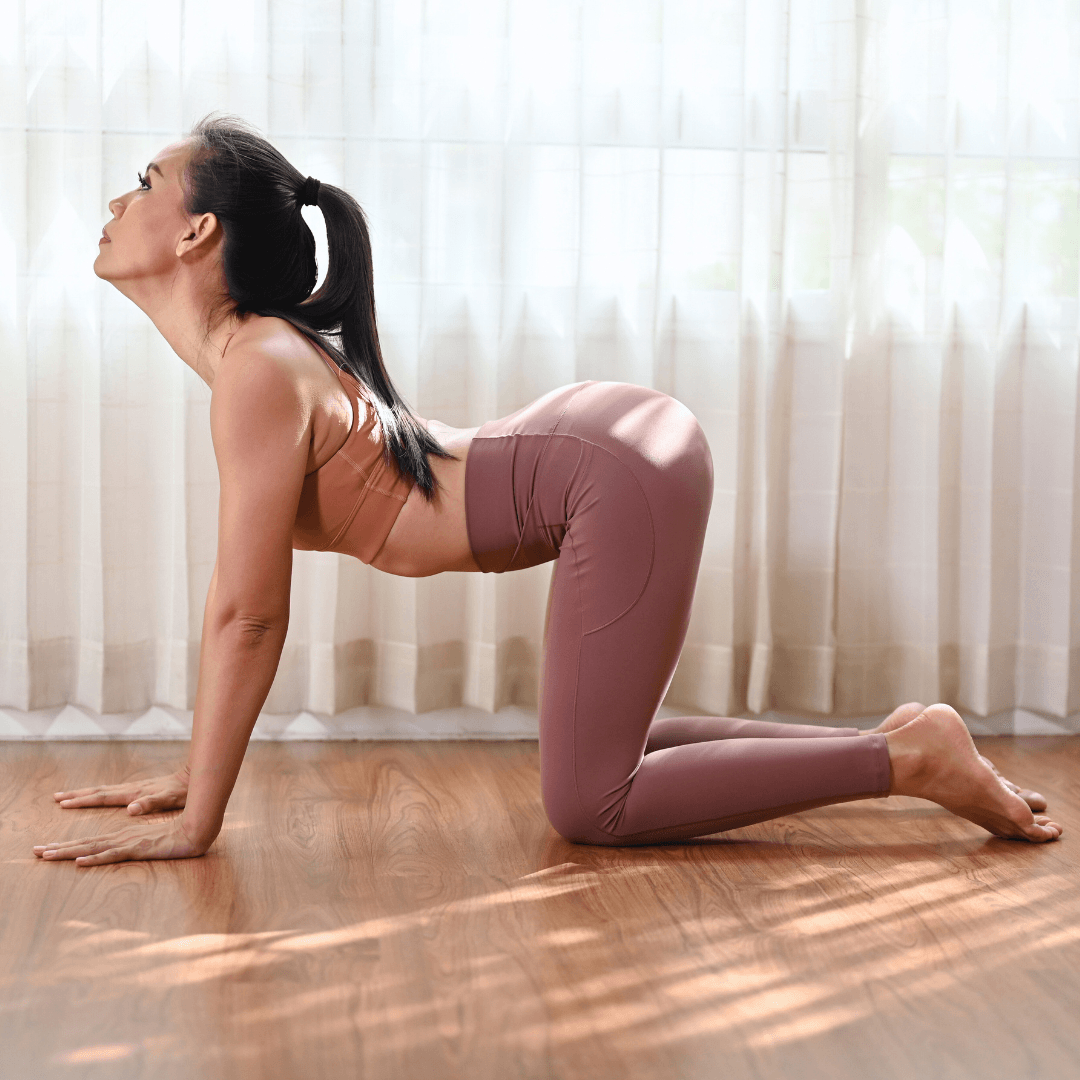
Starting from the bottom position, place your knees behind your hips and your wrists beneath your shoulders. Take a breath as you elevate your head and tailbone by arching your back (cow), then release the breath as you round your spine (cat) and tuck your chin.
This rhythmic movement enhances spinal flexibility and relieves tension. It also helps release emotional stress, promoting relaxation throughout the body.
4. Seated Forward Bend (Paschimottanasana)
Sit with your feet contracted and your legs extended. Take a breath and raise your arms aloft. Then, release the breath and bend downward to grab your feet.
This forward bend stretches the hamstrings and spine while calming the mind. The pose encourages introspection and relaxation, an excellent way to release accumulated stress.
5. Bridge Pose (Setu Bandhasana)
Bend your knees and place your feet together to create a flat back position. Keep your feet and shoulders planted, breathe and raise your hips.
This backbend releases tension in the lower back, expands the chest, and stretches the spine. Additionally, Bridge Pose activates the thyroid gland by encouraging emotional equilibrium and relaxation.
6. Reclining Bound Angle Pose (Supta Baddha Konasana)
Assume a prone position, press the ball of your feet together, and extend your knees. Place your hands on your abdomen or by your sides.
This gentle hip opener promotes relaxation and tranquillity. It encourages deep breathing, facilitating peace while releasing tightness in the hips and lower body.
7. Corpse Pose (Savasana)
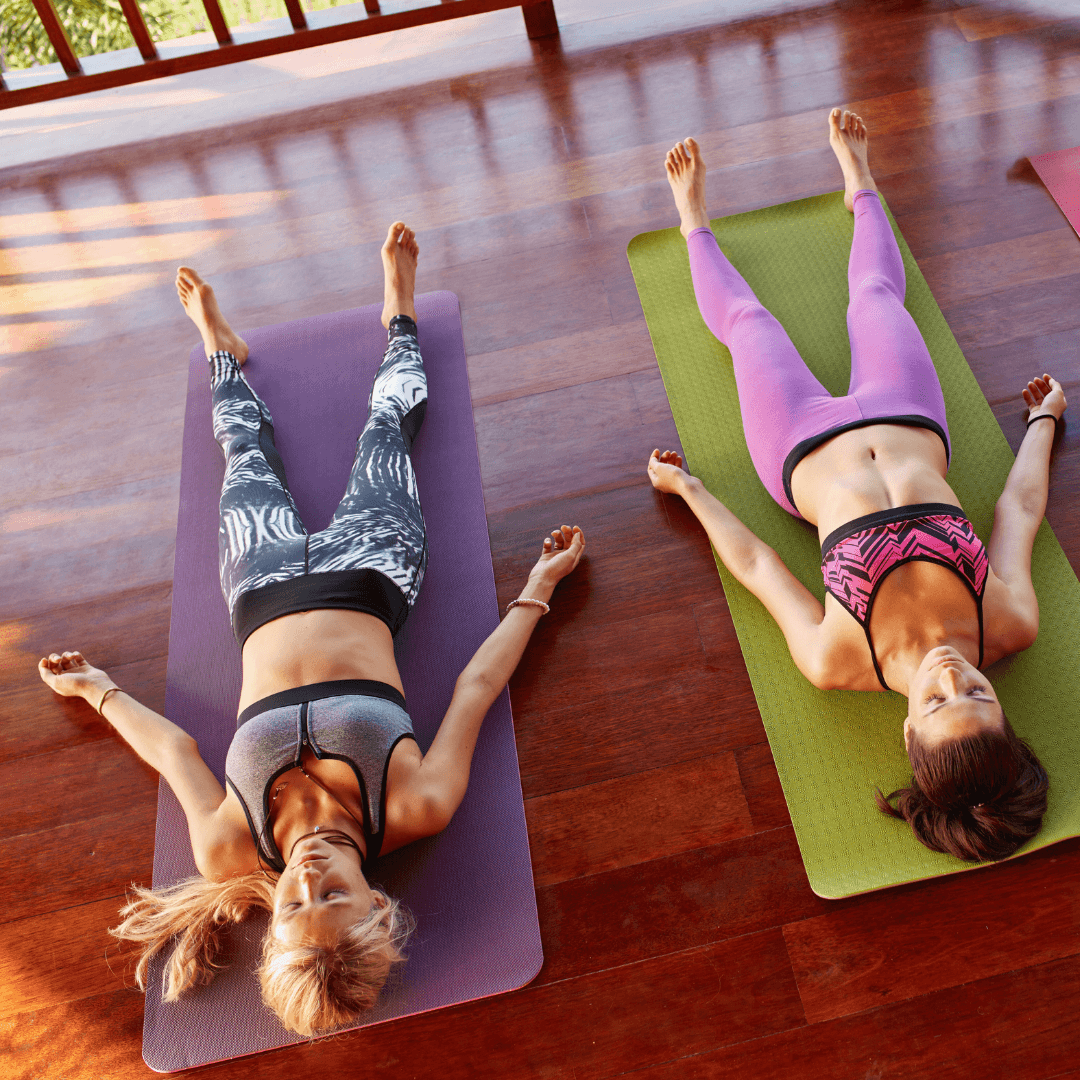
Savasana (lying flat on your back with relaxed arms at your sides) is a great way to end your practice. This pose invites complete stillness, allowing your body to absorb the benefits of your training.
Focus on your breath, letting go of tension and distractions. Savasana promotes deep relaxation, rejuvenation, and a sense of connection to your body and mind.
8. Downward-Facing Dog (Adho Mukha Svanasana)
Begin on all fours, then lift and lower your hips to create an inverted “V” with your body. Keep your feet hip-width apart and your hands shoulder-width apart.
This pose stretches the spine, shoulders, hamstrings, and calves, boosting blood circulation and easing tension, making it perfect for rejuvenation, relaxation, and stress relief.
9. Supine Spinal Twist (Supta Matsyendrasana)
With one knee pulled near your chest, lie on your back. Bend the knee to accommodate a slight twist in your torso. Maintaining both shoulders firmly planted, turn your head in the other direction for a deeper stretch.
This posture promotes calmness and relaxation by improving spinal flexibility, releasing tension in the back, and assisting with digestion.
10. Pigeon Pose (Eka Pada Rajakapotasana)
From a plank position, bring one knee forward, placing it behind your wrist while extending the opposite leg back. This deep hip opener stretches the hip flexors and glutes, releasing stored tension and stress.
Focus on your breath, holding the pose for several breaths before switching sides. Pigeon Pose enhances flexibility and promotes emotional release, making it beneficial for stress relief.
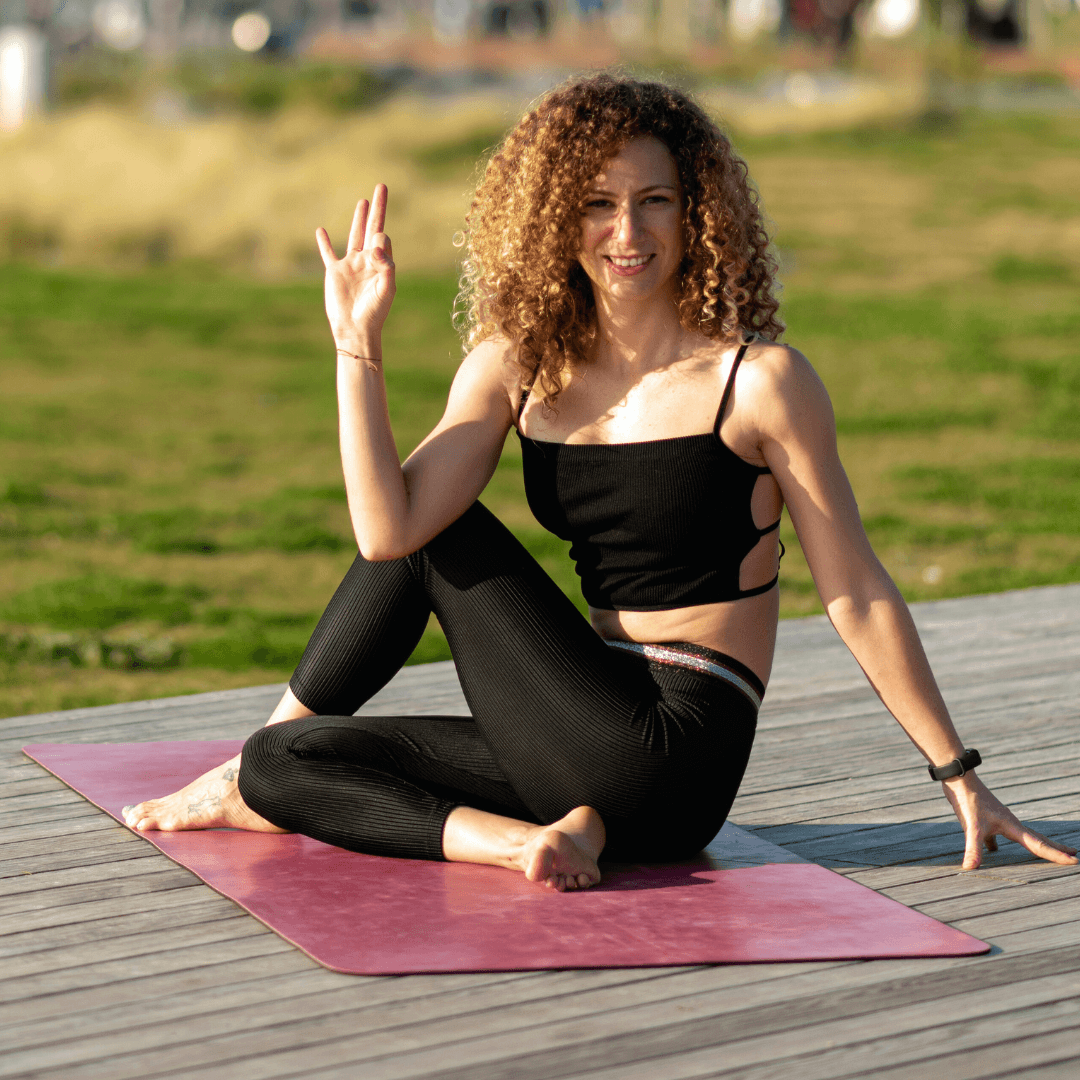
11. Half-Lord Of The Fishes Pose (Ardha Matsyendrasana)
The foot of the person seated across from you should be outside their thigh, with one leg extended straight and the other bent. Inhale, lengthening your spine, then twist your torso toward the bent knee, using your arm for leverage.
This pose stimulates digestion, improves spinal flexibility, and releases tension in the back and hips. It encourages mindfulness and helps alleviate stress, promoting relaxation and balance in the body.
FAQs
Q1: Can Yoga Help Me Relax?
Yes! Yoga combines movement, breathing, and meditation, which can help reduce anxiety, increase flexibility, and promote overall relaxation.
Q2: What Are Some Calming Herbal Teas?
Herbal teas such as chamomile, lavender, and peppermint are known for their calming effects, helping ease stress and promote relaxation.
Q3: How Often Should I Practice Relaxation Techniques?
Aim to practice relaxation techniques daily, even for a few minutes. Consistency is key to reaping the benefits.
Q4: Is Meditation Necessary For Relaxation?
While meditation is beneficial, it’s not essential. You can relax through various methods, such as deep breathing, gentle exercise, or simply enjoying a quiet moment.
Q5: How Can I Create A Calming Space At Home?
To create an environment conducive to relaxation and mindfulness, use soft lighting, add plants, play soothing music, and declutter your space.
Q6: Can I Relax While At Work?
Yes! Take brief pauses to stretch, practice deep breathing, or enjoy relaxing music. These activities can temporarily reduce stress and benefit you throughout the day.
Q7: How Can I Encourage Mindfulness In My Daily Life?
Start by incorporating mindful moments into everyday activities, like eating, walking, or washing dishes. Focus on the sensations and experiences in the present moment.
Conclusion
Natural methods to unwind and revitalize your body and mind can greatly improve your well-being. Remember that staying relaxed is essential to preserving equilibrium and good health, not a luxury.
As you experiment with these methods, give yourself the space and time to relax, tend to your inner self, and develop a closer relationship with the outside world and yourself. Accept the path to a calmer, more energetic version of yourself.
Natural Ways To Relax And Rejuvenate Your Mind And Body
I trust you enjoyed this article on the 20 Natural Ways To Relax And Rejuvenate Your Mind And Body. Please stay tuned for more inspiring guides, helpful tips, and ideas to help you live closer to nature every day.
Take care!
— JeannetteZ🌿
💬 Your Opinion Is Important To Me
Do you have thoughts, ideas, or questions? I’d love to hear from you. Please leave your comments below or email me directly at Jeannette@Close-To-Nature.org.
📚 More Nature-Inspired Reads
Explore more ways to connect with nature, nurture your pets, and live in harmony with the world around you 🌿