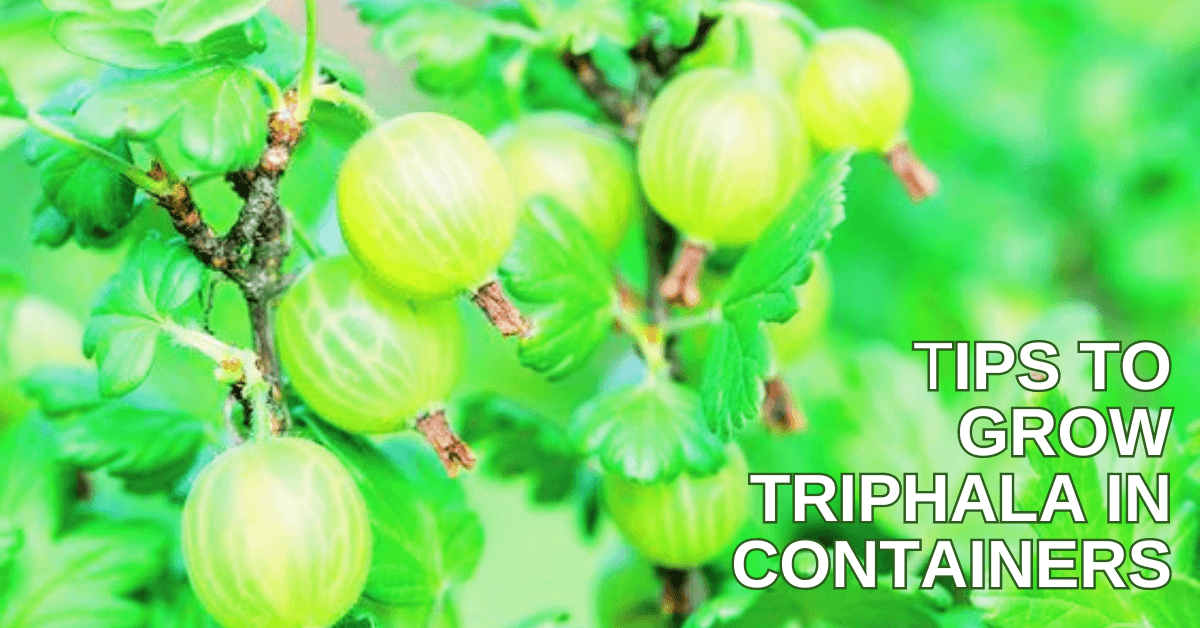
Best Tips To Grow Triphala In Containers

To grow Triphala in containers is to bring an ancient Ayurvedic tradition into your own home garden. Even with limited space, this powerful herbal blend can be cultivated successfully with thoughtful planning and care.
Triphala is a traditional formula made from three fruits — amla (Emblica officinalis), bibhitaki (Terminalia bellirica), and haritaki (Terminalia chebula). In Ayurveda, it is valued for supporting digestion, balance, and overall well-being.
This guide explains how to grow Triphala in containers, covering essential steps such as choosing the right container size, preparing suitable soil, ensuring proper sunlight, and maintaining consistent watering.
Whether you are an experienced gardener or just beginning your container gardening journey, growing these revered herbs can be both enriching and rewarding.
What Is Triphala?
For ages, India and other areas have utilized Triphala, a traditional Ayurvedic herbal concoction, for its medicinal benefits.
Triphala means “three fruits,” alluding to the recipe's three main components: Amalaki (Emblica officinalis), Bibhitaki (Terminalia bellirica), and Haritaki (Terminalia chebula).
These fruits all have different therapeutic advantages. The fruit amalaki, also known as Indian gooseberry, is rich in antioxidants and vitamin C, strengthening the immune system and facilitating digestion.
Bibhitaki, or Baheda, is valued for its astringent properties, which help to tone and cleanse the digestive tract. It also has the potential to promote respiratory health.
Haritaki, often called Harad, is renowned for its laxative and detoxifying effects, aiding digestion, detoxification, and overall wellness.
Together, these three fruits synergistically support various aspects of health, including digestion, detoxification, immune function, and overall well-being.
Triphala is commonly consumed as a powder or herbal supplement and used in traditional Ayurvedic formulations for various health conditions.
It is prized for its gentle yet effective nature, making it suitable for long-term use as a daily health tonic or for short-term cleansing and detoxification protocols.
Triphala's versatility and wide range of benefits have made it a staple in Ayurvedic medicine and a popular herbal remedy worldwide.
History Of Triphala Plants
The history of Triphala dates back thousands of years in the Indian subcontinent, rooted in the ancient system of Ayurveda.
Triphala, which translates to “three fruits” in Sanskrit, is a traditional herbal formulation composed of three key fruits: Amalaki (Emblica officinalis), Bibhitaki (Terminalia bellirica), and Haritaki (Terminalia chebula).
These fruits have been revered for their medicinal properties and therapeutic benefits in Ayurvedic medicine.
The origins of Triphala can be traced back to ancient Ayurvedic texts such as the Charaka Samhita and Sushruta Samhita, where it is described as a potent herbal remedy for promoting longevity, supporting digestion, detoxification, and enhancing overall health and well-being.
Over the centuries, Triphala has been extensively used by Ayurvedic practitioners for a wide range of health conditions, including gastrointestinal disorders, respiratory ailments, immune support, and as a general health tonic.
Empirical observations and clinical studies have documented its efficacy and safety, further solidifying its status as a cornerstone of Ayurvedic medicine.
Triphala's enduring popularity and widespread use attest to its remarkable efficacy and legacy as a revered herbal remedy that continues to benefit countless individuals seeking natural solutions for optimal health and wellness in the modern age.
Benefits Of Eating Triphala Daily
Eating Triphala daily offers a multitude of potential health benefits due to its rich composition of beneficial compounds from three fruits: Amalaki (Emblica officinalis), Bibhitaki (Terminalia bellirica), and Haritaki (Terminalia chebula). Some potential benefits of consuming Triphala daily include:
1. Gut Health Support
Triphala aids in maintaining a healthy gut environment by regulating bowel movements and promoting the growth of beneficial gut bacteria, essential for digestion and overall gastrointestinal health.
2. Enhanced Detoxification
Its natural detoxifying properties help the body eliminate accumulated toxins, support the liver's detoxification processes, and aid in removing waste.
3. Antioxidant Defence
The high antioxidant content of Triphala aids in the fight against oxidative stress, shielding cells from free radical damage and lowering the risk of chronic illnesses linked to inflammation and oxidative damage.
4. Immune System Boost
Regular consumption of Triphala strengthens the immune system, making the body more resilient to infections and illnesses by enhancing immune responses and promoting overall immune function.
5. Inflammation Reduction
Triphala's anti-inflammatory effects help alleviate inflammation, potentially relieving arthritis, gastritis, and inflammatory skin disorders.
6. Cardiovascular Support
By supporting healthy blood pressure, lowering blood lipid profiles, and regulating cholesterol levels, Triphala may help maintain heart health by lowering the risk of cardiovascular disorders.
7. Skin Rejuvenation
Triphala's detoxifying and antioxidant properties promote clearer, healthier skin by eliminating toxins, reducing inflammation, and combating signs of aging such as wrinkles and pigmentation.
8. Stress Management
Triphala's adaptogenic properties help the body cope with stress by regulating cortisol levels and promoting relaxation, contributing to better overall stress management and mental well-being.
9. Improved Nutrient Absorption
Triphala enhances the absorption and assimilation of nutrients from food, ensuring that the body receives adequate nutrition for optimal health and vitality.
10. Oral Health Maintenance
Triphala's antimicrobial and anti-inflammatory properties benefit oral health by reducing oral bacteria, preventing plaque buildup, supporting gum health, and promoting overall dental hygiene and fresh breath.
These points highlight the diverse health benefits of regular Triphala consumption, making it a valuable addition to a holistic wellness regimen.
Turn Your Passion for Nature Into Income
🌿 Whether you love gardening, caring for animals, or exploring holistic living,
You can share your knowledge online and earn from it.
Discover how nature lovers are growing their passions into meaningful, income-generating blogs. 👇
Introducing The Tips To Grow Triphala In Containers
Growing Triphala in containers can be a rewarding experience, providing access to this powerful herbal remedy even in limited space. Here are some tips to help you successfully cultivate Triphala in containers:
1. Container Selection To Grow Triphala Plants
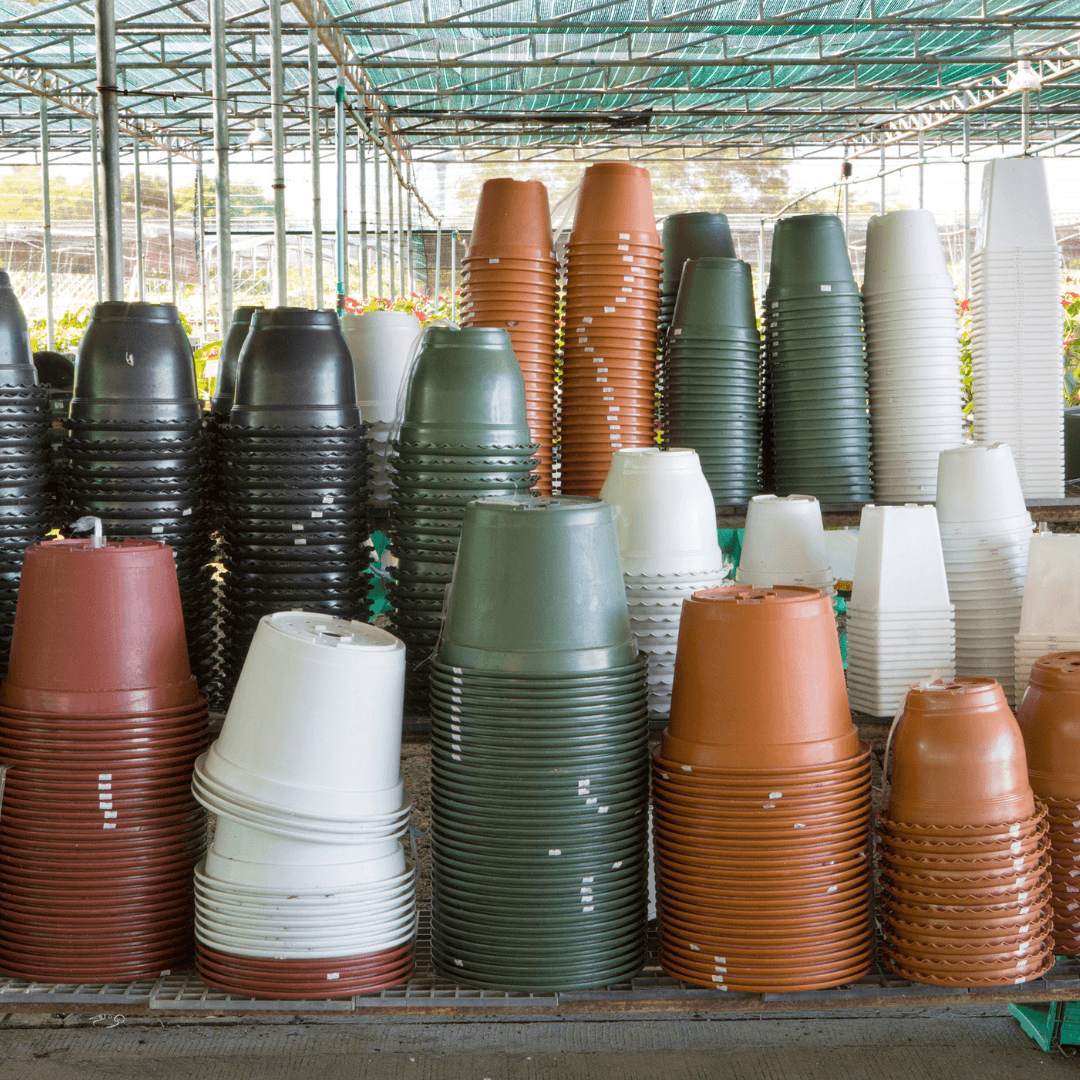
Container selection is a fundamental aspect of tips to grow Triphala in containers, as choosing a large container with ample drainage holes and suitable dimensions promotes healthy root development and overall plant productivity.
Use a large container with many drainage holes to ensure proper water drainage and avoid waterlogging, which can lead to root rot.
A container at least 18 inches in diameter and 12 inches deep is ideal for allowing the Triphala plants' root systems to spread out and flourish. This ample space allows for healthy root development, which is essential for the plant's overall growth and productivity.
Additionally, choosing a container made of durable materials like plastic, ceramic, or terracotta ensures longevity and stability. Consider the container's aesthetic appeal as well, as it can add to the overall ambiance of your garden or indoor space.
Prioritize functionality and practicality when selecting the container, ensuring it meets the specific requirements of Triphala cultivation, including size, drainage, and durability.
With the right container, you can create an optimal environment for Triphala plants to thrive and flourish.
2. Soil To Grow Triphala In Containers
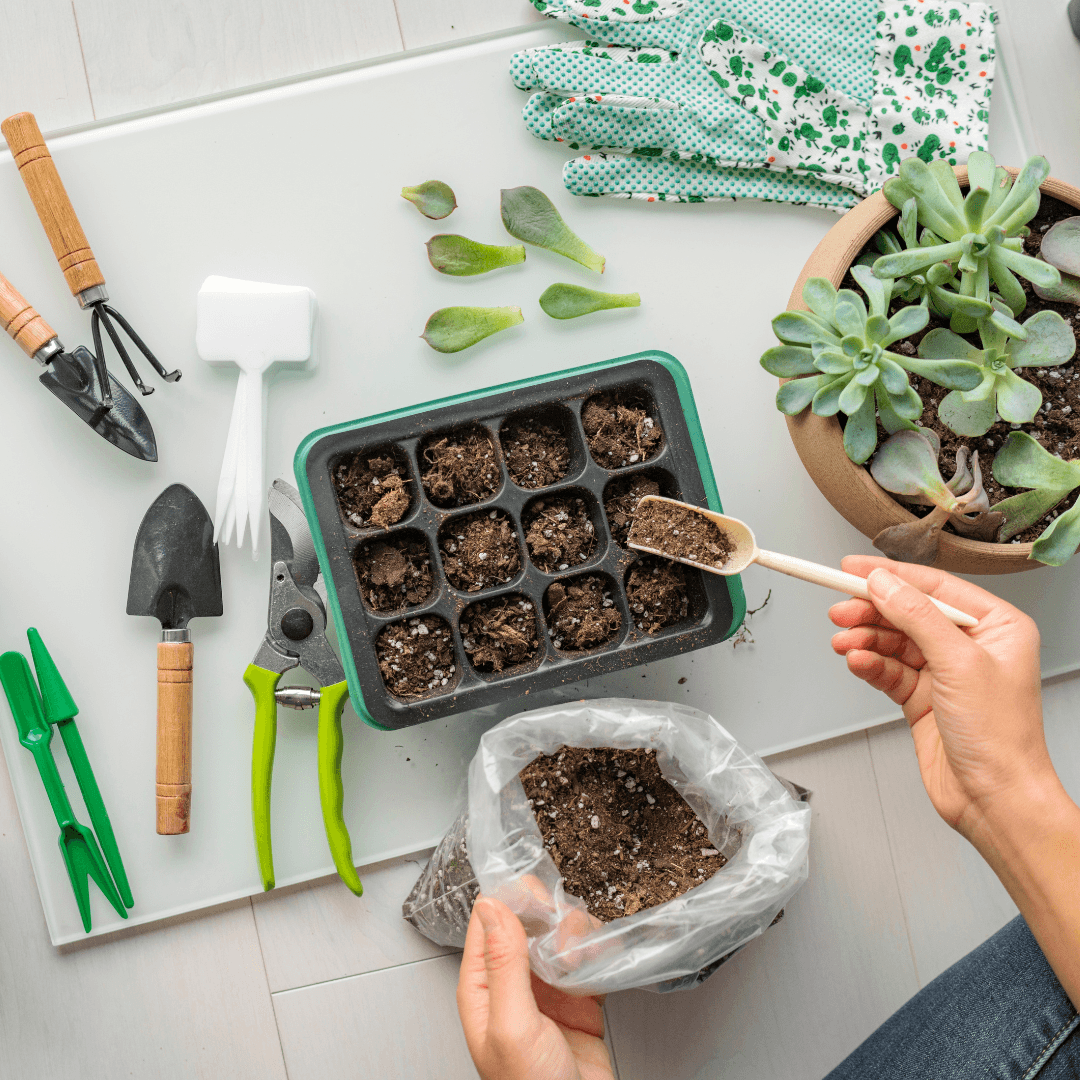
Selecting the appropriate potting mix is crucial for growing Triphala in containers. You can ensure healthy root development and optimal growth by choosing a well-draining blend rich in organic matter specifically formulated for herbs or vegetables.
Select soil that drains well and is high in organic matter to supply vital nutrients and encourage strong root growth.
A blend specifically formulated for herbs or vegetables is ideal for Triphala, as it typically provides the right balance of nutrients and organic matter needed for optimal growth.
Ensuring the potting mix is loose and friable is crucial, allowing for proper aeration and drainage. This loose texture makes it easier for roots to penetrate, minimizing waterlogging, root rot, and other moisture-related problems.
Additionally, selecting a potting mix that retains moisture while allowing excess water to drain away ensures that the Triphala plants receive adequate hydration without becoming waterlogged.
Prioritize the quality of the potting mix to provide the best growing environment for your Triphala plants, promoting robust growth and maximum yield.
3. Sunlight Requirements For Triphala Plants
Proper sunlight exposure is essential for the healthy growth and development of Triphala plants in containers. Sunlight requirements are crucial tips for growing Triphala in containers, ensuring the plants receive at least 6-8 hours of sunlight daily for healthy development.
Triphala thrives in full sunlight, which provides the energy needed for photosynthesis and overall plant vitality. When growing Triphala indoors, it's crucial to position the container near a south-facing window to maximize sunlight exposure.
Windows facing south receive the most sunshine during the day, guaranteeing that the plants receive enough light for healthy growth.
If a south-facing window is unavailable, consider using supplemental grow lights to provide sufficient light for the Triphala plants.
Ensuring adequate sunlight exposure allows Triphala plants to develop strong stems, vibrant foliage, and abundant fruits, maximizing their medicinal and therapeutic properties.
By prioritizing sunlight requirements, you can create an ideal growing environment for Triphala plants, promoting their health and productivity in containers.
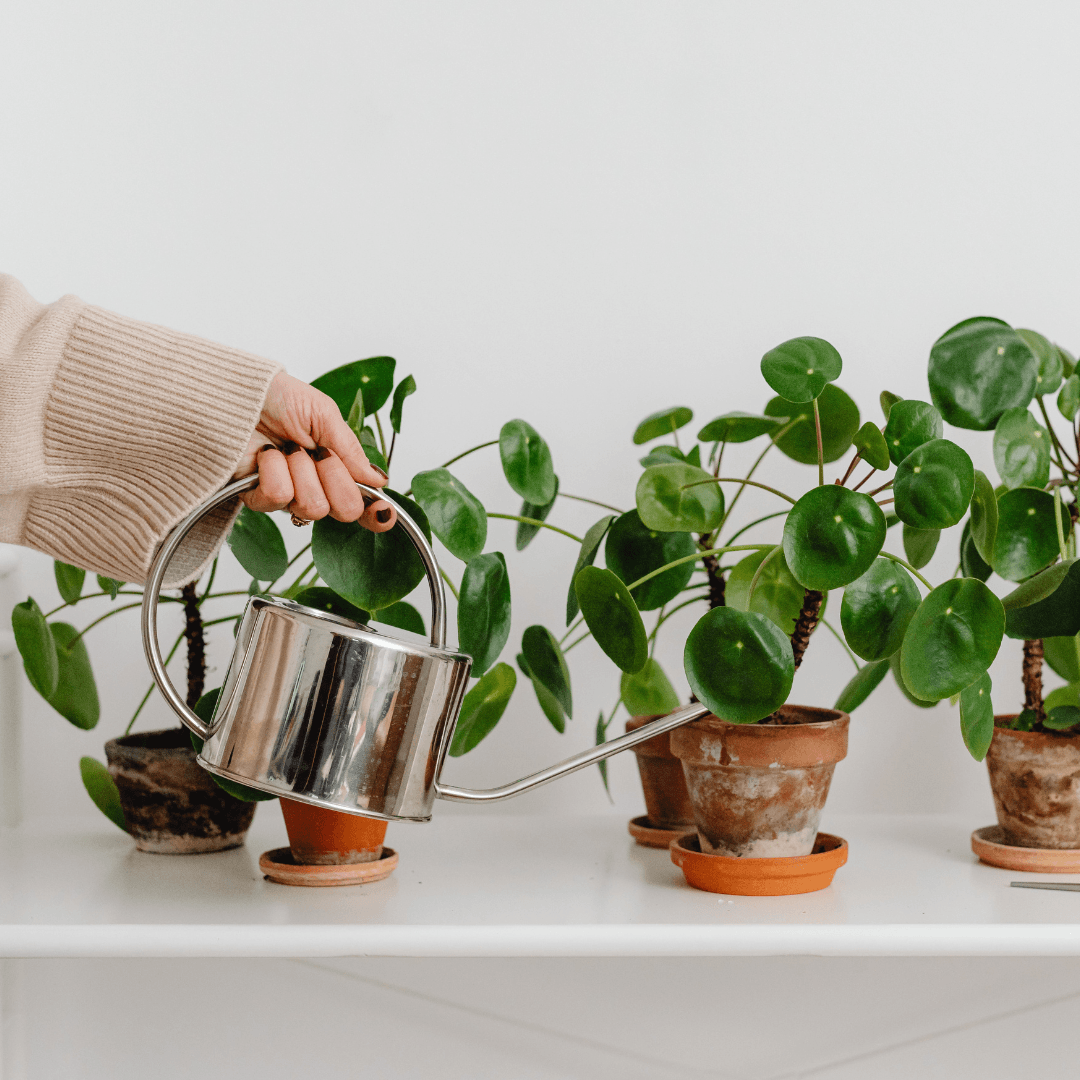
4. Watering Routine To Grow Triphala In Containers
A watering routine is crucial to tips for growing Triphala in containers. It ensures consistent moisture levels while preventing issues like root rot by avoiding waterlogging and by regularly monitoring soil moisture.
Maintaining a constant soil moisture level is crucial, but too much moisture can cause root rot and other problems. Water the plants as soon as the top inch of soil feels dry to the touch, and check the soil moisture frequently.
This keeps the plants from getting too wet and guarantees that they get enough moisture. When watering, apply water uniformly to the soil surface to ensure complete saturation and prevent excessive runoff.
Ensure the container has the appropriate drainage holes to allow excess water to drain freely. This prevents water from pooling at the bottom of the container and promotes healthy root growth.
Avoid overwatering, as it can deprive the roots of oxygen and lead to root suffocation. Maintaining a balanced watering routine and ensuring proper drainage can provide the ideal growing conditions for Triphala plants in containers, promoting their health and vitality.
5. Pruning And Maintenance To Grow Triphala In Containers
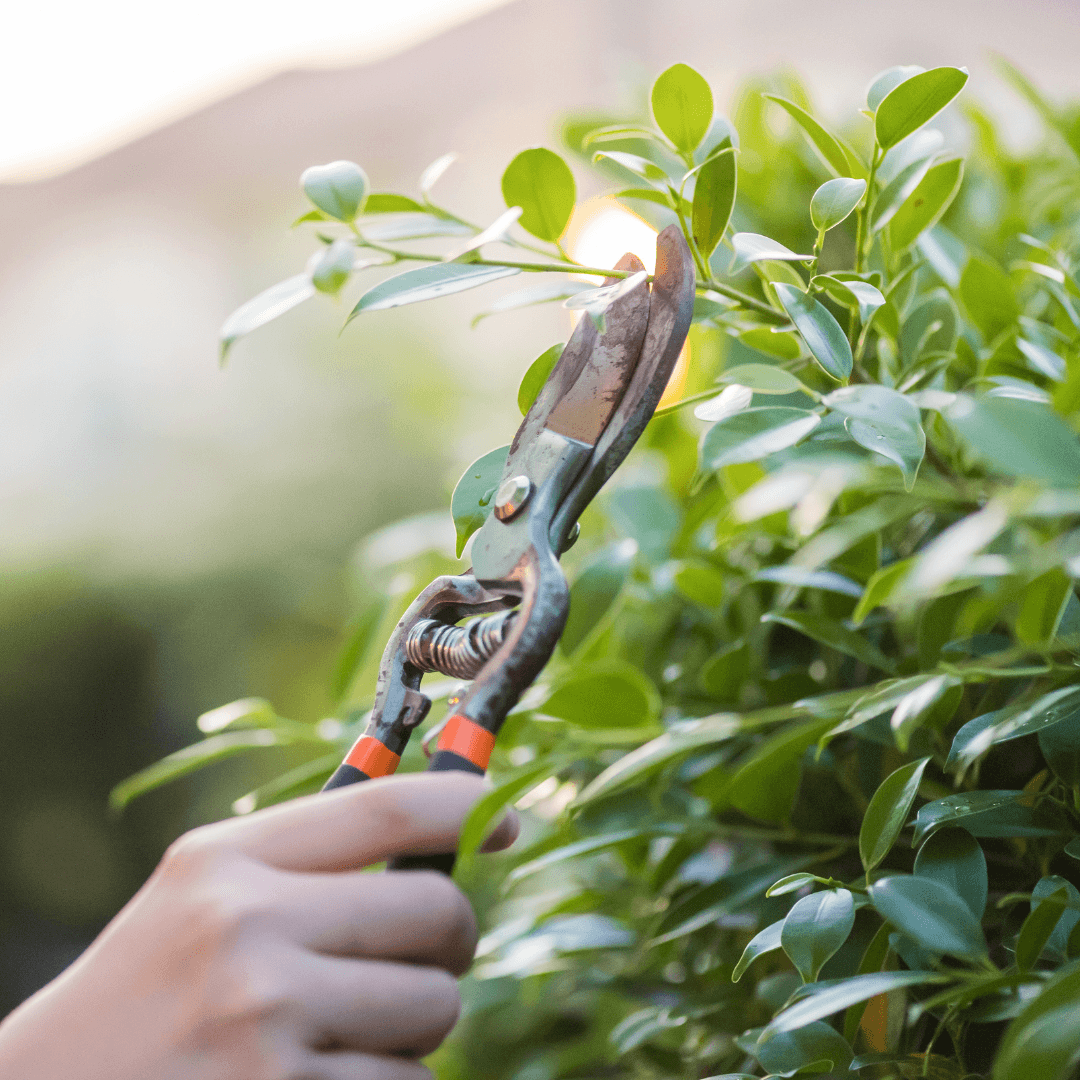
Pruning and maintenance are essential tips for growing Triphala in containers. They ensure the health and vigour of the plants by promoting compact growth, preventing overcrowding, and promptly addressing pest and disease issues to prevent further plant damage.
Regular pruning helps maintain the plant's shape and size, promoting compact growth and preventing overcrowding.
Removing dead, damaged, or diseased foliage promptly is advisable to prevent the spread of pests and diseases and encourage new growth.
Monitoring for pests such as aphids, mites, scale insects, and diseases like powdery mildew or leaf spot.
Address pest or disease issues promptly using organic pest control methods or appropriate fungicides to prevent further plant damage.
To ensure the best possible health for the plants, you should also routinely check them for signs of nutritional deficiencies, such as yellowing leaves or stunted growth, and adjust fertilization as needed.
By incorporating regular pruning and maintenance into your care routine, you can ensure that your Triphala plants remain healthy, productive, and free from pests and diseases, maximizing their potential for medicinal and therapeutic use.
6. Fertilization Of Triphala Plants
Fertilization ensures the robust growth and development of Triphala plants cultivated in containers.
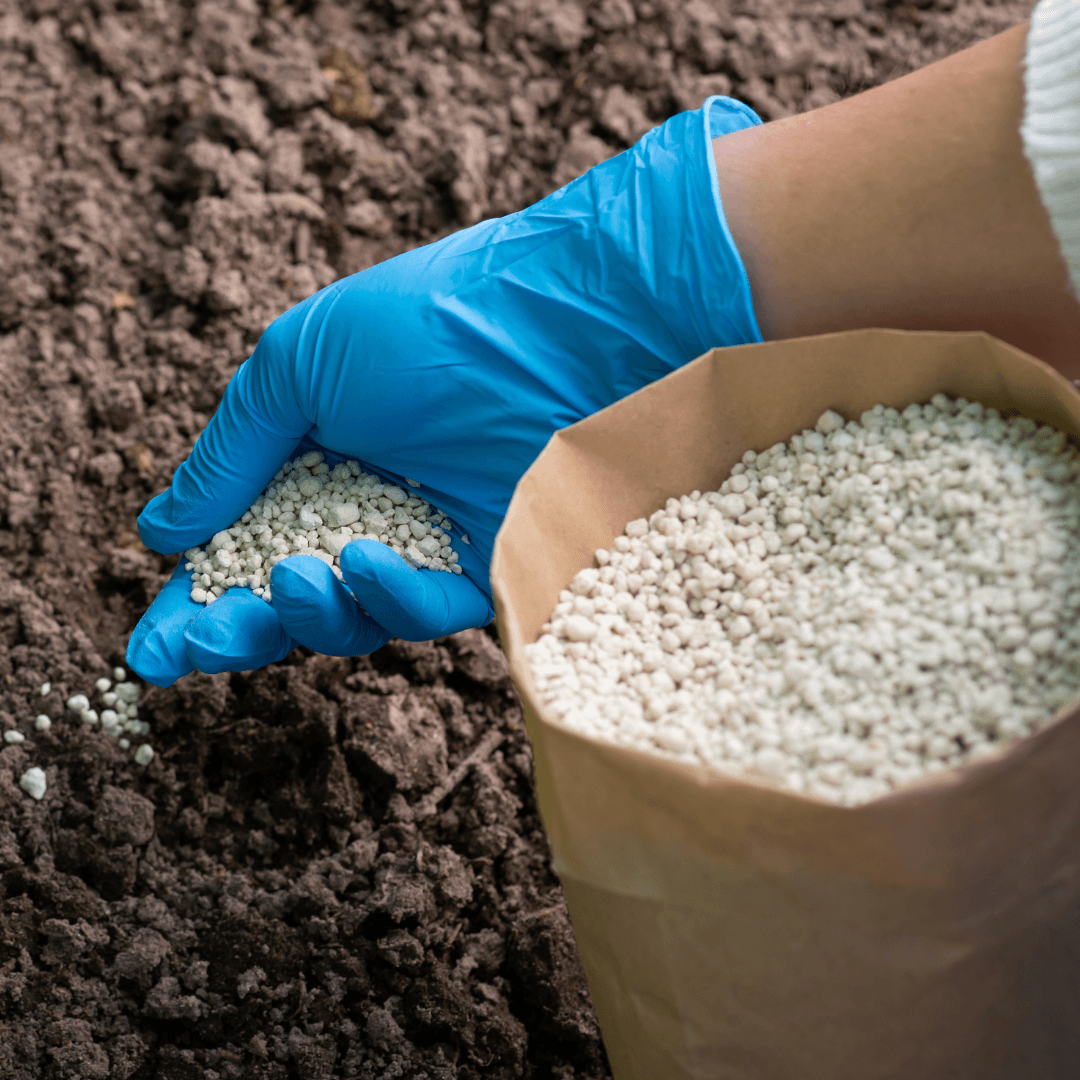
Fertilization is a vital tip for growing Triphala in containers. Apply a balanced, water-soluble fertilizer diluted to half strength every 4-6 weeks during the growing season to ensure robust growth and development.
This regular fertilization regimen supplies essential nutrients, including nitrogen, phosphorus, and potassium, for healthy plant growth and fruit development.
Diluting the fertilizer to half strength helps prevent over-fertilization, which can lead to nutrient imbalances or burn the plant's roots.
Applying fertilizer at regular intervals ensures that the Triphala plants receive a steady supply of nutrients throughout the growing season, promoting strong stems, lush foliage, and abundant fruit production.
Additionally, it's essential to water the plants thoroughly after fertilization to distribute nutrients evenly throughout the soil and prevent fertilizer burn.
By incorporating regular fertilization into your care routine, you can support Triphala plants' overall health and vitality, maximizing their potential for medicinal and therapeutic benefits.
7. Propagation Of Triphala Plants
Propagation offers a way to expand your Triphala garden and ensure a continuous supply of plants.
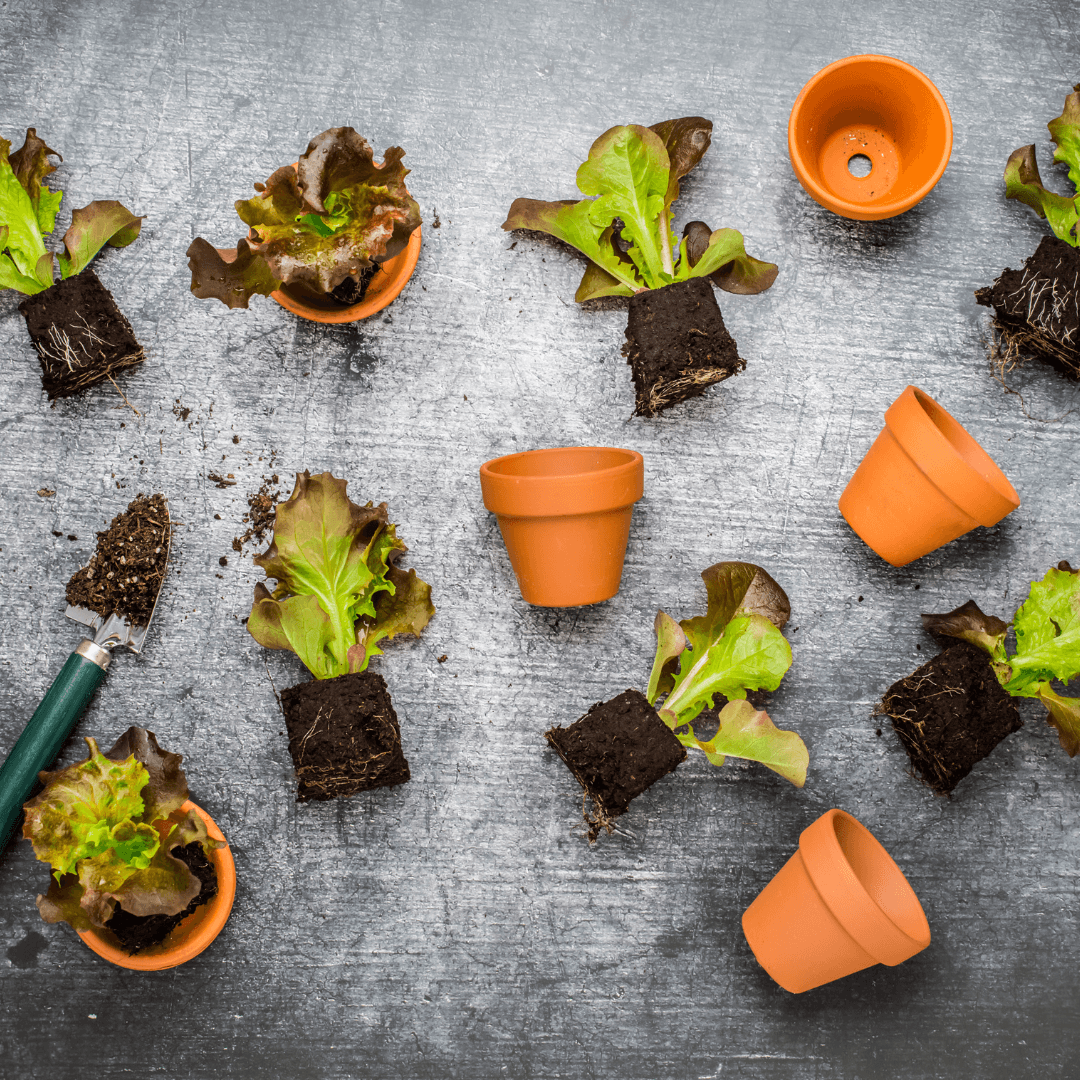
Triphala plants can be propagated through seeds or stem cuttings. To proliferate from seeds, gather mature fruits, remove the seeds, and then plant the seeds in seed trays with a potting mix that drains properly.
Until the seeds sprout, ensure the soil is moist and receives indirect sunshine. When seedlings have produced multiple sets of genuine leaves, they are ready to be moved into separate containers.
Alternatively, stem cuttings taken from healthy plants can produce Triphala plants. Chop off the lower leaves of a healthy stem by cutting it just below a leaf node.
If desired, place the cutting in water or a rooting medium after dipping the cut end in the rooting hormone.
Until roots form, keep the cutting in an indirect light, warm, and humid atmosphere. Once roots have formed, move the cutting into a container filled with soil.
Propagated Triphala plants can thrive and provide a bountiful harvest with patience and proper care.
8. Rotate Containers With Triphala Plants
Rotating containers is a valuable tip for growing Triphala in containers. By providing adequate sunlight and airflow to all sides of the plants, you can ensure uniform growth and prevent root binding.
By periodically rotating the containers, you can ensure that all sides of the plants receive adequate sunlight and airflow, promoting even growth and preventing imbalances.
This practice helps mitigate the risk of certain parts of the plant receiving more sunlight or airflow than others, leading to uneven growth or blocking essential nutrients.
Additionally, rotating the containers prevents roots from becoming tightly bound to one side of the container, promoting healthy root development and preventing potential root suffocation.
To implement this technique, rotate the containers every few days or weeks, ensuring that each side of the plant receives equal exposure to sunlight and airflow.
Incorporating container rotation into your care routine is one of the crucial tips for growing Triphala in containers, optimizing growing conditions for healthier, more robust plants and a bountiful harvest by ensuring equal exposure to sunlight and airflow on all sides of the plant.
9. Companion Planting For Triphala Plants
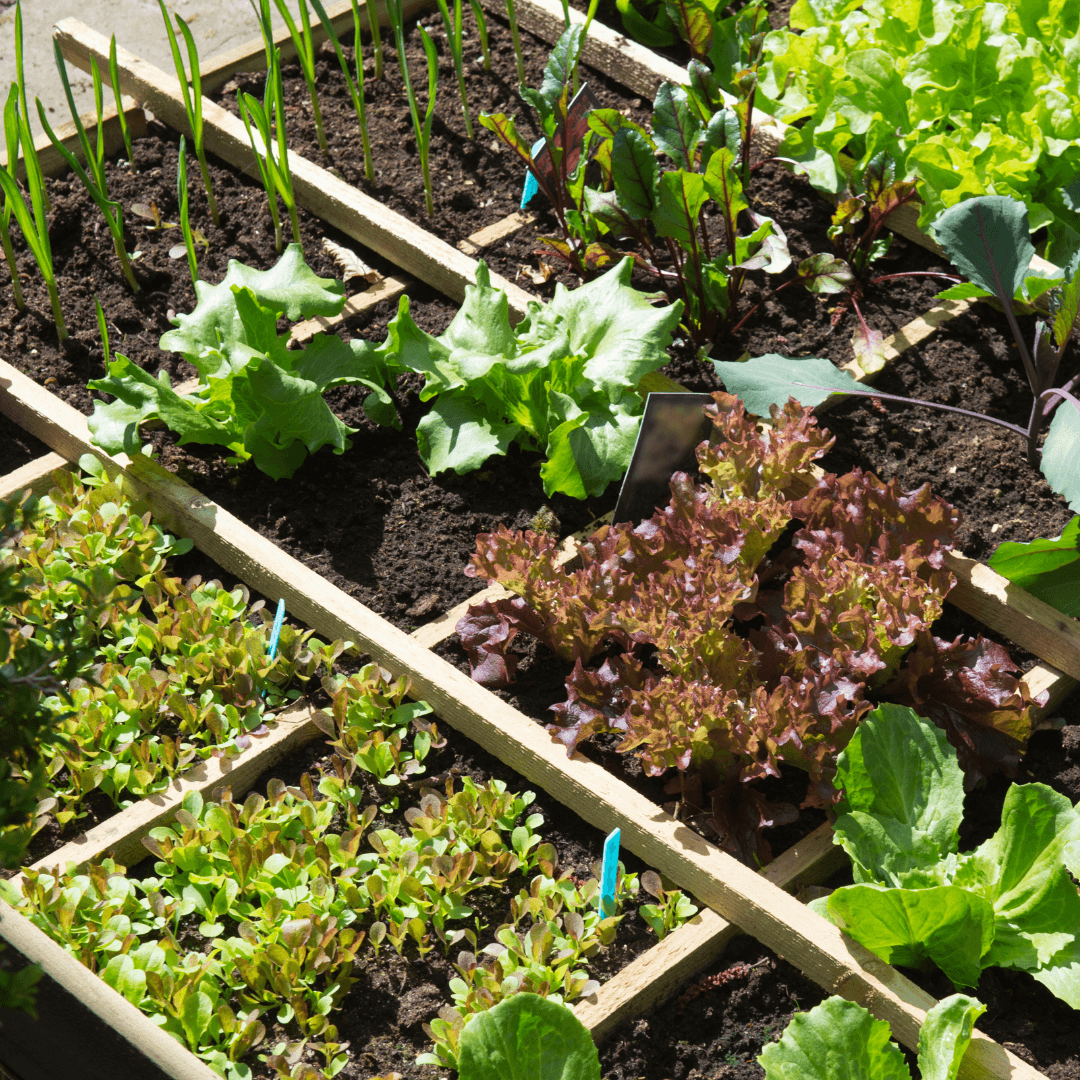
Companion planting can naturally and successfully boost the health and productivity of Triphala plants. It also contributes to developing a balanced garden environment.
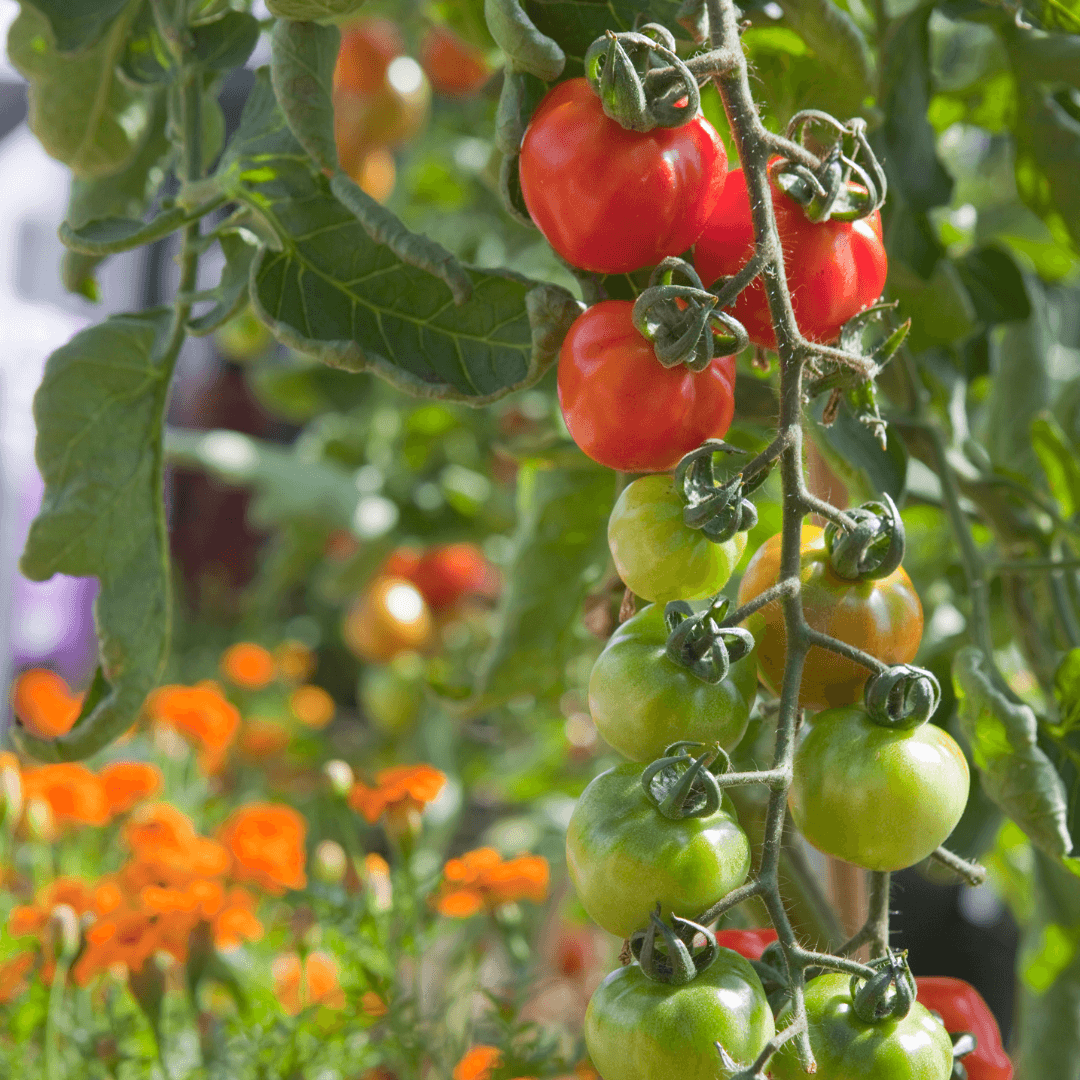
Triphala plants benefit from the pollination of bees and butterflies, which is why planting beneficial herbs or flowers like marigolds or basil beside them can draw these pollinators and enhance fruit output.
Furthermore, some companion plants—including basil and marigolds—emit naturally occurring substances that ward off pests like nematodes, whiteflies, and aphids, decreasing the chance of pest infestations and the requirement for chemical pesticides.
Furthermore, companion plants can enhance soil health by fixing nitrogen, improving soil structure, and suppressing weeds, ultimately benefiting Triphala plants' overall health and vigour.
When selecting companion plants, consider their compatibility with Triphala's growing requirements and choose varieties that thrive in similar conditions.
By incorporating companion planting into your Triphala garden, you can create a biodiverse and resilient ecosystem that fosters healthy plant growth and maximizes yields while minimizing reliance on synthetic inputs.
10. Harvesting Of Triphala Fruits
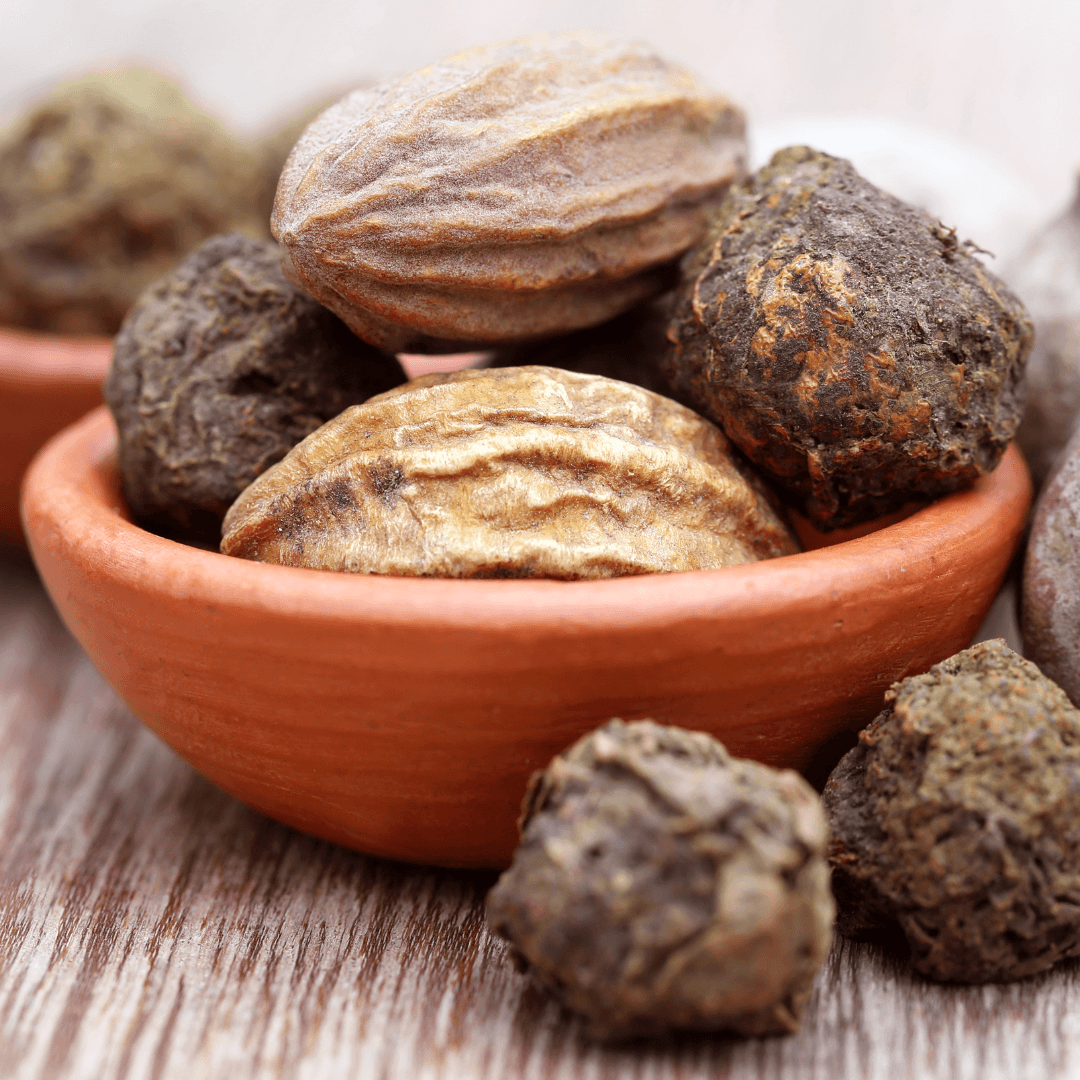
Harvesting Triphala fruits is critical in maximizing their medicinal potency and ensuring a plentiful yield. Typically ripe in late summer to early autumn, Triphala fruits should be harvested when they have attained their characteristic colour and aroma.
Using scissors or pruning shears, carefully cut the ripe fruits from the plant to avoid damaging the stems or surrounding foliage.
Handling the fruits gently is essential to prevent bruising or premature spoilage. Allow unripe fruits to remain on the plant and ripen until maturity.
Harvested fruits can be dried in a well-ventilated area away from direct sunlight to preserve their medicinal properties for long-term storage.
Proper harvesting techniques ensure the highest quality of Triphala fruits and promote plant health and productivity for future harvests. Following these guidelines, you can enjoy a bountiful harvest of Triphala fruits rich in therapeutic benefits.
Conclusion
In conclusion, embracing the tips for growing Triphala in containers opens the door to a rewarding journey of herbal wellness.
It enables enthusiasts to harness the full potential of Triphala's medicinal properties within the convenience of their own homes or balconies.
By embracing the tips outlined in this guide, enthusiasts can unlock the full potential of Triphala's medicinal properties within their homes or balconies.
As these plants flourish and bear their coveted fruits, practitioners can harvest nature's bounty, tapping into centuries-old remedies for digestive health, immune support, and overall well-being.
Through the symbiotic relationship between gardener and plant, growing Triphala in containers becomes not just a horticultural endeavour but a pathway to holistic healing and connection with the wisdom of nature.
I trust you enjoyed this article on the Best Tips To Grow Triphala In Containers. Please stay tuned for more inspiring guides, helpful tips, and ideas to help you live closer to nature every day.
Take care!
— JeannetteZ🌿
💬 Your Opinion Is Important To Me
Do you have thoughts, ideas, or questions? I’d love to hear from you. Please leave your comments below or email me directly at Jeannette@Close-To-Nature.org.
📚 More Nature-Inspired Reads
Explore more ways to connect with nature, nurture your pets, and live in harmony with the world around you 🌿