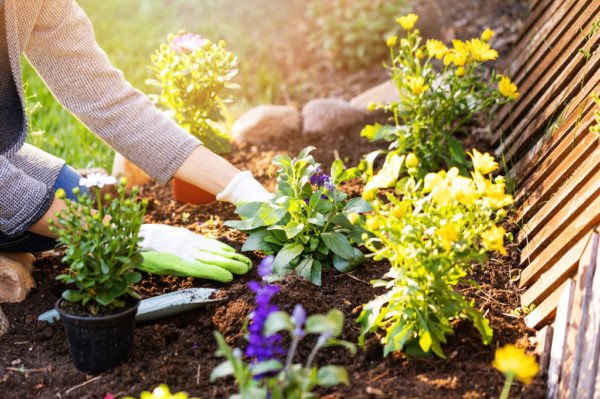
Amazing Garden Ideas For Vegetables To Boost Your Harvest

Transform your garden into a productive vegetable paradise with creative and efficient ideas to boost your harvest.
Explore these innovative garden ideas for vegetables to transform your space into a fruitful paradise, promoting growth and increasing your harvest with creative techniques like companion planting, vertical gardening, and raised beds.
Let’s dive into some fantastic garden ideas to elevate your vegetable garden!
Exploring Garden Ideas For Vegetables
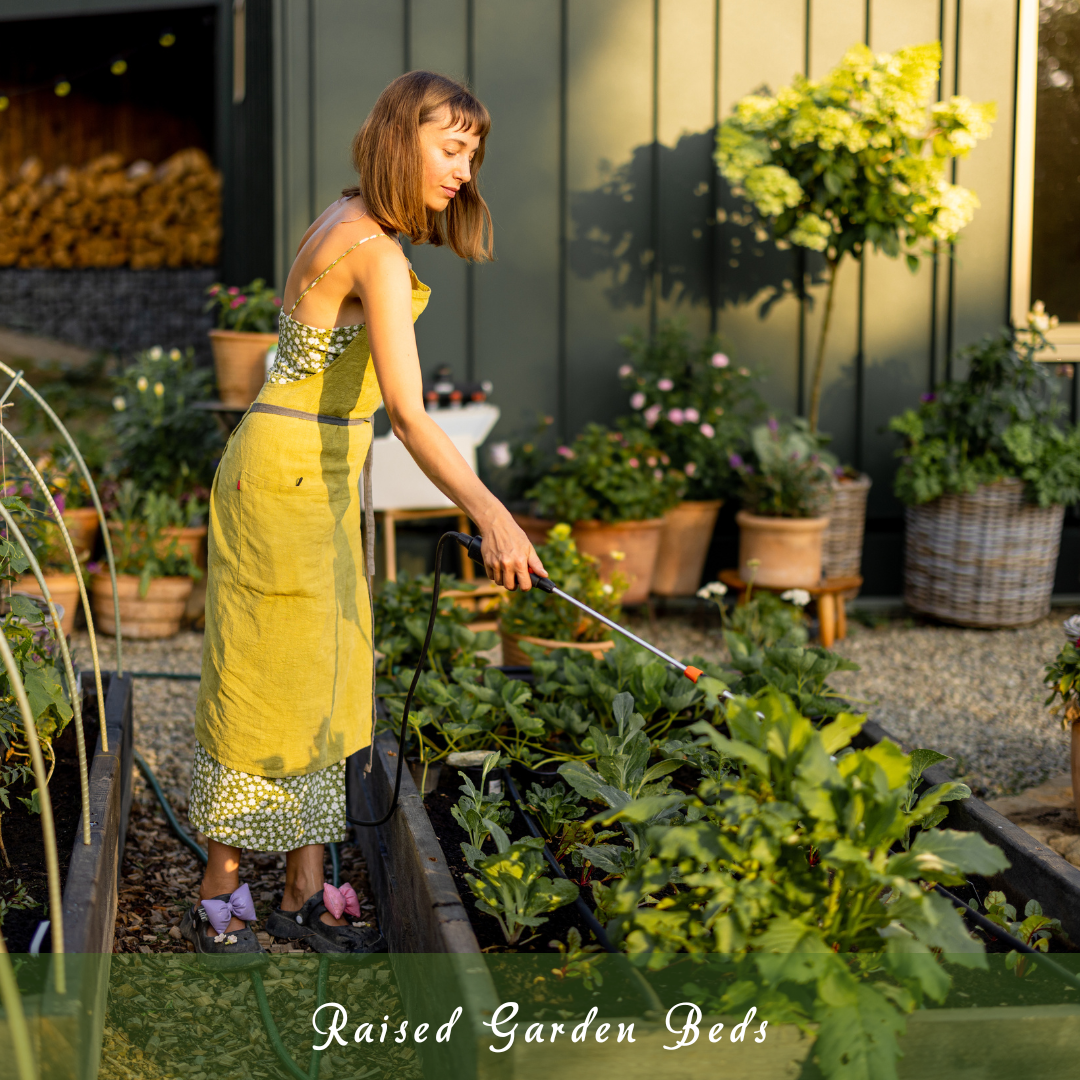
1. Raised Garden Beds
Raised beds are among the most popular vegetable gardening choices. They provide better soil drainage, reduce weed growth, and simplify garden maintenance.
Benefits
The advantages of raised beds are more outstanding soil quality, increased accessibility for gardeners with mobility impairments, and improved drainage (which lowers root rot).
They also help control pests and weeds, extend the growing season, and provide an aesthetically pleasing garden design. Studies show that raised beds can increase yields by up to 30%.
Techniques
Raised bed techniques include essential boxes for simple planting, lasagna gardening for nutrient-rich soil without digging, and hugelkultur (Hügelkultur=hill or mound culture) for moisture retention.
Terraced beds control erosion, self-watering systems maintain consistent moisture, and vertical planting, like trellises, maximizes space—ideal for growing tomatoes or cucumbers.
Ideal Vegetables
Ideal vegetables for raised beds include tomatoes, which require deep soil and support; leafy greens like lettuce, spinach, and kale for continuous harvesting; carrots for deep, loamy soil; and radishes for quick growth. Zucchini, bell peppers, cucumbers, and herbs like basil and parsley also thrive in such environments.
2. Container Gardening
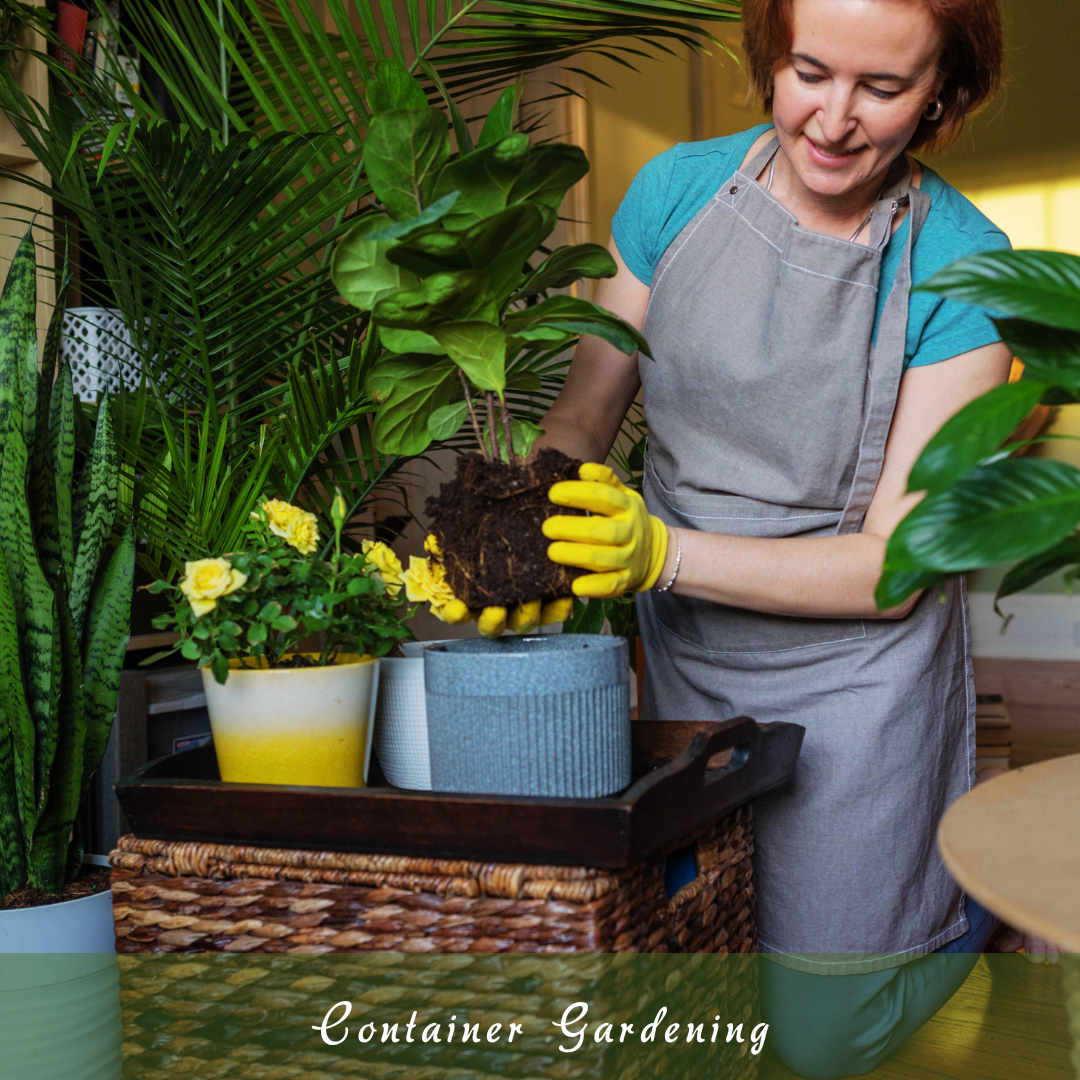
If you’re short on space, container gardening is an excellent alternative. You can grow vegetables in pots, buckets, or any container with proper drainage.
Benefits
Raised garden beds are one of the top vegetable gardens. They are a space-efficient solution that enhances plant health and growth in small urban areas.
Their portability allows for better sunlight exposure, improving plant health. They also accommodate vegetables, herbs, and flowers, offering an efficient and visually appealing gardening solution.
Techniques
Select depths that promote healthy growth. Use peat-based soil for optimal container gardening. Fertilize frequently to restore nutrients. Ensure containers have drainage holes to prevent root rot and waterlogging.
Ideal Vegetables
Container gardening is ideal for growing compact vegetables like cherry tomatoes and peppers, which thrive in pots. Spinach and herbs such as basil, thyme, and parsley also do well in containers, offering easy access and space-saving options for small gardens.
3. Vertical Gardens
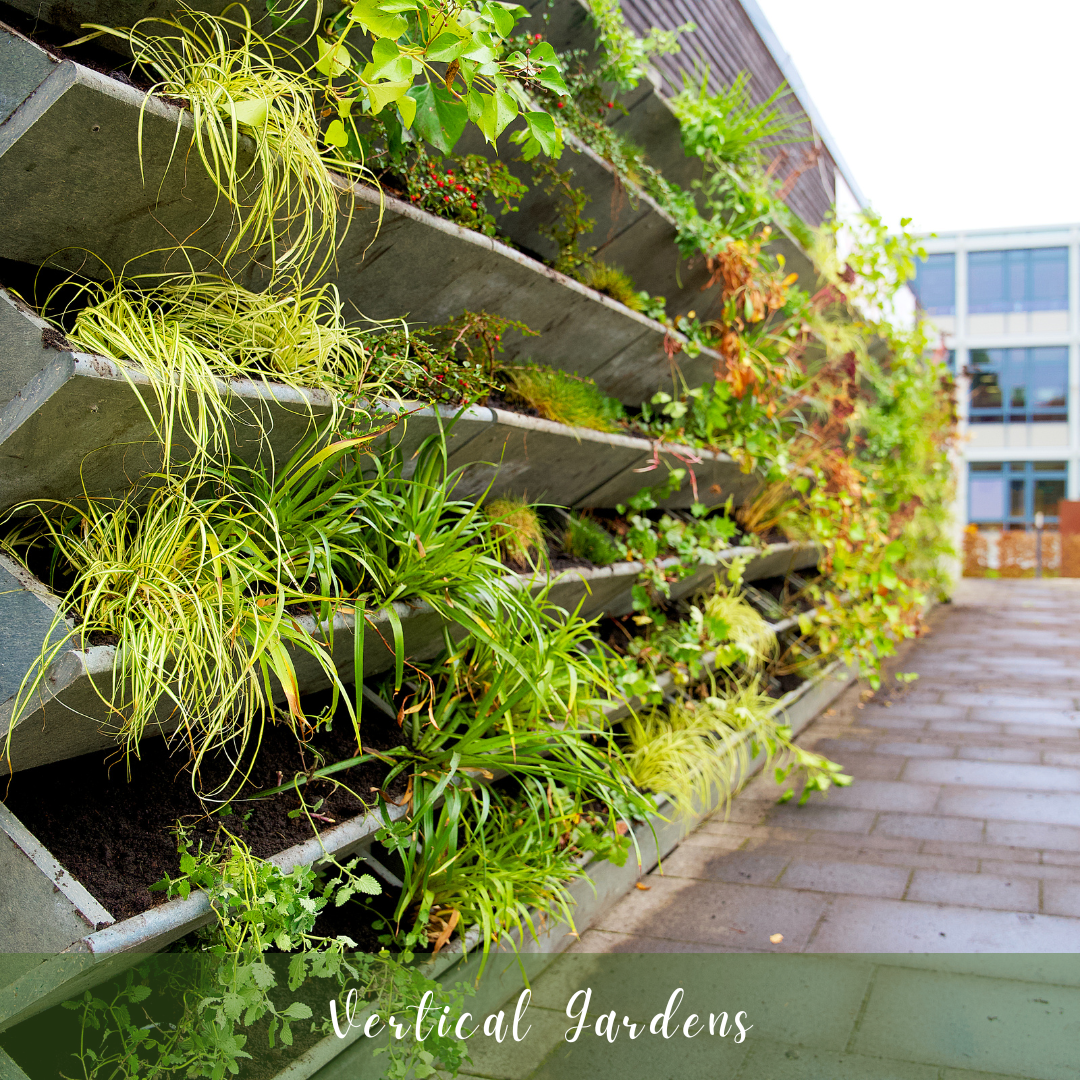
Maximize your garden space by growing vegetables vertically. Vertical gardens work well in urban settings, transforming walls or fences into lush green spaces.
Benefits
Vertical gardening can save up to 80% of space, making it ideal for small or urban gardens. Improved air circulation reduces plant diseases by up to 30%, while the ability to harvest and maintain plants more easily boosts gardening efficiency by 25%, enhancing productivity and accessibility.
Techniques
Trellises can optimize vertical space by supporting climbing plants like cucumbers, beans, and peas. Wall planters or pocket gardens are ideal for growing leafy greens such as lettuce and herbs such as basil. Repurpose wooden pallets to create rustic garden frames for flowers, succulents, or compact vegetables.
Ideal Vegetables
Ideal vertical garden vegetables include cucumbers, pole beans, and peas, which grow tall and yield abundantly. Small herbs like oregano and mint thrive in tight spaces and offer quick, continuous harvests.
4. Square Foot Gardening
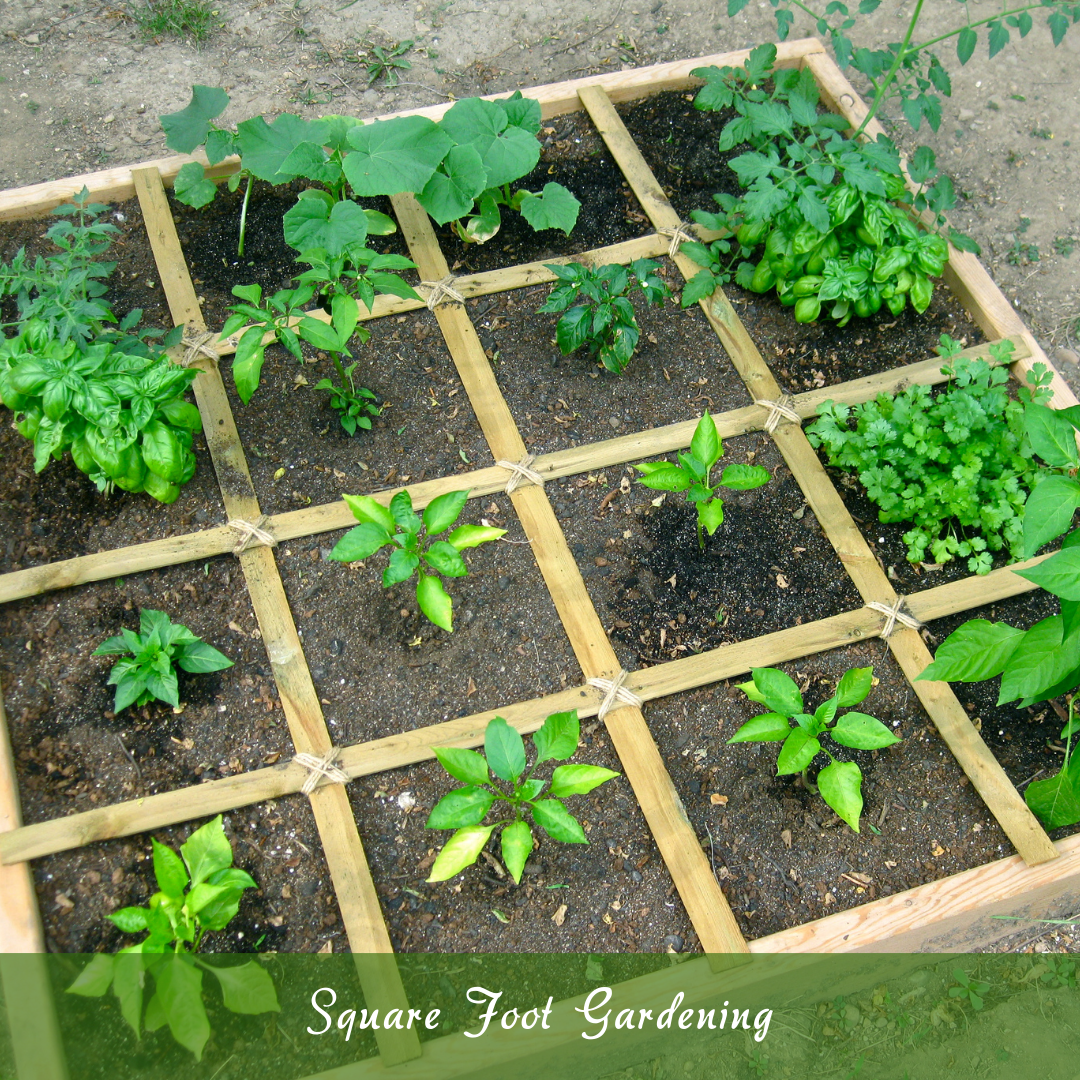
Square-foot gardening is one of the best vegetable gardening ideas. Organizing the garden into square-foot sections can efficiently maximize productivity in small spaces. Divide your garden into square-foot sections and assign specific vegetables to each square.
Benefits
Vertical gardening is easy to manage and weed, reducing maintenance time by up to 50%. It maximizes space, increasing yield by up to 80% in small areas. This method is perfect for beginner gardeners, as it simplifies plant care and harvesting.
Techniques
Practical vegetable garden ideas include planting in a grid system and incorporating compost. These ensure optimal spacing, soil fertility, and crop rotation for improved yields and pest management.
Adding compost and organic matter, like shredded leaves or kitchen scraps, enriches the soil and enhances fertility. Crop rotation, such as alternating tomatoes with legumes, helps prevent nutrient depletion and reduce pest buildup.
Ideal Vegetables
Carrots and radishes thrive in loose, deep soil for proper root development. Lettuce proliferates, perfect for consecutive harvests. A mix of fast—and slow-growing plants ensures year-round yield and variety.
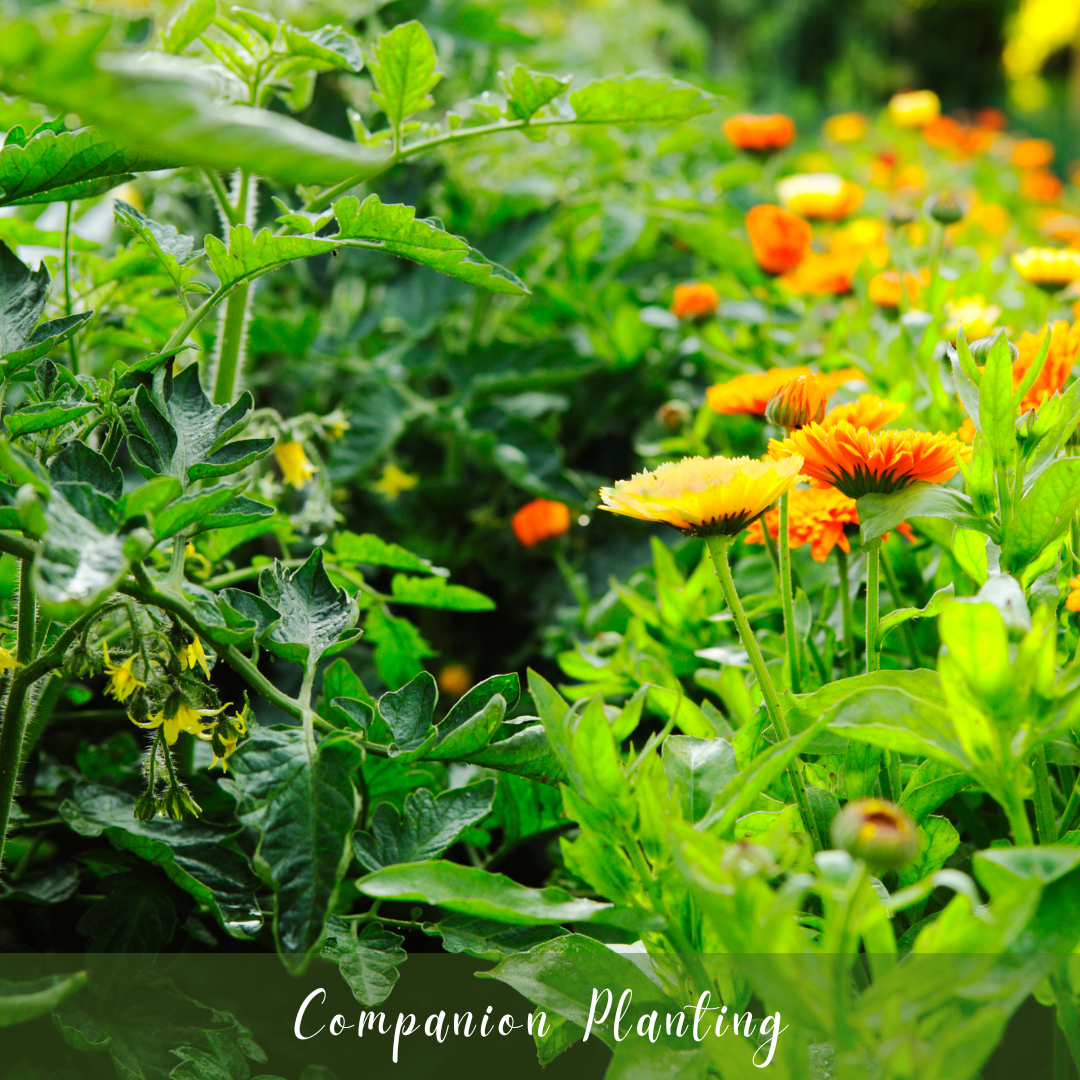
5. Companion Planting
Companion planting involves growing vegetables alongside plants that complement their growth. This technique helps deter pests, improve soil health, and boost yields.
Benefits
Companion planting is a practical vegetable garden that reduces pest damage, enhances flavour, and maximizes space through plant synergy. Studies have shown that companion-planted crops have up to 25% higher nutrient content.
Techniques
Group tomatoes with basil to enhance growth and flavour while deterring pests. Avoid planting beans near onions, as they can inhibit each other’s growth.
Incorporate flowers like marigolds and herbs like lavender to attract pollinators and beneficial insects, promoting a healthy garden ecosystem.
Ideal Vegetables
Basil enhances tomato flavour and repels pests, so tomatoes and basil go well together—squash, corn, beans protect carrots, and onions keep carrot flies away.
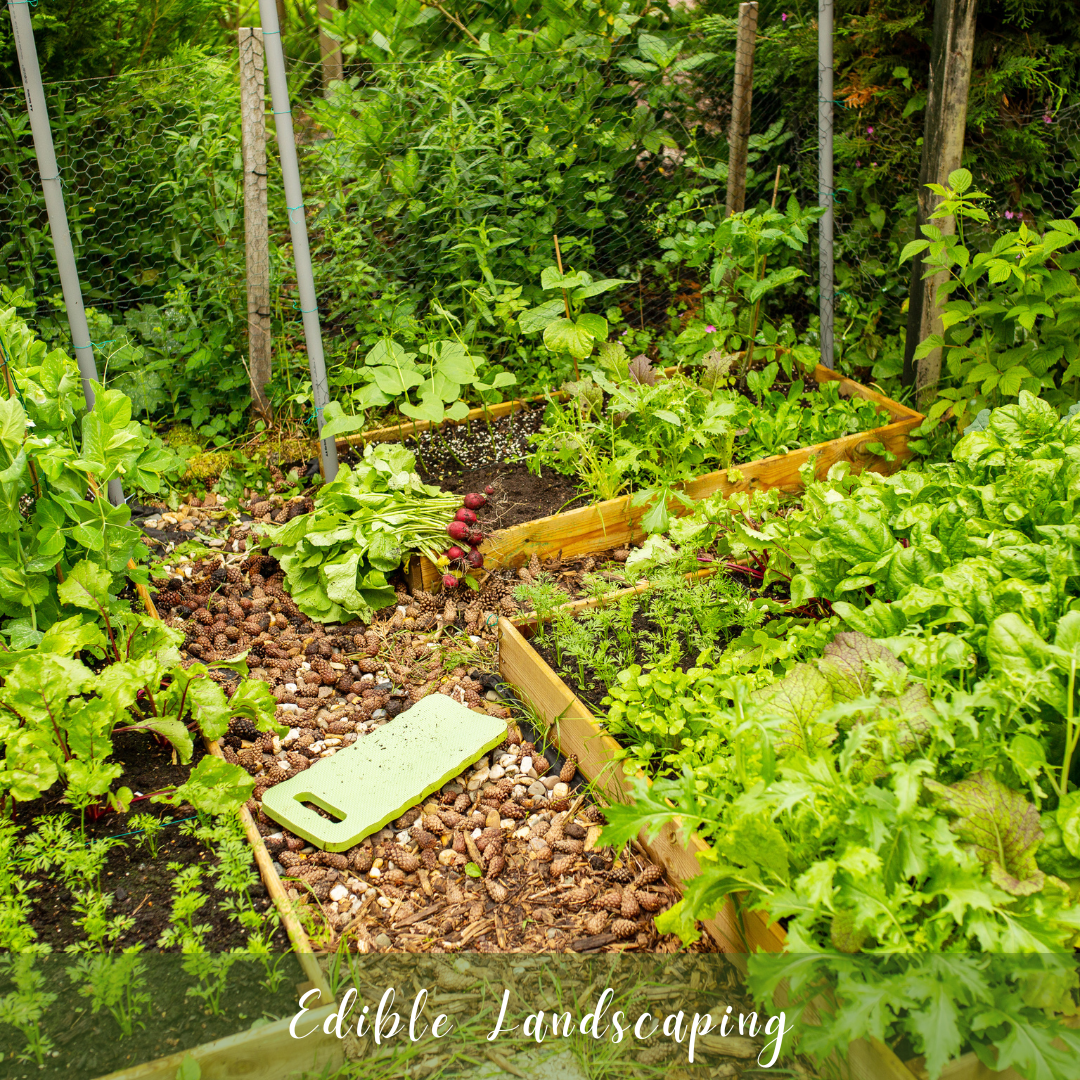
6. Edible Landscaping
Integrating vegetables into your landscaping blends beauty and functionality. Edible landscaping combines ornamentals with edible plants for a visually stunning garden.
Benefits
A dual-purpose garden provides beauty and food. Combining aesthetics with edible plants can increase yields. Aesthetics promote sustainability by reducing food miles and supporting biodiversity through the attraction of beneficial insects, which can improve pollination by up to 30%.
Techniques
These vibrant plants and creative layouts are excellent vegetable garden ideas. They blend aesthetics with functionality to enhance both beauty and harvest.
Use dwarf vegetable varieties, such as carrots or radishes, to border paths, and integrate fruiting shrubs, such as blueberries, into hedges for both beauty and harvest.
Ideal Vegetables
Ideal vegetables for aesthetic and edible gardens include kale, rainbow chard for colourful foliage, carrots, and radishes for quick-growing crops. Fruiting plants like strawberries add both beauty and yield.
7. No-Dig Gardening
No-dig gardening is an eco-friendly approach that minimizes soil disturbance, promoting healthy microbial activity.
Benefits
Mulching improves soil structure by increasing organic matter, boosting fertility by up to 30%. It reduces weed growth by blocking sunlight, cutting weeding time by 50%. Additionally, mulching helps retain moisture, reducing watering needs by 30% during dry periods.
Techniques
Plant cardboard or newspaper over the soil to block weeds and create a no-dig garden. Add compost, straw, and mulch layers for nutrients and moisture retention—for example, plant tomatoes directly into this prepared bedding for healthier growth without tilling.
Ideal Vegetables
No-dig gardens are excellent for vegetables like potatoes, onions, and garlic. They support healthy root growth and retain moisture and nutrients through layers of compost and mulch.
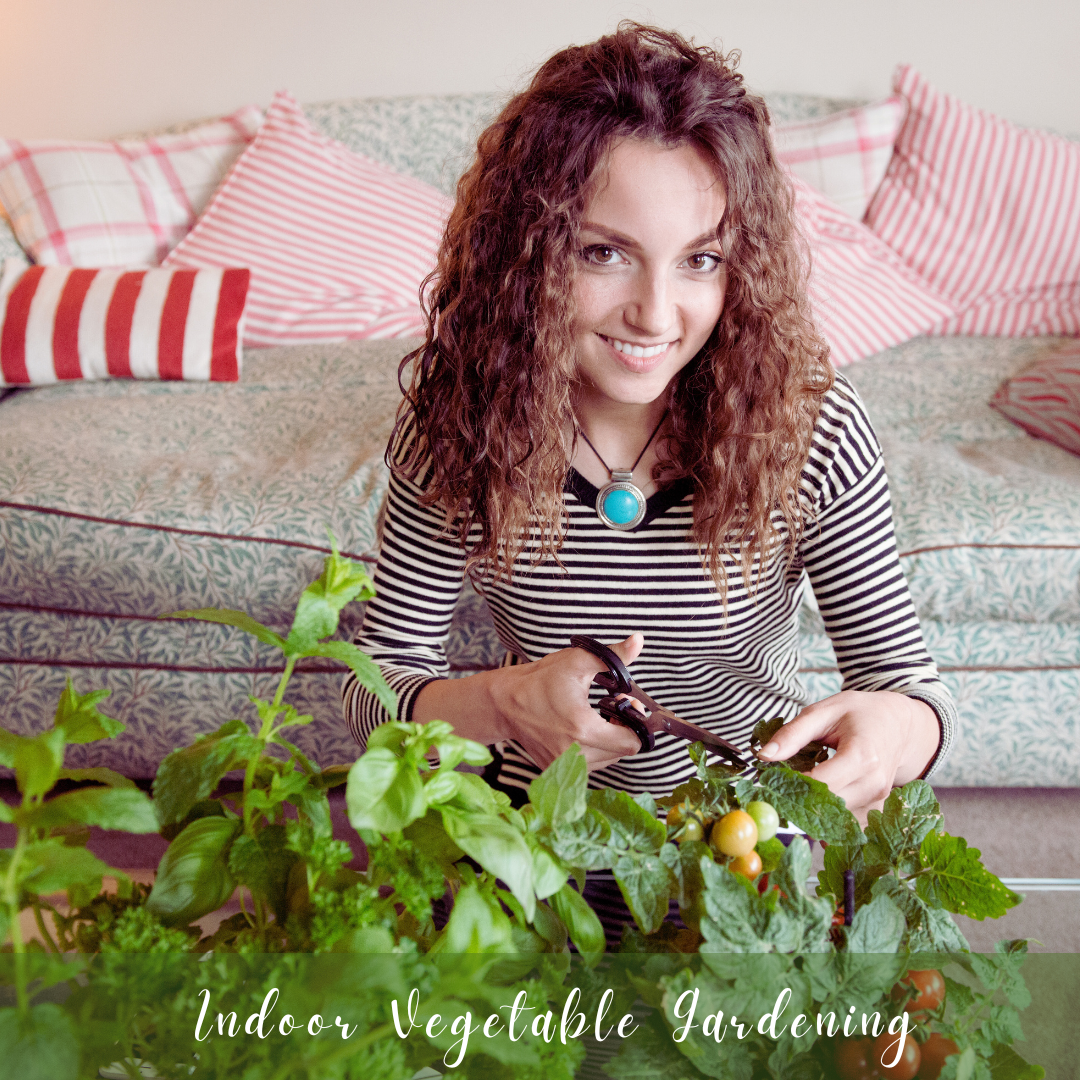
8. Indoor Vegetable Gardening
For those without outdoor space, indoor vegetable gardening allows you to grow fresh produce year-round.
Benefits
Container gardening provides a continuous supply of fresh vegetables, and urban gardeners are increasing by 10% annually.
It allows easy control of soil quality and water usage, and 60% of city dwellers benefit from space-efficient, portable garden setups.
Techniques
For successful container gardening, ensure your plants receive 6-8 hours of sunlight per day, or use LED grow lights if indoors.
Select containers with drainage holes, such as plastic or clay pots, and thoroughly water them. Use organic fertilizers to maintain nutrient-rich soil for healthy growth.
Ideal Vegetables
Leafy greens like kale and spinach grow well in containers and produce steady, rapid harvests. Herbs such as mint and cilantro grow well in compact spaces, while dwarf tomato varieties are ideal for small gardens and yield well.
9. Community Gardening
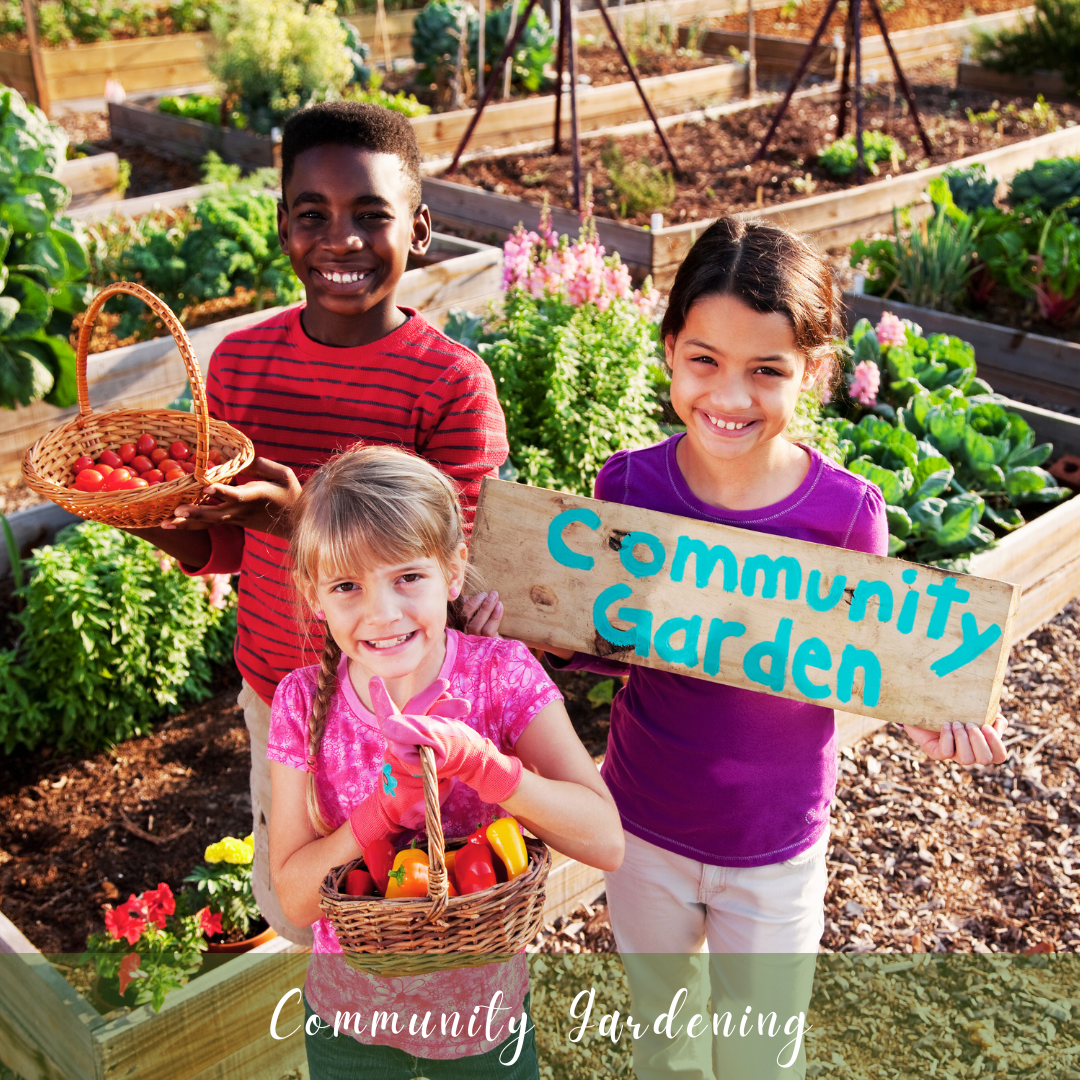
Joining a community garden is one of the best garden ideas for vegetables, providing a collaborative space to grow and share resources with fellow gardeners. These shared spaces allow people to grow vegetables collaboratively and share resources.
Benefits
Community gardens can increase access to growing space by up to 50% in urban areas. They provide learning opportunities, with 70% of participants reporting improved gardening skills. Additionally, these spaces strengthen community ties, with 80% of gardeners fostering new relationships.
Techniques
Sharing and watering cans in community gardens cut costs for everyone. Rotating maintenance tasks, such as weeding, watering, and planting, helps ensure that no one is overwhelmed and promotes a sense of collective responsibility for the garden’s success.
Ideal Vegetables
Leafy greens that grow well in containers, such as kale and spinach, provide steady, rapid harvests. Herbs such as mint and cilantro grow well in compact spaces, while dwarf tomato varieties are ideal for small gardens and yield well.
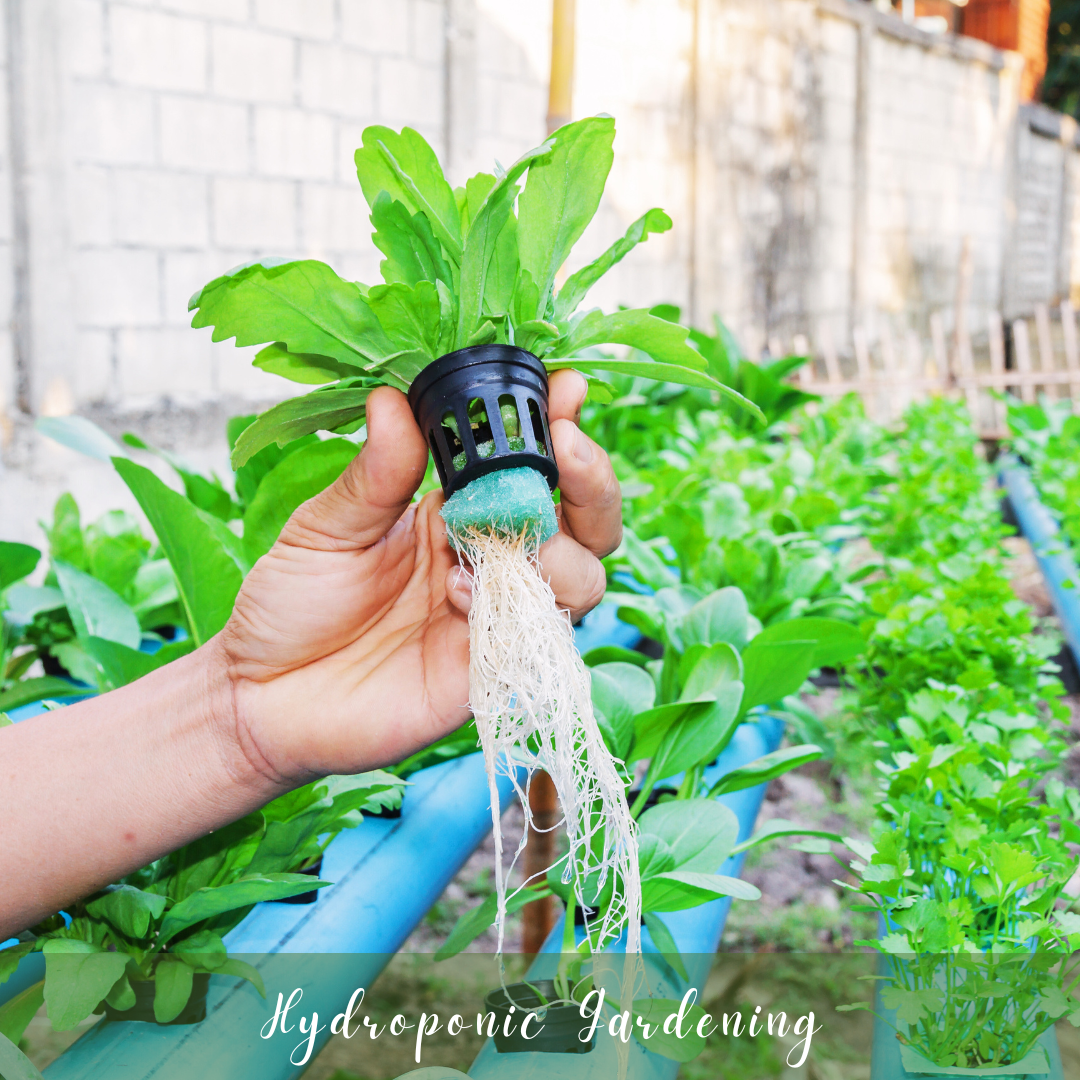
10. Hydroponic Gardening
Hydroponics is a soilless gardening method that uses nutrient-rich water to grow plants. It’s an excellent option for high-yield gardening in limited spaces.
Benefits
Hydroponic gardening promotes faster plant growth, with some growing up to 30% faster than soil-based gardening. It also uses 90% less water, making it an efficient option for indoor and outdoor gardening, especially in water-scarce areas.
Techniques
For hydroponic gardening, try setting up Deep Water Culture (DWC) for growing large plants like lettuce or the Nutrient Film Technique (NFT) for herbs.
Check nutrient levels and pH regularly, and use energy-efficient LED grow lights to optimize indoor growth conditions and promote healthy plant development.
Ideal Vegetables
Hydroponic gardening offers innovative approaches to vegetable production, with crops such as lettuce, basil, and tomatoes thriving in water-based systems for high-quality yields.
Strawberries, tomatoes, and peppers thrive in hydroponics, yielding high-quality produce while using resources efficiently.
11. Creative Recycling Gardening
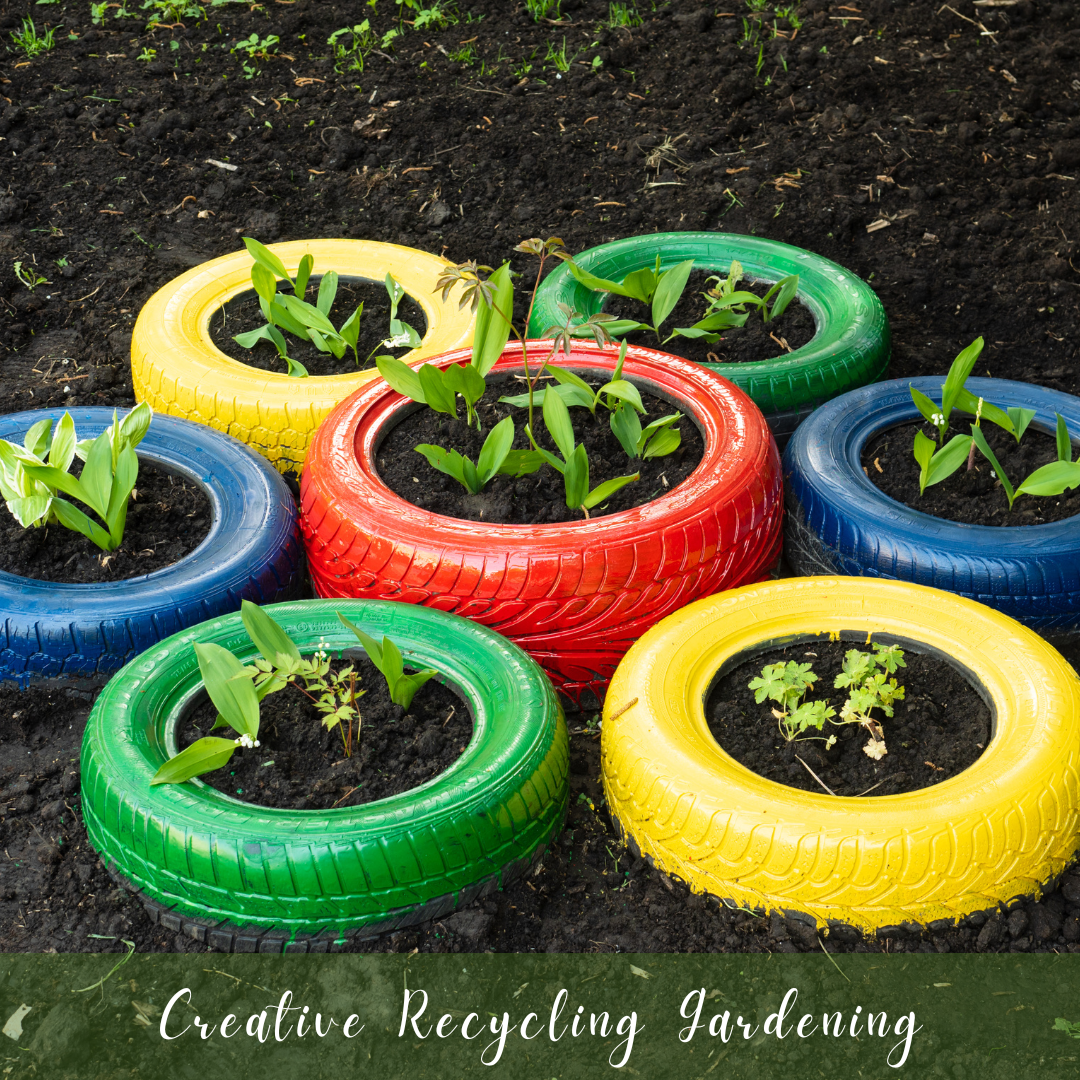
Use recycled materials to create unique and sustainable garden setups.
Benefits
Repurposing items for gardening can save up to 60% on materials and reduce landfill waste. It also promotes sustainability by reusing resources creatively, contributing to a more eco-friendly approach while adding unique, personalized touches to your garden design.
Techniques
Old tires are effective potato planters, providing depth for root growth. Wooden crates make rustic, space-efficient vegetable beds, ideal for herbs or leafy greens. Plastic bottles can be stacked to create a vertical garden for herbs like basil, parsley, and cilantro.
Ideal Vegetables
Potatoes thrive in deep containers, making them perfect for repurposed tires. Leafy greens like spinach and lettuce flourish in compact spaces, while small herbs such as basil and thyme thrive in vertical or smaller planters.
12. Wildlife-Friendly Vegetable Gardens
Wildlife-friendly garden ideas for vegetables can help create a balanced ecosystem while safeguarding crops from pests and promoting biodiversity.
Benefits
Pollinator-friendly plants can boost crop yields by up to 30%. Growing a variety of species enhances biodiversity, making gardens more resilient.
This practice also reduces pesticide use, with studies showing a 50% decrease in chemical application when beneficial insects are present.
Techniques
To attract pollinators, install bird feeders with seeds for birds and nectar plants like sunflowers for bees. Use organic sprays, such as neem oil, for pest control and netting to protect crops from larger animals, supporting natural, eco-friendly gardening.
Ideal Vegetables
Sunflowers attract pollinators, benefiting surrounding crops. Pumpkins spread over the ground, providing ground cover and reducing weeds. Beans, as legumes, enrich the soil with nitrogen, improving soil fertility for other plants.
Turn Your Passion for Nature Into Income
🌿 Whether you love gardening, caring for animals, or exploring holistic living,
You can share your knowledge online and earn from it.
Discover how nature lovers are growing their passions into meaningful, income-generating blogs. 👇
13. Aeroponic Gardening
Aeroponics is a cutting-edge gardening method that grows plants without soil. It uses a mist of nutrient-rich water to nourish plant roots.
Benefits
Aeroponic systems can grow plants up to 50% faster than traditional methods. They use up to 95% less water and no soil, making them ideal for urban or water-scarce environments.
Techniques
Set up aeroponic towers or vertical systems to maximize space. Regularly mist the plant roots with nutrient-rich water and monitor pH levels. Aeroponic systems work well for leafy greens, herbs, and small vegetables like strawberries.
Ideal Vegetables
Aeroponic garden ideas are perfect for herbs like mint and basil, and vegetables like lettuce and spinach, which proliferate without soil and have short roots.
14. Aquaponic Gardening
In aquaponics, hydroponics and aquaculture (fish rearing) are combined to create a symbiotic ecosystem in which plants purify the water for fish, and fish waste supplies nutrients for plants.
Benefits
Aquaponics uses 90% less water than traditional gardening and can increase vegetable yields by up to 25%. It's a sustainable method that supports plant and fish production within a single system.
Techniques
Aquaponics is an innovative vegetable garden idea. Fish like tilapia support plant growth by providing nutrients through their water, creating a sustainable ecosystem. However, the water's pH and temperature must be monitored regularly to maintain a healthy ecosystem.
Ideal Vegetables
Leafy greens like lettuce and kale, and herbs like basil, grow well in aquaponic systems. Root vegetables like carrots also benefit from this method.
15. Mushroom Farming
Mushroom farming offers a unique way to produce food at home using minimal space. It’s an easy method for those looking for a low-maintenance, high-yield crop.
Benefits
Mushrooms can be grown indoors or outdoors, requiring minimal space and resources. They provide an excellent source of vitamins and can be grown in as little as 4-6 weeks.
Techniques
Use mushroom-growing kits or inoculated logs to grow mushroom-growing kits or inoculate them. regularly to maintain moisture.
Different types of mushrooms, such as oysters and shiitakes, can also be grown on organic materials such as straw or wood.
Ideal Vegetables
Mushrooms are the main focus here, but complementing them with herbs like parsley or garlic can create a balanced ecosystem in your indoor garden.
16. Pollinator-Friendly Flower Gardens
Incorporating flowers in your vegetable garden can help attract pollinators like bees, butterflies, and hummingbirds, which enhance fruit and vegetable production.
Benefits
Planting flowers alongside vegetables can increase yield by 20-30% due to improved pollination. It also supports biodiversity, helping to create a balanced, healthy ecosystem.
Techniques
Place pollinator-friendly flowers like lavender, marigolds, and sunflowers near your vegetable crops. Rotate flowers throughout the garden to maximize pollination in all areas. Avoid chemical pesticides to protect pollinators.
Ideal Vegetables
Tomatoes, peppers, and cucumbers benefit from the increased pollination provided by flowers. Additionally, fruits such as strawberries and melons can thrive in a pollinator-friendly garden.
17. Solar-Powered Gardens
Solar-powered vegetable garden ideas provide an eco-friendly way to power tools and irrigation systems. This option promotes sustainable growth while reducing energy consumption. It can also be combined with other gardening methods to promote sustainable development.
Benefits
Solar-powered systems can reduce energy consumption by up to 70%. Solar-powered irrigation, for instance, ensures consistent watering without traditional power sources and reduces environmental impact.
Techniques
Install solar panels to power watering systems, garden lights, or fans for optimal plant growth. Solar pumps harvest rainwater or circulate water in aquaponic or hydroponic setups.
Ideal Vegetables
Solar-powered systems can benefit all types of vegetables, particularly those that require consistent moisture, like tomatoes, peppers, and leafy greens.
18. Greenhouse Gardening
Greenhouses provide controlled environments that enable year-round gardening, allowing gardeners to grow vegetables regardless of outdoor conditions.
Benefits
Greenhouses protect plants from extreme weather, pests, and diseases, extending the growing season. They can increase crop yields by up to 50% by providing consistent temperature and humidity conditions.
Techniques
Set up a greenhouse with proper ventilation, heating, and cooling systems. Use raised beds or hydroponic systems to maximize space and ensure that plants receive nutrients. Monitor temperature and humidity regularly to ensure optimal growth.
Ideal Vegetables
Greenhouses are ideal for tomatoes, peppers, cucumbers, and herbs such as basil, cilantro, and parsley, which thrive in controlled environments.
FAQs
Q1: What Is Square Foot Gardening?
Square-foot gardening divides a garden into 12-inch-square sections, where specific vegetables are planted. This method optimizes space and maximizes yields.
Q2: What Are The Benefits Of Hydroponic Gardening?
Hydroponics uses less water and grows plants faster than soil-based methods, making it ideal for small spaces and water-efficient gardening.
Q3: What Is No-Dig Gardening?
No-dig gardening involves layering compost and mulch over the soil instead of tilling. This promotes soil health, reduces weeds, and improves moisture retention.
Q4: How Does Aquaponic Gardening Work?
Aquaponics combines hydroponics and fish farming. Fish feces help purify the water in this system and provide nutrients to plants.
Conclusion
These innovative vegetable garden ideas, such as vertical gardening and companion planting, help maximize harvests while promoting sustainability and plant health.
These strategies enhance plant health and yield by improving space and resource efficiency. Thus, they make gardening rewarding and productive. Happy gardening, and may these vegetable garden ideas inspire your next harvest!
I trust you enjoyed this article on the Amazing Garden Ideas For Vegetables To Boost Your Harvest. Please stay tuned for more inspiring guides, helpful tips, and ideas to help you live closer to nature every day.
Take care!
— JeannetteZ🌿
💬 Your Opinion Is Important To Me
Do you have thoughts, ideas, or questions? I’d love to hear from you. Please leave your comments below or email me directly at Jeannette@Close-To-Nature.org.
📚 More Nature-Inspired Reads
Explore more ways to connect with nature, nurture your pets, and live in harmony with the world around you 🌿