25 Surprising Benefits Of Goat Yoga: A Complete Guide

The benefits of goat yoga go beyond adding a playful twist to a traditional yoga class. Combining gentle yoga poses with friendly goats creates a lighthearted experience filled with movement, laughter, and animal interaction.
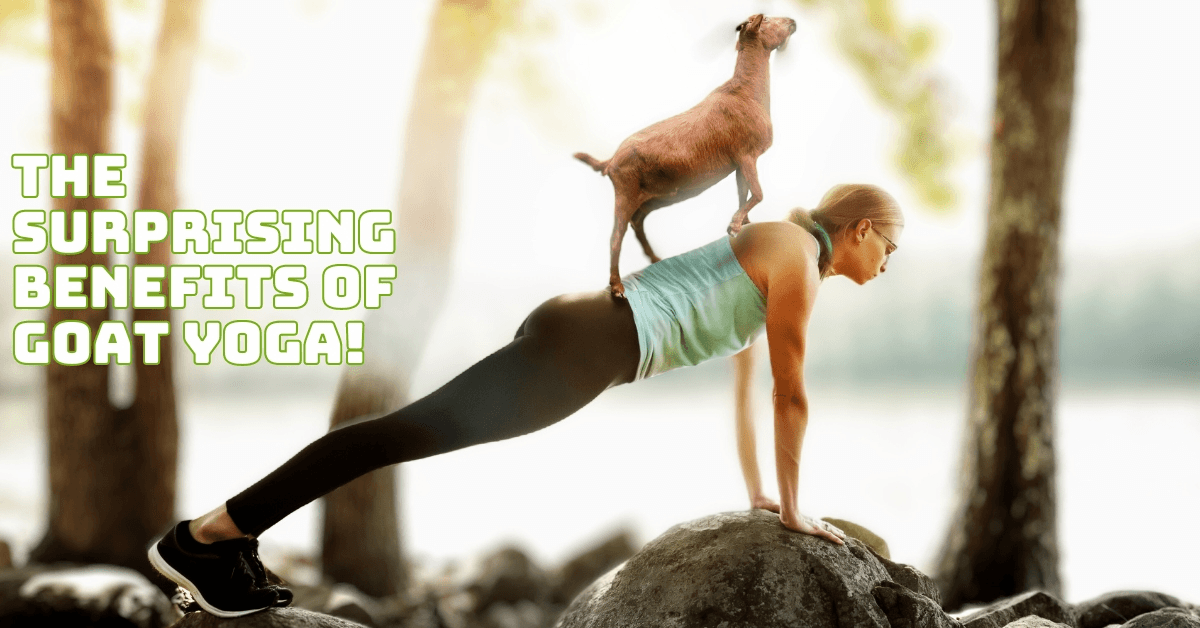
During a typical class, goats wander among participants, settle nearby, or occasionally climb onto someone holding a suitable pose. Their unpredictable behaviour makes every session different.
The relaxed atmosphere also makes yoga feel more approachable for many participants. Physical activity, social connection, mindfulness, and positive animal interaction all contribute to the experience.
In this guide, we’ll explore the benefits of goat yoga, how classes work, what to bring, beginner-friendly poses, safety considerations, and practical tips for your first session.
What Is Goat Yoga?
Goat yoga combines traditional yoga practice with interaction with friendly goats. The modern trend began in Oregon in 2016, when Lainey Morse introduced yoga sessions on her farm.
Classes often take place in barns, fields, or other farm settings. Participants move through familiar yoga poses while goats wander among them, nuzzle them, rest nearby, or sometimes climb onto their backs.
The goats add spontaneity to the practice, encouraging participants to stay present rather than focus on performing every pose perfectly. Classes may include gentle stretching, beginner-friendly poses, or more active sequences.
Many classes welcome people with little or no previous yoga experience. The combination of yoga, animal companionship, laughter, and social interaction offers a less conventional approach to the practice.
Benefits Of Goat Yoga
The benefits of goat yoga come from combining physical movement, mindfulness, animal interaction, and plenty of opportunities for laughter. This unusual combination makes a familiar yoga practice feel more relaxed and engaging.
Traditional yoga already encourages flexibility, balance, body awareness, and focused breathing. Adding friendly goats creates a playful environment that may help participants worry less about perfect poses and get more involved in the experience.
Interacting with animals brings enjoyment, companionship, and opportunities for positive social connection. The goats’ spontaneous behaviour often adds laughter and encourages participants to remain present in the moment.
While individual experiences vary, goat yoga supports physical, emotional, and social well-being in several ways. Here are some of the most notable benefits of bringing goats onto the yoga mat.
Physical Benefits Of Goat Yoga
Goat yoga offers more than a playful animal experience. The yoga practice itself involves movement, stretching, balance, and body awareness that contribute to several physical benefits.
Moving through different yoga poses engages muscles throughout the body. Stretching supports flexibility and mobility, while balance and strength-based poses challenge the core, arms, and legs.
The gentle nature of many goat yoga classes makes physical activity feel more approachable. Participants move at a comfortable pace while modifying poses to suit their abilities.
The goats bring an element of spontaneity to the practice. Their presence makes exercise feel less formal and encourages participants to enjoy moving without worrying about performing every pose perfectly.
Together, yoga and playful animal interaction create an engaging way to stay active. Here are some of the physical benefits participants may experience during a goat yoga session.
1. Improved Flexibility
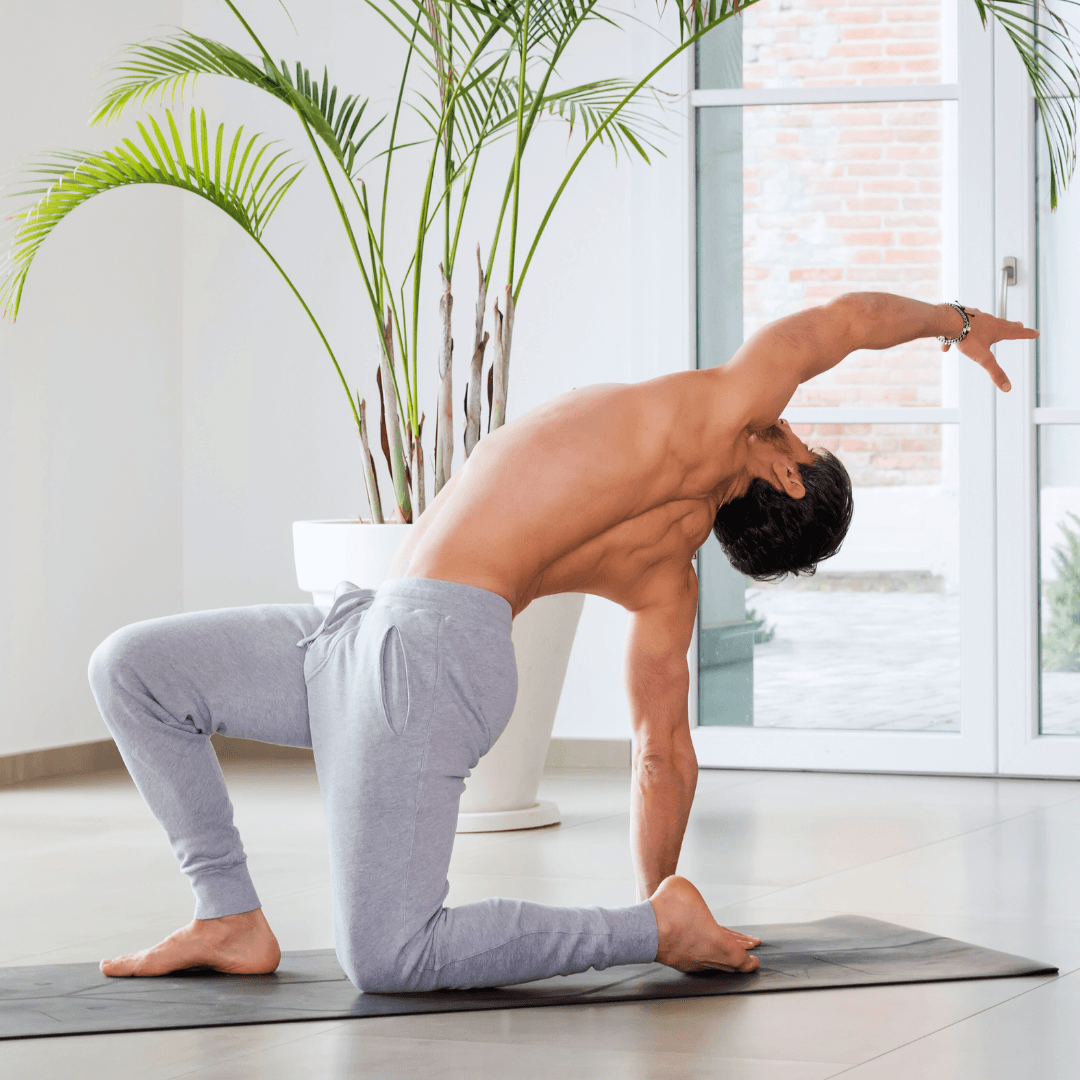
Goat yoga incorporates many stretches and poses from traditional yoga. These movements improve flexibility and encourage a greater range of motion.
Different positions gently stretch muscles throughout the body. Areas such as the hips, shoulders, back, and legs all benefit from regular stretching.
Moving between poses also encourages mobility and body awareness. With regular yoga practice, participants may gradually find certain stretches and movements easier.
The goats add a playful challenge because their movements are unpredictable. Staying aware of an approaching goat encourages participants to stay mindful of their surroundings.
Their presence makes the session feel less serious. Participants can stretch and move without focusing too much on performing every pose perfectly.
2. Enhanced Core Stability
Many traditional yoga poses require the core muscles to remain active to support proper posture and body control. Planks, tabletop positions, and other stability-focused poses are particularly effective at engaging the abdominal and back muscles.
During goat yoga, the animals may wander nearby or occasionally approach participants while they hold suitable poses. These unexpected movements encourage greater awareness of body position and stability.
Maintaining controlled movements while responding safely to the goats further challenges balance and coordination. Over time, regular yoga practice helps strengthen the muscles that support core stability and everyday movement.
3. Increased Blood Circulation
Moving through yoga poses keeps the body active, which supports healthy blood circulation. Gentle stretching and changes in body position also keep different muscle groups moving throughout the session.
Healthy circulation helps deliver oxygen and nutrients throughout the body while supporting normal muscle function. This is particularly valuable during physical activity and as the body returns to rest afterward.
Goat yoga adds an enjoyable animal interaction to this movement-based practice. The combination of gentle exercise, stretching, and a relaxed atmosphere makes staying physically active feel more engaging and enjoyable.
4. Supports Immune Function
Regular physical activity supports healthy immune function as part of an overall wellness routine. Goat yoga provides gentle movement through stretching, balance work, and different yoga poses.
These movements keep the body active while engaging various muscle groups. They also provide an enjoyable way to incorporate physical activity into the day.
Yoga encourages relaxation and mindful breathing, which may help participants manage everyday stress. Prolonged stress affects several systems throughout the body.
Finding enjoyable ways to relax while remaining physically active supports overall well-being. Goat yoga combines both elements in an unusual and engaging setting.
Goats’ playful presence makes the experience especially enjoyable for people who appreciate animals. Their companionship adds laughter, interaction, and spontaneity to the yoga session.
Together, movement, relaxation, and positive animal interaction make goat yoga an enjoyable addition to a healthy lifestyle. The playful setting may also encourage participants to look forward to staying active and engaged.

5. Enhanced Strength
Many yoga poses require participants to support their own body weight while maintaining controlled positions. Holding poses such as plank, downward dog, and warrior poses engages muscles in the core, arms, shoulders, and legs.
Moving slowly between poses also requires muscular control rather than momentum. With regular practice, these movements develop strength and endurance across several major muscle groups.
The goats add a playful, unpredictable element to the session. However, the strengthening benefit comes primarily from the yoga practice itself.
Participants should maintain safe, controlled positions throughout the session. They should not rely on a goat’s additional weight to make a pose more challenging.
6. Better Balance
Many yoga poses require participants to maintain steady positions while controlling their movements. This naturally engages the smaller stabilizing muscles that help support balance.
Goat yoga adds an unpredictable element because the animals may wander around participants during different poses. Their movements encourage greater awareness of posture and body position.
Maintaining a pose also builds proprioception, the body’s awareness of its position and movement. This awareness plays an important role in balance and coordination.
With regular yoga practice, improved body awareness and muscular control contribute to greater stability. These skills support balance during everyday movements and other physical activities.
7. Increased Endurance
Holding yoga poses for extended periods requires sustained muscular effort. This gradually helps build endurance, particularly in the core, legs, arms, and shoulders.
Moving between poses also keeps the body active throughout the session. More energetic classes may provide a greater physical challenge than slower, gentler sessions.
As endurance develops, participants may find it easier to maintain poses for longer periods. They may also become more comfortable completing longer sequences without tiring as quickly.
The playful presence of goats makes this sustained activity more enjoyable. Their antics help create an engaging environment that encourages participants to keep moving throughout the class.
8. Joint Health
Gentle yoga poses encourage joints to move through a comfortable range of motion. Regular movement maintains flexibility and reduces feelings of stiffness.
Goat yoga often includes stretches and controlled movements involving the hips, knees, shoulders, wrists, and spine. These movements support mobility while remaining relatively low-impact.
Moving slowly between poses also encourages participants to notice how their joints feel. Participants can modify poses to suit their comfort and mobility levels.
The playful interaction with goats makes gentle movement more enjoyable and engaging. Regular yoga practice therefore supports mobility and overall joint health.
9. Posture Improvement
Yoga encourages awareness of body alignment while standing, sitting, and moving through different poses. This attention helps participants recognize how they position their shoulders, spine, hips, and head.
Many poses also engage the core and back muscles that help support upright posture. Developing strength in these areas makes maintaining comfortable alignment easier.
Balance-focused poses encourage participants to distribute their weight evenly and maintain controlled positions. This further develops body awareness and supports healthy movement patterns.
With regular practice, greater strength and awareness may improve posture during everyday activities. The skills developed during yoga encourage more mindful sitting, standing, and movement.
Mental And Emotional Benefits Of Goat Yoga
Goat yoga offers mental and emotional benefits alongside the physical aspects of the practice. The combination of movement, animal interaction, and a relaxed environment creates an experience that feels very different from a traditional workout.
Goats’ playful behaviour encourages laughter and helps participants focus on what is happening around them. This provides a welcome break from everyday worries and distractions.
Yoga also incorporates mindful movement, breathing, and attention to the present moment. Combined with positive interactions with animals, these elements support relaxation and emotional well-being.
The social atmosphere of a goat yoga class adds another positive dimension. Sharing an unusual and enjoyable activity with others may encourage connection, conversation, and a sense of belonging.
1. Stress Reduction
One of the most appealing benefits of goat yoga is its potential to reduce everyday stress. Yoga combines physical movement with focused breathing and present-moment awareness.
The goats bring playfulness and spontaneity into the practice. Watching them explore, interacting with them, or simply having them nearby creates moments of laughter and enjoyment.
Spending positive time with animals calms many people. Their presence may help participants shift their attention away from everyday worries and focus on the experience.
Together, gentle yoga, mindful breathing, and enjoyable animal interaction create a relaxing environment. Participants may leave the class feeling calmer, refreshed, and more relaxed.

2. Improved Mood And Mental Health
Goat yoga provides an enjoyable break from everyday routines. Physical activity, mindful movement, and positive interactions with animals all contribute to a more positive mood.
The goats often bring laughter and spontaneity to the class. Their curious behaviour shifts attention away from worries and encourages participants to enjoy the moment.
Yoga gives participants time to slow down, breathe, and focus on their bodies. These calming elements may help participants feel more relaxed and mentally refreshed.
Combining movement, animal companionship, and an enjoyable social environment supports emotional well-being. Goat yoga complements healthy habits that support mental and emotional well-being.

3. Mindfulness And Presence
Goats’ unpredictable nature encourages participants to stay present during the practice. Their movements naturally draw attention to what is happening in the moment.
Yoga itself encourages awareness of breathing, movement, and body position. Adding goats gives participants another reason to stay attentive, rather than letting their thoughts wander.
Watching a goat approach, responding to its movements, or simply noticing its behaviour redirects attention away from everyday distractions. These spontaneous moments make mindfulness feel natural, not forced.
This mix of mindful movement and animal interaction helps participants engage more fully. It offers a playful way to practice slowing down and appreciating the present moment.
4. Enhanced Social Interaction
Goat yoga creates natural opportunities for people to laugh, talk, and enjoy an unusual experience together. The goats often become an easy conversation starter.
Sharing a playful activity also creates a relaxed social atmosphere. Participants may feel more comfortable interacting when everyone is enjoying the goats and learning the poses together.
Group classes bring together people who share an interest in yoga, animals, or trying something new. These shared interests create opportunities to meet people and feel a sense of community.
The shared experience adds a social dimension that traditional individual exercise may lack. Laughter, conversation, and animal interaction make connection an enjoyable part of the goat yoga experience.

5. Emotional Resilience
Goat yoga combines mindful movement with an unpredictable and playful environment. Participants never know exactly what the goats will do during a class.
A goat may interrupt a pose, wander across a mat, or suddenly become the centre of attention. These moments invite participants to adapt, laugh, and continue without worrying about perfection.
Yoga also creates opportunities to slow down and notice thoughts, emotions, and physical sensations. Mindful breathing and movement provide a constructive way to respond when frustration or tension arises.
Learning to adapt to small, unexpected moments with patience and humour may strengthen emotional resilience. The relaxed atmosphere makes flexibility part of the experience, both physically and emotionally.
6. Increased Joy And Happiness
Goats’ playful behaviour often brings spontaneous laughter and joyful moments to a yoga session. Their curiosity and unpredictable antics create an uplifting atmosphere that feels very different from a traditional class.
Physical movement and positive animal interaction add to the enjoyment. Participants may pet the goats, watch them play, or laugh as they wander between yoga mats and interrupt poses.
These lighthearted moments offer a refreshing break from everyday routines and worries. The focus shifts toward movement, laughter, companionship, and simply enjoying the experience.
Goat yoga brings together several activities associated with positive well-being. Yoga, time with animals, social interaction, and laughter create an experience filled with opportunities for happiness and enjoyment.
7. Improved Self-Esteem
Goat yoga offers an informal environment where participants can explore yoga without feeling pressured to perform every pose perfectly. The playful atmosphere shifts attention from perfection toward participation and enjoyment.
Learning a new pose or becoming steadier in a familiar one creates a genuine sense of accomplishment. Small improvements throughout the practice also build confidence in physical abilities.
The goats make mistakes and interruptions part of the experience. When a goat wanders across the mat or disrupts a pose, laughter often replaces frustration or self-consciousness.
Enjoying the practice without judging every movement creates a more positive relationship with personal progress. Over time, these experiences may strengthen self-esteem and confidence both on and off the yoga mat.
8. Comfort During Grief And Difficult Times
Spending time with animals can provide companionship and comfort during emotionally difficult periods. For people who enjoy animals, the gentle presence of goats may offer moments of warmth, enjoyment, and connection.
Yoga also provides time for mindful movement, breathing, and quiet reflection. These familiar practices may feel particularly welcome when everyday life feels emotionally demanding.
The goats add lighthearted moments without requiring conversation or explanation. Watching them explore, interacting with them gently, or simply sharing the space can offer a pleasant shift in focus.
Goat yoga is not a treatment for grief or trauma, but it can be an enjoyable wellness activity during challenging times. Movement, animal companionship, and moments of laughter may fit alongside appropriate personal and professional support.
9. Greater Emotional Balance
Goat yoga combines mindful movement, focused breathing, and playful animal interaction. Together, these elements create opportunities to slow down and become more aware of emotions.
Yoga shifts attention toward breathing and physical sensations rather than everyday distractions. The goats add lighthearted moments that often replace tension with laughter and enjoyment.
Unexpected interruptions also give participants opportunities to respond with patience and flexibility. A wandering goat may completely change a pose, making adaptation part of the experience.
Regularly spending time on mindful movement and relaxation contributes to greater emotional balance. The result is a practice that nurtures calm while leaving plenty of room for laughter and spontaneity.
Wellness Benefits Of Goat Yoga
Goat yoga brings together gentle movement, mindful breathing, animal companionship, and social interaction. These elements create an enjoyable experience that complements an active and balanced lifestyle.
Spending time with goats adds warmth and playfulness to the yoga practice. Their curious behaviour often brings laughter, affection, and a welcome change of focus from everyday concerns.
Yoga adds another dimension through stretching, breathing, and present-moment awareness. The combination creates opportunities to relax, recharge, and enjoy meaningful interaction with animals.
The following wellness benefits explore additional ways goat yoga contributes to an enjoyable and positive experience for both body and mind.
1. Positive Animal Interaction
One distinctive feature of goat yoga is the chance to spend time with animals while practising yoga. Goats may wander nearby, approach participants, rest beside them, or invite gentle interaction.
For people who enjoy animals, this companionship adds warmth and comfort to the experience. Petting a goat or simply watching its playful behaviour also creates enjoyable moments during the class.
Animal interaction adds something that a conventional yoga session does not normally offer. Participants move and practice mindfulness while sharing the space with curious, sociable animals.
This combination makes goat yoga particularly appealing to animal lovers. The goats bring companionship, affection, laughter, and spontaneity to an already relaxing practice.
2. Comfort Through Animal Companionship
Positive interaction with animals often brings feelings of comfort, connection, and companionship. For some people, simply spending time around gentle animals creates a welcome sense of ease.
Goat yoga combines this animal interaction with movement, breathing, and mindful attention. The playful goats also provide moments of laughter and redirect attention toward what is happening in the present.
Research into structured animal-assisted interventions has explored their use alongside care for people experiencing trauma and PTSD. However, goat yoga is a recreational wellness activity, not a treatment for these conditions.
For participants who enjoy animals, combining yoga with goat companionship creates a warm, engaging experience. It offers another way to enjoy movement, mindfulness, and positive interaction with animals.
3. Promotes Relaxation
Goat yoga creates a relaxed setting where movement and animal interaction take place without the formality of a traditional exercise class. The playful goats naturally lighten the atmosphere.
Yoga adds slow movement, stretching, and focused breathing to the experience. These elements give participants time to unwind and shift their attention away from everyday demands.
The goats add their own distraction through curious and often amusing behaviour. Watching them explore or interacting with them brings moments of laughter and enjoyment.
Together, yoga and animal companionship create an experience centred on movement, relaxation, and fun. Participants can slow down while enjoying time with both the goats and the people around them.
4. An Adaptable And Inclusive Experience
Goat yoga often offers a relaxed alternative to more structured exercise classes. Participants generally move at their own pace and adapt poses according to their comfort and abilities.
The informal atmosphere also takes some of the emphasis away from perfect technique. Goats wandering between mats, interrupting poses, and attracting attention make spontaneity a normal part of the experience.
People differ in how they respond to animals, movement, noise, touch, and group environments. Choosing a suitable class and communicating individual needs beforehand makes the experience more comfortable and enjoyable.
For participants who enjoy both animals and gentle movement, this flexibility adds to goat yoga’s appeal. The focus remains on participating, exploring the poses, and enjoying the experience rather than keeping up with everyone else.
5. Greater Physical Comfort
Gentle yoga movements stretch the body while encouraging mobility and body awareness. Participants move through poses at a comfortable pace and adjust their movements according to how their bodies feel.
Stretching and mindful movement ease stiffness and release tension after periods of inactivity. Yoga also strengthens muscles that contribute to stability and comfortable everyday movement.
The relaxed atmosphere adds another dimension to the experience. Spending time with goats brings laughter and enjoyment while shifting attention away from everyday pressures.
For people living with chronic pain, suitable forms of yoga may complement a broader pain-management plan. Goat yoga should remain an enjoyable wellness activity rather than a replacement for medical care.
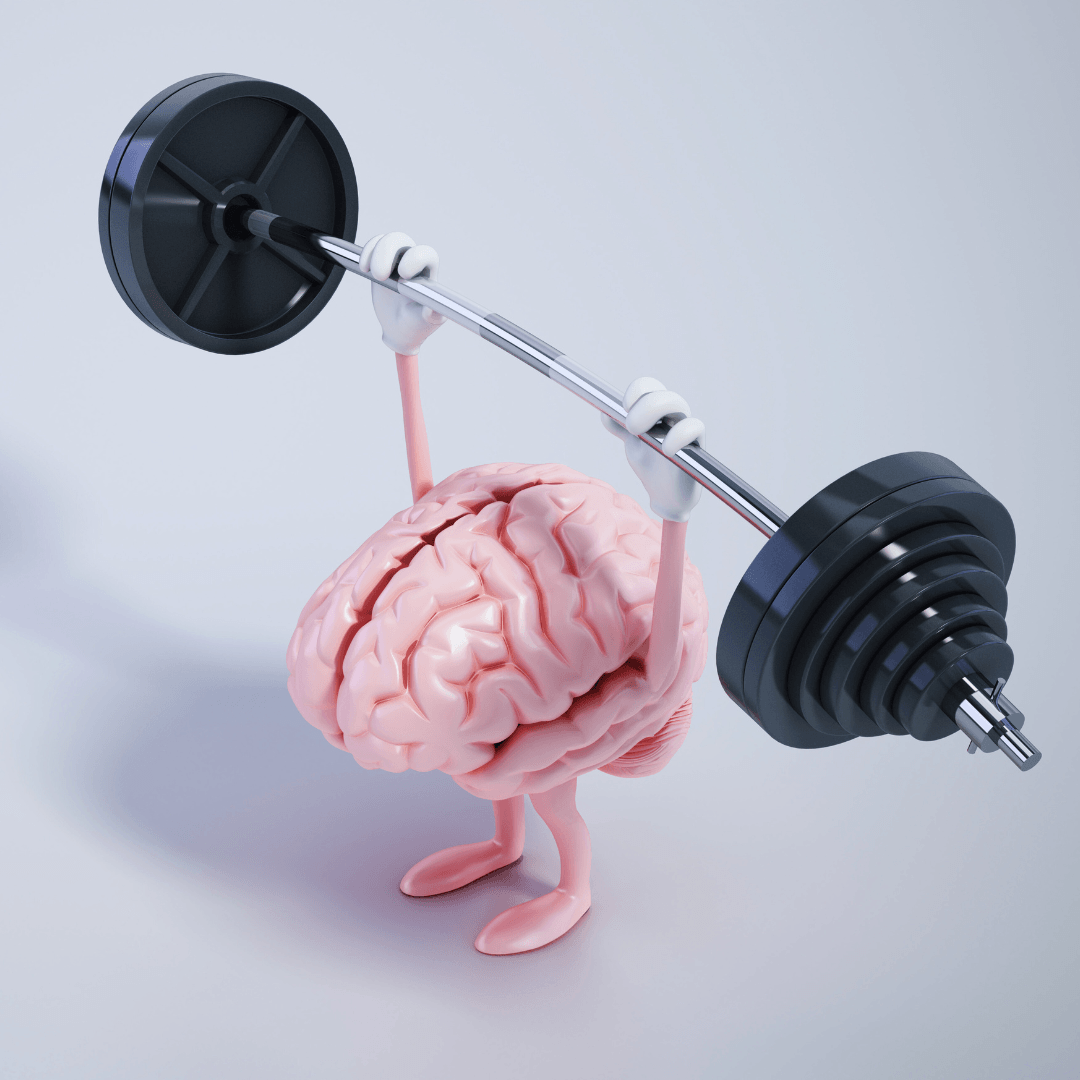
6. Enhanced Cognitive Function
Goat yoga engages both the body and mind throughout the practice. Following an instructor, moving between poses, and maintaining balance all require attention and concentration.
The goats add another layer of mental stimulation. Their unpredictable movements require participants to remain aware of their surroundings while continuing with the yoga sequence.
Balancing, coordinating movements, and responding to changes in the environment keep the mind actively involved. Participants continually shift their attention between their bodies, the instructor, and the animals around them.
This combination of movement, concentration, and playful interaction creates an engaging mental workout. It keeps participants attentive while adding variety and enjoyment to the yoga practice.
7. Improved Sleep Quality
Regular yoga practice has been associated with better sleep quality and greater relaxation. Gentle movement and focused breathing provide a calming way to unwind from the demands of the day.
Goat yoga adds laughter, animal companionship, and a relaxed atmosphere to the practice. These enjoyable interactions may ease everyday tension and leave participants feeling more settled afterward.
Physical activity also contributes to healthy sleep habits as part of an active lifestyle. Combining movement with relaxation makes yoga particularly well suited to an evening wind-down routine when classes are scheduled at an appropriate time.
A goat yoga session certainly does not guarantee a perfect night’s sleep. However, the combination of yoga, relaxation, and an enjoyable experience fits naturally into habits that promote restful sleep.
8. Increased Physical Activity
Goat yoga turns physical activity into an entertaining experience by combining yoga poses with playful animal interaction. Participants stretch, balance, change positions, and move through a sequence of poses throughout the class.
Different poses engage muscles throughout the body while developing flexibility, strength, balance, and coordination. Moving between positions also keeps participants physically active during the session.
The goats make this movement feel less like a conventional workout. Their curious behaviour, unexpected interruptions, and interactions bring laughter and variety to the class.
Enjoyable activities often make movement feel more inviting. For people who love animals, goat yoga offers an unusual way to add more physical activity to an active lifestyle.
9. A Sense Of Community
Goat yoga brings people together through a shared interest in movement, animals, and trying something different. Experiencing the class as a group adds a communal element to the practice.
The goats naturally create moments that participants experience together. A mischievous interruption or unexpected goat encounter often sparks laughter and conversation across the group.
Attending classes also gives participants opportunities to meet people with similar interests. Returning to the same venue or joining other animal-focused activities may lead to new acquaintances and friendships.
This sense of community adds another enjoyable dimension to goat yoga. Participants share the experience rather than simply completing an individual exercise session.
How To Prepare For A Goat Yoga Class?
Preparing for a goat yoga class involves a little more planning than attending a traditional yoga session. The setting, animals, clothing, and class format all influence the experience.
Choosing a reputable venue is an important first step. A well-run class should prioritize both participant safety and the welfare of the goats.
It also helps to know what to wear, what to bring, and what to expect before arriving. Goat yoga often takes place outdoors, in barns, or on farms, so practical preparation makes the session more comfortable.
A few simple steps will leave you free to enjoy the yoga, interact with the goats, and embrace the unexpected moments that make these classes so entertaining.
Choosing The Right Goat Yoga Class
Not every goat yoga class offers the same experience. Class size, instructor experience, facilities, and animal-care practices can vary considerably between venues.
Taking a little time to research the class beforehand makes it easier to choose a setting that matches your preferences. Pay particular attention to participant safety and how the goats are housed, handled, and cared for.
1. Research Local Studios
Start by researching farms, yoga studios, and other venues offering goat yoga in your area. Read recent reviews and look at photographs of the facilities to get a better sense of the experience.
Pay attention to comments about the instructors, organization, cleanliness, and treatment of the goats. Recommendations from friends or local community groups may also point you toward reputable classes.
Visit the venue’s website or social media pages before booking. Look for clear information about the class format, location, age requirements, accessibility, and what participants should expect.
2. Consider Class Size
Consider the type of experience you would prefer before choosing a class. Smaller groups often offer more space, greater interaction with the goats, and more individual attention from the instructor.
Larger classes may have a livelier social atmosphere but provide fewer opportunities for individual goat interaction. The amount of available space also matters when people and animals are moving around together.
Check the venue’s class size or participant limit before booking when that information is available. Choose an environment where you will feel comfortable moving, interacting with the goats, and following the instructor.
3. Check Health And Safety Standards
Choose a venue that takes participant safety and animal welfare seriously. Facilities should appear clean and well-maintained, with enough space for people and goats to move comfortably.
Look for information about how the goats are cared for, supervised, and handled during classes. Reputable venues should also explain basic participant rules for interacting safely and respectfully with the animals.
The yoga instructor should have appropriate experience for the type of class being offered. Clear instructions, sensible class rules, and good supervision create a safer environment without taking the fun out of the experience.
What To Wear For Goat Yoga
Choose clothing that lets you move comfortably while also considering that curious goats may come very close to you. Practical clothing makes stretching, bending, and interacting with the animals much easier.
Remember that goat yoga may take place in a barn, field, paddock, or outdoor area rather than a traditional studio. Clothing that you don’t mind getting a little dirty is usually the most practical choice.
1. Comfortable Clothing
Wear comfortable, stretchy clothing that gives you plenty of freedom to move. Yoga pants, leggings, shorts, and fitted athletic tops are practical choices for most classes.
Choose clothes that remain comfortably in place while you bend, stretch, and move between poses. You may also want to wear something that won’t bother you if it picks up a little dirt, hay, or goat hair.
Consider the weather when attending an outdoor class. Lightweight layers work well when temperatures may change during the session.
2. Avoid Loose Items
Leave dangling accessories and very loose clothing at home. Scarves, long necklaces, large jewellery, and other hanging items may attract the attention of curious goats.
Avoid anything that could become tangled while you move or interact with the animals. Simple, close-fitting clothing keeps unnecessary distractions away from the yoga mat.
Secure long hair when necessary, and keep personal belongings away from the practice area. Goats are naturally curious and may investigate items left within reach.
3. Footwear
Yoga is usually practiced barefoot, and goat yoga is generally no different. Removing your shoes gives your feet direct contact with the mat and provides better grip and stability during poses.
Bring practical footwear for walking around the farm or venue before and after class. Closed-toe shoes are particularly useful around barns, fields, muddy areas, or uneven ground.
Check the venue’s instructions before attending in case it has specific footwear requirements. Once the yoga session begins, follow the instructor’s guidance for that particular setting.
What To Bring To A Goat Yoga Class
A few basic items will keep you comfortable during a goat yoga session. Before packing, check what the venue already provides and whether it has specific rules about personal belongings, food, or equipment.
Keep bags, food, and other tempting items away from the goats during class. Follow the venue’s instructions on where to store personal belongings.
1. Yoga Mat
Bring your own yoga mat unless the venue provides one. A familiar mat gives you a comfortable surface for stretching, balancing, and moving through the poses.
Using your own mat also means you already know its thickness, grip, and cushioning. Choose one you don’t mind using around animals, especially if the class takes place in a barn or outdoor setting.
2. Water Bottle
Bring a water bottle to stay hydrated before, during, and after the class. This is especially important during warm weather or outdoor sessions.
Keep the bottle securely closed and place it where the goats cannot knock it over or investigate it. Follow the instructor’s directions about where drinks and personal belongings should be kept during the session.
3. Towel
A small towel helps wipe away perspiration during warmer or more active classes. It may also come in handy after close encounters with curious goats.
Choose a towel that you don’t mind getting dirty and keep it with your other belongings when you aren’t using it. Goat yoga isn’t necessarily the place for the good guest towels.
4. Snacks
You generally won’t need a snack during a typical goat yoga class. For longer events, bring something for yourself if necessary, but keep all human food securely stored away from the goats.
Never feed the goats snacks or other food unless the venue specifically provides approved treats and permits participants to offer them. Foods that are suitable for people are not necessarily appropriate for goats.
Eating before or after the session rather than beside the yoga area also reduces the likelihood of attracting curious animals. Follow the venue’s feeding rules, even if a goat seems eager to negotiate an exception.
Mental Preparation For Goat Yoga
Goat yoga is unpredictable by nature. Preparing for interruptions, laughter, and curious animals makes it easier to enjoy the experience instead of expecting a perfectly structured yoga class.
The goal isn’t to ignore good yoga practice, but to accept that the goats will occasionally change the session’s rhythm. A flexible attitude makes those unexpected moments part of the experience.
1. Keep An Open Mind
Approach your first goat yoga class with curiosity and a willingness to try something different. The experience combines familiar yoga movements with animal interaction, and no two sessions will unfold exactly the same way.
A goat may wander onto your mat, settle beside you, investigate what you are doing, or simply ignore you completely. Enjoy these spontaneous moments rather than expecting a particular type of interaction.
An open mind also takes some pressure off performing each pose perfectly. Focus on the yoga, the animals, and the experience unfolding around you.
2. Manage Your Expectations
Expect interruptions. Goats do not understand yoga sequences, personal space, or the importance you may attach to holding a pose for another ten seconds.
You may need to pause, reposition yourself, or wait while a goat crosses your mat. Treat these interruptions as part of goat yoga, not something that went wrong.
At the same time, don’t expect constant interaction with the animals. Some goats may approach you frequently, while others may spend more time exploring elsewhere.
3. Relax And Have Fun
Goat yoga doesn’t need to be a serious or demanding workout. Give yourself permission to enjoy the movement, laugh at the interruptions, and appreciate spending time around the animals.
Continue paying attention to your body and practice each pose within your abilities. There is no reason to force a position simply because everyone else in the class is doing it.
Most importantly, enjoy the unusual combination of yoga and goats. A perfectly executed sequence isn’t necessary for a memorable class.
How Do You Do Goat Yoga?
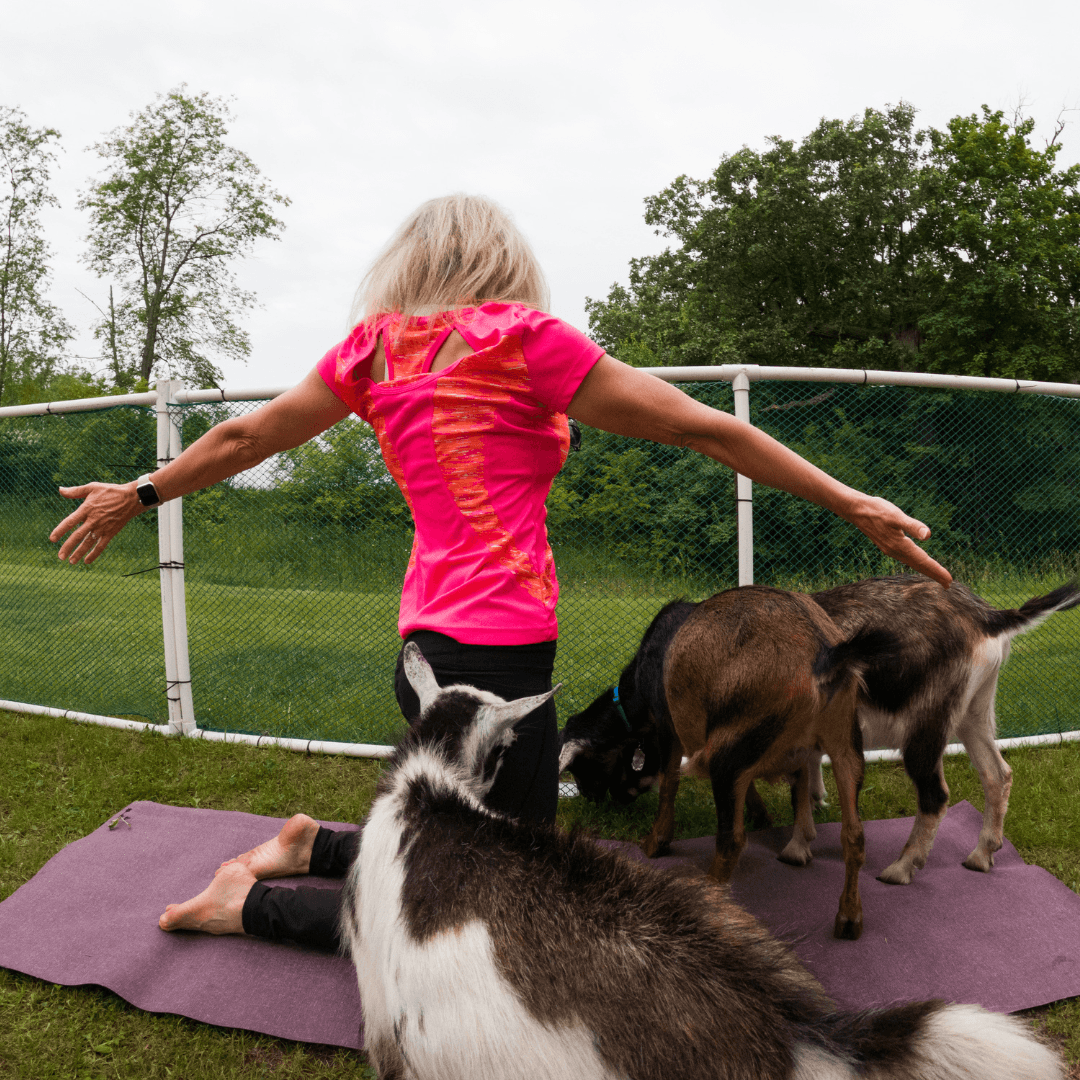
Goat yoga follows many of the same principles as a traditional yoga class, but the goats add movement, interaction, and plenty of unpredictability. The instructor guides participants through the poses while the animals move freely around the practice area.
Some goats may approach participants, investigate yoga mats, or settle nearby. Others may wander around the group without showing much interest in the yoga.
The instructor determines how participants should interact with the animals and which poses suit closer goat interaction. Following these directions keeps the experience enjoyable while respecting the goats.
A typical session begins by settling into the practice area and becoming familiar with the animals before moving into the yoga sequence.
Setting Up
Taking a few minutes to settle in before the yoga begins makes the transition into the class much easier. Use this time to set up your mat, listen to instructions, and get comfortable around the goats.
1. Find Your Space
Arrive early enough to set up your mat without feeling rushed. Choose an available space that gives you enough room to stretch your arms and legs comfortably without crowding nearby participants.
Position yourself where you can clearly see and hear the instructor. Leave enough room around your mat for people and goats to move safely through the practice area.
Once everyone has settled in, avoid repeatedly moving your mat to find more goat interaction. The animals will decide where they want to wander during the session.
2. Meet The Goats
When the venue permits interaction before class, spend a few moments becoming familiar with the goats. Stay calm and let them approach rather than reaching toward them immediately.
Goats differ in personality and interest. Some readily investigate new people, while others prefer to wander around or spend time with familiar members of the herd.
Follow the venue’s instructions for petting and interacting with the animals. Respecting each goat’s space makes the encounter more comfortable for both participant and animal.
3. Follow The Instructor’s Guidance
Listen carefully to the instructor’s directions before and during the class. Goat yoga requires awareness of both the yoga practice and the animals moving through the space.
The instructor may explain how to respond when a goat approaches, which interactions are appropriate, and whether certain poses involve closer contact with the animals.
Continue following the instructor rather than copying another participant’s interaction with a goat. The instructor understands the class format and the animals involved.
Good guidance keeps the yoga practice organized while giving the goats freedom to behave naturally. It also lets participants enjoy the unpredictable moments without losing sight of safe movement and respectful animal interaction.
Poses And Interactions
Goat yoga usually incorporates familiar poses that leave participants comfortable and stable while animals move around them. The instructor selects poses appropriate for the class, setting, and goats.
The goal is not to turn every pose into an animal interaction. Continue practising yoga while letting the goats approach naturally and following the instructor’s directions when closer interaction is appropriate.
1. Basic Yoga Poses
Begin with familiar poses such as child’s pose, cat-cow, and downward-facing dog. These movements offer a gentle introduction as participants get accustomed to sharing the practice area with goats.
Child’s pose offers a quiet position close to the mat, while cat-cow gently moves the spine through flexion and extension. Downward-facing dog stretches several areas of the body while engaging the arms and legs.
Starting with familiar movements also gives participants time to settle into their breathing and observe how the goats move around the group. You don’t need to seek interaction during every pose.
2. Goat-Friendly Yoga Poses
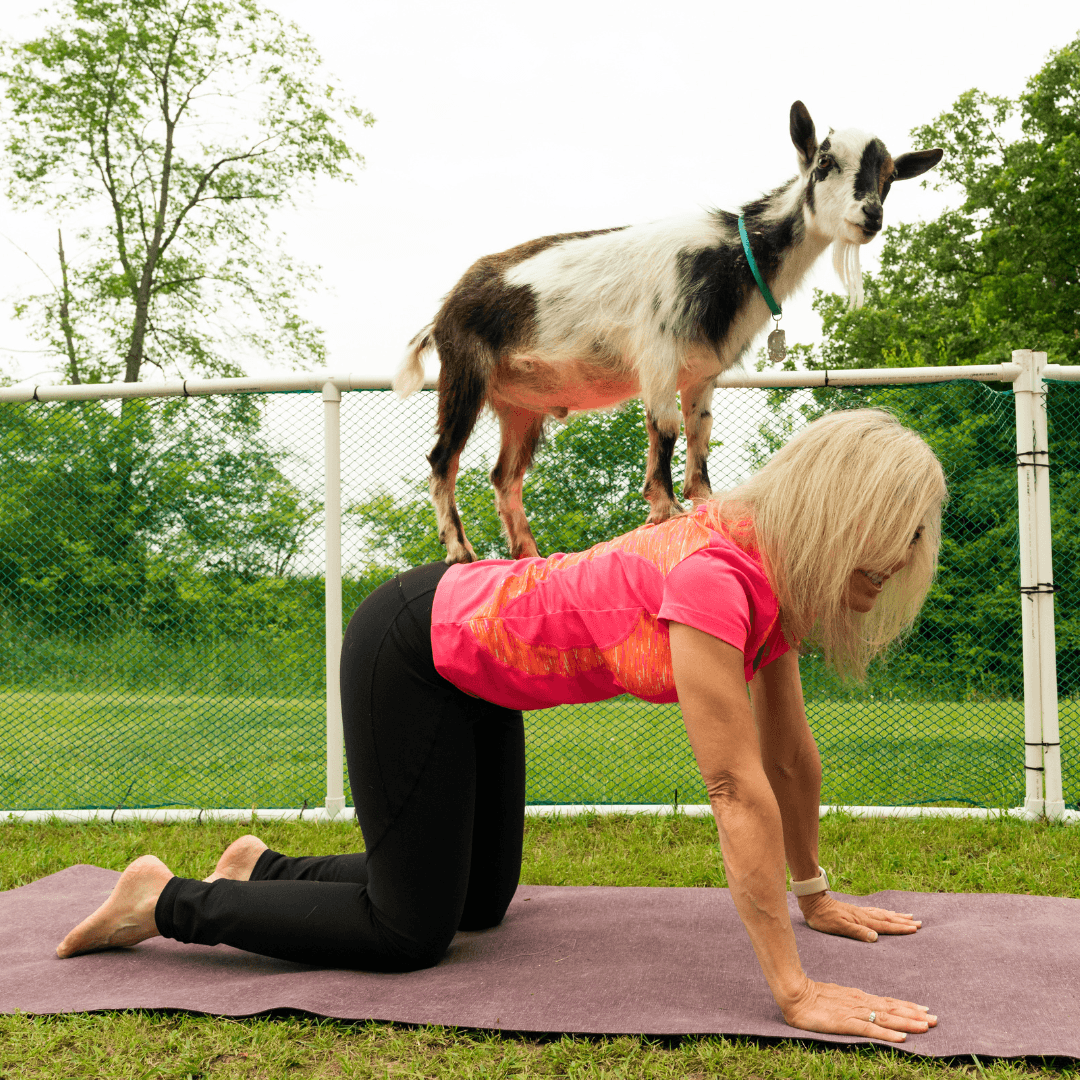
Some stable yoga positions work particularly well when goats are moving nearby. Tabletop is a common example because participants remain close to the ground while maintaining a broad, steady position.
A goat may approach, nuzzle, walk beside the mat, or interact in another way while participants hold a pose. Occasionally, goat yoga venues also incorporate poses in which suitable goats climb onto participants under the instructor’s supervision.
Never encourage a goat to climb onto you unless the instructor specifically permits it. The instructor should determine which goats, participants, and poses are appropriate for this type of interaction.
3. Interactive Poses
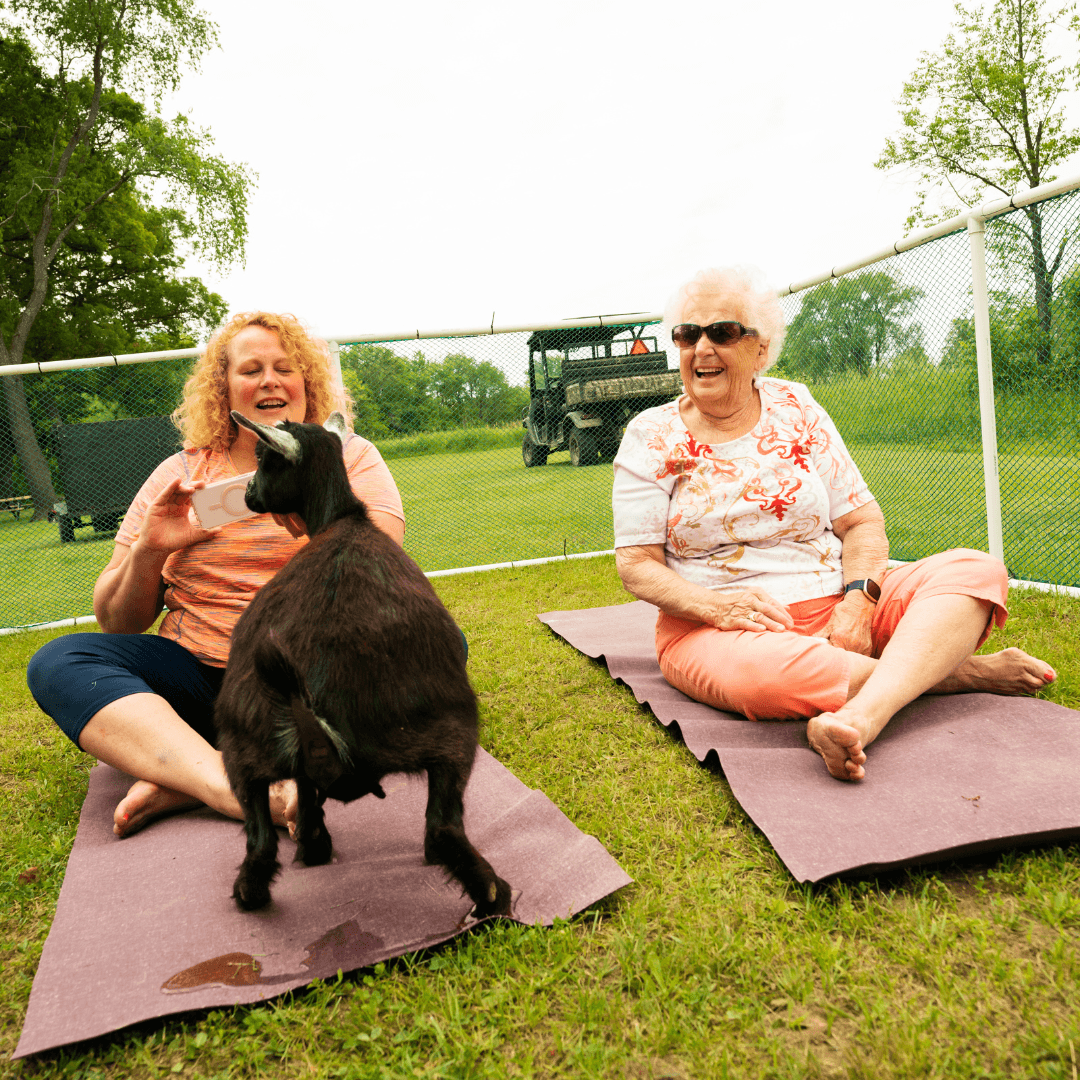
Seated and floor-based poses offer opportunities for gentle interaction without requiring a goat to climb onto a participant. A seated forward bend, comfortable cross-legged position, or other stable pose keeps participants close to the animals.
A curious goat may approach for attention, settle nearby, or simply wander past the mat. Let the animal decide how much interaction happens, rather than pulling it in or positioning it for a particular pose.
During reclining poses, goats may also rest or explore nearby while participants relax on their mats. These quieter moments provide a pleasant contrast to the more playful parts of the class.
Enjoy the interaction when it happens, but continue respecting the goat’s freedom to move away. The yoga pose doesn’t require a goat in order to be successful.
Staying Safe And Comfortable During Goat Yoga
Goat yoga should remain enjoyable for both participants and animals. Paying attention to your body, respecting the goats, and following basic hygiene practices contribute to a comfortable experience.
Always follow the instructor’s directions and any rules established by the venue. Farm environments and live animals introduce considerations that aren’t normally present in a conventional yoga studio.
1. Listen To Your Body
Pay attention to how your body feels throughout the class. Ease out of a pose or rest whenever you experience pain, unusual discomfort, dizziness, or excessive strain.
Work within your own range of motion rather than trying to match another participant. The presence of goats shouldn’t tempt you to hold a position longer or attempt a pose beyond your abilities.
Take extra care when a goat approaches unexpectedly. Regain a stable position before interacting rather than twisting or reaching awkwardly to pet the animal.
2. Respect The Goats
Let the goats approach and interact on their own terms. Avoid chasing, grabbing, restraining, or positioning an animal for a photograph or yoga pose.
Use gentle movements and follow the venue’s instructions about petting and handling. A goat that moves away has made its preference perfectly clear.
Never lift a goat or place one on yourself or another participant unless the venue specifically manages that interaction. Respecting the animals’ boundaries keeps goat yoga enjoyable for everyone involved.
3. Maintain Good Hygiene
Wash your hands thoroughly with soap and water after interacting with the goats, particularly before eating or touching your face. Use hand sanitizer when handwashing facilities aren’t immediately available.
Avoid touching your mouth, nose, or eyes during the session. Keep cuts or broken skin covered before entering areas with animals. These simple precautions reduce the chance of transferring germs from your hands to your face or skin.
Clean your yoga mat after the class according to the manufacturer’s instructions. This is especially important if goats have walked across it or the class took place in a barn or outdoor farm environment.
Ending The Goat Yoga Class
The final few minutes of a goat yoga class provide time to slow down after the more active poses and playful interactions. Follow the instructor through the closing sequence and enjoy the quieter end of the session.
Afterward, take time to gather your belongings, say goodbye to the goats when appropriate, and talk with other participants. Don’t forget to wash your hands thoroughly before leaving or eating.
1. Cool Down
Follow the instructor through the final stretches and relaxation poses. Gentle seated stretches or savasana may be included to bring the physical practice to a comfortable close.
Use this quieter part of the class to slow your breathing and relax after moving through the yoga sequence. Let your muscles release as you settle into the final poses.
Savasana also provides a few peaceful minutes after the unpredictable activity of practising around goats. Enjoy the stillness before returning to the rest of your day.
2. Express Gratitude
Take a moment to appreciate the experience before leaving the practice area. Reflect on the movement, laughter, animal interaction, and unexpected moments that made the class memorable.
Thank the instructor and other staff members who organized the session and cared for the animals. Their work makes it possible for participants to enjoy yoga in such an unusual setting.
You may also appreciate the goats simply by respecting their space as the session ends. They don’t require a formal thank-you speech. Letting them wander away is a fitting way to end an experience built around respectful animal interaction.
3. Socialize And Share
Spend a few minutes talking with other participants after class when time and the venue permit. Sharing favourite moments is a natural way to keep the social side of the experience going.
Photos often become part of the fun, but follow the venue’s rules before taking or sharing them. Never restrain or reposition a goat just to take a photo.
Talking with others may also spark ideas for future classes or other yoga experiences. A shared laugh over the morning’s goat antics is a fitting way to end the session.
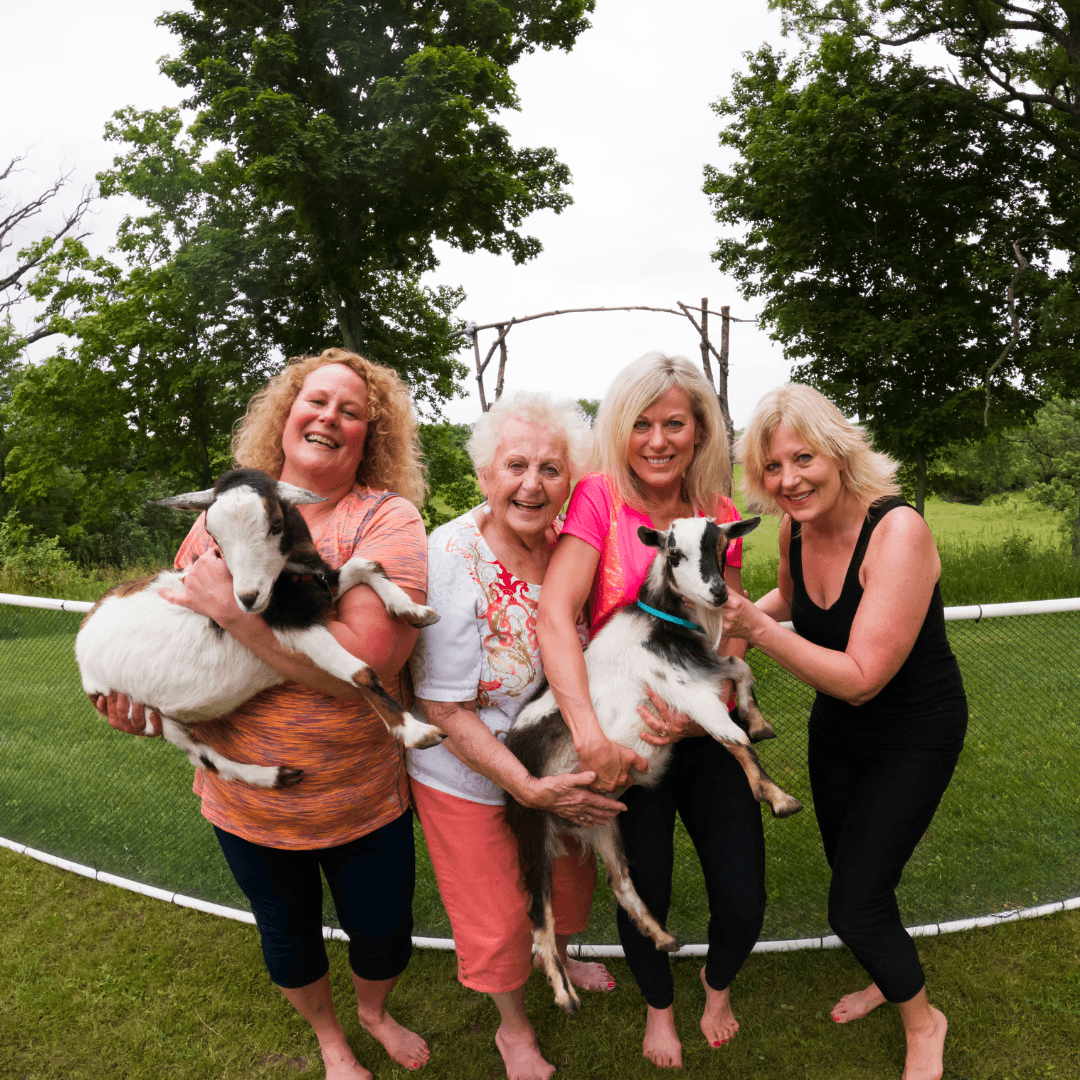
Tips For A Great Goat Yoga Experience
A great goat yoga experience begins with accepting that the class will be different from traditional yoga. The goats bring movement, curiosity, laughter, and plenty of unexpected moments to the practice.
You may begin a pose only to have a goat wander across your mat or stop nearby for attention. Rather than treating these interruptions as distractions, enjoy them as part of the experience.
Staying relaxed also makes it easier to focus on your movements while remaining aware of the animals around you. You don’t need to perform every pose perfectly or interact with every goat.
Respect for the animals remains important throughout the session. Gentle interaction and attention to the venue’s guidelines keep the experience enjoyable for participants and goats alike.
A few simple tips will help you make the most of your class while embracing everything that makes goat yoga so unusual and entertaining.
1. Stay Relaxed
Settle into the class with a few slow breaths, and give yourself time to get comfortable with your surroundings. No need to rush into poses or interact with the animals.
Stay aware of your body and the goats moving around you. When something interrupts your practice, simply pause, regain your position, and continue when you are ready.
2. Embrace The Fun
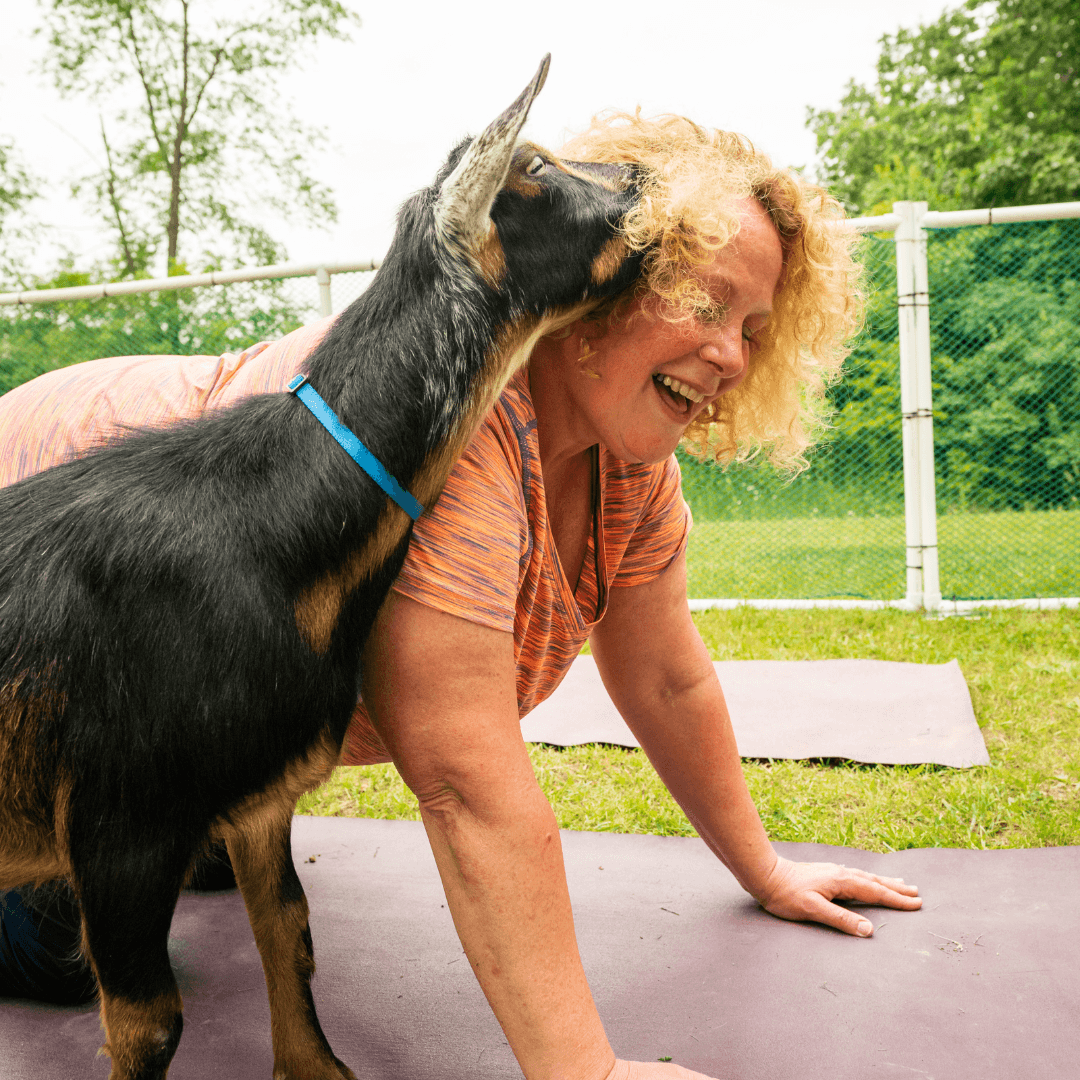
Expect the unexpected during goat yoga. A goat may wander across your mat, nuzzle you, investigate your clothing, or become interested in something completely unrelated to yoga.
Enjoy these interruptions rather than worrying about completing a perfect sequence. Laughter and spontaneity are part of what distinguishes goat yoga from a conventional class.
3. Let The Goats Lead The Interaction
Treat the goats gently and let them choose when to approach. Never chase, grab, restrain, or force an animal to interact. Follow the venue’s rules regarding petting and feeding. Only offer treats supplied or approved by the people responsible for the goats.
Tell a staff member when you notice an animal behaving unusually or appearing uncomfortable. The venue, rather than participants, is responsible for providing the goats with food, water, shelter, and appropriate care.
4. Bring Friends Or Family
Sharing goat yoga with friends or family adds another element of fun to the experience. Familiar company may also make a first class feel more comfortable.
Enjoy the unexpected moments together and compare your favourite parts afterward. The goats will probably provide at least one story worth retelling.
Conclusion
The benefits of goat yoga come from combining yoga, animal interaction, movement, and laughter. Traditional poses develop flexibility, balance, strength, and body awareness, while the goats add spontaneity and enjoyment.
The relaxed atmosphere offers a refreshing alternative to a conventional yoga class. Respecting the goats and following the instructor’s guidance keeps the experience enjoyable for both participants and animals.
For animal lovers, goat yoga offers movement, mindfulness, companionship, and plenty of memorable moments. Sometimes the best yoga session includes a little unexpected laughter.
I trust you enjoyed this article on the 25 Surprising Benefits Of Goat Yoga: A Complete Guide. Please stay tuned for more inspiring guides, helpful tips, and ideas to help you live closer to nature every day.
Take care!
— JeannetteZ🌿
💬 Your Opinion Is Important To Me
Do you have thoughts, ideas, or questions? I’d love to hear from you. Please leave your comments below or email me directly at Jeannette@Close-To-Nature.org.
📚 More Nature-Inspired Reads
Explore more ways to connect with nature, nurture your pets, and live in harmony with the world around you 🌿