Does Stress Make You Sick

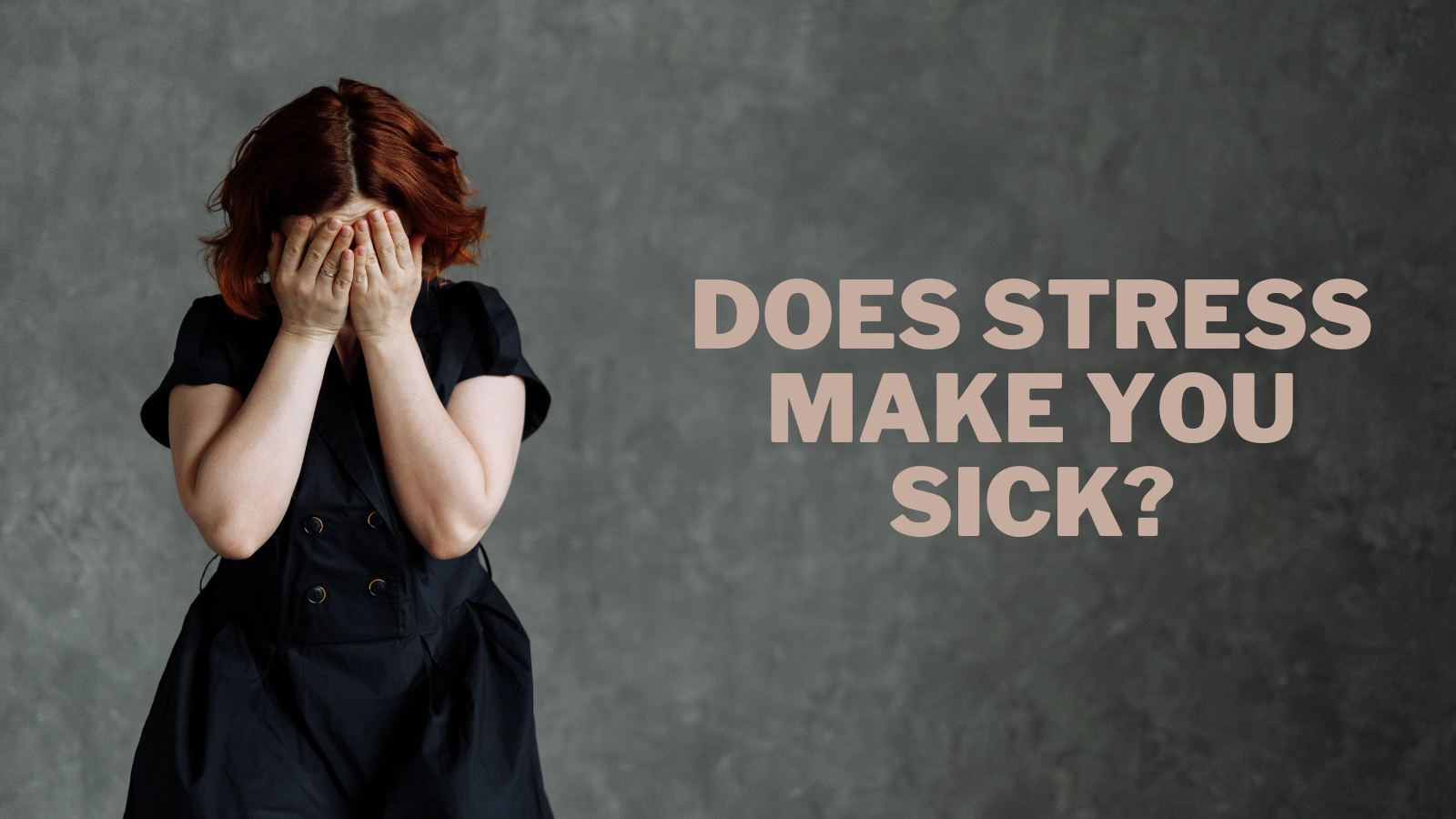
Does stress make you sick? Research increasingly shows that the connection between stress and the immune system is real and complex, influencing our susceptibility to illness.
The saying “stress makes you sick” is true more often than we might expect, with stress and disease interacting in subtle yet powerful ways.
This article explores how prolonged stress can disrupt the body’s delicate balance and increase susceptibility to illness. It also examines the fascinating relationship between stress and health, helping us understand how these processes unfold.
Knowing how stress and health are connected empowers us to manage and reduce stress more effectively, leading to a happier, more balanced life.
You’ll learn about the science behind stress-related diseases, how stress affects the immune system, and practical ways to protect your health.
By the end, you’ll have a clearer understanding of how stress significantly impacts well-being and how awareness can help you face daily challenges with greater resilience.
Knowledge is power, and by understanding how stress influences our health, we can take proactive steps toward living healthier, more fulfilling lives.
What Is Stress?
Stress is a complex physiological and psychological response to internal or external pressures, expectations, or challenges, collectively referred to as stressors.
Stress is a typical and adaptive response that prepares the body to handle imagined threats or challenging circumstances. It can result from various sources, including work-related difficulties, interpersonal relationships, financial concerns, health problems, or significant life events.
The body’s physiological changes in response to a stressor are known as the stress response. The brain’s hypothalamus triggers the sympathetic nervous system, which releases stress hormones, including cortisol and adrenaline.
These hormones trigger a series of processes throughout the body that prepare it for a fight-or-flight response. Stress can show itself physically in various ways: the rise of the heart rate and blood pressure.
Blood pressure rises, breathing gets shallower and faster, and the heart rate increases. Increased blood flow causes muscles to stiffen, readying the body for action. Sharpening of the senses improves attentiveness and perception.
This heightened arousal can be advantageous in the short term by enhancing performance under demanding conditions. However, issues develop when stress becomes overpowering or persistent.
These physiological alterations may accumulate due to prolonged exposure to stress or regular contact with various stressors, compromising overall well-being.
The immune, cardiovascular, digestive, and neurological systems, among others, can become out of balance due to persistent stress, which can also negatively impact other systems.
Stress can also harm one’s mental and emotional well-being. Anxiety disorders, depression, and burnout may be exacerbated or developed.
It may affect the brain’s work, making it more difficult to concentrate, remember things, or make decisions. Stress can also interfere with sleep habits, exacerbating its detrimental physical and mental health effects.
Remembering that each person reacts to and experiences stress uniquely is important. One person’s difficult situation could not be another’s.
Additionally, individuals have different coping strategies and levels of resilience, which affect how they respond to and adapt to stress.
For successful stress management, it is essential to identify the symptoms and indicators of stress. These symptoms can include agitation, exhaustion, headaches, changes in eating or sleep patterns, difficulty concentrating, and heightened susceptibility to infections or illness.
People can proactively manage stress and reduce its negative effects on their well-being by recognizing and addressing it in its early stages.
Understanding stress as a complex response that affects the body and mind is essential for developing effective coping mechanisms.
People can develop resilience, improve their general well-being, and deal with life’s obstacles more easily by practicing stress-reducing strategies, such as exercise, relaxation techniques, mindfulness, social support, and time management.
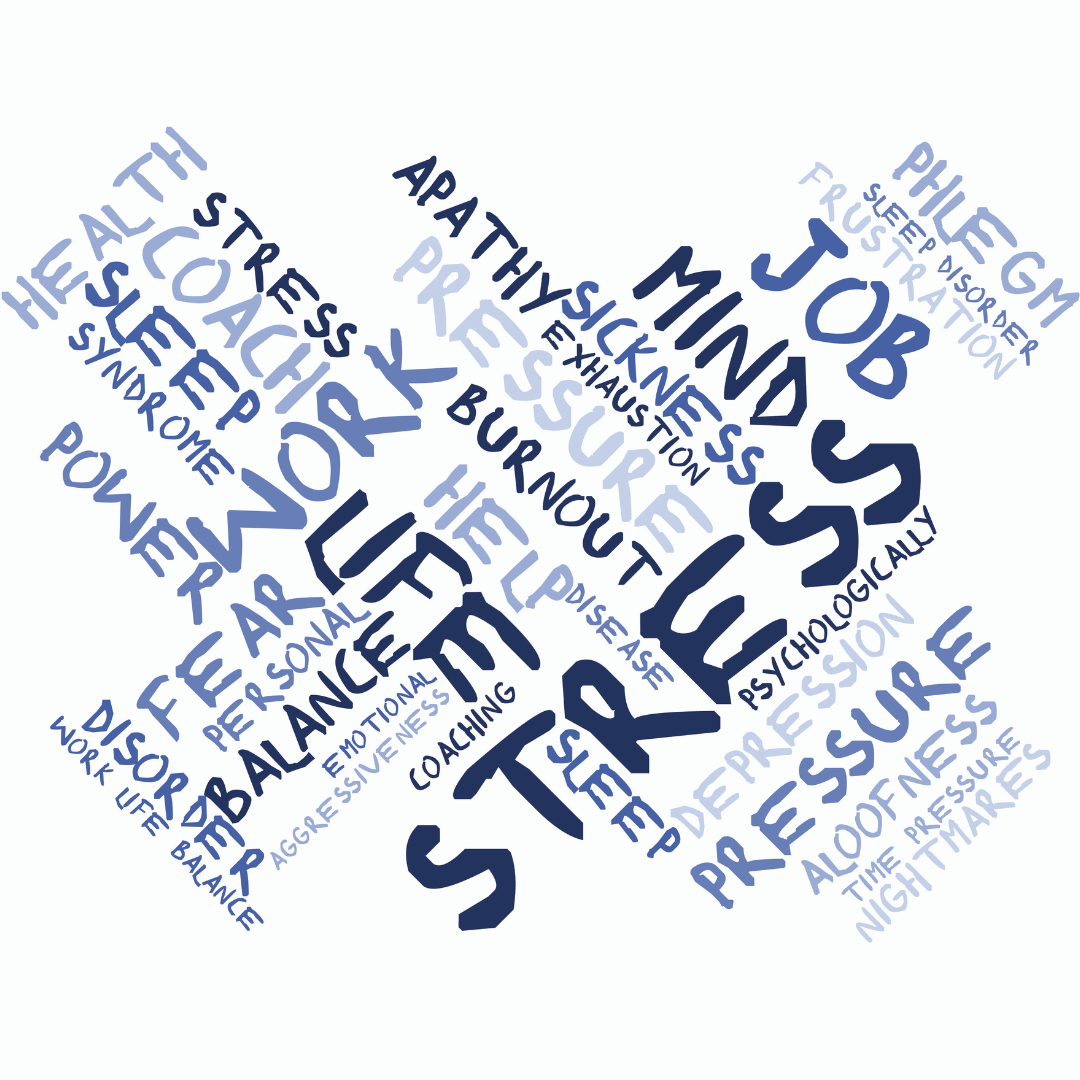
How Stress Can Make You Sick
Stress can negatively affect your physical and mental health, increasing your susceptibility to illness. When stressed, your body releases stress chemicals like cortisol and adrenaline, which trigger the “fight or flight” response.
While this reaction may be helpful in some situations, persistent or chronic stress can harm your overall health. The following are some ways that stress may harm your health:

1. Weakened Immune System
Chronic stress can severely impact your immune system, which impairs the system’s capacity to protect your body from diseases and infections.
Your body releases cortisol and other stress chemicals when you are under pressure, which can impair the effectiveness of your immune system.
The immune system’s capacity to mount a successful defence against pathogens, including bacteria, viruses, and other dangerous invaders, is hampered by this suppression.
You become more susceptible to infections, colds, and other diseases. Chronic stress can also induce inflammation, which further impairs immune function.
To maintain a strong immune system and general well-being, it’s critical to successfully manage stress through relaxation techniques, physical activity, and self-care.

2. Increased Inflammation
In the body, stress can trigger a series of actions that lead to more inflammation. Stress hormones like cortisol and adrenaline are released by the body when you’re stressed, and they might cause an inflammatory reaction.
Although this reaction is a normal defence mechanism for the body, continuous stress can result in a persistent inflammatory condition.
Numerous health conditions, including metabolic illnesses like diabetes and autoimmune disorders where the immune system mistakenly targets the body’s tissues, have been linked to chronic inflammation, including cardiovascular ailments like heart disease and stroke.
People who experience chronic stress exhibit elevated inflammatory markers, such as C-reactive protein (CRP) and pro-inflammatory cytokines.
The inflammatory response can be mitigated, and stress-reduction techniques, regular exercise, a balanced diet, and adequate sleep can reduce the risk of related health disorders.
3. Cardiovascular Issues
Stress can hurt cardiovascular health by raising the risk of high blood pressure, heart disease, and other cardiovascular problems.
Cortisol and adrenaline are two stress hormones that your body releases under stress. As a result of these hormones’ ability to tighten and narrow blood vessels, blood pressure can rise.
Stress hormones can also boost the synthesis of chemicals that promote inflammation. The risk of heart attacks and strokes may increase due to this plaque’s ability to limit blood flow over time.
Chronic stress impacts habits, including bad eating, inactivity, and increasing alcohol or tobacco use, all of which harm cardiovascular health.
The risk of cardiovascular problems can decrease, and general heart health can be improved by managing stress using relaxation exercises, regular exercise, and healthy coping mechanisms.
Routine exams and consultations with medical professionals are also essential for monitoring and controlling cardiovascular health in chronic stress.

4. Digestive Problems
Stress can significantly affect the digestive system, leading to a range of digestive symptoms. The regular operation of your digestive system can be hampered while you’re under stress.
Increased intestinal muscle contractions and sensitivity, caused by stress hormone production, can lead to symptoms such as abdominal pain, cramps, bloating, and changes in bowel habits.
While some people may experience constipation, others may experience diarrhea. Chronic stress can also make pre-existing gastrointestinal disorders, such as irritable bowel syndrome (IBS) and inflammatory bowel disease (IBD), which include Crohn’s disease and ulcerative colitis, worse.
Abdominal pain, diarrhea, and digestive tract inflammation are just a few of the symptoms linked to these disorders that can be brought on or made worse by stress.
This may entail relaxation techniques, regular exercise, a healthy diet, and adequate rest. The symptoms of digestive disorders exacerbated by stress can also be managed and alleviated through medical advice and treatment from healthcare professionals.

5. Mental Health Disorders
Long-term stress can substantially negatively affect mental health, possibly causing the emergence or escalation of mental health problems like depression and anxiety.
Chronic stress causes the body to continuously release stress hormones, which may interfere with the brain’s chemical equilibrium and impact the ability to regulate mood.
This imbalance may have a role in developing anxiety disorders characterized by exaggerated concern, fear, and heightened stress reactions.
Stress can also set off or exacerbate the signs of depression, including chronic melancholy, interest loss, and adjustments to eating and sleep patterns.
In turn, mental health issues can significantly negatively affect general well-being, affecting a variety of facets of life, such as relationships, productivity at work, and physical health.
Additionally, mental health and immunological function are intertwined since changes in the immune system and hormonal responses to stress can impair the body’s defences.
Therefore, stress management and getting the right mental health care through therapy, counselling, or medication when necessary can be crucial for boosting mental health, immune system function, and general health.

6. Sleep Disturbances
Stress can significantly affect sleep cycles and disrupt sleep. It is difficult to unwind and quiet the mind when stressed, making it difficult to fall asleep and stay asleep all night.
Insomnia is a condition marked by trouble falling asleep, frequent awakenings, or early morning awakenings. Stress can contribute to insomnia.
Stress can also reduce restorative sleep or cause fragmented sleep, which is detrimental to the body. The immune system can suffer from sleep deprivation because sleep is essential for proper functioning.
The immune system is repaired and stabilized during sleep, one of the body’s crucial restorative processes. Stress may damage the immune system, increasing the body’s susceptibility to infections and other diseases when sleep quality is disturbed.
Developing healthy sleeping habits and productive stress-reduction strategies is crucial to encourage peaceful sleep. This may entail establishing a tranquil bedtime routine, making the bedroom a comfortable place to sleep, engaging in relaxation exercises, and addressing stress sources with constructive coping skills.
Setting sleep as a priority and getting professional assistance if sleep difficulties continue can improve the immune system and general health.

7. Weight Gain Or Loss
Stress can significantly affect weight, causing swings that may lead to weight gain or loss. Under stress, individuals may alter their eating habits.
Some people may use food for solace and emotional release, which can increase hunger and cravings, particularly for meals high in calories, sugar, or fat.
This emotional eating can lead to weight gain when accompanied by stress hormones such as cortisol, which can promote fat storage.
On the other hand, some individuals may experience reduced appetite due to stress. A reduced appetite brought on by increased pressure might result in reduced caloric intake and accidental weight loss.
Stress can also affect metabolism because cortisol affects how nutrients are broken down and stored. It might cause a decrease in muscle mass and an increase in fat storage, which might affect weight differently.
Stress can hurt one’s ability to control one’s weight. Still, it can be mitigated by using effective coping mechanisms, such as exercising, learning stress-reduction techniques, and seeking support from therapists or other medical professionals.
Amid stress, maintaining a healthy weight and overall well-being can be supported by regular exercise and a balanced, nutrient-dense diet.

8. Skin Problems
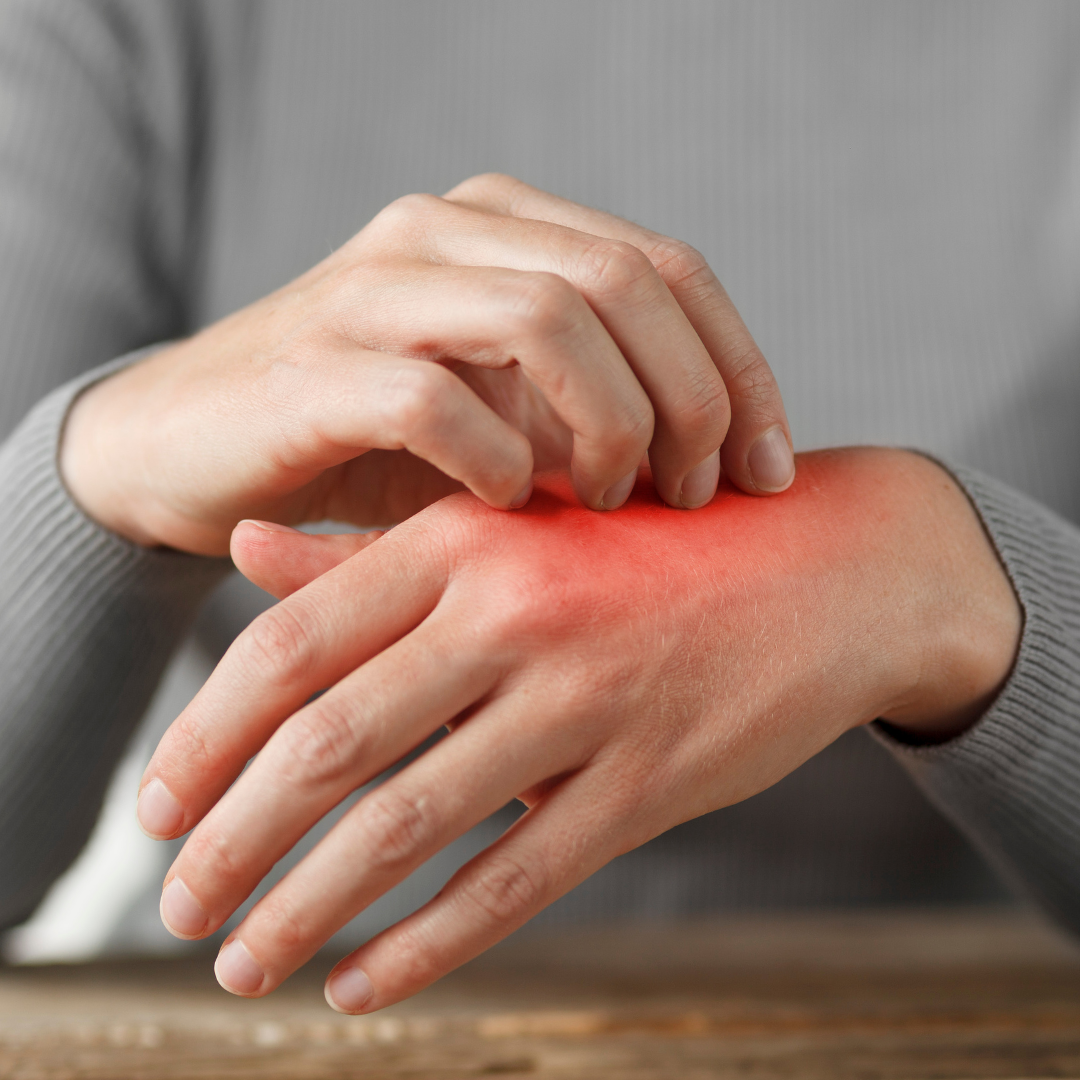
Stress can have a profound impact on skin health, exacerbating pre-existing conditions and causing the development of new issues.
Your body releases cortisol and other stress hormones when you are under stress, and these chemicals can impact various physiological functions, including those that affect your skin.
Stress can make flare-ups of pre-existing skin diseases like eczema, psoriasis, or dermatitis worse and last longer. Stress can exacerbate skin issues by raising inflammation levels and triggering the release of inflammatory chemicals.
An additional factor in the emergence of acne is the disruption of the body’s hormone balance brought on by stress. Hives, rashes, and excessive sweating are a few other skin-related issues that stress can cause.
Since stress can affect several elements, including immunological response, inflammation, and sebum production, the relationship between stress and skin issues is complicated.
Exercise, meditation, and relaxation exercises can all be used to manage stress and lessen its negative effects on the skin.
Additionally, monitoring and treating skin disorders aggravated by stress can be facilitated by following a regular skincare routine, avoiding harsh products, and getting guidance from dermatologists or other medical specialists.
9. Reproductive Issues
Both men and women are susceptible to the negative effects of chronic stress on reproductive health. Menstrual irregularities or even the absence of menstruation (amenorrhea) can result from pressure, upsetting the delicate hormonal balance that regulates the menstrual cycle in women.
Stress for extended periods can lead to hormonal abnormalities that interfere with ovulation and make it more challenging to get pregnant.
Stress can also impact the quality of eggs and the implantation process, affecting fertility issues. Stress can affect sperm production in men, decreasing sperm quantity, motility, and shape.
Additionally, stress hurts sexual performance, making it more difficult to get or keep an erection. These consequences result from the effects of stress hormones on the reproductive system and other factors.
These effects result from stress hormones’ impact on the reproductive system and stress’s impact on general health and lifestyle choices, including diet, exercise, and sleep.
People with reproductive problems brought on by stress should seek support from medical specialists with expertise in reproductive health.
Implementing stress-management strategies, such as counselling, relaxation exercises, and lifestyle changes, can support reproductive health and enhance overall well-being.

10. Muscle Tension And Pain
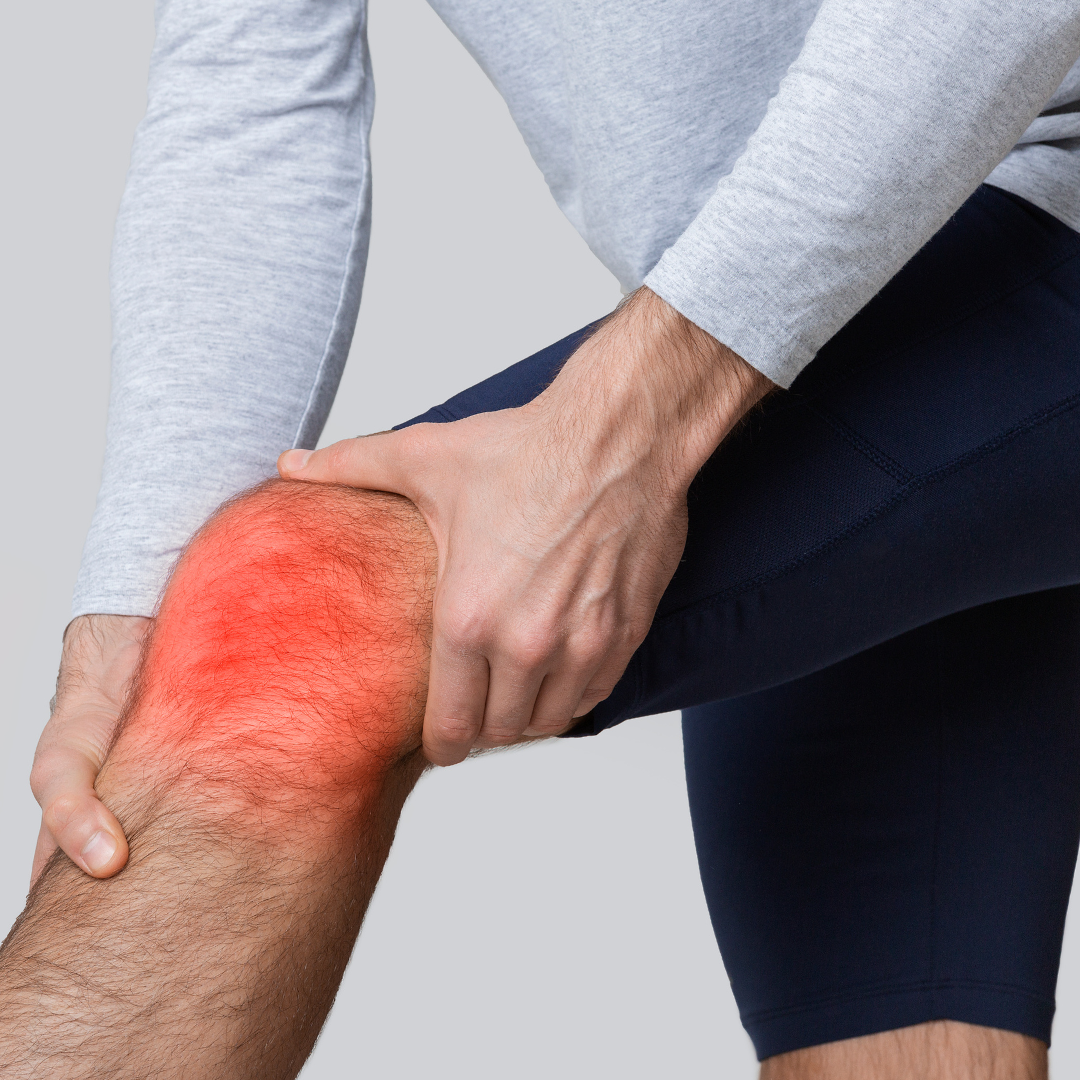
Stress can significantly affect muscle tightness and pain, resulting in various forms of bodily discomfort. Under stress, muscles contract and tense, leading to tension, headaches, migraines, neck pain, and backaches.
Chronic muscle tension can result from the body’s ongoing activation of the stress response, which may help develop musculoskeletal illnesses like tension myalgia and fibromyalgia.
Broad-based muscle soreness, tenderness, and increased pain sensitivity are the hallmarks of these diseases. In addition, ongoing musculoskeletal disorders may be exacerbated by chronic stress, which would result in more severe and ongoing pain.
Muscle tension caused by stress can adversely affect sleep quality, daily activities, and overall well-being. Stress management is essential for alleviating muscle discomfort and tension.
Regular exercise, stretching, deep-breathing exercises, and relaxation methods such as yoga or meditation can help relieve muscle tension and promote relaxation.
Getting expert advice from healthcare professionals, such as physical therapists or chiropractors, can contribute to the help you receive in managing and treating pain and muscular tension brought on by stress.

Conclusion
In conclusion, ongoing stress can harm health and increase susceptibility to illness. Stress has a wide-ranging effect on well-being, affecting physical and mental health.
Stress can affect various health conditions, including impaired immune function, increased inflammation, cardiovascular disease, gastrointestinal disorders, sleep disturbances, and reproductive problems.
It’s critical to understand the importance of stress management and reduction through healthy coping strategies, lifestyle changes, and, when necessary, professional support.
Self-care and proactive stress management can enhance overall health and well-being and reduce the risk of developing stress-related disorders. Remember that you control managing your stress and preserving your health.
I trust you enjoyed this article on Does Stress Make You Sick?. Please stay tuned for more inspiring guides, helpful tips, and ideas to help you live closer to nature every day.
Take care!
— JeannetteZ🌿
💬 Your Opinion Is Important To Me
Do you have thoughts, ideas, or questions? I’d love to hear from you. Please leave your comments below or email me directly at Jeannette@Close-To-Nature.org.
📚 More Nature-Inspired Reads
Explore more ways to connect with nature, nurture your pets, and live in harmony with the world around you 🌿